Fishing Gore Creek With a Vail-Area Guide
There's a special kind of magic to fishing in the Colorado high country, but let's be real, it can also be incredibly intimidating. You're standing by a crystal-clear river, seeing fish, but they seem completely uninterested in anything you offer. That's a common frustration, especially on famed waters like Gore Creek in Vail. This guide is all about demystifying that experience, showing you why bringing a local guide onto Gore Creek can transform your frustration into a truly unforgettable day of connecting with some of the most beautiful, challenging trout Colorado has to offer.
The Unique Allure and Challenges of Gore Creek
Gore Creek isn't just another pretty mountain stream; it's a true gem, flowing right through the heart of Vail, yet offering an incredible sense of wildness and opportunity for anglers. But don't let its accessible location fool you – this creek demands respect and a specific approach if you want to find success.
A Jewel in the Heart of Vail
Picture this: you're casting a line in a serene, trout-filled stream, the majestic Gore Range towering around you, and yet, you're only a stone's throw from world-class amenities in Vail. That's Gore Creek. It's a designated Gold Medal Water, which means it boasts an abundance of large trout (specifically, at least 60 pounds of trout per acre and at least 12 quality trout over 14 inches per acre). This isn't just a label; it’s a testament to the exceptional fishery you’re entering. You'll find a healthy mix of brown trout, rainbow trout, and even some cutthroat hybrids, all thriving in its cold, oxygen-rich waters. The fish here are often robust and beautiful, thanks to the rich aquatic insect life and favorable conditions. However, this accessibility also means the fish see a lot of angler pressure, making them notoriously selective and easily spooked. It’s a rewarding challenge, but a challenge nonetheless.
Why Gore Creek Demands Expert Guidance
So, why would you need a guide for a river that runs through town and is so accessible? Simple: the fish are smart. Imagine living in a pristine, beautiful environment where every day, multiple people come by offering you food. You'd quickly learn what looks good, what tastes good, and what's just a trick. Gore Creek trout are no different. They are highly educated, and their survival depends on being incredibly selective. This means your fly choice, presentation, and even your approach to the bank need to be nearly perfect.
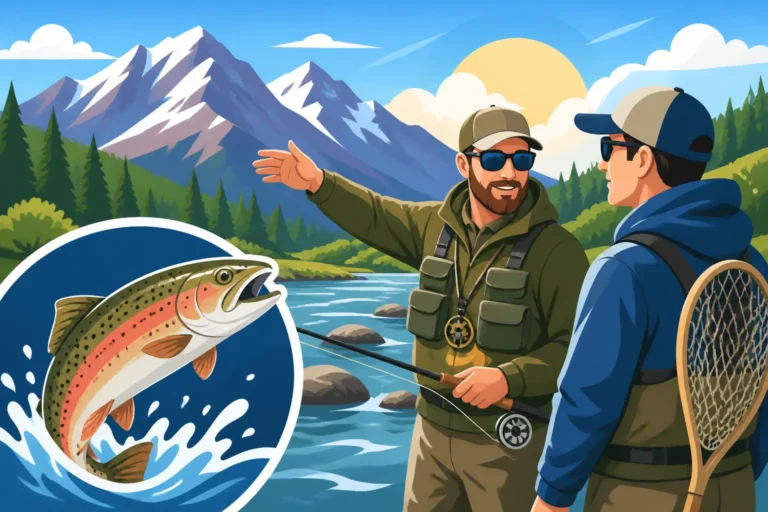
A local Vail-area guide, however, spends countless hours on this very water. They know the subtle seams where fish hold, the exact fly patterns that are working on a given day, and how to approach a wary fish without sending it darting for cover. They’re essentially a living, breathing fishing report and encyclopedia, condensed into one knowledgeable person. During a spring runoff or a low-water summer day, a guide knows how the conditions have shifted the fish's behavior and where they'll be seeking refuge or food. Without that insight, you could spend hours fruitlessly casting over empty water or offering flies that the fish simply ignore. Plus, they'll ensure you're compliant with Colorado Gold Medal Water Rules, which often include specific restrictions like artificial flies and lures only, and catch-and-release practices.
What to Expect on a Guided Gore Creek Adventure
Booking a guided trip on Gore Creek isn't just about catching fish; it's an educational and immersive experience that deepens your understanding of the river and the art of fly fishing. It removes the guesswork and allows you to focus on the pure enjoyment of being on the water.
Trip Types: Primarily Walk-Wade
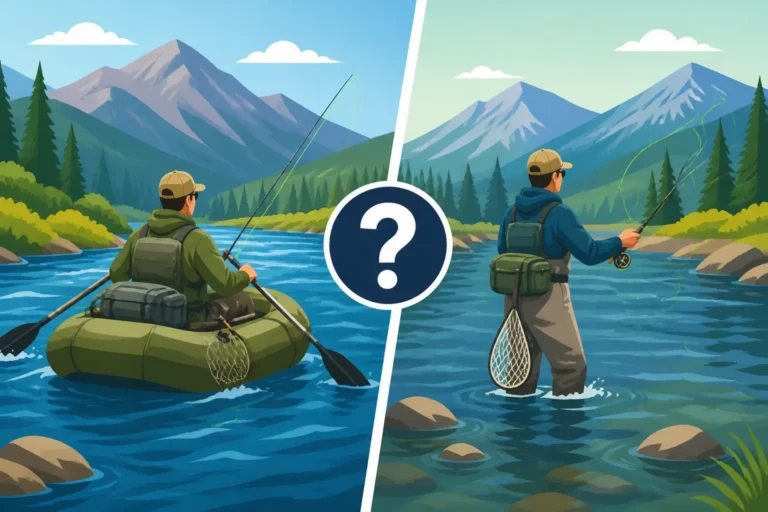
Unlike larger rivers where float trips in drift boats are common, Gore Creek is primarily a walk-and-wade fishery. This is due to its size and character – it's intimate, often shallow, and full of obstacles like boulders and log jams that make floating impractical for most of its prime fishing sections. A walk-wade trip means you'll be on foot, often in waders and wading boots, navigating the streambed and bankside paths with your guide. This allows for a much more personal and stealthy approach to the fish, letting you carefully stalk prime lies and make precise casts.
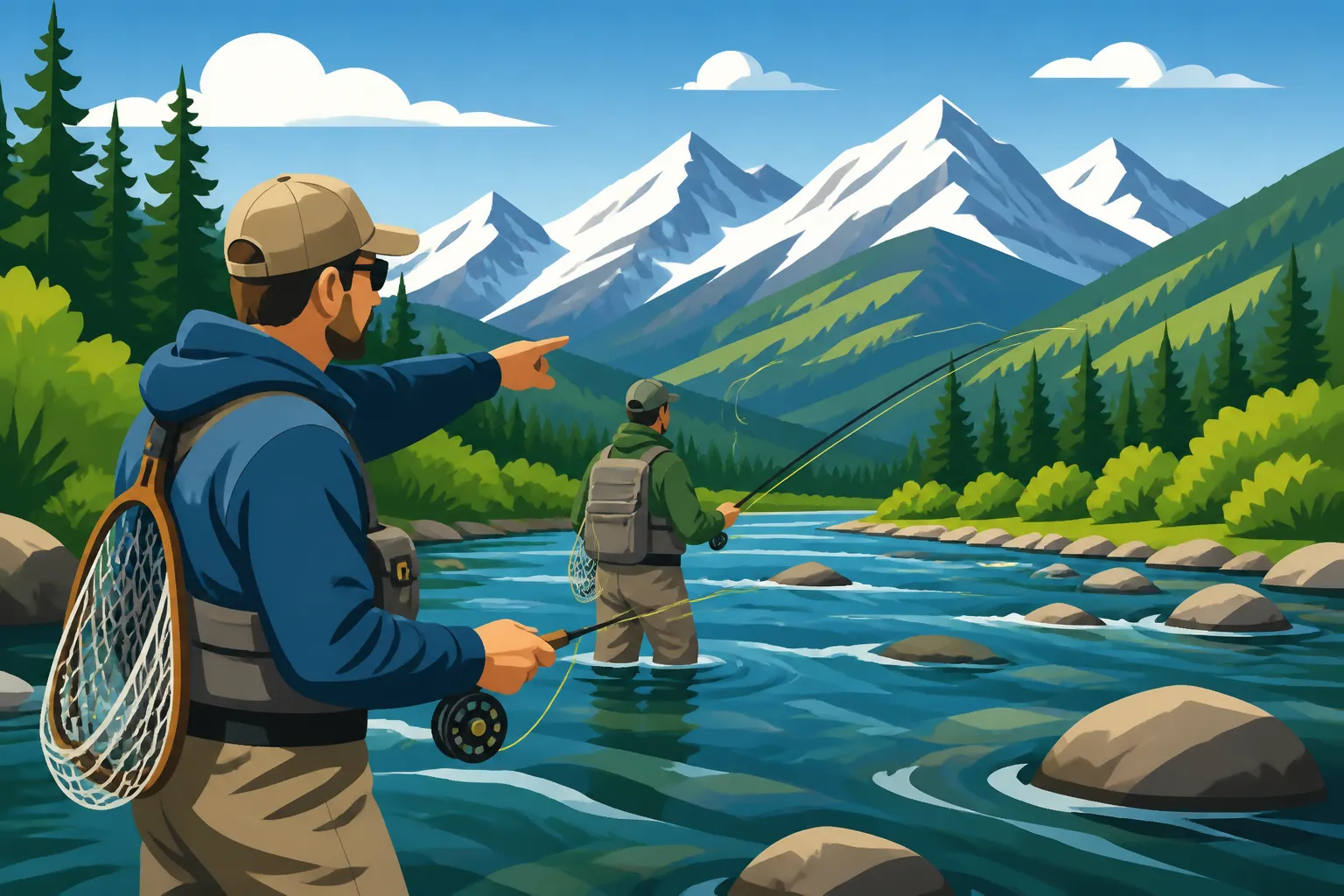
While Gore Creek itself is a walk-wade experience, some guides in the Vail area might also offer float trips on the nearby Colorado River if you're looking for a different kind of adventure on another day. But for Gore Creek specifically, prepare for a fantastic day of walking, wading, and focusing on the detailed nuances of fly presentation in a highly rewarding environment. This kind of hands-on approach is fantastic for learning, as your guide can be right there with you, pointing out exactly where to cast and how to mend your line. If you're wondering What's Included in a Colorado Guided Fly Fishing Trip, expect waders, boots, rods, reels, and all the flies you could possibly need to be provided.
Gear, Flies, and Local Know-How
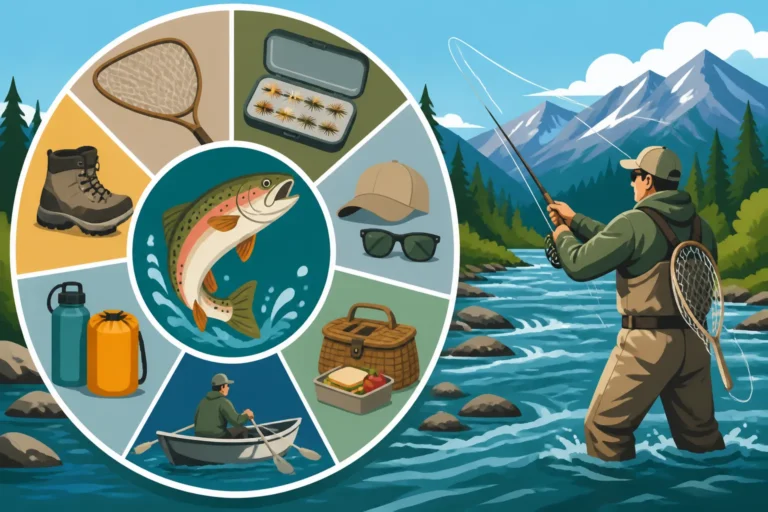
When you book a guided trip, a huge weight is lifted off your shoulders regarding gear. Most Vail-area guides provide all the necessary equipment: high-quality rods and reels (often a light 4- or 5-weight setup perfect for Gore Creek's selective trout), waders and wading boots, and, most importantly, a vast selection of flies. This isn't just convenient; it's critical. The local guide’s fly box is a treasure trove of patterns specifically chosen for Gore Creek's current conditions and hatches.
They'll have the tiny midges that fool winter trout, the various caddis and mayfly patterns for spring and summer hatches, and the various nymphs that are almost always productive subsurface. Think about it: Gore Creek fish are extremely selective. What worked yesterday might not work today, and what works on one section might not work on another. Your guide knows the subtle nuances, from the specific size of a Blue-Winged Olive to the perfect amount of split shot needed to get a nymph into the feeding zone. They'll help you with Matching the Hatch on Colorado's Tailwaters and present patterns like a pro. They also understand that you'll need to secure your fishing permissions, and can confirm what you need in terms of Colorado Fishing License Rules for Guided Trips.
Learning the Finer Points of Presentation
This is where a guide truly shines on Gore Creek. It's not just about having the right fly; it's about how you present it. The clear water and wary fish mean sloppy casts, drag, or heavy footsteps on the bank will send them scattering. Your guide will teach you:
- Stealth and Approach: How to move quietly along the bank, reading the water to identify prime lies before you even cast. This often involves looking for shadows, structure, or subtle currents that might indicate a fish's holding spot.
- Accurate Casting: Getting that fly exactly where it needs to be, often in tight quarters due to bankside vegetation. This might mean roll casts, steeple casts, or other specialized techniques to get around obstacles.
- Reading the Water: Identifying seams, eddies, riffles, and pools where fish are likely to feed. A guide can point out subtleties you might never notice on your own.
- Mending and Drag-Free Drifts: Ensuring your fly drifts naturally with the current, appearing as a real insect. This is paramount for tricking highly selective trout.
- Hook Sets and Fish Fighting: How to properly set the hook on a subtle take and then skillfully fight and land a strong trout in a current, minimizing stress on the fish for a safe release. Your guide will demonstrate How to Handle Trout for a Safe Release to ensure the health of the fishery.
Choosing the Right Vail-Area Guide for Gore Creek
With so many excellent guides and outfitters in Colorado, how do you pick the one that's perfect for your Gore Creek adventure? It comes down to specialization, reputation, and understanding what kind of experience you're looking for.
Finding a True Local Expert
For a nuanced and challenging fishery like Gore Creek, you absolutely want a guide who lives and breathes this specific water. Look for guides or outfitters who:
- Specialize in Gore Creek: While many guides fish the broader Vail Valley (Eagle River, Colorado River), some truly have Gore Creek dialed in. Their expertise on its particular hatches, fish behavior, and specific access points will be invaluable.
- Are part of the local community: Often, guides who work out of a local Vail fly shop have the most up-to-date information on the creek's conditions. They're constantly on the water, talking to other guides, and tracking hatches.
- Emphasize education: A good guide for Gore Creek isn't just a fish-finder; they're a patient teacher. They should be eager to share their knowledge, explain why they're doing something, and help you improve your skills. Don't be afraid to ask about their teaching philosophy when you call to book.
Booking directly through local fly shops in Vail or Edwards is often a great way to ensure you're getting someone with intimate knowledge of Gore Creek. They rely on their local reputation and repeat clients, so quality is usually high.
Booking Your Experience
There are a few main ways to book a guided trip for Gore Creek.
- Local Fly Shops: As mentioned, this is often the gold standard. Shops like Vail Valley Anglers or Gore Creek Fly Fisher are deeply embedded in the local fishing scene and employ guides who regularly work the creek. You can call them, explain your experience level and goals, and they'll match you with a suitable guide.
- Online Platforms: Websites like FishingBooker offer a convenient way to browse guides, compare prices, read reviews, and book trips for various locations, including the Vail area. This can be a great option for seeing a wider range of guides and availability all in one place. Just be sure to filter for guides who explicitly mention Gore Creek in their offerings and have strong reviews related to river fishing. Using platforms like FishingBooker can streamline the initial search, but it's always a good idea to follow up with a phone call to confirm details directly with the guide or outfitter.
- Direct Contact: Some independent guides operate solo or through their own websites. You might find them through word-of-mouth or online searches. Always check their credentials, experience, and ensure they are properly licensed.
When booking, be clear about your expectations. Are you a complete beginner hoping for a basic introduction, or an experienced angler looking to refine specific techniques on challenging fish? Do you have a specific target species in mind? The more information you provide, the better your guide can tailor the experience. Also, clarify the costs associated, as Colorado Fly Fishing Guide Costs Explained can vary widely based on duration and amenities. Don't forget the required Colorado Fishing License Guide for Residents and Nonresidents and Colorado's Habitat Stamp, Explained.
Preparing for Your Trip
Once you've booked your guide, a little preparation on your end can go a long way in ensuring a smooth and enjoyable day.
- Your License and Habitat Stamp: This is non-negotiable. You must have a valid Colorado fishing license and habitat stamp (if applicable to your age/residency) before you step foot in the water. You can usually purchase these online through the Colorado Parks and Wildlife (CPW) website or at licensed vendors in Vail. Make sure you understand Colorado Fishing Regulations Every Angler Should Know.
- Appropriate Clothing: Dress in layers! Colorado weather in the mountains can change rapidly. Even on a sunny summer day, mornings can be chilly, and afternoon thunderstorms are common. Quick-drying fabrics are always a good idea. In cooler months, thermal layers are essential.
- Sun Protection: High altitude means intense sun. Bring a wide-brimmed hat, sunglasses (polarized are a game-changer for spotting fish and protecting your eyes), and plenty of high-SPF sunscreen.
- Snacks and Drinks: While some guides provide lunch or snacks on full-day trips, always bring your own water bottle and any preferred snacks to keep your energy up.
- Camera: You'll want to capture those beautiful Gore Creek fish and the stunning scenery.
- Gratuity: It's customary to tip your guide for a job well done. Check out Tipping a Colorado Fishing Guide, What's Standard for guidance.
- Physical Readiness: A walk-wade trip on Gore Creek can involve navigating uneven terrain, rocks, and slippery streambeds. While guides will work at your pace, a reasonable level of physical fitness will make the day more enjoyable. If you have any physical limitations, communicate them to your guide beforehand.
Beyond the Catch: The Value of a Guided Gore Creek Experience
A guided trip on Gore Creek offers more than just the chance to land a trophy trout; it provides a deeper appreciation for the ecosystem, an understanding of crucial regulations, and a personalized education in angling techniques.
Understanding Gold Medal Water Regulations
Gore Creek's Gold Medal status isn't just a marketing term; it comes with specific responsibilities for anglers. These waters are often managed for wild trout populations or trophy fishing, meaning regulations are typically stricter to protect the resource. On Gore Creek, you'll generally find:
- Artificial Flies and Lures Only: No bait fishing is allowed. This helps reduce incidental mortality from fish swallowing hooks too deeply.
- Catch-and-Release: Most, if not all, of the Gold Medal sections on Gore Creek are designated catch-and-release only. This means all fish caught must be immediately and carefully returned to the water. Your guide will be an expert in Colorado's 14-Inch Trout Length Rule and other specific limits, ensuring you stay compliant.
- Barbless Hooks: While not always explicitly required on all Gold Medal Waters, many anglers (and guides) choose to crimp down barbs on their hooks. This makes for easier, safer releases and is highly recommended. You can learn more about Colorado Gold Medal Water Regulations Explained.
Your guide will be an invaluable resource for understanding and adhering to these regulations, ensuring you fish ethically and responsibly, contributing to the health of this incredible fishery. They'll also educate you on local nuances, like Catch-and-Release Rules on Colorado's Cutthroat Waters if you encounter any.
Seasonal Considerations for Gore Creek
The fishing on Gore Creek changes throughout the year, and a guide's local knowledge becomes even more critical with seasonal shifts.
- Spring (March-May): Early spring can be fantastic as fish become more active after winter. As spring progresses, however, keep an eye on runoff. When Colorado's Spring Runoff Hits and How to Fish Around It will drastically impact conditions. High, muddy water makes fishing difficult. Your guide will know the windows before and after runoff.
- Summer (June-August): Once runoff subsides, summer can offer excellent dry fly fishing as various insect hatches occur. Mornings and evenings are often prime as water temperatures rise in the afternoon. This is often the busiest time on the creek.
- Fall (September-November): Many anglers consider fall to be the best time on Gore Creek. The crowds thin, the leaves turn golden, and the brown trout become aggressive as they prepare for their spawn. Streamer fishing can be particularly exciting. Fall Fishing in Colorado, What Changes can include colder mornings and fewer hatches, requiring different tactics.
- Winter (December-February): Ice fishing is not an option here, but open water fishing is possible on milder days. Midge fishing can be surprisingly productive, but it's a very technical game requiring patience and delicate presentation. Your guide will know the accessible stretches that remain open.
Understanding Colorado Fishing Seasons Month by Month is key to planning your trip, and your guide can advise on the best time to visit based on your preferences.
Supporting Conservation Through Guides
When you hire a local, reputable fishing guide, you're not just paying for a day on the water; you're supporting local businesses and, indirectly, conservation efforts. Many guides are passionate advocates for the rivers they fish, participating in river cleanups, advocating for responsible land use, and educating their clients about environmental stewardship. They often serve as the front line for reporting issues like pollution or poaching to Colorado Parks and Wildlife. By choosing a guide, you're investing in an industry that has a vested interest in keeping places like Gore Creek pristine and healthy for generations of anglers to come.
| Aspect | Independent Angler on Gore Creek | Guided Angler on Gore Creek |
|---|---|---|
| Gear/Flies | Must own or rent, research appropriate patterns | All provided, expertly selected for conditions |
| Local Knowledge | Relies on online reports, trial & error | Intimate, real-time understanding of fish/hatches |
| Skill Development | Self-taught, slow progression | Direct instruction, immediate feedback, faster learning |
| Fish Success | Variable, can be frustrating for novices | Significantly higher likelihood of success and quality fish |
| Navigation/Access | Must research public access, wade safely | Guide knows best access points and safe wading paths |
| Regulation Adherence | Must read and interpret CPW brochures | Guide ensures compliance, explains rules clearly |
| Overall Experience | Can be rewarding but challenging and time-consuming | Relaxed, educational, focused on enjoyment and learning |
Disclaimer
This article is for general informational purposes only and does not constitute professional advice. Laws, prices and regulations vary by location and change over time. Consult a qualified professional for guidance on your specific situation.