Guided Trips Near Breckenridge on the Blue River
The Blue River, especially the section downstream from Dillon Reservoir near Breckenridge, is an absolute gem for anglers, a true cold-water sanctuary in the heart of the Rocky Mountains. If you're visiting Breckenridge and dreaming of a productive day on the water, you might be wondering how to best tackle this renowned tailwater. The truth is, while beautiful, it can be intimidating with its technical fishing, tricky access, and specific regulations. This guide will walk you through everything you need to know about embarking on a guided fishing trip on the Blue River near Breckenridge, ensuring you make the most of your angling adventure.
Why Choose a Guided Trip on the Blue River Near Breckenridge?
When you’re standing on the banks of the Blue River, rod in hand, it’s easy to feel a mix of excitement and overwhelm. This isn't just any river; it’s a highly productive, technical tailwater known for growing some truly impressive trout. A guided trip isn't just for beginners; it’s a strategic advantage for anyone looking to unlock the river's secrets, regardless of their experience level.
Navigating Local Waters and Regulations
Colorado fishing regulations can feel like a labyrinth, especially when you’re on vacation and just want to enjoy your time. The Blue River, particularly the Gold Medal Water stretch below Dillon Reservoir, has its own set of rules that differ significantly from other waters. For instance, there are specific limits on what you can keep, often strict catch-and-release requirements for certain species, and even rules about what kind of bait or hooks you can use. Understanding these nuances is crucial, not just for legal compliance but for the health of the fishery.
A local guide lives and breathes these regulations. They know exactly where the Gold Medal stretches begin and end, what the current bag limits are, and the specific rules for barbless hooks that often apply to these premier waters. Imagine the peace of mind knowing that you’re fishing ethically and legally, without constantly having to pull out a regulation brochure or second-guess yourself. They can help you understand Colorado Fishing Regulations Every Angler Should Know and ensure you're compliant with details like Colorado's 14-Inch Trout Length Rule on designated stretches.
Expertise on Fish Behavior and Techniques
The Blue River tailwater is a challenging fishery, partly because the trout here are often highly selective. They see a lot of flies and can be incredibly picky about what they’ll eat. What worked yesterday might not work today, and what works upstream might not work downstream. This is where a guide's expertise becomes invaluable. They spend countless hours on this specific stretch of river, observing insect hatches, water flows, and fish feeding patterns.
They’ll know if the trout are keying in on tiny midges, larger nymphs, or perhaps looking up for a dry fly during a brief hatch. They understand how the water temperature, clarity, and time of day influence trout behavior. A good guide will equip you with the right flies, teach you the subtle art of drifting a nymph in a strong current, or show you how to present a dry fly naturally to a finicky brown. This isn't just about catching fish; it's about gaining a deeper understanding of the ecosystem and honing your own angling skills on a challenging piece of water. They are masters of Nymphing Techniques for Colorado Tailwaters and know the Best Flies for Colorado's Gold Medal Trout Water.
Accessing Prime Fishing Spots
Public access along many of Colorado's Gold Medal rivers can be competitive, and the Blue River is no exception, especially on weekends or during peak seasons. Parking can be tight, and popular spots can get crowded. A guide often has knowledge of less-trafficked public access points or, in some cases, may even have access to private water through special arrangements.
This means less time driving around looking for a spot and more time with your line in the water, often in more serene and productive locations. They know where the fish are holding in different flows and seasons – whether it’s a deep eddy, a swift riffle, or a calm pocket behind a boulder. Their ability to put you on fish in prime locations significantly increases your chances of a successful and enjoyable day, allowing you to bypass the frustration of crowded banks or inaccessible stretches.
What to Expect from a Guided Trip on the Blue River
So, you’ve decided a guided trip is the way to go. Excellent choice! But what does a typical day look like? It’s more than just someone showing you where to cast; it’s a full experience designed to maximize your time on the water and your enjoyment of the beautiful Colorado landscape.
Gear, Flies, and Setup Provided
One of the biggest advantages of booking a guided trip, especially if you're traveling, is that most outfitters provide all the necessary fishing gear. This means you don't have to pack bulky waders, boots, or multiple fly rods. Your guide will typically supply high-quality rods and reels perfectly suited for the Blue River's conditions, along with waders and boots in your size. This is particularly helpful for those flying in from out of state or new to the sport, as getting all the right equipment can be a significant investment.
Beyond the big items, guides also come stocked with an extensive arsenal of flies. As mentioned, the Blue River can be technical, and having the right fly at the right time makes all the difference. Your guide will tie on the appropriate nymphs, dries, or streamers, adjust your leader and tippet for optimal presentation, and even re-tie for you after a snag or a break-off. This attention to detail frees you up to focus on casting and presentation, rather than fumbling with tiny knots in cold water. Knowing What's Included in a Colorado Guided Fly Fishing Trip can help you pack light and worry-free.
Learning Opportunities for All Skill Levels
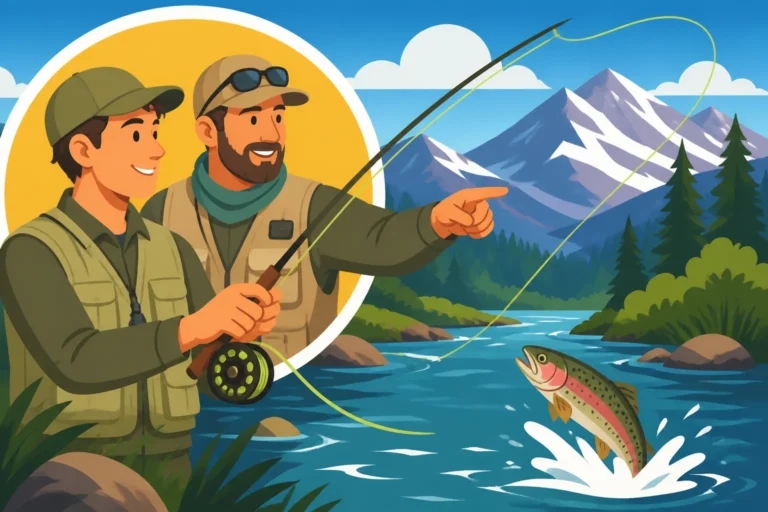
A common misconception is that guided trips are only for beginners. While they are fantastic for newcomers to learn the ropes of fly fishing, they offer immense value for experienced anglers too. For beginners, a guide provides hands-on instruction on everything from casting mechanics to reading the water, setting the hook, and safely releasing fish. They'll patiently walk you through each step, making the learning curve much smoother and more enjoyable than trying to figure it out on your own.
For intermediate or advanced anglers, a guide can help refine techniques, introduce new strategies for challenging conditions, or teach you about specific entomology related to the Blue River. Perhaps you want to master euro nymphing or improve your streamer game for larger brown trout. A guide can offer personalized coaching, spot subtle flaws in your presentation, or simply act as a knowledgeable companion, sharing local insights and stories. You’ll leave not only with memories of fish caught but also with enhanced skills and a deeper appreciation for the sport.
Different Trip Formats: Walk-Wade vs. Float
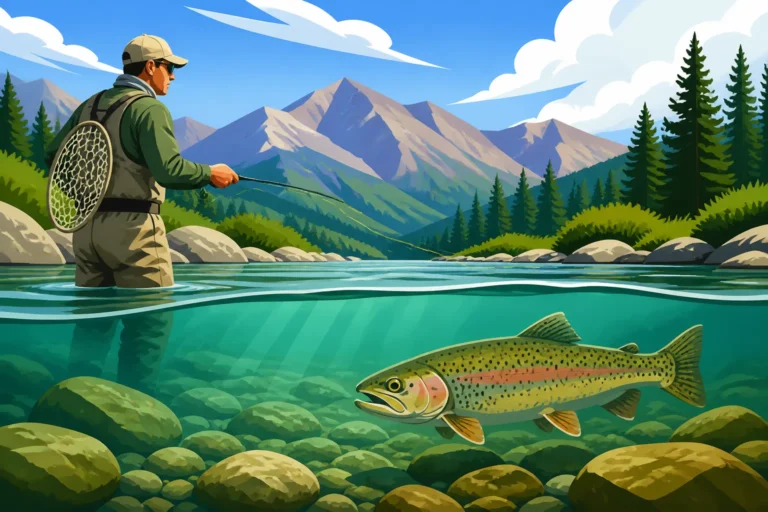
On the Blue River near Breckenridge, most guided trips will be Guided Walk-Wade Trips on Colorado Rivers. This means you’ll be walking along the riverbanks and wading into the current to access different fishing spots. The Blue River, being relatively narrow in its prime sections below Dillon Reservoir, lends itself well to this style of fishing. It allows for a more intimate experience with the water, focusing on specific runs, pockets, and riffles where fish are likely to hold. Wading provides a quieter, stealthier approach, which is often necessary for the wary trout in these clear waters.
While float trips are popular on wider rivers like the Colorado, they are less common and often not practical on the technical, often shallower stretches of the Blue River, especially when water levels are lower. If you're specifically looking for a float trip experience, your guide might suggest an alternative river nearby. Discussing the trip format with your outfitter beforehand ensures you have the right expectations and are prepared for the physical demands of wading.
Planning Your Blue River Guided Trip from Breckenridge
Planning is key to any successful fishing trip, and even more so when you’re combining it with a vacation to a popular destination like Breckenridge. A little foresight will go a long way in securing your ideal guide and ensuring a seamless experience on the Blue River.
Choosing the Right Time of Year
The Blue River is generally a year-round fishery, but conditions and techniques vary dramatically with the seasons.
- Spring (March-May): As temperatures rise, fish become more active, and hatches like midges and blue-wing olives can be prolific. However, late spring can bring runoff from snowmelt, making the river high and off-color. Guides know Why Tailwaters Fish Better Than Freestones During Runoff and can find clearer sections.
- Summer (June-August): This is prime time, with longer days and warmer weather. Dry fly fishing can be excellent, especially in the mornings and evenings. Expect good hatches of caddis, stoneflies, and terrestrials. This is also when the river can see more angling pressure.
- Fall (September-November): Many consider fall the best time to fish the Blue. The crowds thin out, the scenery is spectacular with changing leaves, and the big brown trout become aggressive as they prepare for their spawn. Streamer fishing can be very effective during this period.
- Winter (December-February): Don't discount winter! The Blue River remains open and often fishes incredibly well, particularly for those willing to brave the cold. Small nymphs and midge patterns are the go-to flies. This can be a quieter, more solitary experience.
Consider your personal preferences – do you prefer dry fly fishing in the sun, or are you up for a chilly day chasing trophy browns with streamers? For a general overview, check out Colorado Fishing Seasons Month by Month.
Booking Your Guide and What to Ask
Breckenridge and the surrounding Summit County area boast several excellent fly shops and independent guides. It's highly recommended to book your guided trip well in advance, especially if you're planning to visit during peak summer or fall seasons, as guides fill up quickly.
When you're ready to book, don't hesitate to ask questions. Good questions to ask include:
- What's your experience guiding the Blue River specifically?
- What's included in the trip (gear, flies, lunch, drinks)?
- What is the typical guide-to-angler ratio?
- What’s your cancellation policy in case of bad weather or unforeseen circumstances?
- Do I need to bring a Colorado Fishing License Guide for Residents and Nonresidents, or can you help me get one? (You will need one, and your guide can advise on where to purchase one).
- Can you accommodate my skill level (e.g., beginner, experienced)?
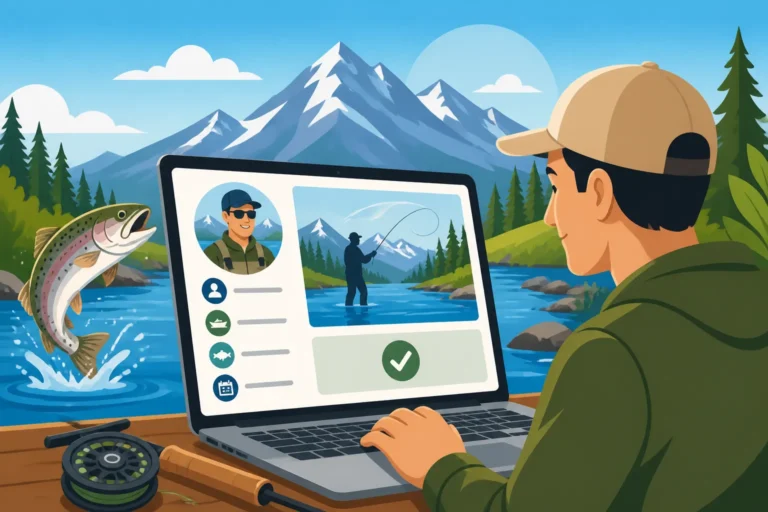
Many anglers find guides through online platforms. A convenient way to browse and book is through services like FishingBooker, which lists numerous reputable guides in the Breckenridge area and allows you to compare options and read reviews. It’s a great resource for Booking a Colorado Fishing Guide Online and finding the perfect match for your angling aspirations.
Essential Personal Items to Bring
While your guide provides much of the fishing gear, there are a few personal items you’ll want to bring to ensure your comfort and safety on the river:
- Valid Colorado Fishing License: This is non-negotiable. Purchase it online through the Colorado Parks and Wildlife (CPW) website or at a local sporting goods store before your trip.
- Layered Clothing: Colorado mountain weather is notoriously unpredictable. Dress in layers, including a waterproof outer shell, even on sunny days. Avoid cotton, as it stays wet and can make you cold.
- Hat and Sunglasses: A brimmed hat protects you from the sun, and polarized sunglasses are crucial for spotting fish and protecting your eyes from errant hooks.
- Sunscreen and Lip Balm: The high altitude means stronger UV rays. Protect your skin!
- Water Bottle and Snacks: While some guides include lunch, always bring extra water and snacks to stay energized.
- Camera: To capture those beautiful fish and stunning Rocky Mountain backdrops.
- Small Backpack: To carry your personal items.
- Any Personal Medications: Don't forget these!
Remember to confirm with your specific outfitter regarding what they provide and what they recommend you bring.
Making the Most of Your Blue River Guided Experience
A guided trip is an investment in an experience, and there are ways to ensure you get the maximum return on that investment. It's not just about catching fish; it's about learning, enjoying nature, and appreciating the local expertise.
Engaging with Your Guide and Asking Questions
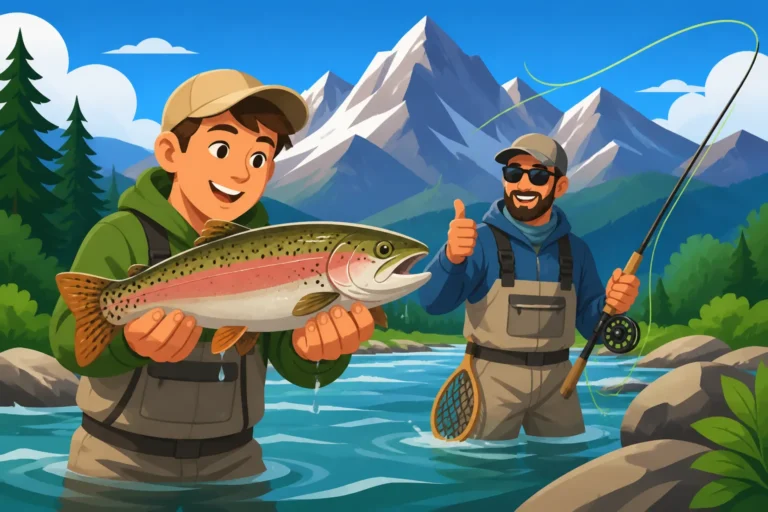
Your guide is a walking encyclopedia of knowledge about the Blue River, its fish, and the surrounding environment. Don't be shy! Ask questions about the river's history, the types of insects hatching, why the fish are holding in a certain spot, or what makes a particular fly effective. The more you engage, the more you’ll learn, and the richer your experience will be.
Think of your guide as a teacher and a partner. They are there to help you improve your skills, understand the nuances of the fishery, and ultimately have a fantastic day. Be open to their suggestions, even if they differ from what you’ve done before. Often, their local knowledge will lead to better results. This collaborative spirit makes for a much more rewarding day for everyone involved.
Practicing Catch-and-Release
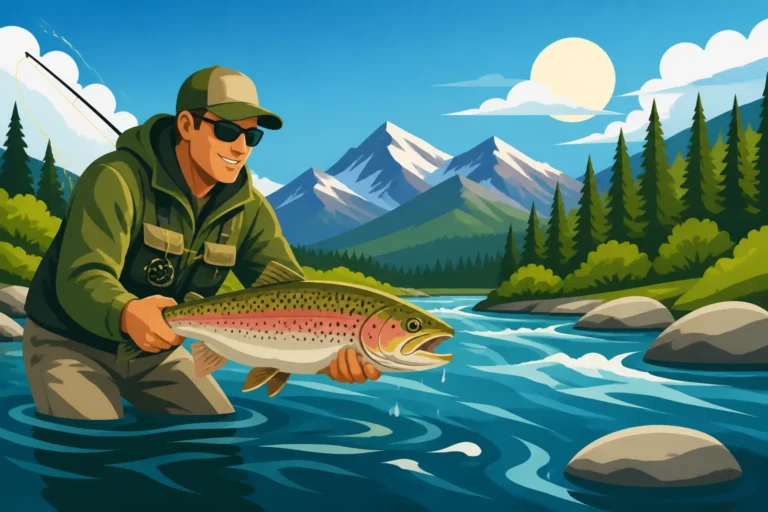
The Blue River's Gold Medal status is a testament to its healthy, wild trout population. To keep it that way, ethical catch-and-release practices are paramount. Your guide will emphasize proper fish handling techniques, demonstrating how to land a fish quickly, keep it in the water as much as possible, remove the hook gently, and ensure a strong, healthy release. They'll also likely use barbless hooks, which makes release much easier and less stressful for the fish.
Part of fishing these special waters is being a steward of the resource. Seeing a big, healthy brown or rainbow swim away vigorously after a careful release is often more satisfying than keeping it. Many anglers visit Colorado with the intention of catching beautiful wild trout; ensuring those trout thrive for future generations is part of the responsibility.
Appreciating the Scenery and Wildlife
While the focus of a guided trip is often on the fishing, remember to take a moment to soak in the incredible scenery around Breckenridge and the Blue River. The towering peaks of the Tenmile Range, the crisp mountain air, and the vibrant riparian corridor are all part of the Colorado experience. You might spot an osprey diving for fish, a moose browsing in the willows, or various waterfowl floating down the current.
Your guide can also point out local flora and fauna, enhancing your appreciation for the natural beauty that surrounds you. It’s easy to get tunnel vision when you’re intently focused on your fly, but lifting your head occasionally to admire a panoramic view or observe a wildlife encounter adds another layer of enjoyment to your day. A guided trip on the Blue River near Breckenridge is truly an immersive experience in the heart of Colorado's wild beauty.
| Feature | Typically Provided by Guide | Angler Should Bring | Notes |
|---|---|---|---|
| Fishing License | No | Yes | Must be purchased beforehand, online or at a local vendor. |
| Rod, Reel, and Tackle | Yes | Optional | High-quality gear suited for the Blue River. |
| Flies and Leaders | Yes | Optional | Expertly chosen for current conditions. |
| Waders and Boots | Yes | Optional | Sized to fit; essential for wading. |
| Lunch and Drinks | Often (confirm) | Optional | Many full-day trips include lunch; always bring extra water/snacks. |
| Layered Clothing | No | Yes | Dress for changing mountain weather; avoid cotton. |
| Hat and Polarized Sunglasses | No | Yes | Essential for sun protection and spotting fish. |
| Sunscreen and Lip Balm | No | Yes | High altitude increases UV exposure. |
| Camera | No | Yes | To capture memories, but ensure it's water-safe. |
| Small Backpack | No | Yes | For personal items, water, and snacks. |
| Tipping | N/A | Yes | Customary for good service; typically 15-20% of trip cost. Tipping a Colorado Fishing Guide, What's Standard |
Disclaimer
This article is for general informational purposes only and does not constitute professional advice. Laws, prices and regulations vary by location and change over time. Consult a qualified professional for guidance on your specific situation.