Colorado Fishing License Rules for Active-Duty Military
Navigating fishing license requirements can feel like a maze, especially when you're serving in the active military and trying to understand how your unique residency status translates to state regulations. It's not always clear whether your duty station in Colorado means you're a resident, or if a temporary assignment here still requires a nonresident license. This comprehensive guide is here to untangle the complexities of Colorado fishing license rules specifically for active-duty military personnel, ensuring you can hit the water without any unnecessary hassle or confusion.
Understanding Residency for Active-Duty Military in Colorado
One of the biggest hurdles for active-duty military members when it comes to state licenses is figuring out where they truly "reside." Colorado, like many states, has specific definitions that apply to service members, and these can differ significantly from civilian residency rules. It's crucial to get this right because it directly impacts the type of fishing license you'll need and how much it will cost.
What Qualifies as Colorado Residency for Military Personnel?
For active-duty military personnel, establishing Colorado residency for the purpose of purchasing a fishing license isn't always about how long you've been physically present in the state. Instead, it often hinges on your official duty station and, critically, your declared "home of record" or intent to make Colorado your permanent home. If you are permanently stationed in Colorado with a Permanent Change of Station (PCS) order, Colorado Parks and Wildlife (CPW) typically considers you a resident for licensing purposes. This means you can purchase a Colorado resident fishing license, which is usually more affordable than its nonresident counterpart.
It's not enough to simply be passing through or on temporary assignment. Your official military orders play a significant role. If your active duty station is in Colorado, even if your legal residence or "home of record" is still another state, Colorado generally extends resident privileges for fishing licenses. However, if you are stationed outside Colorado but choose to declare Colorado as your home for other purposes, like voter registration or a driver's license, you'll need to demonstrate this intent clearly. For example, maintaining a Colorado driver's license or registering to vote in a Colorado county while stationed out-of-state might help prove your claim, but the primary factor for fishing licenses remains your official duty station within Colorado.
The Impact of Permanent Change of Station Orders
A Permanent Change of Station (PCS) order to a Colorado installation is often the clearest path to establishing resident status for a fishing license. When you receive PCS orders to, say, Fort Carson, Peterson Space Force Base, or Buckley Space Force Base, Colorado views you and your dependents as residents for most state-issued licenses, including fishing. This is a huge benefit, as resident licenses are substantially cheaper and typically offer longer validity periods, such as an annual license versus a one-day or five-day option.
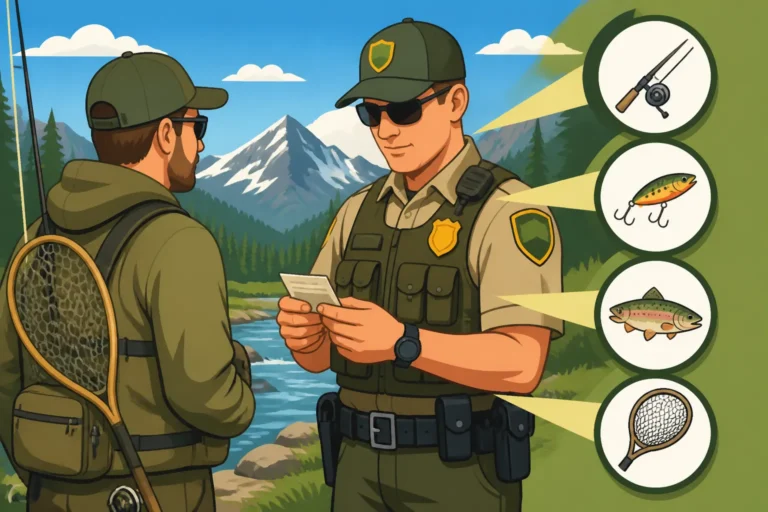
These orders fundamentally change your status from a visitor to a contributing member of the Colorado community, even if your long-term plans involve returning to your home state. It's important to carry a copy of your current PCS orders with you, or have them readily accessible, when purchasing your license or if ever asked by a Colorado Parks and Wildlife officer. Without proper documentation, you might be required to purchase a nonresident license, or worse, face penalties if found fishing on a resident license without proof of eligibility. You can find more details on this by checking out our guide on What Counts as Colorado Residency for Licensing.
Dependents and Their Residency Status
Good news for military families! The residency status of an active-duty military member who qualifies as a Colorado resident generally extends to their immediate family members, or dependents. This means that spouses and dependent children can also purchase Colorado resident fishing licenses, enjoying the same benefits and lower costs. This is incredibly helpful for families looking to enjoy the vast angling opportunities Colorado offers, from casting for trout in mountain streams to chasing walleye in Front Range reservoirs.
For dependents, proof of their relationship to the active-duty member will be required, often through a military ID card (DD Form 1173 or 1172) or other official documentation showing dependency. For children, the age rules still apply: typically, kids 15 and under do not need a license to fish in Colorado. However, once a dependent child turns 16, they will need their own license, and if the active-duty parent is a Colorado resident, the child can obtain a resident youth license, which also comes with a reduced cost. It’s always best to have a military ID available for dependents when purchasing licenses, just to ensure a smooth process.
Colorado Fishing License Options for Active-Duty Military
Once your residency status is clear, the next step is understanding the specific license options available to you. Colorado Parks and Wildlife (CPW) offers a range of licenses to suit different fishing habits and durations, and knowing these can help you pick the most cost-effective and convenient choice for your needs.
Resident vs. Nonresident Licenses for Military Members
As an active-duty military member in Colorado, the primary distinction you'll encounter is between a resident and a nonresident fishing license. If your official duty station is in Colorado, you are eligible for a resident license. This typically includes the annual fishing license, which provides access to fishing statewide for a full year from the date of purchase. For 2024, a Colorado resident annual fishing license costs approximately $36.07, and this includes a mandatory $11.50 Habitat Stamp (unless exempt). This is a significant saving compared to a nonresident annual license, which costs around $101.99, also including the Habitat Stamp.
If you are active duty but stationed outside Colorado, even if you are visiting for an extended period, you would need to purchase a nonresident license. However, if your "home of record" is Colorado and you maintain proof of residency here (like a Colorado driver's license, voter registration, or filed Colorado income taxes), you may still qualify for resident pricing even if stationed elsewhere. It's a bit of a grey area that's best confirmed directly with CPW if you're in that specific situation. Otherwise, for those on shorter visits, nonresident options like a one-day license (around $18.66) or a five-day license (around $37.56) are available. You can delve deeper into these options by reading our article on Colorado's Annual, One-Day and Five-Day License Options.
| License Type | Active-Duty Military (Colorado Resident) | Active-Duty Military (Nonresident) | Includes Habitat Stamp (if applicable) |
|---|---|---|---|
| Annual Fishing License | ~$36.07 | ~$101.99 | Yes |
| One-Day Fishing License | ~$18.66 | ~$18.66 | No (unless first license of year) |
| Five-Day Fishing License | ~$37.56 | ~$37.56 | No (unless first license of year) |
| Combination Small Game/Fishing | ~$51.84 | ~$153.30 | Yes |
Note: Prices are approximate for 2024 and include transaction fees. The Habitat Stamp is typically required once per year for ages 18-64 if purchasing any hunting or fishing license, but not always with one-day or short-term licenses if it's not the first license purchased within the season. Always verify current prices with CPW.
The Habitat Stamp Requirement for Military
Ah, the Habitat Stamp – a mandatory purchase that often causes a little confusion! Generally, anyone aged 18 to 64 who buys a hunting or fishing license in Colorado must also purchase a Habitat Stamp, which costs $11.50 (current as of 2024). This stamp helps fund vital wildlife habitat conservation, public access, and outdoor education programs across the state. It's a fantastic investment in Colorado's natural resources, ensuring future generations can enjoy the same incredible fishing opportunities we do.
For active-duty military who qualify as Colorado residents, the Habitat Stamp requirement is typically included in the price of their annual fishing license. So, you don't need to purchase it separately unless you're buying a single-day or short-term license and it's the first license you've bought in that license year (April 1 to March 31). If you've already purchased a hunting license with a Habitat Stamp, you don't need another one for your fishing license within the same year. There aren't specific exemptions for active-duty military for the Habitat Stamp itself, outside of the general age exemptions (under 18 or over 64) or if you hold specific lifetime licenses for disabilities. Understanding Who Needs Colorado's Habitat Stamp can clarify further.
Special Considerations for Combat-Disabled Veterans and Purple Heart Recipients
While this guide focuses on active-duty military, it's worth noting that Colorado does offer significant benefits for combat-disabled veterans and Purple Heart recipients, which can include free or reduced-cost fishing licenses. These benefits are a small token of gratitude for their immense sacrifice. For instance, Colorado residents who are honorably discharged veterans with a service-connected disability of 60% or more may qualify for a free lifetime fishing license.
Similarly, Purple Heart recipients who are Colorado residents might also be eligible for special licensing privileges. It’s a wonderful program that honors those who have served and suffered. If you or a family member fall into these categories, it's highly recommended to reach out directly to Colorado Parks and Wildlife or visit their website for the most up-to-date information on eligibility and application procedures. While not directly for active duty, it highlights Colorado's commitment to its military community. More details can be found in our guide on Veteran Fishing License Benefits in Colorado.
How and Where to Purchase Your Military Fishing License
Getting your Colorado fishing license as an active-duty military member is straightforward once you understand the residency rules and gather your documentation. CPW has made the process quite accessible, offering both online and in-person purchasing options.
Online Purchase Through CPWShop.com
The easiest and often most convenient way to purchase your Colorado fishing license is online through the official CPW website, CPWShop.com. This platform allows you to buy your license from the comfort of your home, barracks, or even while on deployment overseas, as long as you have internet access. When purchasing online, you'll select whether you're a resident or nonresident, and if you qualify as a resident based on your active-duty status in Colorado, you'll be prompted to confirm your eligibility.
To ensure a smooth online transaction, have your military ID (CAC card), your social security number, and potentially a digital copy of your PCS orders (if stationed in Colorado) ready. You'll enter this information during the purchase process. Once complete, you can print your license immediately or save a digital copy to your phone, which is typically accepted by wildlife officers in the field. This method is particularly useful for those with busy schedules. You might also find great deals on essential fishing gear, like a good tackle box or a new rod and reel combo, by browsing options on Amazon before or after your license purchase. Learning how to navigate the online system can be helpful by reviewing Buying a Colorado Fishing License Online at CPWShop.com.
In-Person Options at License Agents
If you prefer a face-to-face transaction or need immediate assistance, you can always purchase your Colorado fishing license in person at one of the many authorized license agents across the state. These agents include most Colorado Parks and Wildlife offices, sporting goods stores like Cabela's and Bass Pro Shops, and even some general retailers such as Walmart and local tackle shops. This option is great if you have specific questions or need to clarify any unique circumstances regarding your military status and residency.
When purchasing in person, remember to bring all your necessary identification and proof of military status. This typically includes your valid military ID (CAC card), a Colorado driver's license (if applicable), and your current PCS orders to Colorado. Having these documents readily available will prevent any delays and ensure you get the correct resident license. The staff at these locations are usually very knowledgeable about the requirements and can guide you through the process, making it a stress-free experience. If you're looking for a quick and easy way to find a local agent, a quick search on Amazon for "Colorado fishing license near me" often points to stores that sell licenses, though it's always best to verify directly with the store.
Required Documentation for Proof of Military Status
To reiterate, having the right documentation is paramount to ensure you secure the correct fishing license without any hiccups. For active-duty military members claiming Colorado residency, you will almost certainly need to provide:
- A valid U.S. Uniformed Services Identification Card (CAC card): This is your primary form of identification and proof of active military status.
- Official Permanent Change of Station (PCS) orders to Colorado: These orders are critical for demonstrating that your duty station is within the state, which is the basis for your resident fishing license eligibility.
- Colorado Driver's License or State ID (if applicable): While not always mandatory if you have PCS orders, a Colorado driver's license can further solidify your claim of residency. If your "home of record" is Colorado but you're stationed elsewhere, this will be even more important.
- Pay stub or Leave and Earnings Statement (LES): In some cases, a recent LES showing Colorado as your duty station might be requested as additional proof.
Always double-check the latest requirements on the Colorado Parks and Wildlife website or by calling a CPW office before heading out to purchase your license. Being prepared means you'll spend less time on paperwork and more time enjoying Colorado's fantastic fishing. A full overview of what you might need can be found in our comprehensive Colorado Fishing License Guide for Residents and Nonresidents.
Common Questions and Scenarios for Military Anglers
Military life comes with unique situations, from temporary duty assignments to deployments. These can create confusion around fishing licenses, so let's address some common questions and scenarios active-duty military anglers often face.
Fishing During Leave or Temporary Duty (TDY) in Colorado
If you're active duty but stationed outside of Colorado, and you're visiting the state on leave or a Temporary Duty (TDY) assignment, the rules generally revert to your official home of record. Unless your PCS orders explicitly place your official duty station in Colorado, you would typically be considered a nonresident for fishing license purposes. This means you'll need to purchase a nonresident fishing license.
For shorter trips, a nonresident one-day or five-day license is often the most practical and cost-effective choice. It’s critical to remember that even if you're temporarily living on a base in Colorado during a TDY, it doesn't automatically grant you resident status for state licenses. Always go by your permanent duty station and official residency to avoid any issues. If you plan to fish frequently during an extended TDY, purchasing the longer-term nonresident option might be beneficial, but it's important not to try and skirt the rules by claiming resident status without proper documentation. Being caught without the appropriate license can lead to fines and other penalties.
What Happens If You Fish Without the Correct License?
This is a scenario no one wants to find themselves in, but it's important to understand the consequences of fishing without a valid license or with the wrong type of license in Colorado. Fishing without the proper license is a violation of state law, and Colorado Parks and Wildlife officers take these infractions seriously. Penalties can range from significant fines to the confiscation of your fishing equipment, and even suspension of future hunting and fishing privileges in Colorado and other states through the Interstate Wildlife Violator Compact.
For active-duty military, this could potentially lead to additional administrative actions through your chain of command, depending on the severity of the offense. It's simply not worth the risk. Before you even wet a line, make absolutely sure your license is current, valid, and corresponds to your correct residency status. Ignorance of the law is generally not considered a valid excuse. A quick check of your license on your phone or a physical copy before you head out can save a lot of grief. More information on this topic is covered in our article, What Happens If You Fish in Colorado Without a License.
Renewing Your Colorado Fishing License While Active-Duty
Renewing your Colorado fishing license as an active-duty military member can sometimes be a challenge, especially if you're deployed or transferred out of state. Thankfully, Colorado Parks and Wildlife has made the renewal process quite flexible. If you established resident status while stationed in Colorado and wish to maintain it, and your "home of record" remains Colorado, you can typically renew your license online via CPWShop.com.
Even if you're stationed temporarily out of state but maintain your Colorado residency (e.g., through a Colorado driver's license, voter registration, or property ownership), you can often renew your resident license. It's crucial to ensure your residency documentation is up-to-date and reflects your continued connection to Colorado. If you have any doubts, contacting CPW directly before renewal is advisable. They can verify your status and guide you through the specific requirements. This convenience ensures that even when duty calls you away, you can still maintain your fishing privileges in the Centennial State, ready for your next leave or assignment back home. Check out How to Renew a Colorado Fishing License Online for a step-by-step guide.
Maximizing Your Colorado Fishing Experience as a Military Member
Colorado boasts some of the most spectacular fishing opportunities in the country, and as an active-duty military member, you have a chance to experience them firsthand. Knowing the regulations is just the first step; making the most of your time on the water is the real reward.
Exploring Colorado's Diverse Fishing Opportunities
From high-alpine lakes teeming with native cutthroat trout to warmwater reservoirs holding trophy bass and walleye, Colorado truly has something for every angler. As a military member stationed at a Front Range base like Peterson Space Force Base or Buckley Space Force Base, you have easy access to phenomenal urban fishing programs and larger reservoirs like Chatfield Reservoir and Cherry Creek Reservoir, which are regularly stocked with trout and also offer excellent warmwater species. These spots are perfect for a quick afternoon trip after duty or a relaxing weekend outing with the family.
Venture further west, and you'll discover world-renowned Gold Medal Waters like the Fryingpan River or the South Platte River near Deckers, offering challenging fly-fishing for large, wild trout. If ice fishing is more your speed during the winter months, reservoirs like Eleven Mile and Blue Mesa freeze over, providing unique angling experiences. Don't forget to check the Colorado Parks and Wildlife weekly stocking report to find out which waters are being replenished with fish. With your resident license, you have access to this incredible diversity, so grab your gear (maybe some new waders from Amazon?) and start exploring! To help you plan your next adventure, consider browsing our guide on Colorado's Best Fishing Spots by Region.
Resources and Support for Military Anglers
Colorado Parks and Wildlife (CPW) is an invaluable resource for all anglers, including active-duty military. Their website is packed with information on regulations, fishing reports, stocking schedules, and an interactive fishing atlas that helps you discover new spots. Additionally, many military installations in Colorado have outdoor recreation programs that offer discounted gear rentals, trips, and educational courses tailored for service members and their families. These programs are fantastic for connecting with fellow anglers and learning local tips and tricks.
Beyond official channels, local fly shops and tackle stores are goldmines of information. Places like Angler's Covey in Colorado Springs or Front Range Anglers in Boulder are often staffed by seasoned local experts who can provide real-time advice on conditions, hot spots, and the best flies or lures to use. Don't hesitate to visit these shops; many are very supportive of the military community. And of course, online communities and forums can also connect you with other military anglers sharing their experiences and advice. When you're looking for that perfect fly box or a new fishing vest, Amazon offers a wide array of choices to supplement what you find locally.
Staying Informed About Regulation Changes
Fishing regulations in Colorado, while generally stable, can change annually or even seasonally due to environmental factors like drought or specific species management needs. It is your responsibility as an angler to stay informed about these changes. The primary way to do this is by reviewing the annual Colorado Fishing Regulations brochure, which is published every year and available both online and in print at license agents. This brochure outlines season dates, bag and possession limits for various species, special restrictions on certain waters (like catch-and-release only or barbless hook requirements), and bait restrictions.
Colorado Parks and Wildlife also provides updates through their website, social media channels, and local offices. Subscribing to their email newsletters can be a great way to receive timely alerts about emergency closures, stocking changes, or other important news that might affect your fishing plans. Staying informed ensures you remain compliant with all state laws and contribute to the sustainable management of Colorado's precious fisheries. Take the time to regularly check Colorado Fishing Regulations Every Angler Should Know.
Disclaimer
The information provided in this guide is intended for general informational purposes only and does not constitute legal advice. Colorado fishing regulations are subject to change. While every effort has been made to ensure accuracy, readers should always consult the official Colorado Parks and Wildlife (CPW) website or the latest printed Colorado Fishing Regulations brochure for the most current and authoritative information. Specific situations regarding military residency and license eligibility should be confirmed directly with CPW.