Colorado’s Kokanee Salmon Limit at Blue Mesa
There's nothing quite like the thrill of a screaming reel as a Kokanee salmon takes your lure, especially when you're out on the majestic waters of Blue Mesa Reservoir. But let's be honest, trying to keep track of all the specific fishing regulations, especially when it comes to species-specific limits in certain waters, can be a real headache. It often feels like you need a law degree just to figure out how many fish you can actually keep. This guide is here to untangle the nuances of Colorado's Kokanee salmon limit specifically for Blue Mesa, ensuring you can enjoy your time on the water without a shred of regulatory confusion.
The Allure of Kokanee Salmon at Blue Mesa Reservoir
Kokanee salmon hold a special place in the hearts of Colorado anglers, and for good reason. These landlocked sockeye salmon are feisty fighters, beautiful to look at, and absolutely delicious on the dinner table. When they're in their prime, especially during their iconic spawning runs, the sheer numbers and vibrant colors are a sight to behold. Blue Mesa Reservoir, near Gunnison, isn't just a good place to fish for Kokanee; it's often considered the premier Kokanee salmon fishery in Colorado, if not one of the best in the entire Western U.S.
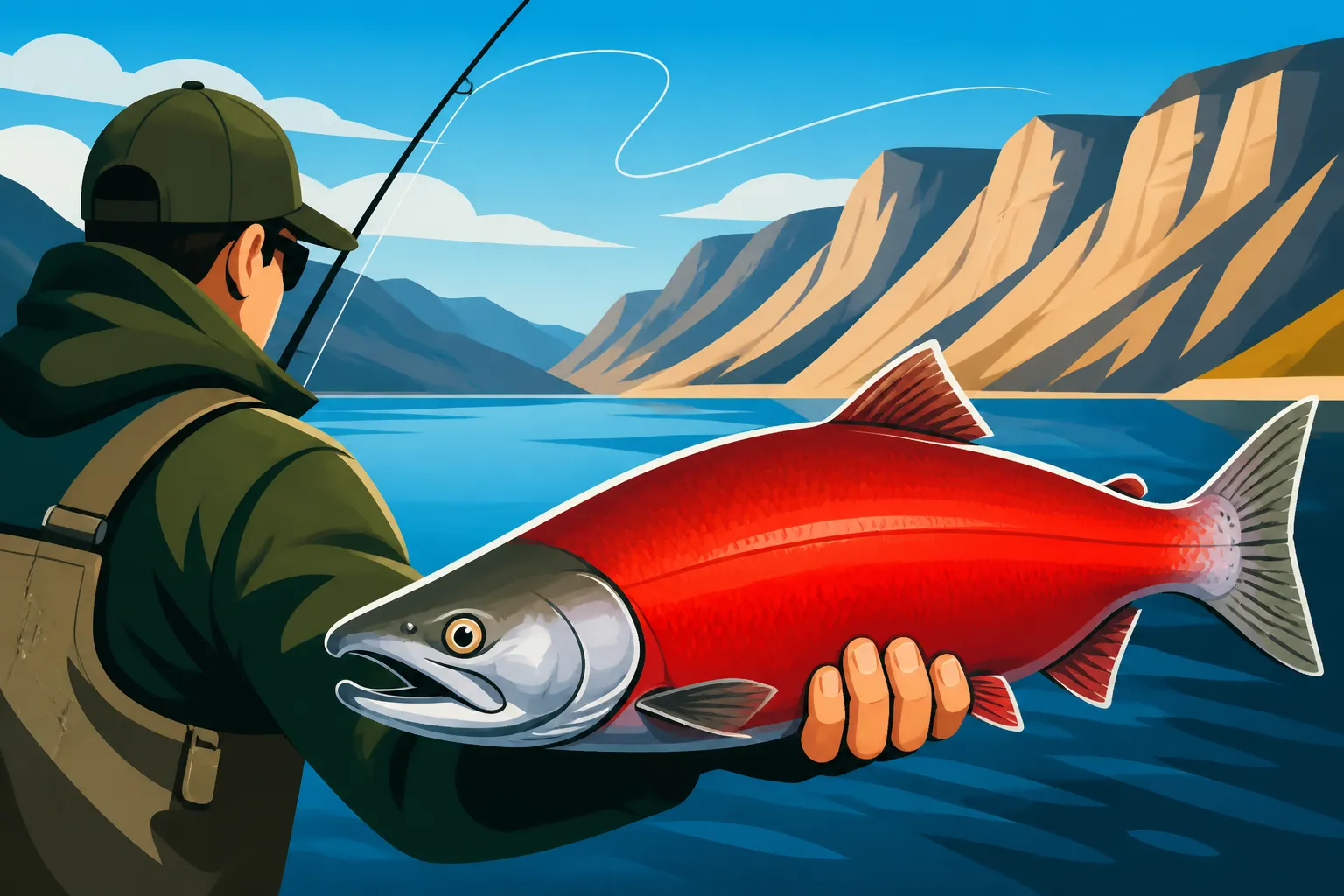
Anglers flock to Blue Mesa for the opportunity to catch these silver bullets, which turn a brilliant red as they approach their spawning cycle. The reservoir's vastness, combined with its nutrient-rich waters and a robust stocking program by Colorado Parks and Wildlife (CPW), creates an ideal environment for these fish to thrive. But with such a prized fishery comes the responsibility of managing it carefully, which is exactly why the regulations are so specific. Understanding why Blue Mesa is so special for Kokanee helps us appreciate the importance of those limits. It's not just about compliance; it's about preserving this incredible resource for future generations of anglers. The entire lifecycle of these fish, from stocking to their amazing spawning runs, makes them a fascinating target. If you've never experienced the thrill of a Kokanee run, you're missing out. You can learn more about the Kokanee Salmon Life Cycle in Colorado to truly appreciate what makes these fish unique.
Why Blue Mesa is a Kokanee Hotspot
Blue Mesa Reservoir is Colorado's largest body of water, offering a vast, deep, and cool habitat that Kokanee salmon absolutely adore. Its sheer size means there's ample room for the fish to grow, find food, and evade predators. CPW diligently manages the Kokanee population through consistent stocking efforts, ensuring a healthy and abundant fishery. They often stock hundreds of thousands of Kokanee fingerlings each year, which grow quickly in Blue Mesa's productive waters.
What makes Blue Mesa truly stand out is the combination of its cold, clear water and the availability of zooplankton, the primary food source for Kokanee. This abundant food supply allows them to grow to impressive sizes, with many anglers routinely catching fish in the 14-18 inch range, and occasionally larger. The reservoir also offers diverse fishing opportunities, from trolling in open water during the summer to jigging through the ice in winter, and of course, the unparalleled experience of the Kokanee Salmon Spawning Runs in Colorado in the fall. This consistent productivity and the excitement of the fall runs cement Blue Mesa's reputation as a top-tier Kokanee destination, drawing anglers from across the country.
The Significance of Kokanee Spawning Runs
One of the most spectacular natural events in Colorado fishing is the Kokanee salmon spawning run. Each fall, typically from late August through November, mature Kokanee migrate from the main body of Blue Mesa Reservoir into its feeder streams, primarily the Gunnison River and its tributaries, to spawn. During this time, their silvery bodies transform into brilliant shades of red, with males developing a distinct humped back and hooked jaw (kype).
This concentrated gathering of fish provides a unique angling opportunity, as the Kokanee are focused on reproduction and are often more aggressive. However, it's also a highly sensitive time for the species. Many regulations, including special snagging seasons and closures, are specifically designed to manage this period. For instance, the timing of these runs is crucial, and if you're planning a trip, knowing When Kokanee Salmon Runs Happen in Colorado can significantly impact your success and compliance with regulations. It's during these runs that the sight of thousands of crimson-colored fish moving upstream creates an unforgettable experience, making conservation of these cycles even more important.
Decoding Colorado's Kokanee Salmon Limits: Blue Mesa Specifics
Now, let's get down to the nitty-gritty: the actual daily bag and possession limits for Kokanee salmon at Blue Mesa Reservoir. This is where many anglers can get tripped up, as Colorado's general regulations can sometimes differ for specific waters. The Colorado Parks and Wildlife (CPW) is the authority on these rules, and they are designed to maintain a healthy and sustainable fishery. Always, always consult the most current Colorado Fishing Regulations Every Angler Should Know before heading out, as rules can change annually.
The most critical information for Blue Mesa is often found in the "Special Regulations by Water" section of the annual CPW brochure. For Kokanee salmon, especially at a high-profile fishery like Blue Mesa, there's usually a standard daily limit, but with an important size restriction.
The current regulation for Kokanee salmon at Blue Mesa Reservoir states:
Daily Bag and Possession Limit: 10 Kokanee salmon, no more than one of which may be 18 inches or longer.
This means that out of the 10 Kokanee you can keep in a day (your daily bag limit) or have in your possession (your possession limit), only one of those fish is allowed to be 18 inches or greater in length. The other nine must be under 18 inches. This specific rule is a prime example of how CPW manages the size structure of the fishery, encouraging harvest of smaller, more abundant fish while protecting the larger, potentially more genetically valuable spawners. It's a precise balance aimed at keeping the population robust.
What "Daily Bag" and "Possession" Truly Mean
Understanding the difference between "daily bag limit" and "possession limit" is absolutely fundamental, and it's a point of confusion for many anglers. It's not just semantics; it's a legal distinction that can lead to penalties if misunderstood. Many people think they're the same thing, but they are distinct rules designed to manage how many fish are taken from the water over different timeframes.
The Daily Bag Limit refers to the maximum number of fish of a certain species you can legally harvest and keep in a single day, from midnight to midnight. So, if the daily limit for Kokanee at Blue Mesa is 10, you can't keep 11 fish in a 24-hour period, even if you caught them during separate outings on the same day. Once you reach your daily limit, you must stop fishing for that species for the rest of the day.
The Possession Limit refers to the maximum number of fish of a certain species you can have in your physical possession at any given time, regardless of when or where they were caught. This includes fish in your cooler, in your freezer at home, or even those you've already processed and packaged. For most species in Colorado, the possession limit is simply one or two times the daily bag limit. However, for Kokanee at Blue Mesa, the possession limit is the same as the daily bag limit: 10 fish, with the same 18-inch restriction. This means if you have 10 Kokanee in your freezer at home from a previous trip, you technically cannot keep any more fish from a new trip until you've consumed some of the fish currently in your possession to make room. This rule prevents anglers from stockpiling large quantities of fish, further aiding in the conservation effort. You can dive deeper into these concepts by reviewing Possession Limits vs Daily Limits in Colorado.
Table of Blue Mesa Kokanee Salmon Limits
To make this crystal clear, here’s a quick summary of the Blue Mesa Kokanee salmon limits:
| Species | Water Body | Daily Bag Limit | Possession Limit |
|---|---|---|---|
| Kokanee Salmon | Blue Mesa Reservoir | 10 fish, no more than one over 18 inches | 10 fish, no more than one over 18 inches |
It’s crucial to remember that these regulations are specifically for Kokanee salmon in Blue Mesa Reservoir. Other species in Blue Mesa, or Kokanee in other Colorado waters, might have entirely different limits. Always verify the rules for your target species and specific fishing location each year. For example, Colorado's Kokanee Salmon Limit at Blue Mesa is unique to this location and often differs from other waters.
Beyond the Number: Understanding Daily vs. Possession Limits and Special Rules
The daily bag and possession limit we just discussed for Kokanee at Blue Mesa is fairly straightforward on the surface, but sometimes there are additional layers of regulations that anglers need to be aware of. Colorado Parks and Wildlife (CPW) regularly implements specific rules to protect vulnerable populations, manage spawning fish, or address unique environmental conditions. These aren't always about the number of fish, but how and when you can fish for them.
It’s not uncommon for special regulations to be in effect during the Kokanee spawning season, typically in the fall. These rules might include specific closures of spawning tributaries, restrictions on certain types of gear (like snagging), or even temporary changes to the bag limit in very localized areas to reduce pressure on spawning fish. For instance, sometimes areas around the inlets of Blue Mesa, like the upper Gunnison River and its tributaries, will have restrictions on snagging or even be closed to all fishing during the peak of the spawn to allow fish to reproduce undisturbed.
Seasonal Variations and Temporary Closures
Colorado fishing can be incredibly dynamic, with regulations sometimes shifting based on environmental factors like drought, water levels, or disease outbreaks. While the core Kokanee limits at Blue Mesa are generally consistent year-to-year, it's always wise to check for any temporary emergency closures or rule changes. CPW is excellent at communicating these updates through their website, social media, and local offices.
For example, severe drought conditions could lead to voluntary or mandatory closures on certain rivers or reservoirs to protect fish from stress due to low water and high temperatures. While less common for a large body like Blue Mesa, it's not entirely out of the question for parts of the reservoir or its tributaries to be affected. Staying informed is your best defense against inadvertently violating a regulation. Before you even pack your bags, a quick check on the CPW website for "Blue Mesa Reservoir fishing conditions" or "Kokanee salmon regulations" is always a smart move. This also ties into how Colorado Fishing Seasons Month by Month can impact what's legal and what's not.
How to Stay Updated on Regulations
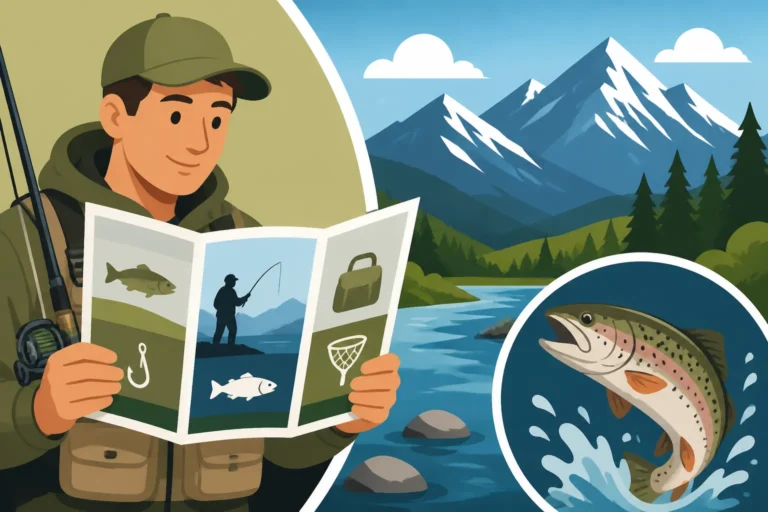
So, how do you stay on top of all these rules? The best source, hands down, is the official Colorado Parks and Wildlife (CPW) Fishing Brochure. This is updated annually and is available online as a PDF, or you can pick up a physical copy at any license agent, CPW office, or many sporting goods stores. This brochure contains all the statewide regulations, special water-specific rules, and important dates. Learning How to Read Colorado's Fishing Regulations Brochure is an essential skill for any Colorado angler.
Additionally, the CPW website (cpw.state.co.us) is an invaluable resource. They often post news releases about emergency closures, stocking reports, and general fishing conditions. Many local fly shops and bait stores around the Gunnison area are also excellent sources of up-to-the-minute information, as they deal with these regulations daily and often have specific knowledge about local conditions. Checking in with them before you launch your boat can save you a lot of grief. Don't rely on old information or hearsay; always go straight to the official sources. Your fishing license, whether it's an Annual, One-Day or Five-Day License Options, should always be accompanied by a current understanding of the rules.
Responsible Angling Practices for Kokanee at Blue Mesa
Adhering to the specific limits for Kokanee salmon at Blue Mesa is just one part of being a responsible angler. Beyond simply staying within the legal boundaries, there are best practices that ensure the health of the fishery, minimize stress on the fish, and preserve the natural beauty of the environment. These practices are especially important at a popular, productive fishery like Blue Mesa.
Being a good steward of the resource means thinking beyond your own catch. It's about ensuring that Blue Mesa remains a world-class Kokanee destination for everyone, now and in the future. This includes proper fish handling, practicing selective harvest, and leaving no trace. Even if you're specifically Trolling for Kokanee Salmon in Colorado, these responsible practices apply.
Measuring and Counting Your Catch Accurately
The 18-inch length restriction on Kokanee salmon at Blue Mesa means you need to be able to accurately measure your fish. It's not just a suggestion; it's a critical part of the regulation. A good, reliable measuring device is essential – whether it's a dedicated fish ruler, a measuring tape affixed to your boat, or even a mark on your fishing rod.
When measuring, lay the fish flat and measure from the tip of the snout to the tip of the tail, with the tail squeezed together. Do not measure along the curve of the fish's body. If a fish is borderline, it's always safer to assume it's over the limit and release it, especially if you already have your one trophy fish for the day. For counting, consider carrying a small, inexpensive fish counter, which you can easily find on online marketplaces like Amazon, to keep an accurate tally throughout the day. It’s easy to lose track when the bite is hot! Double-check your numbers before you head back to the ramp.
Best Practices for Catch-and-Release
Sometimes, even if you’re trying to harvest fish within the limits, you might catch a fish you don’t intend to keep, or one that exceeds the single 18-inch limit after you've already kept one. In these situations, knowing how to properly release a fish is vital for its survival. Kokanee, like all salmonids, are sensitive to stress, especially in warmer water.
Here are some tips for successful catch-and-release:
- Handle with care: Use wet hands or a wet, knotless rubber net to minimize slime coat damage. Avoid squeezing the fish, especially around the gills or belly.
- Keep it in the water: Try to unhook the fish while it's still in the water as much as possible. If you must remove it, do so quickly for a photo, and then return it immediately.
- Use appropriate gear: Barbless hooks make unhooking much easier and less traumatic for the fish. If your hooks aren't barbless, pinch the barbs down with pliers.
- Revive gently: If the fish seems sluggish, hold it upright in the water, facing into the current, and gently move it back and forth until it swims away under its own power. Don't just toss it back; ensure it's strong enough to survive.
Practicing responsible catch-and-release is a sign of respect for the resource and ensures that the fish you don't keep have the best chance of thriving and contributing to future generations of Blue Mesa Kokanee. You might find some excellent books on Colorado's Trout Species, A Field Guide that also provide good handling tips.
Respecting the Environment and Other Anglers
Beyond fish handling, responsible angling also extends to your overall behavior on the water and along the shorelines. Blue Mesa Reservoir is a truly special place, and it's up to all of us to keep it that way.
- Pack it in, pack it out: This is the golden rule of outdoor recreation. Whatever you bring with you, take it back home. That includes fishing line, bait containers, food wrappers, and anything else. Litter degrades the environment and can be harmful to wildlife.
- Be courteous: Blue Mesa can get busy, especially during peak seasons. Give other anglers plenty of space, avoid loud noises, and respect private property boundaries if you're fishing near shore.
- Know your boat etiquette: If you're boating, understand right-of-way rules, maintain safe speeds, and be mindful of your wake, especially near other boats or shore anglers. Many anglers search for gear, like marine radios or GPS devices, on sites like Amazon to ensure safety and courtesy on the water.
- Report violations: If you witness someone openly violating fishing regulations or engaging in unethical behavior, don't hesitate to contact CPW. Protecting the resource sometimes means speaking up. You can find their phone number in the Colorado Fishing License Guide for Residents and Nonresidents brochure.
By embracing these practices, you're not just following rules; you're actively contributing to the long-term health and enjoyment of Colorado's incredible Kokanee fishery at Blue Mesa Reservoir.
Why These Limits Matter: Conservation and the Future of Kokanee
It can be easy, in the excitement of a good fishing day, to view regulations as hindrances or bureaucratic hurdles. However, the Kokanee salmon limits at Blue Mesa Reservoir are far from arbitrary. They are carefully crafted by wildlife biologists using years of scientific data, population assessments, and an understanding of the Kokanee lifecycle. These limits are a critical component of conservation, ensuring the sustainability and vibrancy of this fishery for future generations.
Without proper management, even a prolific fishery like Blue Mesa could face decline. Overharvesting, especially of larger, more mature fish, could deplete the spawning population, leading to fewer fish in the future. The specific limit of "one over 18 inches" is a perfect example of adaptive management, designed to allow anglers to keep a good number of fish while protecting the genetic diversity and reproductive potential of the larger, older individuals.
Maintaining a Balanced Ecosystem
Kokanee salmon play a vital role in Blue Mesa's intricate aquatic ecosystem. They are a primary food source for larger predatory fish, such as lake trout and brown trout. If the Kokanee population were to crash due to overfishing or other factors, it would have a ripple effect throughout the entire food web, potentially impacting other fish species and the overall health of the reservoir.
The CPW's management strategies, including these catch limits, are about maintaining this delicate balance. They consider everything from stocking rates and survival to predation and angler pressure. It's a complex equation, and every angler's compliance contributes to the stability of the system. Ensuring healthy fish populations means a healthy ecosystem, which in turn provides better fishing opportunities for everyone.
The Role of Colorado Parks and Wildlife
Colorado Parks and Wildlife (CPW) is the unsung hero behind the state's incredible fishing opportunities. Their biologists, researchers, and game wardens work tirelessly to monitor fish populations, conduct scientific studies, stock fish, enforce regulations, and educate the public. The Kokanee limits at Blue Mesa are a direct result of their ongoing efforts to understand and manage this specific fishery.
CPW's work is funded, in large part, by the sale of Colorado Fishing License Costs Explained and other permits, including the Colorado's Habitat Stamp, Explained. When you buy a license, you're directly contributing to the conservation efforts that make places like Blue Mesa so fantastic. They use scientific data to make informed decisions, adjusting limits and regulations as needed to respond to changes in fish populations or environmental conditions. This adaptive management approach is essential for long-term sustainability. If you ever have questions about regulations, CPW is the ultimate authority, and their educational resources are always available to help clear up any confusion you might have. Always remember that a valid Colorado Fishing License Guide for Residents and Nonresidents is your key to enjoying these managed fisheries.
Ensuring Future Angling Opportunities
Ultimately, the most important reason for adhering to Kokanee salmon limits at Blue Mesa is to ensure that future generations of anglers can experience the same joy and excitement we do today. Imagine a Colorado where the Kokanee runs are a distant memory, or where Blue Mesa's reputation as a world-class fishery has faded. These limits prevent such a scenario.
Every time you respect a daily limit, release a fish carefully, or properly measure your catch, you're investing in the future of Colorado fishing. You're helping to maintain robust fish populations, healthy ecosystems, and a strong angling tradition. It's a collective responsibility, and it's what makes the Colorado angling community so special. So next time you're out on Blue Mesa, reeling in a vibrant Kokanee, take a moment to appreciate the regulations that help make that experience possible.
Disclaimer
Please note that fishing regulations are subject to change by the Colorado Parks and Wildlife (CPW). While this guide strives to provide accurate and up-to-date information, it is your responsibility as an angler to always consult the most current official CPW fishing regulations brochure or website before engaging in any fishing activity. This article is for informational purposes only and should not be considered a substitute for official CPW documentation.