Colorado’s Daily Northern Pike Limit
Navigating Colorado's fishing regulations can sometimes feel like trying to untangle a particularly stubborn knot in your fishing line – confusing, frustrating, and prone to snagging you if you're not careful. One area that often causes a lot of head-scratching, especially for anglers new to the state or those targeting different species, is the specific rules surrounding Northern Pike. This guide aims to clear up all the confusion around Colorado's daily Northern Pike limit, ensuring you're compliant and ready for your next angling adventure.
Understanding Colorado's Approach to Northern Pike Regulations
Colorado Parks and Wildlife (CPW) implements fishing regulations with a strong focus on conservation, balancing recreational opportunities with protecting native species and managing aquatic ecosystems. Northern Pike, while a popular sport fish in some regions, present a unique challenge in many Colorado waters, leading to very specific and often more liberal harvest guidelines compared to native trout or other prized species.
Why Northern Pike Regulations Are Unique
The reason for these unique regulations stems from the ecological impact Northern Pike can have. Originally introduced to some Colorado waters, they are considered a non-native, highly predatory species in many parts of the state. These aggressive fish are voracious eaters, capable of consuming large numbers of smaller fish, including Colorado's native cutthroat trout and prized stocked rainbow trout, as well as juvenile kokanee salmon. This predatory pressure can severely disrupt the delicate balance of an ecosystem, leading to declines in populations of species CPW actively works to protect and enhance.
Because of this, CPW often uses anglers as a tool in their management efforts. By encouraging the harvest of Northern Pike, especially in sensitive waters, they aim to reduce the pike population and alleviate pressure on other fish species. It's a pragmatic approach that turns what could be a problem into an opportunity for anglers to contribute to conservation while still enjoying their time on the water.
Statewide Daily and Possession Limits
When it comes to Northern Pike, the statewide daily bag and possession limit in Colorado is generally quite generous compared to other species. For most waters, anglers can keep ten (10) Northern Pike per day, with a possession limit of ten (10) Northern Pike. This means you can catch and keep up to ten pike in a single day, and you cannot have more than ten pike in your possession (at home, in your cooler, etc.) at any given time. This straightforward rule applies to many of the state's reservoirs and lakes where pike are present and managed for sport fishing, but not necessarily for aggressive removal.
It’s important to remember that these are the general statewide limits. Just like with Colorado Bag and Possession Limits by Species for other fish, these numbers can change, and specific water bodies often have their own, much more stringent, or much more liberal, rules. Always consult the official CPW fishing regulations brochure or the online fishing atlas for the most current information on the specific body of water you intend to fish.
Variances in Specific Waters: No Limit and Mandatory Harvest
This is where the nuances of Colorado's Northern Pike regulations truly come into play and where many anglers get confused. Due to their status as a non-native predator, certain waters in Colorado have either a "no limit" regulation for Northern Pike or, even more critically, a "mandatory harvest" rule.
In waters with a "no limit" regulation, it means you can theoretically keep as many Northern Pike as you can legally catch in a day. There's no daily bag limit to restrict your take, and the possession limit often aligns with this "no limit" approach. These are typically waters where CPW is actively trying to suppress or remove pike populations to protect other species or to prevent their spread.
Even more impactful are waters with "mandatory harvest" rules. This means that any Northern Pike you catch in these designated waters must be kept and cannot be released back into the water. This is a crucial distinction and a regulation that, if violated, can lead to significant penalties. Mandatory harvest rules are typically in place for waters that are critical habitats for native trout or for other species like kokanee salmon, where the presence of pike poses an immediate and severe threat. These often include headwater streams, specific reservoirs within certain drainages, or waters designated for specific conservation efforts. If you're wondering Why Some Colorado Waters Ban Northern Pike or Why Colorado Culls Pike From Some Waters, these specific regulations are a direct result of those conservation goals.
For example, the South Platte River drainage, especially in areas containing or downstream of popular trout fisheries, often has very specific rules for pike management. You might find waters like Spinney Mountain Reservoir or Eleven Mile Reservoir, both known for their trophy trout, where pike are seen as a significant threat and are subject to mandatory harvest or no limit regulations. Always double-check the signs at the access points and the most recent CPW regulations brochure.
Identifying Northern Pike and Avoiding Common Mistakes
Before you even cast a line, knowing your quarry is half the battle, especially when regulations are species-specific. Properly identifying a Northern Pike can save you from inadvertently violating a mandatory harvest rule or, conversely, from releasing a fish you were meant to keep. It's not always as easy as it sounds, especially for newer anglers or when encountering a species for the first time.
Key Identification Features of Northern Pike
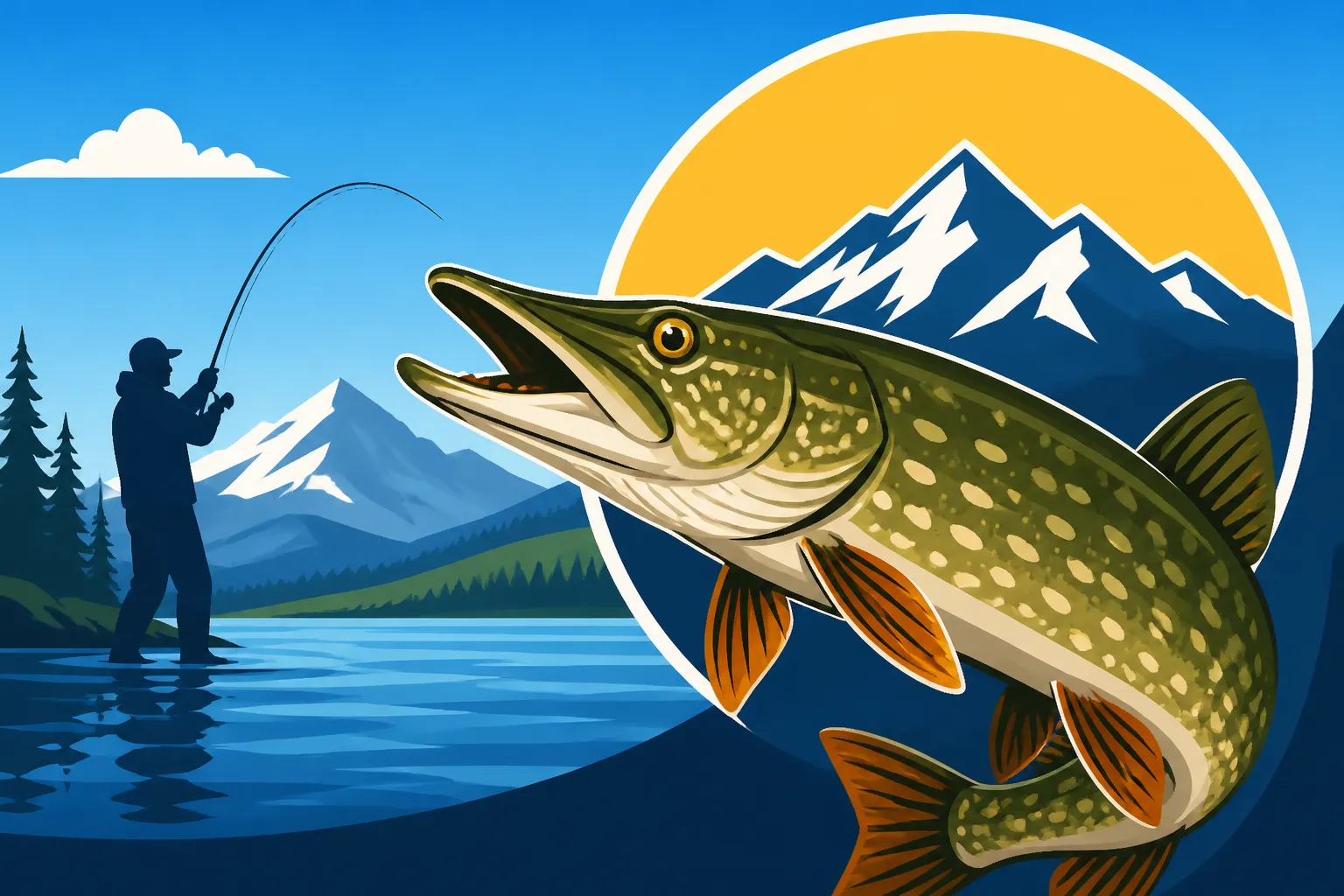
Northern Pike are striking fish with several distinctive features that set them apart. Here's what to look for:
- Body Shape: They have a long, slender, torpedo-shaped body, perfectly adapted for bursts of speed to ambush prey.
- Coloration: Their bodies are typically dark green to olive brown on the back, fading to a lighter, yellowish-white belly. They are adorned with distinctive light, bean-shaped spots or irregular bars along their sides, which can sometimes appear gold or bronze.
- Snout and Mouth: Perhaps their most recognizable feature is their large, duckbill-shaped snout. Their mouth is very large, extending back beyond the eye, and is filled with numerous sharp, needle-like teeth. You definitely want a sturdy pair of fish pliers, readily available on Amazon, if you plan to unhook one.
- Dorsal Fin: They possess a single dorsal fin, located very far back on their body, almost directly above the anal fin. This posterior placement contributes to their powerful, sudden acceleration.
- Scales on Gill Cover: A key identifier is that their gill covers are fully scaled on the upper half, but not on the lower half. This detail is crucial when distinguishing them from their hybrid relative, the Tiger Muskie.
Understanding these features is your first line of defense against misidentification.
Distinguishing Northern Pike from Similar Species
While Northern Pike are pretty distinct, there's one main fish in Colorado that can cause confusion: the Tiger Muskie. This is a sterile hybrid cross between a Northern Pike and a Muskellunge, and it's intentionally stocked in a few specific Colorado reservoirs, primarily for trophy fishing and population control.
Here’s how to tell them apart:
- Tiger Muskie: They have a tiger-striped or barred pattern on their sides, rather than the bean-shaped spots of a pike. The pattern is usually more vertical and wavy. Critically, Tiger Muskies have scales on their gill cover only on the upper half, and no scales on the lower half. Their regulations are typically very restrictive (e.g., one fish over 36 inches), so misidentifying one as a pike could lead to serious trouble.
- Northern Pike: As mentioned, they have distinct light spots on a darker background, and scales on the upper half of their gill cover, but not the lower half.
Another less common confusion might be with Walleye, especially by very new anglers, but their body shape, mouth, and dorsal fin structure are quite different. Walleye have two distinct dorsal fins (one spiny, one soft-rayed) and lack the duckbill snout and aggressive teeth arrangement of a pike. For information on another species with specific rules, you might want to read up on Colorado's Daily Walleye Limit.
The Importance of On-Site Verification
Even with a good understanding of identification features, there's no substitute for checking the latest official regulations for the specific body of water you are fishing. Regulations can change annually, and sometimes even within a season, due to new biological assessments or management strategies.
Always, and I mean always, make it a habit to:
- Read the CPW Fishing Regulations Brochure: This is your bible for Colorado fishing. It's updated annually and provides detailed rules for all species and specific waters. You can find it online or pick up a physical copy at license retailers. Knowing How to Read Colorado's Fishing Regulations Brochure is a fundamental skill for any Colorado angler.
- Check the CPW Online Fishing Atlas: This interactive map tool is fantastic for looking up specific regulations for individual lakes, rivers, and streams, often with real-time updates and stocking information.
- Look for Posted Signs: At many popular fishing access points, CPW will have signs posted with site-specific regulations, especially for waters with mandatory harvest or special limits. Don't ignore these!
By doing your due diligence, you avoid potentially severe penalties for fishing without understanding the rules, as covered in topics like Penalties for Fishing Without a License in Colorado.
Practical Implications of Pike Regulations for Anglers
Understanding the regulations is one thing; putting them into practice on the water is another. For Northern Pike, especially in those "no limit" or "mandatory harvest" waters, there are some practical considerations that every angler should be aware of.
Mandatory Harvest Waters: What it Means for You
When you're fishing a water with mandatory harvest for Northern Pike, it means exactly what it says: you must keep every pike you catch. You cannot practice catch-and-release for this species in these specific locations. This can be a significant shift in mindset for many anglers who primarily practice catch-and-release for conservation or sport.
- Be Prepared to Keep Fish: If you're heading to a mandatory harvest water, bring a cooler with ice, a stringer, or a fish basket. Don't go unprepared only to find yourself in a situation where you've caught a pike but have no way to legally or ethically retain it.
- Ethical Considerations: The mandatory harvest rule is in place for a biological reason. Releasing a pike back into these waters, even with the best intentions, actively works against CPW's conservation goals for that specific ecosystem. It's about protecting the overall health of the fishery.
- Checking Water-Specific Rules: Before targeting pike, or even if you just happen to catch one in waters where Colorado's Northern Pike, Where They're Legal might vary, always confirm the regulations. For instance, some sections of the Colorado River near Kremmling have unique regulations for pike, as do reservoirs like Green Mountain Reservoir. These are important details to verify.
Handling and Transporting Northern Pike
Northern Pike are known for their sharp teeth and muscular bodies, making them a handful to deal with, especially if you plan to keep them. Proper handling is essential for both your safety and to ensure the fish is harvested cleanly.
- Safety First: Their mouths are armed with rows of razor-sharp teeth. Never put your fingers inside a pike's mouth. A good fish gripper or lip tool, like those you can find on Amazon, is invaluable for securely holding the fish while you remove the hook. Long-nosed pliers are also a must-have for safe hook removal.
- Dispatching Humanely: If you are keeping the fish, dispatch it quickly and humanely. A swift blow to the head with a priest or a firm, quick cut to the gills will suffice. This reduces stress on the fish and ensures quality meat.
- Proper Storage: Once dispatched, place the pike immediately on ice in a cooler. This preserves the quality of the meat and keeps it fresh until you can clean it. If you're out for a long day, make sure you have enough ice.
- Legal Transport: When transporting your catch, ensure it's kept in a manner that allows wardens to easily identify the species and count the number of fish. While you can clean fish in the field, it's often best to leave enough identifying features (like a patch of skin with scales) if there's any doubt about species-specific length or possession limits. However, for pike, where limits are usually generous or nonexistent, this might be less of a concern than with a tightly regulated trout species.
Contribution to Conservation Through Pike Harvest
While it might feel counterintuitive to "harvest" a fish, especially if you're accustomed to catch-and-release, keeping Northern Pike in designated waters is a direct and valuable contribution to conservation efforts in Colorado.
- Protecting Native Fish: By removing pike, you're directly helping to protect native fish populations, such as various subspecies of cutthroat trout, which are often a focal point of CPW's conservation initiatives. This helps maintain biodiversity and the health of Colorado's unique aquatic heritage.
- Enhancing Trout Fisheries: In many popular trout fishing lakes and reservoirs, pike can severely impact stocked and wild trout populations. Your harvest helps to ensure that there are more trout for everyone to enjoy, whether through stocking programs or natural reproduction.
- Preventing Invasive Spread: Aggressive removal of Northern Pike in certain areas can also help prevent their spread into new, untouched waters where they could wreak havoc on fragile ecosystems. CPW goes to great lengths to prevent the movement of undesirable species, and anglers play a vital role in this.
It's a way to fish with purpose, knowing that your angling efforts are directly supporting the long-term health and balance of Colorado's waterways. So, when you're looking for Best Lures for Northern Pike in Colorado Reservoirs and planning your trip, consider that every pike you remove from specific waters is a positive step for conservation.
Resources and Tools for Staying Informed
Staying current with Colorado's fishing regulations is an ongoing responsibility for every angler. Regulations are dynamic, influenced by environmental factors, biological studies, and management goals. Fortunately, CPW provides excellent resources to keep you in the know.
Colorado Parks and Wildlife Online and Print Resources
Your absolute best sources for current and accurate fishing regulations come directly from Colorado Parks and Wildlife.
- The Annual Fishing Regulations Brochure: This comprehensive guide is published yearly and details all statewide and water-specific regulations. It's available as a free download from the CPW website (cpw.state.co.us) and in print at license vendors, sporting goods stores (like some larger Cabela's or Bass Pro Shops locations), and CPW offices across the state. Make sure you're reading the current year's version! This brochure is your go-to guide for everything from Colorado Fishing Regulations Every Angler Should Know to specific limits and closures.
- The CPW Online Fishing Atlas: This incredible interactive map is a game-changer. It allows you to search for specific water bodies across Colorado and pull up detailed information, including species present, stocking reports, access points, and, most importantly, the exact regulations for that water. It's accessible via desktop or mobile, making it easy to check regulations on the go.
- CPW Website: Beyond the brochure and atlas, the main CPW website is a treasure trove of information. You'll find news releases about regulation changes, articles on fish management, and answers to frequently asked questions.
Leveraging Technology and Local Expertise
Beyond the official CPW channels, there are other helpful resources you can tap into for up-to-date information and local insights.
- Fishing Apps: Several third-party fishing apps (e.g., Fishbrain, Bield App) aggregate CPW data, stocking reports, and user-submitted catches. While these can be helpful for general guidance and discovering new spots, always cross-reference critical regulation information with the official CPW sources. Apps are great for convenience, but the CPW brochure is the ultimate authority.
- Local Tackle Shops and Outfitters: The folks working at your local fly shop or tackle store are often the most knowledgeable about current conditions and recent regulation changes in their immediate area. Places like Angler's Covey in Colorado Springs or Ark Anglers in Salida are not just places to buy gear; they're community hubs for local fishing intelligence. They can often provide tips on Matching the Hatch on Colorado's Tailwaters or the latest news about unexpected closures or rule modifications.
- Online Forums and Social Media Groups: Engaging with online Colorado fishing communities can be beneficial for real-time reports and discussions. However, always exercise caution and verify any regulation advice found on these platforms with official CPW sources. Rumors spread quickly, and misinformation can lead to unintended violations.
By combining official resources with local knowledge and tech tools, you can ensure you're always fishing within the rules, protecting Colorado's precious aquatic resources, and having the best possible experience on the water.
| Regulation Type | Statewide General Limit | Specific Water Examples | Angler Action Required |
|---|---|---|---|
| Standard Limit | 10 per day, 10 in possession | Many large reservoirs, general freestone rivers | Keep up to 10, release others. |
| No Limit | No daily limit | Select reservoirs or river sections (check CPW Atlas) | Can keep all caught. Release is allowed but discouraged. |
| Mandatory Harvest | No daily limit | Sensitive conservation waters (e.g., some S. Platte areas) | MUST keep all pike caught; no catch-and-release. |
This table provides a quick summary, but remember, the ultimate source for specific waterbody regulations is the current CPW Fishing Regulations brochure or the CPW Online Fishing Atlas. Do not rely solely on generalized information when planning your trip.
Disclaimer
The information provided in this guide is for general informational purposes only and is subject to change. While we strive to provide accurate and up-to-date content, fishing regulations in Colorado can change frequently. Always consult the current Colorado Parks and Wildlife (CPW) Fishing Regulations brochure or the CPW Online Fishing Atlas for the most accurate and legally binding information before engaging in any fishing activity. Failure to comply with official regulations can result in fines and penalties.