Best High-Country Lakes for Colorado Fishing
For many of us, the idea of escaping the daily grind and finding true solitude is what fishing is all about. But sometimes, even our favorite local spots can feel a little too crowded, a little too easy. If you're yearning for that untouched feeling, the crisp air, and the challenge of wild trout in breathtaking scenery, then Colorado's high-country lakes are calling your name. This guide will walk you through everything you need to know to discover these remote gems and successfully fish their pristine waters.
Understanding Colorado's High-Country Lake Ecosystems
Colorado's high-country lakes, often nestled above 9,000 or even 10,000 feet in elevation, are a world apart from the lower elevation rivers and reservoirs. These aren't just pretty places; they're delicate, unique ecosystems that demand a different approach to fishing and conservation. The very factors that make them so appealing—their remoteness, their pristine nature, and the challenging environment—also dictate the type of fish you'll find and how they behave.
The Dynamics of Alpine Environments
The high-altitude environment is characterized by shorter growing seasons, intense UV radiation, colder average temperatures, and much lower atmospheric pressure. This means everything operates on a different clock up here. Insect hatches are often compressed into shorter, more intense windows, and fish metabolism can be slower. The water itself is typically crystal clear, fed by snowmelt, and often nutrient-poor, which can lead to slower growth rates for fish but also to incredibly pure water quality. Understanding these fundamental dynamics is the first step to becoming a successful high-country angler.
When you're hiking into these areas, you're experiencing a landscape shaped by millennia of glacial activity, volcanic forces, and erosion. The lakes themselves range from shallow tarns to deep, cold basins, each with its own microclimate and fish populations. The harsh winters mean these lakes are often locked under thick ice for more than half the year, only truly opening up for fishing from late spring through early fall. If you're considering a trip, knowing when alpine lakes above 11,000 feet thaw out is crucial for planning when you can actually get on the water.
Common Fish Species in High Lakes
While you won't find the same diversity as lower elevation waters, the fish that thrive in these high-country environments are truly special. Cutthroat trout, especially the native subspecies like the Colorado River Cutthroat, Greenback Cutthroat, and Rio Grande Cutthroat, are often the primary targets. These fish are brilliantly colored and incredibly resilient, having adapted to these challenging conditions over thousands of years. You might also encounter brook trout, known for their vibrant hues and willingness to bite, and sometimes even rainbow trout or tiger trout, which are stocked in some more accessible alpine lakes.
It’s important to remember that many of these populations, especially the native cutthroats, are managed for conservation. This often means catch-and-release regulations or specific gear restrictions to protect their fragile numbers. Knowing the catch-and-release rules on Colorado’s cutthroat waters before you cast a line is absolutely essential, not just for compliance but for the long-term health of these irreplaceable fisheries. The thrill of catching a wild, native cutthroat from its ancestral waters is an experience that resonates deeply, far beyond just the size of the fish.
Essential Gear and Preparation for Alpine Lake Fishing
Fishing Colorado's high-country lakes isn't just about packing a rod and reel; it's a full-on wilderness excursion that requires careful planning and the right equipment. The weather can change in an instant, terrain can be rugged, and you'll often be miles from any help. Being prepared means not only increasing your chances of success but, more importantly, ensuring your safety and comfort.
The Right Rod, Reel, and Line
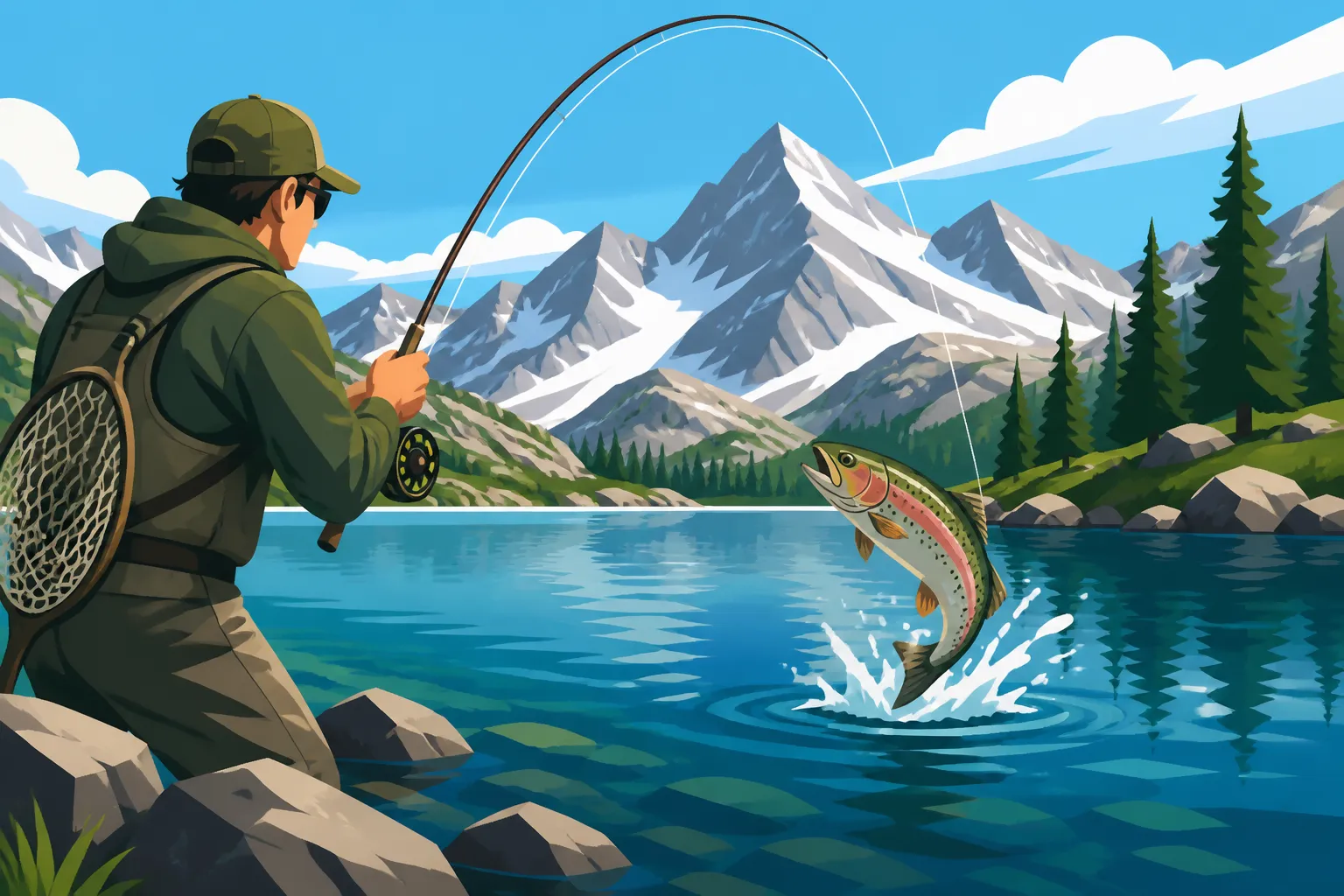
For most high-country lake fishing, whether you're fly fishing or spin fishing, versatility is key. For fly anglers, a 3-weight or 4-weight fly rod, typically 7.5 to 9 feet long, is often ideal. This lighter setup allows for delicate presentations in clear water, handles the smaller trout often found in these lakes, and is lighter to carry on a long hike. Pair it with a floating line and a tapered leader ending in 5x or 6x tippet for stealth. If you're a spin fisherman, a lightweight ultralight rod (5-6 feet) with a small spinning reel spooled with 2-4 pound test line will give you the sensitivity and casting distance needed for small lures or bait.
The clarity of high-country water cannot be overstated. Fish here are often incredibly wary, so leaders and tippets that match the water conditions are paramount. You'll want to aim for longer leaders, sometimes 9-12 feet, to keep distance between your fly or lure and your line. And don't forget a small, rubber mesh net if you plan on catch-and-release; it minimizes harm to the fish. Many anglers plan their trips with resources like FishingBooker to explore different regions and consider local guide options, even for these remote locations, to get expert advice on specific gear for particular lakes or conditions.
What to Pack Beyond Fishing Gear
Beyond your fishing setup, your backpack needs to be thoughtfully packed for a high-altitude wilderness trip. Think layers of clothing – even in summer, temperatures can drop rapidly, especially after an afternoon thunderstorm. A waterproof and windproof outer shell is non-negotiable. Sturdy hiking boots are essential for navigating rocky trails and potentially snowfields, even in July. Always carry a first-aid kit, a map and compass (or a reliable GPS device), a headlamp, sun protection (sunscreen, hat, sunglasses), and plenty of water and high-energy snacks. Dehydration is a real risk at elevation.
For overnight trips, a lightweight tent, sleeping bag, and cooking system are necessary. Remember to practice Leave No Trace principles rigorously. This includes packing out all your trash, properly disposing of human waste, and minimizing campfire impacts if allowed. The beauty of these places relies on every visitor doing their part. Before you head out, make sure you understand Colorado fishing regulations to avoid any unintentional violations.
Fly and Lure Selection for Alpine Trout
When it comes to flies and lures, simplicity and effectiveness rule. For fly fishing, a good selection of high-country staples will serve you well. Think smaller dry flies like Parachute Adams, small Caddis patterns, and attractor patterns like Royal Wulffs. For nymphs, small Pheasant Tails, Hare's Ears, and Prince Nymphs in sizes 16-20 are deadly. Streamers like Woolly Buggers can also be effective, especially if you suspect larger fish or are targeting aggressive brook trout.
Spin fishermen will find success with small inline spinners (like Mepps or Panther Martin), tiny spoons (such as Kastmasters or Daredevles), and small jigs tipped with a grub or a piece of bait (where bait is allowed). Consider carrying a small variety of colors and sizes. Often, the trout in these lakes aren't overly picky due to less fishing pressure, but clear water demands smaller, subtler presentations.
The San Juan Mountains: Alpine Lake Gems
The San Juan Mountains in southwest Colorado are an absolute paradise for high-country lake fishing. This rugged and dramatic range boasts some of the state's most stunning peaks, and nestled among them are countless glacial lakes, many of which hold thriving populations of trout. The sheer remoteness of many of these lakes means fewer anglers and a true wilderness experience.
Exploring the Weminuche Wilderness
Deep within the San Juans lies the vast Weminuche Wilderness, Colorado's largest wilderness area. This is where you'll find some of the most spectacular and challenging high-country fishing. Access points like those near Silverton, Durango, and Pagosa Springs lead to trailheads that can take you deep into the backcountry. Lakes like the Chicago Basin Lakes, Emerald Lake, and those scattered around the Needle Mountains offer incredible fishing for cutthroat and brook trout. These are not day trips; plan for multi-day backpacking adventures to truly experience these remote waters.
The reward for your effort is often pristine, gin-clear water teeming with eager, wild trout that rarely see a fly or lure. Imagine casting to rising cutthroat with 14,000-foot peaks as your backdrop – it’s an unforgettable experience. These waters are often managed for native cutthroat recovery, so catch-and-release with barbless hooks is frequently the rule. You can learn more about what catch-and-release only means on Colorado water to ensure you're fishing ethically and legally in these sensitive areas.
Lakes Accessible from Popular Trailheads
While the Weminuche requires significant commitment, other San Juan high lakes are more accessible, making them fantastic options for strong day-hikers or shorter overnight trips. For instance, the Ice Lakes Basin near Silverton is famously beautiful and, once you ascend past the main Ice Lake, you'll find other smaller lakes that offer great fishing. Similarly, the Highland Mary Lakes near Silverton are another cluster of alpine tarns offering excellent opportunities.
Near Lake City, Lake San Cristobal offers a more developed high-country experience with easier access, but for truly alpine fishing, trailheads branching off the Alpine Loop Scenic Byway can lead to numerous smaller, less-fished lakes. These more "accessible" alpine lakes often receive a bit more pressure, but their beauty and the quality of the fishing remain exceptional. A quick check on FishingBooker can sometimes reveal insights from other anglers about current conditions or specific lake reports, even for these less common spots.
High Lakes of the Flat Tops Wilderness
Another spectacular region for high-country lake fishing is the Flat Tops Wilderness Area, located in northwestern Colorado. True to its name, this unique wilderness is characterized by expansive, flat-topped mesas abruptly dropping into deep canyons and cirques, dotted with over a hundred lakes and numerous streams. It's a vast, less-traveled region compared to some other Colorado ranges, offering a genuine sense of solitude.
Trappers Lake: The Cradle of Cutthroat
At the heart of the Flat Tops lies Trappers Lake, often referred to as the "Cradle of the Cutthroat" because it's home to one of the largest remaining native Colorado River Cutthroat Trout populations. This large, stunning lake is a focal point for anglers seeking to connect with Colorado's indigenous trout. While more accessible than many other wilderness lakes, it still retains its wild charm. Fishing is typically from non-motorized boats or float tubes, and special regulations often apply to protect the native cutthroat.
Beyond Trappers Lake itself, numerous smaller lakes in the surrounding wilderness are accessible via hiking trails. These offer fantastic opportunities for brook trout and cutthroat, often with less pressure. The Flat Tops provide a diverse range of high-country experiences, from the grandeur of Trappers Lake to the intimacy of unnamed tarns tucked away in remote basins. Always consult our guide to fishing Trappers Lake to understand the specific rules for Trappers Lake, as conservation efforts here are paramount.
Remote Lakes of the Chinese Wall
The iconic "Chinese Wall" is a geological feature that defines a significant portion of the Flat Tops Wilderness, a massive basalt escarpment that stretches for miles. Below this wall, and accessible through various trailheads, are dozens of high-country lakes that offer exceptional fishing. Areas like the Marvine Lakes, Skinny Fish Lake, and the vast network of lakes around the Chinese Wall offer prime habitat for brook trout and cutthroat. The hikes can be strenuous, but the reward is often a truly wild fishing experience with breathtaking views.
These lakes are generally fished with small lures or flies, and patience is often key. The fish might not be enormous, but their wild beauty and the pristine environment make every catch special. Because of their remoteness, these waters often see little pressure, making for eager fish. When planning an expedition, checking conditions and trail reports is crucial, especially regarding how runoff timing changes with a heavy snowpack year as the timing of snowmelt can greatly impact access.
Fishing the Collegiate Peaks' Hidden Waters
The Collegiate Peaks Wilderness, located in central Colorado, is famous for its collection of towering 14,000-foot peaks, each named after a prestigious university. But beyond the mountaineering challenges, this wilderness also harbors a collection of stunning high-country lakes that offer some truly rewarding fishing experiences. The landscape here is dramatic, with deep cirques, rocky slopes, and vibrant alpine meadows.
Lakes Near Mount Yale and Mount Harvard
For those willing to put in the effort, the lakes nestled around peaks like Mount Yale and Mount Harvard are incredible destinations. These lakes are typically accessed via demanding hikes that can cover several miles and thousands of feet in elevation gain. Examples include the stunning Harvard Lakes and the more remote waters on the flanks of Mount Yale. These lakes primarily hold brook trout and cutthroat, often eager to take a well-presented fly or small lure.
The solitude you find at these lakes is profound. You'll often have the entire lake to yourself, surrounded by the raw majesty of the Rockies. It’s the kind of fishing where the journey is as much a part of the experience as the catching. Remember that at these extreme elevations, even summer days can be chilly, and afternoon thunderstorms are a common occurrence. Always be prepared for rapid weather changes and ensure you have proper high-altitude gear.
Twin Lakes and Surrounding High Country
While Twin Lakes itself is a much larger, more accessible reservoir near Leadville, the surrounding high country offers numerous smaller, more intimate alpine lakes. Many of these are stocked with trout and provide good opportunities for day trips or short overnights. For example, lakes within the Mount Massive Wilderness or accessed from the Independence Pass area (when open) can offer fantastic fishing. The fish here can range from feisty brook trout to larger, often stocked, rainbow and cutthroat trout.
The area around Leadville, being at 10,200 feet itself, serves as an excellent base for exploring these high-altitude fishing options. Even just a short drive and a moderate hike can bring you to a stunning alpine lake. Before heading up to fish, checking local bait and tackle shops for current conditions and recommended patterns can be a huge help. They often have the most up-to-date information on hatches and fish activity, sometimes even gathered through resources like FishingBooker that connect local experts with anglers.
Rocky Mountain National Park: Accessible Alpine Fishing
Rocky Mountain National Park is one of Colorado's most iconic natural treasures, known for its towering peaks, abundant wildlife, and, yes, fantastic high-country fishing. What sets RMNP apart is its unique combination of accessibility and pristine wilderness. You can find high-alpine lakes within a relatively short hike from a trailhead, making it a great option for families or those not ready for multi-day backcountry treks.
Best Lakes for Day Hikes
The park boasts over 150 lakes, many of which are high-country gems. Some of the most popular and productive for day-hikers include the Loch Vale, Sky Pond, Lake Haiyaha, and Dream Lake. These lakes are typically stocked with cutthroat and brook trout, offering excellent catch rates, especially during the summer months when the trails are clear of snow. The scenery alone is worth the hike, but hooking into a vibrant brook trout amidst such grandeur is an unparalleled experience.
Fishing in RMNP requires a Colorado fishing license, and specific park regulations apply, including limits on certain species and gear. It's crucial to understand the rules for fishing Rocky Mountain National Park before you go, as park rangers are vigilant about conservation. These lakes are often busy with hikers, so arriving early or fishing later in the day can offer a more solitary experience.
Remote Backcountry Opportunities
For those seeking more solitude and a greater challenge within RMNP, numerous remote backcountry lakes await. Areas like the Wild Basin and the vast terrain accessible from the Never Summer Wilderness side of the park offer countless opportunities for adventurous anglers. Lakes such as those in the upper reaches of the North Inlet trail or the numerous unnamed tarns in the Mummy Range require significant hiking, often with overnight permits.
These more remote lakes often hold wild, self-sustaining populations of cutthroat trout, offering a truly primitive fishing experience. The fish might be smaller, but their wild nature and the lack of human pressure make every catch feel like a trophy. Planning one of these trips involves not only physical preparation but also securing wilderness permits in advance, especially during peak season. You might want to consider multi-day guided fishing trips in Colorado for information on how to access these less-traveled spots and specific conservation guidelines.
North Central Colorado's High Lakes: Raw and Remote
Beyond the well-known ranges, north central Colorado offers its own collection of raw and remote high-country lakes, often with a distinct character. From the rugged peaks of the Never Summer Mountains to the expansive wilderness areas straddling the Continental Divide, this region provides diverse opportunities for anglers seeking adventure away from the crowds.
The Never Summer Wilderness Lakes
The Never Summer Wilderness, primarily west of Rocky Mountain National Park, is a lesser-known but incredibly rewarding destination for high-country fishing. This range is characterized by its unique geological formations and its position as a major watershed. Lakes within this wilderness, such as those in the Parika Lake area or the many unnamed basins, offer excellent fishing for brook trout and cutthroat. Access usually involves long hikes, often starting from trailheads along Highway 14 in the Poudre Canyon or near Gould.
The fishing here can be truly spectacular, with abundant insect life sustaining healthy trout populations. Because of the remoteness, the fish are often less wary, making for an exciting fishing experience. However, the weather can be particularly unpredictable in the Never Summers, so always be prepared for rapid changes, including sudden hail or snowstorms, even in summer. This is truly wild country, where self-reliance is paramount.
High Lakes of the Rawah Wilderness
Further north, bordering Wyoming, lies the Rawah Wilderness, a vast and rugged area known for its numerous high-alpine lakes. The Rawah Lakes chain, accessible via the West Branch Trail, is a popular backpacking destination and offers fantastic fishing for brook trout and rainbow trout. Many other remote lakes and tarns are scattered throughout the wilderness, providing endless opportunities for exploration.
The Rawah Wilderness is a prime example of high-elevation beauty, with cascading waterfalls, wildflower-filled meadows, and dramatic peaks. The fishing here is often best with small dry flies or nymphs, as the clear water and discerning trout require a subtle approach. For those planning a multi-day trip, consulting Colorado’s fishing regulations brochure can help you understand the specific area regulations and ensure a responsible visit. The solitude and peace found in the Rawah are unparalleled, making it a true escape.
Conservation and Ethics in High-Altitude Fishing
Fishing in Colorado's high-country lakes is a privilege, not a right. These delicate ecosystems are easily impacted by human activity, and the slower growth rates of high-altitude trout mean that overfishing or poor handling practices can have long-lasting, detrimental effects. As anglers, we have a responsibility to be stewards of these pristine environments, ensuring they remain healthy and vibrant for future generations.
Practicing Leave No Trace Principles
The core of ethical high-country fishing lies in adhering to Leave No Trace principles. This means packing out everything you pack in, including all trash, leftover food, and even organic waste like fruit peels. If you need to relieve yourself, ensure you are at least 200 feet from water sources and dig a small cathole to bury waste. Minimize your impact on trails by staying on established paths and avoiding shortcuts. When camping, choose durable surfaces and keep campfires small and contained, or better yet, use a stove.
The impact of even seemingly small actions is magnified in these fragile environments. Every wrapper, every discarded fishing line, and every shortcut taken across fragile tundra contributes to the degradation of these special places. By consciously practicing Leave No Trace, you're directly contributing to the preservation of the wild character and ecological health of Colorado's high-country lakes.
Responsible Fish Handling and Regulations
Many high-country lakes are managed for wild or native trout, often with specific catch-and-release rules. Even where keeping fish is allowed, consider practicing selective harvest to protect larger breeding fish and maintain healthy populations. If you are releasing fish, handle them with extreme care. Keep them in the water as much as possible, use wet hands, avoid squeezing them, and unhook them quickly. Barbless hooks are highly recommended, if not required, as they minimize injury to the fish. You can learn more about how to handle trout for a safe release to ensure the fish you release have the best chance of survival.
Always carry a copy of the current Colorado fishing regulations and understand the specific rules for the waters you plan to fish. Some areas have special gear restrictions (e.g., fly and lure only), bait bans, or bag and possession limits that vary by lake or stream. Being informed is not just about avoiding a ticket; it's about respecting the intricate management efforts designed to protect these unique fisheries. Planning your trip with tools like FishingBooker can sometimes help connect you with local outfitters who can provide valuable insights into specific regulations for particular high-country spots, ensuring you fish responsibly.
Supporting Conservation Efforts
Beyond individual actions, actively supporting organizations dedicated to coldwater conservation is another way to ensure the future of high-country fishing. Colorado Parks and Wildlife (CPW) plays a critical role in managing and protecting these fisheries, and the revenue from fishing licenses and habitat stamps directly funds these efforts. Understanding how Colorado’s habitat stamp money gets used shows you how your license fees contribute to habitat restoration, fish stocking, and research.
Organizations like Trout Unlimited and local watershed groups also do incredible work in advocating for native trout, restoring riparian habitats, and educating anglers. Whether it's through volunteering, donations, or simply staying informed about local conservation issues, your involvement can make a tangible difference. These wild places and their unique fish populations need our collective voice and effort to thrive amidst increasing pressures.
| Lake/Area Name | Nearest Major Town | Primary Species | Typical Elevation (ft) | Accessibility | Notes |
|---|---|---|---|---|---|
| Trappers Lake | Meeker | Cutthroat, Brook | 9,200 | Moderate (road access, hiking trails) | "Cradle of Cutthroat," special regulations, non-motorized boats only. |
| Sky Pond | Estes Park (RMNP) | Cutthroat, Brook | 10,900 | Strenuous day hike | Iconic RMNP hike, stunning scenery, popular. |
| Chicago Basin Lakes | Silverton | Cutthroat, Brook | 11,200+ | Multi-day backpack (train or long hike) | Deep Weminuche Wilderness, very remote, requires significant effort. |
| Harvard Lakes | Buena Vista | Brook, Cutthroat | 11,500+ | Strenuous day/overnight hike | Collegiate Peaks, dramatic mountain views, true alpine experience. |
| Rawah Lakes Chain | Fort Collins | Brook, Rainbow | 10,000-11,000 | Moderate to strenuous hike | Rawah Wilderness, beautiful chain of lakes, good for multi-day trips. |
| Emerald Lake | Durango | Cutthroat | 10,000 | Strenuous day hike (Weminuche edge) | Known for vibrant green color, good cutthroat fishing, less busy than RMNP. |
Disclaimer
The information provided in this guide is for general informational purposes only and does not constitute legal advice. Fishing regulations in Colorado are subject to change by Colorado Parks and Wildlife (CPW) and can vary significantly by location, specific water body, and time of year. Always consult the most current official Colorado Fishing Regulations brochure or the CPW website before engaging in any fishing activities. Ensure you have the proper licenses and stamps. The author and publisher are not responsible for any errors or omissions, or for the results obtained from the use of this information.