Fishing Colorado’s Gunnison Gorge
The sheer thought of fishing Colorado's Gunnison Gorge can be intimidating. You've heard the whispers of massive trout, but also the daunting tales of treacherous trails, wilderness permits, and demanding conditions. It's a place that calls to the adventurous angler, but the logistics can feel like a riddle wrapped in an enigma. This guide is here to unravel those complexities, helping you plan an unforgettable trip into one of Colorado's most awe-inspiring and rewarding fishing destinations.
Understanding the Gunnison Gorge's Unique Appeal
The Gunnison Gorge isn't just another stretch of river; it's a designated wilderness area, a true sanctuary for wild trout, and a place where nature still holds the upper hand. Its reputation as a world-class fishing destination is well-earned, but it demands respect and preparation. This isn't a place for a casual drive-up and cast, and that's precisely what makes it so special to those who seek a genuine backcountry experience.
Gold Medal Water Status and What It Means
Colorado Parks and Wildlife (CPW) designates certain sections of rivers and lakes as "Gold Medal Waters." This isn't just a fancy title; it signifies a commitment to exceptional habitat and the presence of significant populations of large trout. For a river stretch to earn Gold Medal status, it must consistently support at least 60 pounds of trout per acre and at least twelve quality trout (14 inches or longer) per acre. The Gunnison Gorge, specifically the stretch from the confluence of the East and Taylor Rivers downstream to the West I-P diversion, proudly wears this badge. What does this mean for you, the angler? It means you're stepping into an environment meticulously managed to produce big, healthy, and numerous trout, offering unparalleled opportunities to tangle with trophy-sized fish. You're not just fishing; you're immersing yourself in an ecosystem where trout thrive, often reaching impressive sizes thanks to abundant food sources and pristine water conditions. To fully grasp the implications of this designation, it's worth understanding the broader context of Colorado's Gold Medal Water Regulations Explained.
The Black Canyon Wilderness Experience
Beyond its fishing prowess, the Gunnison Gorge is also part of the larger Black Canyon of the Gunnison Wilderness Area. This federal designation means that the area is managed to preserve its wild character, limiting human impact and maintaining its primitive state. You won't find paved roads, developed campgrounds, or even much in the way of marked trails once you descend into the canyon. This remoteness is a double-edged sword: it offers profound solitude and breathtaking natural beauty, but it also demands a high level of self-sufficiency and wilderness skills. Every decision, from what gear you pack to how you navigate the rugged terrain, becomes critical. The steep canyon walls, the roaring river, and the sheer scale of the landscape combine to create an experience that feels truly wild and untamed. Prepare for an adventure where your phone might not have service, and the nearest help could be hours away.
Primary Fish Species You'll Encounter
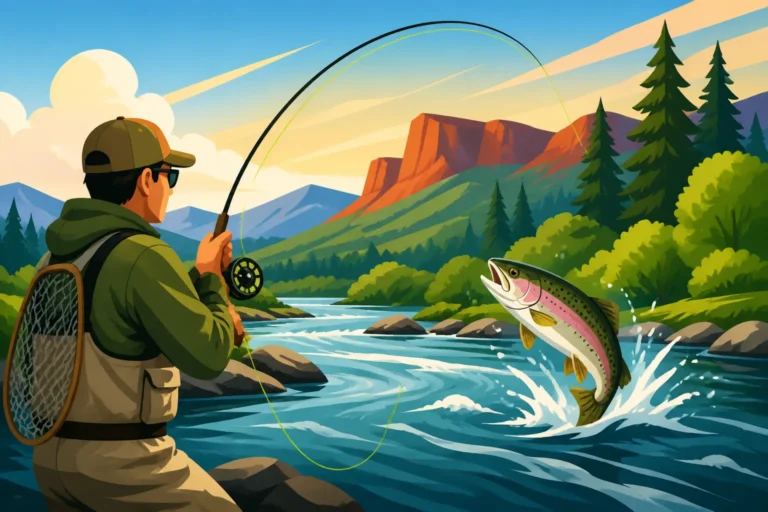
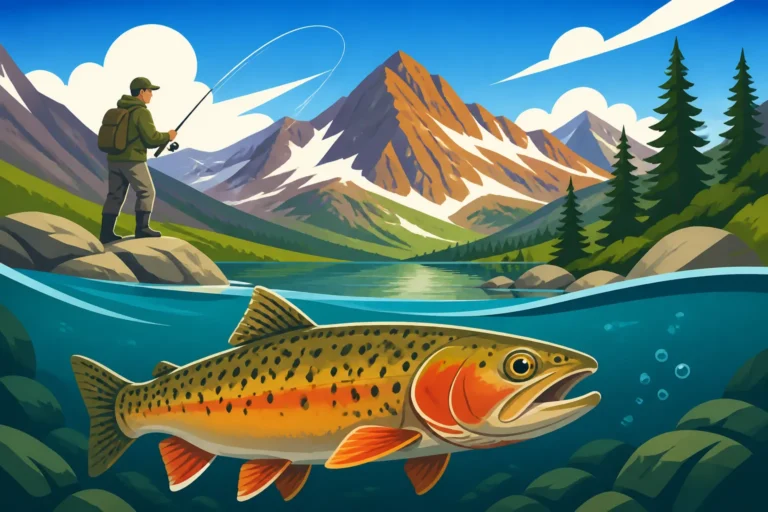
While the Gunnison Gorge holds a variety of aquatic life, the undisputed stars of the show are its wild brown trout and rainbow trout. These fish are not the hatchery-raised, pellet-fed variety; they are strong, wary, and exceptionally beautiful. Brown trout are particularly abundant and can grow to impressive sizes, often exceeding 20 inches, with some giants pushing past 25 inches. They are known for their aggressive strikes, especially when targeted with streamers. Rainbow trout also thrive in the Gorge's cold, oxygenated waters, offering spirited fights and dazzling colors. You might also encounter some cutthroat trout or even the occasional brook trout in tributary streams, but the browns and rainbows dominate the main river. These fish are lean, powerful, and acrobatic, a testament to the wild environment they inhabit.
Navigating the Gunnison Gorge Access Points
Getting into the Gunnison Gorge is half the adventure. There are no easy routes, and each access method presents its own set of challenges and rewards. Understanding these options, and the regulations surrounding them, is paramount to a successful trip. This isn't a place you just show up to; it requires careful planning and often, a bit of luck.
Permit Requirements for Inner Gorge Access
To preserve the wilderness character and prevent overcrowding, the inner canyon of the Gunnison Gorge requires a special permit for both day and overnight use from March 15 to November 15. These permits are administered through a lottery system by Colorado Parks and Wildlife (CPW) and are highly sought after, especially during peak season. You'll need to apply well in advance, typically months before your desired dates, through the CPW website. The lottery system allocates a limited number of permits each day for various entry points, ensuring that the number of people in the canyon remains low. Even if you're only planning a day trip, you must secure one of these permits.
The permitting process is designed to protect the fragile ecosystem and enhance the wilderness experience for those who obtain a permit. It's a small price to pay for the solitude and pristine fishing opportunities you'll find within. Be sure to check the specific dates and application windows for the year you plan to visit, as they can sometimes shift slightly. Ignorance of the permit system is not an excuse, and rangers do patrol the Gorge, issuing citations to those without valid permits. For detailed information on securing your entry, look into How to Get a Permit to Float the Gunnison Gorge.
The Infamous Chukar Trail and Other Descent Routes
Once you've secured your permit, the next hurdle is physically getting into the canyon. The descent trails are notoriously steep, rugged, and can be dangerous, especially with a heavy pack. The Chukar Trail is arguably the most well-known, and for good reason: it's a brutal, nearly vertical descent of over 1,800 feet in just over a mile and a half. Hikers often describe it as a "goat path" requiring scrambling, switchbacks, and careful footing. Carrying fishing gear, camping supplies, and plenty of water makes this descent even more challenging, and the ascent back out is a true test of endurance.
Other common access points include the Warner Point Trail and the Bobcat Trail, each with their own unique challenges but sharing the common theme of steep, uneven terrain. There are no handrails or paved paths here; you're navigating natural rock, loose scree, and dense brush. Proper hiking boots with excellent ankle support are non-negotiable, and trekking poles can be invaluable for maintaining balance and reducing strain on your knees. It's wise to budget significantly more time for the descent and ascent than you might for a typical hike of similar distance. Many experienced anglers plan for the descent to take 2-3 hours, and the climb out even longer.
Float Trip Considerations and Launch Points
For those who prefer to experience the Gorge from the water, a float trip offers a different, though no less adventurous, entry. Floating the Gunnison Gorge is primarily done in rafts or specialized fishing catarafts, as the river is swift, rocky, and features numerous challenging rapids (Class III-IV). This isn't a casual canoe trip. Most anglers opt for a guided float trip, hiring experienced outfitters who are intimately familiar with the river's complexities and hazards. These guides provide the necessary equipment, expertise, and safety net, making the experience accessible even for those without extensive whitewater experience. Platforms like FishingBooker can be an excellent resource for finding reputable guides who specialize in Gunnison Gorge float trips.
The most common put-in for a full Gorge float is near Pleasure Park or the North Fork area upstream of the Black Canyon National Park boundary, with various take-out points depending on the length of the trip, often at the North Fork of the Gunnison River confluence. A float trip typically lasts several days, allowing ample time to fish and explore different sections of the canyon. Be aware that even with a guide, the weather can change rapidly, and the river's powerful currents demand constant vigilance. For a deeper dive into finding professional assistance, explore Guided Fishing Trips on Colorado's Gunnison River.
Essential Gear and Preparedness for a Gorge Trip
A trip into the Gunnison Gorge is not like fishing your local pond. The remoteness and ruggedness of the terrain, combined with the power of the river, demand meticulous preparation and the right gear. Skimping here isn't just uncomfortable; it can be dangerous. Think of it as a mini-expedition, where every item in your pack serves a crucial purpose.
Fly Fishing Rods, Reels, and Line Recommendations
For the Gunnison Gorge, you'll want versatile and robust fly fishing gear capable of handling large, powerful trout in swift currents. A 5-weight or 6-weight fly rod, typically 9 to 10 feet in length, is generally recommended. A 5-weight offers a good balance of finesse for nymphing and enough backbone to fight larger fish, while a 6-weight provides a bit more lifting power, which can be invaluable when battling a big brown in heavy current or casting larger streamers. Consider a fast-action rod that can punch through the occasional canyon winds.
Your reel should be reliable with a smooth drag system, capable of holding at least 100 yards of backing. Wild Gunnison trout fight hard, and you'll appreciate a quality drag when a big one decides to run. A weight-forward floating line is standard for most nymphing and dry fly applications. However, if you plan to dedicate time to streamer fishing, especially for those aggressive fall browns, consider bringing a sink-tip line or even a full sinking line. This will help get your flies down to where the big fish are holding in the deeper runs and pockets. A spare spool with a different line type can be a game-changer, allowing you to quickly adapt to changing conditions or techniques without re-rigging your entire setup.
Essential Flies and Terminal Tackle
The Gunnison Gorge offers diverse fishing opportunities, so a well-stocked fly box is crucial. For nymphing, which is often the most productive method, focus on patterns that imitate aquatic insects common in freestone rivers. Think about stoneflies (Pat's Rubber Legs, 20-Incher Stone, Coffee Stone), caddis larvae and pupae (Green Caddis Larva, Hare's Ear, Graphic Caddis), and mayfly nymphs (Pheasant Tail, Barr's Emerger, Copper John). Sizes #12-18 will cover most situations, with larger patterns for stoneflies and smaller for mayflies. Having a variety of bead weights (tungsten is excellent for getting down fast) is also important to match different water depths and current speeds.
Streamers are incredibly effective, especially for targeting the Gorge's trophy brown trout. Classic patterns like Wooly Buggers (black, olive, brown), Sculpzillas, and articulated streamers like the Sex Dungeon or Double Deceiver in various sizes (#2-8) are excellent choices. Don't be afraid to experiment with brighter colors like white or yellow, especially in off-color water. For dry fly fishing, which can be excellent during specific hatches but less consistent than subsurface methods, carry a selection of terrestrials (hoppers, ants, beetles) for summer, and common mayfly and caddis patterns (Elk Hair Caddis, Parachute Adams, BWO emergers) in appropriate sizes. You'll need fluorocarbon tippet in 3x, 4x, and 5x, strike indicators (yarn or Thingamabobbers work well in turbulent water), and plenty of split shot to adjust your nymph rigs. Remember to check local regulations, as some areas might have specific rules regarding fly or bait types.
Beyond Fishing Gear: Safety and Survival Essentials
The Gunnison Gorge is remote, and you need to be prepared for anything. Beyond your fishing tackle, your safety and survival gear are paramount. Start with proper footwear: sturdy, broken-in hiking boots with excellent grip and ankle support are essential for navigating the steep trails. Your waders should be durable and breathable, and consider studded boots or cleated wading shoes for improved traction on slick river rocks.
Pack layers of clothing made from synthetic materials or wool; cotton is a definite no-go as it loses its insulating properties when wet. Even in summer, evenings can be cool, and mountain weather changes rapidly. A waterproof and windproof outer shell is a must. For navigation, don't rely solely on your phone; bring a topographical map of the area and a compass, and know how to use them. A headlamp or flashlight with extra batteries is crucial for early morning starts or unexpected delays.
Water is heavy, so consider a high-quality water filter or purification tablets. A comprehensive first-aid kit, a knife or multi-tool, fire-starting materials, and emergency shelter (even a lightweight tarp) are non-negotiable items. Pack enough food for your trip plus an extra day's supply in case of unforeseen circumstances. Bear spray is also a wise precaution given the active wildlife in the area. Remember, you are responsible for your own safety in this wilderness.
Fishing Techniques for the Gunnison Gorge
The Gunnison Gorge is known for its challenging yet rewarding fishing. The powerful currents, deep pools, and diverse insect life require anglers to be adaptable and skilled in various techniques. While some days might offer incredible dry fly action, more often than not, success comes from getting your flies down deep.
Nymphing in Deep Pockets and Runs
Nymphing is, without a doubt, one of the most consistently productive methods for catching trout in the Gunnison Gorge. The river's fast, turbulent water and deep pockets are prime holding lies for trout, and they spend the majority of their time feeding subsurface on aquatic insects. To effectively nymph, you'll need to master the art of getting your flies down quickly and maintaining a drag-free drift.
A common setup involves a multi-fly nymph rig under a strike indicator. Start with a heavier "point" fly, like a large stonefly nymph, to help sink your rig, followed by a lighter "dropper" fly, such as a smaller mayfly or caddis pattern. Adjust the amount of split shot based on the water depth and current speed to ensure your flies are bouncing along the bottom where the fish are feeding. Euro nymphing, a technique that uses specialized rods and lines for direct contact and sensitivity, can also be highly effective in the Gorge's strong currents, allowing you to detect subtle takes. Focus your efforts on the seams where faster current meets slower water, behind large rocks, and in the deep troughs and pools. These are the places where trout expend less energy to hold and have easy access to passing food. For those looking to refine their subsurface presentation, exploring various Nymphing Techniques for Colorado Tailwaters can provide valuable insights applicable to the Gorge.
Streamer Fishing for Aggressive Brown Trout
If you're looking for a primal, aggressive strike from a trophy brown trout, streamer fishing in the Gunnison Gorge is an exhilarating experience. This method is particularly effective during cloudy days, periods of high water, or, perhaps most famously, in the fall when brown trout become exceptionally aggressive as they prepare for spawning.
Larger, articulated streamer patterns that imitate baitfish or sculpins are key. Think about patterns like Sculpzillas, Sex Dungeons, or various buggers in olive, black, brown, or white. The key is to present these flies with an erratic, predatory retrieve. Cast your streamer across and slightly downstream, allowing it to swing, then strip it back with varying speeds and pauses. Focus your casts near undercut banks, log jams, and the edges of deep pools – anywhere a large trout might ambush its prey. A faster retrieve can often provoke a reaction strike from an unwilling fish. Be prepared for a powerful, often jarring take, and hold on tight! Streamer Fishing for Colorado Brown Trout offers more detailed strategies for enticing these larger fish.
Dry Fly Opportunities and Matching Hatches
While nymphing and streamer fishing often steal the spotlight in the turbulent Gorge, don't discount the magic of dry fly fishing. When the conditions are right, and a hatch is in full swing, the Gunnison can offer truly spectacular dry fly action. This typically occurs during periods of stable weather, often in late spring, summer, or early fall.
Major hatches to watch for include various caddisflies (especially during late spring/early summer), a smattering of mayflies like Pale Morning Duns (PMDs) and Blue-Winged Olives (BWOs), and, during the warmer months, terrestrial insects like grasshoppers, ants, and beetles falling into the water from the canyon walls. When a hatch is on, identifying the specific insect and "matching the hatch" with an accurate imitation is crucial. Look for rising fish and observe the size, color, and behavior of the natural insects. Present your dry fly with a drag-free drift, paying close attention to your leader and tippet to avoid spooking wary trout. While it might not be a constant all-day affair, those moments when the trout look up for a dry fly in the majestic Gorge are unforgettable. For more on this exhilarating method, consider Dry Fly Fishing Colorado's Freestone Rivers.
| Fishing Technique | Primary Target Species | Best Conditions | Recommended Flies (Examples) |
|---|---|---|---|
| Nymphing | Brown Trout, Rainbow Trout | Year-round, especially high/off-color water | Pat's Rubber Legs, Pheasant Tail, Copper John, Hare's Ear |
| Streamer Fishing | Large Brown Trout, Rainbow Trout | Cloudy days, high water, Fall (spawning) | Wooly Bugger, Sculpzilla, Sex Dungeon, Double Deceiver |
| Dry Fly Fishing | Brown Trout, Rainbow Trout | Stable weather, active hatches (Spring/Summer/Fall) | Elk Hair Caddis, Parachute Adams, Hoppers, PMDs, BWOs |
Best Times to Fish the Gunnison Gorge
Timing your trip to the Gunnison Gorge is crucial for maximizing your chances of success and ensuring a more enjoyable experience. The canyon's unique hydrology and rugged environment mean that conditions can vary dramatically throughout the year.
Spring Fishing Before Runoff and Post-Runoff Opportunities
Spring in the Gunnison Gorge can be a mixed bag, but it offers some unique opportunities. Before the spring runoff, typically in March and April, the water levels are usually lower and clearer, and the trout are actively feeding as temperatures begin to rise. This pre-runoff window can provide excellent nymphing, and you might even encounter some early caddis or BWO hatches. However, the weather can be unpredictable, with sudden snowstorms or cold snaps possible. Access trails can also be muddy or icy, making the descent even more treacherous.
The real challenge comes during the peak runoff, usually from mid-May through mid-June, when snowmelt from the high country swells the Gunnison River. During this time, the river can become high, fast, and muddy, making fishing incredibly difficult and often dangerous. Many anglers wisely avoid the Gorge during peak runoff. However, once the runoff begins to recede, typically in late June, the river often drops and clears, ushering in some of the best fishing of the year. The trout are eager to feed after the high water, and insect activity ramps up considerably. This post-runoff period can be phenomenal, offering a combination of nymphing, streamer fishing, and emerging dry fly opportunities.
Prime Summer and Fall Fishing Conditions
Summer, from July through August, generally offers consistent and excellent fishing in the Gunnison Gorge. Water levels are usually stable, and temperatures are warm, making the camping and hiking portions of the trip more pleasant. Nymphing remains highly effective, but you'll also see strong caddis hatches, various mayfly emergences, and abundant terrestrial activity, leading to exciting dry fly opportunities. Mornings and evenings are often the most productive, with a midday lull during the hottest parts of the day.
However, many seasoned Gorge anglers consider fall (September through November) to be the absolute prime time, especially for targeting trophy brown trout. As the water temperatures cool, brown trout become incredibly aggressive, focusing on baitfish and larger meals in preparation for their spawning season. This is when streamer fishing truly shines, and anglers can often entice the largest fish of the year. The fall colors in the canyon are also breathtaking, adding another layer to the experience. Just be prepared for colder temperatures, shorter days, and potentially icy conditions on the trails later in the season. For a complete overview of what to expect seasonally, you might find Colorado Fishing Season Dates and Bag Limits a helpful resource.
Winter Fishing Considerations
Winter fishing in the Gunnison Gorge, generally from December through February, is an extremely challenging and often inadvisable endeavor for most anglers. The canyon experiences brutal cold temperatures, significant snow accumulation, and dangerous ice conditions on the trails and riverbanks. Access becomes even more difficult, and the inner canyon permit system is typically not in effect, which means even fewer resources or oversight.
While hardcore ice anglers might brave some of the larger reservoirs in Colorado during winter, the Gunnison Gorge river environment is a different beast entirely. The limited daylight hours, freezing temperatures, and potential for hypothermia make it a high-risk proposition. Even if you manage to safely descend, fishing can be very slow, with trout holding deep and feeding sparingly. For safety and comfort, it's generally best to save your Gunnison Gorge adventure for the spring, summer, or fall.
Planning Your Gunnison Gorge Adventure
Embarking on a trip to the Gunnison Gorge requires meticulous planning, from deciding on your approach to understanding the ethical responsibilities of fishing in a wilderness area. This isn't a spontaneous trip; it's an intentional journey into one of Colorado's wild jewels.
Choosing Between a DIY Trip and a Guided Experience
One of the biggest decisions you'll face when planning a Gunnison Gorge trip is whether to go it alone or hire a guide. Both options have distinct advantages and disadvantages, especially given the challenging nature of the location.
A do-it-yourself (DIY) trip offers the ultimate sense of adventure and self-reliance. You control your schedule, your pace, and your budget. However, it demands extensive wilderness experience, strong navigation skills, excellent physical conditioning, and a thorough understanding of the specific fishing techniques required for the Gorge. You'll need to research permits, trail conditions, and fishing strategies extensively. For many, the reward of conquering the Gorge on their own terms is immense.
Conversely, a guided trip, whether it's a walk-in or a multi-day float, can significantly enhance your safety and success. Professional guides possess intimate knowledge of the canyon, including its intricate trails, hidden fishing spots, and the nuances of changing water conditions. They provide all the necessary specialized gear, handle logistics like permits and transportation, and offer invaluable instruction. This is an excellent option for less experienced anglers, those new to wilderness environments, or anyone who wants to maximize their fishing time without the stress of planning and navigating. While it comes at a higher cost, the peace of mind and increased chances of a memorable catch often make it worthwhile. You can explore options and read reviews for experienced guides through platforms like FishingBooker, which can connect you with local experts. If you're weighing the pros and cons, consider Hiring a Fishing Guide in Colorado, What to Expect.
Overnight Camping and Leave No Trace Principles
For those planning multi-day trips into the inner Gorge, camping is an integral part of the experience. However, it's crucial to understand that this is a wilderness area with strict "Leave No Trace" (LNT) principles. There are no developed campgrounds, picnic tables, or vault toilets. You are expected to pack out everything you pack in, including all trash and human waste.
CPW permits for overnight trips typically designate specific zones or areas where camping is allowed, often on established gravel bars or flat areas along the river. Always choose durable surfaces for your camp, such as rock or sand, and avoid disturbing fragile vegetation. Disperse your campfire (if allowed and safe) and ensure it's completely out before leaving. When it comes to human waste, you must pack it out using a portable toilet system or WAG bags. Burying waste is strictly prohibited in the inner Gorge. Dishwater and bathing should be done well away from the river, using biodegradable soaps if necessary. The goal is to leave no trace that you were ever there, preserving the pristine nature of the Gorge for future generations.
Understanding Regulations and Wildlife Encounters
Before you even step foot on a trail, thoroughly familiarize yourself with all applicable Colorado fishing regulations, particularly those specific to Gold Medal Waters like the Gunnison Gorge. This includes bag and possession limits, which can be highly restrictive for certain species and sizes, and any special bait or lure restrictions. For example, some Gold Medal Waters are fly-and-lure-only. You must also possess a valid Colorado fishing license and the Habitat Stamp, unless exempt. The Colorado Fishing License Guide for Residents and Nonresidents can help ensure you're compliant. Always carry a copy of the current Colorado Fishing Regulations Every Angler Should Know or the detailed brochure, as regulations can change annually.
The Gorge is teeming with wildlife, including black bears, mountain lions, bighorn sheep, and various bird species. While encounters with larger predators are rare, it's wise to be bear-aware. Store food in bear-resistant containers or hung from a tree, and carry bear spray. Maintain a respectful distance from all wildlife and never feed them. Remember, you are a visitor in their home, and respecting their space is paramount to both your safety and theirs.
Disclaimer
Please note that outdoor activities, especially in wilderness areas like the Gunnison Gorge, carry inherent risks. Weather conditions can change rapidly, and terrain can be challenging. Always prioritize safety, be prepared for emergencies, and consult up-to-date local regulations and conditions before your trip. This guide is for informational purposes only and does not substitute for professional advice or personal responsibility.