How Deep to Fish Blue Mesa Reservoir for Lake Trout
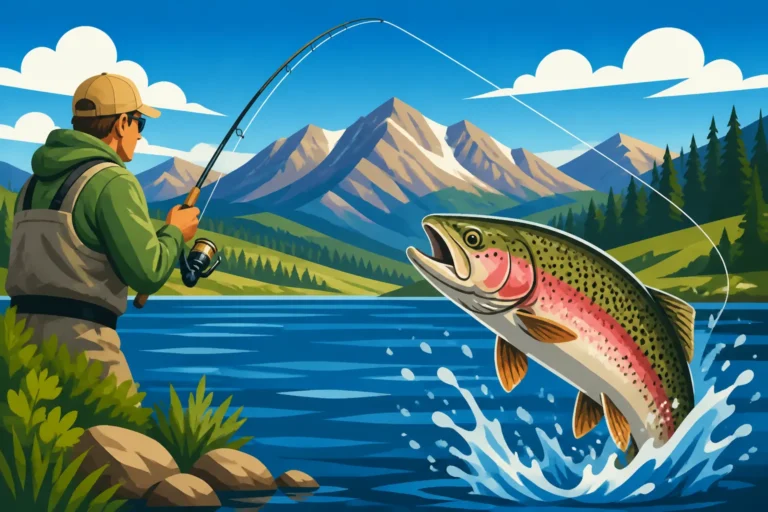
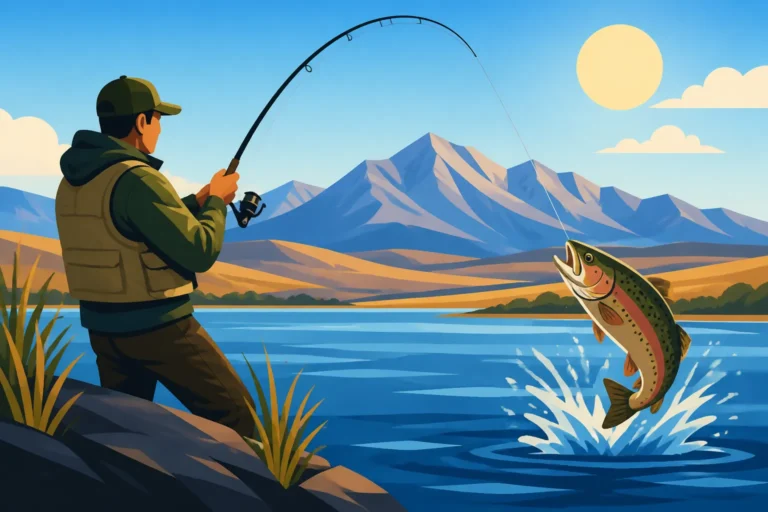
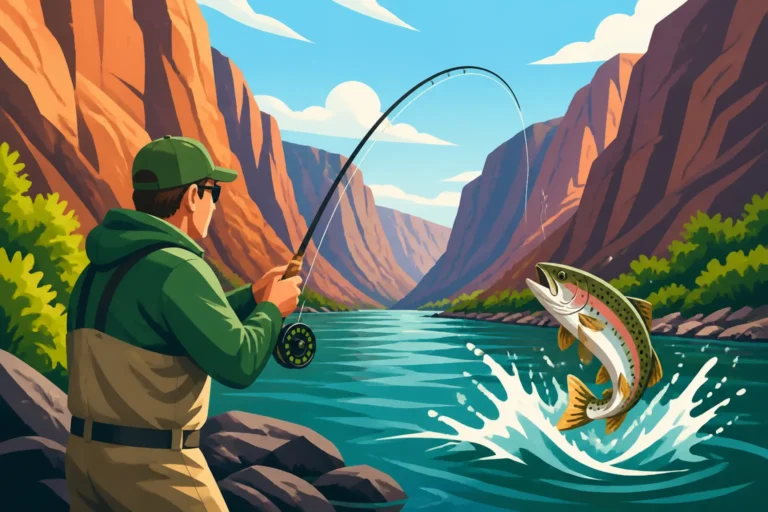
When you set your sights on the mighty lake trout of Blue Mesa Reservoir, you're not just casting a line into any old pond. You're entering a vast, deep, and often intimidating body of water where these incredible fish can hold anywhere from 30 feet down to over 100 feet, making it a real challenge to pinpoint their exact location. This guide is dedicated to helping you unravel the mysteries of Blue Mesa's depths, giving you the knowledge and techniques to effectively target those elusive, trophy-sized lakers.
Understanding Blue Mesa's Depths and Lake Trout Behavior
Blue Mesa Reservoir, near Gunnison, Colorado, is a true gem, but its sheer size and depth can make finding fish feel like searching for a needle in a haystack. Covering over 20 miles with a maximum depth of around 340 feet, it’s a sprawling aquatic wilderness. Lake trout, often referred to as "Mackinaw" in Colorado, are perfectly adapted to these cold, deep environments, making them particularly challenging to locate and catch consistently.
Why Lake Trout Go Deep and Why it's a Challenge
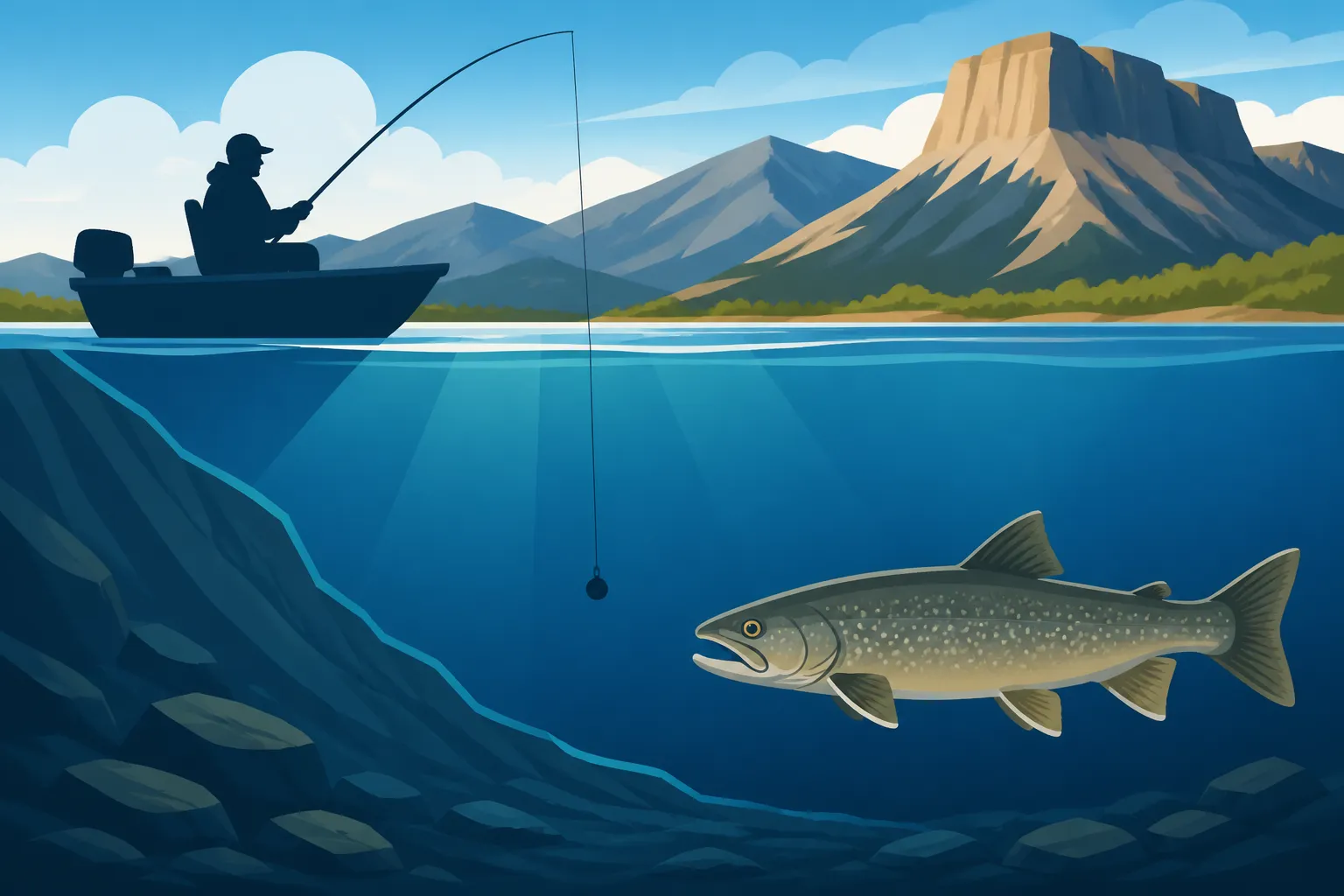
Lake trout are cold-water creatures, thriving in temperatures ranging from the low 40s to low 50s Fahrenheit. In a large reservoir like Blue Mesa, these optimal conditions are found in the deeper layers, especially during the warmer months. As surface waters heat up, the lake stratifies into distinct temperature layers: a warm upper layer (epilimnion), a transitional layer with rapid temperature change (thermocline), and a cold, deep layer (hypolimnion). Lake trout will gravitate towards the cooler water, often hugging the thermocline or sinking even deeper into the hypolimnion where the oxygen levels remain sufficient.
This deep-water preference presents several challenges. First, it requires specialized gear to get your lures or bait down to those significant depths. Second, locating these fish requires good sonar or fish-finding equipment, as you can't rely on visual cues. Third, fighting a large fish from 100 feet down requires different techniques and places considerable strain on your tackle. You're not just fishing; you're essentially deep-sea angling in a freshwater lake, and that takes preparation and patience. The reward, however, can be an unforgettable battle with a truly magnificent fish.
Seasonal Movements of Blue Mesa Lake Trout
While lake trout generally prefer the deep, their exact depth and location can shift throughout the year, influenced by water temperature, baitfish movements, and spawning cycles. Understanding these seasonal patterns is crucial for consistent success. If you're wondering about general fishing throughout the year, our guide on Colorado Fishing Seasons Month by Month might be helpful, but let's focus on the Macks here.
- Spring (Ice-Out to Early June): As the ice melts and the lake begins to warm, lake trout can be found at more accessible depths, often 20-60 feet. They'll follow schools of kokanee salmon and other baitfish that are also moving into shallower areas to feed. This can be a fantastic time for jigging and even some shallow trolling.
- Summer (Late June to August): This is when the deep dive truly begins. As surface temperatures climb, lake trout retreat to the cooler, oxygen-rich depths. You'll typically find them holding anywhere from 60 to 120 feet, sometimes even deeper, especially during the hottest parts of the day. They'll often be found near underwater structures like humps, points, and channel edges that provide ambush points for unsuspecting baitfish. For specific insights, check out How Deep Lake Trout Hold in Summer.
- Fall (September to November): As water temperatures cool, lake trout become more active and start to move shallower again, preparing for their late fall spawning run. They can be found in a wider range of depths, from 40 to 100 feet, and are often very aggressive. This is a prime time for targeting trophy fish, as they feed heavily. They’ll actively pursue kokanee salmon as they prepare for their own spawning run.
- Winter (Ice Fishing Season): Once Blue Mesa freezes over, lake trout remain active under the ice. While they still prefer deeper water, access points and techniques change. Jigging through the ice in 50-100 feet of water is common. Our guide on Jigging for Lake Trout Through the Ice offers more detailed winter advice.
Knowing these general patterns helps narrow down your search, but always confirm with your electronics.
Essential Gear for Deepwater Lake Trout at Blue Mesa
Success on Blue Mesa's deep-dwelling lake trout relies heavily on having the right equipment. This isn't a place for ultralight trout gear; you need robust rods, strong reels, and reliable electronics to get your presentation to the fish and then bring them up.
Rods, Reels, and Line for the Depths
When you're fighting a lake trout from 100 feet down, you need a setup that can handle the pressure.
- Rods: Opt for medium-heavy to heavy-action rods, typically 6 to 7.5 feet long. For jigging, a sensitive tip is crucial to detect subtle bites, but it needs backbone to drive the hook home and fight a strong fish. For trolling, a rod with a moderate action is better, allowing it to absorb the shock of a strike and the pulling power of downriggers. A good quality graphite or composite rod will offer the sensitivity and strength you need.
- Reels: A sturdy baitcasting reel is preferred for both jigging and trolling. Look for models with a high line capacity, a smooth, powerful drag system, and a strong retrieve. Brands like Shimano, Daiwa, and Penn offer excellent options. For those who prefer spinning gear, a larger, robust spinning reel (4000-6000 series) with a high gear ratio can also work, especially for jigging.
- Line: This is where many anglers make mistakes. You need a strong, low-stretch main line. Braided line, with its incredible strength-to-diameter ratio and zero stretch, is the absolute champion for deepwater lake trout. Spool up with 30-50 lb test braided line. The low stretch transmits even the lightest bites from the depths directly to your hand, and its thin diameter helps cut through the water, reducing drag. Always use a fluorocarbon leader of 15-25 lb test, typically 6-10 feet long, tied to your braid with a strong knot like an Albright or FG knot. The fluorocarbon is nearly invisible underwater and abrasion-resistant.
Electronics and Downriggers: Your Secret Weapons
Without proper electronics, fishing Blue Mesa's deep waters for lake trout is largely a guessing game. These tools transform your approach from blind casting to precision targeting.
- Sonar/Fish Finder: A high-quality fish finder with down-imaging and side-imaging capabilities is non-negotiable. It allows you to visualize the bottom contour, identify underwater structures like humps, ledges, and channels, and most importantly, locate schools of baitfish (often kokanee salmon or chub) and the larger arcs of lake trout suspended near them. Look for units from Lowrance, Humminbird, or Garmin. Practice interpreting the sonar readings to understand what you're seeing beneath the boat. Knowing where to start is half the battle when Fishing Blue Mesa Reservoir for Lake Trout.
- Downriggers: For controlled deepwater trolling, downriggers are indispensable. These devices allow you to precisely present your lures at a specific depth, independent of boat speed or line length. They use a heavy lead ball (cannonball) attached to a cable, which carries your fishing line clip. When a fish strikes, the line pops free from the clip, allowing you to fight the fish directly without the weight of the cannonball. For Blue Mesa's depths, you'll want electric downriggers with stout booms, capable of handling 10-15 lb cannonballs. Brands like Cannon and Scotty are industry leaders. Understanding Best Downrigger Depth for Lake Trout in Summer will significantly improve your trolling success.
Proven Techniques for Targeting Deep Lake Trout
Once you have the right gear and a grasp of lake trout behavior, it's time to put it all into practice with effective techniques designed to reach and entice these deep-dwelling giants.
Vertical Jigging Strategies
Vertical jigging is a highly effective method for targeting lake trout once you've located them on your fish finder. It involves dropping a heavy lure directly down to the depth where fish are holding and imparting action.
- Lure Selection: Heavy jigging spoons (1-3 ounces) like the Northland Macho Minnow, Acme Castmaster, or Luhr-Jensen Crippled Herring are excellent choices. Large tube jigs (4-6 inches) in white, chartreuse, or natural baitfish colors, rigged with a heavy jig head, are also incredibly effective. Soft plastics, such as Berkley Gulp! Minnows or Trigger X, can be tipped onto jig heads or spoons for added scent and appeal.
- Presentation: Drop your chosen lure straight down, watching your sonar to ensure you're at the same depth as the fish. Once at depth, the technique involves lifting the rod tip sharply 2-4 feet, then letting the lure fall back on a semi-slack line. The erratic fall often triggers a strike. Experiment with the speed and height of your jigging motion. Sometimes, a subtle quiver is all it takes; other times, an aggressive rip is needed. Pay close attention to your line for any twitch or stop on the fall, as this often indicates a bite.
- Patience and Persistence: Jigging can be monotonous, but patience is key. If you see fish on the screen but aren't getting bites, try different jigging actions, lure colors, or even a different lure altogether. Lake trout can be finicky. Sometimes, pausing the lure motionless for several seconds after a jig can trigger a hesitant fish.
Trolling with Downriggers
Trolling with downriggers allows you to cover vast amounts of water and present lures consistently at precise depths. This is often the preferred method for locating active schools of lake trout.
- Lure Selection for Trolling: Spoons, diving crankbaits, and stickbaits are all excellent trolling options. Large trolling spoons like the Doctor Spoon, Northern King, or various sizes of Gibbs-Delta spoons in silver, blue/silver, or green/silver patterns are very popular. Large Rapala or Rebel diving plugs can also be effective. Some anglers use dodgers or flashers in front of their lures to attract attention, especially in murkier water or on overcast days.
- Depth Control: Your fish finder is your guide here. Monitor the thermocline and any suspended fish or bait schools. Set your downriggers to place your lures directly in or just above these zones. If you're seeing fish at 80 feet, set your downrigger balls to 75-85 feet. Experiment with slight variations in depth until you find the fish's preferred feeding zone.
- Speed and Pattern: Trolling speeds for lake trout typically range from 1.5 to 3.0 mph. Experiment to see what the fish prefer on any given day. S-turns and gradual changes in direction can cause your lures to speed up and slow down, often triggering strikes from following fish. Don't be afraid to change speed often. Trolling with two rods per downrigger is a common setup, using a stacker clip to present a second lure higher in the water column. You can even research guided trips on FishingBooker that specialize in deep trolling for Blue Mesa lake trout to learn from the pros.
- Utilizing Trolling Motors: Many anglers find that using a bow-mount electric trolling motor, like a Minn Kota Ulterra with i-Pilot Link, in conjunction with their main outboard, offers superior boat control for precise trolling patterns and speed adjustments, especially in windy conditions.
Live Bait and Scent Tactics
While artificial lures are highly effective, sometimes nothing beats the real thing, especially for hesitant or inactive lake trout. Live bait or scent can be a game-changer.
- Sucker Meat: In Colorado, suckers are a legal baitfish. Many anglers will cut small strips of sucker meat to tip their jigging spoons or hooks. The natural oils and scent can be irresistible to lake trout. Ensure you're familiar with Colorado Bait Restrictions and Where They Apply before using any bait.
- Smelt: If legal and available, frozen or brined smelt can be trolled behind downriggers or vertically jigged. Their natural profile and oily scent mimic a key lake trout food source.
- Scent Attractants: Even when using artificial lures, adding a scent attractant like Pro-Cure Bait Scents (anise, garlic, or a fish-based scent) or Mike's Lures Glo-Scent can significantly increase your chances of a strike. Apply it generously to your spoons, tubes, or soft plastics. Reapply frequently, especially after catching a fish or if you haven't had a bite for a while.
Safety and Conservation on Blue Mesa
Fishing Blue Mesa Reservoir, particularly for deep-dwelling lake trout, requires not only skill but also a strong emphasis on safety and conservation. Its size, unpredictable weather, and the unique challenges of deepwater catch-and-release demand respect.
Navigating Large Reservoir Conditions
Blue Mesa is a massive body of water, and conditions can change rapidly. A calm morning can quickly turn into a white-capping, dangerous afternoon.
- Weather Awareness: Always check the weather forecast before heading out. Pay particular attention to wind predictions. Strong winds can create large, dangerous waves that make navigation and fishing difficult, if not impossible, especially in an open boat.
- Boat Safety Gear: Ensure your boat is equipped with all necessary safety gear: life jackets for everyone on board, a first-aid kit, fire extinguisher, paddle, anchor, and a working VHF radio or cell phone (though cell service can be spotty in some areas of Blue Mesa).
- Navigation: While fishing, stay alert for submerged hazards and changing depths. Your GPS and chart plotter (often integrated with your fish finder) are invaluable tools for navigation and marking productive fishing spots. If you're unfamiliar with the lake, consider consulting with local bait shops or even booking a guide through a service like FishingBooker for your first trip to get local insights. Remember, Blue Mesa is a popular spot, and you'll find other boats out there, so practice good boating etiquette.
Best Practices for Catch-and-Release
Lake trout caught from significant depths often suffer from barotrauma, a condition caused by the rapid change in pressure when brought to the surface. This can lead to swim bladder expansion, making it difficult for the fish to swim back down.
- Quick Retrieval and Handling: Bring the fish to the boat as quickly as possible to minimize fight time and stress. Handle the fish gently with wet hands or a rubberized net. Avoid laying the fish on rough, dry surfaces.
- Fizzing (Venting): For fish showing signs of barotrauma (e.g., protruding stomach, eyes bulging, inability to swim upright), fizzing or venting is crucial. This involves carefully inserting a sterile, hollow needle into the swim bladder to release the trapped air, allowing the fish to swim back down. This is a delicate procedure that should only be attempted if you are confident and properly trained; improper technique can harm the fish. Many experienced anglers and guides carry fizzing tools.
- Release Safely: Once fizzed (if necessary) and reoxygenated, gently release the fish headfirst back into the water, ensuring it can swim down on its own. If it struggles, hold it by the tail and move it back and forth in the water until it regains strength.
- Know the Regulations: Be aware of Colorado Fishing Regulations Every Angler Should Know, including bag and possession limits for lake trout on Blue Mesa. While larger lake trout are often released, smaller "eater" lake trout (often those under 20-24 inches) are excellent table fare and can be kept within limits. Responsible anglers understand the importance of balancing harvest with conservation. Our detailed guide on Colorado's State Record Lake Trout can inspire your pursuits, but always prioritize the health of the fishery.
Here’s a quick reference for common lake trout depths on Blue Mesa Reservoir:
| Season | Typical Depth Range (Feet) | Primary Forage Location | Recommended Technique |
|---|---|---|---|
| Spring | 20 – 60 | Transitioning baitfish | Jigging, Trolling |
| Early Summer | 50 – 90 | Upper thermocline | Jigging, Trolling |
| Mid-Summer | 70 – 120+ | Lower thermocline, deep | Jigging, Trolling |
| Fall | 40 – 100 | Following spawning Kokanee | Jigging, Trolling |
| Winter (Ice) | 50 – 100 | Stable deep water | Ice Jigging |
Important Considerations for Blue Mesa Reservoir
Fishing for lake trout at Blue Mesa is an incredible experience, but it’s important to remember that it’s a living ecosystem with specific rules and community norms.
Boat Ramp and Access Points
Blue Mesa offers several boat ramps, with Elk Creek and Lake Fork being two of the most popular and well-equipped. It's always a good idea to check current conditions and ramp availability, especially during low water years, on the Colorado Parks and Wildlife (CPW) website. Launching a boat specifically designed for deepwater fishing, with robust engines and a stable hull, is highly recommended. Kayaks and smaller watercraft can be used, but extreme caution is advised given the size and potential for high winds and waves.
The Gunnison Area Experience
Beyond the fishing, the Gunnison area itself is a fantastic destination. There are numerous Camping Options Near Blue Mesa Reservoir ranging from primitive sites to full-service campgrounds. The town of Gunnison offers bait shops, lodging, and restaurants. For those looking to maximize their chances or learn the ropes from an expert, consider hiring a local guide. Services like FishingBooker often list experienced Blue Mesa guides who specialize in targeting lake trout. They know the reservoir intimately and can provide invaluable insights into current fish patterns and techniques, ensuring a more productive and enjoyable trip.
Why Blue Mesa Grows Such Large Lake Trout
Blue Mesa's reputation for growing trophy-sized lake trout is no accident. The reservoir boasts an abundant population of kokanee salmon, which serve as the primary food source for growing lake trout. This rich forage base, combined with the deep, cold, and oxygenated waters that lakers prefer, creates an ideal environment for them to grow to impressive sizes. It’s not uncommon for anglers to pull out fish in the 10-20 pound range, and occasionally, true monsters that can rival What Colorado's State Record Lake Trout Weighed are landed. This abundant food supply is a key reason Why Blue Mesa Grows Such Large Lake Trout.
Disclaimer
Always consult the official Colorado Parks and Wildlife regulations before fishing, as rules and conditions can change. This guide is for informational purposes only and does not constitute legal advice or an endorsement of specific products.