Best Time of Year for the Rio Grande in the San Luis Valley
Planning a fishing trip to the majestic Rio Grande in Colorado's San Luis Valley can feel a bit like trying to guess the weather a year in advance – exhilarating, yet fraught with uncertainty about when you'll truly hit that perfect sweet spot. Anglers often struggle to pinpoint the ideal time, balancing everything from river flows and hatch cycles to crowds and weather. This comprehensive guide will meticulously break down the seasonal nuances of fishing the Rio Grande, helping you understand when this iconic river truly shines and how to navigate its challenges throughout the year.
Understanding the Rio Grande's Seasonal Rhythms
The Rio Grande, particularly its celebrated Gold Medal Water stretch near South Fork, is a phenomenal fishery, but it’s undeniably a creature of its high-altitude environment. The dramatic shifts in temperature, snowpack, and precipitation throughout the year dictate everything from water levels and clarity to insect hatches and trout behavior. It’s not just about showing up with a rod; it's about understanding the river's pulse. Many anglers get frustrated arriving during a blown-out runoff or too late in the summer when temperatures are stressing the fish, and we want to help you avoid those common pitfalls.
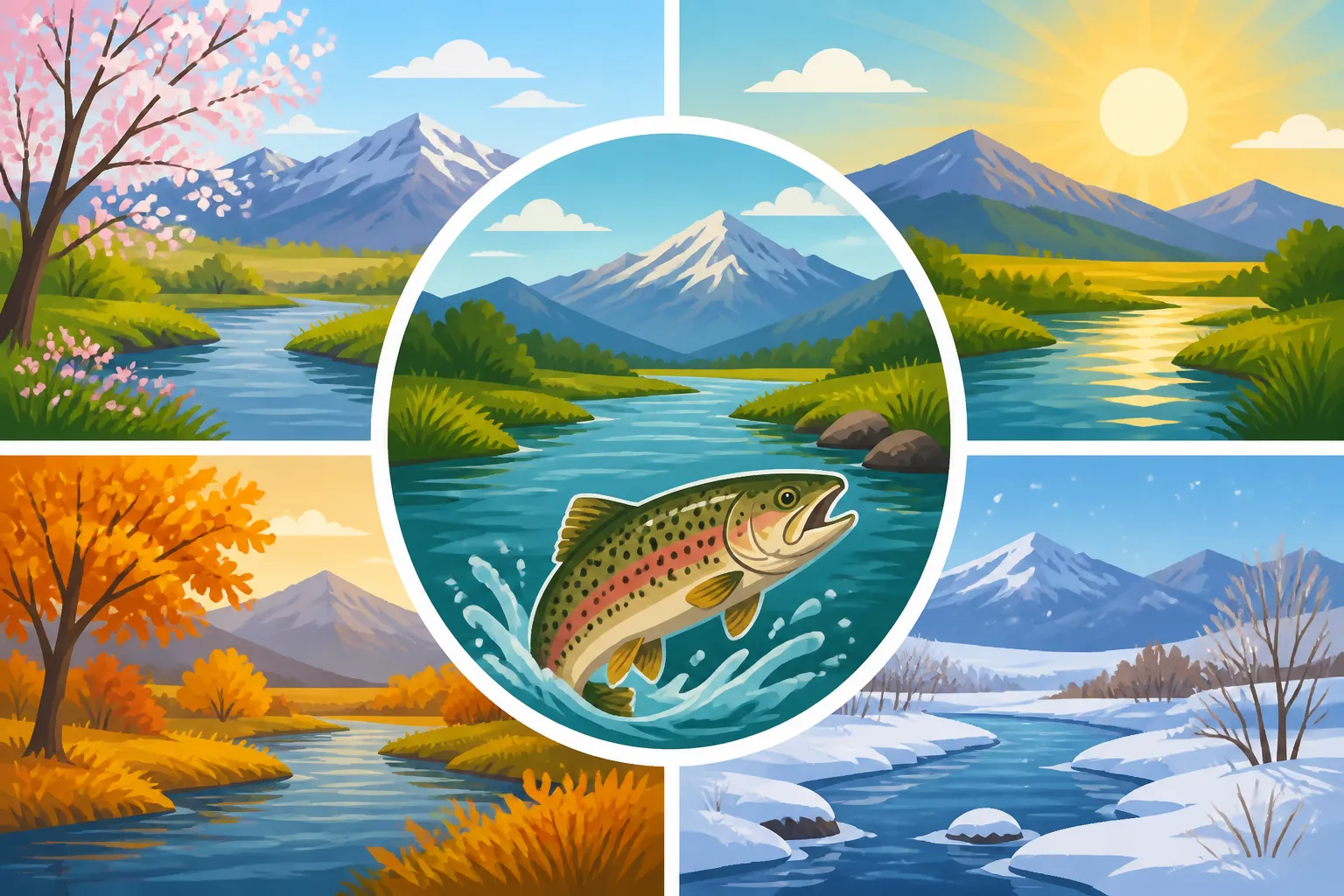
This river, flowing through the vast and often windy San Luis Valley, presents unique challenges and rewards compared to other Colorado fisheries. Its character changes drastically from the quiet whispers of winter to the raging roar of spring runoff, then settles into the vibrant hum of summer and the golden glow of autumn. Each season offers a distinct experience, requiring different strategies, gear, and expectations. To truly master the Rio Grande, you need to be a student of its seasons.
Spring Fishing: Pre-Runoff Hope and Post-Runoff Reality
Spring on the Rio Grande is a time of transition, a brief window of opportunity followed by nature's powerful, untamed flush. Anglers often flock to the river with high hopes, eager to shake off winter's chill, but quickly learn that timing is everything.
The Brief Window Before the Melt
As winter’s grip begins to loosen, usually in April and early May, there’s a magical period on the Rio Grande. The snowmelt hasn't fully kicked in yet, the days are getting longer, and the trout are waking up from their winter lethargy. Water temperatures slowly climb, sparking activity among dormant insects and, consequently, the fish. During this pre-runoff phase, the river is often clear and at a manageable flow, offering excellent nymphing opportunities. You'll find trout actively feeding on subsurface insects like midges and early stonefly nymphs. The key here is presenting your flies accurately in the slower, deeper pockets and runs, as the fish can still be a bit sluggish.
Many dedicated local anglers cherish this short window. They know it's a chance to enjoy some solitude on the river before the summer crowds arrive. While the hatches might not be as prolific as later in the year, the trout are often less selective, making for some truly rewarding days. It’s also a time when you might still need to bundle up, as morning temperatures can hover near freezing, but the promise of a rising fish makes it all worthwhile. Remember to check local conditions, as this window can be incredibly fleeting, sometimes lasting only a couple of weeks before the river dramatically changes.
Navigating the Raging Waters of Runoff
Then, it happens: spring runoff. This is arguably the biggest variable for anyone planning a Colorado fishing trip, and the Rio Grande in the San Luis Valley is no exception. Typically peaking from late May through early June, runoff transforms the river into a roaring, turbid torrent. Snowmelt from the surrounding mountains swells the river to many times its normal flow, carrying sediment and debris. Wading becomes impossible and dangerous, and fishing effectively can be incredibly challenging, if not entirely futile. It's a prime example of when Colorado's rivers run high and muddy in late May.
Many out-of-state anglers, unaware of this phenomenon, plan trips only to arrive and find a river unfishable, leading to immense frustration. The best advice during peak runoff is often to either seek out tailwaters (rivers flowing out of large dams, which often remain clearer) or consider stillwater options like nearby reservoirs. If you're determined to fish the Rio Grande during runoff, focus on smaller, clearer tributaries that feed into the main river, or seek out slower, protected backwaters where trout might hold out of the main current. Large, dark-colored streamers or heavy nymph rigs can sometimes entice a bite if visibility allows, but realistically, this is a time for patience or a change of venue. You can learn more about how to navigate these challenging conditions by reading our guide on When Colorado's Spring Runoff Hits and How to Fish Around It.
Summer on the Rio Grande: Dry Fly Dreams and Afternoon Storms
Once the runoff subsides, usually by mid-to-late June, the Rio Grande enters its glorious summer phase. This is when the river truly comes alive and offers some of the most classic Rocky Mountain trout fishing experiences.
The Glorious Post-Runoff Prime
From late June through August, the Rio Grande often offers prime conditions. The water levels drop, clarity improves dramatically, and a diverse array of insect hatches explodes. This is the time for classic dry fly fishing, with anglers often targeting rising trout with imitations of caddis, stoneflies, and various mayflies. The Gold Medal Water stretch near South Fork is particularly renowned during this period, with eager trout often rising to well-presented dries. Many anglers dream of these clear, fishable waters, and the Rio Grande often delivers.
Beyond dry flies, nymphing remains incredibly effective, especially with patterns mimicking stonefly nymphs, caddis larvae, and various mayfly nymphs. Terrestrial patterns like hoppers, ants, and beetles become very productive as the summer progresses, especially on windy days when insects get blown into the water. The weather is generally warm and pleasant, though afternoon thunderstorms are a common occurrence in the San Luis Valley, adding a dramatic element to your fishing day. For a deeper dive into the specific characteristics of this area, consider exploring Fishing the Rio Grande Near South Fork. You'll find plenty of public access points, making it a fantastic destination for extended trips.
Managing Warm Water and Afternoon Activity
While summer is fantastic, late summer (typically August) brings its own set of challenges, primarily increased water temperatures. As air temperatures soar and river flows naturally diminish, the water can become too warm for trout to thrive, putting undue stress on them. Ethical anglers in Colorado often carry a stream thermometer and cease fishing when water temperatures exceed 68°F (20°C). This is particularly important for catch-and-release fishing, as high water temperatures drastically reduce a trout's survival rate after being fought and handled.
During these warmer periods, it's best to fish early in the morning when water temperatures are at their coolest, and then pack up before the heat of the day takes hold. This practice helps protect the valuable trout population. Beyond temperature concerns, summer afternoons often bring localized thunderstorms, which can cause sudden rises in water levels and decrease visibility, temporarily making fishing difficult or even dangerous. Always keep an eye on the weather forecast and be prepared to seek shelter. Familiarizing yourself with Colorado Fishing Season Dates and Bag Limits will provide additional context on general regulations during this busy time.
Fall Fishing: Trophy Trout and Solitude
For many seasoned Colorado anglers, fall is the undeniable king of fishing seasons on the Rio Grande. It combines pleasant weather, fewer crowds, and the exciting prospect of targeting large, aggressive trout preparing for winter.
The Golden Window for Big Browns
As September arrives, the air cools, the aspens turn to brilliant gold, and the Rio Grande truly enters its prime for targeting trophy brown trout. This is because brown trout begin their annual spawning run in the fall, becoming more active and aggressive. They move into shallower water, often in larger numbers, making them more accessible to anglers. Streamer fishing becomes incredibly effective during this period, with big, flashy patterns often eliciting violent strikes from territorial browns. If you're hoping to land a truly memorable fish, this is your prime opportunity. Understanding Brown Trout Spawning Season in Colorado will give you a significant edge in knowing where and how to target these magnificent fish responsibly.
Beyond brown trout, rainbow and cutthroat trout are also actively feeding, fattening up before winter. The crowds thin out considerably after Labor Day, offering a sense of solitude that's harder to find in summer. The cooler water temperatures mean fish are less stressed, making catch-and-release fishing much safer. This blend of spectacular scenery, aggressive fish, and peaceful surroundings makes fall a truly special time on the Rio Grande.
Crisp Mornings and Consistent Action
October continues to offer excellent fishing, though the weather becomes more unpredictable, with the potential for early snowfalls. Crisp mornings give way to pleasant midday temperatures, and hatches of Blue-Winged Olives (BWOs) can provide excellent dry fly action, especially on overcast days. Midges also become more prevalent as temperatures drop. Nymphing with smaller patterns continues to be very productive, especially in the deeper runs and pools where trout hold.
This season demands a versatile approach, as conditions can change rapidly. Carrying a variety of flies, from streamers to small nymphs and dries, is essential. The Rio Grande's famous Gold Medal Water stretch continues to fish exceptionally well into the fall, offering consistent opportunities for anglers willing to brave the cooler temperatures. It's truly a rewarding time to be on the water, watching the leaves change while pursuing some of Colorado's most beautiful trout. When considering your gear, keep in mind the need for diverse fly patterns, which you can learn more about in resources like Nymphing Techniques for Colorado Tailwaters or by consulting local fly shops.
Winter: The Quiet Challenge
Winter fishing on the Rio Grande is not for the faint of heart, but it can offer unique rewards for those prepared for the cold and quiet.
Ice and Open Water Opportunities
From November through March, the Rio Grande in the San Luis Valley transforms into a frozen landscape. Large sections of the river can freeze over, making access and open water limited. However, tailwater sections or areas with stronger currents may remain open. For those intrepid anglers who venture out, winter fishing means slow, methodical tactics, primarily nymphing with tiny midge patterns or small, subtle streamers. The fish are often concentrated in deep, slow pools, and bites can be incredibly subtle. The rewards, however, can be significant: solitude and the chance to land a large, healthy trout that has been relatively unpressured.
For many, winter is a time to explore ice fishing opportunities on nearby lakes and reservoirs in the San Luis Valley, which often provide more consistent action than the frozen river. Spots like Mountain Home Reservoir or Smith Reservoir can offer good ice fishing for various species, but always prioritize safety and check ice thickness. If you're interested in pursuing this chilly sport, our guide on Ice Fishing in Colorado, Getting Started offers essential tips for beginners. Regardless of whether you target the river or frozen lakes, remember to dress in layers, bring plenty of hot drinks, and be prepared for truly cold conditions.
Seasonal Fishing Conditions on the Rio Grande
To help visualize the best times, here’s a quick overview of what you can generally expect:
| Season | Typical Months | Water Conditions | Primary Target Species | Recommended Techniques | Key Highlights & Considerations |
|---|---|---|---|---|---|
| Early Spring | April – Early May | Low to Moderate, Clear | Rainbow, Brown, Cutthroat | Nymphing (midges, stoneflies) | Brief pre-runoff window, less crowded, cold mornings. |
| Runoff | Late May – Mid June | High, Turbid, Fast | Limited (Seek tributaries/stillwaters) | Heavy nymphs, large streamers (if fishable) | Avoid if possible, or seek alternative waters. |
| Summer | Late June – July | Moderate, Clear | Rainbow, Brown, Cutthroat | Dry flies (caddis, stoneflies, mayflies), Nymphing, Terrestrials | Excellent dry fly fishing, beautiful weather, potential crowds. |
| Late Summer | August | Moderate, Clear, Warmer | Rainbow, Brown, Cutthroat | Early morning dry flies, Nymphing, Terrestrials | Monitor water temps, afternoon storms, ethical angling. |
| Fall | Sept – October | Low to Moderate, Clear | Trophy Brown Trout, Rainbow, Cutthroat | Streamers, Nymphing, Dry flies (BWOs, midges) | Prime time for big browns, fewer crowds, stunning foliage. |
| Winter | Nov – March | Low, Cold, Frozen Sections | Brown, Rainbow | Deep Nymphing (small midges), subtle streamers | Challenging, limited open water, solitude, ice fishing nearby lakes. |
Booking Your Rio Grande Fishing Adventure
Once you’ve decided on the best time of year for your Rio Grande fishing trip, the next step is planning. Whether you're a seasoned angler looking to tackle the Gold Medal waters or a beginner hoping to learn the ropes, a local guide can significantly enhance your experience. These experts live and breathe the river, knowing exactly where the fish are holding, what they're eating, and how to adapt to daily conditions.
Websites like FishingBooker make it incredibly easy to find and compare local guides and charter services specializing in the Rio Grande and the wider San Luis Valley. You can browse different trip durations, check pricing, and read reviews from other anglers, ensuring you pick the perfect fit for your skill level and desired experience. For instance, if you're keen on chasing those aggressive fall brown trout with streamers, FishingBooker can help you connect with guides who specialize in that particular technique. Using a platform like FishingBooker can streamline your planning process, allowing you to focus more on the excitement of the trip itself. Finding a reputable outfitter can be a game-changer, especially if you're traveling from out of state and unfamiliar with the nuances of high-country fishing. You can find more general advice on Hiring a Fishing Guide in Colorado, What to Expect to prepare for your guided adventure.
For those planning to fish independently, always make sure you have the proper Colorado Fishing License Guide for Residents and Nonresidents and understand the specific regulations for the Rio Grande, especially within its Gold Medal Waters. These regulations, which often include catch-and-release rules, specific fly-fishing-only sections, and barbless hook requirements, are designed to protect the precious wild trout populations. Staying informed helps maintain the quality of this world-class fishery for everyone. Familiarize yourself with Colorado's Gold Medal Water Rules before you head out.
Final Thoughts on the Rio Grande
The Rio Grande in the San Luis Valley is a truly magnificent fishery, offering diverse opportunities throughout the year. While each season has its unique charm and challenges, fall (September-October) stands out as arguably the best time for trophy brown trout and a more solitary experience, offering exceptional streamer and nymph fishing amidst stunning scenery. Summer (late June-July) is the undisputed champion for dry fly enthusiasts, providing consistent hatches and pleasant weather, though you must be mindful of crowds and late-season water temperatures.
Spring offers a brief, productive window before runoff, and winter challenges the most dedicated anglers with cold temperatures and limited open water. No matter when you choose to visit, a little planning and understanding of the river's seasonal dynamics will greatly increase your chances of a successful and memorable trip. This iconic Colorado river is waiting to share its beauty and its bountiful trout with those who respect its rhythms.
Disclaimer
Please be aware that fishing conditions, regulations, and access can change. Always consult the most current Colorado Parks and Wildlife (CPW) regulations before heading out, and check local fishing reports or contact local fly shops for the most up-to-date river conditions. Safety should always be your top priority when enjoying Colorado's outdoors.