Camping Options Near Blue Mesa Reservoir
There's nothing quite like planning a fishing adventure to Colorado's stunning Blue Mesa Reservoir, only to realize the sheer volume of camping options available can be a bit overwhelming. You want to find the perfect spot that balances comfort with convenient access to the water, without hours of endless scrolling and guessing. This comprehensive guide will meticulously break down the best camping options near Blue Mesa Reservoir, walking you through everything from amenity-rich developed campgrounds to serene primitive sites, ensuring you find the ideal basecamp for your memorable angling experience.
Developed Campgrounds: Comfort and Convenience by Blue Mesa's Waters
When you're looking for a solid basecamp that offers some creature comforts, the developed campgrounds around Blue Mesa Reservoir, managed by the National Park Service and the Forest Service, are your best bet. These sites provide a more structured camping experience with amenities that can make your trip much smoother, especially if you're traveling with family or prefer not to rough it entirely. They're often strategically located for easy access to boat ramps, marinas, and prime fishing spots.
Elk Creek Campground and Marina: A Hub of Activity
Elk Creek is arguably the most popular and amenity-rich campground on Blue Mesa Reservoir. It's located right off Highway 50, making it incredibly accessible, and serves as a major hub for reservoir activities. This isn't just a place to pitch a tent; it's a full-service experience. You'll find a wide range of sites suitable for both RVs and tents, with many offering electric hookups, a real luxury in the high country.
The biggest draw here is the Elk Creek Marina, which is right at your doorstep. This means easy access to boat rentals, a convenience store for last-minute supplies, tackle shops, and even a restaurant. Imagine waking up, grabbing a coffee, and being on the water within minutes. For anglers targeting the reservoir's famous Kokanee Salmon or trophy Lake Trout, the proximity to the marina for boat launching and refueling is a massive advantage. Hot showers and flush toilets are also a welcome relief after a long day of casting. Because of its popularity, securing a spot, particularly during peak summer months or the prime fall Kokanee runs, requires booking well in advance, often through Recreation.gov.
Lake Fork Campground and Marina: Western Shore Serenity
On the western side of Blue Mesa, just off Highway 92, you'll discover Lake Fork Campground and Marina. While perhaps a bit less bustling than Elk Creek, Lake Fork still offers excellent facilities and a slightly different vibe. This campground typically feels a touch more spread out and can offer a greater sense of peace, depending on the loop you choose. You'll find a good mix of RV and tent sites, with some electric hookups available, though perhaps not as many as at Elk Creek.
The Lake Fork Marina provides boat rentals, a small store, and essential services, ensuring you're well-equipped for your fishing excursions. Many anglers appreciate Lake Fork for its strategic location, offering quicker access to the reservoir's western arms and coves, which can be less pressured than areas closer to the main dam. It's a fantastic choice for those who want the convenience of a marina but prefer a slightly quieter atmosphere. As with Elk Creek, reservations are highly recommended, especially from June through September. You'll definitely want to check the Colorado Fishing Season Dates and Bag Limits to plan your visit around optimal fishing times for different species.
Stevens Creek Campground: Rustic Charm with Great Views
If you're looking for a slightly more rustic experience but still want the comfort of a designated campsite, Stevens Creek Campground is an excellent option. Located on the northern side of the reservoir, it provides incredible panoramic views of the water and surrounding mountains. This campground generally features more primitive sites without hookups, making it ideal for tent campers or smaller RVs that are self-contained. You’ll typically find vault toilets here, and water might be available at central spigots, but don't expect showers or a full-service marina on site.
Stevens Creek is perfect for those who want to feel a bit more immersed in nature without committing to full-on dispersed camping. It offers a quieter alternative to the marina campgrounds, often attracting campers who prioritize scenic beauty and a less crowded environment. While you won't have immediate access to a boat ramp from the campground itself, several public ramps are a short drive away. It's a great spot for enjoying stunning sunrises over the reservoir and offers a peaceful retreat after a day spent fishing Blue Mesa's expansive waters.
Cimarron Campground: Gateway to the Black Canyon
While not directly on the main body of Blue Mesa, Cimarron Campground is a vital option for those visiting the eastern end of the reservoir and especially those looking to explore the Black Canyon of the Gunnison National Park. Located just east of the main dam, Cimarron is a developed campground offering basic amenities like vault toilets and potable water. It’s nestled in a more tree-covered area, providing welcome shade during hot summer days.
Cimarron is particularly popular with visitors who plan to fish the Gunnison River below the dam, known for its excellent trout fishing, or who want to launch boats into the smaller sections of the reservoir near the canyon mouth. It serves as a fantastic launching point for hiking, wildlife viewing, and accessing the dramatic landscapes of the Black Canyon. If your trip involves exploring this iconic national park in addition to fishing Blue Mesa, Cimarron offers a convenient and pleasant camping experience. Just remember that it can also fill up quickly due to its proximity to the national park entrance.
Here's a quick comparison of some popular developed campgrounds:
| Campground | Location | Site Types | Hookups (Electric) | Water | Toilets | Showers | Marina Access | Reservations | Vibe |
|---|---|---|---|---|---|---|---|---|---|
| Elk Creek | North Shore (Hwy 50) | RV/Tent | Yes | Yes | Flush | Yes | Direct | Essential | Bustling, full-service |
| Lake Fork | West Shore (Hwy 92) | RV/Tent | Limited | Yes | Flush/Vault | Limited | Direct | Recommended | Slightly quieter, amenity-rich |
| Stevens Creek | North Shore (Hwy 50) | Tent/Small RV | No | Yes | Vault | No | Nearby Drive | Recommended | Rustic, scenic, peaceful |
| Cimarron | East End (Hwy 50) | Tent/Small RV | No | Yes | Vault | No | Nearby Drive | Recommended | Shaded, Black Canyon gateway |
Primitive Camping and Dispersed Sites: Embracing the Wild
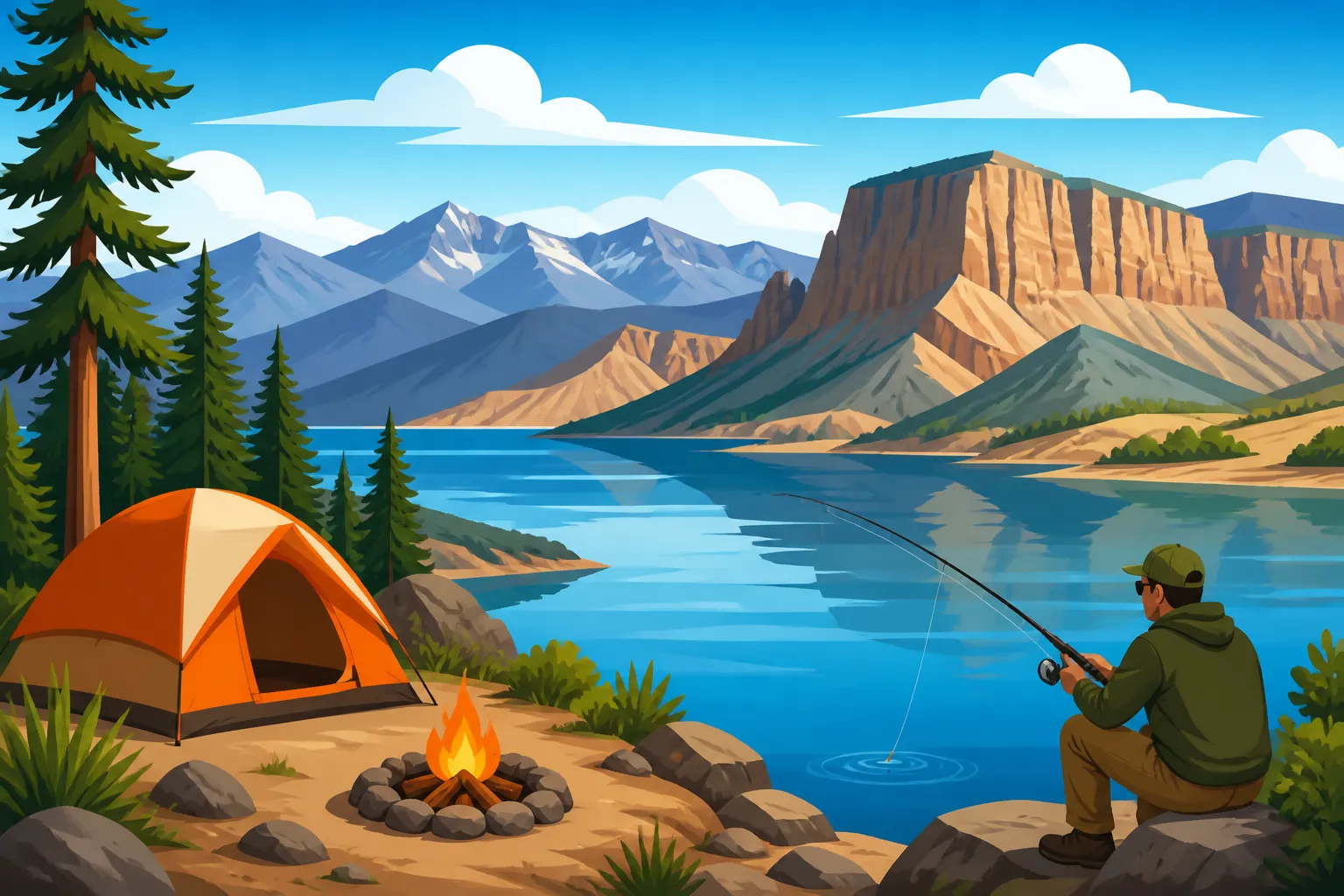
For many anglers, the true Colorado experience means getting away from the crowds and finding a secluded spot to call home. Blue Mesa Reservoir, surrounded by vast tracts of National Forest and Bureau of Land Management (BLM) lands, offers abundant opportunities for primitive and dispersed camping. This style of camping requires more self-sufficiency but rewards you with unparalleled solitude, direct access to the water's edge in many places, and a deeper connection to the wilderness.
Finding Your Perfect Dispersed Campsite
Dispersed camping means camping outside of developed campgrounds, typically along forest service roads or designated dispersed camping areas. Around Blue Mesa, there are numerous dirt roads branching off the main highways (US-50 and CO-92) that lead to potential campsites. Many of these spots are pull-offs that offer stunning reservoir views or direct access to the shore. A great starting point for finding these areas is to consult a good topographical map or use online resources like the U.S. Forest Service interactive map or the Using Colorado's Fishing Atlas to Plan a Trip. These tools can show you public land boundaries and forest service roads.
The key to successful dispersed camping is to understand and practice "Leave No Trace" principles. There are no trash cans, no toilets, and no services. Everything you pack in, you must pack out. Fires are allowed only in designated fire rings or if conditions permit (always check current fire restrictions, which are common in dry Colorado summers). You'll need to bring all your water or have a reliable filtration system for treating reservoir water. While the solitude is incredible, remember you are truly on your own, so proper preparation, including informing someone of your whereabouts, is crucial. This is particularly appealing for anglers who might want to stay right next to a less-accessible cove or inlet, allowing for early morning and late evening fishing without a drive.
Essential Considerations for a Primitive Blue Mesa Experience
When opting for primitive camping around Blue Mesa, a few critical considerations come into play. First and foremost is water. There's no potable water at dispersed sites, so you need to bring ample supplies or have a robust water purification method. Second, sanitation is entirely your responsibility; burying human waste at least 200 feet from water sources and packing out all toilet paper is mandatory. Third, wildlife encounters are much more likely. Blue Mesa is bear country, so proper food storage in bear-resistant containers or hung from a tree is not just a recommendation, it's a necessity. This proactive approach ensures both your safety and the safety of the wildlife.
Navigation can also be a challenge, as cell service can be spotty or non-existent in many remote areas. A GPS device, downloaded maps, and a good old-fashioned paper map are invaluable. Finally, accessibility can vary wildly. Some dispersed sites are easily reachable by any vehicle, while others require high-clearance 4×4 vehicles. Always assess the road conditions before venturing too far, especially after rain or snow. Knowing your vehicle's capabilities is essential to avoid getting stranded. For those who embrace self-sufficiency, primitive camping around Blue Mesa can be an incredibly rewarding way to connect with the landscape and your fishing passion. Just be sure to read up on all Colorado Fishing Regulations Every Angler Should Know before you head out, as some areas may have specific rules regarding access or fishing methods.
Practical Tips for Choosing Your Blue Mesa Basecamp
Selecting the right camping option for your Blue Mesa Reservoir fishing trip goes beyond just picking a spot on a map. It's about matching your expectations, your equipment, and your fishing strategy with the available resources. Thinking through these practical tips can help ensure your trip is not just successful, but truly enjoyable.
Matching Your Camping Style to Your Fishing Goals
Your fishing goals should heavily influence your camping choice. Are you planning on spending most of your time trolling the main body of the reservoir for Lake Trout or Kokanee Salmon? Then a developed campground with direct marina access, like Elk Creek or Lake Fork, will be invaluable. You'll appreciate the convenience of launching your boat, having easy access to fuel, and being able to clean your catch at designated stations. For charter fishing, sites like FishingBooker can help you find reputable guides operating directly out of these marinas, making coordination seamless.
Conversely, if your aim is to explore the smaller coves, target specific creek inlets for stream-fed trout, or even venture to nearby "Gold Medal Waters" like the Gunnison River below the dam, a more centrally located or primitive site might serve you better. A secluded dispersed spot could put you right where you want to be at dawn and dusk, maximizing those prime fishing hours without a long drive. If you're planning on using multiple rods, remember to consider if you need a Colorado's Second-Rod Stamp and Who Needs One.
Reservations, Fees, and Optimal Timing for Your Visit
Developed campgrounds at Blue Mesa are managed by federal agencies, and many sites, especially at Elk Creek and Lake Fork, require reservations, often made months in advance, especially for summer weekends and during the prime Kokanee Salmon run in the fall. You can typically reserve through Recreation.gov. Fees vary depending on the amenities (e.g., electric hookups cost more) and are usually paid online or at self-serve stations. Primitive camping on BLM and National Forest land is generally free, but strict rules regarding length of stay (often 14 days in a 30-day period) apply.
Timing your visit is crucial. The summer months (June-August) are incredibly popular, leading to crowded campgrounds and busy boat ramps. If you prefer fewer people, consider the shoulder seasons. Late spring (May, after runoff subsides) or early fall (September-October) often offer fantastic weather, fewer crowds, and some of the best fishing opportunities. However, be prepared for cooler temperatures and potentially unpredictable weather during these times. Always check local weather forecasts and reservoir conditions before heading out.
Essential Gear for Blue Mesa Camping
Beyond your standard camping setup, a few items are particularly important for Blue Mesa. Given the high altitude and intense Colorado sun, ample sun protection – high SPF sunscreen, wide-brimmed hats, and UV-protective clothing – is non-negotiable. Layered clothing is also key, as temperatures can swing dramatically from warm days to chilly nights, even in summer. Don't forget bug spray, especially during late spring and early summer, as mosquitoes can be prevalent near water.
For dispersed campers, a reliable water filter or plenty of bottled water is paramount. Bear-resistant food storage is a must for all campers, whether it’s a bear canister, a hard-sided cooler with proper latching, or knowing how to hang a bear bag. Good quality coolers are essential for keeping your catch fresh. And of course, bring all your fishing gear! Whether you prefer Spin Fishing Techniques for Colorado Trout or plan to troll the depths, having the right equipment will make all the difference. Finally, don't underestimate the comfort of a sturdy camping chair for relaxing by the campfire after a long day on the water.
Disclaimer
Please be aware that fishing regulations, camping rules, and conditions can change. Always check the most current information from Colorado Parks and Wildlife (CPW), the National Park Service, and the U.S. Forest Service before planning your trip. It's your responsibility to know and abide by all local, state, and federal guidelines. Tight lines and happy camping!