Fishing Dillon Reservoir Near Frisco
Dillon Reservoir near Frisco, Colorado, presents a truly unique and sometimes challenging fishing experience, especially for those accustomed to more traditional lakes. It's not just a beautiful mountain backdrop; it's a high-altitude, exceptionally cold body of water that serves as a vital drinking water source for Denver, bringing with it a very specific set of rules and environmental considerations that can trip up even experienced anglers. This comprehensive guide will equip you with the knowledge to approach Dillon Reservoir with confidence, understand its distinct characteristics, master effective techniques, and navigate its essential regulations for a successful and enjoyable day on the water.
Understanding Dillon Reservoir's Unique Character
Dillon Reservoir isn't your average fishing hole; it's a magnificent, sprawling body of water nestled in the heart of Summit County, surrounded by towering peaks and vibrant towns like Frisco, Silverthorne, and Dillon. Its role as a municipal drinking water supply means it has unique restrictions, but these also contribute to its pristine beauty and healthy fish populations.
Geography and Accessibility Around the Lake
Dillon Reservoir is an enormous, high-altitude lake, sitting at over 9,000 feet above sea level. This elevation means thinner air, intense sun, and consistently cold water temperatures, even in the height of summer. The reservoir is fed by several major rivers and creeks, including the Blue River, Tenmile Creek, and Snake River, which all contribute to its nutrient-rich waters and diverse fish habitat.
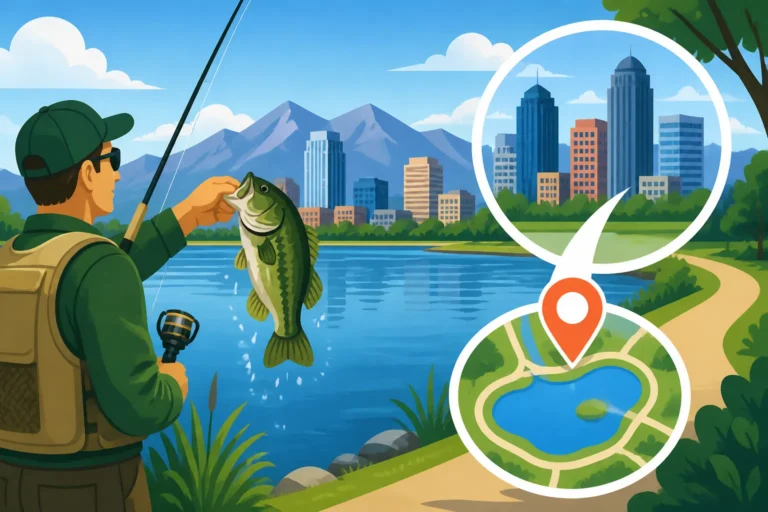
Access around Dillon is generally excellent, offering options for both boat and shore anglers. There are well-maintained marinas in Frisco (Frisco Bay Marina) and Dillon (Dillon Marina) that provide boat launches, rentals, and supplies. These are fantastic starting points, but you'll find plenty of other shoreline access points, especially along the Frisco Bay and around the various coves and arms that make up the reservoir's extensive perimeter. While the shoreline is generally accessible, remember that due to its primary purpose as a drinking water source, there are strict rules against swimming and wading in most areas of Dillon Reservoir. You absolutely cannot touch the water from the shore or a boat in many parts, so always check signage and adhere to regulations. This means no float tubing or belly boating either, which can be a surprise for anglers used to these methods in other Colorado lakes. Boaters also need to be aware that Dillon Reservoir is a strictly "no-wake" lake, meaning boats must operate at slow speeds to minimize wake and protect the shoreline and water quality. Furthermore, only four-stroke or direct-injection two-stroke motors are permitted; older two-stroke engines are prohibited to maintain water purity. All boats must also pass an Aquatic Nuisance Species (ANS) inspection before launching.
Primary Fish Species Living in Dillon
Dillon Reservoir is renowned for its diverse cold-water fishery, offering anglers a shot at several exciting species. The most popular targets include:
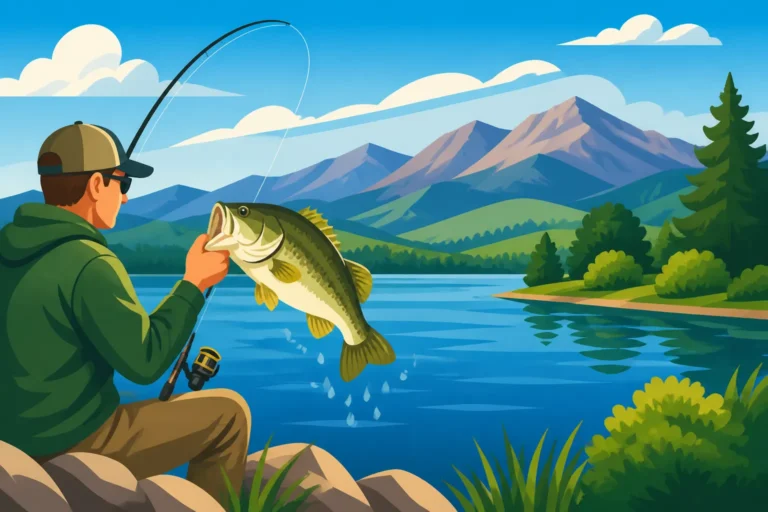
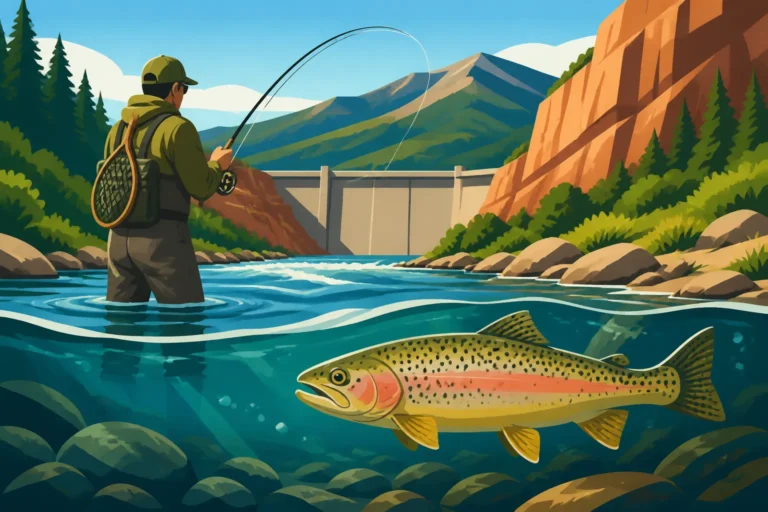
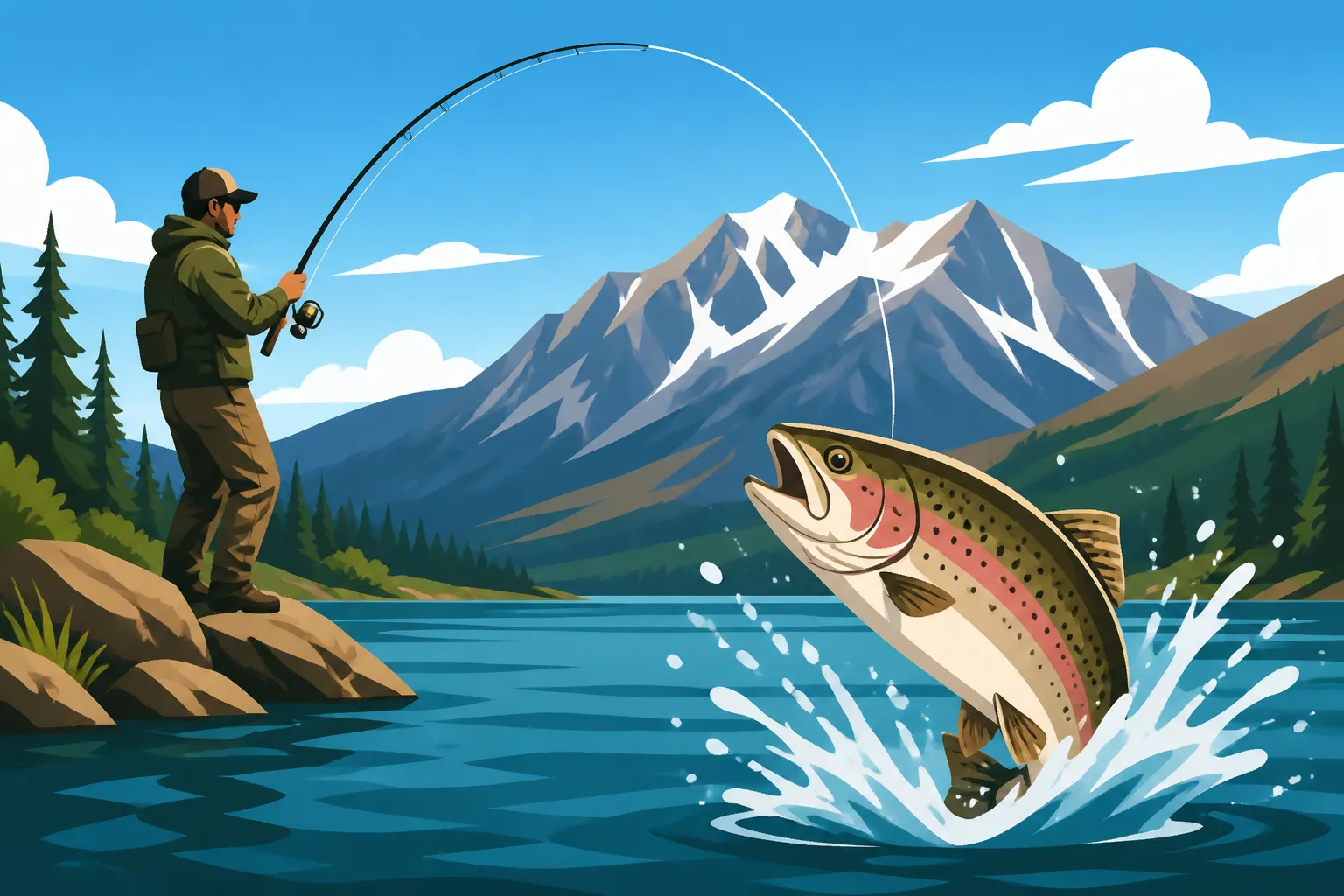
- Rainbow Trout: These are the bread and butter for many Dillon anglers. Colorado Parks and Wildlife (CPW) regularly stocks rainbow trout, ensuring a healthy and catchable population. You'll find them throughout the reservoir, often cruising shallower areas in spring and fall, and moving deeper in summer. They're typically eager biters and a great option for anglers of all skill levels.
- Brown Trout: Dillon boasts a strong, wild population of brown trout. These fish are often larger and more elusive than rainbows, providing a thrilling challenge for dedicated anglers. Brown trout tend to be more nocturnal and prefer cover, so targeting rocky points, submerged structures, or drop-offs, especially during low light conditions, can be very productive.
- Kokanee Salmon: Dillon is famous for its kokanee salmon, which are landlocked sockeye salmon. These schooling fish are a prized catch, particularly for their delicious meat. They spend most of their lives in the deeper, open waters of the reservoir, but their spectacular fall spawning runs up the feeder rivers (like the Blue River) draw large crowds. Be sure to understand the specific regulations for kokanee, as they can vary greatly, especially during spawning season. More detailed information can be found in our guide on Kokanee Salmon Fishing in Colorado.
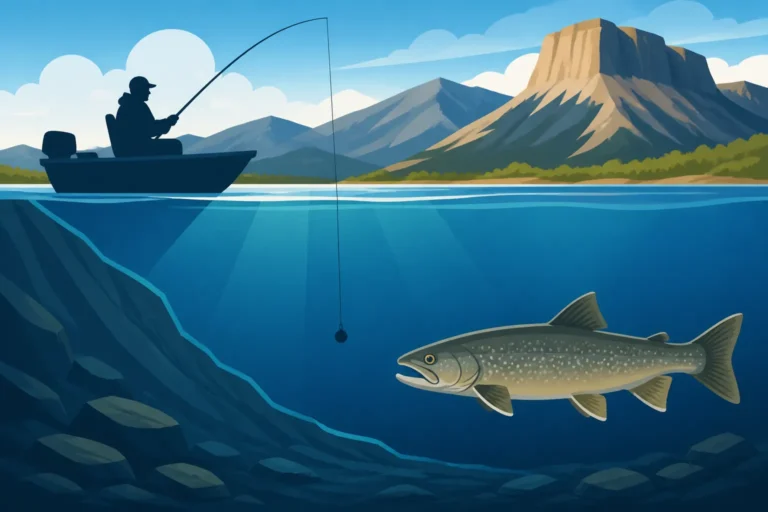
- Arctic Char: This is where Dillon gets really interesting. Arctic char are a unique species, somewhat resembling brook trout, and Dillon Reservoir is one of the very few places in Colorado where you can find them. They are deep-water dwellers and notoriously elusive, making them a true trophy catch for the persistent angler.
- Tiger Trout: Occasionally, CPW stocks tiger trout, a sterile hybrid of brown and brook trout, known for their aggressive strikes and beautiful vermiculated patterns. While not as abundant as rainbows or browns, they offer a thrilling surprise catch. If you want to learn more about the various fish you might encounter, our Colorado's Trout Species, A Field Guide can help you identify your catch.
Seasonal Considerations for Dillon Anglers
Fishing Dillon Reservoir is a year-round affair, but each season presents different opportunities and challenges:
- Spring (Ice-out to Late May): As the ice melts, usually in late April or early May, the water is frigid, and fish tend to be more active in shallower areas as they seek out warmer pockets and emerging insect life. Rainbows are often cruising the banks and inlets, making shore fishing very productive. As spring progresses into May, however, the heavy snowmelt from the surrounding mountains leads to significant runoff, which can make rivers high and muddy. While Dillon is a large reservoir, its feeder creeks and rivers will experience this, potentially bringing some murkier water into parts of the lake.
- Summer (June to August): This is prime time for open-water fishing. As surface temperatures rise slightly, fish, especially kokanee and larger trout, will move deeper into the cooler thermocline. Trolling becomes the most effective method for covering water and finding schools of fish. Early mornings and late evenings are often best, particularly for brown trout. The summer months offer consistent action, but the clear water demands stealth and proper presentation. For a broader overview of what to expect, check out our article on Colorado Fishing Seasons Month by Month.
- Fall (September to October): Fall is a spectacular time to fish Dillon. The weather is crisp, the crowds thin, and the fish become incredibly active. Brown trout embark on their spawning migrations, making them aggressive and more accessible to anglers targeting them with streamers and larger lures. Most notably, the kokanee salmon begin their vibrant red transformation and stage for their spawning runs up the Blue River. This is a massive draw, but remember that specific regulations apply to kokanee during this period, often including rules against snagging and reduced bag limits in certain areas. It's crucial to consult the current CPW regulations to ensure compliance.
- Winter (November to April): When Dillon freezes over, usually by late November or early December, it transforms into a popular ice fishing destination. This is a fantastic way to target rainbows, browns, and even the elusive Arctic char. Safety is paramount, so always check ice thickness and conditions before venturing out. Popular spots include Frisco Bay, the Snake River arm, and areas near the dam. Our guide on Ice Fishing in Colorado, Getting Started offers essential tips for tackling the frozen water. Dillon Reservoir is definitely among Colorado's Best Ice Fishing Reservoirs for those willing to brave the cold.
Essential Gear and Techniques for Dillon
Fishing Dillon Reservoir effectively requires a bit of thoughtful preparation and an understanding of techniques tailored to its unique environment. The high altitude, clear water, and the presence of both stocked and wild fish call for specific approaches.
Rods, Reels, and Line for High-Altitude Fishing
The sheer size and depth of Dillon, combined with its crystal-clear waters, influence your gear choices:
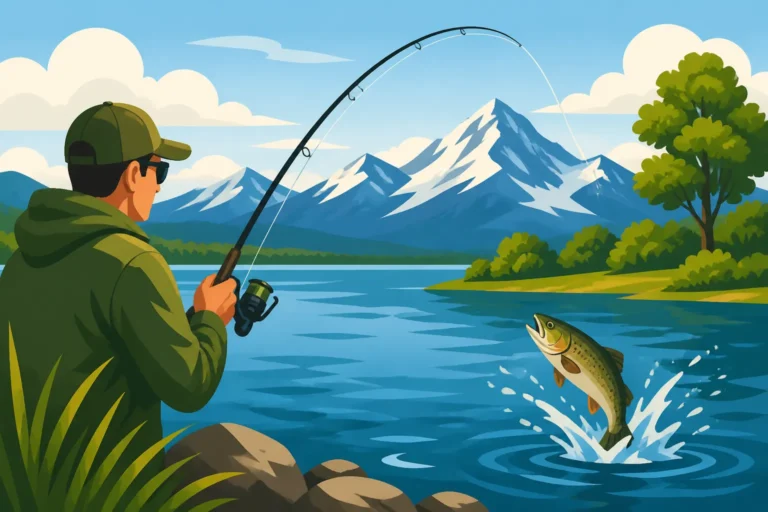
- Spin Fishing: For general trout fishing from shore or boat, a medium-light to medium action spinning rod, around 6 to 7 feet long, is ideal. This length provides good casting distance and sensitivity. Pair it with a reliable spinning reel spooled with 6- to 8-pound monofilament or fluorocarbon line. Fluorocarbon is an excellent choice due to its near-invisibility underwater, which is a huge advantage in Dillon's clear conditions, and its low stretch for better sensitivity. Consider adding a lighter fluorocarbon leader (4-6 lb) for even better stealth.
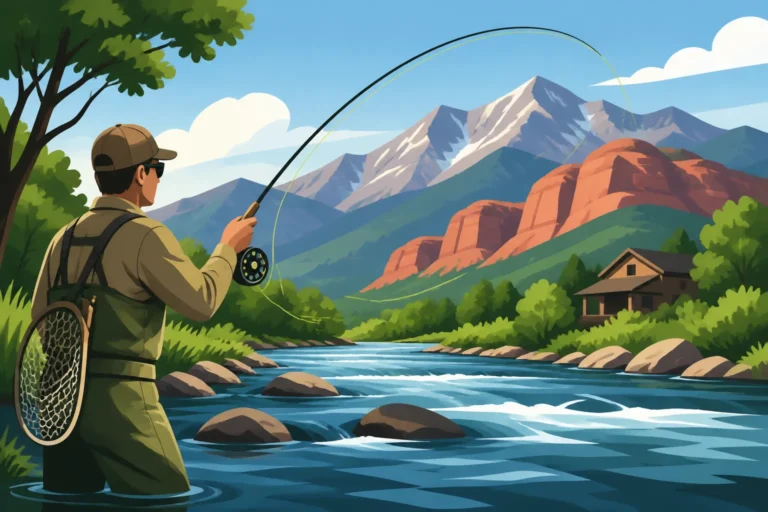
- Fly Fishing: If you're planning to fly fish, a 5- or 6-weight fly rod, 9 to 10 feet in length, offers versatility for casting larger streamers for brown trout or nymphing for rainbows. A floating line is standard, but an intermediate or sink-tip line can be invaluable for reaching deeper fish or covering larger areas from a boat. Long leaders (9-12 feet) with fine tippets (4X-6X) are often necessary to avoid spooking the wary trout in the clear water.
- Trolling Setups: For targeting kokanee and deeper lake trout from a boat, a dedicated trolling setup is highly recommended. This typically involves a sturdy, medium-action rod (often fiberglass or composite for flexibility) paired with a line counter reel. Downriggers are almost essential for consistently presenting lures at the specific depths where kokanee and char hold. Spool your trolling reels with 10- to 15-pound test, often braided line for sensitivity and strength, with a fluorocarbon leader of appropriate strength.
- Ice Fishing: When the lake freezes, you'll need specialized ice fishing rods. These are short (24-36 inches), sensitive rods designed to detect subtle bites. Pair them with a small spinning reel spooled with 4- to 6-pound fluorocarbon or monofilament line. An ice auger, a scoop for clearing ice chips, and a comfortable seat are also must-haves for a pleasant day on the hard water.
Effective Lures, Baits, and Flies for Dillon's Fish
Choosing the right presentation can make all the difference on Dillon:
- Lures for Spin Fishing:
- Casting: Small spoons like Kastmasters, Daredevils, and Krocodiles in silver, gold, or flashy colors are consistently effective for trout. Spinners such as Panther Martins, Mepps, and Roostertails also work well, especially near inlets or drop-offs.
- Trolling: For kokanee, small dodgers or flashers paired with a wedding ring, Kokanee Kandy, or various small squid imitations are incredibly popular and effective. For lake trout or larger browns, try trolling larger spoons, Rapalas, or other crankbaits at various depths.
- Baits for Spin Fishing:
- PowerBait and Worms: These are classics for stocked rainbow trout. Rig PowerBait in a small ball on a treble hook, float it off the bottom with a small sinker. Nightcrawlers or mealworms fished under a bobber or on the bottom can also entice trout and even smaller brown trout. Always check the regulations to confirm which baits are permitted, as some waters have restrictions. In Dillon's case, no live bait fish are allowed.
- Scented Baits: Various scented soft plastics or dough baits can be effective for a range of species, particularly when fishing through the ice or still fishing from shore.
- Flies for Fly Fishing:
- Nymphs: During much of the year, subsurface flies are key. Patterns like Pheasant Tails, Hare's Ears, Prince Nymphs, and various midge patterns (Zebra Midges, Disco Midges) are staples. Scuds and Sowbugs can also be highly effective, especially for trout feeding on the lake bottom.
- Streamers: For aggressive brown trout, especially in fall, streamers are deadly. Wooly Buggers (black, olive, brown), Sculpzillas, and various articulated streamers can elicit ferocious strikes.
- Dries: While not always the primary method on such a large reservoir, hatches do occur, particularly midges and smaller mayflies (like Blue-Winged Olives). Having some dry flies on hand can pay off during calm periods.
Strategies for Boat and Shore Anglers
Dillon Reservoir offers fantastic opportunities for both boat and shore-based anglers, but each approach requires different tactics.
- For Boat Anglers:
- Trolling is King: This is arguably the most effective method for covering large expanses of water and finding schooling fish, particularly kokanee salmon and deeper-holding trout. Use downriggers to present your lures at precise depths. Experiment with different depths until you find where the fish are holding, often in the 20-60 foot range depending on the season and time of day. Keep an eye on your fish finder for bait balls or schools of fish.
- Drifting and Still Fishing: If you find a promising area, you can anchor or drift with the wind, still fishing with bait (worms, PowerBait) or jigs. This is often effective for rainbows and brown trout near structure or drop-offs.
- Targeting Deep Water: For Arctic char and larger lake trout, focus on the deepest parts of the reservoir, often jigging spoons or heavy baits directly under the boat.
- Aquatic Nuisance Species (ANS) Inspections: Before launching any vessel on Dillon, it is mandatory to undergo an ANS inspection. This is critical for preventing the spread of invasive species and protecting Colorado's pristine waters. Always be prepared to have your boat inspected, and ensure it's clean, drained, and dry before arriving.
- For Shore Anglers:
- Explore Access Points: Popular shore fishing spots include the Frisco Bay area, the Dillon Marina area, and various coves along the perimeter. Look for points, inlets, or areas with submerged structure that might attract fish.
- Early Morning and Late Evening: These low-light periods are often the most productive for shore fishing, as trout move closer to the banks to feed.
- Casting and Retrieving: Cast spoons or spinners and retrieve them at varying speeds. For bait, cast PowerBait or worms rigged with a slip sinker to allow the bait to settle on the bottom, or use a bobber setup in shallower areas.
- Fly Fishing from Shore: If you're fly fishing from shore, focus on areas where rivers or creeks enter the reservoir, or along rocky points. Use nymphs, scuds, or streamers to target cruising fish. Remember, wading is generally prohibited, so you'll be casting from the bank.
Navigating Regulations and Best Practices
Fishing Dillon Reservoir, while rewarding, requires a keen awareness of Colorado's general fishing regulations and specific rules unique to this vital water body. Understanding and adhering to these guidelines is not just about legality; it's about protecting the environment and ensuring a sustainable fishery for all.
Licensing and Specific Dillon Rules
Before you even cast a line, ensure you have the proper documentation. Every angler aged 16 and older needs a valid Colorado fishing license. If you're unsure about the different types or costs, our guide on Colorado Fishing License Guide for Residents and Nonresidents is a great resource. Most adult anglers will also need to purchase a Habitat Stamp, which helps fund crucial wildlife conservation efforts. You can find more details in Colorado's Habitat Stamp, Explained.
Dillon Reservoir has several unique rules you absolutely must know:
- No Live Bait Fish: This is a critical regulation. Due to its status as a drinking water reservoir and the desire to prevent the introduction of invasive species, live bait fish are strictly prohibited. This includes minnows, suckers, or any other live fish you might typically use as bait elsewhere. You can use worms, PowerBait, artificial lures, or dead baits like salmon eggs, but never live fish.
- Wading and Swimming Prohibited: As a primary drinking water source for Denver Water, direct human contact with the water is largely restricted. This means no swimming, wading, or even touching the water from the shore in many areas. You'll often see "No Contact With Water" signs. Always be mindful of posted regulations and comply with them. This also means float tubing and belly boating are not permitted.
- Boat Motor Restrictions: As mentioned earlier, only four-stroke or direct-injection two-stroke internal combustion engines are allowed. Older, carbureted two-stroke engines are banned to protect water quality. This is vital for boaters to check before launching.
- "No Wake" Zone: The entire reservoir is a no-wake zone. All vessels must operate at speeds that do not create a wake, which helps protect the shoreline, minimizes erosion, and ensures a peaceful experience for other users.
- Kokanee Salmon Regulations: Dillon's kokanee runs are a huge draw, but they come with specific rules. During spawning season (typically fall), bag and possession limits are often reduced, and snagging may be permitted for a very limited, specific period in designated areas, or strictly prohibited. It is absolutely essential to check the current Colorado Parks and Wildlife fishing regulations brochure for Dillon Reservoir before targeting kokanee, as these rules can change annually. Our article on Colorado Bag and Possession Limits by Species can help you understand the general framework.
- Second-Rod Stamp: If you plan to fish with more than one rod, you'll need to purchase a Colorado Second-Rod Stamp in addition to your regular license. This allows you to fish with up to two lines at a time. Learn more about it in Colorado's Second-Rod Stamp and Who Needs One.
Always keep your license on your person, either physically or digitally on your phone, as Colorado Parks and Wildlife officers regularly patrol the reservoir. Violating regulations can result in significant fines and penalties. For the most comprehensive understanding, always consult the current official Colorado Fishing Regulations brochure, available on the CPW website or at license vendors. Many anglers also use resources like FishingBooker to find experienced local guides who are always up-to-date on the latest rules and can provide an invaluable experience.
Respecting the Environment and Other Users
Beyond the official regulations, practicing good etiquette and environmental stewardship is crucial when fishing Dillon Reservoir:
- Catch and Release Best Practices: While you're allowed to keep fish within legal limits, many anglers choose to practice catch and release, especially for larger brown trout or the rare Arctic char. If you do, handle fish gently, minimize their time out of water, and use barbless hooks to reduce harm. Always wet your hands before touching a fish.
- Leave No Trace: Dillon's beauty is a shared resource. Pack out everything you pack in, including all trash, discarded fishing line, and bait containers. Leave the shoreline and waters cleaner than you found them.
- Courtesy on the Water: Dillon is popular with various recreational users, including boaters, kayakers, and stand-up paddleboarders. Be respectful of others, maintain a safe distance, and avoid excessive noise. Remember the no-wake rule is for everyone's benefit.
- Protecting Water Quality: Given that Dillon is a drinking water source, being extra mindful of anything that could contaminate the water is paramount. Avoid using harmful chemicals, properly dispose of all waste, and take extra care with boat maintenance to prevent leaks or spills. The mandatory ANS inspections for boats underscore the serious commitment to protecting the reservoir's ecosystem.
By understanding Dillon Reservoir's unique characteristics, preparing with the right gear and techniques, and adhering strictly to all regulations and best practices, you'll set yourself up for an incredibly rewarding experience on one of Colorado's most stunning and productive fishing destinations. If you're looking for an experienced hand to guide you through Dillon's nuances, consider Hiring a Fishing Guide in Colorado, What to Expect. Many local guides, often found through services like FishingBooker, specialize in Dillon and can provide invaluable insights and put you on the fish.
Summary of Dillon Reservoir Fishing Opportunities
| Species | Best Seasons | Primary Fishing Methods | Key Baits/Lures/Flies | Unique Considerations |
|---|---|---|---|---|
| Rainbow Trout | Spring (ice-out), Summer, Fall, Ice Fishing | Spin fishing, Fly fishing, Trolling, Jigging | PowerBait, Worms, Spoons, Spinners, Nymphs, Midges | Regularly stocked, good numbers, accessible from shore or boat. |
| Brown Trout | Fall (spawning run), Summer, Ice Fishing | Spin fishing, Fly fishing, Trolling | Spinners, Crankbaits, Jerkbaits, Streamers, Larger Nymphs | Wild population, often larger, more elusive. Target structure, low light. Fall can be exceptional. |
| Kokanee Salmon | Summer (trolling), Fall (spawning run) | Trolling (with downriggers), Snagging* | Dodgers/Flashers with squids, Wedding Rings, Small Spoons | Schooling fish. Fall spawning runs are popular but have strict, often temporary, regulations regarding snagging and bag limits. Check CPW regulations yearly. |
| Arctic Char | Year-round (deep water), Ice Fishing | Deep Jigging, Deep Trolling | Small Jigs, Spoons, Scented Baits | Very rare and elusive. Deepwater dwellers, often caught incidentally or targeted by specialized deep-water techniques. |
| Tiger Trout | Spring, Fall | Spin fishing, Fly fishing | Spinners, Small Crankbaits, Streamers | Less common, aggressive. Caught similarly to browns and rainbows. |
| Important General Regulations for Dillon Reservoir: | No Live Bait Fish, No Wading/Swimming/Contact with Water, No Wake Zone, ANS Inspection Required for Boats, Specific 4-stroke/DI 2-stroke Motor Restrictions. Always check the current CPW regulations for specific bag limits and seasonal rules for all species. |
Snagging for Kokanee is often allowed only for a very limited, specified period during the fall spawning run in designated areas. Always consult the most current Colorado fishing regulations for Dillon Reservoir to confirm exact dates and rules.
Disclaimer
The information provided in this guide is for general informational purposes only and is subject to change. Fishing regulations, season dates, and access rules in Colorado, especially for specific waters like Dillon Reservoir, can be updated frequently by Colorado Parks and Wildlife (CPW). It is the angler's sole responsibility to consult and comply with the most current official CPW fishing regulations before engaging in any fishing activities. Always prioritize safety, environmental stewardship, and adherence to all local and state laws.