Fishing Willow Creek Reservoir Near Granby
It can be incredibly frustrating to arrive at a new fishing spot, especially one as beautiful and promising as Willow Creek Reservoir, only to feel lost about where to begin. You might wonder what fish are even in there, what bait to use, or if you need special gear to tackle its unique challenges. This comprehensive guide is designed to cut through that confusion, giving you the insider knowledge you need to confidently plan your trip and maximize your chances of a successful day on the water near Granby.
Unveiling Willow Creek Reservoir: A High-Country Angler's Paradise
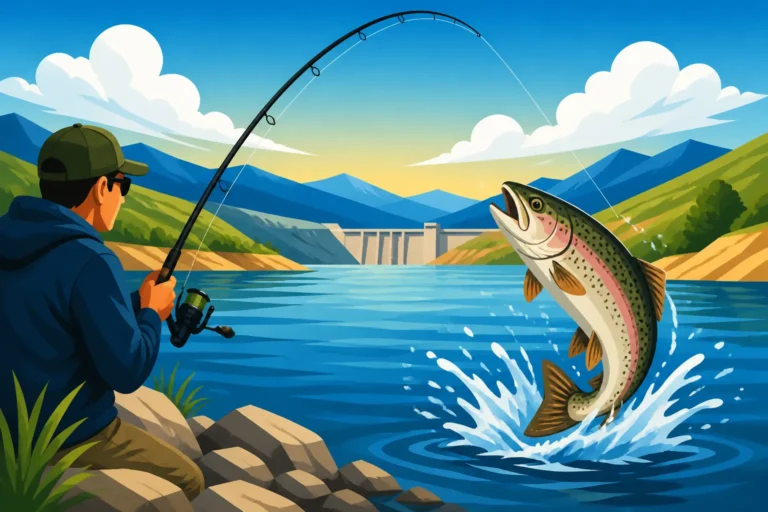
Willow Creek Reservoir, nestled just a few miles north of Granby, Colorado, is one of those places that truly embodies the Rocky Mountain angling experience. It's not the largest reservoir in the state, but what it lacks in sheer size, it more than makes up for in beauty, accessibility, and diverse fishing opportunities. Surrounded by ponderosa pine and sagebrush, with stunning views of the surrounding mountains, it offers a peaceful retreat for anglers looking to escape the hustle and bustle. The reservoir is part of the Colorado-Big Thompson Project, which means its water levels can fluctuate throughout the year, something experienced anglers always keep an eye on. Understanding its dynamics is the first step toward a rewarding fishing adventure.
The primary draw here for many is the healthy population of cold-water species. Colorado Parks and Wildlife (CPW) actively manages and stocks Willow Creek, ensuring there's always something biting. You'll find good numbers of rainbow trout, brown trout, and frequently, kokanee salmon. What makes it particularly interesting is the occasional presence of splake, a sterile hybrid of lake trout and brook trout, known for its aggressive nature and impressive size. While not as famous as some of Colorado's Gold Medal Waters, Willow Creek still offers a fantastic experience for both seasoned anglers and those just starting out.
The Lay of the Land: Geography and Access Points
Willow Creek Reservoir is conveniently located and offers several options for getting your line in the water, whether you're bringing a boat, kayak, or simply planning to fish from the shore. The reservoir is typically accessible via County Road 83, which runs directly to the main boat ramp and recreation areas. There's a well-maintained boat ramp that can accommodate most trailerable boats, making it popular for those who prefer to troll or explore deeper waters. Just remember that changing water levels can sometimes affect ramp accessibility, so it's always a good idea to check conditions before heading out, especially late in the season.
For bank anglers, there are numerous spots along the shoreline, particularly near the dam and where Willow Creek itself feeds into the reservoir. These areas often provide easy casting access and can be very productive, especially during spring and fall. Kayakers and float tubers also love Willow Creek due to its manageable size and often calm waters, allowing them to quietly move into coves and across the open water without facing the extreme conditions of larger bodies like Grand Lake or Lake Granby. Just be mindful of other users, as the reservoir is also popular for paddleboarding and general recreation.
What Swims Beneath: Target Species and Their Habits
Willow Creek Reservoir is a fantastic multi-species fishery, primarily known for its trout and kokanee salmon. Each species has its own habits and preferences, understanding which can significantly improve your success rate.
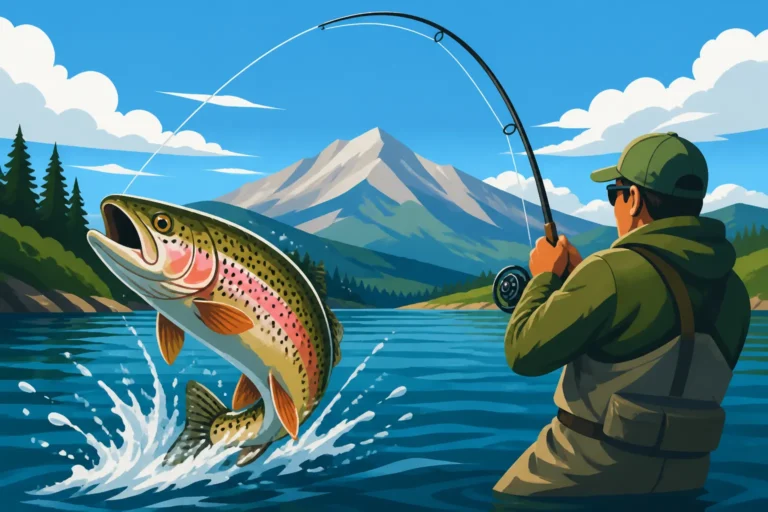
Rainbow trout are probably the most commonly caught fish here, thanks to consistent stocking by CPW. These vibrant fish are eager biters and can be found throughout the reservoir, often near shore in cooler months and moving to deeper, cooler water as summer progresses. They respond well to a variety of baits and lures, making them a great target for anglers of all skill levels. For a more detailed look at these common catches, check out our guide on Colorado's Trout Species, A Field Guide.
Brown trout, on the other hand, are often wilder and tend to be more elusive. They thrive in Willow Creek and can grow to impressive sizes, especially the older, more predatory individuals. Brown trout are known for their territorial nature and often ambush prey from structure like submerged rocks, logs, or drop-offs. Targeting them requires a bit more stealth and often larger, more aggressive presentations, particularly during low-light conditions or their fall spawning runs.
Kokanee salmon are a real treat when they're biting. These landlocked sockeye salmon are delicious and put up a spirited fight. They are typically found in schools in the open water, feeding on plankton. Their behavior is highly seasonal, and understanding their movements is key. Many anglers specifically target them by trolling at specific depths. If you're keen on chasing these silver bullets, our article on Kokanee Salmon Fishing in Colorado offers some excellent advice.
Then there are the less common, but exciting, splake and lake trout. Splake are a sterile hybrid trout stocked in some Colorado waters, combining the best traits of brook trout and lake trout. They can be aggressive and grow large, offering a unique challenge. While lake trout (Mackinaw) are not as prevalent as in larger, deeper lakes like Blue Mesa Reservoir, they are present and can be targeted in the deeper sections of Willow Creek, especially during cooler periods. These fish often require specialized deep-water tactics.
Seasonal Strategies for Success at Willow Creek Reservoir
Fishing Willow Creek Reservoir is a dynamic experience that changes with the seasons. What works in spring might not be effective in summer, and a different approach altogether is needed for ice fishing. Being adaptable and understanding these seasonal shifts is crucial for consistent success. Each period offers its own unique challenges and rewards, from the fast-paced action of ice-out to the serene stillness of a winter ice-fishing day.
Spring: Ice-Out Action and Early Season Bites
As the ice begins to melt and break up in late March and April, Willow Creek Reservoir comes alive. This "ice-out" period is often one of the most productive times of the year. The warming water temperatures cause fish to become more active and move closer to the shorelines, seeking out food sources that were previously inaccessible under the ice. This makes it an excellent time for bank anglers, as fish are often within casting distance.
In early spring, rainbow trout and brown trout will be actively feeding. Lures like Kastmasters, Daredevles, or even small Rapalas can be highly effective. PowerBait, Gulp! trout baits, or worms fished under a bobber or off the bottom are also tried-and-true methods for stocked rainbows. As the water continues to warm slightly, the kokanee salmon, which spent the winter in deeper water, will start to spread out, though they remain somewhat lethargic until temperatures rise further. Pay close attention to the inlets and shallower coves, as these areas warm up first and attract hungry fish.
Summer: Warm Water Tactics and High Country Escapes
Summer fishing at Willow Creek can be excellent, but it often requires a change in strategy as the surface water warms. From June through August, trout and salmon will seek out cooler, deeper water, or congregate around areas where cooler water flows in, such as the creek inlet or near the dam. Early morning and late evening become prime times for shore fishing, as fish move into shallower water to feed under the cover of low light and cooler temperatures. During the heat of the day, you'll want to target deeper structure.
Boating becomes a significant advantage in summer. Trolling with downriggers or lead-core line to get your lures down to the 20-40 foot range is often the most effective way to find kokanee and deeper-holding trout. Small dodgers or flashers paired with wedding rings tipped with corn are classic kokanee setups. For lake trout and larger brown trout, jigging spoons or large tube jigs presented near the bottom can yield results. For those considering a guided trip, companies often have specialized gear for these summer tactics, and a platform like FishingBooker can help you find experienced captains in the Granby area who know Willow Creek inside and out.
Fall: Trophy Hunting and Spawning Runs
As summer fades into fall, Willow Creek Reservoir experiences another surge of activity, making it a favorite season for many anglers. The cooling water temperatures signal a pre-spawn feeding frenzy for brown trout and the spectacular spawning runs of kokanee salmon. This is often when the biggest fish of the year are caught.
Brown trout become particularly aggressive in preparation for their spawning ritual, which typically occurs from late September through November. They will move into shallower areas, especially around the creek inlets, making them accessible to both bank and boat anglers. Large streamers, stickbaits, and even large spoons can trigger aggressive strikes from these predatory fish. Meanwhile, kokanee salmon, which complete their life cycle by spawning, stage in huge numbers near the inlets of the Willow Creek arm, turning brilliant shades of red. While it's legal to catch these during their run, their flesh quality rapidly deteriorates as they prepare to spawn. For those interested in the intricacies of seasonal changes, our Colorado Fishing Seasons Month by Month guide provides an excellent overview.
Winter: Ice Fishing Opportunities
When the cold truly sets in, usually from December through March, Willow Creek Reservoir transforms into a popular ice fishing destination. Once the ice is safely thick enough (always check local conditions and ice thickness reports before venturing out), anglers can target all the same species they would in open water, just with different techniques. This serene, often solitary, pursuit offers a unique connection to the winter landscape.
Ice fishing for rainbow trout, brown trout, and splake often involves jigging small spoons or presentation jigs tipped with a mealworm or wax worm. A dead stick (a rod set up with bait, often still) nearby can also be very effective. For kokanee salmon through the ice, smaller spoons or jigs tipped with corn or a kernel of Berkley Gulp! maggots are popular choices. Lake trout, if present, will require heavier jigs or tube baits fished closer to the bottom in deeper sections. Access to the reservoir for ice fishing is generally good, with parking areas providing proximity to popular spots. Our article, Ice Fishing in Colorado, Getting Started, is a great resource if you're new to the sport.
Essential Gear and Techniques for Willow Creek Reservoir
Having the right equipment and knowing how to use it effectively is key to a successful outing at Willow Creek Reservoir. While it's certainly possible to catch fish with basic gear, understanding which setups and presentations are most effective for each species and season can dramatically improve your catch rate.
Spin Fishing: Lures and Bait that Work
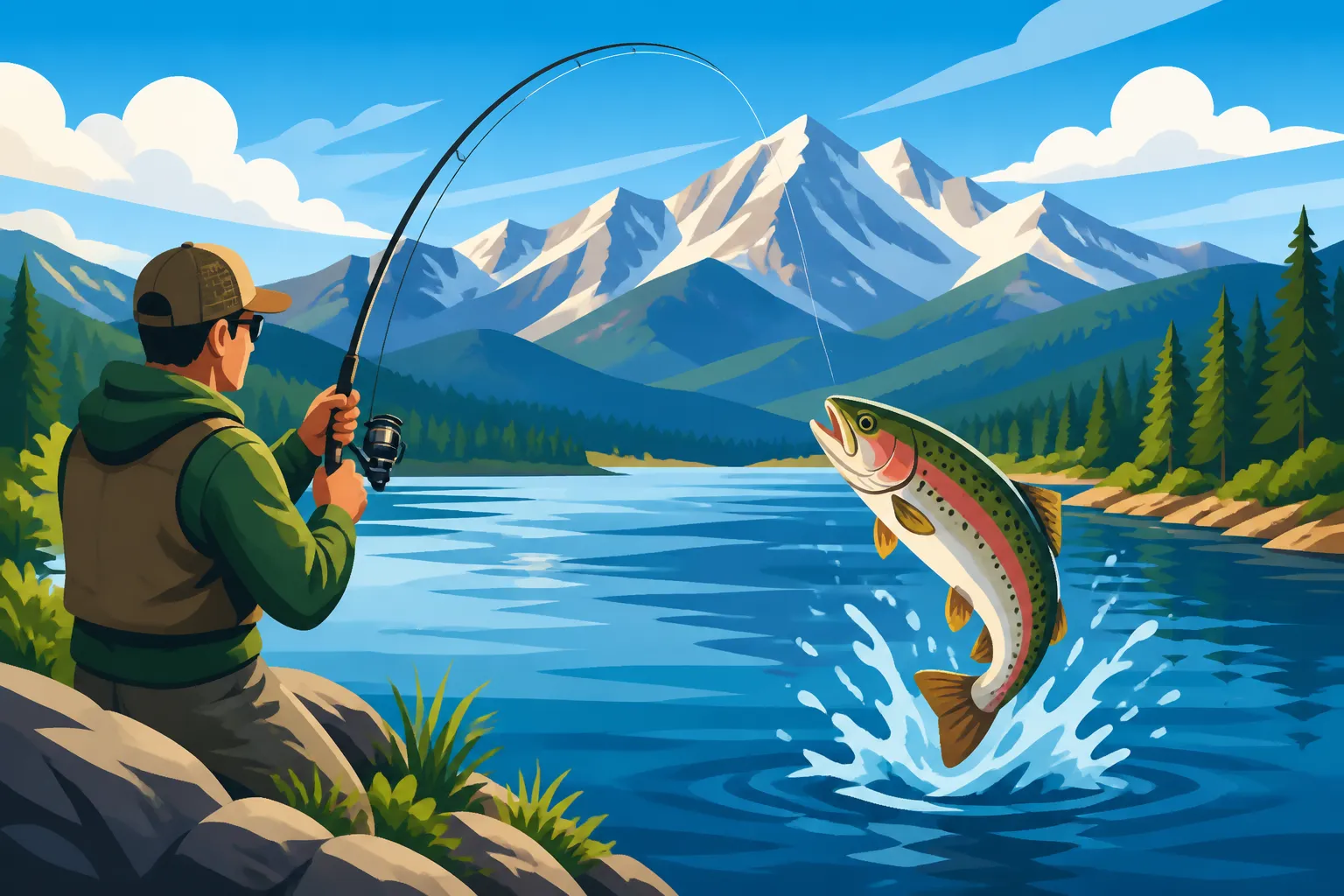
Spin fishing is perhaps the most versatile and accessible method for tackling Willow Creek, making it ideal for beginners and seasoned anglers alike. For general trout fishing, a light to medium-light spinning rod (6 to 7 feet) paired with a reel spooled with 4-8 pound monofilament or fluorocarbon line is a perfect all-around setup.
When it comes to lures, spoons like the Kastmaster, Thomas Buoyant, or Needlefish are consistently productive for rainbows and smaller brown trout. Experiment with various colors, but silver, gold, and fire tiger patterns are often reliable. Small spinners like Mepps Aglias or Panther Martins are also excellent choices, especially when retrieved at a steady pace. For bait fishing, traditional options like worms, corn, or PowerBait (in various colors and scents) are incredibly effective, especially when fished off the bottom with a small weight or suspended under a bobber near shore. During the kokanee spawning run in the fall, small jigs or spoons can also be effective near the inlets.
Fly Fishing: Matching the Hatch and Subsurface Success
While Willow Creek isn't a classic "freestone river" for fly fishing, it offers excellent opportunities for those who prefer the long rod, particularly for trout. A 4- to 6-weight fly rod with a floating line is a good starting point for most situations.
In spring and fall, when trout are more active near the surface, dry flies can be effective, especially during midge hatches or when terrestrials like grasshoppers are present along the banks. However, much of the fly fishing success at Willow Creek comes from subsurface techniques. Nymphing with imitations of midges, scuds, or small leeches can be very productive, particularly in areas where the creek flows into the reservoir. Streamers, especially olive, black, or brown patterns, can entice aggressive brown trout, especially when stripped along drop-offs or near submerged structure. Fishing these patterns from a float tube or kayak allows for precise presentations in various depths.
Trolling and Boat Fishing Insights
For anglers with boats, Willow Creek Reservoir truly opens up, especially for targeting kokanee salmon and deeper-dwelling lake trout or larger brown trout. Trolling is the dominant technique here. A dedicated trolling setup usually involves a medium-light rod with a line counter reel spooled with lead core line or used in conjunction with a downrigger.
When trolling for kokanee, speed and depth are critical. Keep your speed between 1.0 and 1.8 miles per hour. Small dodgers or flashers (like Sling Blades or Arrow Flashers) followed by a short leader (8-12 inches) to a kokanee fly or a Wedding Ring spinner tipped with corn are deadly combinations. Experiment with different depths until you locate the schools of fish, often indicated by your fish finder. For lake trout, larger spoons, tube jigs, or diving crankbaits trolled deeper are effective. Our guide on Trolling Techniques for Colorado Reservoirs offers even more in-depth advice on this specialized method. If you're looking for expert guidance, platforms like FishingBooker can connect you with local charter captains who specialize in trolling Willow Creek, making your trip more efficient and productive.
Navigating Regulations and Responsible Angling at Willow Creek
Before you even cast a line into Willow Creek Reservoir, it's absolutely essential to be familiar with Colorado's fishing regulations. Not only does this ensure you're fishing legally, but it also contributes to the conservation efforts that keep our fisheries healthy and thriving for future generations. Ignoring these rules can lead to hefty fines and loss of fishing privileges, which nobody wants. Always carry your license and be prepared to show it to a Colorado Parks and Wildlife officer. They're there to help, but also to enforce the rules that protect our precious natural resources.
It's not just about what's legal, but also about adopting a responsible angling ethos. This means understanding catch-and-release best practices, especially for fragile species or when releasing fish you don't intend to keep. Handle fish gently, minimize their time out of water, and use barbless hooks where required or when practicing catch-and-release to reduce harm. Leave no trace behind—pack out everything you pack in, and perhaps even a little more. These principles ensure that places like Willow Creek Reservoir remain pristine and productive for everyone to enjoy.
Licensing and Habitat Stamps
Every angler aged 16 and older needs a valid Colorado fishing license to fish Willow Creek Reservoir, just like anywhere else in the state. Whether you're a resident or a nonresident, there are various options available, from annual licenses to one-day or five-day permits, depending on the length of your stay. Remember that licenses run from April 1st to March 31st of the following year, regardless of when you purchase them. For a complete breakdown of requirements and costs, our article Colorado Fishing License Guide for Residents and Nonresidents is an invaluable resource. You can easily purchase your license online through CPW's website, at local sporting goods stores, or even by phone.
In addition to your fishing license, most anglers between the ages of 18 and 64 (inclusive) also need to purchase a Colorado Habitat Stamp. This stamp is a critical funding source for the conservation and management of wildlife habitats across the state. While it might seem like an extra step, it's a vital contribution to maintaining the health of the very ecosystems that make fishing in Colorado so incredible. There are some exemptions, particularly for seniors and youth, but generally, if you're buying a license, you'll need a habitat stamp too. Our guide, Colorado's Habitat Stamp, Explained, dives into all the details you need to know about this important conservation tool.
Specific Bag and Possession Limits
Understanding the specific bag and possession limits for Willow Creek Reservoir is paramount. These limits are set by Colorado Parks and Wildlife to manage fish populations and ensure sustainable angling. General statewide limits apply unless specific regulations for Willow Creek are posted, and it's always best to check the current CPW fishing brochure for the most up-to-date information, as rules can change. You can usually find the most recent regulations brochure on the CPW website or at any license vendor.
For trout, Colorado often has a general bag limit, but special regulations can apply to certain waters or species. For kokanee salmon, there are often very specific regulations, especially regarding snagging and limits during spawning runs. For instance, Willow Creek Reservoir often has a daily bag limit for kokanee salmon that can be more restrictive than other species, and there might be specific rules about snagging them during their fall spawn. Lake trout, if you're lucky enough to hook into one, also have their own set of rules. Always clarify these points before you head out. A quick check of our article on Colorado Fishing Season Dates and Bag Limits can give you a broad overview, but always double-check the specific body of water.
The distinction between "bag limit" and "possession limit" is also important. The daily bag limit refers to the number of fish you can legally harvest and keep in a single day. The possession limit refers to the total number of fish you can have in your possession at any given time, including those from previous days of fishing that are in your cooler, freezer, or at your campsite. Typically, the possession limit is twice the daily bag limit, but this can vary. Knowing these rules helps prevent unintentional violations and ensures you're fishing responsibly within the legal framework designed to protect Colorado's magnificent fish populations.
| Species | Best Season(s) | Primary Techniques | Common Baits/Lures | Notes |
|---|---|---|---|---|
| Rainbow Trout | Spring, Fall, Winter | Spin Fishing, Fly Fishing, Ice Fishing | PowerBait, Worms, Spinners, Spoons, Nymphs | Eager biters, widely stocked. |
| Brown Trout | Spring, Fall, Summer | Spin Fishing, Fly Fishing | Stickbaits, Streamers, Large Spoons, Worms | More predatory, especially large individuals. |
| Kokanee Salmon | Summer, Fall | Trolling, Ice Fishing (Winter) | Dodgers, Kokanee Flies, Wedding Rings, Jigs | Schooling fish, delicious, strong seasonal runs. |
| Splake/Lake Trout | Summer, Winter | Trolling, Jigging, Ice Fishing | Large Spoons, Tube Jigs, Diving Crankbaits | Deeper water, more challenging, often larger. |
Disclaimer
The information provided in this guide is for general informational purposes only and is subject to change. Fishing regulations, season dates, and access points can be updated by Colorado Parks and Wildlife. Always consult the official Colorado Parks and Wildlife website or their current fishing brochure for the most accurate and up-to-date regulations before you go fishing. Fishing inherently involves risks; please prioritize safety and exercise caution while on the water.