Fishing the Piedra River in the San Juans
The call of the wild is strong for anglers in Colorado, but often, finding those truly pristine, uncrowded waters feels like chasing a mirage. Many dream of casting a line in a place where human sounds are replaced by rushing water and the rustle of aspens, yet figuring out where to go and how to navigate these remote landscapes can be incredibly daunting. This comprehensive guide is designed to cut through that confusion, taking you deep into the heart of the San Juan Mountains to explore the incredible fishing opportunities on the legendary Piedra River, ensuring your next angling adventure is as rewarding as it is beautiful.
The Allure of the Piedra River: A San Juan Gem
For those who crave solitude and the challenge of wild trout in a breathtaking setting, the Piedra River stands as a true gem in Colorado’s vast angling crown. Nestled within the rugged San Juan National Forest, this river offers an escape from the crowds often found on more accessible waters, rewarding intrepid anglers with an experience that feels truly untamed.
Where Pristine Wilderness Meets Wild Trout
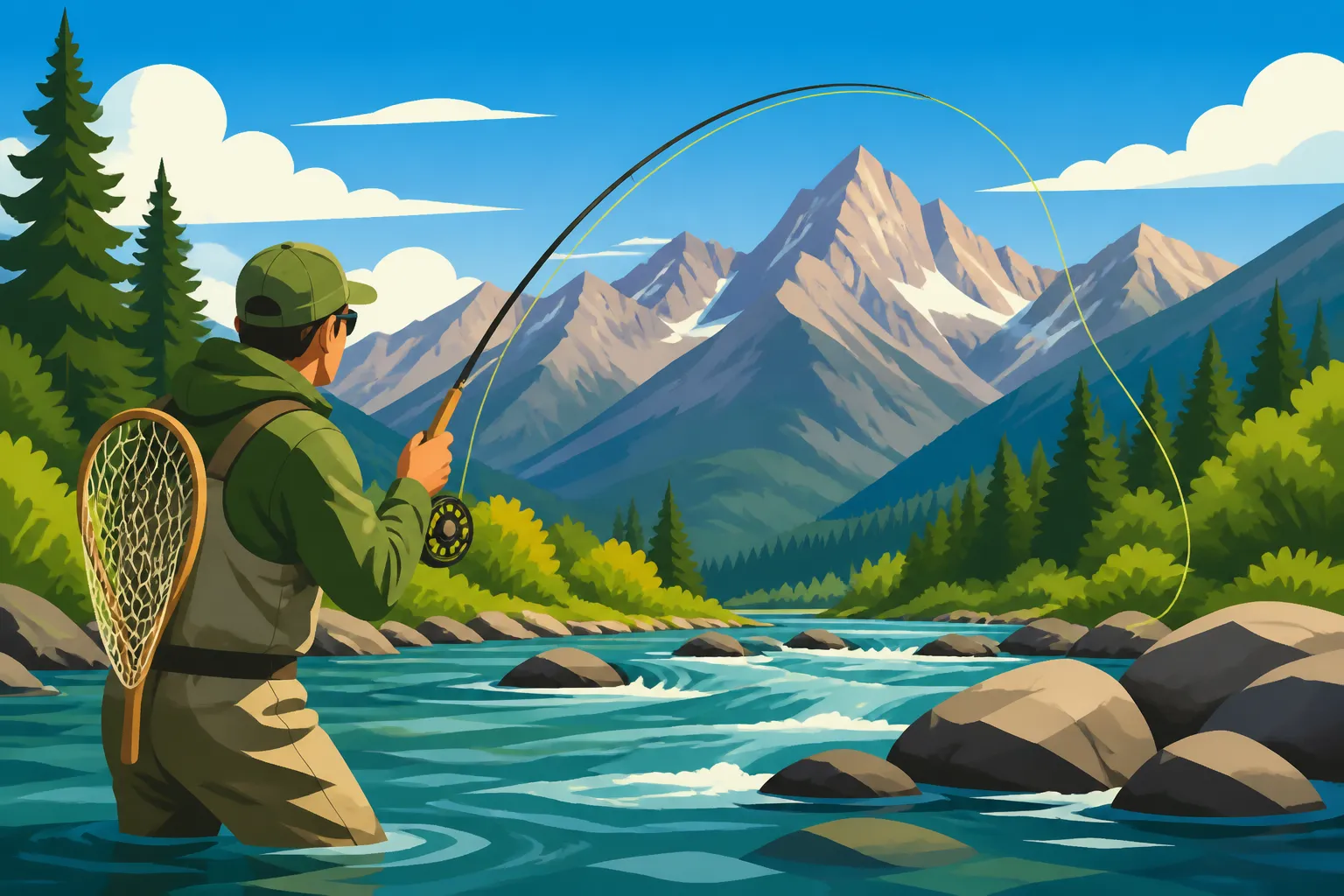
Imagine a river winding its way through deep canyons and open meadows, framed by towering ponderosa pines, aspen groves, and distant peaks. That’s the essence of the Piedra. This isn't a river manicured for easy access or heavily stocked with hatchery fish; it's a wild, freestone river where the fish populations are largely self-sustaining and thrive in incredibly cold, clean water. The lack of extensive development along its banks preserves an ecological purity that is increasingly rare, making every fish caught feel like a hard-won trophy from an untouched paradise. Anglers here primarily encounter a healthy mix of wild brown trout, rainbow trout, and, in certain protected upstream sections, native Colorado River Cutthroat Trout. The experience is often as much about soaking in the spectacular scenery and enjoying the quietude as it is about the fish count.
Understanding the River's Character
The Piedra River is a study in contrasts, offering diverse fishing experiences along its extensive length. From its headwaters high in the Weminuche Wilderness, it flows south, eventually emptying into Navajo Reservoir. Anglers generally divide the river into upper and lower sections, each with distinct characteristics. The upper Piedra, particularly within the wilderness and national forest, is characterized by its steep gradient, numerous riffles, pocket water, and deep pools carved into bedrock. This is where you'll find smaller, feisty wild trout that demand precise presentations. Further downstream, as the river exits some of its steeper canyons and flows through more open valleys, it broadens and deepens, offering longer runs, gravel bars, and the potential for larger, more elusive brown trout. Understanding these different personalities is key to unlocking the river's secrets and tailoring your approach to the specific stretch you plan to fish. Checking current conditions, especially during spring runoff, is vital to avoid high, turbid water, which can dramatically impact fishability.
Navigating Access and Planning Your Trip
Accessing the Piedra River is part of its adventure. This isn't a river with a paved road running alongside it for miles; much of its best fishing requires effort, whether through hiking, using a high-clearance vehicle, or even backpacking into remote stretches.
Key Access Points and Trailheads
For many, the journey to the Piedra begins from Pagosa Springs, heading north on Piedra Road (Forest Road 600). This well-maintained gravel road parallels a significant portion of the river, providing various access points. Popular spots include the Piedra Falls Trailhead, which offers access to the upper river and its tributaries, and several national forest campgrounds like Bridge Campground and East Fork Campground, which often have designated river access. Further downstream, the river enters a dramatic canyon, and access becomes more challenging, often requiring steep descents or longer hikes. The Sand Bench Trailhead provides access to a lower, more open section with good bank access. For those seeking true wilderness solitude, multiple lesser-known forest roads branch off FR 600, leading to primitive trailheads that require significant hiking to reach the water. Be prepared for unpaved roads and potential water crossings, and always check with the San Juan National Forest office for current road conditions and closures, especially after heavy rains or snowmelt. Remember, much of the best fishing on the Piedra is accessed via walk-in sections, meaning you'll often have to put in some mileage to find your secluded spot.
Permits, Regulations, and Local Knowledge
Like all public waters in Colorado, fishing the Piedra River requires a valid Colorado fishing license. If you're a first-timer or need a refresher, our comprehensive guide on the Colorado Fishing License Guide for Residents and Nonresidents can help you sort out what you need. Beyond the standard license, it's crucial to be aware of the specific regulations for the Piedra River, which can vary by section. Some areas might be restricted to flies and lures only, or have special catch-and-release rules to protect sensitive fish populations, particularly the native cutthroat trout. Before heading out, always consult the current Colorado Parks and Wildlife (CPW) fishing regulations brochure, which you can learn more about in our article on Reading Colorado's Fishing Regulations Brochure. Local fly shops in Pagosa Springs, such as Duranglers or Pagosa Springs Outfitters, are invaluable resources, offering up-to-the-minute information on river conditions, hatches, and specific regulations. If you're feeling a bit overwhelmed by the planning, especially for a wild, remote river like the Piedra, consider consulting a local expert. Many reputable guides can be found through platforms like FishingBooker, offering invaluable insights and ensuring a safer, more productive trip. These professionals can share their deep knowledge of the river's nuances and lead you to the most productive spots while adhering to all regulations.
What You'll Catch: Species and Strategies
The Piedra River is primarily known for its trout fishing, offering a chance to tangle with hard-fighting fish in a wild environment. While sizes might not always be trophy-worthy by Gold Medal standards, the quality of the experience certainly is.
Targeting Native and Wild Trout
The primary targets on the Piedra are brown trout, rainbow trout, and, in its more protected upper reaches and tributaries, the vibrant Colorado River Cutthroat Trout. You can learn more about Colorado River Cutthroat Trout, Where to Find Them in our detailed guide. These fish are wild, meaning they've grown up in the river, making them exceptionally wary and a true test of an angler's skill. Brown trout are abundant throughout much of the river, especially in the deeper pools and undercut banks, often growing to respectable sizes. Rainbows prefer faster, oxygenated water, holding in riffles and runs. The cutthroat, typically smaller, are often found in cooler, higher elevation sections, and many areas are designated catch-and-release for their protection. Successful angling often involves careful stalking, precise casting, and light tackle, as these wild fish are highly sensitive to pressure and poor presentation.
Effective Techniques and Fly Selection
Given the Piedra's freestone nature and wild fish, fly fishing is the dominant and often most effective technique. However, spin fishing with lures is also permitted in many sections, provided they adhere to specific regulations (e.g., single, barbless hooks).
For fly anglers, a versatile approach is key:
- Nymphing: This is almost always productive, especially in the deeper runs, pools, and faster riffles where trout feed subsurface. Common patterns include various stonefly nymphs (Pat's Rubber Legs, Copper Johns), caddis larva (Prince Nymph), midges, and small mayfly imitations (Pheasant Tail, Hare's Ear). A high-stick nymphing or European nymphing approach can be particularly effective in maintaining a drag-free drift in the turbulent flows. Our guide on Nymphing Techniques for Colorado Tailwaters offers valuable insights that can be adapted to the Piedra's conditions.
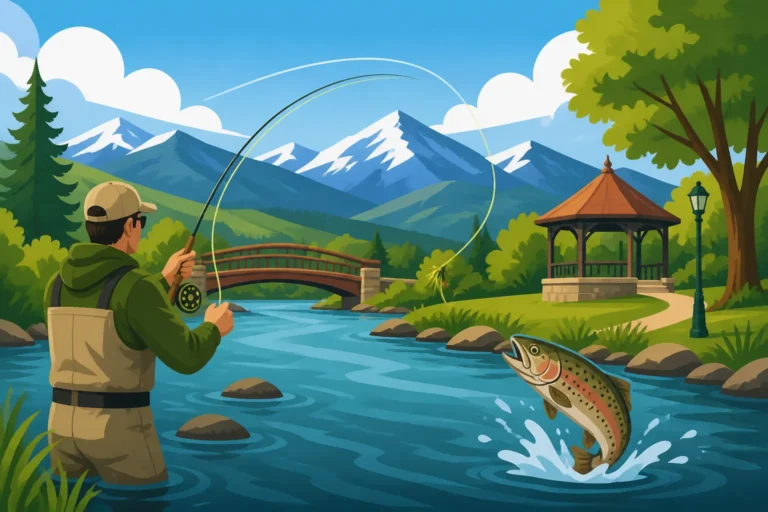
- Dry Fly Fishing: When hatches are on, dry fly fishing on the Piedra can be absolutely phenomenal. Summer brings significant caddis and various mayfly hatches (Blue-Winged Olives, Green Drakes in specific areas), while grasshoppers and other terrestrials become important patterns later in the season. Reading the water and observing for rising fish is crucial. For more on this exhilarating method, check out our piece on Dry Fly Fishing Colorado's Freestone Rivers.
- Streamers: Larger brown trout, especially during cooler water temperatures in spring and fall, will readily chase streamer patterns. Sculpins, woolly buggers, and articulated patterns fished aggressively through deeper pools and around structure can elicit powerful strikes. This is especially true during the fall, when larger browns become more territorial as they prepare for spawning.
For spin anglers, small inline spinners (like Panther Martin or Mepps), spoons (Kastmasters, Dardevles), or small soft plastics resembling worms or minnows can be effective. Always opt for single, barbless hooks to minimize harm to the wild fish, especially in areas with catch-and-release rules. Regardless of your chosen method, stealth and a cautious approach are paramount; these fish spook easily in the clear, pristine waters.
Best Seasons and Weather Considerations
Understanding the seasonal rhythms of the Piedra River is crucial for planning a successful and enjoyable fishing trip. Each season presents unique challenges and rewards, shaped by the high-country climate.
Fishing Through the Seasons
- Spring (April-May): Early spring can offer some fantastic pre-runoff fishing, especially on warmer days. As the snowpack begins to melt, the river will swell, becoming high and often turbid during runoff, making fishing difficult or impossible. This usually occurs from late May through early June, depending on snowpack levels. Planning around this period is critical; our guide on When Colorado's Spring Runoff Hits and How to Fish Around It can offer more detailed insights into this annual event. Once runoff subsides, usually by mid-June, the river drops and clears, often leading to excellent fishing conditions.
- Summer (June-August): This is prime time for the Piedra, particularly for dry fly enthusiasts. The river is typically clear and at manageable levels, and insect hatches are abundant. Caddis, various mayflies, and terrestrials like grasshoppers and ants provide consistent dry fly action. Access to higher elevation sections and tributaries also opens up as snow melts completely, offering solitude and the chance for native cutthroats. However, afternoon thunderstorms are common, which can quickly raise water levels and cool temperatures, so always be prepared.
- Fall (September-November): Arguably the most beautiful time to fish the Piedra, fall brings cooler temperatures, vibrant aspen foliage, and eager fish. Brown trout become particularly active and aggressive as they prepare for their spawning season. Streamer fishing can be excellent, and consistent nymphing or small dry flies on warmer afternoons can also produce. The crowds typically thin out, offering even more solitude. You can dive deeper into what changes during this magical time of year in our article on Fall Fishing in Colorado, What Changes.
- Winter (December-March): Winter fishing on the Piedra is challenging due to heavy snow and ice, limiting access to only the most determined and prepared anglers, usually in the lower, more accessible sections during mild spells. Most of the river becomes inaccessible, and fishing slows considerably.
Here's a quick overview of what to expect through the seasons:
| Season | Best Techniques | Target Species | Key Considerations |
|---|---|---|---|
| Spring (April-May) | Nymphing, Streamers (pre-runoff) | Rainbow, Brown | Runoff makes fishing difficult; check conditions before going. |
| Early Summer (June) | Nymphing, Dry-Dropper | Rainbow, Brown, Cutthroat | Post-runoff clearing offers excellent conditions; emerging hatches. |
| Mid-Summer (July-Aug) | Dry Flies, Nymphing, Terrestrials | Cutthroat, Rainbow, Brown | Peak hatches, high elevation access; afternoon thunderstorms are common. |
| Fall (Sept-Nov) | Streamers, Nymphing, Small Dries | Brown, Rainbow, Cutthroat | Brown trout spawning activity, reduced pressure, stunning scenery. |
High-Altitude Weather and Safety
Fishing in the San Juan Mountains means dealing with high-altitude weather, which can be notoriously unpredictable. Clear, sunny mornings can quickly give way to violent afternoon thunderstorms, complete with lightning, hail, and heavy rain. Always check the weather forecast before heading out, but be prepared for sudden changes. Packing layers, quality rain gear, and a first-aid kit is non-negotiable. If you're planning to fish in canyon sections, be aware of the potential for flash floods during heavy downpours. It's always a good idea to let someone know your itinerary, especially if you're venturing into more remote areas, as cell service is often nonexistent. Additionally, this is bear country; carry bear spray, make noise while hiking, and properly store food. If you are considering hiring a guide for some sections, learning about Hiring a Fishing Guide in Colorado, What to Expect can be helpful, and also understanding Tipping a Colorado Fishing Guide, What's Standard for their hard work. Whether you're looking for a half-day wade trip or a multi-day backpacking adventure, resources like FishingBooker can connect you with guides specializing in the San Juan region who are well-versed in navigating these challenges and ensuring your safety. Having a professional guide who understands the nuances of the Piedra's ever-changing conditions can truly elevate your experience, and finding these experienced guides is made simpler with services such as FishingBooker.
Disclaimer
Please note that fishing regulations, conditions, and access can change. Always consult the official Colorado Parks and Wildlife (CPW) website or local authorities for the most current information before planning your trip. The information provided here is for general guidance only and should not replace official sources.