Fishing the White River Near Meeker
For those of us who spend countless hours poring over maps, dreaming of Colorado’s pristine waters, it’s easy to get caught up in the allure of the big-name rivers – the South Platte, the Arkansas, the Fryingpan. But what if I told you there’s a hidden gem nestled in the northwestern part of the state, a river that offers solitude, stunning scenery, and fantastic fishing without the shoulder-to-shoulder crowds? That’s exactly what you’ll find when you venture to the White River near Meeker. This guide is here to unravel the secrets of this remarkable waterway, helping you plan an unforgettable angling adventure.
The White River Near Meeker: An Overview of a Colorado Gem
The White River, particularly the stretches near Meeker, isn't always the first name that comes to mind for Colorado fishing, and honestly, that's part of its charm. It maintains a wilder, more untamed feel than many of its more popular counterparts, offering anglers a chance to truly connect with nature. This river flows through a diverse landscape, from high-country forests to vast agricultural lands, providing varied fishing environments. It’s a place where the elk outnumber the anglers, and the biggest challenge might just be deciding which stunning bend in the river to cast into next.
Unveiling the White River's Unique Character
What truly sets the White River apart is its character. Unlike the crystal-clear tailwaters that often define Colorado’s most famous fisheries, the White River, especially downstream of the Flat Tops Wilderness, is a freestone river. This means its flows are naturally dictated by snowmelt and rainfall, leading to seasonal fluctuations that require adaptable fishing strategies. The water here often carries a slight tint, a beautiful greenish hue that provides excellent camouflage for fish and adds to the sense of wildness.
The river's banks are often lined with cottonwoods, willows, and thick brush, providing crucial habitat for wildlife and shade for trout. This also means that access can sometimes be a bit of a bushwhack, but the reward is often a truly secluded piece of water. The substrate is a mix of gravel, cobble, and larger rocks, creating a myriad of riffles, runs, and deep pools that are prime holding water for trout. Downstream, as it moves into more agricultural areas, the river widens, slows, and takes on a different personality, offering diverse opportunities for different species. It's a journey from rugged mountains to pastoral valleys, all within one river system.
Accessibility and Key Access Points Along the White River
Accessing the White River requires a bit of local knowledge, but it's far from impossible. Much of the river near Meeker is bordered by private ranchland, which means respecting private property is paramount. However, Colorado Parks and Wildlife (CPW) and the Bureau of Land Management (BLM) have secured various public access points that are well worth seeking out.
The main artery through this area is Colorado State Highway 13, which runs directly through Meeker. From there, County Road 8 (also known as the Flat Tops Scenic Byway) is your gateway to much of the upper White River, heading eastward into the Flat Tops Wilderness Area. Along County Road 8, you'll find various campgrounds and designated public access points. One of the most popular is the stretch within the White River National Forest, where fishing is generally excellent, and the scenery is breathtaking. Look for pull-offs and trailheads that lead directly to the river.
Closer to Meeker, several bridge crossings offer public easements, allowing you to walk upstream or downstream. Always look for clear signage indicating public access or private land. Anglers often find success exploring the stretches around Piceance Creek Road, which branches off Highway 13. While a good portion of this area is private, there are often spots where public land abuts the river, sometimes requiring a bit of a walk to reach. Remember, having a solid understanding of land ownership through resources like the CPW's online Fishing Atlas or a good topo map is invaluable here. If you're ever in doubt, err on the side of caution or seek local advice.
| Access Point Type | Typical Location | Key Features | Considerations |
|---|---|---|---|
| National Forest | Upstream on CO-8 | Camping, scenic, walk-in | Can be popular in summer, rougher terrain |
| Bridge Crossings | Near Meeker on CO-13 | Easy roadside access, short walks | Can be private beyond easement, watch for signs |
| BLM Land | Various points | Diverse habitat, often less crowded | May require more walking to reach river |
| Easements | Alongside private land | Designated public river access | Strict boundaries, respect private property |
Target Species and Prime Seasons on the White River
The White River is primarily a trout fishery, a fact that delights most Colorado anglers. However, it's not just a single species you'll find here; the river boasts a healthy population of several desirable trout, each offering a unique challenge and experience. Knowing what to expect and when to target them is key to a successful trip.
Trout Species You'll Encounter
The stars of the show on the White River are undoubtedly Rainbow Trout and Brown Trout. Rainbows are regularly stocked by CPW, especially in the more accessible lower and middle sections, ensuring a vibrant population for anglers. They're often eager to strike and provide excellent sport. Brown trout, on the other hand, are the wild, wily residents of the White River. These fish are typically found in greater numbers in the upper reaches and throughout the main stem, often lurking in undercut banks and deep pools. They can be incredibly challenging to catch, demanding stealth and precise presentations, but a large White River brown is a true trophy.
You might also encounter Brook Trout in the smaller tributary streams and upper, colder sections of the main river. These beautiful, colorful fish are smaller but incredibly feisty. Finally, for those truly dedicated to Colorado's native heritage, there's a chance to find the elusive Colorado River Cutthroat Trout in some of the pristine headwater streams within the Flat Tops Wilderness that feed into the White River. These native fish are a precious resource and often require specific regulations for catch-and-release, which you should always consult in the official Colorado fishing regulations brochure. Understanding the differences in these species' behavior and preferred habitats will significantly improve your chances.
Best Times of Year to Fish the White River
The White River offers fishing opportunities year-round, but each season presents its own unique set of conditions and rewards.
-
Spring (April – May): This can be a fantastic time to fish the White, particularly before the peak of runoff. As the snowmelt begins, water temperatures rise, and fish become more active. Midges and small nymphs are effective. However, watch for the inevitable "runoff" period. Typically, from late May into mid-June, the river swells with snowmelt, becoming high, fast, and often murky. Fishing during this period can be tough on the main stem, though some anglers find success targeting slower eddies and side channels. For deeper insights into managing your fishing during this dynamic period, check out our guide on when Colorado's spring runoff hits and how to fish around it.
-
Summer (June – August): Once runoff subsides, usually by late June, the White River truly shines. Water levels drop, and clarity improves, making for excellent wading and dry fly fishing. This is when the insect hatches are most prolific, with caddis, stoneflies, and various mayflies bringing trout to the surface. Terrestrial patterns like grasshoppers and ants become incredibly effective as summer progresses. The longer days mean more time on the water, but also potentially more pressure on popular public spots, though the White generally handles crowds better than many other rivers.
-
Fall (September – November): Many seasoned anglers consider autumn the prime season for brown trout on the White River. As water temperatures cool and days shorten, brown trout become aggressive in preparation for their spawning season. Streamer fishing can be phenomenal, and large dry flies or nymph rigs are also highly productive. The fall foliage along the river adds a spectacular backdrop to an already incredible fishing experience. This is also when you might encounter fewer people, offering a more peaceful outing.
-
Winter (December – March): Winter fishing on the White River can be challenging but incredibly rewarding for those willing to brave the cold. The river remains open in many sections, though ice can form in slower stretches. Focus on midges and small nymph patterns fished slowly in deeper, slower pools. Fish activity will be concentrated during the warmest parts of the day. Warm layers and appropriate gear are essential for a safe and enjoyable winter trip.
Essential Techniques and Tackle for the White River
Successfully fishing the White River, like any freestone river, demands adaptability. The conditions can change quickly, from sunny skies to afternoon thunderstorms, and the fish can be finicky one day and eager the next. Having a versatile approach to your techniques and tackle will significantly increase your odds.
Fly Fishing Strategies on the White River
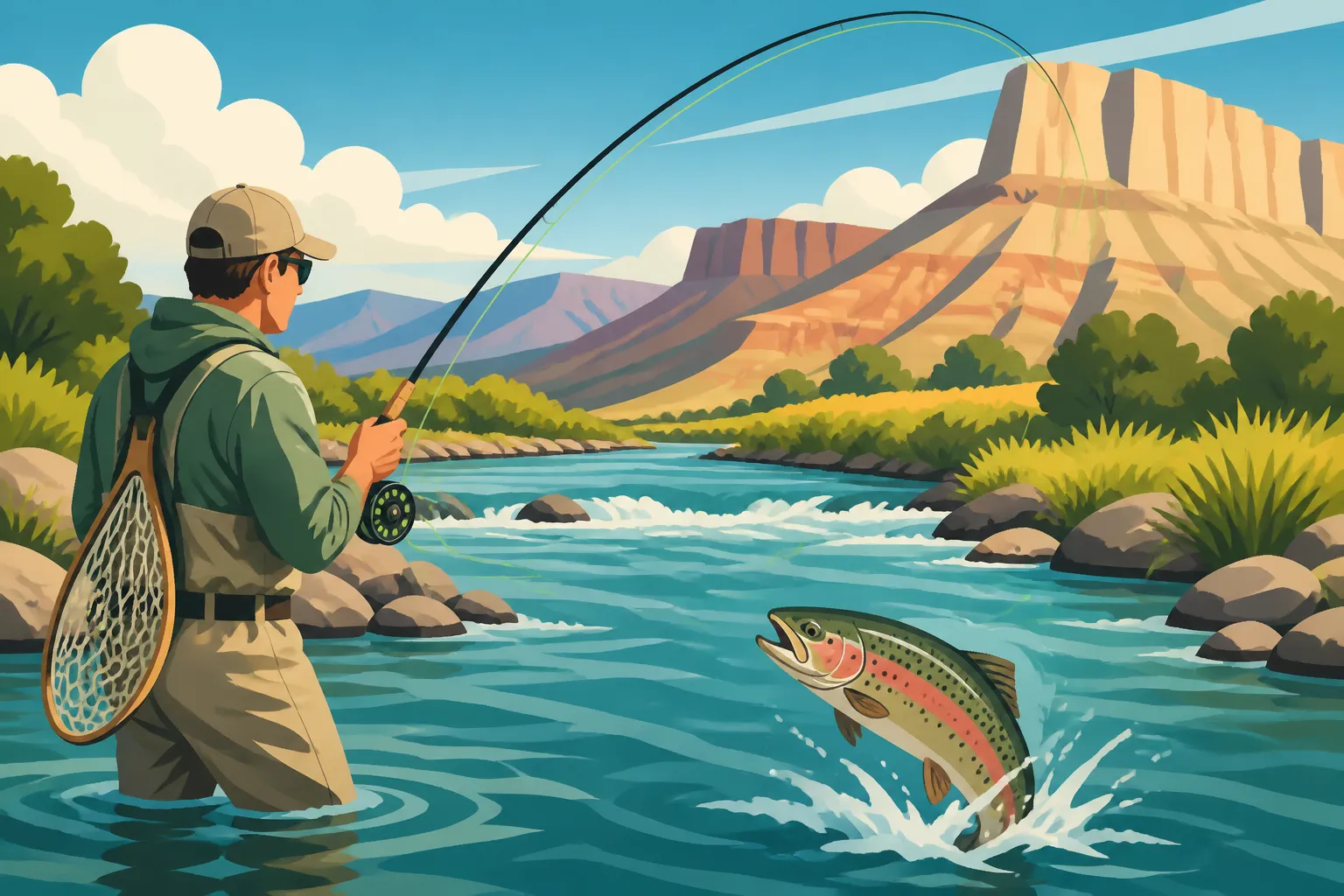
Fly fishing is incredibly popular and effective on the White River. Given its diverse nature, a variety of techniques will come into play throughout the seasons.
-
Nymphing: This is often the most consistent way to catch fish, especially when trout are feeding sub-surface. Standard nymph rigs with an indicator are highly effective in riffles, runs, and deeper pools. Key patterns include stonefly nymphs (Pat's Rubber Legs, Copper Johns), caddis larva/pupa (Prince Nymph, Caddis Larva), and various mayfly nymphs (Pheasant Tail, Hare's Ear). Don't be afraid to experiment with different weights and depths to find where the fish are holding. Our guide on nymphing techniques for Colorado tailwaters offers valuable insights that are broadly applicable to many rivers, including the White.
-
Dry Fly Fishing: When the hatches are on, there's nothing quite like seeing a trout rise to your dry fly. Summer and early fall are prime times for this. Look for caddis hatches in the evenings, various mayfly hatches (like Blue-Winged Olives in spring/fall or Pale Morning Duns in summer), and stoneflies, especially in late spring/early summer. Terrestrial patterns like hoppers, ants, and beetles are deadly during late summer. For tips on how to present these effectively, our article on dry fly fishing Colorado's freestone rivers provides great context. A good all-around dry fly rod for the White River would be a 9-foot, 5-weight, allowing for delicate presentations but enough backbone for larger fish and windy conditions.
-
Streamer Fishing: For targeting larger brown trout, especially during fall, streamer fishing is an exhilarating and often productive method. Patterns like Woolly Buggers, Sculpzillas, and Articulated Streamers in olive, black, or brown can entice aggressive strikes. Fish them with a strip-and-pause retrieve through deeper pools, undercut banks, and around structure. This method often produces fewer fish, but typically bigger ones.
Spin Fishing Approaches for Colorado Trout
If fly fishing isn't your preferred method, spin fishing can be equally rewarding on the White River. It offers a straightforward approach that often appeals to beginners or those looking for a different challenge.
-
Lure Selection: Small spinnerbaits like Mepps Aglias or Panther Martin spinners in sizes #0-2 are consistently effective. Colors like silver, gold, or brass with black or red accents work well. Small spoons, such as Kastmasters or Daredevils, are also great for casting into deeper runs and pools. When fishing with lures, focus on casting upstream or across and retrieving downstream, allowing the lure to tumble naturally with the current. This helps prevent spooking fish and mimics injured baitfish.
-
Bait Fishing: While bait restrictions apply in certain "Gold Medal Waters" or specific sections of other rivers, the White River generally allows for bait fishing in many areas. Popular choices include worms (nightcrawlers, mealworms), salmon eggs, or powerbait. Rigging these on a small hook with a minimal amount of split shot to keep them near the bottom can be incredibly effective, especially for freshly stocked rainbow trout. Always check the specific regulations for the section of river you intend to fish, as rules can vary. For a broader understanding of the options available, consider "Colorado's Bait Restrictions and Where They Apply".
Reading the Water and Ethical Angling
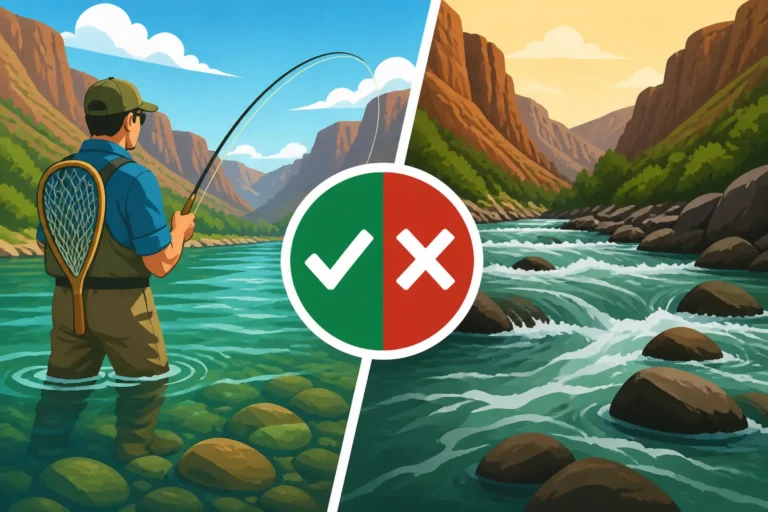
Regardless of your chosen technique, understanding how to "read" the river is paramount. Trout will hold in areas that provide food, shelter, and favorable water conditions. Look for:
- Riffles: Shallow, turbulent water that oxygenates the water and dislodges insects. Fish will often hold at the head or tail of a riffle, just out of the main current.
- Runs: Deeper, faster sections of river, often with consistent current. Fish will hold in the seams where faster water meets slower water.
- Pools: Slower, deeper areas where fish can rest and find cover. Often, the biggest fish will be in the deepest part of a pool or under an undercut bank.
- Structure: Rocks, logs, submerged vegetation, and undercut banks all provide excellent cover for trout.
Practicing ethical angling is crucial on the White River. Always handle fish gently, especially if you're practicing catch-and-release. Wet your hands before touching fish, minimize their time out of water, and use barbless hooks to reduce harm. Leave no trace, pack out all your trash, and respect wildlife. These practices ensure the White River remains a pristine fishery for generations to come.
Planning Your Trip: Logistics and Local Resources
A successful fishing trip to the White River near Meeker isn't just about the angling; it's also about careful planning and leveraging local resources. Knowing the rules, connecting with experts, and understanding what amenities are available will make your adventure smooth and enjoyable.
Local Regulations and Licensing Essentials
Before you even tie your first knot, ensuring you're legally compliant is the absolute priority. Anyone 16 years or older needs a valid Colorado fishing license to fish the White River. This applies to both residents and nonresidents. You can easily purchase these online through CPWShop.com, by phone, or in person at various license agents across the state, including many sporting goods stores in Meeker and surrounding towns. If you're wondering about the specifics, our comprehensive guide, "Colorado Fishing License Guide for Residents and Nonresidents", covers all the details.
Beyond the license, it’s vital to familiarize yourself with the specific regulations for the White River. These can include bag and possession limits for different species, special restrictions on certain baits or hook types, and even seasonal closures in particular areas to protect spawning fish. Always consult the most current Colorado fishing regulations brochure, which is updated annually. Pay close attention to any unique rules for the White River or its tributaries, particularly within the Flat Tops Wilderness Area, where regulations might be more stringent to protect native populations. The "Colorado Fishing Regulations Every Angler Should Know" resource is an excellent starting point for understanding these rules. Remember, ignorance of the law is no excuse, and game wardens do patrol these waters.
Guided Trips and Local Expertise
While the White River offers ample opportunities for independent exploration, hiring a local guide can significantly enhance your experience, especially if it's your first time in the area. A good guide knows the river intimately, understands the seasonal patterns, and can put you on fish quickly, saving you valuable time and frustration. They'll also have the right gear, flies, or lures for the conditions.
You can often find excellent local guides by contacting fly shops in Meeker or nearby communities. Some outfitters, like Rio Blanco County Outfitters, specialize in this region and offer both walk-wade and float trips. Alternatively, online platforms like FishingBooker provide a convenient way to search for and book reputable guides. Just enter "Meeker, Colorado" into their search bar, and you'll often find several experienced local guides offering trips specifically on the White River. Whether you're a beginner needing a full lesson or an experienced angler looking for an edge, a guided trip can be invaluable. For more details on what to expect, read our guide on "Hiring a Fishing Guide in Colorado, What to Expect". If you do choose to go with a guide, don't forget that tipping is customary, and our article "Tipping a Colorado Fishing Guide, What's Standard" can help you prepare.
Accommodations and Amenities in Meeker
The town of Meeker serves as the perfect base camp for your White River adventure. It's a small, friendly community with a relaxed Western charm, offering essential services without the hustle and bustle of larger resort towns.
- Lodging: Meeker has a few motels, such as the White River Inn and the Meeker Inn, providing comfortable and convenient stays. For those who prefer a more rustic experience, there are several campgrounds in the surrounding White River National Forest, especially along County Road 8 heading towards Trappers Lake. These can range from developed sites with amenities to primitive dispersed camping opportunities.
- Dining and Supplies: You'll find a grocery store, gas stations, and a handful of local restaurants in Meeker, offering everything from classic American fare to more specialized local eats. There are also sporting goods stores or general stores that carry basic fishing supplies, tackle, and often local fly patterns. Always stock up on water, snacks, and any specific gear you might need before heading out, especially if you plan to explore more remote sections of the river. Cellular service can be spotty in the more secluded areas, so downloading maps and information beforehand is a smart move.
The White River near Meeker truly offers a quintessential Colorado fishing experience – one where wildness and solitude blend with abundant fishing opportunities. Pack your gear, check your regulations, and prepare to discover a river that will quickly become one of your favorite hidden havens.
Disclaimer
Please note that fishing regulations, conditions, and access points can change. Always consult the official Colorado Parks and Wildlife (CPW) website and their most current fishing regulations brochure before planning any fishing trip. This guide is for informational purposes only and does not supersede official regulations.