Fishing Colorado in September as Water Cools
As the vibrant greens of summer begin their slow, spectacular surrender to autumn's fiery hues, September ushers in a truly magical, yet often challenging, time for anglers in Colorado. Many folks find themselves scratching their heads, wondering if the hot summer bite is completely gone or if the frantic pre-winter feeding has fully kicked in. The truth is, September is a month of dramatic transition, and understanding these shifts is key to unlocking some of the year's most memorable fishing experiences. This guide will walk you through the nuances of fishing Colorado's waters as they cool, revealing the best species to target, the techniques that truly shine, and the prime locations to explore during this beautiful shoulder season.
Understanding Colorado's September Transition
September in Colorado isn't just a calendar page turn; it's a fundamental shift in the state's natural rhythm, and the fish feel it acutely. Anglers who cling to summer tactics will often find themselves frustrated, while those who adapt to the changing conditions can experience incredible success. It’s a time when the mountains signal the impending cold, and the fish instinctively respond, creating both opportunities and challenges.
The Gradual Drop in Water Temperatures
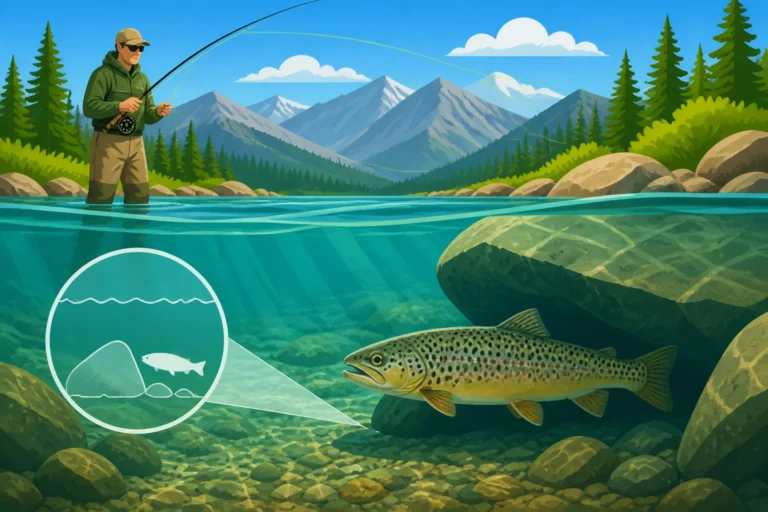
One of the most significant factors influencing September fishing is the steady decline in water temperatures. As the longer, sun-drenched days of July and August recede, the nights grow crisper, particularly at higher elevations. This cooling trend affects everything from insect activity to fish metabolism. In early September, many rivers and lakes might still hold onto some residual warmth from summer, but by the latter half of the month, you'll feel a definite chill in the air and, more importantly, in the water.
This temperature drop is usually a welcome change, especially for trout. During the dog days of summer, warmer water can stress trout, pushing them into oxygenated riffles or deeper, cooler pockets. As temperatures fall back into their preferred range—typically 50-65°F (10-18°C) for most trout species—they become more active and willing to feed throughout the day. However, this also means that the metabolic rate of other species, particularly warmwater fish like bass and walleye, starts to slow down, making them a bit more sluggish and harder to entice. Knowing how cold Colorado reservoirs get before they ice over later in the year can give you a heads-up on how quickly these drops might occur.
Shifting Insect Hatches and Forage
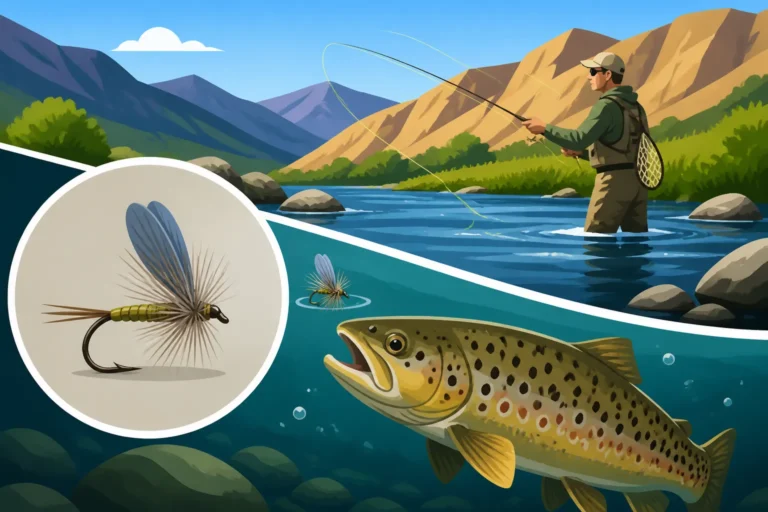
Just like the weather, the insect world undergoes a significant transformation in September. The prolific summer hatches of large stoneflies, green drakes, and even many caddis species begin to wane. In their place, you'll start to see a greater prominence of smaller, more delicate insects. Blue-winged Olives (BWOs) become increasingly important, especially on cloudier, cooler days, or as late afternoon hatches. Midge activity, always present, can also become more pronounced, especially on still, clear waters.
Beyond aquatic insects, terrestrial insects like grasshoppers and ants, which were a summertime staple, are still around in early September but their numbers rapidly diminish as frosts begin to hit. This means that while a hopper pattern might still trick a few trout in the first week or two, by mid-September, relying solely on terrestrials will likely leave you empty-handed. Fish, being opportunistic, also shift their focus to other food sources. Baitfish, smaller fish, and even crayfish become increasingly important as trout bulk up for winter, making streamer fishing a highly effective tactic during this period.
The Impact of Shorter Days
The shortening daylight hours in September play a psychological role, both for the angler and the fish. For us, it means planning trips a bit differently; those long evenings of fishing until 9 PM are a distant memory. For the fish, it’s a clear signal that winter is coming. This often triggers a strong feeding instinct, particularly in trout, as they try to pack on calories before the lean months ahead. You might notice fish feeding more aggressively in the morning and late afternoon, making these prime times to be on the water.
This also means that the sun angle changes, and with it, how fish position themselves in the water. Shadows become longer, and the light penetrates the water differently. Fish might move out of the deepest pools and into shallower, oxygenated runs during the middle of the day, seeking out food as their comfort level increases with cooler water. Understanding these subtle shifts in light and shadow can help you better "read the water on a Colorado freestone river" and predict where fish might be holding.
Prime Fish Species to Target as Waters Cool
While the general notion of "fishing in Colorado" might bring trout to mind for many, September offers a diverse array of species that respond uniquely to the cooling waters. Knowing which fish are most active and where to find them can drastically improve your chances of a successful outing.
Aggressive Trout Behavior Before Winter
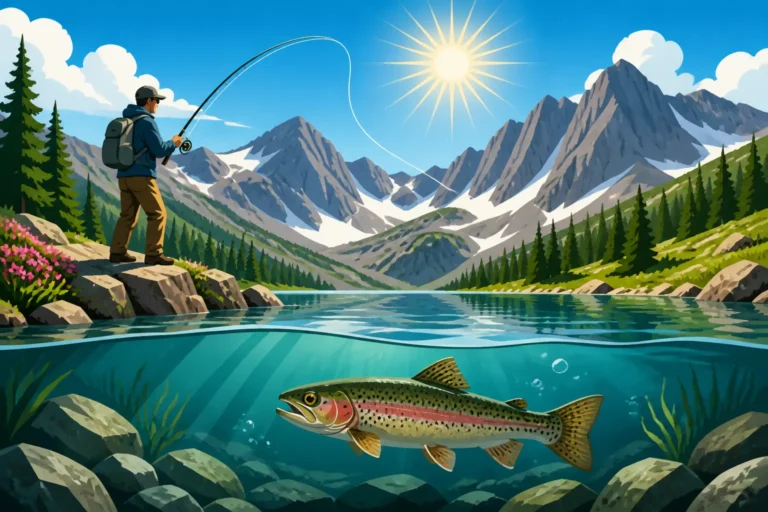
September is, without a doubt, one of the best months for trout fishing in Colorado. As river and lake temperatures fall into that sweet spot, brown trout, rainbow trout, and even brook trout become incredibly active. Their metabolism is high, and they're driven by an innate desire to gorge themselves in preparation for the sparse winter months and the upcoming spawning seasons. You'll often find them more willing to chase down a streamer or aggressively strike a nymph.
Brown trout, in particular, start to display stunning fall spawning colors – deep golds, brilliant oranges, and vibrant reds – making them a prized catch. They become exceptionally aggressive, especially the larger individuals, often defending their spawning redds or simply reacting to anything that looks like a potential meal. For those interested in big browns, this is prime time. Rainbow and cutthroat trout also begin to feel the urge to feed heavily, though their primary spawning season is typically in the spring. Rivers like the Arkansas River near Salida and the South Platte River near Deckers truly come alive with hungry trout.
Kokanee Salmon Runs and Their Challenges
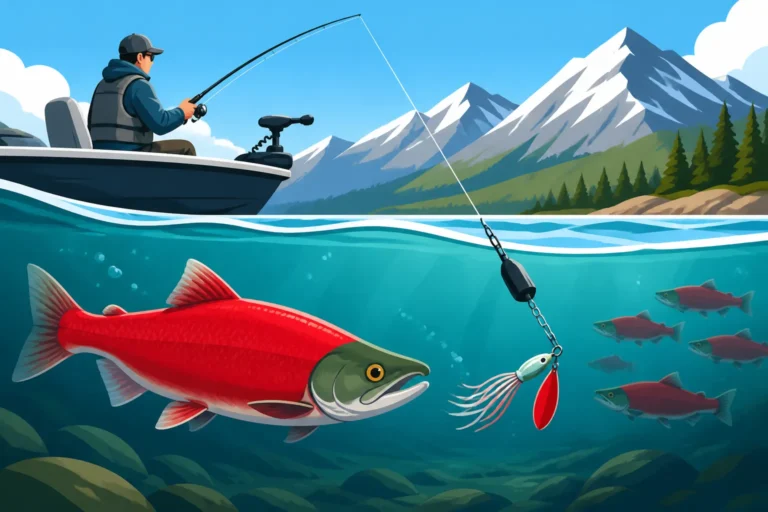
September marks the spectacular kokanee salmon spawning runs in many Colorado reservoirs and their feeder streams. These landlocked sockeye salmon, identifiable by their vibrant red bodies and hooked jaws (especially the males), migrate en masse from the deep waters of reservoirs into shallower areas or up rivers to lay their eggs. It's a visually stunning phenomenon and a unique fishing opportunity. Popular spots like Blue Mesa Reservoir see massive runs, as do tributaries flowing into Granby Lake, Green Mountain Reservoir, and Eleven Mile Reservoir.
However, fishing for kokanee during their spawning run comes with specific challenges and ethical considerations. Once kokanee turn red, their flesh deteriorates, and they largely stop feeding. They are focused solely on reproduction. This means traditional angling methods become less effective. Many anglers target them by snagging, which is illegal in most waters. It's crucial to check current Colorado fishing regulations every angler should know before targeting spawning kokanee, as specific rules apply. If you do manage to entice a bite, remember that their meat is often past its prime, and practicing catch-and-release is often the more ethical choice. For those interested in actively catching kokanee before they turn red, trolling techniques for Colorado reservoirs in early September can still be very productive.
Warmwater Species Slowing Down
While trout are revving up, warmwater species like bass, walleye, and catfish generally begin to slow down as September progresses. These fish prefer warmer water, and as temperatures drop, their metabolism decreases, making them less active and harder to catch. In early September, you might still have some decent luck, especially on sunny days or in the warmer parts of the day when they might move into shallower water to feed. Lakes and reservoirs on Colorado's eastern plains or those at lower elevations, which retain warmth longer, are your best bet.
For walleye, early September can still offer good opportunities, particularly during low light conditions or at night, as they often feed aggressively before the water gets too cold. However, by late September, their activity levels will be significantly reduced compared to their summer peaks. Smallmouth bass can also provide some action in early fall, but they too will become less cooperative as the mercury drops. If your primary target is warmwater species, consider shifting your focus to early mornings or evenings, and concentrate on areas with remaining warmer water or structure where they might hold.
| Species | September Activity | Prime Locations | Common Techniques | Notes |
|---|---|---|---|---|
| Brown Trout | High | Rivers, Tailwaters, High-Country Lakes | Nymphing, Streamers, Dry-Dropper | Aggressive, pre-spawn feeding. Displaying vibrant colors. |
| Rainbow Trout | High | Rivers, Tailwaters, Stocked Lakes | Nymphing, Dry Flies (BWOs), Spin Fishing Lures | Active feeding, often stocked in many waters. |
| Kokanee Salmon | Spawning Runs | Reservoirs (Blue Mesa, Granby), Spawning Tributaries | Trolling (early Sept), Snagging (often illegal, check regs) | Turn red, stop feeding. Check "Colorado Fishing Season Dates and Bag Limits" for specific rules. |
| Lake Trout | Moderate to High | Deep Reservoirs (Blue Mesa, Granby, Taylor) | Jigging, Trolling | Move shallower for feeding, especially larger fish. |
| Brook Trout | High | High-Country Lakes & Streams | Dry Flies, Small Nymphs, Spinners | Very active, beautiful fall colors. Often in smaller, colder waters. |
| Walleye | Moderate to Low | Warmer Reservoirs (Chatfield, Cherry Creek) | Jigging, Trolling, Night Fishing | Slowing down, best in early Sept, low light. |
| Bass (SM/LM) | Moderate to Low | Warmer Reservoirs & Ponds | Jigs, Soft Plastics, Crankbaits | Slowing down, target structure, warmer periods. |
Adapting Your Techniques for Fall Fishing Success
Successfully fishing Colorado in September isn't just about knowing what to fish for, but how to fish for it. The change in water temperature and insect life demands a strategic adjustment in your angling techniques. What worked in July might be completely ignored by fish in September.
Fly Fishing Strategies for September
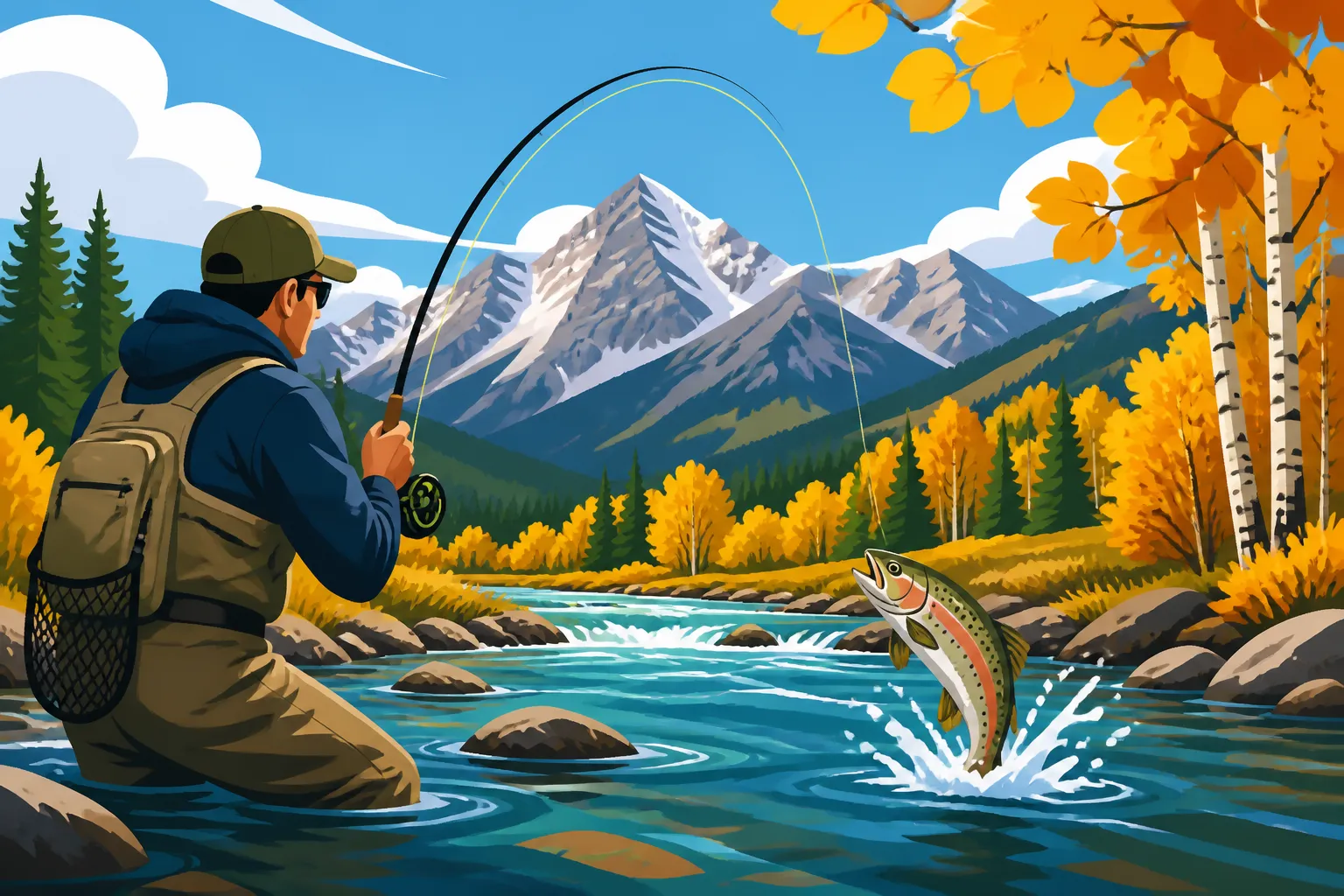
For fly anglers, September offers a fantastic opportunity to employ a variety of tactics. Early in the month, especially on warmer days, you might still get away with a larger attractor dry fly or even a hopper pattern, particularly near grassy banks. However, as the month progresses, a more nuanced approach becomes necessary. The emergence of Blue-Winged Olives (BWOs) on cloudier days or late afternoons means having a good selection of small, dark mayfly imitations (sizes 18-22) is crucial. Midges, in various life stages (larva, pupa, adult), are consistently important, especially during slow periods.
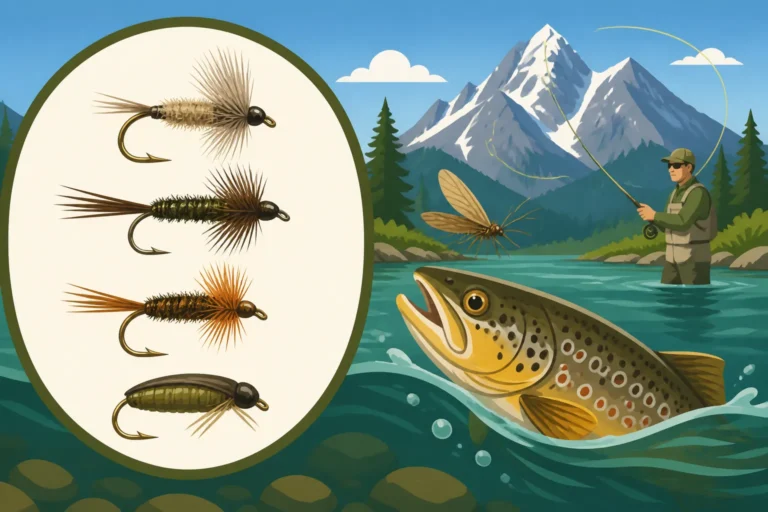
Nymphing techniques for Colorado tailwaters remain highly effective, as many trout continue to feed subsurface on nymphs, annelids, and scuds. Using a two-fly nymph rig with an indicator, experimenting with different depths and weights, can be incredibly productive. Focus on deep runs, current seams, and slower pockets where fish are conserving energy. Streamer fishing for Colorado brown trout comes into its own during September. Larger, articulated streamers in natural colors (olive, black, brown) or even bright colors (yellow, orange) can trigger aggressive strikes from pre-spawn browns. Swing them, strip them, or jig them along deeper structure and undercut banks. Remember, fish are looking for substantial meals.
Spin Fishing Tactics for Cooler Water
Spin fishing also shines in September, particularly when targeting aggressive trout or lake trout. For trout in rivers and streams, small inline spinners (like Panther Martins or Mepps) in silver, gold, or brown are consistently effective. Try casting them upstream and retrieving them just faster than the current, or cast across and let them swing. Small spoons, such as Kastmasters or Daredevils, can also be deadly, especially in deeper pools or faster runs. For stocked lakes and ponds, powerbait, worms, or small marshmallows fished off the bottom can still yield results, especially after a fresh stocking, which you can often track by checking Colorado's weekly stocking report.
When targeting lake trout in larger reservoirs, the cooling water often brings them shallower, making them more accessible than during the peak of summer. Jigging with heavy spoons or soft plastics (like tubes or paddle tails) can be very productive. Look for underwater humps, drop-offs, and points where lake trout might ambush baitfish. Trolling with downriggers set to different depths, using large spoons, stickbaits, or even cut bait, is also an excellent method for covering water and finding active fish. Ensure your tackle is robust enough for these larger fish, as a big lake trout can put up a significant fight. Many anglers find a good selection of tackle boxes and lure organizers on Amazon to keep their gear sorted for these diverse tactics.
Considering the Second-Rod Stamp
September can be a fantastic time to maximize your opportunities, and if you're fishing stillwaters or slow-moving sections of rivers, you might want to consider purchasing Colorado's second-rod stamp and who needs one. This additional stamp, which comes with a modest fee, allows you to legally fish with two separate fishing rods at the same time.
Imagine having one rod set up with a bait rig on the bottom for an opportunistic walleye or catfish, while actively casting and retrieving a spinner with your second rod for trout. Or, if you're fly fishing a lake, you could have a dry-dropper rig on one rod and a streamer rig on the other, allowing you to quickly switch presentations without re-tying. This can be a huge advantage when fish activity is varied or when you're trying to figure out what they're biting on. Just remember to check the specific regulations for the water you're fishing, as not all waters allow the use of a second rod, particularly some Gold Medal Waters or designated fly-and-lure-only sections.
Top Spots for September Fishing in Colorado
Colorado boasts an incredible diversity of fishing environments, and September spotlights certain types of water more than others. From high-country gems to renowned tailwaters, knowing where to focus your efforts will drastically increase your enjoyment and success.
Tailwaters and Their Consistency
Colorado's tailwater fisheries are often the most reliable spots for trout fishing year-round, and September is no exception. These rivers flow out of the bottom of large dams, meaning their water temperatures are relatively consistent, staying cool in summer and warmer than freestones in winter. This consistency translates into stable fish habitat and predictable insect hatches, making them incredibly productive in the fall.
The Fryingpan River below Ruedi Reservoir, the Dream Stream (between Spinney Mountain and Eleven Mile Reservoirs), the Taylor River below Taylor Park Reservoir, and the Blue River in Silverthorne are prime examples. These waters are often designated as Gold Medal Waters, indicating their ability to produce large trout consistently. Fish here are typically educated and require a more stealthy approach and precise presentations, often with smaller flies or lures. On the Dream Stream, you might encounter brown trout making their pre-spawn migrations, offering shots at truly trophy-sized fish. Similarly, the Fryingpan is famous for its massive Mysis shrimp-fueled rainbows. Remember that Colorado Gold Medal Water Regulations Explained often include specific rules like barbless hooks or artificial flies and lures only, so always check the latest regulations brochure.
High-Country Lakes Before the Freeze
For a brief, spectacular window in September, high-country lakes offer some of the most stunning and productive fishing experiences. The summer crowds have thinned, the aspens are turning golden, and the trout are ravenously feeding before the long winter freeze-up. Brook trout, cutthroat trout, and rainbow trout are common targets in these pristine alpine environments. They are actively bulking up, making them less finicky and more willing to strike.
Popular high-country destinations include Rocky Mountain National Park (though check specific park regulations and fees), the lakes of the Indian Peaks Wilderness, and numerous high-elevation reservoirs like Turquoise Lake near Leadville. Accessing these lakes often involves a hike, but the solitude and breathtaking scenery are well worth the effort. Small dry flies, nymphs, and even tiny spinners or spoons can be incredibly effective. The window for this kind of fishing is fleeting, however. By late September, especially at elevations above 10,000 feet, ice can start forming on shallow coves and shaded areas, signaling the end of the open-water season for these truly alpine gems. It's crucial to be prepared for sudden weather changes, including early snow.
Reservoirs for Kokanee and Lake Trout
Colorado's larger reservoirs become central to the September fishing scene, primarily for kokanee salmon and lake trout. As mentioned, the kokanee runs are a major draw. Blue Mesa Reservoir is arguably the most famous kokanee fishery, with hundreds of thousands of salmon making their spawning run into the Gunnison River and other tributaries. While snagging is generally prohibited, anglers can sometimes still entice pre-spawn kokanee with trolling techniques using flashy lures or jigging small spoons.
Lake trout, too, become more active as the water cools, often moving from their deep summer haunts into shallower water to feed on kokanee and other baitfish. Blue Mesa is also a renowned lake trout fishery, as are Granby, Green Mountain, and Taylor Park Reservoir. Jigging large tubes, spoons, or soft plastics in areas with steep drop-offs, underwater islands, or near kokanee spawning areas can produce huge lake trout. Trolling is another excellent method, using downriggers to present large lures or bait at varying depths. This is often when you find the biggest fish, aggressively feeding before they too prepare for their own later spawning cycles. Hiring a charter boat for Colorado's Blue Mesa Reservoir is a popular option for those seeking these trophy fish, as guides have the specialized equipment and knowledge to locate them.
Essential Gear and Preparedness for Autumn Angling
September fishing in Colorado is a beautiful dance between summer's lingering warmth and winter's creeping chill. Being prepared with the right gear isn't just about comfort; it's about safety and maximizing your time on the water. Don't underestimate the mountains' ability to change moods in a heartbeat.
Layering for Variable Mountain Weather
The old adage "there's no bad weather, just bad clothing" rings especially true in Colorado's September mountains. Mornings can be frosty, afternoons surprisingly warm under the sun, and late afternoons can bring biting winds or even an unexpected snow shower, especially at higher elevations. Layering is your best friend. Start with a moisture-wicking base layer (merino wool or synthetic, never cotton). Add an insulating mid-layer like a fleece or lightweight puffy jacket. Your outer layer should be a waterproof and windproof shell that can pack down easily.
Don't forget warm socks, a hat, and gloves. Even if the day starts sunny, having these items accessible can make all the difference if a cloud rolls in or the wind picks up. It's not uncommon to start the day in a beanie and gloves, shed them by midday, and put them back on before heading home. Good quality waders, particularly neoprene or breathable ones with insulating layers underneath, are also critical for staying warm and dry when wading in increasingly cold water. You can find excellent layering options and waders on Amazon to ensure you're ready for whatever the Colorado weather throws at you.
Specific Lures and Flies for Fall
As the natural forage changes, so should your tackle box. For fly anglers, your early September dry fly selection should still include a few larger terrestrials (like size 8-12 hoppers or Chernobyl ants), but quickly transition to smaller mayfly patterns (Blue-Winged Olives, various sizes of tiny midges), caddis, and attractor patterns. Nymph boxes should be well-stocked with pheasant tails, prince nymphs, hare's ears, scuds, worms, and midge larvae patterns (size 16-22). The bigger meal appeal of streamers for Colorado brown trout fishing cannot be overstated; have a variety of patterns in different sizes and colors, especially olives, blacks, browns, and white.
Spin anglers should carry a range of small inline spinners (sizes 0-3), small spoons, and soft plastic jigs (like tube jigs or paddle tails) for both trout and lake trout. For kokanee, trolling gear with dodgers, flashers, and small Kokanee-specific lures (like Paulina Peak or Sling Blades) in pink, orange, or green are often effective. Bait anglers should consider traditional baits like worms, powerbait, and salmon eggs, especially in stocked waters. A diverse selection ensures you're prepared for whatever the fish are keying in on.
Safety Considerations in Cooler Conditions
Fishing in cooler conditions presents unique safety challenges that summer angling doesn't. Hypothermia is a genuine risk if you fall into cold water, especially when wading. Always wear your waders properly, avoid wading alone in fast or deep currents, and consider carrying a wading staff for stability. A life vest is always a good idea, especially on boats or when wading unfamiliar, deep water.
Cell service can be spotty or nonexistent in many remote Colorado fishing spots, so let someone know your plans and expected return time. Carry a first-aid kit, plenty of water, and high-energy snacks. As the days shorten, a headlamp or flashlight is essential for navigating trails in the pre-dawn dark or after sunset. Be aware of wildlife, as bears and mountain lions are still active, and elk and deer are entering their rutting season, making them potentially unpredictable. Proper preparation can turn a potentially dangerous situation into a minor inconvenience.
Navigating Regulations and Ethical Practices
Fishing in September means being extra vigilant about regulations, especially concerning spawning fish. Colorado Parks and Wildlife (CPW) implements specific rules to protect vulnerable populations, and it's our responsibility as anglers to understand and follow them.
Understanding Spawning Season Rules
September is a critical month for the reproductive cycles of several key species in Colorado. As brown trout and kokanee salmon begin their spawning migrations, CPW often puts special restrictions in place. These can include:
- Closed Waters: Certain stretches of rivers or specific tributaries may be closed to fishing entirely to protect spawning fish.
- Gear Restrictions: Some areas might switch to artificial flies and lures only, or even require barbless hooks, to reduce mortality on fish that are caught and released.
- Bag and Possession Limits: Limits on certain species might be reduced or changed during spawning periods, especially for kokanee salmon, where specific rules apply to their possession as they turn red. For example, some waters have zero possession limits for red-colored kokanee.
- Snagging Prohibitions: Snagging, the act of intentionally hooking a fish in any part of its body other than the mouth, is illegal in most waters and strictly enforced during spawning runs.
It's imperative to consult the latest Colorado fishing regulations brochure before each trip. Ignorance of the law is not an excuse, and game wardens are particularly active during these sensitive times. For detailed information on specific areas, researching Colorado's Kokanee Salmon Limit at Blue Mesa or other regional rules is crucial.
Catch-and-Release Practices in Cold Water
Even if you're allowed to keep fish, practicing responsible catch-and-release, especially for spawning fish or in sensitive fisheries, is a hallmark of an ethical angler. As water temperatures cool, fish are generally less stressed by being handled, but proper technique is still paramount for their survival.
- Minimize Handling: Keep the fish in the water as much as possible. Avoid dragging it onto rocks or dry banks.
- Wet Hands: Always wet your hands before touching a fish to protect its protective slime coat.
- Barbless Hooks: Using barbless hooks makes removal quick and easy, causing less damage. You can easily crimp down barbs on most hooks with a pair of pliers. Many experienced anglers purchase their barbless hooks or tools to make them barbless from reputable online retailers like Amazon.
- Proper De-hooking Tools: Carry forceps or needle-nose pliers for quick hook removal.
- Support the Fish: If you must lift the fish for a quick photo, support its body horizontally. Never hold it vertically by the jaw or tail, which can damage internal organs.
- Revive Gently: If a fish seems sluggish, hold it gently in the current, facing upstream, until it can swim away under its own power.
Responsible handling ensures that the fish you release have the best chance of survival, contributing to healthy fisheries for years to come.
Staying Informed with Colorado Parks and Wildlife (CPW) Resources
Colorado Parks and Wildlife (CPW) is your best source for up-to-date information on regulations, fishing conditions, and stocking reports. Their website, cpw.state.co.us, is a treasure trove of resources.
- Online Brochure: The annual Colorado Fishing Regulations Every Angler Should Know is available online and should be reviewed regularly.
- Weekly Fishing Reports: Many regional CPW offices provide weekly fishing reports that detail conditions, hatches, and recommended flies or lures for various waters.
- Stocking Reports: If you're targeting recently stocked trout, the weekly stocking report can be invaluable for planning your trip.
- Fishing Atlas: CPW's interactive Fishing Atlas allows you to explore waters, identify public access points, and see specific regulations for each location.
By utilizing these resources, you can ensure you're fishing legally, ethically, and in the most productive waters. Staying informed is not just about avoiding fines; it's about being a responsible steward of Colorado's incredible natural resources.
Disclaimer
The information provided in this guide is for general informational purposes only and is subject to change. Fishing regulations, season dates, and conditions in Colorado can vary significantly and are regularly updated by Colorado Parks and Wildlife (CPW). Always consult the official CPW website and the current year's Colorado Fishing Regulations brochure before planning any fishing trip to ensure compliance with all applicable laws and to stay informed about local conditions and closures. Adherence to these regulations is the responsibility of each individual angler.