Nymph Rigs for Deep Tailwater Runs
There’s nothing quite as frustrating as seeing trout actively feeding in a deep, fast-moving Colorado tailwater, casting your flies perfectly, and yet feeling absolutely nothing. You know they’re down there, but your flies just aren't getting to them, or they’re drifting unnaturally. This common challenge stems from the unique characteristics of our cold, clear, and often swift tailwater fisheries. This guide will walk you through the art and science of setting up effective nymph rigs designed to get your flies into the strike zone, ensuring you're presenting a meal, not just a passing illusion.
Understanding Why Deep Nymphing is Crucial on Colorado Tailwaters
Colorado's tailwater fisheries, like the Fryingpan River below Ruedi Reservoir or the Blue River below Dillon Reservoir, are renowned for their incredible trout populations and challenging conditions. These rivers flow out of the bottom of large dams, meaning the water is consistently cold year-round and often crystal clear. This combination of cold water, depth, and clarity dictates how trout feed and, consequently, how we need to present our flies.
Trout Behavior in Cold, Deep Water
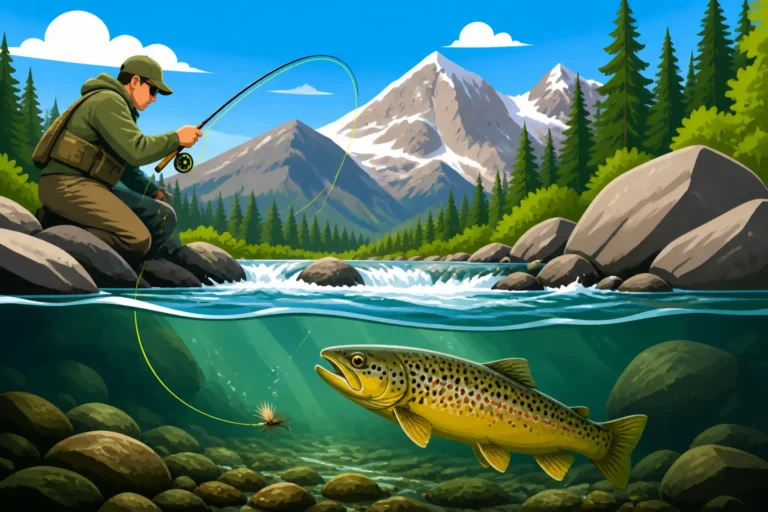
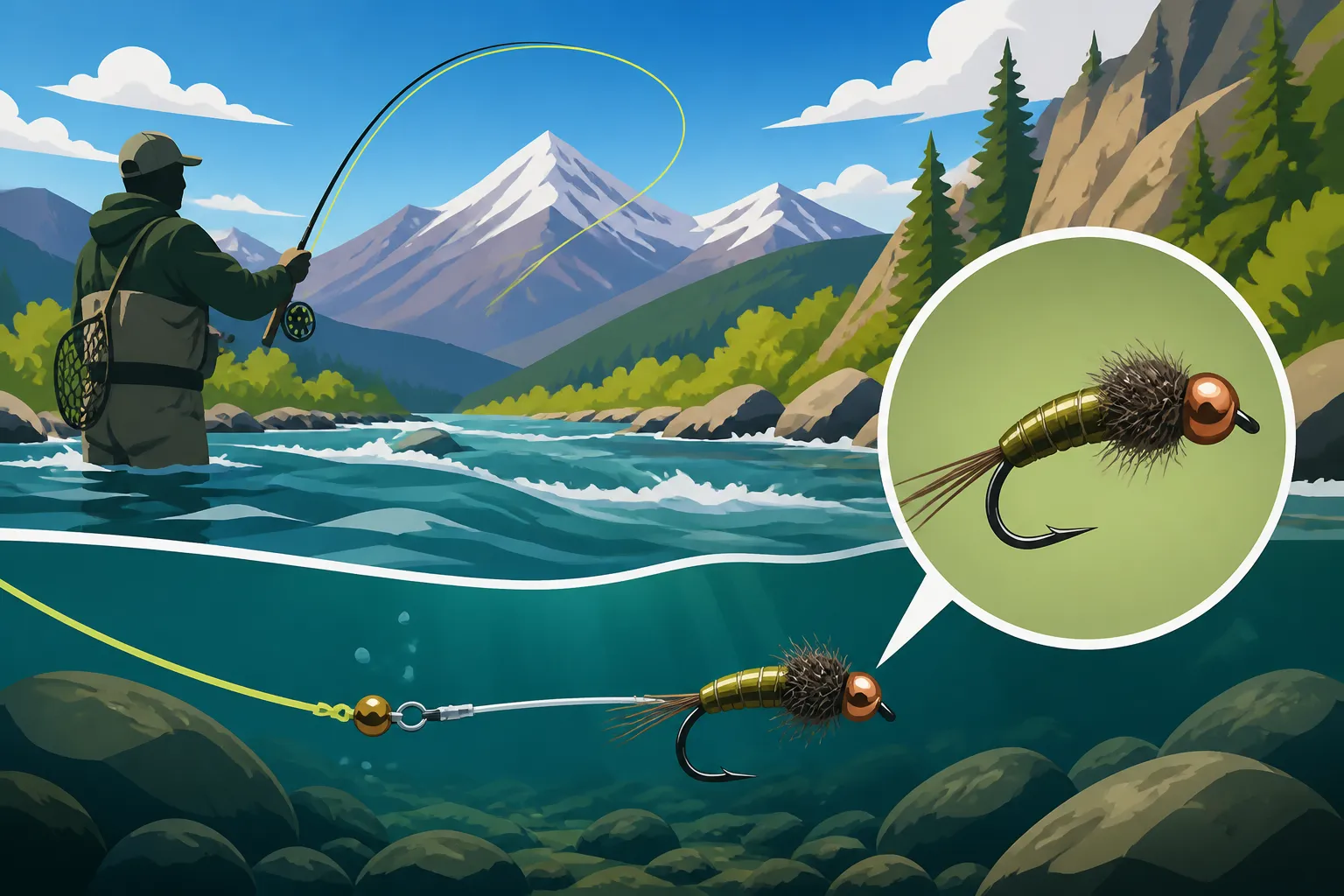
Trout in these environments are often less active than in warmer, shallower streams. They conserve energy, preferring to hold in deep pockets, current seams, and behind structure where they can ambush food with minimal effort. They're often glued to the bottom, sifting through the streambed for nymphs, larvae, and other invertebrates dislodged by the current. If your fly isn't presented directly at their eye level, or slightly above, in their immediate feeding lane, they're unlikely to move for it. It's a game of inches, and getting your fly deep means you're playing on their terms.
Imagine a large, wary brown trout tucked behind a submerged boulder in the Roaring Fork River. The current above is ripping, but down in its sanctuary, the water is slower, and food tumbles by. If your nymph rig is too light, it'll skate over the top of the current, completely missing the fish. Too heavy, and it snags constantly, disrupting the water and spooking every fish in the run. The key is balance – getting just enough weight to kiss the bottom without hanging up.
The Impact of Current and Clarity
Tailwaters often have a laminar flow, meaning the surface current can be significantly faster than the current near the bottom. This presents a major challenge: your indicator and fly line might be zipping downstream, while your flies need to be drifting slowly and naturally much deeper. This difference in current speed, known as "current differential," can cause your flies to "drag," pulling them unnaturally through the water column and signaling danger to discerning trout. Clear water only exacerbates this, as trout have an excellent view of any unnatural movement or shine from your gear. This is why a precise setup for nymphing techniques for Colorado tailwaters becomes so incredibly important.
The clarity also means your leader and tippet choices are paramount. Thick, visible lines will send fish scattering faster than a rogue otter. It's a constant battle between strength and stealth, requiring thoughtful material selection to fool these often heavily pressured fish.
Essential Components of a Deep Nymph Rig
Building an effective deep nymph rig is like assembling a precision instrument. Each component plays a vital role in achieving that perfect, deep drift. Skimping on one piece can compromise the entire setup, leading to endless frustration and fewer fish in the net.
Rod, Reel, and Fly Line Considerations
For deep nymphing, particularly with an indicator, a longer rod is often advantageous. A 9 to 10-foot rod in a 4, 5, or 6-weight offers better line control, easier mending, and increased reach for subtle strike detection. The extra length helps keep more line off the water, minimizing drag. For example, when fishing a broad run on the Arkansas River, a longer rod helps you reach across multiple current seams.
Your reel needs to balance the rod and hold enough backing and fly line. While it’s not as critical for fighting big fish as it is in saltwater, a smooth drag system is always a plus. As for fly line, a weight-forward floating line is standard. Some anglers prefer nymph-specific lines that have a thinner diameter or a specific taper designed to turn over heavier rigs more efficiently.
Leaders, Tippet, and Indicators for Depth
This is where the magic (or the misery) truly happens. A good leader for deep nymphing will be longer than your typical dry fly leader, often 9 to 12 feet, and sometimes even longer for specific techniques. The taper is crucial – it needs to transfer energy effectively to turn over weighted flies but still allow for a natural drift. Fluorocarbon leaders are a fantastic choice due to their nearly invisible nature in water and their higher sink rate compared to monofilament. You'll often find anglers building their own custom tapered leaders or buying specific nymphing leaders from brands like Rio or Scientific Anglers.
Tippet selection is equally critical. You'll be attaching your flies directly to this, and it needs to be fine enough to be inconspicuous, yet strong enough to handle hooksets and fighting fish. For many Colorado tailwaters, fluorocarbon tippet in sizes 4X to 6X is standard, especially when targeting selective trout with small flies. You'll want to use a slightly heavier tippet for your lead fly and then drop down a size or two for your trailing fly. Understanding how fine a tippet you need for selective tailwater trout can make all the difference.
Indicators, often called bobbers by spin fishermen, are your eyes on the subsurface world. For deep nymphing, you need something buoyant enough to suspend your weight and flies, but sensitive enough to show even the most subtle takes. Adjustable indicators like the Air-Lock Strike Indicator or Oros are popular because you can easily slide them up and down your leader to adjust fishing depth. Yarn indicators, often treated with floatant, offer incredible sensitivity for delicate takes, while foam or plastic indicators provide more buoyancy for heavier rigs or faster water.
Weighting Systems and Fly Selection
Getting your flies down to the fish requires weight. This can come in several forms:
- Weighted Flies: Many nymphs are tied with tungsten beads or lead wraps, providing inherent weight.
- Split Shot: Small, removable lead or non-toxic tungsten weights crimped onto your leader. Varying sizes allow for fine-tuning your rig. Knowing what split shot size works best in fast Colorado currents is key to success.
- Sinking Leaders/Poly Leaders: These are short sections of line that sink, designed to get your flies down faster without adding external weight. While more common for streamer fishing, specialized nymphing versions exist.
When it comes to fly selection, think about what trout are actually eating. Stonefly nymphs (Pat's Rubber Legs, 20 Incher Stone), caddis larvae (tungsten caddis), mayfly nymphs (Pheasant Tail, Hare's Ear, Barr's Emerger), and midge larvae/pupae (Zebra Midge, Top Secret Midge) are year-round staples in Colorado tailwaters. Carry a variety of sizes and colors to match the specific hatches or food sources.
Building the Perfect Deep Nymph Rig
Now that we've covered the components, let's get into the practical application of building various deep nymph rigs. The "perfect" rig isn't a one-size-fits-all solution; it adapts to the specific water you're fishing and the conditions of the day.
The Indicator Nymph Rig: The Versatile Workhorse
This is probably the most common deep nymphing setup. It’s effective, relatively easy to learn, and incredibly versatile.
- Attach your leader: Start with a 9-12 foot tapered leader, typically 3X or 4X at the butt end.
- Add your indicator: Place your chosen indicator about 1.5 to 2 times the depth of the water you're fishing from your first fly. If the water is 6 feet deep, set your indicator 9-12 feet up from the first fly. This ensures your flies have enough time to sink. Brands like Air-Lock or Thingamabobber are great for easy adjustment. You can find these on Amazon.
- Tie on your lead fly: This will be your heaviest fly, typically a larger stonefly imitation or a heavily weighted nymph (e.g., a size 10 Pat's Rubber Legs or a size 16 tungsten Pheasant Tail). Use an improved clinch knot or a Davy knot.
- Attach your dropper tippet: From the bend of the hook of your lead fly, tie an 18-36 inch piece of finer tippet (e.g., 5X or 6X fluorocarbon). This can be done with a double surgeon's knot if you prefer the dropper to come off the leader directly above the first fly, or simply tying off the hook bend of the lead fly (often called a "point-fly dropper").
- Tie on your trailing fly: This will be a smaller, lighter fly, often a midge or smaller mayfly imitation (e.g., a size 20 Zebra Midge or a size 18 Barr's Emerger).
- Add split shot (if needed): If your flies aren't getting deep enough, add small split shot crimped onto your leader above your first fly, typically 6-12 inches up. Start with one or two small pieces and add more as needed. You want just enough weight to tick the bottom occasionally without constant snagging.
A helpful internal resource to refine this setup is how to set up a nymph rig for a deep tailwater run.
The Euro Nymphing Rig: Max Sensitivity, Minimal Drag
Euro nymphing, also known as Czech nymphing or tight-line nymphing, is a highly effective technique for ultra-sensitive strike detection and precise depth control, especially in faster, shallower runs where drag is a major issue. It minimizes the use of a traditional indicator and often relies on specialized leaders and longer rods.
- Specialized Rod and Line: Euro nymphing typically uses longer, lighter rods (10-11 feet, 2-4 weight) and very thin, level fly lines or specialized Euro nymphing leaders.
- Sighter Leader: The leader is usually much longer, often 20-30 feet, with a highly visible "sighter" section of bi-color monofilament or fluorocarbon built into it. This sighter acts as your strike indicator.
- Weighted Flies: All flies are heavily weighted, typically tungsten bead-head nymphs. No external split shot is used to maintain a natural, snag-free drift.
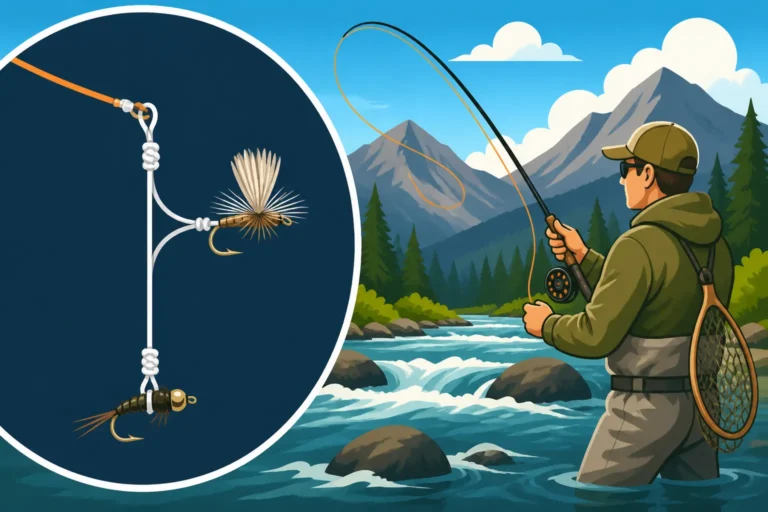
- Multi-Fly Setup: Anglers often use 2-3 flies, spaced 18-30 inches apart. The heaviest fly is usually on the bottom (the "point fly"), followed by lighter "dropper" flies above it.
- Casting and Presentation: Instead of traditional overhead casts, Euro nymphers lob their flies upstream and lead them down, keeping their rod tip high and maintaining a tight line to the sighter. The goal is to match the speed of the bottom current with the speed of your leader, eliminating drag. This technique is all about feel and watching that sighter for the slightest twitch.
While it has a steeper learning curve, the rewards on pressured Colorado tailwaters can be immense. For more advanced techniques, you might want to delve into Euro nymphing basics for Colorado rivers.
How to Tie Multi-Fly Rigs Safely and Effectively
When attaching multiple flies, always use strong, reliable knots. The blood knot or triple surgeon's knot are excellent choices for connecting leader sections and tippet. When tying a dropper off the bend of a hook, ensure the knot is secure and doesn't impede the hook's gape. For example, a small improved clinch knot for the dropper tied into the bend of a size 16 Pheasant Tail will hold up beautifully.
Keep your dropper length appropriate for the water depth and clarity. Shorter droppers (12-18 inches) are great for shallower water or when fish are concentrated in a tight zone. Longer droppers (24-36 inches) allow flies to spread out more naturally in deeper, more spread-out runs.
| Rig Type | Key Feature | Ideal Conditions | Advantages | Disadvantages |
|---|---|---|---|---|
| Indicator Nymph | Visible float indicator | Most conditions, learning friendly | Easy to see strikes, good for beginners | Can create drag, less sensitive |
| Euro Nymphing | Sighter leader, no float | Faster, shallower runs, selective trout | Ultra-sensitive, minimal drag, precise | Steep learning curve, specialized gear |
| Dry-Dropper | Dry fly acts as indicator | Mixed feeding, shallower water | Catches fish on surface and subsurface | Limited depth, prone to tangles |
Reading Water and Presenting Your Deep Nymph Rig
Even with the perfect rig, if you can't read the water or present your flies correctly, you're still not going to be consistently successful. Understanding where trout hold and how to get your flies into their feeding lane is paramount. This skill is critical for any angler in Colorado, whether you're fly fishing or spin fishing.
Identifying Holding Water in Tailwaters
Trout in tailwaters, especially large, wary ones, will seek out areas that offer three things: cover, reduced current, and a consistent food supply.
- Current Seams: These are the lines where fast water meets slow water. Trout often sit just inside the slower current, waiting for food to be swept by from the faster flow. Think about the edge of a riffle flowing into a slower pool.
- Depth Changes: Drop-offs, shelves, and the transition from shallow to deep water are prime locations. Trout can quickly move up to feed or retreat to deeper safety.
- Structure: Submerged rocks, logs, undercut banks, and even changes in the riverbed contour provide cover and break the current. Big trout love to hide in these spots.
- Pools and Eddies: While fast riffles are great, deeper, slower pools and the quiet water behind obstacles can be excellent holding water, especially in colder temperatures or during midday lulls.
On rivers like the South Platte near Deckers, observing the subtle changes in surface texture can reveal deeper slots or current breaks where trout are likely to be. Learning to read water on a Colorado freestone river, a skill that applies well to tailwaters, will drastically improve your success.
Casting, Mending, and Drift Control
For indicator nymphing, your cast doesn't need to be delicate, but it needs to be accurate. You're usually trying to land your flies upstream of your target area, allowing them time to sink. The trick is to avoid a huge splash that spooks fish.
- Upstream Cast: Cast your rig 10-20 feet upstream of where you expect the fish to be. This gives your flies adequate time to sink to the desired depth.
- Immediate Mend: As soon as your line hits the water, perform an upstream mend. This involves flipping a loop of line upstream to delay the pull of the surface current on your indicator. The goal is to make your indicator and flies drift at the same speed as the bottom current. You might need to mend multiple times during a single drift.
- Follow the Drift: Keep your rod tip high and follow your indicator downstream with the rod. This helps keep slack out of your line, allowing for better strike detection.
- Detecting the Take: Any hesitation, twitch, stop, or sudden movement of your indicator—even if it just slows down—is a potential strike. Set the hook! It's better to set on a moss snag than miss a fish.
For Euro nymphing, the casting motion is more of a lob or short roll cast. The rod tip stays high, and the goal is to keep the sighter section of your leader just off the water's surface, tracking the flies with your rod tip. This "tight-line" approach provides immediate feedback on what your flies are doing and when a fish takes.
Strike Detection and Hook Setting
This is often the hardest part for beginners. Trout can take a nymph incredibly subtly, especially in cold water. Don't wait for your indicator to be yanked under aggressively. Many times, it will just pause, dip slightly, or move sideways unnaturally.
- Be Vigilant: Keep your eyes glued to your indicator. Wear polarized sunglasses; they cut glare and make seeing subtle movements much easier.
- The "Feel" Method: With Euro nymphing or even indicator nymphing, sometimes you'll feel a slight tick or bump through your rod before you see the indicator move. Pay attention to those subtle sensations.
- Set the Hook Often: If in doubt, set the hook! A quick, upward sweep of the rod tip is usually sufficient. You'll either hook a fish, pull your flies out of the water, or confirm it was just a snag. It's a much better outcome than missing a fish.
Remember, practice makes perfect. The more you watch your indicator and feel your line, the better you'll become at discerning a strike from a snag or a change in current.
Troubleshooting Common Deep Nymphing Challenges
Deep nymphing, especially in the variable conditions of Colorado's tailwaters, comes with its own set of frustrations. Knowing how to quickly diagnose and fix these issues can save your day on the water.
Constant Snags: When Your Flies are Too Deep
Ah, the dreaded snag. We've all been there, pulling on a stubbornly stuck fly, snapping our tippet, and wasting precious fishing time re-rigging. If you're constantly snagging on the bottom, it means your flies are too deep or you have too much weight.
- Reduce Weight: Start by removing one piece of split shot. If you're using heavily weighted flies, consider switching your lead fly to a slightly lighter version or your trailing fly to an unweighted pattern.
- Adjust Indicator Depth: Move your indicator closer to your flies. This will effectively lift your flies slightly higher in the water column during the drift. Remember the 1.5-2x depth rule; if you're snagging, you might need to drop to 1.2x or even 1x the depth.
- Mend More Aggressively: Sometimes, it's not the weight but the drag. An aggressive upstream mend can lift your flies temporarily over obstructions.
- Change Drift Angle: Adjust your casting angle. Sometimes, casting more downstream or across the current can help your flies ride over structure rather than getting hung up. For example, if you're fishing a rocky section of the Blue River, adjusting your cast can make a huge difference.
Not Getting Deep Enough: When Your Flies are Too Shallow
Conversely, if you're not getting any bites and you suspect fish are holding deep, your flies might not be reaching the strike zone.
- Add Weight: This is the most straightforward solution. Add more split shot, one small piece at a time, until you feel your flies occasionally ticking the bottom. You can find convenient split shot dispensers on Amazon.
- Increase Indicator Depth: Move your indicator further up your leader. This allows your flies more time to sink and reach deeper water.
- Use Heavier Flies: Switch to nymphs with larger tungsten beads or lead wraps.
- Lengthen Leader/Tippet: A longer leader or tippet section (within reason) gives flies more time to sink naturally.
- Consider a Sinking Poly Leader: If you're in truly deep, fast water, a sinking poly leader can help cut through the current and get your flies down faster.
Missed Strikes and The "Nudge"
Sometimes, your indicator will twitch, you'll set the hook, and come up empty. This is often due to light-biting fish or not setting the hook quickly enough.
- Sharpen Hooks: Always check your hook points. Dull hooks will result in missed fish. A quick pass with a hook sharpener can make a huge difference.
- Finer Tippet: If fish are being incredibly finicky, dropping down a tippet size (e.g., from 5X to 6X) can sometimes convince them to commit more fully to the take. Just be prepared to play the fish more carefully!
- Faster Hook Set: Practice setting the hook instantly at the first sign of movement. It's a reflex that improves with experience.
- Check Your Rig: Ensure your flies aren't tangled, and your indicator isn't creating too much resistance, making it harder for fish to pull it under. A kinked leader can also cause issues.
By systematically addressing these issues, you'll spend more time fishing effectively and less time re-rigging or wondering what you're doing wrong.
Maintaining Your Gear and Ethical Practices
Taking care of your fishing gear not only prolongs its life but also ensures it performs optimally when you need it most. Beyond the gear, practicing ethical angling is paramount, especially on heavily fished waters.
Gear Maintenance Tips for Longevity
Your fly fishing equipment is an investment, and a little care goes a long way.
- Rods: After each outing, especially if fishing in salty conditions (unlikely in Colorado, but still good practice), wipe down your rod with a damp cloth. Check the guides for any cracks or sharp edges that could fray your line or tippet. Store your rod in its case to protect it from dings and scratches.
- Reels: Rinse your reel with fresh water after each use, particularly if it's been submerged or splashed with muddy water. Pay attention to the drag system and ensure it's clean and smooth. Periodically, you might want to lightly oil or grease the moving parts according to the manufacturer's instructions.
- Fly Lines: Clean your fly line regularly. Dirt and grime can accumulate, making your line sink or lose its casting efficiency. There are specific fly line cleaners and dressings available. Apply a line dressing to keep your floating line floating high and minimize friction through your guides.
- Leaders and Tippet: Store your tippet spools out of direct sunlight and away from heat, as UV rays can degrade the material. Always check your leader for nicks or abrasions before knotting on new tippet or flies.
- Flies: Dry your flies thoroughly before putting them back in your fly box to prevent rust on hooks. Inspect hooks for dullness or bends; replace or sharpen as needed.
- Waders and Boots: Hang your waders upside down to dry completely after each use to prevent mildew. Check for leaks regularly. Keep your wading boots clean of mud and debris. For extended storage, ensure everything is dry and stored in a cool, dark place.
Many useful accessories for gear maintenance, from fly line cleaners to hook sharpeners, can be conveniently purchased through Amazon.
Responsible Angling and Conservation
As anglers, we have a responsibility to protect the resources we enjoy. Colorado Parks and Wildlife (CPW) works tirelessly to manage and conserve our fish populations and habitats.
- Know the Regulations: Before you even wet a line, always check the current Colorado Fishing Regulations Every Angler Should Know. Regulations can change frequently and vary dramatically from one body of water to another. A stretch of river might be catch-and-release only, while another allows harvesting. Always carry a copy of the regulations, either physically or digitally. You can also refer to resources like how to read Colorado's fishing regulations brochure.
- Catch and Release Best Practices: If you're practicing catch and release, handle fish with extreme care.
- Minimize Fight Time: Land the fish as quickly as possible to reduce stress.
- Keep Fish in Water: Avoid taking fish out of the water, especially larger ones. If you must, do it quickly for a photo, then immediately return them.
- Wet Hands: Always wet your hands before touching a fish to protect its protective slime coat.
- Barbless Hooks: Crimp down the barbs on your hooks. This makes hook removal much easier and less damaging to the fish. Many Colorado Gold Medal waters, like the Fryingpan River, have barbless hook rules on Colorado rivers, which are important to follow.
- Proper Hook Removal: Use hemostats or pliers to gently back out the hook. If a fish is deeply hooked, cut the line as close to the hook as possible; the hook will often rust out.
- Revive Gently: Hold the fish gently in the current, facing upstream, until it can swim away under its own power. Don't "pump" it back and forth; this can force water the wrong way over its gills.
- Leave No Trace: Pack out everything you pack in, including all trash, broken leader, and cigarette butts. Respect private property, stay on designated access points, and be courteous to other anglers.
- Report Poaching: If you witness any illegal fishing activity, report it to CPW immediately. Protecting our fisheries is everyone's responsibility.
By adhering to these principles, we can ensure that Colorado's incredible fishing opportunities remain vibrant for generations to come.
Conclusion: Mastering the Depths for Better Colorado Fishing
Mastering deep nymphing on Colorado's challenging tailwaters is an incredibly rewarding pursuit. It requires attention to detail in your rigging, a keen eye for reading water, and a commitment to ethical angling. It’s not always easy, and there will be days when the fish seem to have lockjaw, or your flies just won't cooperate. But with the right setup – whether it's a meticulously weighted indicator rig or a stealthy Euro nymphing setup – you’ll be much better equipped to get your flies down to where the fish are holding.
Remember to experiment with different weights, indicator depths, and fly patterns. Pay close attention to the subtle cues the river gives you, and don't be afraid to adjust your approach. The next time you're standing on the banks of a clear, cold Colorado river, armed with a perfectly tuned deep nymph rig, you'll be well on your way to unlocking the secrets of those elusive, deep-holding trout.
Disclaimer
The information provided in this guide is for general informational purposes only and does not constitute professional advice. Always consult the official Colorado Parks and Wildlife regulations for the most current and accurate fishing rules and guidelines before engaging in any fishing activities. Fishing conditions can be unpredictable, and safety should always be your top priority.