Bait Fishing Techniques for Colorado Lakes
Let's be honest, trying to figure out the best way to fish Colorado's vast and varied lakes with bait can feel like a guessing game sometimes. You buy all the right lures for rivers, but when you hit a calm lake, your usual tricks just don't seem to work, and you end up staring at still water, wondering what everyone else knows that you don't. This guide is here to unravel the mysteries of bait fishing in Colorado's lakes, giving you the practical, real-world techniques and knowledge you need to start reeling in those trout, salmon, walleye, and more, no matter the season.
Navigating the Unique Challenges of Colorado Lake Fishing
Colorado's lakes aren't just big puddles; they are complex, high-altitude ecosystems that demand a different approach than river fishing. The conditions can change rapidly, and what works in a lowland reservoir might be entirely ineffective in a high-mountain lake. Understanding these nuances is the first step to becoming a successful lake angler.
The Altitude and Weather Impact
One of the biggest factors that sets Colorado lakes apart is their altitude. Many of our most beloved fishing spots, like Lake Granby or Grand Lake, sit at elevations well over 8,000 feet, and countless others are even higher. This means a few things for your fishing experience. First, the air is thinner, which can affect your stamina and casting distance if you're not used to it. More importantly, the weather can be incredibly unpredictable. A sunny morning can quickly turn into an afternoon thunderstorm, complete with hail and high winds. This rapid change in barometric pressure can certainly influence fish behavior, sometimes making them more active just before a storm, and then shutting them down completely during and immediately after.
Additionally, the thin air means UV radiation is much stronger, so sun protection isn't just a suggestion; it's a necessity. Water temperatures also fluctuate more dramatically with direct sun exposure at altitude, and evenings can get surprisingly cold, even in summer. These drastic shifts mean fish might hold at different depths or become more active during specific windows of the day. For instance, fish might feed shallower in the mornings and evenings when the sun is less intense, and then retreat to deeper, cooler waters during the harsh midday sun. Being prepared for everything from sunshine to sudden squalls is crucial, not just for your comfort but for adapting your fishing strategy on the fly.
Understanding Lake Ecosystems and Depths
Unlike the flowing water of rivers, lakes are stillwater environments, which creates entirely different habitats for fish. Colorado's lakes vary wildly in size, depth, and structure. You have vast, deep reservoirs like Blue Mesa Reservoir, which can hold massive lake trout and kokanee salmon, and then you have smaller, shallower ponds near urban centers that are regularly stocked with rainbow trout. Each type of lake has its own characteristics that dictate where fish will be found and what they'll be eating.
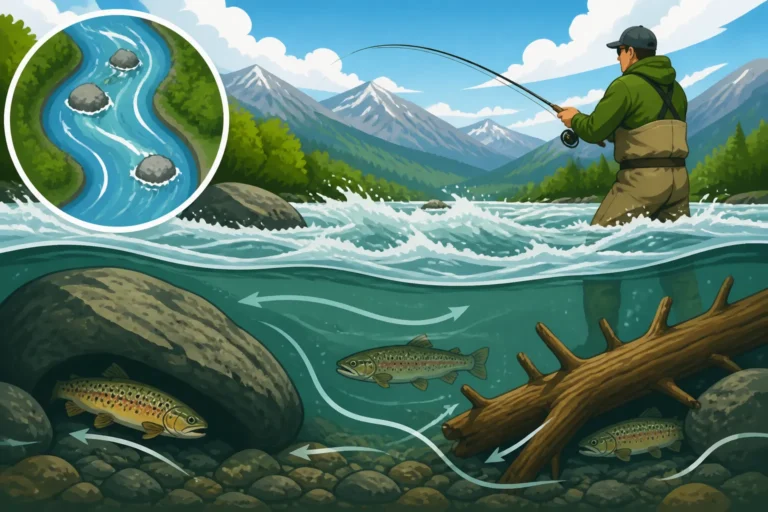
Fish in lakes are often attracted to structure—submerged rocks, fallen trees, weed beds, points, and sudden drop-offs. These features provide cover, ambush points, and foraging areas. Depths also play a massive role, especially for cold-water species like trout and salmon, which seek out cooler water during warmer months. Understanding the bottom contours, the presence of inlets or outlets (which can create subtle currents), and even the type of substrate (rocky, silty, or weedy) can give you huge clues as to where the fish are holding. Resources like Colorado's Fishing Atlas can be incredibly helpful for scouting these details before you even leave home. Taking the time to study maps and understand the specific lake you're targeting can dramatically increase your chances of success.
Selecting the Perfect Bait for Colorado's Lake Dwellers
When it comes to bait fishing in Colorado lakes, the right offering can make all the difference. What works for a hungry rainbow trout might not tempt a wary walleye, and knowing your target species is paramount. Let's dive into the most effective bait options you have at your disposal.
Live Bait: Worms, Minnows, and Their Nuances
Live bait often reigns supreme for many anglers because it offers natural movement and scent that can be irresistible to fish.
-
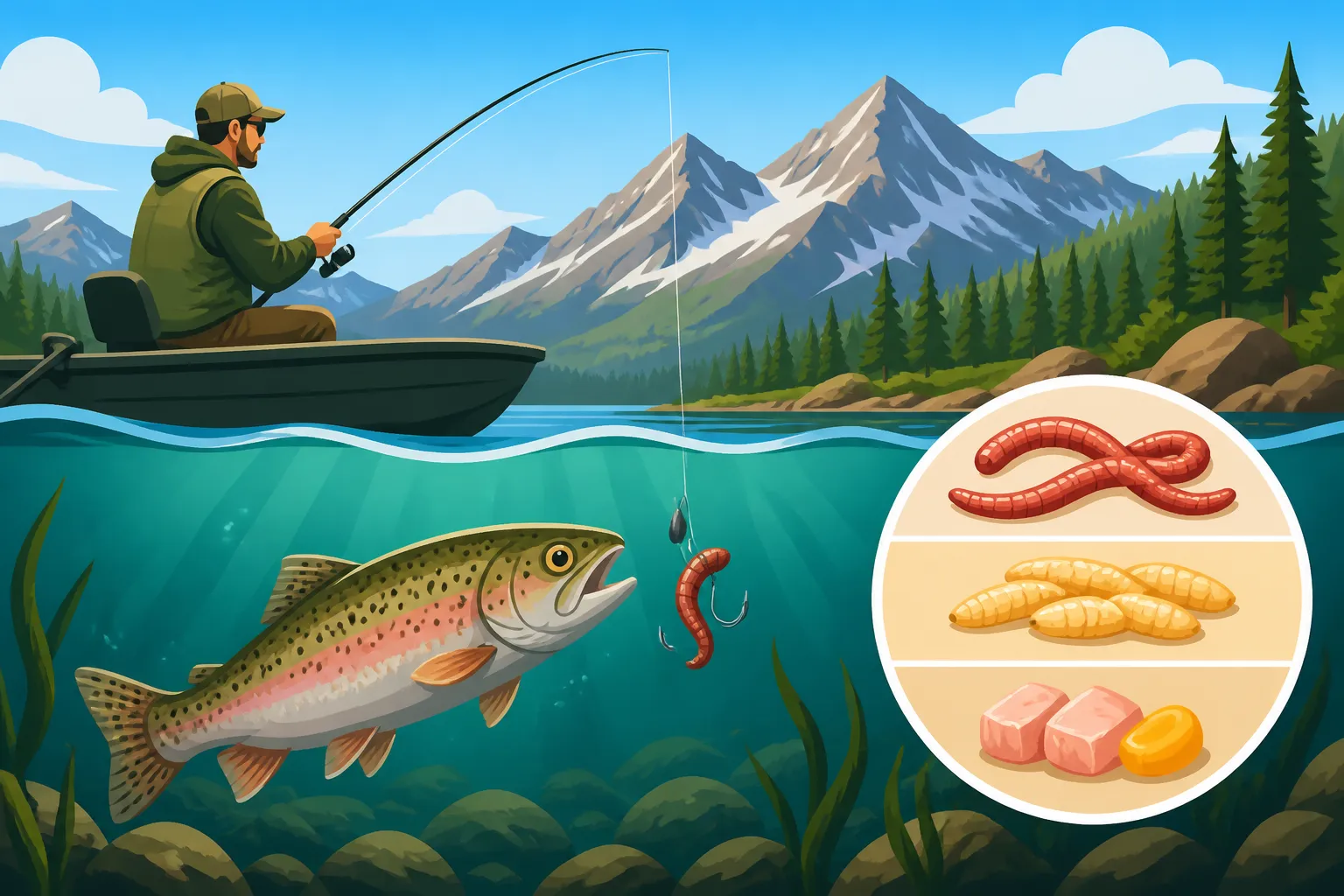
Worms (Nightcrawlers, Red Wigglers): These are the universal bait, and for good reason. Almost every fish species in Colorado lakes will take a worm. Rainbow trout, brown trout, brook trout, perch, bluegill, catfish – you name it, they'll often bite. Nightcrawlers are great for larger fish and can be fished whole or cut into pieces. Red wigglers are smaller and more active, perfect for panfish or when trout are being finicky. The key is to present them naturally. You can thread a worm onto a hook, leaving a lively tail to wiggle, or simply hook it through the middle for maximum action. For many trout species, especially freshly stocked ones, a wiggling worm drifting just off the bottom is a guaranteed meal. You can often find a good selection of live worms at local bait shops or even larger retailers like Walmart, though a quick search on Amazon can sometimes get you a bulk supply delivered to your door if you're planning an extended trip.
-
Minnows and Shiners: For predatory species like lake trout, northern pike, walleye, and even larger brown trout, live minnows are often the most effective bait. Their natural swimming action and distress signals can trigger aggressive strikes. Common options include fathead minnows, shiners, and sometimes suckers. However, it's critical to know the regulations for the specific lake you're fishing. Colorado has strict rules about where live minnows can be used, often to prevent the introduction of invasive species. Always check the current Colorado Fishing Regulations Every Angler Should Know brochure before using live minnows. When permitted, you can rig them through the lips for trolling or drifting, or through the dorsal fin if you're fishing them under a bobber in a static location. Keeping minnows alive and healthy requires a good aerated bait bucket, which you can easily find on Amazon.
Prepared Baits: Dough, PowerBait, and Their Effectiveness
While live bait offers natural appeal, prepared baits provide convenience, scent-packed formulations, and often bright colors that fish can't resist, particularly for stocked trout.
-
PowerBait (Berkley PowerBait): This is a staple for rainbow trout in Colorado's lakes, especially those that are regularly stocked. PowerBait comes in various forms – dough, nuggets, and even molded shapes – and a rainbow of colors. The key to PowerBait's success is its potent scent, which mimics fish food pellets, and its buoyant nature. You want to mold a small ball of PowerBait around your hook, completely covering it, ensuring it floats just off the bottom. This allows the scent to disperse effectively and keeps the bait visible. Popular colors include chartreuse, rainbow, and original (garlic). Many anglers have their favorite secret formula, but experimenting with different colors and scents can be half the fun.
-
Dough Baits and Marshmallows: Beyond PowerBait, other dough baits, often homemade or brand-specific, can be effective. Some anglers swear by corn for panfish and even trout, while others use a mix of cheese and garlic. Plain mini-marshmallows, especially scented ones, can also be surprisingly effective for stocked trout, offering a buoyant presentation and a sweet aroma. These are often fished similarly to PowerBait, molded around a small treble or single hook to float just above the lakebed.
Scented Baits and Artificial Enhancements
Sometimes, a little extra scent or an artificial boost is all it takes to get a reluctant fish to bite.
-
Scent Sprays and Dips: These can be game-changers, especially when fishing artificial lures or even when you want to boost the appeal of a natural bait. Brands like Pro-Cure and Berkley offer a wide range of scents, from garlic and anise to crawfish and shad. A quick spray on a PowerBait egg, a worm, or even a small spoon can make a big difference in enticing a strike. The idea is to leave a scent trail that fish can follow, especially in murkier water or when they're not actively feeding by sight.
-
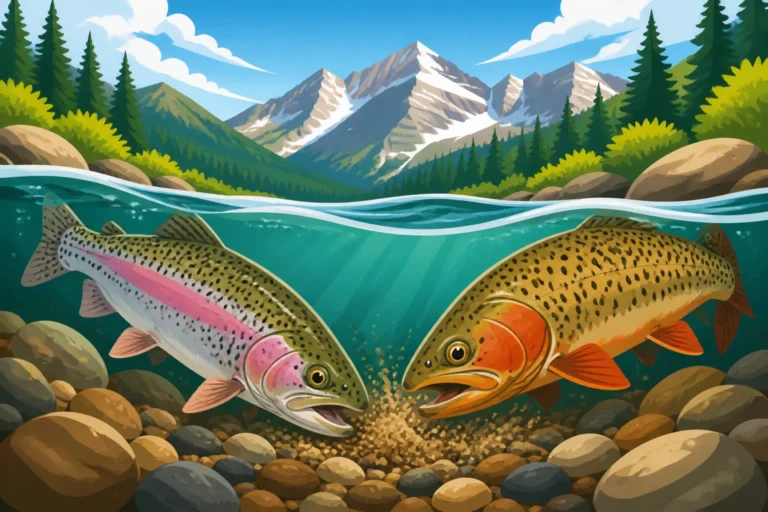
Fish Eggs (Salmon Eggs, Trout Eggs): While often considered a live bait, commercially prepared, jarred fish eggs fall into this category. Single salmon eggs or clusters of trout eggs can be incredibly effective for trout. They mimic a natural food source, especially during spawning seasons or in areas where fish naturally prey on eggs. You can fish them individually on small hooks, or in clusters, often drifted under a small float or fished on the bottom with minimal weight. When trying to match the hatch, so to speak, of what trout might be feeding on, small, bright red or orange fish eggs are often a go-to choice.
Essential Gear for Successful Lake Bait Fishing
Having the right equipment is just as important as choosing the right bait. You don't need to break the bank, but having gear that's suited for the conditions and the fish you're targeting will make your day much more enjoyable and productive.
Rods, Reels, and Line Choices
The foundation of your fishing setup:
-
Rods: For general lake bait fishing, a medium-light to medium action spinning rod, between 6 to 7 feet in length, is a versatile choice. This provides enough backbone to cast a weighted bait a good distance, yet enough sensitivity to feel subtle bites from trout. If you're targeting larger fish like lake trout or pike, or fishing larger bodies of water where longer casts are needed, you might step up to a medium-heavy action rod, perhaps 7 to 8 feet long. A good quality rod ensures you have the power to fight larger fish and the finesse to detect soft takes. For specific setups, like those for targeting big lake trout, you might even consider a baitcasting setup, though spinning gear is generally more user-friendly for most lake applications.
-
Reels: Pair your rod with a spinning reel in the 2000-3000 size range. This size offers a good balance of line capacity and smooth drag performance, which is crucial when battling strong fish. Look for a reel with a smooth retrieve and a reliable drag system. Brands like Shimano, Daiwa, and Pflueger offer excellent options at various price points. A smooth drag is essential to prevent line breaks when a fish makes a powerful run, especially with lighter lines.
-
Line: For general lake fishing, 6-8 pound test monofilament or fluorocarbon line is usually ideal. Monofilament is more forgiving, with good stretch, and is easier to cast, making it a great choice for beginners. Fluorocarbon is nearly invisible underwater, more abrasion-resistant, and has less stretch, offering better sensitivity – a big advantage when fish are biting lightly. Many anglers opt to spool their reels with monofilament and use a fluorocarbon leader (2-4 feet) tied to their main line with a blood knot or an Alberto knot. This gives you the best of both worlds. For heavier species like northern pike, you might consider stepping up to 10-15 pound braided line with a fluorocarbon leader for maximum strength and sensitivity. Remember, you can often find great deals on quality fishing line on Amazon.
Terminal Tackle: Hooks, Sinkers, and Floats
These small components are critical for presenting your bait effectively.
-
Hooks: The size and type of hook will depend on your bait and target species. For PowerBait and worms for trout, small treble hooks (size 12-16) or small single bait hooks (size 6-10) are excellent. Treble hooks hold PowerBait well, while single hooks are better for live worms. For minnows, consider Kahle hooks or Aberdeen hooks in sizes 2-1/0, which are designed to keep the minnow lively. Always choose sharp, strong hooks. When in doubt, err on the side of smaller hooks for finicky trout.
-
Sinkers (Weights): These are used to get your bait down to the desired depth.
- Split Shot: Small, versatile weights that can be pinched onto your line. Great for adding just a little weight to drift a worm or hold a PowerBait presentation near the bottom without anchoring it completely.
- Egg Sinkers: Bullet-shaped weights that slide freely on your main line. They're ideal for bottom fishing rigs because fish can pick up the bait without feeling the weight of the sinker. A small bead is usually placed between the sinker and the swivel to protect the knot.
- Bell Sinkers/Pyramid Sinkers: Heavier, often pyramid-shaped weights used to anchor bait firmly on the bottom, especially in windy conditions or when fishing strong currents near an inlet.
- When choosing a sinker, consider the depth you're fishing, any current, and the size of your bait. The goal is to use just enough weight to get your bait where you want it.
-
Floats (Bobbers): Floats are used to suspend your bait at a specific depth and to indicate bites.
- Slip Floats: These are highly versatile for stillwater fishing. They slide up and down your line, allowing you to fish at virtually any depth by setting a small stop knot above the float. This is perfect for targeting trout that might be suspended 10, 20, or even 30 feet down in deeper lakes.
- Fixed Floats (Clip-on Bobbers): Simpler to use for shallower depths (under 6-8 feet), these clip directly onto your line at a fixed position. They're great for beginners or when targeting fish in shallower ponds or near shore.
- Always choose a float that is sensitive enough to show a bite but large enough to support your bait and any added split shot.
Essential Accessories for a Day on the Lake
Beyond the core fishing gear, a few accessories can make your lake fishing trip much more comfortable and successful.
- Tackle Box/Bag: A well-organized tackle box or bag is crucial for keeping all your hooks, sinkers, swivels, and other small items neat and accessible. Consider one with adjustable compartments.
- Net: A landing net, particularly one with a rubberized mesh, is essential for safely landing fish, especially if you plan on practicing catch-and-release, which is often required in special regulation waters like some Gold Medal Waters. A rubberized net is also gentler on a fish's slime coat.
- Pliers/Forceps: For safely removing hooks, especially from toothy species like pike or when hooks are deeply set. A pair of long-nosed pliers is a must-have.
- Cooler: Essential for keeping your catch fresh if you plan to keep fish, and equally important for keeping your drinks and snacks cool throughout the day, especially in Colorado's intense summer sun.
- Sun Protection: High-altitude sun is no joke. Bring a wide-brimmed hat, polarized sunglasses, and plenty of high-SPF sunscreen. Long-sleeved shirts and pants, even lightweight ones, can also offer vital protection.
- First-Aid Kit: Always a good idea, especially if you're venturing to more remote lakes. Minor cuts, scrapes, or hook pokes are common.
- Chair/Bucket: For bank anglers, a comfortable folding chair or a 5-gallon bucket (which can double as storage) can make a long day much more enjoyable.
- Fillet Knife: If you plan on keeping your catch, a sharp fillet knife and a cleaning board will make processing your fish much easier at the end of the day.
Mastering Bait Fishing Techniques for Stillwater Success
Fishing stillwater like Colorado's lakes requires specific techniques to get your bait to the fish and entice a bite. It’s not just about casting and waiting; it's about strategic presentation.
Bottom Fishing Rigs: The Sinker's Role
Bottom fishing is arguably the most common and effective bait fishing technique for lakes, especially for species that feed on the lakebed like trout, catfish, and walleye. The goal is to present your bait right where the fish are looking for food.
-
Carolina Rig (Slip Sinker Rig): This is a favorite for many Colorado anglers, particularly when using PowerBait or worms for trout. It involves threading an egg sinker onto your main line, followed by a small bead (to protect your knot), and then tying on a swivel. To the other side of the swivel, you attach a leader of fluorocarbon line (typically 18-36 inches long), and finally your hook. The beauty of the Carolina rig is that the sinker slides freely on the main line. When a fish picks up the bait, it doesn't feel the weight of the sinker, making it less likely to drop the bait before you can set the hook. This rig is incredibly versatile and allows your bait to float or drift naturally near the bottom. It's particularly effective when targeting fish that might be scattered or when you want your bait to hover tantalizingly just above the sediment.
-
Ledger Rig (Fixed Sinker Rig): While less sensitive than a Carolina rig, a ledger rig can be effective in specific situations, especially with heavier baits or in areas with strong currents (like near an inlet). Here, the sinker is fixed to the end of your line, and one or more snelled hooks are tied to shorter leaders above the sinker. This rig anchors your bait firmly in place. It’s often used for larger baits targeting bigger species or when you want to keep your bait from drifting. However, fish will feel the weight of the sinker when they bite, so a quicker hookset might be necessary.
When bottom fishing, cast your rig out and let it sink to the bottom. Keep a slight tension on your line to feel for bites. Sometimes, fish will nibble gently, while other times, you'll see a strong pull on your rod tip. Patience is key, but don't be afraid to occasionally move your bait a few feet to attract attention or cover more ground.
Suspended Bait Rigs: Floats and Indicators
Not all fish feed exclusively on the bottom. Many species, especially trout, can be suspended at various depths, feeding on insects, minnows, or other prey in the water column. This is where floats and indicators shine.
-
Slip Float Rig: As mentioned earlier, the slip float rig is incredibly effective for targeting suspended fish. You thread your main line through the float, tie on a small stop knot above it (usually made from Dacron or string), and then attach a weight (like a split shot or a small egg sinker) a foot or two above your hook. The stop knot allows you to precisely set the depth at which your bait will suspend. If you know fish are holding 15 feet down, you set your stop knot 15 feet from your hook. When you cast, the weight pulls the line through the float until the stop knot hits the top of the float, suspending your bait at the desired depth. This technique is fantastic for presenting live minnows, worms, or PowerBait at specific depths in open water.
-
Fixed Float Rig (Bobber Fishing): For shallower water, a traditional fixed bobber works perfectly. Simply clip it onto your line a set distance above your hook, adding a small amount of split shot to keep it upright. This is excellent for targeting fish near shore, around submerged vegetation, or in shallower urban ponds. It's also a great way to introduce kids to fishing, as it provides a clear visual indicator of a bite. You might use a simple red and white bobber from a brand like Thill or Eagle Claw.
When fishing with floats, watch them closely. A bite might be a subtle dip, a sideways movement, or a full submersion. Don't be too quick to set the hook; let the fish commit to the bait. The beauty of these rigs is that they allow your bait to drift naturally with any subtle currents, presenting a lifelike offering.
Light Trolling and Drifting Techniques
While bait fishing often implies static presentation, there are active bait fishing techniques that can cover more water and locate scattered fish.
-
Drifting with Wind or Current: On larger lakes, especially when there's a gentle breeze, you can use the wind to slowly drift your boat or float tube across productive areas. You can deploy bottom rigs, slip float rigs, or even just a lightly weighted worm. The slow, natural movement of your bait can be incredibly effective, mimicking a free-floating food source. Drifting allows you to cover large areas of a lake without spooking fish with a noisy motor. This is a common technique for finding schools of kokanee salmon or dispersed trout.
-
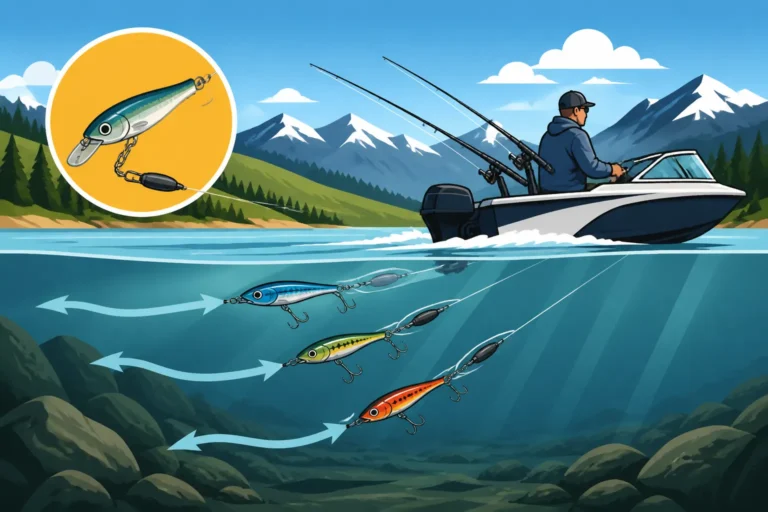
Slow Trolling with Bait: For targeting species like lake trout, kokanee salmon, or walleye that often roam deeper waters, slow trolling with bait can be highly effective. This involves moving your boat slowly (often 1-2 mph) while dragging a bait rig behind it. You might use a dodger or flasher ahead of a baited hook (often with a minnow or a scented plastic grub) to attract attention. Downriggers are frequently used for precise depth control, allowing you to present your bait exactly where the fish are holding, especially in deep waters like those found in Blue Mesa Reservoir. If you don't have downriggers, simply using heavier weights or planer boards can help you achieve some depth and spread out your lines. The subtle movement of the bait as it's trolled can trigger strikes from active fish. This is a more advanced technique but can be incredibly rewarding for larger, deeper-dwelling species.
Reading the Water and Finding Fish in Colorado Lakes
Even with the best bait and gear, you won't catch fish if you're not putting your bait where the fish are. Learning to "read the water" is a crucial skill for any successful lake angler.
Identifying Structure and Cover
Just like in rivers, fish in lakes relate to structure and cover. These features provide safety from predators, ambush points for prey, and often concentrate food sources.
- Points and Submerged Islands: Any point of land extending into the lake, or a submerged island, creates a natural current break and often attracts baitfish, which in turn attracts game fish. Fish will frequently hold on the edges or along the slopes of these features. Try casting your bait on top of the point and slowly retrieving it down the slope, or anchor your boat and cast to both sides.
- Drop-offs and Ledges: Sudden changes in depth are prime locations for fish. Ledges and drop-offs provide easy access to different depths and temperatures, allowing fish to move up and down to feed or find comfort. Use a fish finder or slowly drift with a weight to map out these contours. Trolling parallel to a drop-off with a properly weighted bait is often a deadly strategy for lake trout and walleye.
- Weed Beds: Healthy weed beds provide oxygen, cover, and a rich insect and baitfish habitat. Target the edges of weed beds, openings within them, or just above their tops. Fish will often lurk in the shadows, waiting to ambush unsuspecting prey. For example, some of Colorado's urban fishing ponds have excellent weed growth that holds bass and panfish.
- Fallen Trees and Rocks: Any submerged timber or rock piles offer excellent cover and ambush points. These areas can be tricky to fish due to snags, but they are often worth the effort. Position your bait close to the structure but try to avoid getting hung up.
Understanding Thermoclines and Fish Depths
In deeper lakes, especially during summer, a phenomenon called the "thermocline" occurs. This is a distinct layer in the water column where the temperature changes rapidly. Above the thermocline, the water is warmer and has more oxygen. Below it, the water is colder, but often has less oxygen. Fish, particularly cold-water species like trout and salmon, will often congregate in or just above the thermocline, seeking optimal temperature and oxygen levels.
- Using a Fish Finder: A fish finder is an invaluable tool for identifying the thermocline and locating schools of fish. It can show you the depth of the thermocline as a distinct line on the screen, and also reveal fish arches or baitfish schools. This is especially useful for targeting kokanee salmon, which often suspend in large schools at specific depths.
- Depth Charts and Lake Maps: If you don't have a fish finder, detailed depth charts or lake maps can give you a good idea of the general contours and depths. You can then use trial and error with your bait rigs, slowly varying your depth until you start getting bites. A slip float rig is perfect for this kind of exploratory fishing.
- Seasonal Depth Changes: Remember that the thermocline forms in summer and breaks up in fall. In spring and fall, fish might be found shallower throughout the lake. In winter, during ice fishing season, they might be found deeper as they become more lethargic. Understanding these seasonal movements, as detailed in our guide to Colorado Fishing Seasons Month by Month, is vital.
Observing Surface Activity and Environmental Cues
Sometimes the fish will tell you exactly where they are if you know what to look for.
- Jumping Fish: Seeing fish jump or splash on the surface is an obvious indicator of activity. These might be actively feeding fish, or fish chasing baitfish. Cast your bait towards these areas, but keep a respectful distance to avoid spooking them.
- Baitfish Schools: Look for schools of baitfish being chased by predators. This might manifest as nervous ripples, flashes, or even baitfish jumping out of the water. Predators like walleye, pike, and larger trout will often be found nearby.
- Bird Activity: Diving birds, especially terns and gulls, are often a sign that baitfish are being driven to the surface by predatory fish below. Follow the birds, and you might find the action.
- Inlets and Outlets: Areas where streams or rivers flow into or out of a lake can be hotspots. Inlets often bring in cooler, oxygenated water and new food sources, attracting fish. Outlets can create current, which concentrates baitfish and draws predators.
By combining an understanding of structure, depth, and observable cues, you can drastically improve your chances of locating and catching fish with your bait.
Seasonal Strategies for Colorado Lake Bait Fishing
Colorado's lakes offer incredible fishing year-round, but your bait fishing strategy needs to adapt to the changing seasons. What works in July likely won't cut it in December.
Spring: Ice-Out and Early Season Bites
Spring in Colorado means ice-out on the lower elevation lakes, and a gradual thawing of the higher ones. This is a fantastic time for bait fishing as fish become more active after a long winter.
- Where to Focus: As the ice recedes, focus on the shallower bays and shorelines where the water warms up first. Inlets and areas with new weed growth are also prime spots, as these areas attract baitfish and insects, providing an easy meal for hungry trout. Many reservoirs, like Chatfield Reservoir, see increased activity in their shallower arms during this time.
- Bait Choices: Trout, especially rainbow trout, are often ravenous in the spring. PowerBait in bright colors (chartreuse, orange, rainbow) is incredibly effective, fished on a Carolina rig just off the bottom. Worms, particularly nightcrawlers, are also excellent, presented under a slip float or slowly retrieved along the bottom. For larger brown trout or walleye, minnows (where legal) can be highly productive.
- Techniques: Slow retrieves, still fishing from the bank or a boat, and short drifts are generally most effective. Fish are still waking up, so they might not be chasing fast-moving lures. Let your bait do the work, dispersing scent and presenting an easy target. Don't be afraid to read Colorado's Weekly Stocking Report to know which lakes have recently received new fish, as these fish are often eager biters.
Summer: Deep Water and Nocturnal Tactics
Summer brings warm weather and can make lake fishing more challenging, especially during midday. However, opportunities abound if you know where to look.
- Where to Focus: During the heat of summer, fish in deeper lakes will retreat to cooler, deeper waters, often congregating around the thermocline or near deep structure like submerged ledges or canyons. For warmer water species like bass and catfish, look for shaded areas, thick weed beds, or rocky points early and late in the day.
- Bait Choices: For deep-dwelling lake trout and kokanee salmon, live minnows (where permitted), cut bait, or even a PowerBait egg cluster trolled or jigged at specific depths can be effective. For walleye, nightcrawlers (often on a bottom bouncer rig) or minnows are prime. Catfish will readily take smelly baits like chicken liver, stink bait, or cut bait. For trout in shallower waters, try small worms or even grasshoppers if they're present along the banks.
- Techniques: Deep water trolling is a prime summer tactic for lake trout and kokanee, often using downriggers to get your bait to precise depths. Jigging with scented plastics or cut bait is also effective. For species like walleye and catfish, night fishing can be incredibly productive as they become more active when the water cools and light levels drop. Bank anglers can focus on dawn and dusk, when fish move shallower to feed.
Fall: Pre-Winter Feeding Frenzies
Fall is a spectacular time to bait fish in Colorado lakes. The water begins to cool, the thermocline breaks up, and fish go on a major feeding binge to pack on weight for winter.
- Where to Focus: Fish can be found throughout the water column and often move shallower as the lake "turns over" and temperatures equalize. Look for them near structure at various depths, and don't neglect shallow flats or rocky shorelines. Spawning runs for some species, like kokanee salmon at locations like Blue Mesa, also offer unique opportunities, though specific regulations for snagging apply.
- Bait Choices: This is a fantastic time for nearly all baits. Worms and minnows are highly effective for aggressive trout, walleye, and pike. PowerBait continues to work for stocked trout. For kokanee, small bits of corn or commercially prepared salmon eggs can be deadly, especially when fished under a slip float or slowly trolled. Larger brown trout become very aggressive, and live or cut minnows can draw big strikes.
- Techniques: Both bottom fishing and suspended bait techniques can be very productive. Trolling remains effective, but fish might be found shallower than in summer. Bank anglers can have fantastic success casting and retrieving worms or PowerBait near shore. The fish are often less finicky, so don't be afraid to experiment with different presentations. This season also offers some of the best opportunities for trophy brown trout.
Winter: Ice Fishing with Bait
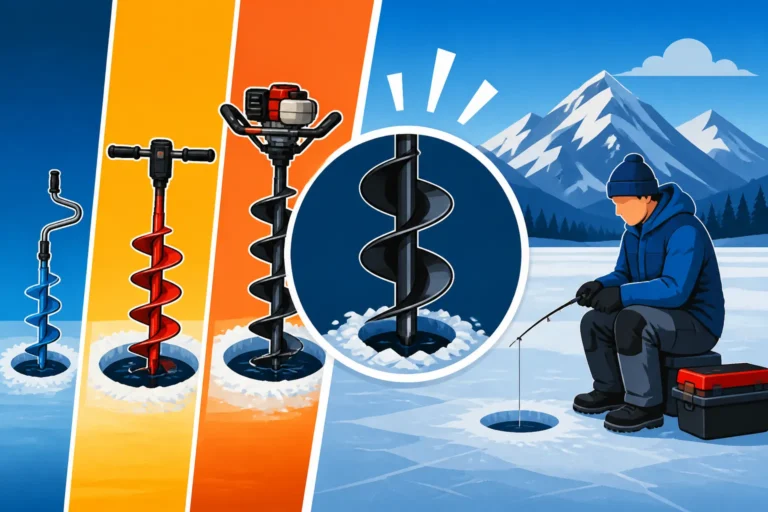
Once the ice sets in on Colorado's lakes, a whole new world of bait fishing opens up. Ice Fishing in Colorado, Getting Started is a popular winter pastime, and bait is a cornerstone.
- Where to Focus: Fish tend to congregate in specific areas during winter. Look for them along drop-offs, near submerged humps, or in deeper basins. A good fish finder or knowing the lake's contours from open water fishing is invaluable.
- Bait Choices: Small, live baits are excellent through the ice. Mealworms, wax worms, small minnows (where legal), and even pieces of nightcrawler are all effective. Scented soft plastics tipped with a small piece of real bait (like a single PowerBait egg or a maggot) can also be deadly.
- Techniques: Jigging is the primary technique for ice fishing. Lower your baited jig or spoon to the desired depth and impart subtle movements. Lift, drop, pause. Vary your retrieve and depth until you find what the fish are responding to. Tip-ups, which suspend bait at a set depth and signal a bite, are also popular for larger species like lake trout or pike, allowing you to fish multiple holes. Keep your lines light and your presentations subtle, as fish are often more lethargic in the cold water. Remember to always check ice thickness and prioritize safety.
No matter the season, patience and adaptability are your best friends when bait fishing Colorado lakes. Experiment with different baits, depths, and locations, and you'll be well on your way to a successful day on the water.
| Bait Type | Target Species (Primary) | Target Species (Secondary) | Best Rig | Presentation Tips |
|---|---|---|---|---|
| Nightcrawlers | Rainbow Trout, Catfish, Perch | Brown Trout, Walleye, Panfish | Carolina Rig, Slip Float, Fixed Float | Fished whole or in pieces; let tail wiggle. |
| PowerBait | Rainbow Trout (stocked) | None (specifically for trout) | Carolina Rig, Fixed Float | Mold around hook to float; use bright colors. |
| Minnows | Lake Trout, Walleye, Northern Pike | Brown Trout, Bass | Slip Float, Bottom Rig, Slow Troll | Check legality; hook through lips or dorsal fin. |
| Salmon Eggs | Rainbow Trout, Kokanee Salmon | Brook Trout | Small single hook, Split Shot, Slip Float | Fish individually or in small clusters; natural drift. |
| Worms (Small) | Panfish, Brook Trout, Small Rainbows | Perch, Bluegill | Fixed Float, Light Split Shot | Use small hooks; active movement attracts smaller fish. |
| Cut Bait | Catfish, Lake Trout, Northern Pike | Walleye | Heavy Bottom Rig, Jigging | Use oily fish pieces; for scent-driven predators. |
Disclaimer
Fishing regulations, conditions, and fish stocking schedules can change. Always consult the most current Colorado Parks and Wildlife regulations and local advisories before heading out on the water. Practice responsible angling and conservation to help preserve Colorado's incredible fishing resources for future generations.