Why Fishing Slows Down at Midday in Summer
It's a familiar scenario for many Colorado anglers: you wake up before dawn, hit the river or lake as the sun kisses the peaks, and the fishing is absolutely on fire. Trout are rising, strikes are aggressive, and you feel like you've cracked the code. Then, as the sun climbs higher and the air warms, everything just… stops. The bites slow, the rises vanish, and that vibrant morning energy dissipates, leaving you scratching your head. This guide will dive deep into why fishing often grinds to a halt at midday during Colorado's summer months and, more importantly, what you can do about it.
The Sun's Relentless Glare and Water Temperature Rise
Summer in Colorado brings beautiful, long days, but that abundant sunshine can be a double-edged sword for fishing. The intense midday sun directly impacts both the fish and their aquatic environment, making them less willing to bite. Understanding these environmental shifts is key to adapting your strategy.
Direct Sunlight and Trout Behavior
Trout are generally coldwater species, and they have evolved to thrive in environments with specific light and temperature conditions. Direct, bright sunlight can be quite stressful for them. Imagine trying to hunt or feed under a harsh spotlight; it's disorienting and exposes you to predators. For trout, the same principles apply. They become much more visible to aerial predators like ospreys and eagles, or even land-based ones, when they're in open, brightly lit water.
Because of this vulnerability, trout instinctually seek shelter when the sun is high. They’ll retreat to the deepest pools, tuck under undercut banks, hide beneath dense vegetation, or cling to structure like submerged logs and rocks. This isn't just about comfort; it's a survival mechanism. If you're casting into wide-open, sun-drenched riffles at noon, you're likely casting over empty water, or at least water where fish are far too wary to move for a meal.
Rising Water Temperatures Impact Fish Metabolism
Perhaps the most critical factor driving the midday slowdown is the increasing water temperature. As the sun beats down on Colorado's rivers and lakes throughout the morning, the water absorbs that heat. While a few degrees might not seem like much to us, it can dramatically alter a fish's environment and physiology. Warmer water holds less dissolved oxygen, which is vital for fish respiration. Trout, being highly oxygen-dependent, become stressed when oxygen levels drop.
When trout are stressed by warmer water and lower oxygen, their metabolism slows down significantly. They become lethargic and less inclined to expend energy chasing food. It's like trying to run a marathon in a sauna – your body just isn't designed for peak performance under those conditions. Fish will actively seek out colder water, often found in deep pockets, at the confluence of tributary streams, or near springs. Some anglers even carry a stream thermometer (you can find reliable options on Amazon) to monitor water temperatures, especially in sensitive trout waters. If temperatures climb above 65-68°F (around 18-20°C), it’s not only a sign that fishing will be tough, but it's also a strong ethical recommendation to stop fishing for trout entirely to avoid stressing them further, as their chances of survival after being caught and released plummet in warm water.
Insect Activity Shifts and Food Availability Decreases
Just like us, fish are creatures of habit, and their feeding patterns are often dictated by what's readily available. During summer's midday, the natural cycles of aquatic insects and terrestrials often shift, leading to a noticeable decrease in the easy-to-find food sources that trout key in on during cooler, dimmer parts of the day.
Terrestrial vs. Aquatic Insect Cycles
Many of the prolific aquatic insect hatches that bring trout to the surface, like large stoneflies, caddis, or mayflies, tend to occur in the cooler parts of the day – early morning, late afternoon, or into the evening. These insects often emerge or lay eggs when light levels are lower and temperatures are more stable. By midday, these major hatches have often subsided, and the activity of adult insects has significantly decreased. This means fewer opportunities for trout to "match the hatch" and feed actively on easy targets.
While terrestrials like grasshoppers, ants, and beetles can be a factor throughout the day, their activity also tends to peak during specific windows. Grasshoppers might be most active on warm, breezy afternoons, but even they can go into hiding during the hottest part of midday. The sheer volume of easy-to-catch insects that a trout might find during a morning caddis hatch simply isn't present during the bright, hot midday hours, forcing them to become more opportunistic or to conserve energy rather than actively hunt. This shift in food availability forces anglers to rethink their approach to fly selection and presentation. If you're looking for guidance on what to use, check out our guide on the Best Flies for Colorado's Gold Medal Trout Water.
Reduced Foraging Opportunities
With fewer insects actively emerging or falling onto the water, the overall "menu" for trout shrinks considerably at midday. Fish become more selective, and sometimes, they stop actively foraging altogether. They might still opportunistically grab something that drifts right into their holding lie, but they are far less likely to move out of their comfort zone or expend energy to chase a fly or lure. This is a stark contrast to the dawn and dusk periods when an abundance of emerging insects or scurrying terrestrials creates a feeding frenzy.
This reduced foraging behavior means that presentations need to be much more precise and subtle. You're not trying to trigger an aggressive strike from an actively feeding fish; you're often trying to entice a lethargic, wary fish with a perfectly presented, irresistible offering. This might mean smaller flies, deeper presentations, or a slower retrieve. It also means you might need to cover more water to find those few, less pressured fish that are still willing to eat. Understanding these nuances is crucial for success when the sun is high and the bite is tough.
Increased Angler Pressure and Spooked Fish
Colorado's stunning beauty and incredible fishing opportunities make it a popular destination, especially in the summer. While this is great for the local economy and community, it also means that many popular spots can become crowded. This increased human presence directly contributes to the midday fishing slowdown, as fish become more wary and less likely to bite.
More People on the Water
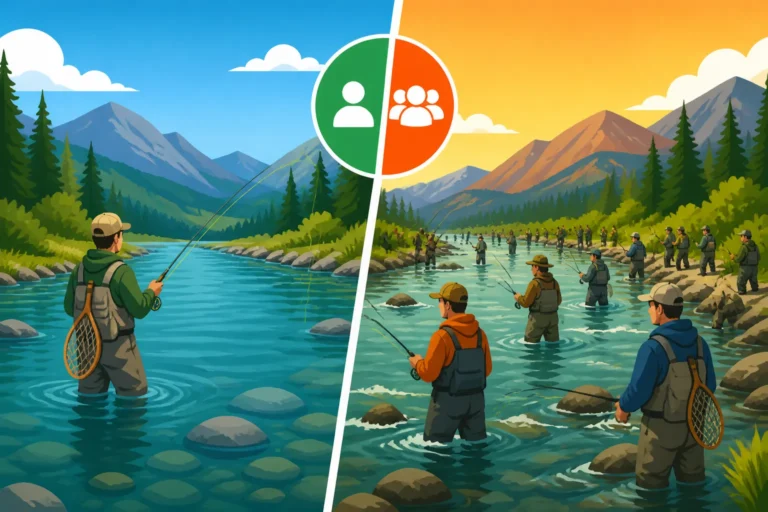
As the day progresses and the sun warms, more anglers tend to hit the water. Weekends, in particular, can see popular stretches of rivers like the Arkansas River or sections of the South Platte near Deckers teeming with fishermen. This influx of people, whether they're wading, floating, or bank fishing, creates constant disturbances in and around the water. From the vibrations of footsteps on the bank to the splash of waders entering the stream, every human activity can send alarm signals to fish.
Even if anglers are trying to be quiet and stealthy, the sheer volume of activity can be enough to put fish on edge. They learn to associate human presence with danger, especially in heavily fished areas. This means that fish that might have been actively feeding in open water during the quiet morning hours will retreat to their safe havens as more people arrive. They'll hug the bottom of deep pools, tuck into undercut banks, or seek refuge in faster, more turbulent water where they feel less exposed. Our guide on Reading Water on a Colorado Freestone River can help you identify these holding spots.
Noise, Movement, and Shadows
Fish possess incredibly sensitive lateral lines, which detect vibrations in the water, and their vision is finely tuned to movement and changes in light. At midday, with bright sunshine, any shadow cast over the water by an angler or their rod can instantly spook a fish. A sudden movement on the bank, a dropped fly box, or even loud conversation can send shockwaves through the water, causing fish to dart for cover. They don't differentiate between an angler and a predator; they just sense danger.
This heightened sensitivity means that midday fishing requires an even more stealthy and deliberate approach. Long casts, low profiles, and minimizing noise and movement become paramount. On pressured waters, fish become highly educated and can recognize common presentations or leader flash. This makes it incredibly challenging to trick them into biting, as they've likely seen it all before. Even if you're using the "right" fly or lure, a clumsy approach can undo all your efforts, sending potential catches scattering and reinforcing their wariness for the rest of the day.
Strategies for Midday Summer Success
Just because fishing slows down at midday doesn't mean you have to pack it in and wait for the evening bite. With a few adjustments to your approach, you can still find willing fish, or at least make the most of your time on the water. It’s all about adapting to the conditions and thinking like a fish.
Seeking Shade and Deeper Water
When the sun is blazing and the water is warming, the first thing fish do is seek refuge. Your primary strategy should be to find where they’ve gone. Look for any areas that offer shade: under overhanging trees, along canyon walls, or where tall structures cast shadows onto the water. These shady spots will often be a few degrees cooler and provide a sense of security. Pay particular attention to pockets of shade that extend into the water, as these can be prime holding lies.
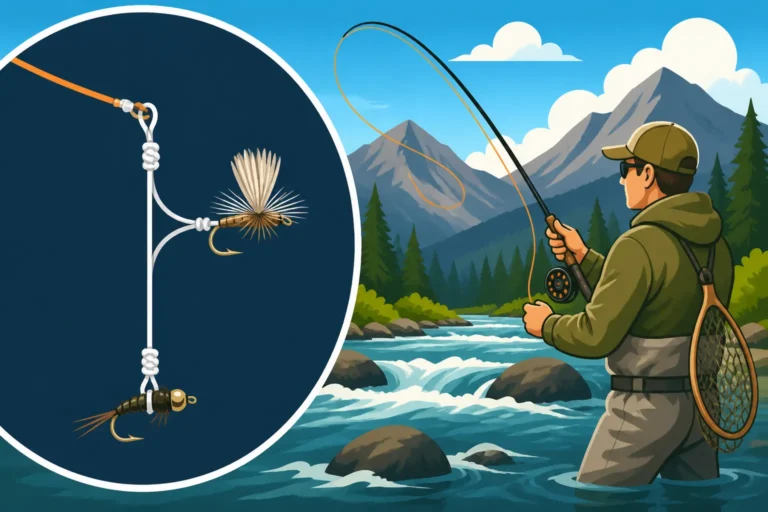
Beyond shade, focus on deeper water. Deep pools, plunge pools below rapids, and the deepest sections of reservoirs are where fish retreat to find cooler temperatures and more stable conditions. These areas also offer protection from aerial predators and reduce the visual impact of angler presence. When fishing these deeper spots, you’ll often need to adjust your rigging to get your flies or lures down to where the fish are holding. This might involve using heavier nymphs, split shot, or sink-tip lines for fly anglers, or heavier weights and deeper diving lures for spin fishermen. Learning about Nymphing Techniques for Colorado Tailwaters can be especially helpful here, as tailwaters often feature deep runs.
Adapting Your Presentation and Fly Selection
During the midday lull, aggressive strikes are rare. You'll need to present your offerings more subtly and choose patterns that appeal to less active fish. Forget matching a hatch that isn't happening. Instead, think about subsurface food sources that are always available or larger, opportunistic meals.
Consider these tactical adjustments:
- Subsurface Focus: Shift your attention almost entirely below the surface. Use nymphs, emergers, and streamers that imitate crustaceans, baitfish, or larval insects that might still be active on the bottom. Patterns like larger stonefly nymphs, Pat's Rubber Legs, or various jig nymphs can be effective.
- Smaller Flies/Lures: Sometimes, a smaller, more delicate presentation is key. If fish are wary, a tiny midge nymph or a small, subtle lure might be less intimidating.
- Terrestrials: While major aquatic hatches might be absent, terrestrials like grasshoppers, ants, and beetles can still fall into the water. A well-presented foam hopper or ant pattern near shaded banks can sometimes elicit a strike from an opportunistic fish. Checking the latest Colorado Parks and Wildlife (CPW) Reading Colorado's Weekly Stocking Report might give you clues on what species are present and their likely feeding preferences.
- Slower Retrieve: Whether you're fly fishing with a streamer or spin fishing with a lure, slow down your retrieve. Lethargic fish won't chase a fast-moving meal. A slow, methodical presentation that allows the fish more time to react can often be the ticket.
- Targeting Different Species: If trout fishing is truly dead, consider targeting other species that thrive in warmer water. Many Colorado reservoirs offer excellent fishing for warmwater species like bass, pike, or walleye, which often become more active as temperatures rise. This could be a fun way to salvage your midday fishing efforts.
Alternative Midday Activities
Sometimes, no matter how much you adapt, the fishing just isn't happening. And that's okay! Instead of getting frustrated, use the midday slowdown as an opportunity to enjoy other aspects of your Colorado adventure.
- Scouting New Water: Use the bright sun to your advantage. Walk along the riverbank or shoreline (respecting private property, of course) and scout new areas. Look for deeper pools, undercut banks, submerged structure, or promising riffles that you might want to try during the cooler parts of the day. It’s a great way to explore and expand your knowledge of a specific body of water, like those in Colorado's Gold Medal Waters Explained.
- Gear Maintenance and Re-rigging: Midday can be the perfect time to address any gear issues. Re-tie old knots, organize your fly box or tackle, sharpen hooks, or change out leaders and tippets. You can find essential fishing accessories on Amazon to replenish your supplies. This downtime ensures you're fully prepared when the bite picks up again.
- Relax and Recharge: Take a break! Find a shady spot, enjoy a packed lunch, hydrate, and simply soak in the natural beauty of Colorado. Fishing should be enjoyable, not a constant battle against uncooperative fish. A good break can reset your mindset and leave you refreshed and ready for the evening bite.
- Photography or Nature Observation: The midday sun, while challenging for fishing, can offer great opportunities for photography. Capture the scenic landscapes, observe local wildlife, or simply enjoy the peace and quiet away from the busiest times.
The key takeaway is that midday in summer often demands a complete shift in strategy or even a change of focus. Don't be afraid to experiment, or simply acknowledge that sometimes, the fish just aren't going to cooperate, and that's a part of the experience.
Here’s a quick summary of midday challenges and solutions:
| Midday Challenge | Why It Happens | Strategic Solution |
|---|---|---|
| Bright Sunlight | Trout seek cover, are more visible to predators. | Focus on shaded areas, undercut banks, deep pockets. |
| Warm Water Temperatures | Reduced oxygen, sluggish fish metabolism. | Fish deepest water, avoid fishing if temps are too high. |
| Decreased Insect Activity | Major hatches subside, fewer easy meals. | Go subsurface (nymphs, streamers), use terrestrials. |
| Increased Angler Pressure | Fish are wary, spooked by noise/movement. | Be stealthy, make long casts, minimize disturbance. |
| Fish Lethargy | Not actively foraging, conserving energy. | Slow down presentations, use smaller or subtle offerings. |
Disclaimer
Please remember that fishing conditions can change rapidly in Colorado. Always consult the latest regulations from Colorado Parks and Wildlife (CPW) before heading out. Be aware of weather conditions, practice safe wading techniques, and always prioritize responsible catch-and-release practices to help preserve our incredible fisheries for future generations.