Do Walleye Bite Better at Night in Colorado?
It’s a question that keeps many a dedicated angler up at night (literally!): does fishing for walleye in Colorado actually get better after the sun goes down? If you've ever spent a long, hot summer day on a Front Range reservoir, casting your heart out with little to show for it, only to hear whispers of "night bite" success, you know the frustration. This guide is here to shed some light on the shadowy world of nocturnal walleye fishing in Colorado, offering insights, tactics, and local wisdom to help you decide if it’s worth trading your sleep for a shot at a trophy.
Why Walleye Often Prefer the Night Shift in Colorado
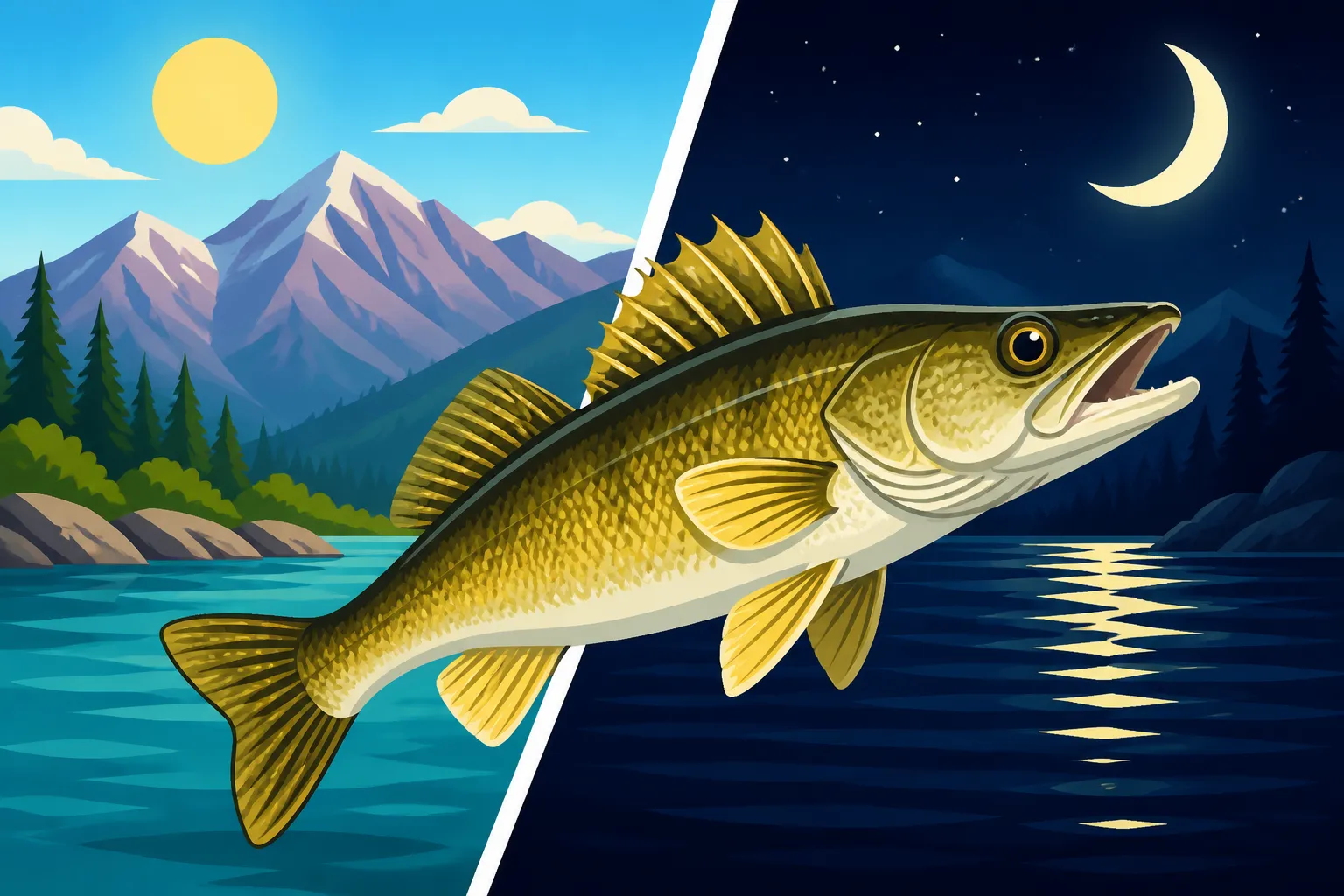
Walleye are fascinating fish, and their behavior, especially their feeding patterns, is heavily influenced by light. Unlike some other species that are quite active during broad daylight, walleye have evolved with adaptations that make them particularly efficient hunters in low-light conditions. Understanding these biological quirks is key to unlocking the night bite in Colorado.
Their Unique Eye Structure and Light Sensitivity
Walleye possess a special reflective layer in their eyes called the tapetum lucidum. This same structure is found in many nocturnal animals like cats, and it essentially acts like a natural amplifier for light, allowing them to see incredibly well in dim conditions. While this gives them a massive advantage at dusk, dawn, and through the night, it also makes them highly sensitive to bright sunlight. During the day, especially in Colorado's famously clear waters, intense sunlight forces walleye to retreat to deeper, darker water or seek refuge in dense cover to protect their sensitive eyes.
Imagine trying to navigate a brightly lit room with extremely dilated pupils – it’s uncomfortable, right? That’s a bit like what direct sunlight feels like to a walleye. This sensitivity means they become far more comfortable, and therefore more active, when the sun dips below the horizon. As darkness falls, their keen eyesight gives them an edge over many of their prey species, which often lack the same nocturnal vision. This tactical advantage makes night fishing for walleye a highly productive endeavor, especially on reservoirs like Pueblo or Chatfield, where water clarity can be exceptional.
Nocturnal Feeding Habits and Prey Movement
It's not just about comfort; it's about opportunity. Many of the forage fish that walleye prey on, such as shad, perch, or juvenile trout, exhibit different behaviors under the cover of darkness. Some baitfish move into shallower water to feed on plankton or other invertebrates, or simply feel safer from visual predators like eagles or pelicans. This shift in prey movement often brings them into more accessible areas for walleye, closer to shorelines or shallower flats.
So, when the walleye's superior low-light vision combines with their prey moving into vulnerable positions, it creates a perfect storm for a feeding frenzy. You'll find walleye moving out of their deep-water daytime haunts and onto shallower structures, points, and flats where they can ambush unsuspecting baitfish. This makes specific areas that might be barren during the day suddenly come alive with activity at night. Knowing when and where these prey movements occur can give you a significant advantage. This natural pattern is why many seasoned anglers will tell you the best time of year to target walleye in Colorado often includes those cool, dark hours.
Prime Time Factors: When and Where Night Fishing Excels in Colorado
While walleye generally favor low light, not all nights are created equal, and not all Colorado waters offer the same opportunities. Understanding the nuances of seasonality, moon phases, and specific locations can dramatically increase your success rate.
Seasonal Shifts and Ideal Water Temperatures
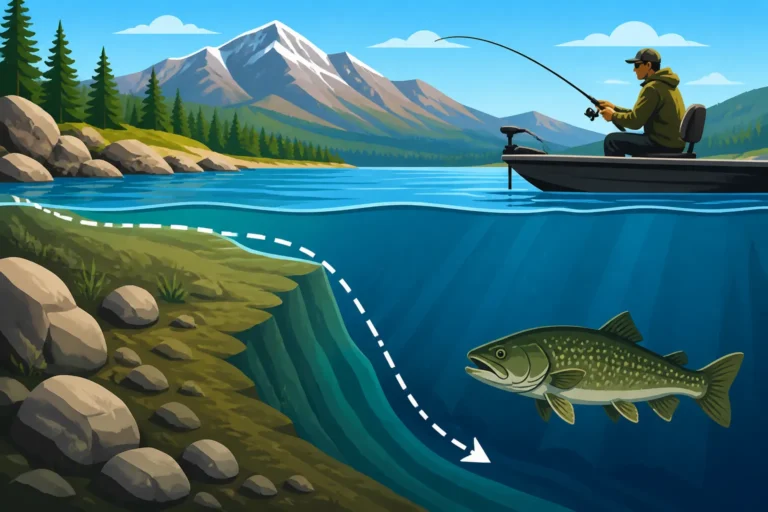
The nocturnal walleye bite in Colorado is most pronounced during the warmer months, typically from late spring through early fall. As surface water temperatures rise during the day, walleye seek cooler, deeper sanctuaries. However, at night, the surface cools, and the walleye feel comfortable moving into shallower, warmer waters to feed.
- Spring: As ice-out occurs and waters begin to warm, walleye spawn, often in shallow, rocky areas. Post-spawn, they'll remain relatively shallow. Night fishing can be excellent as they recover and start actively feeding.
- Summer: This is arguably the prime season for night walleye. Long, hot days push them deep, but warm nights bring them back to the shallows. Lakes like Cherry Creek Reservoir and Chatfield Reservoir are popular summer night spots for walleye, with anglers often targeting depths of 5-15 feet off points and submerged humps.
- Fall: As water temperatures begin to drop, walleye will often feed aggressively to put on weight for winter. The night bite can still be fantastic, especially in early fall, but as temperatures continue to plunge, their activity will slow.
Monitoring water temperatures is crucial. Walleye are most active in water temperatures ranging from about 60-70°F (15-21°C). When these temperatures align with nocturnal conditions, you're in for a treat.
Moon Phases, Clouds, and Water Clarity
The amount of ambient light at night also plays a significant role. A common misconception is that the darker, the better. While walleye prefer low light, a little light can actually be beneficial, especially for the angler.
- New Moon vs. Full Moon: Many anglers swear by the "darker" nights around a new moon for top walleye action, believing it maximizes the walleye's visual advantage. However, other successful night anglers prefer the period around a full moon. The extra light from a full moon can make it easier for you to navigate, tie knots, and spot subtle bites, without necessarily turning the fish off. Sometimes, the added visibility for the walleye can even make them more aggressive as they can see their prey from further away. It often comes down to personal preference and conditions.
- Cloud Cover: Overcast nights, regardless of moon phase, can be excellent. Clouds diffuse any available moonlight, creating a consistent low-light environment that walleye love.
- Water Clarity: Colorado's waters can vary. In very clear water, like some mountain reservoirs, walleye are even more light-sensitive. In slightly stained or turbid water, their daytime aversion to light is lessened, but they still gain a significant advantage at night.
Key Colorado Walleye Waters at Night
Colorado is home to several fantastic walleye fisheries that truly come alive after dark. If you're looking for a good place to start, consider these:
- Pueblo Reservoir: This is a walleye powerhouse in Colorado. The vast open water and varied structure make it prime for nocturnal foraging. Anglers often find success targeting points, ledges, and rocky shorelines with crankbaits or jigs.
- Chatfield Reservoir: Located southwest of Denver, Chatfield offers excellent walleye fishing, particularly in the summer nights. The expansive flats and submerged river channels become walleye highways after dark.
- Cherry Creek Reservoir: Another Front Range gem, Cherry Creek provides consistent walleye action, and the night bite is a local secret for many. Target the main lake points and structure.
- Boyd Lake State Park: Near Loveland, this lake is stocked with walleye and can offer great opportunities, especially during prime night fishing seasons.
- Eleven Mile Reservoir: While known for its trout, Eleven Mile also has a healthy walleye population, and fishing here at night can be incredibly productive, especially around rocky structures.
When you're researching a new spot, check out resources like the Colorado's Fishing Atlas Shows You to pinpoint specific underwater features that walleye might use for cover during the day and as ambush points at night.
Essential Gear and Tactics for Nocturnal Walleye
Night fishing presents its own set of challenges and demands specific gear and techniques. Beyond simply having a good fishing rod, safety and efficiency become paramount when you can't rely on daylight.
Rods, Reels, and Line Choices
For walleye, a sensitive yet strong setup is key.
- Rods: A medium-light to medium power spinning or baitcasting rod, typically 6'6" to 7'6" in length, with a fast action tip is ideal. The fast action allows you to feel subtle bites, which are even harder to detect in the dark, and provides quick hook sets. Brands like St. Croix or Fenwick offer excellent sensitivity.
- Reels: Pair your rod with a smooth spinning reel in the 2500-3000 size range, or a baitcasting reel that you're comfortable with. A smooth drag is vital for fighting larger walleye.
- Line: Many night anglers prefer braided line (10-20 lb test) for its incredible sensitivity and lack of stretch, which helps detect those light walleye bites in the dark. A fluorocarbon leader (8-12 lb test) of 2-3 feet is often tied to the braid. Fluorocarbon is nearly invisible underwater and offers excellent abrasion resistance against rocky structures. However, knot tying with braid and fluorocarbon in the dark can be a challenge, so some anglers opt for a good quality monofilament (8-12 lb test) for ease of use. You can find a wide range of suitable fishing lines on Amazon.
Lure and Bait Selection for the Dark
What works during the day might not be as effective at night. Walleye rely on their vision, but also their lateral line (which detects vibrations) and sense of smell.
- Crankbaits: These are often the go-to for trolling or casting at night. Opt for models with rattles to create extra vibration. Darker colors (black, purple, dark blue) can create a better silhouette against the moonlit sky, while brighter colors (chartreuse, orange) can be effective if there's any ambient light. Try suspending or shallow-diving crankbaits to work the shallower flats.
- Jigs: Tipping jigs with live bait (minnows, leeches, nightcrawlers) or scented soft plastics (like Berkley Gulp! Alive!) can be deadly. Choose jigs with glow-in-the-dark paint or add small glow sticks to your line or lure to create a visual target. Jigging techniques for Colorado reservoirs can be adapted for walleye.
- Spinner Rigs: These are fantastic for slow trolling or drifting with live bait. The blade creates flash and vibration, while the bait adds scent and taste. Brands like Lindy Rigs are popular choices.
- Live Bait: This is often the undisputed king of night walleye fishing. Fathead minnows, shiners, leeches, and nightcrawlers presented on a simple hook under a slip bobber or on a bottom-bouncing rig are highly effective. The natural scent and movement are irresistible.
Remember, the goal is often to create vibration, flash, or scent that walleye can home in on in the dark. Many of these specialized baits and lures are readily available on Amazon.
Essential Night Fishing Accessories and Safety
Night fishing isn't just about catching fish; it's about being prepared and staying safe.
- Headlamp/Flashlight: Absolutely indispensable. Choose a headlamp with a red-light option to preserve your night vision. You'll need it for tying knots, unhooking fish, and navigating. Always carry a spare, just in case.
- Navigation: If you're on a boat, ensure your navigation lights are working, and have a reliable GPS or chartplotter. Know the water you're fishing intimately before venturing out at night.
- Warm Clothing: Colorado nights, even in summer, can get surprisingly cold, especially on the water. Dress in layers.
- First Aid Kit: A basic kit for cuts and scrapes is always a good idea, as visibility is reduced.
- Landing Net: A wide-mouthed, rubberized landing net is crucial for safely landing walleye in the dark, especially if you plan to practice catch-and-release.
- Tool Kit: Pliers, clippers, and a hook remover are essential.
- Bug Spray: Mosquitoes and other biting insects can be relentless at night, especially near the water.
When you're out on the water at night, especially if you're fishing from a boat, always tell someone your plans, including your location and expected return time. This is non-negotiable for safety.
Overcoming the Challenges of Dark Water Angling
Night fishing for walleye in Colorado offers incredible rewards, but it's not without its hurdles. Being aware of these challenges and having strategies to overcome them will ensure a safer, more enjoyable, and ultimately more successful experience.
Limited Visibility and Navigation
This is the most obvious challenge. Your perception of depth, distance, and even familiar landmarks changes dramatically in the dark. What looks like a clear path during the day can conceal submerged hazards at night.
- Shore Anglers: Stick to areas you know well. Bring multiple light sources, including a powerful flashlight for scanning the water for obstacles or potential hazards. Clear your immediate fishing area of any tripping hazards before nightfall.
- Boat Anglers: Navigation lights are mandatory and crucial. However, don't rely solely on them. A good GPS unit with detailed mapping for your chosen reservoir is invaluable. Mark waypoints during the day for any structures, hazards, or prime fishing spots you intend to target at night. Go slow, especially when moving between spots or near shore. Be aware of other boaters who might not be as prepared. Knowing your boat's limitations and practicing safe boating rules is more important than ever.
Detecting Bites and Setting Hooks
Walleye bites can be incredibly subtle, even in broad daylight. At night, without the visual cues of a bobber dipping or line twitching, it becomes even harder.
- Feel the Line: For jigging or casting crankbaits, focus intently on feeling your line. Many night anglers will hold the line between their thumb and forefinger for added sensitivity. Any unnatural tap, weight, or slack in the line should be met with a swift hook set.
- Rod Tip Sensitivity: Use a rod with a sensitive tip. Watch the subtle movement of your rod tip against any ambient light (moon, distant shore lights).
- Slip Bobbers with Glow Sticks: If using live bait, a slip bobber equipped with a small chemical glow stick (often found on Amazon, or at local tackle shops) can be a game-changer. These allow you to fish at precise depths and give you a clear visual indicator of a bite. The glow stick inserts easily into the top of the bobber, making it highly visible.
- Aggressive Hook Sets: Don't hesitate. If you suspect a bite, set the hook! It's better to set on a snag or a false alarm than to miss a trophy walleye.
The Cold and Unexpected Weather
Even a warm Colorado day can turn into a chilly night, especially on open water. Temperatures can drop significantly after dark, and winds can pick up.
- Layer Up: Always dress in layers, even if the day was scorching. Start with a moisture-wicking base layer, add insulating layers (fleece, down), and finish with a waterproof and windproof outer shell. A warm hat and gloves are often indispensable.
- Bring a Thermos: Hot coffee, tea, or soup can be a huge morale booster and help keep you warm through the colder hours.
- Monitor Forecasts: Check the weather forecast diligently before heading out. Pay attention to wind speed, temperature drops, and any chance of precipitation. Being caught in an unexpected rain or snow shower at night is not just uncomfortable, it can be dangerous.
- Hypothermia Awareness: Know the signs of hypothermia (shivering, confusion, clumsiness) and take steps to prevent it. Don't be afraid to cut your trip short if conditions become unsafe or you're getting too cold.
While these challenges might seem daunting, with proper preparation, the rewards of a successful Colorado walleye night bite are well worth the effort. The peace and quiet of the night, combined with the thrill of hooking into a hard-fighting walleye under the stars, create truly unforgettable fishing memories.
Disclaimer
Always check the current Colorado Parks and Wildlife (CPW) regulations before heading out, as rules and conditions can change. This guide is for informational purposes only and does not supersede official regulations. Practice responsible angling, including proper catch-and-release techniques if you are not keeping your catch, and always prioritize safety.