What Rod Length Works Best for Small Mountain Streams
Oh, the allure of those sparkling, tiny ribbons of water winding through Colorado's high country! They call to us, don't they? But if you’ve ever tried to cast in a tight canyon or a brush-choked creek with a rod meant for wide-open reservoirs, you know the frustration. Snagging your fly on every willow, banging your rod tip on pine branches, and generally feeling like you’re wrestling an octopus instead of fishing – it’s enough to make you pack up early. This guide is all about helping you pick the perfect rod length to conquer those charming, yet challenging, small mountain streams, making your fishing trips infinitely more enjoyable and productive.
Understanding the Unique Challenges of Small Mountain Streams
Fishing a small mountain stream in Colorado isn't like casting on the broad, open waters of the Colorado River Fishing From Glenwood Canyon to Kremmling. These are intimate, often claustrophobic environments that demand a different approach, starting with your rod. If you go in with the wrong gear, you’ll spend more time untangling and less time enjoying the tug of a wild brook trout.
Tight Spaces and Overhanging Vegetation
Picture this: you've hiked a mile or two up a narrow canyon, the air is crisp, and a tiny creek tumbles over rocks, creating perfect little plunge pools. You spot a rising trout under an overhanging willow, but above you, the pine canopy is thick, and behind you, a dense thicket of alders grabs at anything that moves. This is the reality of many small Colorado mountain streams. They are beautiful, but they are tight. Trying to execute a proper backcast with an 8 or 9-foot rod in such a scenario is an exercise in futility and frustration. You'll spend more time untangling your line from branches, snapping off flies, and generally scaring every fish within a 50-foot radius. A long rod just doesn't allow for the short, precise casts and delicate presentations needed in these environments. It's a recipe for exasperation, not relaxation.
Delicate Presentations and Short Casting Distances
Unlike larger rivers where you might need to launch a fly 50 feet or bomb a spinner across a wide section, small mountain streams demand an entirely different skill set. Most of your casts will be short, often no more than 10-20 feet, sometimes even less. You're targeting small pockets, eddies behind rocks, and undercut banks, often just a few feet from where you're standing. The key here is not distance, but precision and a soft landing. A big splash from a poorly presented fly or lure will send those wary, wild trout darting for cover faster than you can say "cutthroat." A shorter rod allows for a tighter loop and more controlled, delicate drops, making it much easier to put your offering exactly where it needs to be without spooking your quarry. This stealthy approach is crucial when you're practically on top of the fish.
Portability and Maneuverability
Getting to some of Colorado's best small stream fishing spots often involves a bit of a hike, sometimes even some light bushwhacking. Imagine clambering over fallen logs, navigating steep, rocky terrain, or pushing through dense undergrowth, all while trying to keep a 9-foot fishing rod from getting snagged or broken. It’s cumbersome and frankly, a bit dangerous. A shorter rod, especially a multi-piece travel rod, is far more manageable. It allows you to move freely, keep your hands free for balance, and focus on the trail rather than constantly worrying about your gear. The easier it is to carry, the more enjoyable your journey to and from the water will be, and the less likely you are to arrive at the stream already exhausted and annoyed.
The Sweet Spot: Ideal Rod Lengths for Colorado's Small Streams
Given the challenges we just discussed, it probably won't surprise you that shorter rods are generally the heroes of small stream angling. They just make sense in these intimate settings.
Why Shorter Rods Reign Supreme
When it comes to small mountain streams, less really is more. A shorter rod offers several distinct advantages that can dramatically improve your success and enjoyment. First and foremost, control. In tight quarters, a shorter rod allows for much more precise casting, whether you're roll casting under an overhanging branch or flicking a small spinner into a tight pocket. You have a better feel for the line and lure, leading to more accurate presentations. Secondly, maneuverability. You won't be constantly snagging trees or brush behind you, which means less frustration and more actual fishing time. Think about the countless times a longer rod would have gotten caught up – a shorter rod glides through those tight spots with ease. Finally, they just feel right. There's a certain joy in perfectly matching your gear to the environment, and a shorter rod just feels nimble and responsive when you're making those delicate, short-range presentations.
Fly Fishing Rod Lengths for Tight Quarters
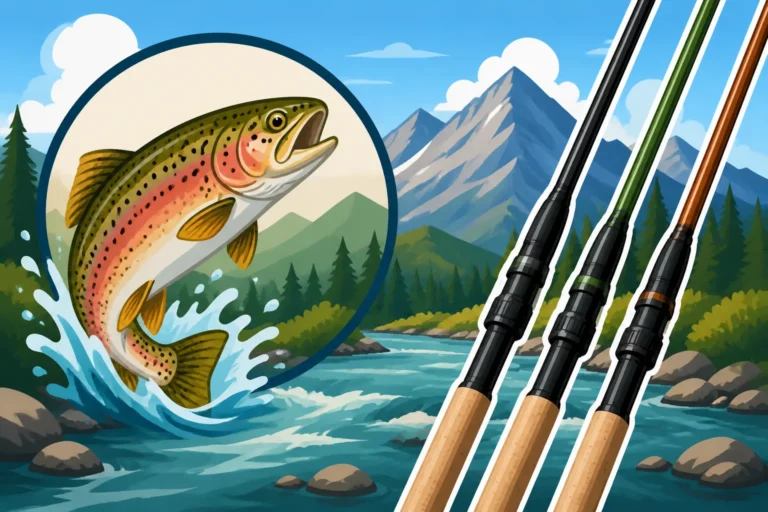
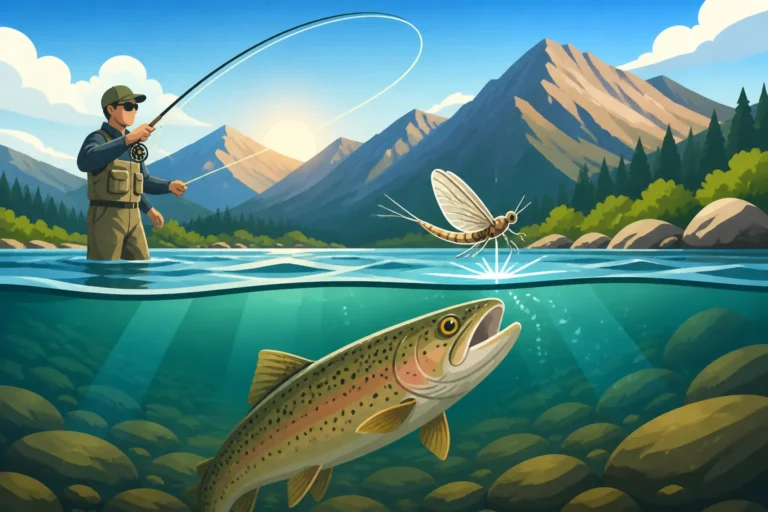
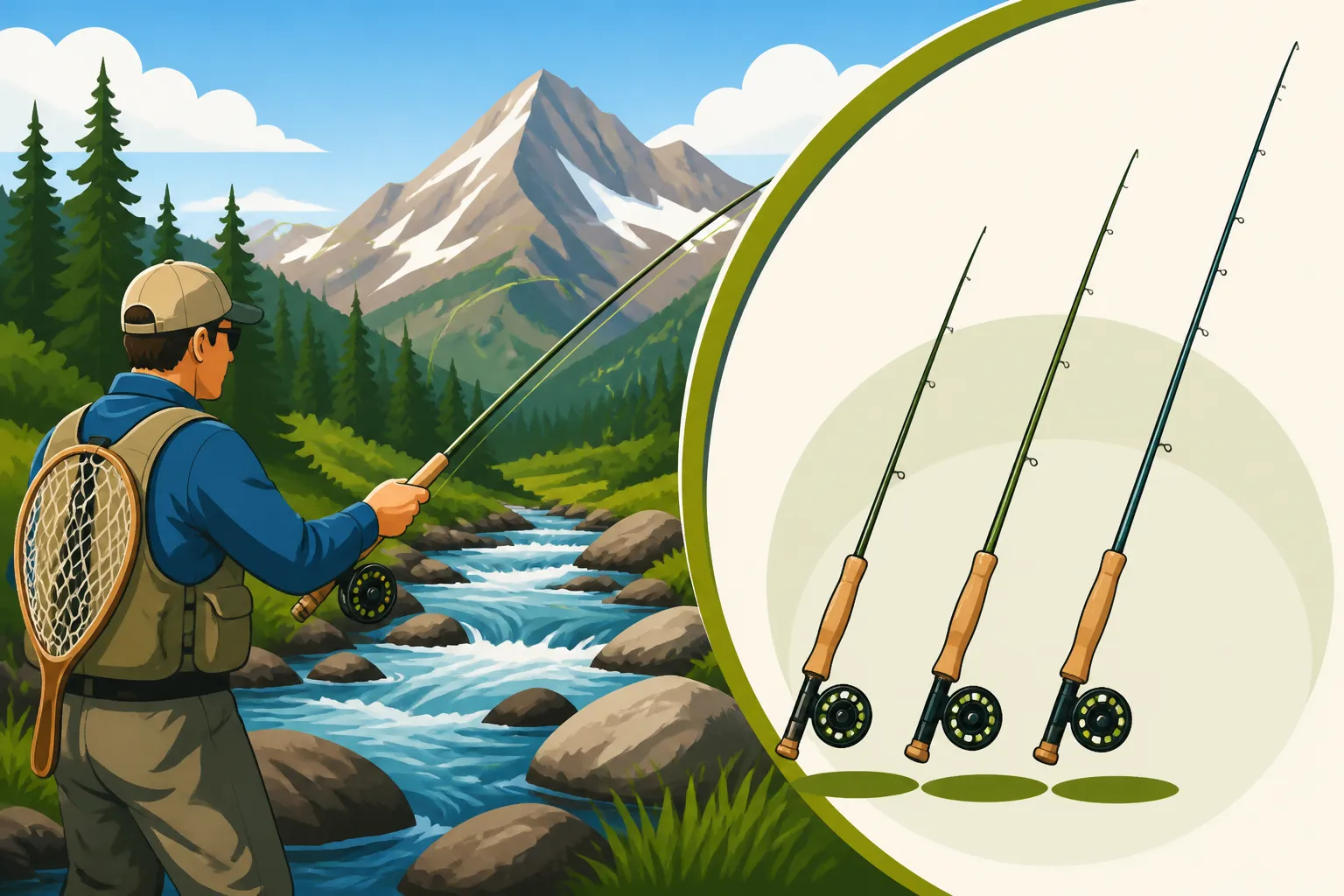
For fly anglers, the sweet spot for small Colorado mountain streams is typically a rod in the 6-foot to 7-foot 6-inch range. A 6'6" rod can feel like an extension of your arm in dense brush, allowing for effortless roll casts and flick-casts where a traditional backcast is impossible. For streams with a little more room to maneuver, or if you prefer a slightly longer reach, a 7-foot or 7'6" rod offers a nice balance of precision and casting capability. These rods are often paired with lighter line weights, generally 2-weight to 4-weight, to further enhance the delicate presentation of small dry flies, nymphs, or streamers. For more on matching your rod, check out our guide on Best Rod Weight for Colorado Trout Fishing. Remember, the goal isn't to launch huge flies, but to gently place tiny offerings where the trout are hiding. Many anglers even opt for a 3-piece or 4-piece rod for easy packing on those long hikes to remote waters.
Spin Fishing Rod Lengths for Mountain Creeks
Spin fishermen also benefit immensely from shorter rods on small streams. Ultralight spin rods ranging from 5 feet to 6 feet 6 inches are perfect for flicking tiny spinners, spoons, or jigs into tight spots. The sensitivity of these shorter, lighter rods allows you to feel even the most subtle takes from small trout, which can be crucial when they're barely sipping your lure. The shorter length makes casting in cramped conditions a breeze, letting you skip lures under bushes or precisely drop them into small pools with accuracy. Just like with fly fishing, the emphasis is on delicate presentation and control rather than brute force. If you're looking to refine your approach, our guide on Spin Fishing Techniques for Colorado Trout can offer some excellent tips for mastering these sensitive setups. Brands like St. Croix or Fenwick offer fantastic options that are both durable and sensitive for small stream work.
Beyond Length: Other Factors to Consider for Small Stream Success
While rod length is king for small mountain streams, it's certainly not the only factor to consider. A truly effective setup considers the entire system, from tip to reel, to maximize your chances and enjoyment.
Rod Weight and Action
Beyond length, the weight and action of your rod are paramount. For fly fishing, a 2-weight to 4-weight rod is usually ideal. These lighter rods are designed to load quickly and cast light lines and small flies with exceptional delicacy, which is exactly what small stream trout often demand. A moderate to slow action rod can be particularly forgiving for beginners and excellent for roll casting, absorbing the shock of quick, short casts. For spin fishing, an ultralight power rod, often with a fast or extra-fast action, gives you the sensitivity to feel subtle bites and the backbone to handle unexpected larger fish without overpowering the smaller ones. This combination of lighter power and appropriate action ensures that you’re not only able to cast effectively but also enjoy the fight of every fish, no matter its size.
Line and Leader Setup
Your line and leader setup needs to complement your short rod and the delicate nature of small stream fishing. For fly fishing, match your fly line to your rod's weight rating (e.g., a 3-weight line for a 3-weight rod). Then, use a tapered leader that is long enough to provide a natural drift – often 7.5 to 9 feet – and step down to a fine tippet, like 5X or 6X. This light tippet helps flies drift naturally and is less visible to wary trout in clear water. For spin fishing, a light monofilament or fluorocarbon line, typically 2-pound to 4-pound test, is perfect. It’s less visible, has a small diameter for better casting distance with light lures, and offers good sensitivity. Remember, small streams usually mean small fish, so you don't need heavy breaking strength, but rather stealth and sensitivity. Our article on How to Set Up a Nymph Rig for a Deep Tailwater Run offers some transferable insights into leader systems, even if you’re not deep nymphing.
The Importance of a Good Reel and Storage
While the reel might not seem as critical as the rod, selecting one that balances your chosen rod length is important. For fly fishing, a simple click-and-pawl or lightweight disc drag reel is often sufficient, primarily serving as a line holder rather than a drag system for big fish. For spin fishing, a small, ultralight spinning reel with a smooth drag is crucial for preventing snapped lines when a surprisingly feisty trout takes your lure. When it comes to storage and transport, especially if you're hiking into those remote gems, consider a multi-piece rod. A 3-piece or 4-piece rod breaks down into a compact package that fits easily into a backpack. Many quality rods, whether from companies like Orvis or Redington for fly fishing, or Shimano and Daiwa for spin setups, come with a protective rod tube. You can find excellent options for both multi-piece rods and sturdy rod tubes on Amazon, making it easy to protect your investment on those rugged adventures.
Practical Tips for Navigating Small Streams
Beyond your gear, your approach to small streams is vital. These fish are often wilder and warier than their big-river cousins. Always approach the water stealthily, keeping a low profile and moving slowly. Often, you'll be fishing upstream, casting ahead of you to avoid spooking fish. Pay close attention to the water; small streams are full of subtle features that hold fish, from tiny seams to the smallest undercut banks. Understanding how to "read the water" is a skill that comes with practice and is invaluable on these waters. Our piece on How to Read Riffles, Runs and Pools on a Freestone River offers fundamental insights that apply perfectly to these smaller, intimate settings. Don't be afraid to try different techniques – a small dry fly, a tiny nymph, or a micro spinner can all be effective depending on the day.
Common Mistakes and How to Avoid Them
Even experienced anglers can sometimes fall into habits developed on larger waters that don't translate well to the unique environment of small mountain streams. Avoiding these pitfalls can greatly enhance your enjoyment and success.
Using Too Long a Rod
This is, of course, the primary mistake this whole article is trying to help you avoid! It's tempting to use that familiar 9-foot, 5-weight fly rod or your go-to 7-foot medium-action spin rod because it's what you already own and are comfortable with. However, on small mountain streams, a long rod becomes an extension of your frustration. It catches on every branch, makes accurate short casts incredibly difficult, and ultimately leads to more time untangling your line and less time fishing. Think about it: if you're constantly fighting your own gear, how can you truly enjoy the peaceful solitude of a mountain creek? Embrace the elegance and efficiency of a shorter rod, and you'll find your casts are smoother, your presentations more delicate, and your overall experience far more rewarding.
Overpowering the Fish
Another common mistake is bringing gear that's simply too heavy for the typical size of fish you'll encounter. While you might hook into a surprise 14-inch brown trout in a larger mountain stream, many of the gems in those tiny headwaters are 6 to 10 inches long. Using a heavy rod and line might make landing them quick, but it completely diminishes the thrill of the fight. Part of the joy of small stream fishing is feeling every head shake and every dart from a feisty brook or cutthroat trout on light tackle. Heavy gear also increases the chance of over-stressing and harming these delicate fish, especially if you plan to How to Handle Trout for a Safe Release. Embrace the challenge and the fun of light tackle; it’s an experience that truly connects you with these wild fish. Plus, you’ll have a much better chance of enticing these often-wary fish with a truly delicate presentation.
Neglecting Proper Approach
On small, clear mountain streams, fish are incredibly aware of their surroundings. You can have the perfect rod length and the most delicate fly, but if you tromp up to the stream bank in bright clothing, casting a long shadow, you’re likely to spook every fish in sight. Neglecting a stealthy approach is a huge mistake. Fish often hold in shallow, exposed areas in these creeks, and any sudden movement or unnatural disturbance sends them scattering. Always approach slowly, stay low, and consider wearing drab, natural colors. Try to cast from a position where your shadow isn't falling over the water you're targeting. These small details, combined with the right rod length, will drastically increase your hook-up rates and prevent you from simply wasting time by scaring fish before you even get a chance to present your offering. Understanding the behavior of Colorado's Trout Species, A Field Guide can give you an edge here.
Choosing Your Ideal Small Stream Rod: A Quick Comparison
To help you visualize the choices, here's a quick comparison of general rod length recommendations for various small stream scenarios in Colorado.
| Scenario | Ideal Fly Rod Length | Ideal Spin Rod Length | Key Advantage of This Length |
|---|---|---|---|
| Brush-Choked Headwaters | 6'0" – 6'6" | 5'0" – 5'6" | Maximizes maneuverability in extremely tight spaces; easy roll casts. |
| Moderately Open Creeks | 7'0" – 7'6" | 6'0" – 6'6" | Balances precision with a bit more casting range; still compact. |
| Alpine Lakes & Wider Sections | 7'6" – 8'0" | 6'6" – 7'0" | Offers more reach and better casting for slightly larger waters. |
| Beginner/Multi-purpose | 7'0" – 7'6" | 6'0" – 6'6" | A good all-around length for most small stream conditions. |
When you're gearing up for those unforgettable days on Colorado's small mountain streams, remember that the right rod length isn't just about catching fish – it's about making the entire experience smoother, more enjoyable, and truly immersing yourself in the quiet beauty of these special places. Ditch the long, cumbersome rods for these unique waters, and you'll quickly discover the profound difference a shorter, more responsive rod can make. It truly allows you to connect with the stream and its inhabitants on a more intimate level, turning frustrating snags into satisfying casts.
Disclaimer
This article is for general informational purposes only and does not constitute professional advice. Laws, prices and regulations vary by location and change over time. Consult a qualified professional for guidance on your specific situation.