At What Water Temperature Trout Stop Biting
There's nothing quite as frustrating as heading out to your favorite Colorado fishing spot, full of anticipation, only to find the fish just aren't biting. You try every fly or lure in your box, change your technique, move spots – nothing. Often, the hidden culprit isn't your skill, but simply the water temperature. Understanding how trout react to temperature fluctuations is absolutely crucial for success, and this guide will dive deep into how water temperature affects trout behavior and when they truly stop biting, helping you strategize your next Rocky Mountain angling adventure.
The Trout's Thermostat: Understanding Ideal Water Temperatures
Think of trout like us – they have a comfort zone. While we might adjust our layers, trout have to live in the water they're in, and its temperature dictates everything from their metabolism to their oxygen levels. When the water is just right, they're active, happy, and hungry. When it’s too hot or too cold, they become sluggish, stressed, or even shut down completely.
The Sweet Spot for Trout Activity
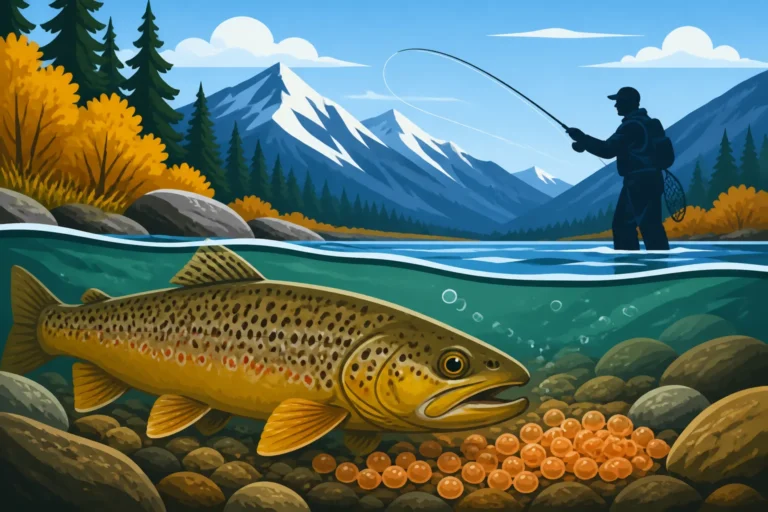
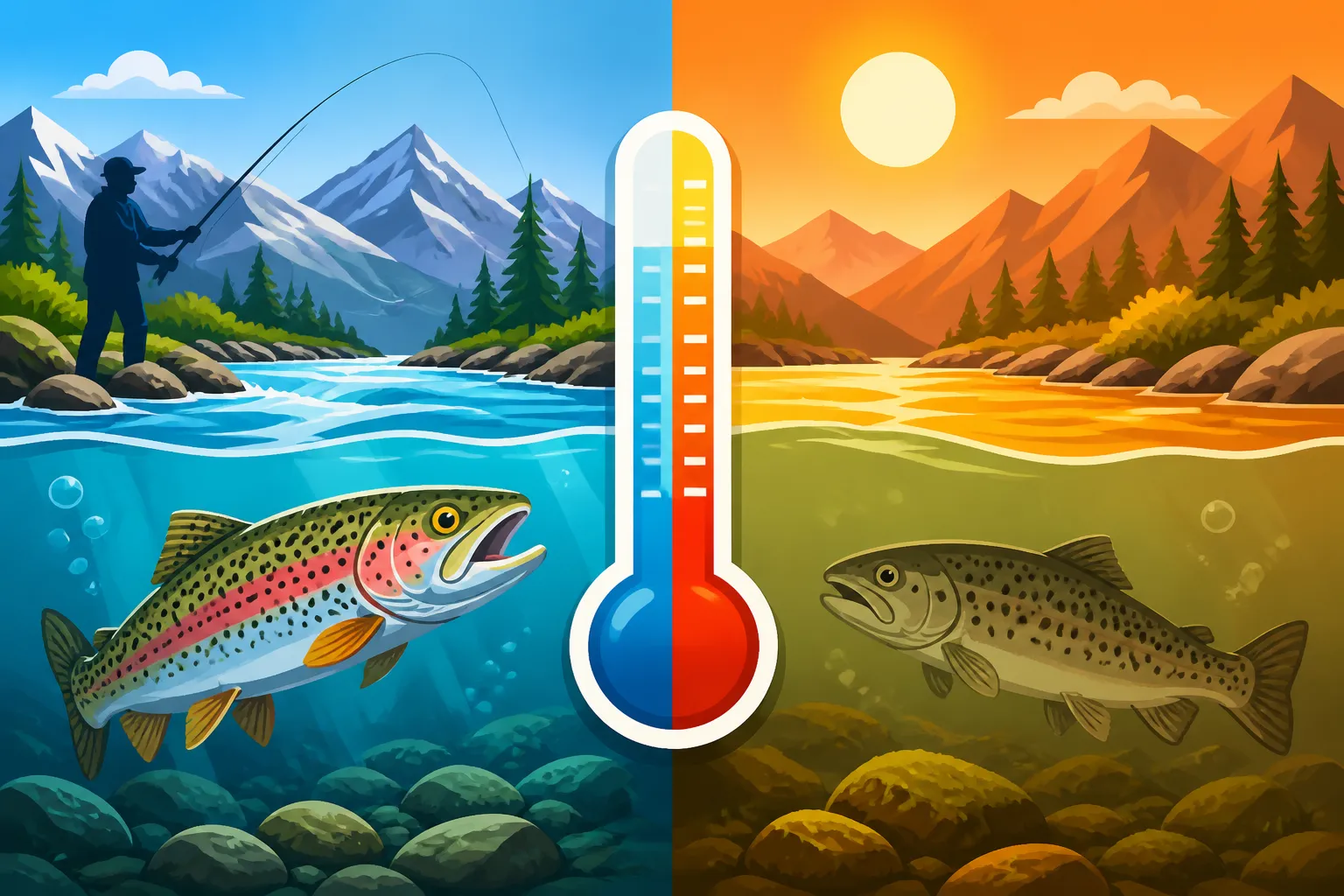
For most trout species found in Colorado – including the ever-popular rainbow trout, brown trout, and various cutthroat subspecies – there's a relatively narrow range where they're most active and feeding aggressively. This "sweet spot" typically falls between 45°F and 65°F (approximately 7°C to 18°C).
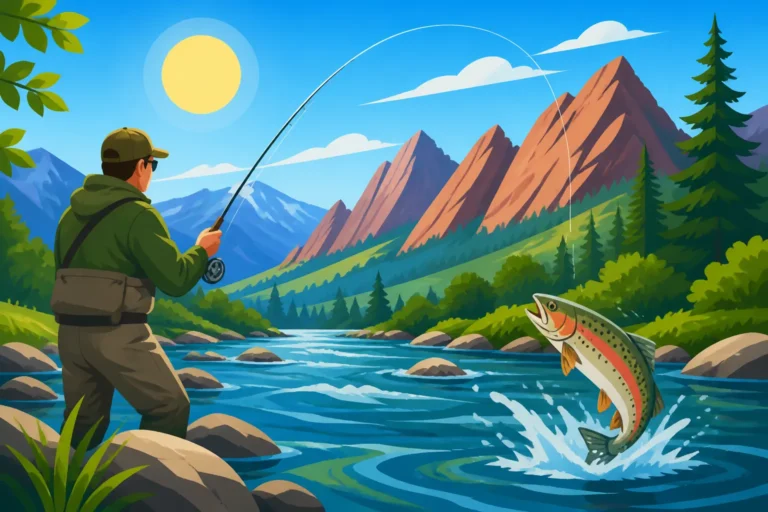
Within this range, their metabolism is humming along nicely. They can digest food efficiently, their energy levels are high, and oxygen levels in the water are usually ample. This is when you'll see them actively cruising for nymphs, rising to dries, or chasing streamers. It’s when they’re most opportunistic and therefore, most catchable. Think of those glorious spring and fall days, or the early mornings and late evenings in summer, when the air is crisp, and the water feels invigorating. This is precisely the kind of condition where you'll find them on the prowl. If you're looking to plan your trips around these optimal times, understanding the various Colorado Fishing Season Dates and Bag Limits can be really helpful.
How Different Species React
While the 45-65°F range is a good general guideline, different trout species have slightly varied preferences:
- Rainbow Trout: These hatchery-friendly fish are pretty tolerant, but they truly thrive in the 50-65°F range. They're often the first to get stressed when water temperatures climb too high.
- Brown Trout: Known for being a bit hardier, brown trout can tolerate slightly warmer water, pushing closer to the upper 60s, before showing significant stress. They also remain active in cooler water, making them a target for Winter Fishing on Colorado's Tailwaters.
- Cutthroat Trout: Colorado's native cutthroats, including the Colorado River Cutthroat Trout, Where to Find Them and greenback cutthroat, generally prefer cooler, more pristine waters. Their ideal range is often on the lower end, from the high 40s to the low 60s. They are particularly sensitive to heat.
- Brook Trout: Found mostly in high-altitude streams and lakes, brook trout love cold water. Their comfort zone is often in the 40s and 50s, and they can be quite active in water that would make other species sluggish.
Knowing these nuances can help you decide which waters to target based on current conditions and which species you're hoping to encounter.
The Warming Waters: When Trout Get Stressed and Stop Biting
Summer in Colorado, while beautiful, often brings challenges for trout anglers due to rising water temperatures. When the mercury climbs, it can quickly turn a pleasant fishing trip into a stressful, and potentially deadly, situation for the fish.
The Danger Zone: Above 65°F
Once water temperatures consistently hit 65°F (18°C) and start climbing into the high 60s and 70s, trout begin to experience significant stress. This is often referred to as the "danger zone." The primary reason for this stress is a reduction in dissolved oxygen. Colder water holds more oxygen; warmer water holds less. As the water warms, trout's metabolic rates increase, requiring more oxygen, but less is available. It's a losing battle for them.
In this danger zone, trout will become lethargic and seek out thermal refugia – cooler pockets of water found near spring creeks, groundwater seeps, or deeper pools where temperatures remain more stable. Their feeding activity will drastically decrease, and they may stop biting altogether. Catching and fighting a fish in these conditions can be severely detrimental, as the added stress of the fight, coupled with low oxygen, can lead to post-release mortality. Many anglers refer to this as "hatchery toast" – a tragic outcome where fish die shortly after being released, even if they appear to swim away fine. This is a critical time to be mindful of What Catch-and-Release Only Means on Colorado Water.
Hoot Owl Closures and Ethical Angling
Colorado Parks and Wildlife (CPW) often implements "hoot owl" closures on rivers during hot summer months. These closures restrict fishing to cooler morning hours, typically from sunrise until noon or 2 PM, to protect trout from the afternoon heat. This is a clear indicator of how seriously temperature impacts trout survival.
When fishing in potentially warm conditions, even if no formal closure is in place, it’s imperative to practice extreme caution and ethical angling:
- Carry a Thermometer: An inexpensive water thermometer is your most important piece of gear in the summer. Check the water temperature frequently. If it's above 65°F, consider stopping or finding cooler waters. You can find reliable waterproof thermometers on platforms like Amazon.
- Fish Early or Late: Avoid the hottest parts of the day. Early mornings or late evenings are often cooler and safer for trout. For specific guidance, you might check out advice on the Best Time of Day to Fish a Colorado Tailwater in Summer.
- Minimize Fight Time: Use appropriate tackle to land fish quickly, reducing stress.
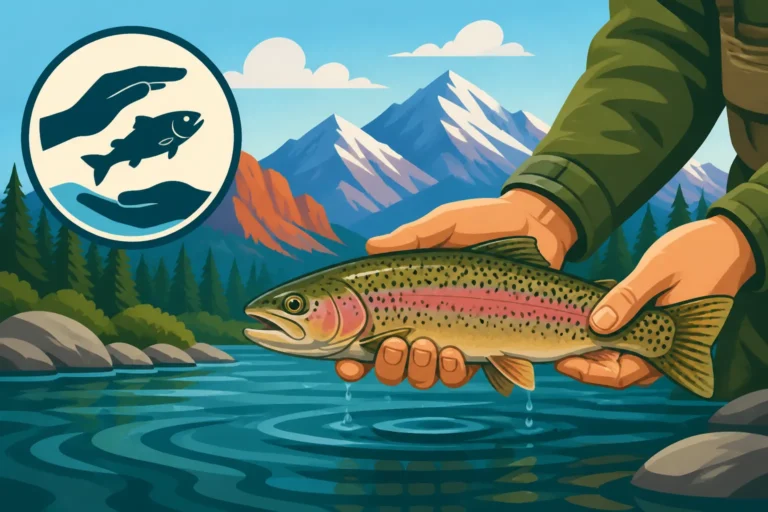
- Keep Them Wet: Handle fish minimally and keep them in the water as much as possible. Avoid dragging them onto hot, dry banks.
- Consider a Different Sport: If temperatures are consistently high, consider targeting warmwater species like bass or catfish in reservoirs, or simply taking a break from trout fishing until conditions improve.
Ignoring these guidelines not only results in poor fishing but also harms the very resource we cherish. It’s important to remember that Why Colorado Closes Rivers Early During Drought Years is often directly tied to these temperature concerns.
The Chilling Depths: When Trout Slow Down in Cold Water
Just as excessive heat can shut down trout activity, extremely cold water has a similar, though less immediately life-threatening, effect. Trout are cold-blooded, meaning their body temperature mirrors their environment. As the water gets colder, their metabolic processes slow down significantly.
The Slow-Down Zone: Below 40°F
When water temperatures drop below 40°F (4°C), trout become considerably less active. They won't expend much energy chasing food, and their digestion slows to a crawl. This doesn't mean they stop biting entirely, but their takes will be much more subtle, and their feeding windows shorter and less frequent.
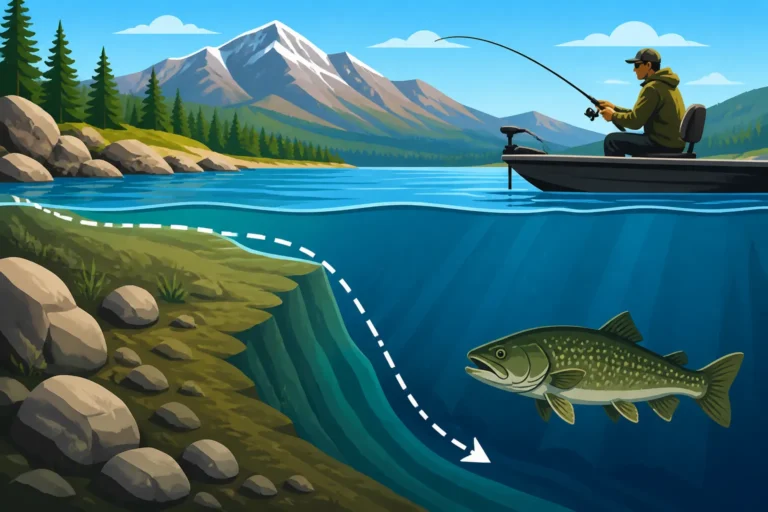
In these frigid conditions, trout seek stable water temperatures, often congregating in deeper pools, slower runs, or tailwaters below dams where water temperatures are more consistent than in free-flowing freestone rivers. They prioritize conserving energy, so they'll hold in current breaks, behind rocks, or in slow eddies, waiting for an easy meal to drift right into their mouths.
Adapting Your Approach for Cold Water
Fishing in cold water, especially in winter or early spring, requires a complete shift in tactics:
- Slow Down Everything: Presentations need to be extremely slow. Nymphing with minimal movement, tiny jigs, or slow-retrieved streamers are often the most effective. Think of a lethargic meal drifting by, not something requiring a chase.
- Small Baits and Flies: Midges, tiny nymphs, and small natural baits are usually the go-to. Trout aren't looking for a big meal they have to work for.
- Deep and Slow: Fish the deepest parts of the water column where temperatures are most stable. Focus on areas with little current.
- Short Bites: Trout often just "sip" or lightly mouth bait in cold water. You'll need to be hyper-attentive to subtle strikes and quick on the hookset.
- Warmth for You: Don't forget your own comfort! Layer up with good thermal underwear, a warm fishing jacket, and waterproof gloves. Staying warm helps you focus. You can find excellent layering options and fishing apparel to beat the cold on platforms like Amazon.
Cold water fishing can be incredibly rewarding, offering solitude and the chance to catch surprisingly large fish that are conserving energy. It's all about understanding their biology and adapting your strategy accordingly. Many anglers find great success targeting specific species in these conditions; for instance, some prefer targeting Brown Trout in Colorado, Where They're Wild during the colder months.
Reading the Water and Adapting Your Strategy
The beauty of fishing in Colorado is its diverse aquatic environments, but this also means water temperatures can vary wildly from one stream to the next, even on the same day. Being able to read the signs and adapt your approach is the mark of a seasoned angler. The more you understand How Water Temperature Affects Trout Feeding, the better your chances.
Tools for Temperature Tracking
As mentioned, a good water thermometer is non-negotiable for serious trout anglers. Here’s how to use it effectively:
- Frequent Checks: Don't just check once. Water temperature can fluctuate throughout the day, especially in freestone rivers. Check it when you start, in the middle of your session, and towards the end.
- Different Locations: Water in fast, shallow riffles will warm or cool faster than water in deep pools or slow runs. Check a few different areas to get a complete picture.
- Early Morning/Late Evening: These are generally the coolest times of day in summer. Conversely, in winter, deep pools might be slightly warmer than surface water during the day, maintaining a more consistent temperature.
Beyond a thermometer, simply observing your surroundings can tell you a lot. Are there insects hatching? Active insects often indicate favorable water temperatures. Are birds feeding on the surface? This suggests active bugs and potentially active fish. Is there shade available? Shaded areas generally hold cooler water.
Seasonal Temperature Shifts and Their Impact
Colorado's distinct seasons bring predictable temperature changes:
- Spring: After ice-out, waters begin to warm, triggering insect hatches and increasing trout activity. Runoff, however, can introduce cold, silty water, temporarily slowing things down. This is when CPW starts When Colorado Parks and Wildlife Starts Stocking Trout Each Spring.
- Summer: Early mornings are often prime before the heat sets in. As the day progresses, seek out higher elevations, shaded stretches, or tailwaters for cooler conditions. Pay close attention to Reading Water on a Colorado Freestone River to find holding lies.
- Fall: As air temperatures drop, rivers and lakes cool into the ideal range, often leading to some of the best fishing of the year. This is also when brown trout begin their spawning runs, making them highly active but also vulnerable.
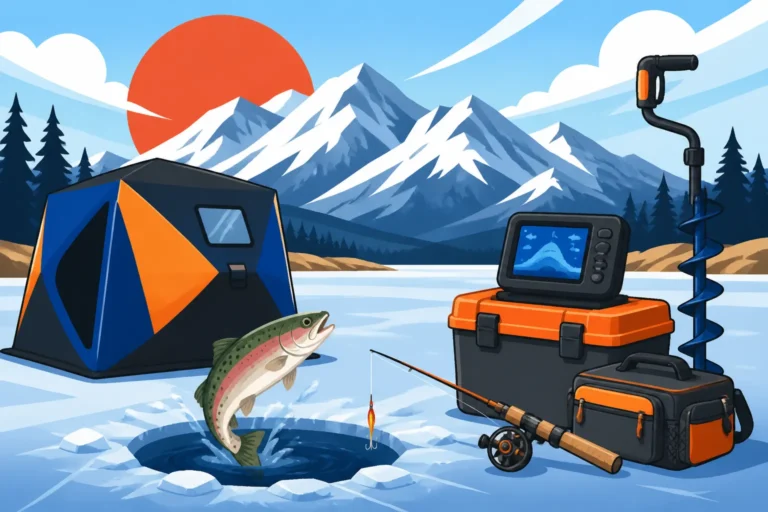
- Winter: Expect very cold water. Focus on deep, slow pools and tailwaters. Ice fishing on lakes and reservoirs becomes a popular option, where the water temperature under the ice remains relatively stable.
Adapting Your Lures and Flies
Your tackle box should reflect the varying temperatures.
| Water Temperature Range | Trout Behavior & Activity | Recommended Tactics & Lures |
|---|---|---|
| Below 35°F | Extremely sluggish, minimal feeding, conserving energy in deep, stable spots. | Tiny midges, micro jigs, heavily weighted nymphs fished very slow and deep. |
| 35°F – 45°F | Slow metabolism, selective feeding, staying deep. | Small nymphs, streamers with slow retrieves, indicator nymphing. |
| 45°F – 55°F | Optimal activity, aggressive feeding, good metabolism. | Nymphing, dry flies during hatches, streamers, spinners, small spoons. |
| 55°F – 65°F | Highly active, strong feeding response, energetic. | Dry flies, terrestrial patterns, larger nymphs, streamers, spinners, spoons, small crankbaits. |
| 65°F – 70°F | Stressed, seeking cool refugia, feeding sparingly. | Avoid fishing if possible. If absolutely necessary, small, quick presentations in cool spots. |
| Above 70°F | Critical stress, very low oxygen. STOP FISHING. | Do not fish. Focus on conservation. |
Remember, the goal is to present something enticing that requires minimal effort from the trout. In cold water, that's often tiny, slow-moving food sources. In ideal temperatures, they might chase a larger, more active presentation. Always be prepared to change up your presentation based on what the water thermometer tells you.
Looking to the Future
The angling community and state agencies like CPW are increasingly focused on conservation, particularly as climate patterns bring warmer temperatures and more frequent droughts to Colorado. Understanding and respecting water temperature thresholds is a crucial part of being a responsible angler. It helps preserve our precious trout populations for future generations and ensures that our passion for fishing can continue for years to come. Staying informed on topics like Colorado Fishing Regulations Every Angler Should Know ensures you're always fishing responsibly.
Ultimately, trout don't have a specific "off switch" at an exact degree, but their willingness to bite diminishes rapidly outside their preferred range. By paying attention to the water temperature, understanding trout biology, and adapting your techniques, you can still find success and, more importantly, ensure the health of the fish you encounter. This knowledge will serve you well on every fishing trip, whether it’s a high-country lake or a renowned tailwater.
Disclaimer
This article is for general informational purposes only and does not constitute professional advice. Laws, prices and regulations vary by location and change over time. Consult a qualified professional for guidance on your specific situation.