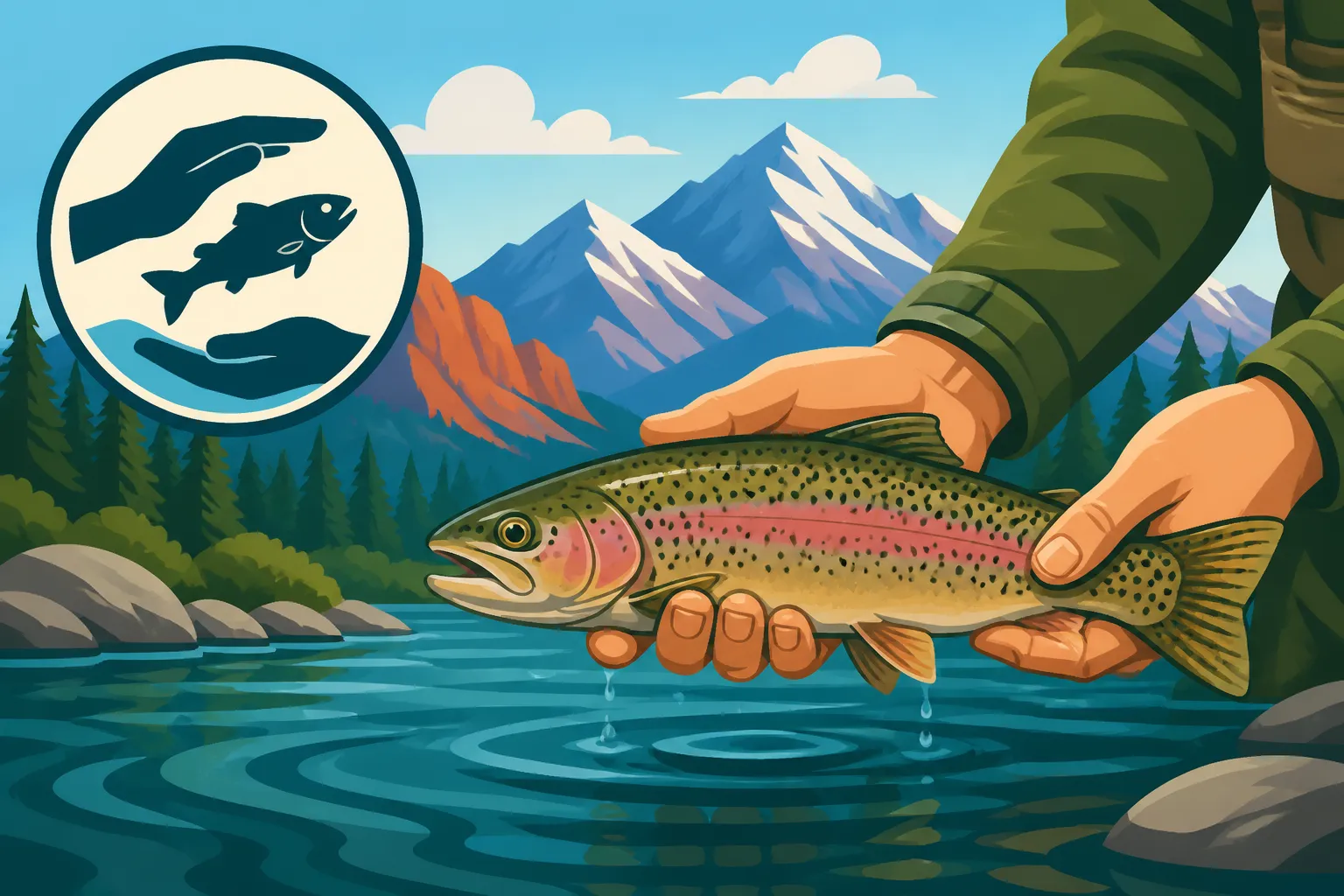
How to Handle Trout for a Safe Release
There's nothing quite like the thrill of feeling a Colorado trout strike your line, but what happens next is just as important as the catch itself. For many of us, the joy of fishing comes with a deep respect for the fish and their habitat, which is why knowing how to properly handle and release a trout safely is absolutely crucial. Unfortunately, even experienced anglers can sometimes unknowingly cause harm, leading to delayed mortality for the fish. This guide will walk you through the best practices to ensure your released trout swim away strong, ready to fight another day and contribute to Colorado's vibrant fisheries.
Why Safe Release Is So Important for Colorado's Trout
When we talk about safe release, it’s not just about getting the fish back into the water. It’s about minimizing stress, injury, and the potential for a fish to die hours or even days after it swims away from your hands. Colorado is home to a stunning array of trout species, including the delicate native cutthroats, and our actions play a significant role in their survival and the health of the ecosystem.
Protecting Delicate Ecosystems and Native Species
Colorado's waters, especially its renowned Colorado Gold Medal Water Regulations Explained and high-country streams, are often fragile environments. Trout, particularly our native Colorado's Native Cutthroat Trout Subspecies like the Greenback Cutthroat, are sensitive to stress and environmental changes. Each fish released successfully is a vital part of the population, contributing to future generations and maintaining the natural balance. When we practice safe release, we're not just being kind to an individual fish; we're actively participating in conservation efforts that sustain the very fisheries we love to visit. Think about the impact if even a small percentage of released fish don't make it – over time, that adds up to a significant reduction in fish numbers, potentially affecting the overall health and size structure of a population.
Ethical Angling and Personal Satisfaction
For many, fishing is more than just catching fish; it's a connection to nature, a peaceful pursuit that brings joy and challenge. Part of that connection involves respecting the creatures we interact with. Releasing a fish properly, knowing you've given it the best chance of survival, brings a profound sense of satisfaction that goes beyond the thrill of the catch. There's a certain pride in watching a healthy trout swim strongly back into the depths, knowing you've done right by it. Conversely, seeing a fish struggle or knowing you might have harmed it can really sour an otherwise perfect day on the water. It's about upholding the spirit of ethical angling and ensuring the sport remains sustainable and enjoyable for everyone.
Minimizing Stress from Hook-Up to Landing
The moment a trout takes your fly or lure, the clock starts ticking on its stress levels. How you play the fish, and what gear you use, dramatically impacts its chances of survival. A quick, efficient fight and a gentle landing are paramount.
Fighting the Fish Efficiently
It’s tempting to let a fish run and play, especially a big one, but prolonged fights can exhaust a trout to the point of no return. Lactic acid builds up in their muscles, making recovery difficult. Aim to bring the fish to hand or net as quickly and efficiently as possible, without "horsing" it in. This means using a rod that's appropriate for the size of fish you're targeting – a light rod might be fun, but if it extends the fight unnecessarily, it's doing more harm than good for the fish. Consider something like the recommended Best Rod Weight for Colorado Trout Fishing for your typical angling. Keep your rod tip up to maintain tension and control, steering the fish towards you. If a fish runs, let it run, but reel quickly when it pauses, regaining line.
Choosing the Right Gear for Gentle Handling
Your gear selection makes a huge difference. Barbless hooks are non-negotiable for responsible catch-and-release fishing, especially on Colorado's sensitive waters where Barbless Hook Rules on Colorado Rivers often apply. They reduce tissue damage and allow for much faster, easier hook removal. Many waters, especially Gold Medal stretches, specifically require them. You can either buy barbless hooks or simply crimp down the barb on your existing hooks with a pair of pliers. It’s a small effort that makes a massive impact.
A good landing net is another essential piece of equipment. Forget the old string nets that strip slime and damage fins. Opt for a net with a rubberized, knotless mesh. These nets are incredibly gentle on a fish’s delicate slime coat, fins, and scales. They also prevent hooks from getting tangled, making the release process much smoother. You can find excellent options online; many anglers purchase their Best Landing Net for Catch-and-Release Trout from retailers like Amazon, ensuring they get a high-quality, fish-friendly model.
The Art of Handling a Trout in Hand
Once you’ve landed the fish, the way you physically interact with it determines whether it recovers or suffers fatal injuries. This is where most mistakes happen, often with good intentions but poor technique.
Keep Them Wet and Horizontal
The golden rule of trout handling is simple: keep the fish in the water as much as possible. A trout's gills can be damaged by exposure to air, and its delicate slime coat, which protects it from disease and parasites, is easily rubbed off by dry hands or contact with rough surfaces. If you must lift the fish for a quick photo, keep it out of the water for the absolute minimum time possible – think seconds, not minutes.
When holding a trout, always support its full body weight horizontally. Never hold a trout vertically by the jaw or tail, or by one hand under its belly. This puts immense pressure on its internal organs and spinal column, which can cause irreparable damage. Imagine being hung by your chin – not pleasant, right? It's the same for a trout. Cradle the fish gently with one hand supporting its belly and the other holding its tail wrist. Keep its head submerged if you can, allowing water to flow over its gills. Before you even touch the fish, wet your hands thoroughly. Dry hands are like sandpaper to a fish's protective slime.
Quick and Gentle Hook Removal
This is where barbless hooks truly shine. With a barbless hook, often a gentle twist with forceps or a hemostat is all it takes for the hook to slide right out. Always carry a pair of long-nosed pliers or forceps for this task – trying to dig a hook out with your fingers is frustrating for you and traumatic for the fish. Many anglers pick up reliable forceps from Amazon before heading out. Avoid touching the gills or eyes. The gills are incredibly fragile, and even slight pressure can cause severe internal bleeding. If a fish is deeply hooked and the hook can’t be easily removed without causing further damage, it’s often best to simply cut the line as close to the hook as possible. The hook will eventually rust out, and this is far less traumatic than tearing sensitive tissues. Many fisheries regulations, as outlined in the Colorado Fishing Regulations Every Angler Should Know, advocate for cutting the line in such situations to prioritize the fish's survival.
Here's a quick comparison of good versus bad handling practices:
| Action | Good Practice | Bad Practice |
|---|---|---|
| Landing Fish | Use a rubberized, knotless net; quickly bring to hand | Beach on rocks/sand; use knotted net; prolong the fight |
| Touching Fish | Wet hands thoroughly before contact | Dry hands; wearing gloves that remove slime |
| Holding Fish | Keep in water; support horizontally with two wet hands | Lift vertically by jaw/tail; squeeze tightly; hold by gills |
| Hook Removal | Use barbless hooks & forceps; remove quickly while submerged | Use barbed hooks; rip hook out with fingers; pull on line |
| Photo Etiquette | Minimal time out of water (seconds); fish fully supported | Extended time out of water; dangling fish for 'hero shot' |
| Reviving Fish | Face into gentle current; support until strong, swims away | Toss back without revival; ignore if swimming weakly |
Giving Them the Best Chance: Reviving and Releasing
The moments after hook removal are just as critical as the fight and handling. A trout needs time to recover its strength and re-oxygenate its gills before it can swim away effectively.
The Revival Process
Once the hook is out, continue to hold the fish gently in the water, facing it into a slow, gentle current. This allows fresh, oxygenated water to flow over its gills, helping it to recover from the ordeal. If there's no current, gently move the fish forward and backward in the water to manually push water through its gills. This is often called "pumping" the fish. Look for signs of recovery: the fish will start to move its fins, particularly its tail, and eventually try to swim out of your grasp. Resist the urge to let it go prematurely. Support it until it can hold itself upright and actively tries to swim away from you with vigor. This process can take a minute or two, sometimes longer, especially if it was a particularly strong fight or if the water is warm.
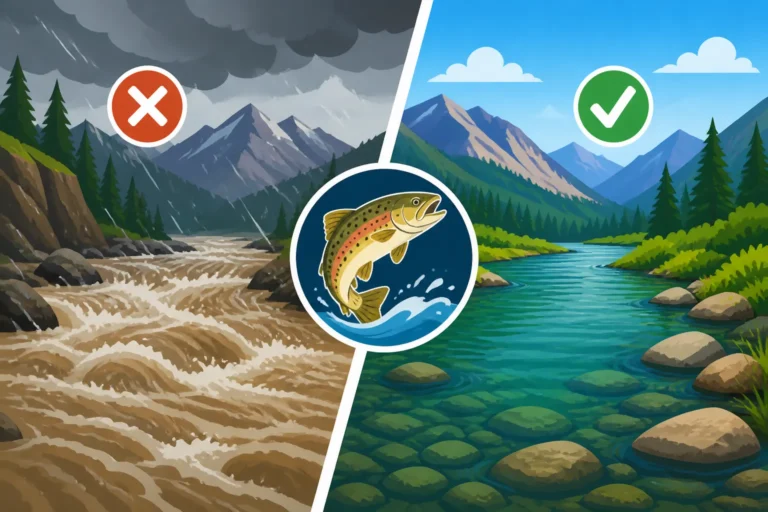
Warm water temperatures significantly reduce a trout's ability to recover, a concept explored in articles like Does Water Temperature Affect Catch-and-Release Survival? and How Water Temperature Affects Trout Feeding. In Colorado, especially during the peak of summer, surface water temperatures can become dangerously high for trout. If the water feels bathwater warm, consider not fishing at all, or focus on higher elevation streams or tailwaters where water temperatures remain cooler due to releases from deep reservoirs. For example, some Colorado waters might have specific What Catch-and-Release Only Means on Colorado Water rules that become even more critical during stressful environmental conditions.
Observing a Successful Release
A successful release means the fish swims away under its own power, upright and strong. Don’t simply toss the fish back into the water, hoping for the best. This can disorient it, making it an easy target for predators or causing it to sink to the bottom. Once the fish is actively resisting your hold and swimming off, gently release your grip. Watch it for a moment to ensure it doesn't just float to the surface or drift away. If it does, recapture it gently and continue the revival process. Remember, the goal is for the trout to be a healthy, vibrant part of the ecosystem, not just a statistic in your catch count. Practicing these mindful steps will ensure that your fishing adventures in Colorado contribute positively to the health of our beloved waterways.
Post-Release Care Considerations
Even after a successful release, factors beyond your immediate control can influence a trout's survival. For instance, sometimes fish, especially large ones, might still have lingering stress or minor injuries that become problematic later. One important thing you can do is avoid fishing the same spot intensely for an extended period, especially if you're pulling a lot of fish out of a specific hole. Giving the fish a break, or moving to a different run, can reduce overall stress on the local population. Also, be mindful of where you release the fish. Try to release it into an area with good cover, like an undercut bank or submerged log, where it can quickly find refuge and recover without immediately being exposed to predators. This small consideration can make a big difference in its ability to truly survive and thrive post-encounter. Always consult the Reading Colorado's Fishing Regulations Brochure for any specific regional guidelines on handling and release.
Disclaimer
This article is for general informational purposes only and does not constitute professional advice. Laws, prices and regulations vary by location and change over time. Consult a qualified professional for guidance on your specific situation.