How Long After a Storm Colorado Rivers Clear Up
There's nothing quite as disheartening as waking up eager for a day of Colorado fishing, only to see your favorite river running high, swift, and the color of chocolate milk after a good rain. It's a common frustration for anglers across the state, especially during spring and summer. This guide aims to shed some light on the mysteries of post-storm river clarity, helping you understand why rivers get muddy, what factors influence how quickly they clear, and how you can best approach fishing during these challenging, yet sometimes rewarding, conditions.
The Great Colorado Washout: Why Rivers Turn Muddy After a Storm
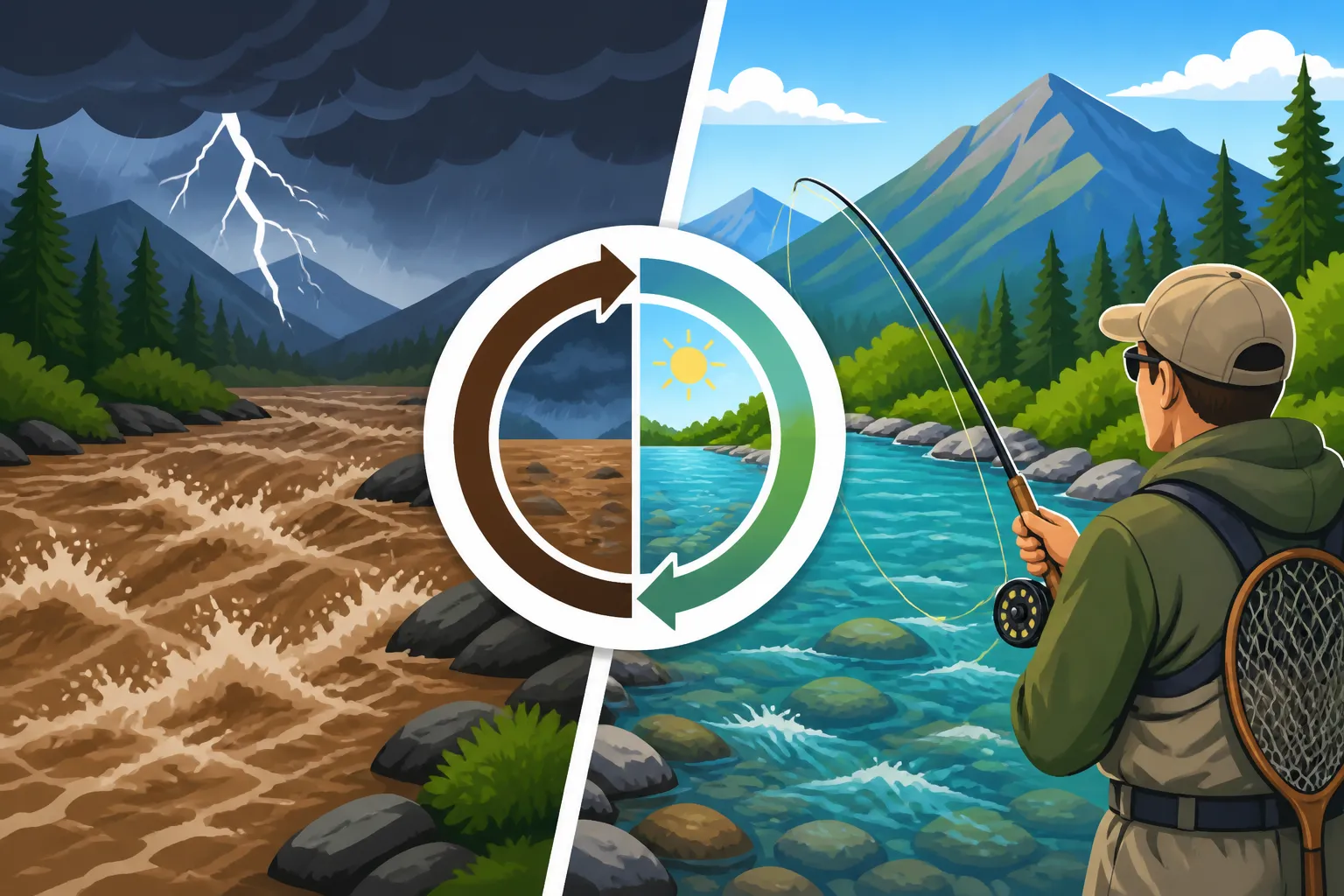
When a storm rolls through Colorado, whether it's a quick summer deluge or a prolonged spring system, the immediate impact on our rivers can be dramatic. The clear, inviting waters we know and love can transform into a roiling, brown torrent in a matter of hours. This isn't just about the rain falling directly into the river; it's a complex interplay of geology, topography, and the sheer volume of water moving across the landscape.
Understanding Runoff and Sediment Load
The primary culprit behind muddy rivers is runoff. When rain hits the ground, not all of it soaks in. A significant portion flows over the surface, picking up loose soil, organic matter, and other debris as it makes its way to the nearest stream or river. This is particularly true in areas with steep terrain, sparse vegetation, or saturated soils that can't absorb any more moisture. The faster the runoff, and the more material it picks up, the muddier the river becomes. This "sediment load" is what gives the water its murky appearance, effectively reducing visibility to zero for both fish and anglers. Think of it like a giant blender, mixing everything from the landscape into the water column.
The intensity and duration of the storm play a huge role here. A quick, heavy thunderstorm might cause a flash of muddiness that clears relatively fast, especially on smaller, steeper creeks. But a long, sustained rain over several days can saturate the entire watershed, leading to widespread runoff and a much more prolonged period of turbidity in larger river systems. Why Colorado Rivers Run High and Muddy in Late May delves deeper into how sustained water events impact river conditions.
The Role of Tributaries and Erosion
Colorado's rivers are fed by countless smaller creeks, streams, and gulches. These tributaries act like veins, collecting water and sediment from their own mini-watersheds and dumping it into the main river channel. After a storm, these smaller feeder streams often become raging conduits of muddy water and debris. Even if the main river itself didn't receive a direct downpour, it can quickly become discolored by the influx from its tributaries.
Erosion is also a major factor. The increased volume and velocity of water during a storm can carve away at riverbanks, stream beds, and even exposed hillsides. This not only adds more sediment to the water but can also reshape the river's contours over time, altering fish habitat. Places where construction, logging, or wildfires have disturbed the soil are particularly vulnerable to severe erosion, leading to even heavier sediment loads and longer clearing times. It's why a pristine mountain stream might still see a spike in murkiness if a nearby area has recently experienced a wildfire, as the soil is no longer held together by vegetation.
Decoding the Current: Factors Influencing River Clearing Times
There’s no one-size-fits-all answer to how long a Colorado river will take to clear up after a storm. It’s like asking how long it takes to drive across Colorado – it depends on where you start, where you're going, and what kind of vehicle you're in. River clearing is a dynamic process influenced by several interconnected factors.
Storm Severity and Watershed Characteristics
The intensity, duration, and geographic extent of the storm are paramount. A localized thunderstorm might only affect a specific section of a river, while a widespread rain event can impact an entire drainage basin. A gentle, all-day rain might result in less immediate mud but could lead to prolonged high water. Conversely, a violent, short-lived cloudburst can cause flash flooding and extreme turbidity that might settle faster.
Beyond the storm itself, the characteristics of the river's watershed play a critical role. Rivers that drain steep, rocky terrain with minimal soil and vegetation, often found in higher elevations, might get muddy quickly but also clear quickly once the rain stops. The water simply rushes off. On the other hand, rivers flowing through areas with fine, silty soils, agricultural lands, or extensive clay deposits will hold their mud for much longer. These soils are easily suspended in water and take time to settle out. Rivers with large reservoirs upstream can sometimes act as sediment traps, helping downstream sections clear faster, but not always. You can often get a sense of what to expect by understanding the river's overall character. Reading Water on a Colorado Freestone River can give you insights into how these geological features affect river dynamics.
Water Volume and Flow Rates
The sheer volume of water moving through the system is a huge determinant. When river levels are exceptionally high, as they are after a major storm or during peak When Colorado's Spring Runoff Hits and How to Fish Around It, the increased flow velocity keeps sediment suspended for longer periods. It's like stirring a glass of muddy water; the faster you stir, the longer the particles stay airborne. As the river levels begin to drop and the flow rate decreases, the water loses its ability to hold the sediment, allowing it to gradually settle to the bottom.
This is why tailwaters, rivers that flow out of large dams, often clear up much faster than freestone rivers. The dam acts as a massive settling basin, holding back much of the sediment from upstream. While tailwaters can still be affected by muddy tributaries below the dam, their main flow source is often clearer, giving them a significant advantage in post-storm recovery. This is a critical distinction for anglers to remember when planning a trip after heavy precipitation.
Soil Composition and River Bed Materials
The type of soil and riverbed material within the watershed directly impacts how long a river stays muddy. Rivers that primarily flow over bedrock or large gravel and cobble tend to clear faster because there's less fine sediment available to be suspended. Conversely, rivers that meander through silty, clay-rich banks, or agricultural areas where topsoil is easily washed away, will take considerably longer to clear. The fine particles in clay and silt are incredibly lightweight and can remain suspended in the water column for days, sometimes even weeks, especially if subsequent rains keep them stirred up.
For example, a river like the Fryingpan, which flows from Ruedi Reservoir through a relatively stable valley, often clears quickly. Compare that to some of the rivers on the Eastern Plains, where the terrain is flatter and the soil is more susceptible to erosion; these rivers can remain off-color for an extended period. Understanding the geological makeup of the region you plan to fish provides valuable clues about potential clearing times.
Temperature and Sunlight
While less impactful than the other factors, water temperature and sunlight can also play a subtle role in clearing times. Colder water can sometimes hold fine sediment in suspension for longer due to its density. Warmer water, especially in shallower sections exposed to sunlight, can sometimes aid in the breakdown of organic matter that contributes to discoloration.
However, the main effect of temperature often comes indirectly. Rapid snowmelt, often driven by warmer temperatures, can mimic storm conditions by sending significant volumes of water and sediment into rivers. In the grand scheme of clearing a river after a storm, these are secondary considerations, but they're part of the complex puzzle that determines when you can realistically expect to see those fishable conditions return.
| Factor | Impact on Clearing Time | Typical Duration of Impact |
|---|---|---|
| Storm Intensity/Duration | Heavier, longer storms increase turbidity and extend clearing. | Hours to several days |
| Watershed Size | Larger watersheds collect more runoff, taking longer to clear. | Days to over a week |
| Topography | Steep, rocky areas clear faster; flat, silty areas clear slower. | Varies greatly based on localized erosion |
| Soil Type | Clay/silt-heavy soils remain suspended longer. | Days to weeks |
| Vegetation Coverage | Less vegetation means more erosion and slower clearing. | Exacerbates other factors |
| River Flow Rate | Higher flows keep sediment suspended; slower flows allow settling. | Direct correlation to flow duration |
| Upstream Reservoirs | Can act as settling basins, potentially speeding up clearing. | Generally faster clearing downstream of large dams |
| Tributary Influx | Muddy tributaries can re-muddy a main stem even if it's clearing. | Dependent on individual tributary's clearing cycle |
| Subsequent Rainfall | Any new rain will restart or prolong the clearing process. | Indefinite, as long as storms continue |
Reading the Signs: When to Hit the Water After a Storm
Waiting for a river to clear after a storm can test an angler's patience, but heading out too soon can be a wasted effort, or worse, dangerous. Learning to read the river and monitor conditions is key to maximizing your chances of success and safety.
Monitoring River Flows and Clarity Online
In this digital age, you don't have to drive to the river to check its pulse. Colorado has excellent resources for monitoring river conditions. The United States Geological Survey (USGS) maintains a network of stream gauges that provide real-time data on river height (stage) and flow (discharge). You can find these online, and many display historical data, allowing you to compare current flows to averages. A rising or falling trend, combined with current clarity reports, can tell you a lot. Look for flows to be steadily dropping and returning closer to their pre-storm levels.
In addition to USGS, many local fly shops and guide services update their websites or social media with "fishing reports" that include river clarity observations. These local insights are invaluable, as they come from people on the ground who see the conditions daily. Using these resources in conjunction with a good weather app can help you make an informed decision from the comfort of your home. You can even find specific weather apps and river monitoring tools by searching for "Colorado river conditions app" on Amazon.
The "Tea Stain" Stage: Fishing Stained Water
Just because the water isn't crystal clear doesn't mean the fishing is off. In fact, some of the best fishing can occur when the water is slightly stained, often referred to as a "tea stain" or "off-color" condition. This reduced visibility can actually be a huge advantage for anglers. Fish feel more secure, are less spooky, and are more willing to move out from cover to feed. The slight murkiness also hides your presence, allowing for a more direct approach.
During this stage, fish rely more on their lateral lines to detect vibrations and their sense of smell. This means flies or lures with a strong profile, more flash, or scent can be incredibly effective. Streamers in darker colors like black, olive, or brown often shine, as do larger nymphs. If you're a spin angler, consider using spinners or spoons with contrasting colors or a bit of sparkle. Look for fish to be holding closer to the banks, behind current breaks, or in slower seams where they can ambush prey without fighting the main current. This "tea stain" period usually occurs a day or two after a moderate storm, once the worst of the sediment has flushed through.
High Water Tactics During the Clearing Phase
When rivers are running high and still slightly off-color, the tactics need to adapt significantly. Fish will move to areas where the current is slower, requiring less energy expenditure. This means focusing your efforts on the soft water along the banks, behind large rocks, in eddies, and in any other current breaks you can find. These are often the same places they hold during general periods of high flow, such as spring runoff. High Water Tactics During Colorado's Runoff offers additional strategies.
You'll need heavier flies or lures to get your presentation down to the fish quickly in the faster water. Think about adding extra split shot to your nymph rigs or choosing heavier jig heads for soft plastics. Brighter or darker colors that create a strong silhouette are often more visible to fish in stained water. And don't be afraid to fish closer to the bank than usual – often, the best holding water is right at your feet, in places you might normally pass over. Fishing close to structure, like submerged logs or undercut banks, also increases your chances as these offer shelter and ambush points for fish. You can find a wide selection of suitable weights, larger flies, and heavy jigs perfect for these conditions on Amazon.
Safety First: Knowing When to Stay Home
Above all, safety should be your number one priority. A river during or immediately after a storm can be incredibly dangerous. High, fast water creates strong currents, eddies, and submerged hazards that can be impossible to see. The banks can be unstable and slick, and wading can become treacherous, even deadly. If the water is still raging, completely opaque, and full of debris, it's simply not worth the risk.
Wait until the flows have visibly dropped, and the water has begun to gain some clarity before venturing out. Always fish with a buddy when conditions are anything less than ideal. Wear a wading belt, carry a wading staff for stability, and understand that wading deep in these conditions is rarely a good idea. Sometimes the best decision is to stay home, tie some flies, or prepare your gear for when the river finally settles into that perfect, fishable clarity. Remember that there are always safer alternatives, like fishing a lake or a tailwater that is less affected, while the freestone rivers recover.
Planning Ahead: Minimizing Downtime Post-Storm
You can't control the weather, but you can control your preparation. Having a game plan for post-storm fishing can save you time and ensure you're ready to hit the water as soon as conditions allow.
Alternative Waters: When Your River is Blown Out
One of the smartest strategies for a Colorado angler is to have a list of alternative fishing spots. If your favorite freestone river is completely blown out and will take days to clear, consider shifting your focus to other types of water that are less susceptible to storm impacts.
Tailwaters, as mentioned, are often a great option. Because the water comes from the bottom of a reservoir, it tends to be colder and clearer, even after significant rain in the surrounding watershed. Popular tailwaters like the Fryingpan River below Ruedi Reservoir or the Blue River below Dillon Reservoir are often fishable much sooner than their freestone counterparts. Lakes and reservoirs are also excellent alternatives. While they might see some temporary discoloration from inflows, their large volume helps to dilute and settle sediment much faster than a flowing river. Best Fishing Lakes Near Denver, Colorado or Colorado's Best Ice Fishing Reservoirs (depending on the season) can provide some excellent alternatives for different conditions. These alternative spots might not be your first choice, but they can salvage a fishing day when your primary targets are unfishable.
Gear and Fly Selection for Stained Water
Having the right gear on hand can make all the difference when you encounter off-color water. You’ll want to be prepared to fish with larger, more visible patterns. For fly anglers, this means streamers like Woolly Buggers, Sculpzillas, or articulated patterns in black, olive, or brown, perhaps with some flash. Larger stonefly nymphs, worm patterns, and even egg patterns can also be highly effective. The increased visibility and vibrations these flies create are crucial in murky water.
Spin anglers should consider jigs, spinnerbaits, or crankbaits that create a lot of vibration and have strong color contrast. Think about patterns with chartreuse, orange, or bright pink, especially when there's a mix of clear and muddy water. Additionally, heavier lines and stronger tippets might be in order, as you'll be fishing in conditions where fish are less line-shy, and you might encounter larger debris. Many anglers keep a dedicated "murky water" fly box or tackle tray, stocked with these go-to patterns. Investing in a good selection of these can be done easily through online retailers like Amazon.
Patience and Observation: The Angler's Best Virtues
Ultimately, waiting for a river to clear after a storm requires patience. Rushing out when the conditions are poor is often more frustrating than rewarding. Instead, use that time to prepare your gear, tie some flies, or study up on river dynamics. Pay close attention to river reports, local weather forecasts, and the USGS stream gauges.
When you do decide to go, start by observing. Look at the water color at bridges or access points. Is it still a chocolate milk color, or has it mellowed to a green or tea stain? Is the debris load significant? Are there any signs of fish activity near the banks or in slower eddies? Sometimes, even when the main channel is still quite muddy, you can find pockets of clearer water near springs, smaller clear tributaries, or along protected banks where fish will congregate. The more you observe, the better you'll become at judging when the river is ready to give up its treasures once again.
Disclaimer
This article is for general informational purposes only and does not constitute professional advice. Laws, prices and regulations vary by location and change over time. Consult a qualified professional for guidance on your specific situation.