Catfish Fishing in Colorado
Many anglers, especially those new to Colorado, often mistakenly believe our state is solely about pristine mountain streams and elusive trout. They might pack their fly rods and tiny nymphs, only to miss out on one of the most exciting and accessible fishing opportunities we have: the humble, yet powerful, catfish. This comprehensive guide is here to shed light on the thriving catfish scene across Colorado, helping you find them, catch them, and appreciate these often-overlooked aquatic giants.
Why Catfish Are a Colorado Angler's Secret Weapon
It's easy to get caught up in the allure of high-country trout, and don't get me wrong, I love chasing those colorful beauties as much as the next person. But overlooking catfish in Colorado is like passing up a perfectly grilled steak for a salad – you're missing out on some serious substance and fun. Catfish offer a different kind of thrill, a powerful fight, and often a more reliable bite, especially during those warm summer months when trout fishing can be a bit more challenging. They're a fantastic species for families, beginners, and seasoned pros looking for a strong tug on the line.
Dispelling the Myths of Colorado Catfishing
One of the biggest misconceptions I hear is that catfish are only found in murky, warm southern waters. While they certainly thrive there, Colorado has numerous reservoirs and slower-moving rivers that are absolutely teeming with healthy populations, primarily channel catfish. These aren't just small pan-sized fish either; many of our lakes produce catfish well into the double-digit pound range, and every now and then, a true monster pushes the state record. People also think catfish are only caught on "stink bait" and are somehow less sophisticated than trout fishing. While stink bait certainly works, there's a real art to understanding catfish behavior, presentation, and finding their preferred haunts.
They're also often unfairly judged on their appearance. Yes, they have whiskers and aren't as brightly colored as a rainbow trout, but their sleek, powerful bodies are built for strong runs and deep dives. The joy of battling a heavy channel cat, feeling that rhythmic head shake on the end of your line, is truly something special. Plus, they can be incredibly good table fare when properly cared for and cleaned, offering a delicate, flaky white meat that surprises many who only associate them with muddy flavors.
The Catfish Species You'll Encounter in Colorado
While the majority of the catfish action in Colorado revolves around the channel catfish, it's worth knowing what other whiskered wonders might grace your line. Understanding the species helps you target them more effectively and adhere to any specific regulations.
Channel Catfish: The Colorado Mainstay
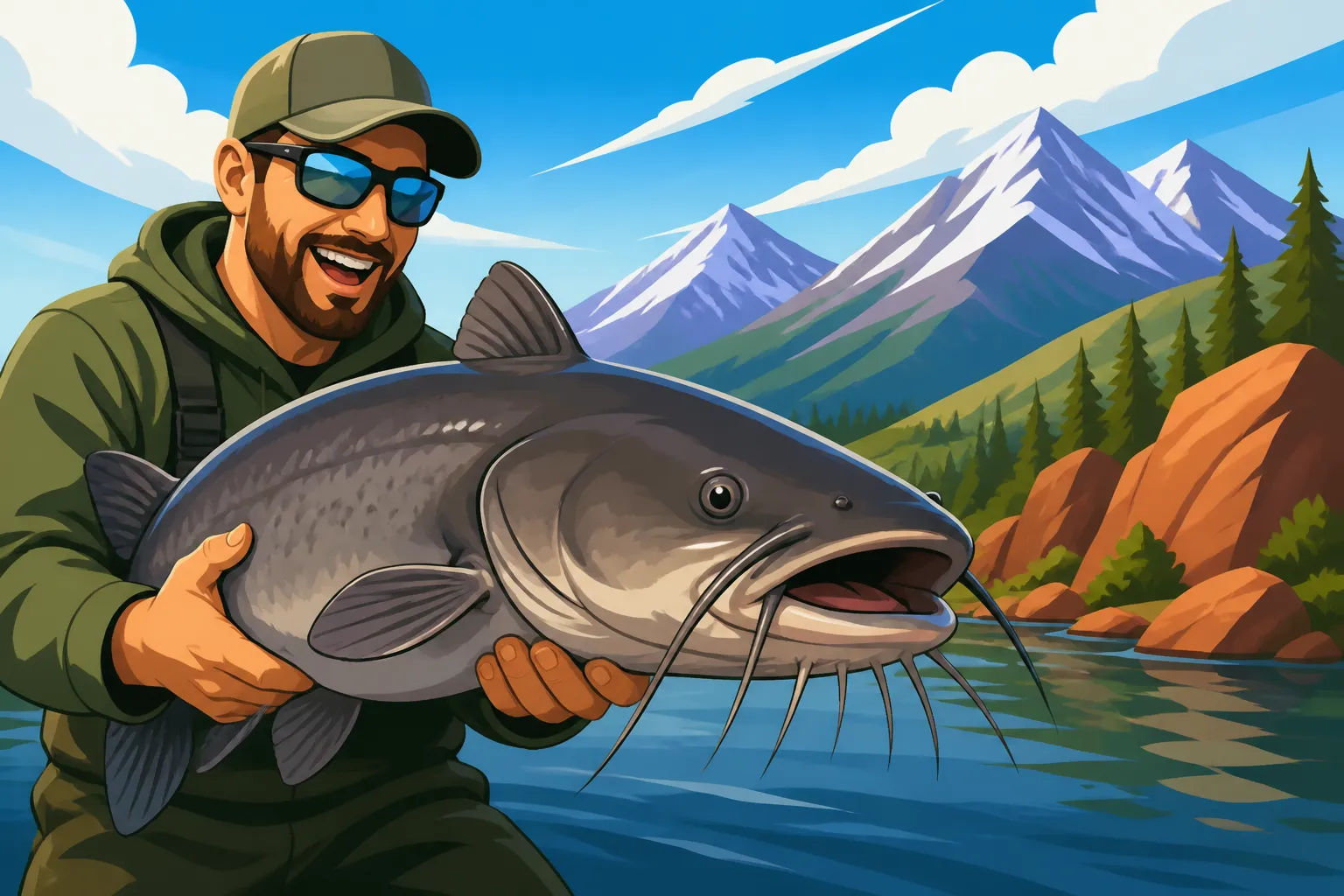
The undisputed king of Colorado catfishing is the channel catfish (Ictalurus punctatus). These are the fish you'll most commonly encounter in our warmer reservoirs and slower river sections, particularly on the Eastern Plains and along the Front Range. Channel cats are recognizable by their deeply forked tail, spotted bodies (though these spots can fade with age), and, of course, their prominent barbels or "whiskers." They are opportunistic feeders, meaning they'll eat just about anything, which makes them a fun target for anglers using a variety of baits.
Channel catfish are renowned for their fighting ability. When hooked, they put up a tremendous struggle, often making strong runs and bulldogging deep, using their broad, flat heads to resist the pull of your line. They are an incredibly adaptable species, thriving in a wide range of water conditions as long as temperatures are suitable for their metabolism. They prefer slower currents, muddy or sandy bottoms, and often congregate near submerged structures like timber, rock piles, or old roadbeds. It's truly amazing how robust their populations are across many of our accessible waters, providing countless hours of angling enjoyment. You can learn more about Channel Catfish in Colorado's Warmwater Lakes in our dedicated guide.
Bullheads: The Smaller, Scrappier Cousins
While not as large or widespread as channel catfish, black bullheads (Ameiurus melas) and sometimes yellow bullheads (Ameiurus natalis) can be found in various ponds, small lakes, and slower river sections throughout Colorado. Bullheads are smaller, typically not exceeding a few pounds, and have a more rounded tail compared to the channel cat's distinct fork. They are generally darker in color, often mottled brown or black, and lack the prominent spots of a channel catfish. They also tend to have a thicker, more stout body shape.
Bullheads are incredibly hardy and can tolerate murkier water and lower oxygen levels than many other game fish. They're often a common catch for kids using worms and bobbers in urban ponds, providing an excellent entry point into fishing. While they don't offer the same drag-screaming runs as a channel cat, they are feisty fighters for their size and can provide consistent action. They are bottom feeders, relying on their barbels to detect food in murky water or low light. Targeting bullheads can be a great way to introduce someone to fishing, as they're often less finicky and more abundant in certain environments.
Where to Find Catfish in Colorado
Colorado might be famous for its trout streams, but don't let that fool you. We have some absolutely prime catfish real estate, especially in our warmer, slower-moving waters. Knowing where to look is half the battle, and often it means exploring the larger reservoirs and river stretches that might not get as much attention from the fly-fishing crowd.
Front Range Reservoirs: Catfish Hotbeds
The Front Range, with its numerous large reservoirs, is undoubtedly a hotspot for channel catfish. These lakes often have extensive shallow flats, submerged structures, and warmer water temperatures that catfish absolutely love. They're also incredibly accessible, making them perfect for a quick evening trip or a full day out with the family.
Chatfield Reservoir
Just south of Denver, Chatfield Reservoir is a fantastic location for catfish. Its large size and varied structure—from rocky points to sandy flats and submerged timber—provide ample habitat. Anglers often find good success targeting the reservoir's shallower coves and the mouths of its inlets, especially the South Platte River arm, where catfish congregate, particularly during warmer months. Fishing near old creek channels or submerged vegetation beds can also be incredibly productive. Early mornings and evenings tend to be the most active times, though night fishing can also yield impressive results, with fish moving into shallower water to feed. Look for areas with a gentle current or where feeder creeks enter the main body of water.
Cherry Creek Reservoir
Another excellent option right in the Denver Metro Area is Cherry Creek Reservoir. Similar to Chatfield, Cherry Creek offers vast expanses of water and plenty of structure. Catfish here are often found patrolling the edges of weed beds, around submerged brush, or in deeper channels. The reservoir's overall warmer water profile makes it ideal for sustained catfish populations. I've had some memorable nights fishing the sandy beaches and rocky points, casting out chicken liver or cut bait and waiting for that tell-tale tap-tap-pull. Concentrate your efforts around the dam, the creek channels, and the numerous coves, especially when the water warms up in late spring through early fall.
Standley Lake
Further north, near Westminster, Standley Lake also holds a healthy population of channel catfish. This reservoir is known for its clear water, which can make catfish a bit more skittish during the day, but they become much more active and less cautious under the cover of darkness. Fishing the wind-blown sides, where baitfish and invertebrates are pushed, can be very productive. Target areas with access to deeper water but where there are also shallower shelves for them to move up onto to feed. Using strong-smelling baits can help attract them in the clearer conditions. While it's a good spot, remember that Standley Lake has specific regulations regarding boating and access due to its status as a drinking water source, so always check local rules before you go.
Eastern Plains Reservoirs: Big Catfish Country
When you head out to Colorado's Eastern Plains, you're entering big catfish country. These expansive, often shallower reservoirs heat up considerably in the summer, creating ideal conditions for channel catfish to grow to impressive sizes. The lack of mountain scenery is more than made up for by the potential for a trophy catch.
John Martin Reservoir
John Martin Reservoir on the Eastern Plains is legendary among Colorado catfish anglers. This massive body of water near Hasty is a true gem, producing not just good numbers of channel catfish but also some absolute giants. The reservoir's numerous coves, submerged timber, and varying depths provide perfect catfish habitat. Look for deeper holes and channels, especially those near the old riverbed, and focus on points or humps that top out near structure. The Arkansas River flows into John Martin, bringing nutrients and a constant supply of food, which helps fuel the growth of these impressive fish. Night fishing here can be truly spectacular, with multiple double-digit fish possible on a good outing.
Pueblo Reservoir
While Pueblo Reservoir in Southern Colorado is often lauded for its trophy walleye and bass, it also boasts a fantastic channel catfish fishery. Its warmer waters and extensive rocky shorelines, combined with numerous coves and a river inlet, provide an excellent environment for catfish. I've had success fishing the coves and around submerged rock piles, especially after dark. The catfish here tend to be well-fed and strong fighters. Anglers should target areas with gradual slopes leading to deeper water, and don't overlook the main channel of the Arkansas River as it enters the reservoir, as catfish often stage there. During the spawn, they'll move into shallower, protected areas, offering bank anglers excellent opportunities.
Rivers and Ponds: More Intimate Catfish Opportunities
Beyond the large reservoirs, don't forget the more intimate settings of Colorado's rivers and smaller ponds. While these might not always hold the behemoth catfish of the big lakes, they offer consistent action and a different kind of angling experience.
South Platte River
While famous for its trout in the mountain sections, the South Platte River, particularly its slower, warmer stretches downstream from Denver, holds a surprising number of channel catfish. These river cats often congregate in deep holes, undercut banks, and around snags and logjams. Fishing the outside bends of the river, where the current carves out deeper pockets, can be very productive. Look for slower sections of current adjacent to faster water, as catfish will often lie in wait for food to be swept by. Access can be a bit more challenging in some areas, but for those willing to explore, the South Platte offers a unique river catfishing experience.
Urban Fishing Ponds
Many urban fishing ponds throughout the state, especially those managed by Colorado Parks and Wildlife (CPW) as part of their Urban Fishing Program, are regularly stocked with channel catfish alongside trout and other species. These ponds are fantastic for introducing kids to fishing, as they offer easy access and often consistent action. While the fish may not be trophy-sized, they are abundant and eager to bite. These ponds usually have regulations specific to them, so always check the signage. They're a great place to experiment with different baits and techniques without the pressure of a large body of water.
| Reservoir/River | Primary Species | Key Features | Best Time to Fish |
|---|---|---|---|
| Chatfield Reservoir | Channel Catfish | Varied structure, river arm, coves | Warm months, evenings/nights |
| Cherry Creek Reservoir | Channel Catfish | Extensive coves, weed beds, urban access | Warm months, evenings/nights |
| Standley Lake | Channel Catfish | Clear water, wind-blown shores | Warm months, especially nights |
| John Martin Reservoir | Channel Catfish | Massive, deep holes, river inlet | Warm months, year-round for some |
| Pueblo Reservoir | Channel Catfish | Rocky points, coves, Arkansas River inlet | Warm months, evenings/nights |
| South Platte River (lower) | Channel Catfish | Deep holes, undercut banks, snags | Warm months, slower sections |
| Urban Ponds | Channel/Bullhead | Easy access, stocked, family-friendly | Warm months, good all day |
When to Fish for Catfish in Colorado
Timing is everything in fishing, and while catfish can be caught year-round in some parts of Colorado, understanding their seasonal patterns and daily habits will dramatically improve your success rate. Catfish, like most fish, are heavily influenced by water temperature and light conditions.
Seasonal Strategies for Colorado Catfish
Colorado's distinct seasons mean catfish behavior changes throughout the year. Adapting your approach to these changes is crucial for consistent catches.
Spring: The Post-Winter Awakening
As winter ice recedes and water temperatures begin to climb in early spring, catfish start to shake off their winter lethargy. This is a fantastic time to target them as they become increasingly active and begin to feed aggressively to regain lost energy. Look for them in shallower areas that warm up fastest, such as sunny coves, protected bays, and the northern banks of reservoirs. In rivers, they'll move into slower pools and eddies. During this period, they're often not yet focused on spawning, but rather on finding easy meals.
Bait choices that are strong-smelling and easily detectable, like cut bait or chicken liver, work well to entice them out of their cooler-water haunts. Don't be afraid to fish slightly deeper edges of these warming flats, as they might be staging there before moving fully shallow. As the water approaches the 60-degree Fahrenheit mark, their metabolism really kicks into gear, and the bite can be incredibly strong, providing some of the most consistent action of the year before the summer crowds arrive.
Summer: The Peak Catfish Season
Summer is prime time for Colorado catfish. With water temperatures consistently warm, their metabolism is high, and they are actively feeding throughout the day and, especially, at night. During the scorching midday sun, catfish often retreat to deeper, cooler water or seek out shade under submerged structures, bridges, or deep-cut banks. However, as the sun begins to set and the air cools, they move into shallower feeding flats, points, and coves. This is when night fishing becomes incredibly productive.
Warm summer evenings are when you'll find many dedicated catfishermen out on the water, casting large chunks of cut bait or prepared "stink baits" into prime locations. The bite can be aggressive, and the fight of a strong channel cat in warm water is exhilarating. Pay close attention to wind direction, as sustained winds will push baitfish and other food sources towards certain banks, making those areas prime catfish hunting grounds. This is also when they can be found in rivers, particularly in deep pools and behind current breaks, where they can ambush prey. Just remember your bug spray for those summer nights!
Fall: The Pre-Winter Feast
As autumn arrives and water temperatures gradually start to drop, catfish enter a period of intense feeding, similar to many other species preparing for winter. They will gorge themselves, building up fat reserves, which makes them highly catchable. Look for them moving into deeper main lake basins or the deeper holes in rivers, often staging around prominent underwater structures like humps, points, and old river channels. They may not be as aggressive as during the peak summer bite, but when you find them, they're usually grouped up and willing to eat.
Bait presentation becomes a bit more important as the water cools; slower retrieves and allowing baits to soak for longer periods can be effective. Cut bait, particularly shad or oily fish, can be irresistible to hungry fall cats. The cooler air temperatures make for more comfortable fishing, and the potential for a trophy fish putting on its winter weight is very real. Fishing around brush piles or submerged trees in deeper water can also be a key strategy during the fall transition.
Winter: A Niche Opportunity
While many anglers pack away their catfish gear for the winter, dedicated ice anglers know that catfish can still be caught through the ice in Colorado. Their activity levels drop significantly in the frigid water, but they don't completely shut down. Look for them in deeper basins of reservoirs, often near the bottom, where they'll relate to structure like humps or old river channels. Targeting Does Catfish Fishing Slow Down in Cold Water? is a common question, and the answer is yes, but they still bite.
The key to winter catfishing is patience and the right bait. Small pieces of cut bait, worms, or even small jigs tipped with scent can entice a lethargic catfish. You'll need to present your bait right on the bottom and be prepared for subtle bites. The fight won't be as explosive as in summer, but landing a solid channel cat through a hole in the ice is a unique and rewarding experience that proves these fish are truly resilient. Always prioritize safety on the ice and check ice conditions before venturing out.
Daily Rhythms and Optimal Conditions
Beyond the seasons, understanding the daily patterns of catfish and how different conditions influence their feeding will give you a significant edge.
Night Fishing: Catfish Come Alive
Without a doubt, night fishing is often the most productive time for targeting channel catfish in Colorado. Catfish are primarily nocturnal feeders, using their sensitive barbels and keen sense of smell to locate food in low-light conditions. As the sun sets and the lake or river settles down, catfish move from their deeper, daytime holding areas into shallower flats, coves, and river bends to forage. The reduced light also makes them less wary and more willing to venture into open areas.
If you're planning a serious catfish trip, especially for larger specimens, dedicating time to fish after dark is a must. Bring plenty of light sources, bug spray, and be prepared for an active night. Set up multiple rods with different baits and spread them out to cover more water. The bite can be consistent from dusk until dawn, with peak activity often in the hours just after sunset and before sunrise. This is also when the biggest fish are often caught, as they are less pressured and more confident under the cloak of darkness.
Cloudy Days and Overcast Conditions
While bright, sunny days can push catfish into deeper, shadier haunts, cloudy or overcast conditions can extend their feeding windows into the daytime. The diffused light makes them feel more comfortable in shallower water, mimicking night conditions to some extent. During these days, you might find active catfish in areas you'd typically only fish at dawn or dusk.
Similarly, fishing just before a storm front moves in can often trigger a feeding frenzy. The drop in barometric pressure can make fish more active, and they seem to sense the approaching change and feed aggressively. However, always exercise extreme caution and be aware of weather forecasts, especially concerning lightning, when fishing before or during storms. A safe fishing trip is always the best fishing trip.
Essential Catfish Gear for Colorado Waters
To consistently catch catfish in Colorado, you need gear that's up to the task. These fish are strong, and they'll test your equipment. While you don't need the most expensive setup, having the right rods, reels, line, and terminal tackle makes all the difference in landing that trophy cat.
Rods and Reels: The Backbone of Your Setup
Choosing the right rod and reel combination is paramount for effective catfish fishing. You need a setup that can handle heavy weights, powerful runs, and potentially large fish.
Rod Selection: Power and Sensitivity
For channel catfish in Colorado, you'll generally want a medium-heavy to heavy action rod, typically in the 7 to 9-foot range. The longer length helps with casting heavier baits farther and provides better leverage when fighting a big fish. The medium-heavy to heavy action ensures you have enough backbone to set the hook firmly into a catfish's tough mouth and to steer them away from snags. Look for rods with a good amount of sensitivity in the tip, even with a strong backbone, so you can detect those subtle bites, especially when they're just mouthing the bait.
Many dedicated catfish rods are made with fiberglass or composite materials, offering excellent durability and a more parabolic bend that helps absorb the shock of a powerful run. If you're fishing smaller ponds for bullheads, a medium action rod around 6 to 7 feet might suffice, but for larger reservoirs and rivers, definitely lean towards the heavier side. Brands like Ugly Stik and Berkley offer excellent, affordable options that can withstand the rigors of catfishing. You can find a wide variety of these rods and reels on platforms like Amazon, making it easy to compare options and read reviews.
Reel Selection: Durability and Drag Power
Your reel needs to complement your rod in terms of power and durability. Spinning reels are popular for their ease of use, especially for beginners. Look for a spinning reel with a robust drag system, a large line capacity (to hold plenty of heavy line), and a sturdy construction. Sizes in the 4000 to 6000 range are typically good for general catfish angling. Baitcasting reels, particularly conventional round reels, are often favored by experienced catfishermen for their superior cranking power, line capacity, and control when fighting very large fish.
Regardless of whether you choose spinning or baitcasting, ensure the reel has smooth, reliable drag. A jerky drag can lead to snapped lines or pulled hooks when a big channel cat decides to make a run. Many reels are now built with corrosion-resistant materials, which is a bonus if you're frequently fishing in less-than-pristine waters. The key is to have a reel that can handle the abuse and keep functioning smoothly, trip after trip.
Line and Terminal Tackle: The Crucial Connections
The strength of your line and the quality of your terminal tackle are critical. These are the components directly connecting you to the fish, and any weak link can mean a lost catch.
Fishing Line: Strength and Abrasion Resistance
For Colorado catfishing, I generally recommend monofilament line in the 15 to 30-pound test range. Monofilament offers good abrasion resistance, which is important when fishing around rocky bottoms, submerged timber, or other snags where catfish often lurk. Its slight stretch also acts as a shock absorber during violent head shakes and runs. If you're targeting truly monster cats or fishing extremely snaggy areas, you might consider braided line in the 30 to 65-pound test range. Braid has incredible strength-to-diameter ratio and almost no stretch, offering superior sensitivity for detecting subtle bites and immense power for pulling fish out of heavy cover.
However, braid can be less forgiving during a hard strike and is more visible to fish in clearer water. Some anglers opt for a braided main line with a monofilament or fluorocarbon leader to combine the advantages of both. Regardless of your choice, make sure your line is fresh and free of nicks or abrasions before each trip.
Hooks: Sharp and Strong
Catfish have tough mouths, so sharp, strong hooks are non-negotiable. Circle hooks are overwhelmingly popular and highly recommended for catfish. Their design ensures that the hook typically catches in the corner of the fish's mouth, minimizing gut-hooking and making for easier, safer releases, especially important if you're practicing catch-and-release or adhering to specific regulations. Sizes ranging from 4/0 to 8/0 are common, depending on the size of the bait and the target fish.
Treble hooks can also be used, particularly with prepared "stink baits" that require more surface area for the bait to adhere, but be very careful with handling and release. J-hooks, in sizes 4/0 to 7/0, are also effective but again, require more attention to avoid gut-hooking. Always ensure your hooks are chemically sharpened or manually sharpen them before you hit the water. There's nothing more frustrating than losing a big fish because of a dull hook.
Sinkers and Swivels: Getting Your Bait Down
The type and weight of your sinker will depend on current and depth. For still water in reservoirs, a slip sinker (egg sinker or no-roll sinker) of ½ to 2 ounces is usually sufficient. In river currents, you might need heavier weights, up to 4 ounces or more, to keep your bait stationary on the bottom. No-roll sinkers are excellent in current as they tend not to move as much.
Swivels are crucial for preventing line twist, especially when using cut baits that might spin in the current. A quality barrel swivel or, even better, a heavy-duty ball-bearing swivel, connected to your main line and leader, will make a big difference. Snap swivels can be convenient for quickly changing out rigs or baits. Always opt for quality swivels that can handle the strain of heavy fish and strong currents.
Top Catfish Baits and Rigs for Colorado Success
Catfish aren't generally picky eaters, which is part of their charm, but having the right bait and presenting it effectively with the correct rig can make all the difference between a slow day and a banner day. From natural offerings to pungent concoctions, there's a bait for every situation.
The Best Catfish Baits: From Stink to Sustain
Catfish rely heavily on their sense of smell, so strong-smelling baits are often the most effective. However, they're also opportunistic predators, so don't underestimate live or cut bait.
Natural Baits: Tried and True
- Cut Bait: This is arguably the most effective bait for channel catfish, especially for larger specimens. Chunks of oily, bloody fish like shad, carp, or even small pieces of sucker meat work incredibly well. The scent trail they release in the water is irresistible to catfish. Fresh cut bait is always best, but frozen can work in a pinch. Consider using pieces from small, legal panfish if available, just be mindful of any specific regulations on using game fish as bait.
- Chicken Liver: A classic for a reason. Chicken liver is incredibly soft and messy, but its strong smell and blood content make it a catfish magnet. The biggest challenge is keeping it on the hook. Many anglers will wrap it in a small piece of nylon stocking or a bait holder to help secure it. It's affordable and readily available at most grocery stores.
- Worms (Nightcrawlers): While often associated with trout, good old nightcrawlers are excellent for catfish, especially smaller channel cats and bullheads in ponds. They offer a natural presentation and a subtle scent trail. You can fish them whole or in chunks.
- Shrimp: Raw, peeled shrimp, especially those that have been left out for a little while to get good and stinky, are fantastic catfish baits. They're easy to find and handle, and their natural oils and scent attract fish effectively.
Prepared Baits: The Scent Powerhouses
- Stink Baits: These are engineered to appeal directly to a catfish's powerful sense of smell. They come in various forms: dough balls, dips, and pre-formed nuggets. Brands like Catfish Charlie, Sonny's, and Rippin Lips are popular choices. The key to stink baits is often finding one that works for the specific body of water you're fishing, as preferences can vary. They are incredibly pungent, so be prepared for the smell! Many anglers stock up on their favorite prepared baits from retailers like Amazon before a big trip.
- Punch Baits: Similar to stink baits but often with a thicker, cheesier consistency. They're designed to be "punched" onto a treble hook, forming a solid mass that releases scent slowly. They tend to stay on the hook better than some dip baits.
- Hot Dogs: Yes, plain old hot dogs can be surprisingly effective! Some anglers swear by them, often soaking them in garlic juice or Kool-Aid for added attraction. They're cheap, easy to cut into chunks, and stay on the hook well.
| Bait Type | Pros | Cons | Best for |
|---|---|---|---|
| Cut Bait | Highly effective, strong scent, large fish | Can be messy, acquiring baitfish can be work | Large channel cats, rivers, reservoirs |
| Chicken Liver | Very effective, strong scent, affordable | Messy, hard to keep on hook | All channel cats, especially active ones |
| Nightcrawlers | Natural, easy to get, less messy | Smaller fish, less scent trail | Bullheads, smaller channel cats, kids |
| Shrimp (raw) | Good scent, easy to handle, widely available | Can be expensive | All channel cats, good all-around |
| Stink/Punch Baits | Extremely pungent, designed for catfish | Can be very smelly, specific to catfish | Active channel cats, targeting specific size |
| Hot Dogs | Cheap, easy to use, stays on hook well | Less scent than cut/stink baits | All channel cats, convenient |
Catfish Rigs: Presenting Your Bait Effectively
Proper rigging is essential to ensure your bait is presented naturally and effectively where catfish are feeding. The goal is to keep your bait on the bottom, where catfish spend most of their time.
The Carolina Rig (Slip Sinker Rig)
This is by far the most popular and versatile rig for catfishing in Colorado, especially in reservoirs and slower rivers. It allows the catfish to pick up the bait and run with it for a short distance without feeling the resistance of the sinker, leading to more confident bites.
How to Tie It:
- Thread a slip sinker (egg sinker or no-roll sinker) onto your main line.
- Tie on a bead (optional, but protects the knot from the sinker).
- Tie a heavy-duty barrel swivel to the end of your main line.
- To the other eye of the swivel, tie a monofilament or fluorocarbon leader (12-24 inches long).
- Tie your hook (circle hook recommended) to the end of the leader.
This rig is excellent for bank fishing, allowing you to cast out and let your bait sit on the bottom, waiting for a cruising cat. The length of the leader can be adjusted; a longer leader provides more natural movement, while a shorter one keeps the bait closer to the weight in current.
Three-Way Swivel Rig (Controlled Drift Rig)
This rig is fantastic for fishing in stronger currents or when you want to present multiple baits at different depths off the bottom, although for catfish, we're primarily concerned with the bottom. It's often used when drift fishing from a boat.
How to Tie It:
- Tie your main line to one eye of a three-way swivel.
- Tie a short leader (6-12 inches) with a sinker to a second eye of the swivel.
- Tie a longer leader (12-36 inches) with your hook and bait to the third eye of the swivel.
The idea here is that the sinker keeps your bait near the bottom, while the bait can waft enticingly in the current. If you're using this rig for bank fishing in a river, the sinker will hold the bottom while your bait drifts slightly downstream, presenting it to fish holding in eddies or behind structure.
The Santee Cooper Rig (Floating Bait Rig)
While catfish are primarily bottom feeders, sometimes getting your bait just a few inches off the bottom can make it more visible and appealing, especially over muddy or weedy bottoms. The Santee Cooper rig does just that.
How to Tie It:
- Start with a Carolina Rig setup (slip sinker, bead, swivel).
- On your leader (from the swivel to the hook), add a small foam float or corkie approximately 2-6 inches above your hook.
This float lifts your bait slightly off the bottom, preventing it from getting buried in mud or obscured by weeds. It also allows the bait to flutter and move more naturally with subtle currents. This rig is particularly effective when fishing over soft bottoms or in areas with submerged vegetation.
Techniques for Catfish Success in Colorado
Catching catfish consistently goes beyond just having the right gear and bait; it involves understanding their behavior and employing effective techniques. Whether you're fishing from the bank or a boat, a few key strategies will boost your success.
Bank Fishing: Accessibility and Strategy
Bank fishing is how many of us start catfishing, and it remains one of the most popular and accessible methods in Colorado. It requires a bit of strategy to maximize your chances, as you can't cover as much water as from a boat.
Casting and Spreading Your Baits
When bank fishing, you want to cover as much of the prime catfish real estate as possible from your chosen spot. Use multiple rods (check local regulations for how many rods are allowed per angler) and cast them to different depths and structures. For instance, cast one rod close to shore near a drop-off, another further out towards a submerged hump, and a third along a current seam or old creek channel. This strategy helps you pinpoint where the fish are holding on that particular day.
Once your bait is out, let it soak. Catfish are not always immediate biters; they might take some time to find the scent trail and approach the bait. It's not uncommon for a bait to sit for 15-30 minutes, or even longer, before a fish takes it. Be patient, but also be willing to re-bait and re-cast every so often, especially if you suspect your bait has been picked clean by smaller fish or has degraded. Setting your rod in a sturdy rod holder with the bail open (on spinning reels) or clicker engaged (on baitcasting reels) allows for a free run when a fish takes the bait, preventing your rod from being pulled into the water.
Targeting Structure from Shore
Even from shore, you can target key catfish structures. Look for areas where creeks enter a reservoir, creating a natural food funnel. Points that jut out into the water can be productive, especially if they have deeper water on their edges. Submerged brush piles, visible stumps, or rocky areas are also prime holding spots. Use your local knowledge, satellite maps, or even a basic fish finder (if allowed and feasible from shore) to identify promising structure. In rivers, target deep pools, undercut banks, and the tail-outs of riffles where food collects. Patience is your biggest virtue when targeting these specific features from the bank, as you're waiting for a fish to come to you rather than actively seeking them out.
Boat Fishing: Mobility and Versatility
Having a boat opens up a whole new world of catfishing opportunities, allowing you to access areas inaccessible from shore and employ more dynamic techniques.
Anchoring and Fan Casting
One common boat fishing strategy is to anchor up near a promising piece of structure, like a submerged hump, an old river channel, or a brush pile. Once anchored, use the fan casting technique: cast your baits in a wide arc around the boat, covering a large area. This is similar to bank fishing but with the added advantage of being able to position yourself exactly over or adjacent to prime structure. Use your depth finder to locate changes in bottom contour, baitfish schools, or actual fish holding near structure before you drop anchor.
When anchoring, try to position your boat slightly upstream or upwind of your target area, allowing your baits to settle naturally into the strike zone. You can fish multiple rods, often using different baits on each, to determine what the catfish are preferring that day. This method is particularly effective when you've identified a specific concentration of fish on your electronics. It's a great way to "pick apart" a promising piece of water and often leads to multiple hookups once the catfish find your offerings.
Drifting: Covering More Water
Drift fishing is an incredibly effective technique for covering large areas and finding active catfish, especially in big reservoirs or broad river stretches. The idea is to allow your boat to slowly drift with the wind or current, dragging your baited rigs along the bottom. This presents your bait to a vast number of fish you might otherwise miss if you were anchored in one spot.
To drift effectively, you'll want to use a Carolina rig or a three-way swivel rig with just enough weight to keep your bait bouncing along the bottom without snagging too often. Pay attention to your line angle; you want it to be as vertical as possible to maintain contact with the bottom and detect bites. Sometimes a drift sock (a sea anchor) can be deployed to slow your drift down, especially on windy days, allowing your bait more time in the strike zone. Drifting parallel to contour lines or over large flats where catfish are known to roam can be incredibly productive, often leading to strikes as your bait passes over new groups of fish.
Catfish Care and Colorado Regulations
Once you've hooked and landed a catfish, proper handling is important for both the fish's health (if releasing) and for ensuring quality table fare (if keeping). It's also vital to be aware of and adhere to Colorado's fishing regulations to avoid any legal trouble.
Handling Your Catch: Respect for the Fish
Catfish have a few unique features that require careful handling to avoid injury to both you and the fish. Their dorsal and pectoral fins have sharp, stout spines that can deliver a painful "sting" if you're not careful. These spines are not venomous in channel catfish, but they can break off in your skin and cause irritation or infection.
Safe Landing and Release Practices
When landing a catfish, use a sturdy net designed for larger fish. Once in the net, you can grasp the fish firmly behind the head, being careful to avoid the spines. For smaller catfish, you can often "lip" them like a bass, but always be cautious of those sharp pectoral spines. For larger fish, a sturdy glove can offer protection. If you plan to release the fish, minimize its time out of water. Use needle-nose pliers or a hook remover to quickly and gently remove the hook. If the fish is deeply hooked, it's often best to cut the line as close to the hook as possible, as attempts to remove a deeply embedded hook can do more harm than good. Ensure the fish is revived by holding it gently in the water, facing into a current, until it swims away under its own power.
If you intend to keep your catch for the dinner table, dispatch it humanely and place it immediately on ice in a cooler. This rapid cooling helps preserve the quality and flavor of the meat. Many anglers who keep catfish also choose to bleed them immediately after catching by cutting a gill arch; this can further improve the meat's taste and texture.
Cleaning and Preparing Catfish
Catfish meat is firm, white, and flaky, with a mild flavor that can be incredibly delicious, especially from cleaner waters. The key to good-tasting catfish is proper and timely cleaning. The thick skin of a catfish needs to be removed, which is different from scaling a trout or bass.
Skinning Your Catfish
There are several methods for skinning a catfish, but the most common involves making an incision behind the head, all the way around the body, being careful not to cut too deep into the meat. You can then use pliers or a specialized catfish skinner tool to grasp the skin flap and peel it off, working towards the tail. It takes a bit of practice, but once you get the hang of it, it's quite efficient. Many people also remove the "mud vein" (a dark reddish line along the lateral line) during filleting, as some believe it can impart a stronger flavor. After skinning, you can fillet the fish into boneless pieces or simply cut it into steaks, depending on its size and your preference. Rinse the fillets thoroughly under cold water and pat them dry before cooking or freezing.
Colorado Fishing Regulations and Limits
Colorado Parks and Wildlife (CPW) sets the regulations for all fishing in the state, including catfish. It's your responsibility as an angler to know and follow these rules. Failing to do so can result in fines and loss of fishing privileges.
General Statewide Regulations
First and foremost, anyone 16 years of age or older needs a valid Colorado fishing license to fish in the state. You can purchase these online through the CPW website, at sporting goods stores, or at various retailers across the state. Remember to also check if you need a Colorado's Habitat Stamp, Explained in addition to your license. Colorado Fishing License Guide for Residents and Nonresidents is a great resource to ensure you have the correct license.
While catfish often have more liberal limits than trout, it's crucial to check the current CPW fishing regulations brochure for the specific body of water you intend to fish. Statewide regulations provide general guidelines, but many lakes and reservoirs have special restrictions or bag and possession limits that supersede the general rules. For example, some urban ponds might have a lower daily bag limit for catfish, or certain waters might have length restrictions to protect trophy-sized fish.
Catfish Bag and Possession Limits
Typically, channel catfish will have a generous daily bag and possession limit in Colorado. A "daily bag limit" refers to the maximum number of fish you can keep in a single day, while a "possession limit" refers to the maximum number of fish you can have on your person, in your cooler, or at your home. Always confirm these numbers for the specific area you are fishing. For example, some general regulations might allow for a high number, but a specific lake could have a lower limit to manage its specific fishery.
It's also important to understand that some waters may have bait restrictions. While cut bait and stink bait are generally fine for catfish, certain Gold Medal Waters or high-country trout lakes may have restrictions on natural baits to protect sensitive trout populations. Always consult the official CPW fishing regulations brochure or their online resources for the most up-to-date and specific rules for your chosen fishing destination before you wet a line. Being informed ensures a legal and enjoyable fishing experience for everyone.
Disclaimer
This article is for general informational purposes only and does not constitute professional advice. Laws, prices and regulations vary by location and change over time. Consult a qualified professional for guidance on your specific situation.