Brook Trout in Colorado’s High Country
There's something truly magical about seeking out brook trout in Colorado's high country. Many anglers, especially those new to the state, often focus on the more famous rainbow or brown trout in accessible rivers and reservoirs, overlooking these vibrant, feisty gems hidden in remote alpine settings. This comprehensive guide will help you understand the unique appeal of brook trout, pinpoint their secret sanctuaries, and equip you with the knowledge and techniques to experience this incredibly rewarding high-country adventure.
The Unique Charm of Colorado's Brook Trout
If you've never held a brook trout, you're missing out on one of nature's most dazzling creations. These fish are absolute jewels of the high country, and while they might not grow to massive sizes, their beauty and the places they inhabit make them utterly unforgettable.
A Legacy of Introduction and Adaptation
Let's get one thing straight right off the bat: brook trout, or Salvelinus fontinalis, aren't actually native to Colorado. Their true home lies in the colder streams and lakes of eastern North America. They were introduced to Colorado waters way back in the late 1800s and early 1900s, often by early settlers and fish managers who thought they were simply adding more "good" fish to the landscape. What they discovered, perhaps to their surprise, was that brook trout absolutely thrived in Colorado's high-altitude environments.
These little powerhouses adapted remarkably well. The crystal-clear, oxygen-rich, and perpetually cold waters of the Rockies were a perfect match for their biological needs. They quickly established self-sustaining populations in countless small streams, beaver ponds, and alpine lakes where native fish populations were often scarce or couldn't compete with their aggressive feeding habits and prolific breeding. It's a fascinating testament to their hardiness and adaptability, even if their presence sometimes raises complex questions about native species conservation.
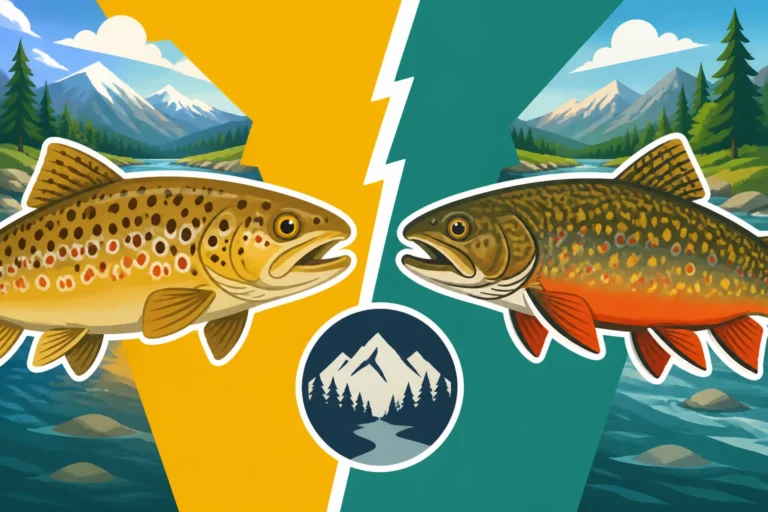
Today, brook trout are a well-established and cherished part of the Colorado fishing scene, offering a distinct experience from chasing Rainbow Trout in Colorado, Where They're Stocked or Brown Trout in Colorado, Where They're Wild in more accessible waters. They truly represent a unique angling opportunity, often found in places so pristine and wild, you feel like you've stepped back in time.
Distinguishing Features and Coloration
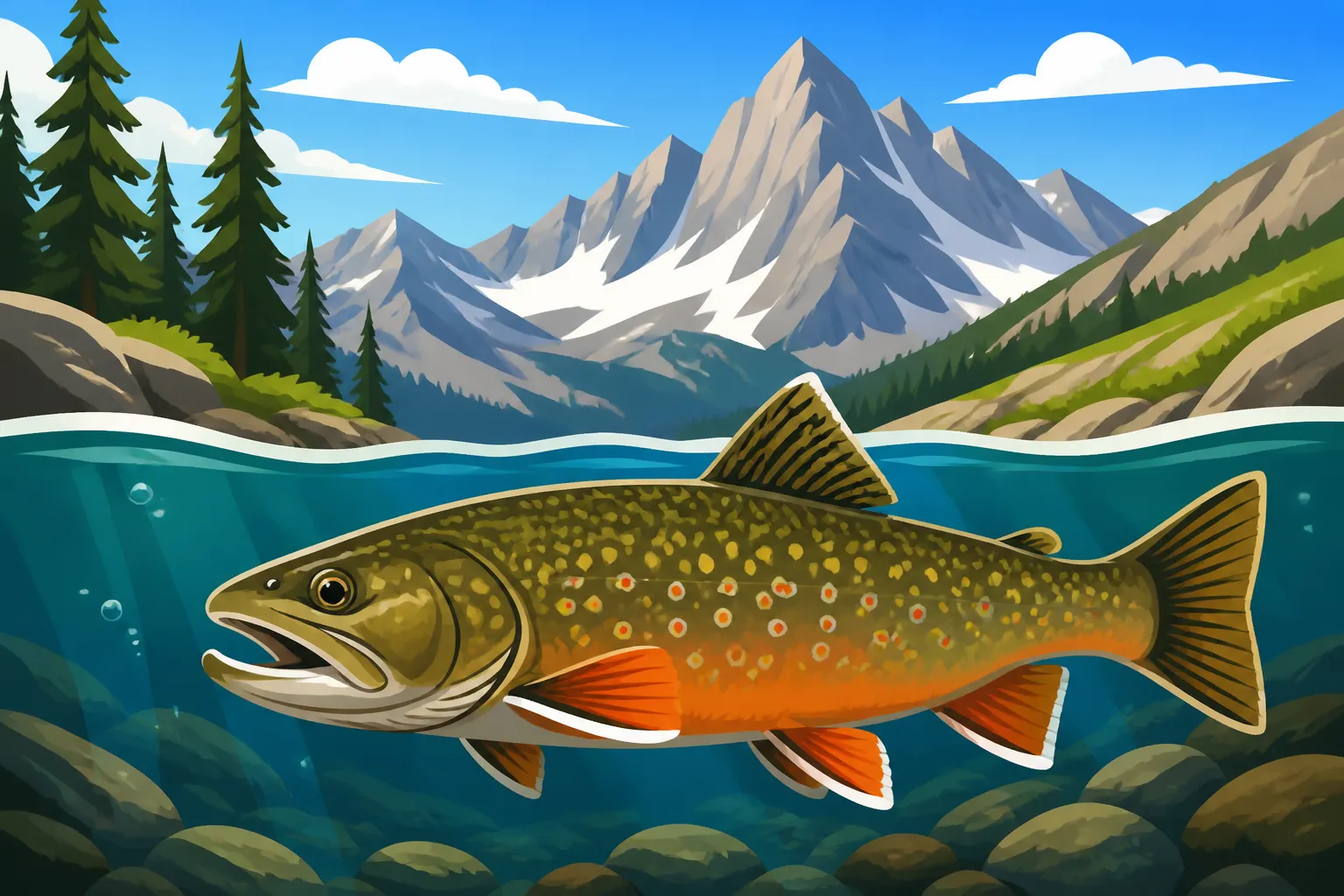
When you finally land a brook trout, prepare to be amazed. These fish are often described as living jewels, and for good reason. Their coloration is simply stunning, a vibrant palette that reflects the pristine environment they call home. Look closely, and you'll see a dark, almost mottled olive-green back, liberally sprinkled with distinctive worm-like (vermicular) patterns. This camouflage helps them blend seamlessly with the rocky, mossy bottoms of their high-country homes.
But the real showstopper is their flanks. Here, you'll find a smattering of bright red spots, each one typically surrounded by a pale blue halo. It's a striking contrast against their lighter, often yellowish-orange belly. And don't forget their fins! The pectoral, pelvic, and anal fins usually feature a crisp white leading edge, followed by a dark stripe and then a reddish-orange hue. This white-leading-edge characteristic is often the quickest and easiest way to identify a brook trout from other trout species you might encounter in Colorado.
It's worth noting that the intensity of these colors can vary. Fish in highly oxygenated, clear waters tend to be more vibrant, and their colors become even more pronounced during the fall spawning season, especially in the males. Differentiating a brook trout from a cutthroat, rainbow, or brown can sometimes be tricky for beginners, but those blue-haloed red spots and the white-edged fins are usually dead giveaways. Once you've seen a few, you'll recognize them instantly and appreciate their unique beauty within Colorado's Trout Species, A Field Guide.
Unveiling Brook Trout Sanctuaries in Colorado's High Country
So, you're ready to chase these colorful gems? Fantastic! The key to finding brook trout in Colorado isn't just knowing what to look for, but where to look. These aren't your typical roadside fishing spots; they require a little more effort, but the payoff in solitude and natural beauty is immense.
The Ideal High-Altitude Habitat
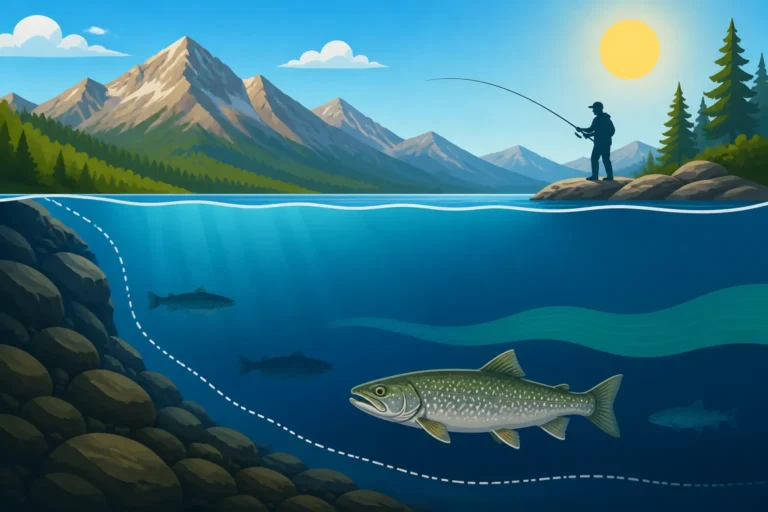
Brook trout are creatures of comfort, and their comfort zone is decidedly cold, clear, and oxygen-rich water. This means you'll typically find them in the headwater streams, small creeks, tucked-away alpine lakes, and even the occasional beaver pond, generally at elevations above 9,000 feet. We're talking about the kinds of places that hold snow well into July, where the air is thin, and the only sounds are the wind and the gurgle of icy water.
These small, shallow waters provide exactly what brook trout need. The constant flow of snowmelt ensures consistently cold temperatures, which is crucial for their survival and health. The limited depth often means less competition from larger predatory fish species that prefer deeper, more expansive waters. Furthermore, these high-country environments are teeming with aquatic insect life, small terrestrial insects, and tiny crustaceans that form the bulk of a brook trout's diet. Look for areas with a rocky bottom, plenty of undercut banks, and fallen logs that create ideal hiding and feeding lies.
Accessing these ideal brook trout habitats often means leaving the paved roads and even the well-trodden trails behind. You'll likely be hiking, sometimes extensively, up steep valleys or over mountain passes. This is part of the adventure, of course, and what makes these brook trout encounters so special. It's not just a fishing trip; it's a genuine high-country expedition that reconnects you with raw wilderness.
Top Mountain Ranges and Types of Water
While brook trout can be found in high-elevation waters across most of Colorado's mountain ranges, some areas are particularly renowned for them. Think about the San Juan Mountains in the southwest, the Sawatch Range in central Colorado (home to many of the state's fourteeners), the Gore Range, the Never Summer Mountains, and the Indian Peaks Wilderness just west of the Front Range. These areas feature extensive tracts of wilderness and countless drainages that offer the perfect conditions.
You're not looking for the big, named rivers or popular reservoirs here. Instead, focus on the small, unnamed feeder creeks that trickle down from snowfields, or the hundreds of unstocked, naturally reproducing alpine lakes and tarns that dot the landscape above treeline. Beaver ponds, too, are often brook trout goldmines, creating deep pools and complex habitats in otherwise shallow streams. Exploring small lakes that feed into larger systems can also be productive, as brookies often migrate up into these smaller, colder sanctuaries. Many of these remote spots are mentioned in guides like Best High-Country Lakes for Colorado Fishing.
The beauty of these locations is their sheer abundance. You might find a whole population of brook trout in a stream barely wide enough to cast across, or in a tiny lake that's a brilliant sapphire blue. The experience is about discovery, about pushing a little further, and being rewarded with an unspoiled natural setting and willing fish. It's a chance to truly explore the less-traveled paths of Colorado's angling landscape.
Navigating to Remote Brookie Haunts
Embarking on a high-country brook trout adventure means becoming proficient with maps and navigation. You won't find these secret spots simply by driving around. Start with good quality topographical maps, such as those from the U.S. Geological Survey (USGS) or Forest Service maps for the specific wilderness areas you plan to explore. These maps will show you contour lines indicating elevation changes, along with all the tiny blue lines that represent streams and the blue blobs that are lakes. Many of these waters, particularly the smaller ones, won't even be named, making them prime candidates for brook trout.
Online resources like Colorado's Fishing Atlas to Plan a Trip can also be incredibly helpful. This interactive tool provides a wealth of information on public access, stocking reports (though brook trout in these small waters are typically wild), and general waterbody locations. Use it to identify potential areas, then cross-reference with your topographical maps for detailed terrain analysis. Look for clusters of small lakes or a dense network of high-elevation creeks.
For your actual trek, having physical maps is absolutely essential, as cell service will likely be nonexistent in these remote locations. You can find excellent waterproof and tear-resistant topographical maps for specific Colorado wilderness areas on Amazon. These are far more reliable than relying solely on a smartphone, especially when battery life and signal are concerns. Learning to read a compass in conjunction with your map is also a valuable skill that can literally be a lifesaver in unfamiliar terrain. The more you explore, the more you'll develop an eye for what constitutes prime brook trout water just by looking at the contours and hydrology on a map.
Strategies and Tackle for Successful Brook Trout Angling
While the fish might be small, don't mistake brook trout for pushovers. Their high-country homes demand a certain finesse and a thoughtful approach to tackle. You don't need a massive gear arsenal, but having the right tools can make all the difference between a frustrating bushwhack and a memorable day of bending the rod.
Recommended Gear for the Discerning Brookie Hunter
When you're heading into the high country for brookies, the mantra is "light and effective." You're probably going to be hiking quite a bit, so every ounce matters. For fly anglers, a short, ultralight fly rod (a 2-weight, 3-weight, or even a light 4-weight) in a length of 6 to 7.5 feet is perfect. The shorter length is a huge advantage for casting in tight quarters, dodging trees, and maneuvering around dense brush along overgrown stream banks. A click-and-pawl reel or a small, lightweight disc drag reel that balances the rod well is all you need. You're not fighting giants here, so heavy-duty stopping power isn't a concern. If you're wondering about specific recommendations, Best Rod Weight for Colorado Trout Fishing might offer some good insights.
Spin anglers will also want to go light. An ultralight spinning rod, typically between 4 and 5 feet in length, paired with a small spinning reel spooled with 2-4 pound monofilament line, is ideal. This light setup will make even a 6-inch brook trout feel like a respectable fight, adding to the enjoyment. The fine line also makes for more natural presentations in clear water. Regardless of your preference, remember that a small, soft-mesh landing net is invaluable for quickly and safely landing and releasing these delicate fish, minimizing handling time out of the water.
Beyond your rod and reel, think about portability. A small backpack to carry water, snacks, extra layers, and your tackle is essential. Waders are often overkill for small stream brookies, as you can usually rock-hop or wade in waterproof boots, but quick-drying pants are always a good idea. The less cumbersome your gear, the more you'll enjoy the hike in and the nimble fishing in these tight, wild environments.
| Gear Type | Fly Fishing Recommendation | Spin Fishing Recommendation |
|---|---|---|
| Rod | 2-4 weight, 6-7.5 feet | Ultralight, 4-5 feet |
| Reel | Small, lightweight click-and-pawl or disc | Ultralight spinning reel |
| Line | Weight-forward floating fly line (matching) | 2-4 lb monofilament |
| Tippet/Leader | 4X-6X tapered leader with 5X-7X tippet | 2-4 lb fluorocarbon leader (optional) |
| Flies/Lures | Small dries (16-20), tiny nymphs, Woolly Buggers | Tiny spinners (0-1), small spoons, worms |
| Net | Small, soft-mesh landing net | Small, soft-mesh landing net |
| Essentials | Small backpack, water, snacks, layers, maps | Small backpack, water, snacks, layers, maps |
Effective Baits, Lures, and Flies
Brook trout, in their typically isolated and often less-pressured high-country homes, aren't usually incredibly picky eaters. They're opportunistic predators, and in these environments, they haven't seen an endless parade of artificials. This often means they're quite willing to strike.
For the spin angler, tiny inline spinners are arguably the most effective weapon. Sizes 0 or 1 in classic colors like gold, silver, or black, or even those with a touch of red or yellow, can be deadly. Small spoons, weighing just an eighth or a sixteenth of an ounce, are also fantastic, mimicking fleeing baitfish or larger insects. Don't underestimate the power of natural bait, either. A small piece of a worm, drifted naturally in a current or under a tiny float, can often entice brookies when nothing else will. These smaller lures and baits are readily available and can be purchased in bulk on Amazon to ensure you're always stocked.
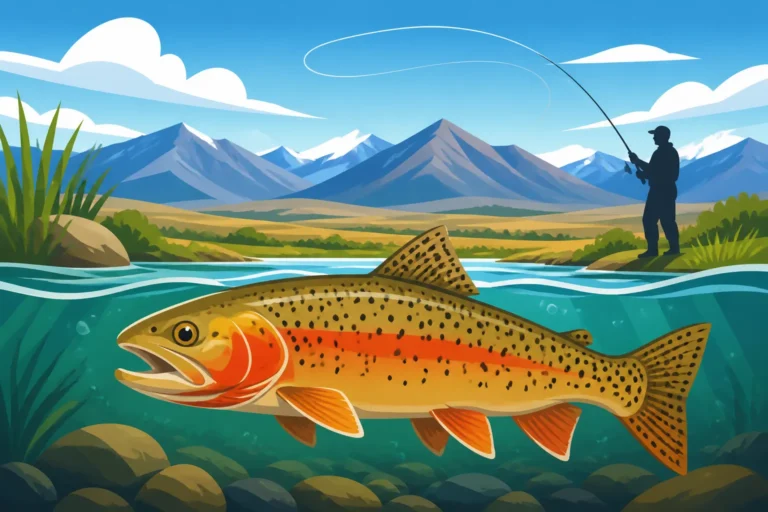
Fly anglers will also find success with a range of patterns. Given their small stream habitat, brook trout are frequently looking up for terrestrial insects. Small dry flies in sizes 14-20 that imitate ants, beetles, grasshoppers (in late summer), or standard attractor patterns like a Parachute Adams or Royal Wulff are excellent choices. During a hatch, tiny caddis or mayfly patterns can also be effective. If the fish aren't rising, a small nymph pattern (like a Pheasant Tail or Hare's Ear, sizes 16-20) drifted under a dry fly or a small indicator will often get their attention. Sometimes, even a tiny black or olive Woolly Bugger stripped slowly can trigger aggressive strikes. While you might not be fishing the famed Best Flies for Colorado's Gold Medal Trout Water, these simpler, smaller patterns are often exactly what's needed for brookies.
The key across all methods is often more about presentation than pinpoint pattern matching. A natural, drag-free drift with a fly or a steady, subtle retrieve with a spinner will consistently outfish aggressive, splashy presentations. Brook trout might be aggressive once they decide to strike, but they are still wary creatures of clear, shallow water.
Approaching and Presenting to Brook Trout
Fishing for brook trout in their small, clear, high-country habitats requires a bit of stealth and a gentle hand. Unlike larger rivers where you might have more room to maneuver and deeper water to hide fish, brook trout streams and lakes are often shallow and crystal clear. This means the fish can easily see you, and if they do, they'll often dart for cover.
Always try to approach the water from downstream, moving slowly and keeping a low profile. Avoid casting a shadow over the water where fish might be holding. The clearer the water, the more cautious you need to be. When casting, short, accurate presentations are often far more effective than trying to launch a long line. Focus on dropping your lure or fly gently into pockets, around submerged rocks, under undercut banks, and near fallen logs – these are prime holding spots. Using an approach similar to what's described in Reading Water on a Colorado Freestone River will serve you well, even in smaller settings.
Once your offering is in the water, be ready. Brook trout are known for their aggressive strikes, especially when they're not heavily pressured. They often hit with gusto, so be prepared to set the hook immediately. If you're fly fishing with dries, watch for even the subtlest sip or swirl. If nymphing, any twitch of your indicator could mean a fish. Remember, these fish are often small, but their fight on ultralight tackle is exhilarating, making every single catch feel like a trophy.
Embracing the High-Country Brook Trout Experience
Chasing brook trout in Colorado is more than just a fishing trip; it's an immersive experience that combines the thrill of angling with the profound beauty and challenge of the alpine wilderness. It's a chance to truly disconnect and find solace in some of the most breathtaking landscapes the state has to offer.
The Reward of Solitude and Scenery
Let's be honest, part of the allure of high-country brook trout fishing isn't just about the fish themselves – it's about where you find them. The effort required to reach these remote streams and lakes ensures a level of solitude that's increasingly rare in our busy world. You might hike for hours, passing through subalpine forests, across vast wildflower meadows, and up rocky passes, all without seeing another soul. This journey is as much a part of the reward as the fishing itself.
As you fish, you'll be surrounded by unparalleled natural beauty. The air is crisp and clean, the scent of pine and wild sage fills your lungs, and the views can stretch for dozens of miles across jagged peaks and verdant valleys. Keep an eye out for wildlife – marmots whistling warnings from rock piles, pikas scurrying among the scree, maybe even an elk or bighorn sheep grazing in a distant basin. This isn't just a place to catch fish; it's a sanctuary for the spirit, an opportunity to witness Colorado's raw, untamed wilderness in all its glory. Even in more frequented areas like Fishing Lakes Inside Rocky Mountain National Park, choosing smaller, less accessible waters can still offer this feeling of remote discovery.
This pursuit offers a unique kind of peace. Away from the hum of traffic and the constant pull of technology, you can truly focus on the simple rhythm of casting, the flow of the water, and the anticipation of a bite. Each vibrant brook trout you catch becomes a precious memory, inextricably linked to the stunning backdrop of towering mountains and pristine alpine ecosystems.
Practicing Responsible Angling and Conservation
While brook trout are often abundant in Colorado's high country, especially in self-sustaining populations, practicing responsible angling is still paramount. These fish, though hearty, are still delicate creatures, and their survival is crucial for maintaining the health of these remote ecosystems. Always handle brook trout with wet hands, minimizing their time out of the water. Avoid squeezing them, and gently remove the hook with forceps or pliers. If you plan to release a fish, try to do so without taking it out of the water entirely. How to Handle Trout for a Safe Release provides excellent guidelines for ensuring fish survival.
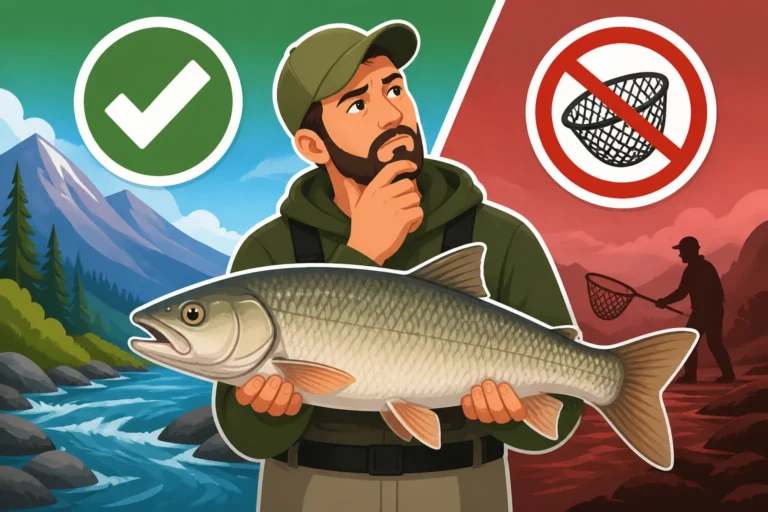
It's also important to be aware that brook trout, being a non-native species, are sometimes managed differently than Colorado's native cutthroat or even naturalized rainbow and brown trout. In some waters, Colorado Parks and Wildlife (CPW) actually encourages anglers to keep brook trout, sometimes with generous or even unlimited bag limits, to help reduce competition with native species. However, this is not universal. It is absolutely essential to check the current Colorado Fishing Regulations Every Angler Should Know and the specific Colorado Bag and Possession Limits by Species for the waters you intend to fish. Regulations can change, and ignorance is no excuse.
Beyond the fish, remember to always practice Leave No Trace principles. Pack out everything you pack in, including any fishing line or waste. Respect wildlife by observing from a distance. Stay on established trails where possible to protect fragile alpine vegetation. Our access to these pristine places depends on our collective responsibility to care for them.
Essential Preparations for Your Adventure
A trip into Colorado's high country is an adventure that requires careful planning and preparation. The weather in the mountains can be notoriously unpredictable, changing from brilliant sunshine to freezing rain or even snow in a matter of hours, especially during the spring and fall. Always check the forecast before you go, but be prepared for anything. Layered clothing is your best friend – think moisture-wicking base layers, insulating mid-layers, and a waterproof/windproof outer shell. Sun protection is also critical at high altitudes; even on cloudy days, the UV index can be intense.
Hydration is crucial. The thin air at elevation can dehydrate you quickly, so carry plenty of water or a reliable water filter/purifier. A small, well-stocked first-aid kit is non-negotiable, as help can be hours away in remote areas. Other smart additions include a headlamp (even if you plan to be back before dark, delays happen), a multi-tool, emergency fire starter, and bear spray if you're in active bear country. For comprehensive outdoor safety and hiking gear, you can find a vast selection on Amazon.
Finally, and perhaps most importantly, tell someone exactly where you're going and when you expect to return. Give them a detailed itinerary and stick to it. Cell service is unreliable or nonexistent in many high-country areas, so don't count on it for communication. Self-reliance is the name of the game when you venture into the brook trout's domain. Embrace the challenge, enjoy the stunning scenery, and savor the unique experience of chasing these beautiful fish in Colorado's wild heart.
Disclaimer
This article is for general informational purposes only and does not constitute professional advice. Laws, prices and regulations vary by location and change over time. Consult a qualified professional for guidance on your specific situation.