Smallmouth Bass in Colorado
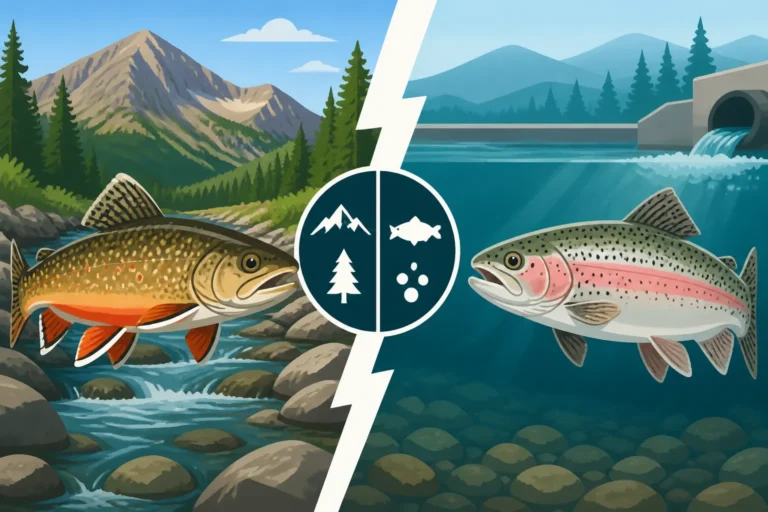
When many folks picture fishing in Colorado, their minds immediately drift to sparkling mountain streams, high-alpine lakes, and the elusive trout that call them home. And don't get me wrong, trout fishing here is absolutely legendary! But what a lot of anglers don't realize, or perhaps overlook, is the incredible, hard-fighting smallmouth bass thriving in many of our warmer reservoirs and river sections. If you've been missing out on the explosive strikes and acrobatic battles these bronzebacks offer, you're in for a treat. This comprehensive guide is designed to introduce you to the exciting world of smallmouth bass fishing in Colorado, helping you find them, identify them, and ultimately, bring them to the net.
Smallmouth Bass: Colorado's Overlooked Warmwater Challenger
It's true, Colorado is a trout state at heart, but we've got a fantastic warmwater fishery scene that often plays second fiddle. Smallmouth bass, in particular, bring an exciting challenge that many anglers, especially those who grew up fishing for bass in other parts of the country, absolutely adore. They're tough, they're smart, and they fight like fish twice their size.
Preferred Habitats and Water Types for Bronzebacks
Unlike their cold-loving trout cousins, smallmouth bass thrive in warmer, clearer waters. Think of places where trout might start to struggle a bit in the heat of summer; that's often where smallmouth begin to really shine. They have a strong preference for rocky structures—submerged boulders, rock piles, ledges, and riprap banks are their absolute favorite hangouts. These areas provide ambush points for hunting prey like crawfish, minnows, and insects, as well as crucial shelter from predators and strong currents.
You'll typically find them in the transitional zones between shallow and deep water, especially where there's good cover. They love clean water, too, so murky, muddy conditions aren't usually where they'll be most active. In rivers, look for them in eddies, behind large rocks, along current seams, and near logjams or undercut banks where the water slows down but still offers a good flow of oxygen and food. In reservoirs, points, humps, islands, and rocky shorelines that drop off into deeper water are prime real estate. Understanding these habitat preferences is your first step to consistently finding smallmouth bass.
Key Colorado Waters for Smallmouth Opportunities
While smallmouth aren't as widespread as rainbow trout in every little pond, Colorado boasts several fantastic destinations where you can consistently hook into these bronze beauties. Many of these spots are large reservoirs that offer the ideal mix of warm water, rocky structure, and abundant forage.
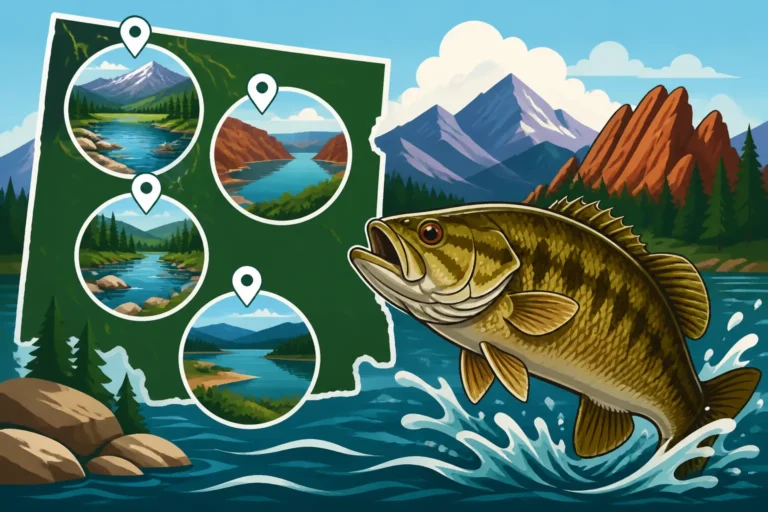
On the Front Range, places like Chatfield Reservoir are well-known for their smallmouth populations. Anglers frequently find them around the dam face, rocky points, and submerged structures. Moving south, Pueblo Reservoir in Southern Colorado is another smallmouth hotspot, offering vast expanses of rocky shoreline and deep-water habitat that these fish love. Head further west and south, and you'll hit Navajo Reservoir in Southwest Colorado, which straddles the Colorado-New Mexico border and is renowned for its excellent bass fishing, including some truly impressive smallmouth. You might also find them in certain warmer stretches of the Colorado River, especially in the sections downstream from larger reservoirs or where tributaries introduce warmer flows, though these river fish can be a bit more elusive. If you're looking for Best Fishing Lakes Near Denver, Colorado, make sure to check if they have smallmouth populations. Always check the current fishing regulations for specific waters, as limits and guidelines can vary.
Identifying Your Catch: Smallmouth vs. Other Bass Species
Proper identification is not just about bragging rights; it's essential for adhering to Colorado's fishing regulations. While smallmouth bass have distinct features, they can sometimes be confused with their largemouth cousins, especially by newer anglers. Knowing what to look for will save you headaches and ensure you're compliant with any specific limits on certain species.
Distinguishing Features of Smallmouth Bass
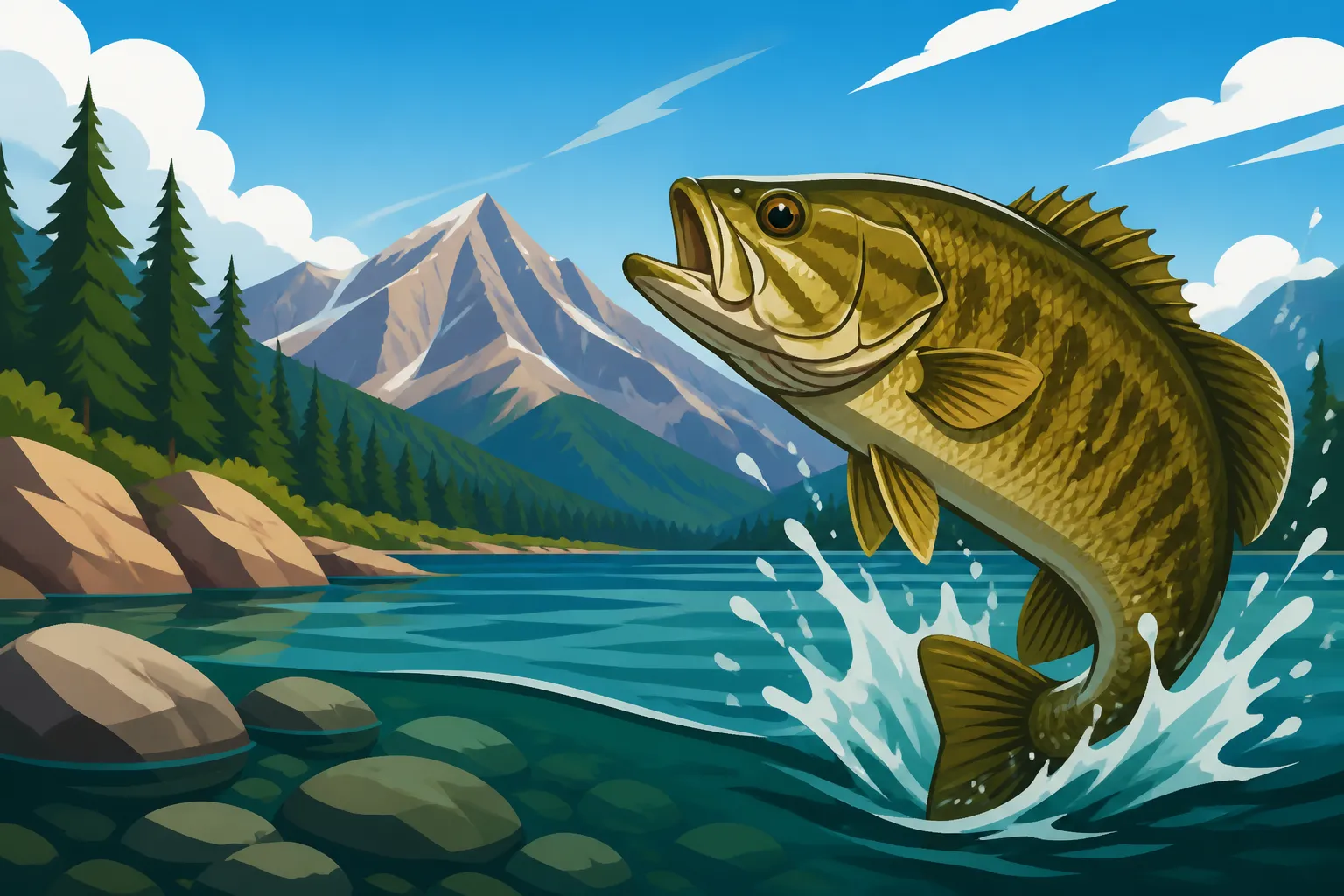
Smallmouth bass are truly beautiful fish, often sporting a striking bronzy-brown to golden-green coloration, which gives them their "bronzeback" nickname. They typically have 8 to 16 dark, vertical bars or blotches along their sides, which can vary in intensity depending on their mood and habitat. The most definitive characteristic to distinguish them from largemouth bass is their mouth: when closed, the upper jaw (maxilla) does not extend beyond the back edge of the eye. Their eyes are often reddish, and they have a sleek, torpedo-shaped body that speaks to their powerful, acrobatic fighting style.
Another key identifier is their dorsal fin. Smallmouth have a clearly connected, though often slightly notched, dorsal fin. The spiny front part and the soft-rayed back part are distinctly one unit, whereas a largemouth bass has a deep, almost complete separation between these two parts. Pay attention to these details, and you'll quickly become proficient at recognizing a smallmouth.
Comparing to Largemouth Bass and Other Warmwater Fish
The most common mix-up in Colorado's warmwater fisheries is between a smallmouth and a largemouth bass. While they're both "black bass" and excellent game fish, their physical differences are quite noticeable once you know what to look for. As mentioned, the jaw is a dead giveaway: Largemouth Bass in Colorado get their name from their much larger mouth, with the upper jaw extending well past the eye when closed. Largemouth also tend to be a darker green, often with a prominent, irregular horizontal stripe along their sides, rather than the vertical bars of a smallmouth. Their bodies are typically chunkier and less streamlined than a smallmouth's.
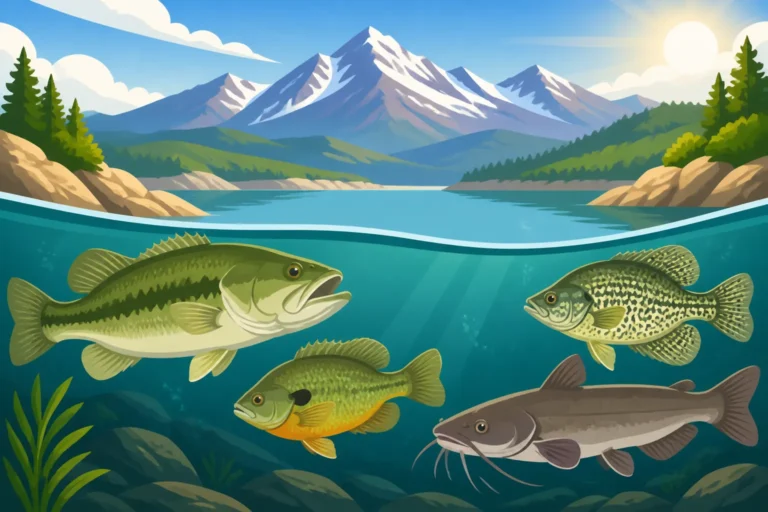
It's also worth noting that Colorado has other warmwater species like walleye, pike, and catfish. Walleye have sharp teeth and a distinctly glassy eye. Pike are long, slender, and have a duck-bill snout with many sharp teeth. Catfish are easily identified by their barbels (whiskers) around the mouth and smooth, scaleless skin. There are clear differences if you compare a smallmouth to Colorado's Trout Species, A Field Guide as well – trout have an adipose fin and different color patterns and body shapes entirely.
To help you visualize these differences, here's a quick comparison table:
| Feature | Smallmouth Bass | Largemouth Bass |
|---|---|---|
| Coloration | Bronze, golden-green; distinct vertical bars/blotches | Darker green; prominent horizontal stripe/blotches |
| Jaw Position | Upper jaw does not extend past back of eye | Upper jaw extends well past back of eye |
| Body Shape | Streamlined, torpedo-shaped | Stockier, more robust |
| Dorsal Fin | Connected, often slightly notched | Deeply separated, almost two distinct fins |
| Habitat Pref. | Clear, rocky waters; rivers, deep reservoirs | Weedy, shallow, warmer waters; lakes, ponds |
| Eye Color | Often reddish | Typically dark |
Proven Techniques for Targeting Colorado Smallmouth
Smallmouth bass are aggressive predators, but they can also be notoriously finicky, especially in clear water or under heavy fishing pressure. Mastering a few key techniques and understanding their seasonal behaviors will significantly increase your success rate.
Lures and Baits That Get Bites
Smallmouth bass are opportunistic feeders, and they love a wide variety of presentations. One of their absolute favorite meals is the crawfish, so anything that mimics a crawfish is often a winner. Jigs, especially those with soft plastic trailers or a skirt in shades of brown, green, or black, are incredibly effective. Tubes, which are hollow soft plastic baits, are also excellent crawfish imitators when dragged or hopped along the bottom. You can find a huge selection of these specific baits on Amazon, often at competitive prices, ready to ship to your door.
Beyond crawfish imitations, smallmouth will readily strike at:
- Crankbaits: Particularly those that dive to different depths, in natural minnow patterns or crawfish colors. Shallow-diving crankbaits work well around rocky shorelines, while deeper divers are good for points and humps.
- Spinnerbaits: These flashy lures with spinning blades create vibration and flash, triggering aggressive strikes, especially in stained water or around cover.
- Soft Plastics: In addition to tubes, curly-tail grubs, senkos, and creature baits rigged Texas-style or on a drop shot can be deadly when fished slowly.
- Topwater Lures: Poppers, walk-the-dog baits, and prop baits can provide heart-stopping action, especially during low-light conditions or when smallmouth are actively feeding on the surface.
- Live Bait: While many smallmouth anglers prefer artificials, live minnows, shiners, or even real crawfish can be irresistible to a hungry smallmouth, especially if you're struggling to get a bite on lures.
Vary your retrieve speed and presentation until you figure out what the fish want on a given day. Sometimes they want it ripped fast, other times a slow, deliberate crawl.
Seasonal Strategies and Best Times to Fish
Smallmouth bass behavior changes dramatically throughout the year, primarily influenced by water temperature. Understanding these seasonal shifts is crucial for consistent success. You can check Colorado Fishing Seasons Month by Month for a broader overview, but here's how it generally breaks down for smallmouth:
- Spring (Pre-Spawn & Spawn): As water temperatures climb into the 50s Fahrenheit, smallmouth move shallower, staging near spawning areas. This is often the most exciting time to target them, as they are aggressive and feeding heavily. Jigs, crankbaits, and even some slow-moving topwater baits can be very effective. The spawn itself happens when water temperatures reach the low to mid-60s, and male bass will aggressively protect their nests. While you can catch them then, many ethical anglers choose to avoid targeting bedding fish to allow for successful reproduction.
- Summer: Once the spawn is over and water temperatures rise into the 70s, smallmouth will often move to deeper, cooler water. Look for them on offshore humps, points, and ledges, often relating to submerged timber or rock piles. They'll still come shallow in low light, but during the bright sun of midday, you'll need to go deep. Drop-shot rigs, deep-diving crankbaits, and football jigs are excellent choices. Early morning and late evening topwater action can also be fantastic.
- Fall: As water temperatures begin to cool in September and October, smallmouth embark on a pre-winter feeding frenzy, bulking up for the lean months ahead. They'll often move back shallower, particularly to rocky points and flats. This can be another phenomenal time for aggressive bites on crankbaits, spinnerbaits, and jerkbaits. They're trying to pack on the calories, so they're often less finicky.
- Winter: When water temperatures drop into the 40s or below, smallmouth become lethargic and move to their deepest wintering holes. They'll suspend in open water or hug tight to deep structure. Jigging spoons, blade baits, and slow-fished jigs can still entice bites, but the action is much slower. Ice fishing for smallmouth, while less common than for other species, can be productive if you know where to find their deep haunts.
Techniques for Different Water Bodies
How you approach smallmouth fishing will also depend on whether you're on a vast reservoir or a meandering river.
- Reservoirs: When fishing large reservoirs, covering water is key. If you have a boat, use your electronics to locate rocky points, submerged humps, and ledges. Fan-cast crankbaits or spinnerbaits to cover a lot of territory, and once you get a bite, slow down and thoroughly work the area with jigs or soft plastics. For shore anglers, focus on accessible rocky points, riprap banks near dams, and areas where the bank drops off quickly into deeper water. A medium-action spinning rod allows for long casts from shore.
- Rivers: River smallmouth fishing often involves more stealth and precision. Whether you're wade fishing or floating, focus on current breaks: eddies behind large boulders, seams where fast water meets slow, and areas around fallen timber. Smallmouth will position themselves out of the main current, waiting to ambush prey. Tubes, grubs, and small crankbaits are highly effective. Pay attention to the flow; often, the fish will be on the downstream side of structure, out of the strongest current. If you're on a section of the Colorado River, for example, like Colorado River Fishing From Glenwood Canyon to Kremmling, look for those specific features.
Gear Up for Smallmouth Success
Having the right tackle can make a significant difference in your smallmouth fishing success. While you don't need a boatload of expensive gear, having a balanced setup that's appropriate for the techniques you're using will improve your casting, feel, and ability to land these feisty fish.
Rod and Reel Combinations
For smallmouth bass, most anglers opt for either spinning or baitcasting setups, depending on their preference and the specific technique.
- Spinning Gear: A medium-light to medium power spinning rod, typically 6'6" to 7'0" in length with a fast action, is a versatile choice. This setup is excellent for throwing lighter lures like tubes, grubs, and small jigs, and it's generally more forgiving for beginners. Pair it with a 2000 or 2500 series spinning reel. This combination offers sensitivity for detecting subtle bites and enough backbone to handle a fighting smallmouth. If you're looking for a good starting point, you can browse various reputable spinning combos on Amazon.
- Baitcasting Gear: For heavier lures like larger crankbaits, spinnerbaits, or fishing in heavier cover, a medium to medium-heavy power baitcasting rod, 6'6" to 7'6" in length with a fast action, is ideal. Baitcasting reels offer more power and control for casting heavier lures and fighting larger fish. They take a bit more practice to master, especially to avoid backlashes, but they're incredibly rewarding once you get the hang of them.
Line Choices and Terminal Tackle
Your fishing line is the critical link between you and the fish, so choosing the right type and strength is important.
- Fluorocarbon Line: Many smallmouth anglers swear by fluorocarbon as their primary line or as a leader material. It's nearly invisible underwater, extremely sensitive, and abrasion-resistant, which is a huge plus when fishing around rocky structure. Use 6-10 lb test for general smallmouth fishing.
- Monofilament Line: Monofilament is a good all-around choice. It's more forgiving than fluorocarbon with a bit of stretch, making it good for crankbaits where a slight give can prevent fish from tearing hooks out. It's also typically less expensive. Use 8-12 lb test.
- Braided Line: Braided line offers incredible strength-to-diameter ratio and zero stretch, providing maximum sensitivity. However, its visibility can be an issue in clear water. Many anglers will spool their reel with braided line (15-20 lb test) and then tie on a 6-10 lb fluorocarbon leader to maintain stealth.
- Terminal Tackle: Keep your terminal tackle simple but robust. Quality hooks are non-negotiable – razor-sharp hooks are essential for penetrating the smallmouth's bony mouth. Use appropriate weight sizes for your jigs and soft plastics, matching the depth and current conditions. Don't forget a selection of swivels and snaps if you're frequently changing lures, but use a high-quality, small, black swivel to minimize visibility.
Conservation and Ethical Angling for Smallmouth
As anglers, we have a responsibility to protect our fisheries and ensure healthy populations for future generations. Smallmouth bass, while sometimes managed differently than native trout, still benefit greatly from ethical angling practices.
Colorado Regulations and Bag Limits
Colorado Parks and Wildlife (CPW) manages smallmouth bass populations, and regulations can vary significantly from one body of water to another. In some waters, where smallmouth are considered non-native or potentially detrimental to native species, bag and possession limits might be quite liberal, even encouraging harvest. In other areas, particularly where they are well-established and valued sport fish, limits might be more restrictive.
It is absolutely crucial to check the current regulations for the specific body of water you plan to fish before you cast a line. The Colorado Fishing Regulations Every Angler Should Know outlines how to find this information, usually in the annual brochure or on the CPW website. You can also refer to Reading Colorado's Fishing Regulations Brochure for tips on understanding the details. Never assume that regulations are universal across the state. A quick check can prevent fines and help you contribute to responsible resource management.
Catch and Release Best Practices
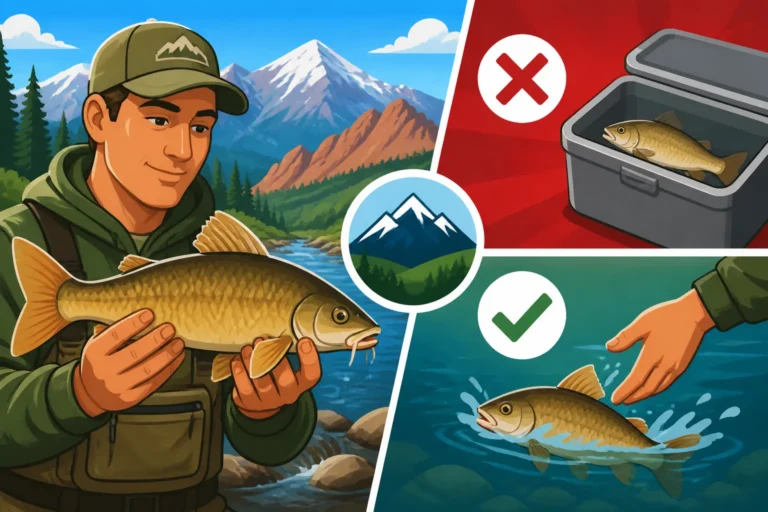
Even in waters with generous harvest limits, practicing catch and release for some or all of your fish is a noble and effective way to conserve the fishery. Smallmouth bass are incredibly resilient, but improper handling can still lead to delayed mortality.
Here are some best practices for catch and release:
- Minimize Fight Time: Land the fish as quickly as possible to reduce stress and exhaustion.
- Use Barbless Hooks: If regulations allow, crushing barbs on your hooks or using barbless hooks makes removal much easier and less damaging.
- Handle Gently: Avoid touching the fish with dry hands, as this removes their protective slime coat. If you must handle them, wet your hands first.
- Support the Fish: When holding a smallmouth for a photo, always support its body horizontally with one hand under its belly and the other gently gripping its lower jaw (lipping). Avoid hanging large fish vertically by the jaw, as this can damage their spine and internal organs.
- Quick Hook Removal: Use needle-nose pliers or a hook-out tool to quickly and cleanly remove the hook. If the fish is deeply hooked, it's sometimes best to cut the line as close to the hook as possible, rather than attempting to rip it out.
- Revive Carefully: If the fish appears sluggish, gently hold it in the water, facing into a mild current, allowing water to flow over its gills. Move it back and forth slowly until it regains its strength and swims away on its own.
By following these simple steps, you significantly increase the chances of your released fish surviving to fight another day and spawn for future generations.
Why Smallmouth Bass Are a Colorado Gem
So, why bother with smallmouth bass when there are so many amazing trout fisheries in Colorado? The answer, for many anglers, lies in the sheer excitement and challenge these fish present. They offer a different kind of angling thrill that complements, rather than competes with, the trout experience.
The Fight and Challenge of a Bronzeback
Smallmouth bass are often lauded as one of the hardest-fighting freshwater fish, pound for pound. When a smallmouth hits a lure, it's usually with an aggressive, jarring strike that leaves no doubt you've hooked something. Once hooked, they don't just pull; they explode. Expect powerful runs, head shakes that try to throw the hook, and acrobatic leaps completely out of the water. Watching a smallmouth jump and thrash on the surface is an exhilarating experience that gets the adrenaline pumping every time.
Their intelligence and wariness, especially in clear water, also add to the challenge. They can be incredibly selective, forcing anglers to experiment with different lure colors, sizes, and retrieve speeds. Successfully deciphering their mood and presenting the perfect bait feels like a true accomplishment. For anglers who love a dynamic, active fishing experience, the smallmouth bass is an absolute dream.
Culinary Considerations
While many anglers enjoy the thrill of the fight and practice catch-and-release, smallmouth bass also have a reputation as excellent table fare. Their meat is firm, white, and flaky, with a mild flavor that isn't overly "fishy." They can be prepared in a variety of ways—fried, baked, grilled, or pan-seared.
If you choose to harvest smallmouth, make sure you are well within the legal Colorado Daily Walleye Limit or Colorado's Daily Northern Pike Limit or any specific limits set for smallmouth bass on that particular body of water. Only keep what you will eat, and process your catch quickly and cleanly to preserve its quality. Always remember that responsible harvest, alongside robust catch-and-release practices, helps maintain healthy fish populations. For more details on this, you might explore Best Eating Fish From Colorado Waters.
The bottom line is, smallmouth bass offer a unique and exciting fishing opportunity in Colorado. They provide a fantastic alternative or complement to the state's renowned trout fishing, challenging anglers with their powerful fights and demanding techniques. So, next time you're planning a trip, consider exploring some of Colorado's warmwater reservoirs and rivers. You might just discover a new favorite species to chase!
Disclaimer
This article is for general informational purposes only and does not constitute professional advice. Laws, prices and regulations vary by location and change over time. Consult a qualified professional for guidance on your specific situation.