Is It Legal to Keep a Greenback Cutthroat Trout?
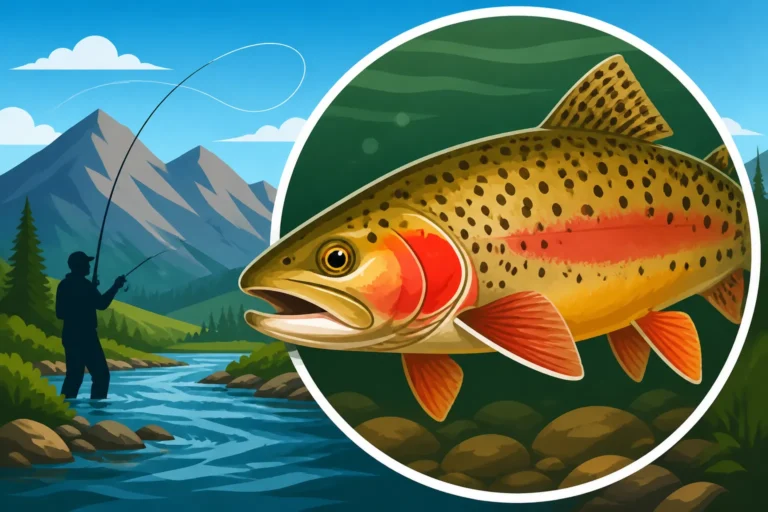
There's nothing quite like the thrill of reeling in a beautiful trout in Colorado, its flanks shimmering with vibrant colors. But if that fish happens to be a Greenback Cutthroat, a truly special and rare native species, a critical question immediately pops into your head: Can I keep it? It’s a frustrating moment for many anglers, because while you might want to show off your prize, the answer is almost always a resounding no, due to the incredible conservation efforts surrounding this fish. This guide will walk you through everything you need to know about the legality of keeping Greenback Cutthroat Trout in Colorado, helping you understand why these regulations are so strict and how you can be a responsible steward of these incredible fish.
The Rarity and Protection of the Greenback Cutthroat Trout
The Greenback Cutthroat Trout is more than just a fish; it's a living symbol of Colorado's wild heritage. For many of us who love to fish these high mountain streams and clear rivers, the thought of these native species disappearing forever is heartbreaking. That's why the conservation efforts around the Greenback are so intense, and why the rules for anglers are so strict. You might encounter what you think is a Greenback, and it’s natural to feel a thrill, but understanding its fragile status is key to being a responsible angler.
A Storied Comeback: Why Greenbacks Are So Special
Once thought extinct, the Greenback Cutthroat Trout has made an incredible comeback story, thanks to dedicated conservation efforts across the state. Imagine a time when these beautiful fish, native only to the South Platte River Basin on Colorado's Front Range, were virtually gone. Non-native trout species, habitat loss, and overfishing pushed them to the brink. Today, their populations are slowly but surely being restored in carefully selected, pristine high-country streams and lakes. This isn't just about saving a fish; it's about preserving a unique piece of Colorado's ecological history. Their resilience and the hard work behind their recovery make every Greenback a treasure. To learn more about their past struggles, check out Why the Greenback Cutthroat Almost Went Extinct.
The success of these recovery programs hinges on meticulous management and strict protective measures. Every single Greenback is precious to the ongoing effort, and their continued survival relies on anglers like us understanding and respecting the rules. It's a long, uphill battle to bring a species back from the edge, and the fish you might encounter is part of a delicate population that is still very vulnerable. These waters are often small, isolated, and highly sensitive to disturbance, making every fish a vital contributor to the genetic health and future of the species. We’re essentially fishing in a living museum, and our actions directly impact its preservation.
Identifying a True Greenback: It's Trickier Than You Think
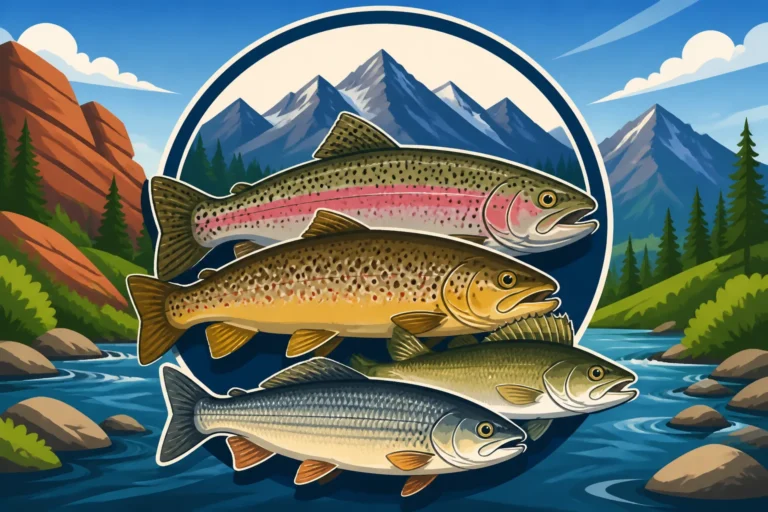
Here's where things get really challenging for the everyday angler: telling a true Greenback Cutthroat from other trout species, or even other subspecies of cutthroat, is incredibly difficult. Most Greenback waters are remote and specifically designated, but the fish themselves can be notoriously hard to distinguish from other cutthroat species like the Colorado River Cutthroat or the Rio Grande Cutthroat, let alone a rainbow or a hybrid cutbow. They all share similar characteristics: those distinctive red "slashes" under their jaw (hence "cutthroat"), and often olive-green backs with yellowish or orange undersides. For more on what makes them special, you can read What Colorado's State Fish, the Greenback Cutthroat Trout.
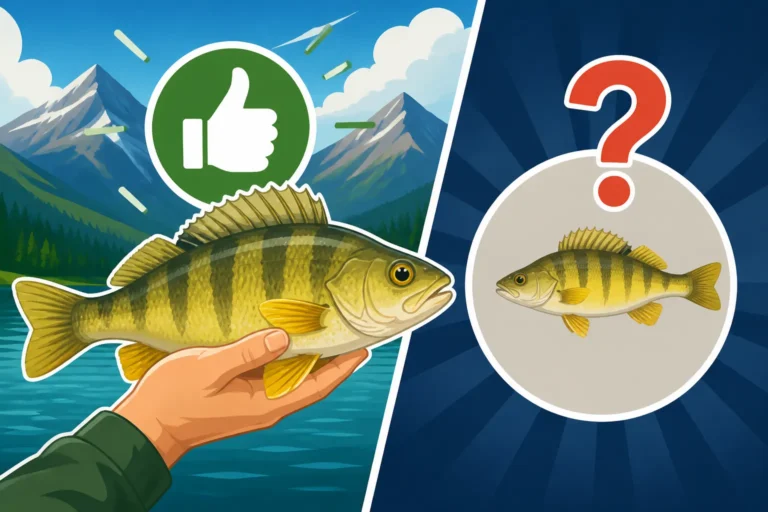
Even experienced fisheries biologists often need genetic testing to confirm if a fish is a pure Greenback. They might look at subtle differences in spotting patterns, fin shapes, or coloration, but these are highly variable. This ambiguity is precisely why the regulations are so stringent in waters known to harbor Greenbacks. When in doubt, it’s always best to assume you have a protected fish on your line. Understanding the differences between various trout species can be a lifelong learning process, and it’s a crucial skill for responsible angling. You might find it helpful to read Identifying Colorado's Native vs Stocked Trout or Telling a Cutbow From a Pure Cutthroat to hone your identification skills.
The Strict Regulations on Greenback Cutthroat Trout
When it comes to Greenback Cutthroat Trout, Colorado Parks and Wildlife (CPW) takes a very clear and protective stance. These are not your average catch-and-keep rainbow trout. The rules are designed to give these rare natives every possible chance to thrive and expand their populations. If you plan to fish in areas known to have Greenbacks, knowing these regulations isn't just important—it's absolutely essential.
The General Rule: Catch and Release Only
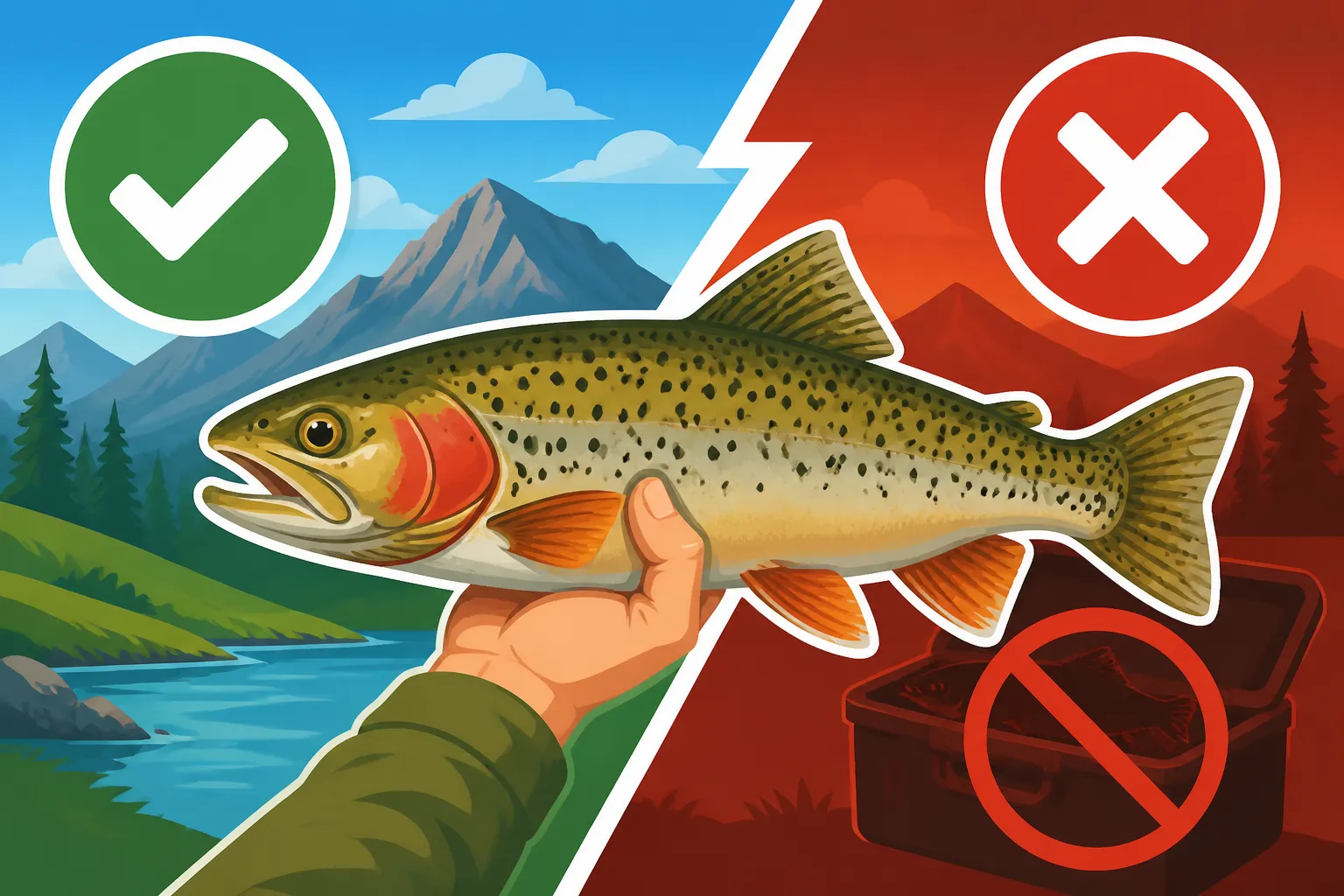
For almost all waters where Greenback Cutthroat Trout are known to exist or are being actively restored, the rule is unequivocally "catch and release only." This means if you are fortunate enough to hook one of these magnificent fish, you must handle it with extreme care and immediately return it to the water unharmed. This isn't a suggestion; it's a non-negotiable regulation. The goal is to allow these fish to continue their life cycle, contributing to future generations of Greenbacks. The survival of each fish is critical to the broader recovery effort.
There are no exceptions for size, age, or presumed health of the fish. If it's a Greenback Cutthroat in a designated Greenback water, it goes back. CPW goes to great lengths to identify and manage these specific waters, so it's incumbent upon every angler to know where they are fishing and what the local regulations are. You can learn more about general catch-and-release practices in Catch-and-Release Rules on Colorado's Cutthroat Waters and the specific meaning of these restrictions in What Catch-and-Release Only Means on Colorado Water.
Understanding Specific Water Closures and Restrictions
It's not uncommon for certain streams, lakes, or even entire drainages to be completely closed to fishing, either temporarily or permanently, to protect Greenback Cutthroat Trout. These closures might occur during spawning seasons, or as part of active restoration projects where non-native fish are being removed before Greenbacks are reintroduced. Other waters might have extremely specific tackle restrictions, such as requiring artificial flies and lures only, or even mandating barbless hooks, to minimize harm to any fish caught. These measures are all part of a comprehensive strategy to give Greenbacks the best possible chance at survival.
Before you head out, especially to remote or high-country areas, it's absolutely crucial to consult the most current Colorado Fishing Regulations brochure. This document is your bible for understanding what's permitted on any given body of water. Don't rely on old information or hearsay. Regulations can change annually as new data comes in on fish populations and recovery progress. Ignoring these can lead to serious consequences, not to mention harming a species fighting for its existence. Checking this resource is part of responsible angling, and you can find guidance on how to use it in Reading Colorado's Fishing Regulations Brochure. Even better, many of these Greenback-specific waters are clearly marked on CPW's online fishing atlas, which is a fantastic resource. While I can't recommend a specific app, some anglers find tools that integrate CPW data incredibly useful for on-the-go checks.
Penalties for Violating Greenback Regulations
Let's be blunt: fishing in a closed area, using illegal bait, or keeping a Greenback Cutthroat Trout when it's prohibited can result in serious penalties. Colorado wildlife officers are dedicated to protecting these vulnerable species, and they don't take violations lightly. The consequences can range from hefty fines, potentially thousands of dollars, to the forfeiture of your fishing equipment, and even suspension or revocation of your fishing license. For more on what happens when you don't follow the rules, consider Colorado Fishing Regulations Every Angler Should Know.
Beyond the legal ramifications, there's the ethical responsibility. Every illegally harvested Greenback is a setback for the entire recovery program, potentially undoing years of hard work by conservationists and costing taxpayers significant resources. The emotional toll of knowing you've harmed a rare and protected species is something no true angler wants to bear. If you accidentally catch what you believe might be an endangered species, it’s vital to know What to Do If You Catch an Endangered Fish by Accident to minimize harm.
Where You Might Encounter Keepable Cutthroat Trout (But Likely Not Greenbacks)
It's understandable to want to bring home some fresh fish for dinner, and there are plenty of opportunities for that in Colorado! But when it comes to cutthroat, it's a specific game. The vast majority of waters where you can actually keep cutthroat trout are not home to the genetically pure, protected Greenbacks. Instead, you'll be looking at waters stocked with other cutthroat subspecies or hybrids.
The Difference Between Native and Stocked Cutthroat
Colorado is home to several subspecies of cutthroat trout beyond just the Greenback: the Colorado River Cutthroat and the Rio Grande Cutthroat are two others. Many lakes and rivers across the state are also stocked with various strains of cutthroat, often hybrids, which are specifically managed for angling enjoyment and harvest. These stocked fish are typically not the rare, genetically pure Greenbacks. The goal of stocking these fish is to provide ample fishing opportunities without impacting sensitive native populations. So, while you might be catching a "cutthroat," it's crucial to understand its origin and management status.
These stocked cutthroat often thrive in more accessible waters, frequently urban ponds, larger reservoirs, and some river sections. They're typically more robust and tolerant of varied conditions than their native, wild counterparts. CPW's stocking reports and the annual regulation brochure will clearly indicate which waters receive these fish and what the bag and possession limits are. This is where you can safely and legally enjoy keeping a few fish for the frying pan.
| Cutthroat Type | General Keep/Release Rule | Identification Difficulty (for Angler) | Primary Location Example | Conservation Status (General) |
|---|---|---|---|---|
| Greenback Cutthroat | Strictly Catch & Release Only | Very High (requires genetic testing) | Specific, often remote, high-alpine South Platte Basin | Federally Threatened |
| Colorado River Cutthroat | Varies by Water (often C&R or low limits) | High (can hybridize) | Western Slope rivers and high lakes | Species of Special Concern |
| Rio Grande Cutthroat | Varies by Water (often C&R or low limits) | High (can hybridize) | San Luis Valley and southern drainages | Species of Special Concern |
| Stocked Cutthroat | Varies by Water (often harvest permitted) | Lower (often identifiable by fin clips) | Many reservoirs, accessible streams, urban ponds | Stable (managed for angling) |
| Cutbow (Hybrid) | Varies by Water (often harvest permitted) | Moderate (mix of rainbow/cutthroat) | Many waters where rainbows and cutthroat coexist naturally or through stocking | Stable (managed for angling) |
This table provides general guidelines. Always consult the official Colorado Fishing Regulations for specific water rules.
Other Cutthroat Subspecies and Their Rules
While Greenbacks hold a special protected status, other cutthroat subspecies in Colorado also have specific regulations, though generally less restrictive. For instance, the Colorado River Cutthroat, found on the Western Slope, or the Rio Grande Cutthroat in the San Luis Valley, might have catch-and-release rules in some areas, or very limited bag limits (e.g., one or two fish per day) in others. These regulations are designed to help preserve their distinct genetic integrity and populations, which also faced historical declines.
It's important not to confuse these with Greenbacks. Just because a water has a "cutthroat" regulation doesn't mean it's a Greenback water. Each subspecies' recovery and management plan is tailored to its specific needs and historical range. Again, the absolute best source for clarification is the current Colorado Fishing Regulations. Ignorance of the law is never an excuse, and misidentifying a fish can lead to trouble.
How to Be Sure: Checking the Regulations for Each Water
The most crucial piece of advice I can give any angler in Colorado, particularly when targeting or encountering cutthroat, is to always check the current regulations for the specific body of water you plan to fish. This cannot be stressed enough. Rules are set by river section, by lake, and can vary widely even within a few miles. What's legal on one stretch of a river might be illegal on another, particularly if a protected species' habitat begins or ends there.
CPW provides comprehensive resources for anglers. You can find a digital version of the fishing brochure online, and many sporting goods stores, license agents, and state park offices offer physical copies. This brochure details bag and possession limits, special restrictions (like artificial flies and lures only, or barbless hooks), and specific closures for every regulated body of water in the state. Don't guess. Don't assume. Take the time to confirm the rules. It's an essential part of responsible angling and ensures you're helping, not hindering, conservation efforts. You’ll also find details on overall bag and possession limits in articles like Colorado Bag and Possession Limits by Species and Colorado's Trout Possession Limit, Explained.
Best Practices for Responsible Angling
Being a responsible angler goes beyond just following the rules; it's about adopting practices that minimize your impact and contribute positively to the health of Colorado's fisheries, especially when it comes to sensitive species like the Greenback Cutthroat Trout. We all want to enjoy our time on the water, but it's crucial to remember that we are guests in these delicate ecosystems.
Catch and Release Techniques to Protect Vulnerable Fish
If you're fishing in Greenback waters, or any water where catch and release is mandated, mastering proper techniques is vital for the fish's survival. Your goal is to get the fish in, unhooked, and back into the water as quickly and gently as possible.
Here are some key tips:
- Use Barbless Hooks: Pinching down the barb on your hook (or buying hooks that are already barbless) makes it much easier to remove the hook, reducing trauma to the fish's mouth. Many Greenback waters require barbless hooks.
- Minimize Handling: Try to keep the fish in the water as much as possible. If you must lift it for a quick photo, keep your hands wet and support its entire body. Avoid squeezing it or letting it flop on dry ground.
- Use a Rubber Net: Knotless rubber nets are much gentler on a fish's slime coat, fins, and scales than traditional nylon nets, preventing injuries and disease transmission.
- De-hook Quickly: Use forceps or pliers to remove the hook promptly. If the fish is deeply hooked and removal would cause more damage, it's often better to cut the line as close to the hook as possible.
- Revive Gently: Hold the fish upright in the current, facing upstream, allowing water to flow over its gills until it's strong enough to swim away on its own. Don't violently pump it back and forth; this can actually hinder respiration.
These practices are not just for Greenbacks, but for any fish you intend to release. They ensure that the fish has the best chance of survival after the encounter.
The Importance of Education and Conservation
Education is power when it comes to conservation. The more anglers understand about the specific needs and vulnerabilities of species like the Greenback Cutthroat Trout, the better equipped we are to protect them. This means taking the time to read the regulations, understanding the ecological role these fish play, and recognizing the threats they face. It’s also about having conversations with fellow anglers, sharing knowledge, and promoting ethical behavior on the water.
When you purchase your Colorado Fishing License Guide for Residents and Nonresidents and other stamps, you're directly contributing to conservation. A portion of these fees goes toward habitat restoration, research, and enforcement efforts that benefit all of Colorado's wildlife, including our native trout. It’s not just a permit; it's an investment in the future of fishing in our beautiful state.
Supporting Greenback Recovery Efforts
Beyond simply following the rules, there are ways you can actively support Greenback Cutthroat recovery efforts. Volunteering with local conservation groups, participating in stream cleanups, or even reporting suspicious activities (like illegal stocking of non-native species) to CPW are all valuable contributions. Financial donations to organizations dedicated to native trout conservation can also make a significant difference, funding critical research, habitat restoration, and reintroduction programs.
Our collective actions as anglers have a profound impact. By respecting the rules, practicing responsible catch and release, educating ourselves, and actively supporting conservation, we can help ensure that the Greenback Cutthroat Trout continues its incredible comeback story for generations to come. It’s a small price to pay for the immense privilege of sharing Colorado’s waters with such a unique and iconic species.
Disclaimer
This article is for general informational purposes only and does not constitute professional advice. Laws, prices and regulations vary by location and change over time. Consult a qualified professional for guidance on your specific situation.