Can You Snag Kokanee During Their Spawning Run?
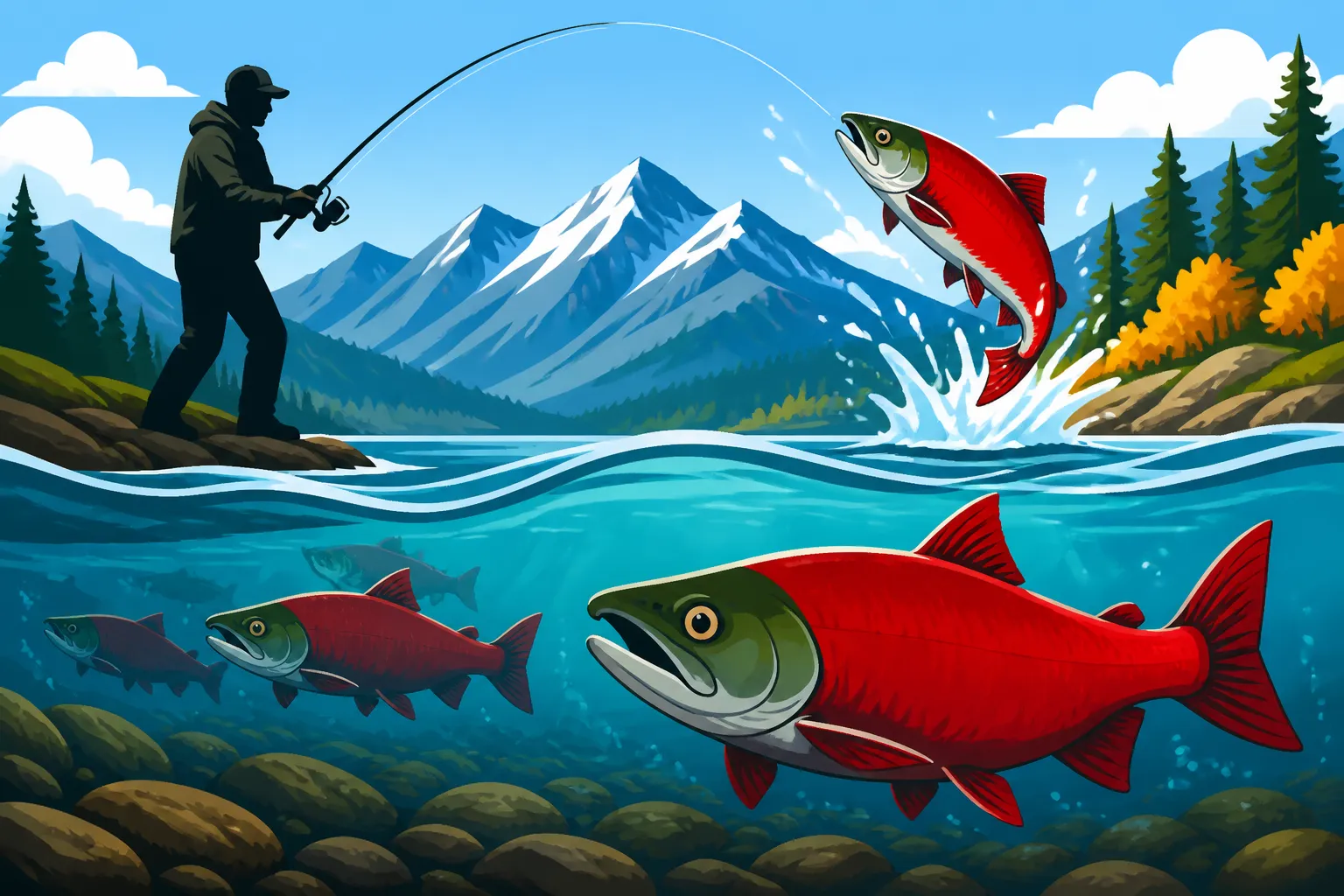
It’s a sight many Colorado anglers have encountered: you’re at a reservoir or river in the fall, and the water is absolutely teeming with bright red kokanee salmon, pushing upstream, driven by the primal urge to spawn. They look so close, so abundant, and sometimes, you might even think you could just reach out and grab one. This visual abundance often leads to a common question, and sometimes a temptation: is it okay to snag these fish during their spawning run? The answer, unequivocally, is no. This guide will walk you through exactly why snagging kokanee is illegal in Colorado, the serious repercussions, and how you can ethically and successfully target these amazing fish within the bounds of the law.
Understanding Snagging: What It Means in Colorado
The term "snagging" might sound straightforward, but in the context of fishing regulations, it has a very specific definition that Colorado Parks and Wildlife (CPW) uses. It's not just about what you catch, but how you catch it. Understanding this distinction is crucial for staying on the right side of the law and practicing ethical angling.
The Legal Definition of Snagging
In Colorado, snagging, sometimes called "foul-hooking," refers to hooking a fish in any part of its body other than the mouth. This can happen intentionally, by casting heavy treble hooks into a school of fish and ripping them through the water hoping to "catch" one, or it can happen accidentally when a fish simply strikes outside the mouth. The key difference lies in the angler's intent and method. If your primary goal is to hook the fish anywhere but the mouth, you are snagging. The regulations are designed to promote fair chase and prevent anglers from taking advantage of fish that are highly concentrated and often unwilling to bite during their spawning periods. Colorado Fishing Regulations Every Angler Should Know outlines these rules in detail.
For instance, imagine you're fishing a popular kokanee run, and you see dozens of fish packed tight in a pool. If you throw a bare treble hook or even a large jig into that group and then quickly yank it through the fish, you're actively trying to snag them. This is a clear violation. Even if you use a legal lure, but are making deliberate movements to foul-hook a fish, that's considered snagging.
Intent vs. Accidental Foul-Hooking
Colorado law generally focuses on the method rather than the outcome. If you are using legal methods and a fish is accidentally hooked outside the mouth, the regulations usually require you to release that fish immediately. The problem arises when the method itself is designed to snag.
Consider this scenario: you're casting a small jig with a single hook, a perfectly legal setup, and a kokanee hits it just outside its mouth. Because you were using a legal method, this is an accidental foul-hook. The ethical and legal action is to quickly and gently release the fish back into the water. However, if you were using a large, weighted treble hook designed to maximize your chances of snagging any part of a fish, and you're actively trying to rip it through a school, that's intentional snagging. The intent is demonstrated by the gear and the technique.
The distinction is important because while accidental foul-hooking can happen, deliberate snagging is a clear disregard for conservation principles and fair play. This is why it's vital to be mindful of your gear and technique, especially when fish are concentrated.
Why Snagging Kokanee is Prohibited in Colorado
The sight of thousands of crimson-red kokanee salmon crowding shallow inlets and rivers during their annual spawning migration is truly spectacular. It’s also a time when they become particularly vulnerable, which is precisely why snagging them is illegal. This prohibition isn't arbitrary; it's rooted in critical ecological principles and the philosophy of fair-chase angling.
Conservation and Ethical Angling
Kokanee salmon, unlike some other fish species, are semelparous, meaning they only spawn once in their lifetime and then die. This makes the spawning run incredibly important for the future of the population. When they enter their spawning phase, their bodies undergo dramatic physiological changes; they stop feeding, their digestive systems begin to shut down, and their flesh deteriorates as all their energy is redirected to reproduction. They're focused on one thing: laying or fertilizing eggs.
During this time, they become extremely susceptible to unethical fishing practices. Snagging exploits this vulnerability. It’s not about skill, presentation, or enticing a bite; it’s about physically ripping a hook into a fish that isn't actively feeding. This goes against the core tenets of fair-chase angling, which emphasize giving the fish a reasonable chance to evade capture. Allowing snagging would essentially turn these vital spawning events into a free-for-all, undermining the reproductive success of the population and disrespecting the fish itself.
CPW's mission is to manage Colorado's wildlife resources for current and future generations. Protecting spawning fish from methods like snagging is a cornerstone of that mission. Without such regulations, these vital populations could be severely impacted, leading to fewer fish in future years for everyone.
The Impact on the Resource
Imagine if every angler could simply snag as many kokanee as they wanted during the spawning run. The sheer volume of fish being taken, combined with the often-deadly impact of being foul-hooked (which causes severe internal damage, even if released), would decimate the population.
Kokanee are a crucial part of Colorado's aquatic ecosystem, serving as a food source for larger predators like lake trout and osprey, and providing a popular sport fishery. The state invests considerable resources in stocking kokanee in many reservoirs, such as Blue Mesa Reservoir and Carter Lake, to maintain healthy populations. Allowing snagging would undo much of this conservation effort.
Furthermore, snagged fish, especially those that are bleeding or severely injured, are often not fit for consumption, leading to wasted resources. While some anglers might believe they are just "harvesting," the method itself is detrimental to the overall health and sustainability of the fishery. It bypasses the natural challenges of fishing and undermines the respect for the fish's life cycle.
Penalties and Enforcement for Illegal Snagging
It's easy to dismiss regulations as mere suggestions, but Colorado takes its fishing laws very seriously, especially when it comes to protecting spawning fish. The penalties for snagging kokanee can be significant, ranging from fines to loss of fishing privileges, and enforcement is more common than many anglers might realize. Game wardens are on patrol, particularly during busy spawning seasons, to ensure compliance.
Fines and Court Appearances
If you are caught snagging kokanee, you're not just looking at a slap on the wrist. The violation can result in substantial fines. These fines can vary depending on the severity of the offense, the number of fish snagged, and whether you're a repeat offender. For a first offense, you might be looking at several hundred dollars in fines, but it can quickly escalate.
Beyond the immediate financial penalty, being cited for illegal snagging often requires a mandatory court appearance. This means taking time off work, traveling to the courthouse, and facing a judge. It's a much more involved and stressful process than many anglers anticipate. A court record can also carry consequences, particularly if you have other professional licenses or need to maintain a clean record. This isn't just a fishing ticket; it's a legal charge.
Loss of Fishing Privileges and Equipment Confiscation
One of the most impactful penalties for illegal snagging is the potential loss of your fishing privileges. CPW has the authority to suspend or revoke your fishing license, not just for a season, but potentially for multiple years. Imagine being unable to fish for your favorite species or visit your cherished fishing spots for an extended period. This can be devastating for passionate anglers. What Happens If You Fish in Colorado Without a License details other consequences of not following regulations.
In some cases, game wardens may also confiscate equipment used in the commission of the crime, such as your fishing rods, reels, and even your boat. This is particularly true if the equipment is clearly designed for or being used in an illegal manner. Losing valuable fishing gear, on top of fines and license suspension, adds another layer of financial and personal consequence.
For example, if a warden observes an angler repeatedly casting heavy treble hooks into a dense school of kokanee and actively ripping them, catching fish outside the mouth, they can issue a citation, confiscate the gear, and begin the process for license suspension. It’s a powerful deterrent designed to protect the resource.
Legal and Ethical Ways to Target Kokanee Salmon
While snagging is strictly forbidden, that doesn't mean you can't have incredible success targeting kokanee salmon in Colorado. Many anglers enjoy fantastic days on the water pursuing these spirited fish, especially during their pre-spawn and early spawn phases, using methods that are both legal and incredibly effective. The key is to understand their behavior and use appropriate gear and techniques.
Targeting Kokanee Before and During the Spawning Run
Kokanee salmon are most actively feeding and therefore most susceptible to legal fishing methods before they enter their final spawning phase. This is typically during the late summer and early fall, when they are still in the main body of the reservoir, fattening up for the strenuous journey ahead. During this time, trolling is a highly productive method. Anglers use downriggers to get their lures down to the depths where kokanee are feeding, often between 20 and 60 feet.
Popular lures for trolling include small spoons, dodgers, and flashers, often tipped with corn or a worm. Brands like K&K Lure Company and Dick Nite are very popular among kokanee enthusiasts. You can find a wide variety of these lures and other kokanee-specific tackle on platforms like Amazon, allowing you to stock up on different colors and styles to see what the fish are keying in on. The color of your lures can make a huge difference, with pink, orange, and chartreuse often being top producers. Varying your speed and depth until you find the sweet spot is part of the fun and challenge. Trolling for Kokanee Salmon in Colorado provides more in-depth information on techniques.
Once the kokanee start moving towards their spawning grounds in shallower water, they largely stop feeding. However, they can still be caught on jigs or small spoons, often more out of an aggressive or territorial strike than a feeding response. Jigging from the bank or a boat in river mouths or shallow bays with small, brightly colored jigs (think 1/8 to 1/4 ounce in pink, orange, or white) can be effective. Again, look for these types of jigs from reputable brands on Amazon to ensure you have quality tackle.
Respecting Bag and Possession Limits
Even when using legal methods, it's crucial to adhere to Colorado's specific bag and possession limits for kokanee salmon. These limits are in place to ensure that the harvest is sustainable and that enough fish are left to contribute to the next generation. These limits can vary by water body, so always check the current CPW regulations for the specific lake or river you plan to fish. Colorado Bag and Possession Limits by Species and Colorado's Kokanee Salmon Limit at Blue Mesa are great resources.
It’s also important to practice proper catch-and-release techniques if you're not planning to keep fish, especially during the spawning run. Use barbless hooks (or pinch down barbs on your lures), handle fish minimally with wet hands, and release them quickly. This helps reduce stress and increases their chances of survival, though it's important to remember that spawning kokanee are already at the end of their life cycle.
Here’s a quick overview of legal vs. illegal methods for targeting spawning kokanee:
| Method | Description | Legality in Colorado (Spawning Kokanee) | Rationale |
|---|---|---|---|
| Snagging/Foul-Hooking | Deliberately hooking a fish anywhere other than the mouth. | Illegal | Unethical, harms fish, undermines conservation efforts. |
| Trolling | Using a boat to drag lures at specific depths, typically with downriggers. | Legal | Fair chase, targets actively feeding fish. |
| Jigging | Bouncing a lure vertically in the water, attempting to induce a bite/strike. | Legal | Fair chase, relies on fish striking the lure. |
| Casting & Retrieving | Throwing out a lure (spoon, spinner, crankbait) and reeling it in. | Legal | Fair chase, relies on fish striking the lure. |
| Live Bait Fishing | Using live minnows or worms. | Legal (with restrictions) | Fair chase, but bait restrictions apply to some waters. |
| Flossing | Using heavy line to catch a fish by the line going through its mouth. | Illegal (form of snagging) | Unethical, not targeting a bite. |
Always remember that fishing in Colorado is a privilege, and with that privilege comes the responsibility to adhere to regulations and practice ethical angling. By doing so, we ensure that the incredible kokanee salmon runs continue to thrive for years to come.
Planning Your Kokanee Fishing Adventure
Successfully and legally targeting kokanee salmon in Colorado requires a bit of planning, especially if you want to experience the thrill of their spawning run without running afoul of regulations. It’s all about timing, location, and having the right mindset for ethical angling.
Best Times and Locations for Legal Kokanee Fishing
The prime time for targeting actively feeding kokanee salmon, when they are most willing to bite a lure, is generally from late spring through late summer. During these months, they are typically spread out in the deeper waters of large reservoirs like Blue Mesa, Eleven Mile, and Carter Lake. This is when trolling with downriggers and specific kokanee gear, often found on Amazon, truly shines. You’ll be looking for schools of fish on your sonar and presenting your lures at their depth.
As fall approaches, usually September and October, the kokanee begin their migration towards spawning areas. This is when you'll start seeing the iconic red fish. While they are less likely to feed, they can still be caught using jigs and small spoons as they stage in shallower areas before their final push up rivers and into tributary streams. Popular areas for bank anglers to intercept these fish as they move into shallower water include the inlets of Blue Mesa Reservoir, the Fryingpan River (below Ruedi Reservoir, though this is primarily a trout fishery where kokanee pass through), and the Lake Fork of the Gunnison River. However, remember that once they are actively spawning in the extreme shallow water, they are extremely difficult to entice into a bite and are at their most vulnerable to illegal snagging. Kokanee Salmon Spawning Runs in Colorado offers more details on these movements.
Essential Gear for Ethical Kokanee Angling
For trolling, a medium-light action rod with a sensitive tip is ideal for detecting the often subtle bites of kokanee. You'll want a reel spooled with 8-10 pound test monofilament or fluorocarbon. Downriggers are practically essential for reaching the depths where kokanee hold in reservoirs, allowing you to present your lures precisely. As mentioned, small spoons, dodgers, and flashers in various bright colors are key. Don't forget the corn or scent for tipping your hooks, which can often be the difference between a good day and a slow one. Many experienced anglers swear by specific kokanee scent products, which you can easily find on Amazon, along with specialized kokanee leaders and terminal tackle.
If you're planning on jigging from the bank or a boat as they move into shallower waters, a light spinning rod with 4-6 pound test line will give you the sensitivity needed. Small jigging spoons or tungsten jigs in pink, orange, or glow-in-the-dark patterns are very effective. These smaller jigs can also be found in specialty fishing shops or online retailers like Amazon.
No matter your method, always bring a pair of needle-nose pliers or a hook-removal tool to ensure quick and safe release of any accidentally foul-hooked fish or those you don't intend to keep. A proper landing net with a rubberized mesh is also invaluable for protecting the fish's slime coat and fins. Being prepared with the right gear ensures you’re ready for a legal and successful day of kokanee fishing, respecting both the fish and the law.
Disclaimer
This article is for general informational purposes only and does not constitute professional advice. Laws, prices and regulations vary by location and change over time. Consult a qualified professional for guidance on your specific situation.