What Brown Trout Eat as They Get Larger
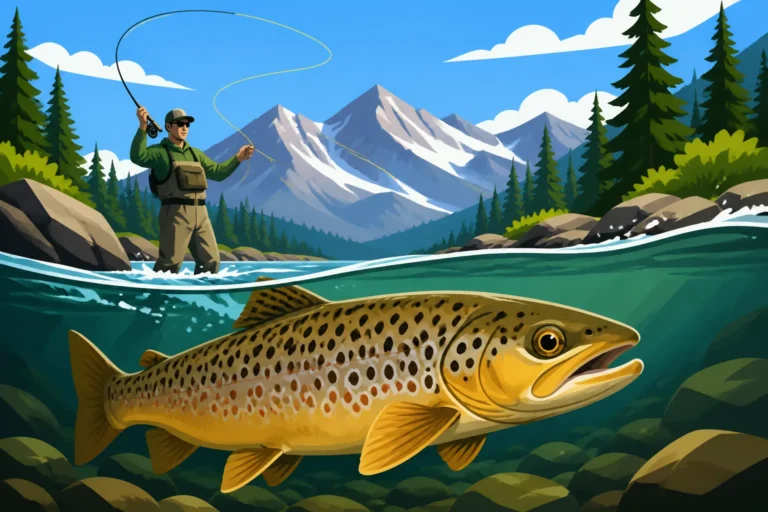
Anyone who's spent enough time on Colorado's rivers and lakes, chasing the elusive brown trout, knows these fish aren't just pretty; they're incredibly smart and adapt their dining habits as they grow. It's a common frustration for anglers: what works for a feisty 12-inch brown rarely entices a cautious 20-incher. This guide dives deep into the fascinating world of what brown trout eat as they get larger, helping you understand their changing palates so you can adjust your tactics and increase your chances of landing that trophy fish.
The Foundation: Early Life and Insectivorous Days
When a brown trout is just starting out in life, fresh from the gravel, its world is small, and its diet reflects that. These are the days of being incredibly vulnerable and focusing purely on survival by consuming anything digestible that comes their way.
From Fry to Fingerling: The Initial Menu
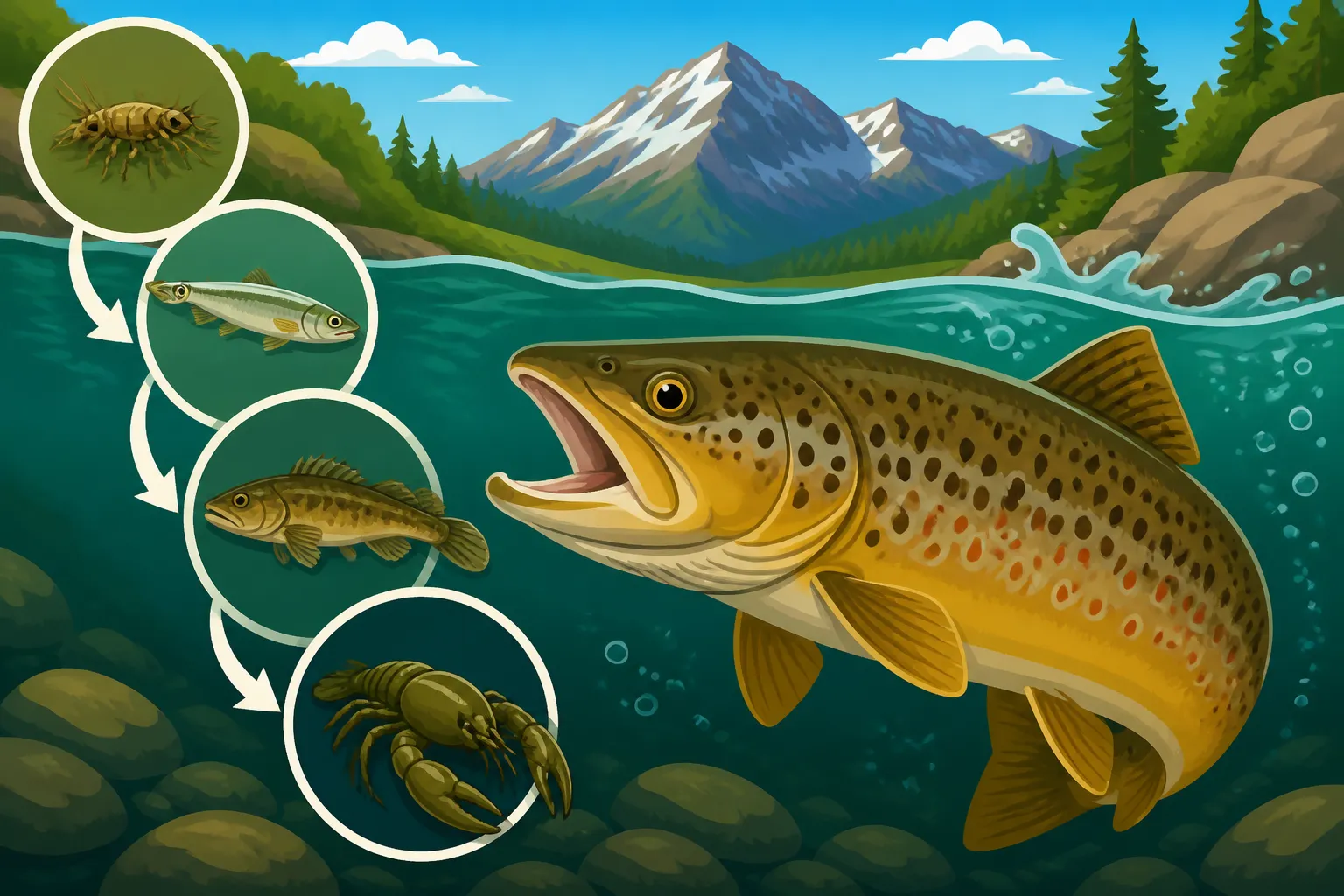
Imagine a tiny brown trout, perhaps only an inch or two long, holding in the slow current near a protective bank. At this stage, their metabolism is incredibly high, and they need to feed almost constantly. Their mouths are small, so they're limited to the most microscopic fare available. This includes plankton, which might seem surprising for a fish we associate with flies and lures, but it's a critical food source for newly hatched fish. Beyond that, they're feasting on the larval stages of aquatic insects – think tiny midge larvae, minute mayfly nymphs, and small caddisfly larvae. These little critters are abundant in the nutrient-rich sediments of rivers and streams, providing a constant, if small, supply of protein. A small brown tucked into the shadows of a boulder on the Poudre River, for instance, might spend its entire day picking off these tiny morsels, growing just enough to move onto slightly larger prey.
Growing Pains: Expanding the Insect Buffet
As those little browns grow a few more inches, their dietary world expands dramatically. They're still very much insect-focused, but now they can handle bigger bites. This is when they become masters of foraging, often found in riffles and runs, actively hunting for a wider variety of aquatic insects. You'll see them darting after larger mayfly nymphs like the Blue-Winged Olives or Green Drakes, or clinger stonefly nymphs that cling to the undersides of rocks. Caddisfly larvae, protected by their little cases, also become a staple.
But it's not just what's in the water. Brown trout, even at this mid-range size, are incredibly opportunistic surface feeders. If an unsuspecting grasshopper tumbles into the Arkansas River during summer, or a cluster of ants finds itself washed into a back eddy, these browns are often the first to rise and slurp them down. Beetles, crickets, and even small caterpillars become fair game, especially during the warmer months when terrestrial insects are most active near the water's edge. Anglers targeting these fish often find success with attractor patterns that mimic these terrestrials, or with Nymphing Techniques for Colorado Tailwaters to imitate the abundant subsurface life. Having a well-stocked fly box with various sizes and patterns of nymphs and dry flies, often sourced from places like Amazon, can make all the difference.
The Adolescent Phase: A Taste for Bigger Meals
This is where the brown trout's diet starts to make a noticeable shift, moving beyond the insect-centric menu of their youth. As they gain size and confidence, their predatory instincts truly begin to develop, and they look for more substantial, protein-packed meals.
The Crustacean and Mollusk Connection
For brown trout looking to put on significant weight, crustaceans like crayfish and scuds (freshwater shrimp) are absolute goldmines. These creatures are packed with protein and are a consistent food source in many Colorado waterways, especially in lakes, reservoirs, and rivers with abundant rocky or weedy bottoms. A 14-inch brown trout hiding under a submerged log in the South Platte might spend its day patiently ambushing crayfish as they scuttle past. These are relatively slow-moving, high-calorie meals that require less energy to catch than a darting fish.
Snails and other small mollusks also make their way onto the menu, particularly in waters with specific vegetation that supports these invertebrates. The brown trout's strong jaws are perfectly adapted for crushing shells, extracting the nutritious meat inside. If you're fishing a lake or a slower river section with plenty of cover and you're not getting bites on insect imitations, switching to a crayfish pattern or a scud imitation, perhaps a few you picked up from a tackle shop or online at Amazon, can often be the trick that unlocks a bigger fish. This dietary shift marks a turning point, as browns begin to understand the caloric benefits of larger, slower-moving prey.
First Forays into Piscivory: Eating Smaller Fish
This is perhaps the most significant dietary transition for a growing brown trout: they become true piscivores, meaning they start eating other fish. While they might still gobble up a large insect or a juicy crayfish, their primary focus begins to turn towards smaller finned prey. This shift happens as their mouths become larger and their bodies more streamlined, allowing for more effective ambush predation.
Species like sculpins, dace, and various minnows become prime targets. These smaller fish often inhabit the same rocky, shadowy areas where brown trout like to hold. A brown trout, perhaps in the 14-to-18-inch range, might position itself strategically behind a large rock or a deep cut bank, waiting to dart out and ambush an unsuspecting school of minnows. They learn quickly that a single small fish provides far more energy than dozens of insects. This predatory behavior is what gives larger browns their reputation as cunning hunters, and it’s why understanding What Brown Trout Eat as They Get Larger is so crucial for serious anglers. They start seeing the world through the eyes of an apex predator in their aquatic environment.
The Mature Predator: Dominating the Food Chain
Once brown trout reach a certain size, typically over 18 inches, they transition into undisputed apex predators within their ecosystem. Their diet becomes almost exclusively focused on larger, more substantial prey, making them one of the most challenging and rewarding fish to catch in Colorado.
The Apex Diet: Other Fish as the Main Course
For the truly large brown trout, the kind that makes your heart pound when you see it, other fish are the absolute main course. We're talking about substantial meals that fuel their growth and maintain their impressive size. This includes larger baitfish like chubs, suckers, and even smaller trout—yes, brown trout are notoriously cannibalistic, readily consuming smaller rainbow trout, brook trout, or even their own kind.
In reservoirs like Blue Mesa, a big brown might key in on young kokanee salmon, seeing them as easily accessible, high-energy snacks. On rivers that receive regular stockings, like sections of the Colorado River, stocked rainbow trout become a primary food source for larger, wild brown trout. These big browns aren't just eating; they're strategically hunting, often targeting sick, injured, or disoriented fish. This predatory behavior is why anglers often turn to Streamer Fishing for Colorado Brown Trout with large, articulated patterns that mimic these baitfish. When pursuing these giants, you'll want robust gear, and it's worth checking out the selection of heavy-duty tippet and leader materials on Amazon to ensure you don't lose that fish of a lifetime.
Opportunistic Giants: More Than Just Fish
While fish form the backbone of a large brown trout's diet, their opportunistic nature knows few bounds. These aren't just intelligent fish; they are cunning hunters that will exploit any available food source that offers a high caloric return. This can include an astonishing array of terrestrial creatures that accidentally find their way into the water.
Mice and voles are classic examples. During twilight hours or under the cover of darkness, these rodents might fall into the water from overhanging banks, becoming an irresistible meal for a patrolling brown. Frogs, snakes, and even small, injured birds or ducklings can also end up on the menu. A large brown trout isn't going to expend energy chasing a tiny midge when a substantial, slow-moving meal presents itself. This is why techniques like Night Fishing for Brown Trout in Colorado can be so effective for targeting the largest specimens, as they often become more active and less wary under the cloak of darkness, venturing out from their daytime hiding spots to hunt these larger, less common prey items.
Environmental Influences on Brown Trout Foraging
It's not just about size; the environment plays a massive role in what brown trout eat. Colorado's diverse ecosystems, from high-alpine streams to broad, slow-moving rivers and expansive reservoirs, all present different food opportunities that change throughout the year.
Seasonal Shifts in Food Availability
Colorado's distinct seasons dramatically dictate what's available for a brown trout to eat.
- Spring: When the snow starts to melt and runoff begins, rivers swell and become turbid. This high water dislodges worms, grubs, and a bounty of aquatic insect larvae from the river bottom and banks. Browns, still sluggish from winter, often hold in slower seams and eddies, picking off these easy meals. During this time, larger nymph patterns that imitate stoneflies or even worm patterns can be incredibly effective.
- Summer: This is a time of abundance. Insect hatches are prolific, and terrestrial insects are constantly falling into the water. Browns will feed aggressively on dry flies, especially during evening hatches, and will readily snatch grasshoppers or beetles from the surface. However, as water temperatures rise, fish might become lethargic during the hottest parts of the day, feeding more actively in the cooler mornings and evenings.
- Fall: As water temperatures begin to cool, brown trout enter their pre-spawn feeding frenzy. This is a critical time for them to pack on calories, making them particularly aggressive. They'll gorge on baitfish, crayfish, and anything else they can get their mouths around. Large streamer patterns are king during the fall, imitating the smaller fish they are actively hunting. Also, don't forget the eggs of spawning trout; a brown will opportunistically feed on these protein-rich spheres. Fall Fishing in Colorado, What Changes can dramatically impact your success.
- Winter: Food becomes scarce in the colder months. Aquatic insect activity slows, and terrestrials are long gone. Brown trout will conserve energy, moving into deeper, slower pools. Their diet shifts to smaller, more available food sources like midges and tiny crustaceans. They become incredibly selective. Winter Fishing on Colorado's Tailwaters often requires delicate presentations and very small fly patterns. They might also scavenge on dead or dying fish, or anything else they can find without expending too much energy.
Habitat and Water Conditions
The specific environment a brown trout lives in heavily influences its diet. A brown in a high-gradient, freestone river like the Cache la Poudre will primarily eat nymphs and terrestrials, simply because those are the most abundant food sources. In contrast, a brown trout in a large reservoir like Eleven Mile State Park, with its abundant baitfish populations, might have a diet heavily skewed towards other fish species, even from a younger age.
Water conditions also play a huge role. In clear tailwaters, like the Fryingpan River, where food is often plentiful but the fish are highly educated, brown trout can become incredibly selective, keying in on specific insect stages or sizes. Conversely, in off-color water after a rain event, a brown trout might be less particular and more willing to chase a larger, more visible offering. Understanding How Water Temperature Affects Trout Feeding is vital, as it influences their metabolism and activity levels, directly impacting their appetite. Even Colorado's 14-Inch Trout Length Rule on some waters can influence local populations and food availability by managing what fish are removed.
Ultimately, brown trout are incredibly adaptable survivors. Their diet is a dynamic thing, constantly shifting with their age, the seasons, and the specific conditions of their home waters. The table below offers a general overview of this dietary evolution.
| Trout Size Category | Primary Diet | Key Food Items | Common Angling Tactics |
|---|---|---|---|
| Fry/Fingerling | Micro-invertebrates, small insects | Plankton, midge larvae, tiny mayfly nymphs | Small nymphs, micro-jigs |
| Small (3-10 inches) | Aquatic & terrestrial insects | Mayfly/caddis/stonefly nymphs, midges, ants, beetles, grasshoppers | Nymphing, dry flies |
| Medium (10-16 inches) | Larger insects, crustaceans, small fish | Larger nymphs, crayfish, scuds, sculpins, dace, minnows | Nymphing, streamer patterns, crayfish imitations |
| Large (16-22 inches) | Fish, large crustaceans, terrestrial critters | Sculpins, dace, suckers, small trout, crayfish, frogs, mice, voles | Streamer fishing, large plugs, mouse patterns, articulated flies |
| Trophy (22+ inches) | Almost exclusively fish, opportunistic large prey | Larger baitfish, other trout, small mammals, frogs | Large streamer patterns, big articulated flies, plugs, mice patterns |
Understanding this evolutionary diet is truly the secret weapon for any Colorado angler hoping to tangle with a truly big brown. It shifts your perspective from just throwing flies or lures to thinking like the fish itself – what would I eat if I were a massive, cunning brown trout patrolling the depths of a Colorado river?
Disclaimer
This article is for general informational purposes only and does not constitute professional advice. Laws, prices and regulations vary by location and change over time. Consult a qualified professional for guidance on your specific situation.