Which Colorado Fish Are Federally Threatened
For those of us who love casting a line into Colorado's pristine waters, it's easy to focus on the thrill of the catch—the flash of a rainbow trout or the tug of a hefty brown. But beneath the surface, there's a delicate ecosystem, and sadly, some of our native fish species are in serious trouble. This guide will walk you through which Colorado fish are federally threatened, what that designation truly means, and how you, as a responsible angler, can play a vital role in their protection and recovery.
Understanding the "Federally Threatened" Designation
When we talk about a species being "federally threatened," it's not just a casual term; it's a specific classification under the U.S. Endangered Species Act (ESA). This act is a landmark piece of environmental legislation designed to protect imperiled species and their ecosystems. The "threatened" status is a serious warning flag, indicating that a species is likely to become endangered in the foreseeable future throughout all or a significant portion of its range. It’s one step shy of "endangered," which means a species is already in imminent danger of extinction.
This designation triggers a host of protections, both for the species itself and for its critical habitat. It means that federal agencies must consult with the U.S. Fish and Wildlife Service (USFWS) on any actions they undertake that might impact these fish. For us anglers, it often means specific regulations, like catch-and-release rules or even prohibitions on fishing in certain areas, are put in place to give these vulnerable populations a fighting chance. It's a reminder that our actions, even seemingly small ones, can have a profound impact on the long-term survival of these unique creatures.
What Makes a Species "Threatened" vs. "Endangered"?
The difference between "threatened" and "endangered" might seem like splitting hairs, but it's a critical distinction in conservation biology. An "endangered" species is one that is in danger of extinction throughout all or a significant portion of its range. Think of it as being on the very edge of the cliff. These species require immediate, intensive intervention to prevent their disappearance.
A "threatened" species, on the other hand, is one that is likely to become endangered in the foreseeable future. They're still on the cliff, but perhaps a few steps back from the edge. This status allows for proactive conservation efforts, aiming to reverse the decline before they reach the brink of extinction. The goal is to implement measures now so that the species never actually becomes endangered, let alone extinct. It's a proactive approach, giving conservationists a window of opportunity to stabilize populations and restore habitats.
The Role of the U.S. Endangered Species Act
The ESA is truly the backbone of species protection in the United States, and it’s why we even have these classifications. Enacted in 1973, its primary purpose is to protect and recover imperiled species and the ecosystems upon which they depend. It’s a powerful law that directs federal agencies, and often influences state agencies, to conserve listed species. This can involve habitat restoration projects, reintroduction programs, research, and, yes, regulations for human activities like fishing or development.
For Colorado's native fish, the ESA means that their survival is a national priority. It mandates rigorous scientific review before a species is listed, and once listed, it provides legal teeth to ensure their protection. It’s not just about stopping immediate harm, but about fostering conditions that allow these fish populations to thrive once more. While it can sometimes lead to stricter rules for recreational users, it's all in service of a much larger and more critical goal: preserving the natural heritage of our state and country.
Colorado's Federally Protected Native Fish
In Colorado, our focus for federally threatened native fish largely centers on species of the Colorado River basin. These are truly unique creatures, perfectly adapted to the dynamic, often turbulent, and historically warm waters of the mighty Colorado River and its tributaries. Their decline is a stark indicator of the changes we've imposed on these river systems over the past century or more. Unlike many of the popular sportfish we target, these species often have very specialized needs and are less resilient to habitat alteration and competition from non-native species.
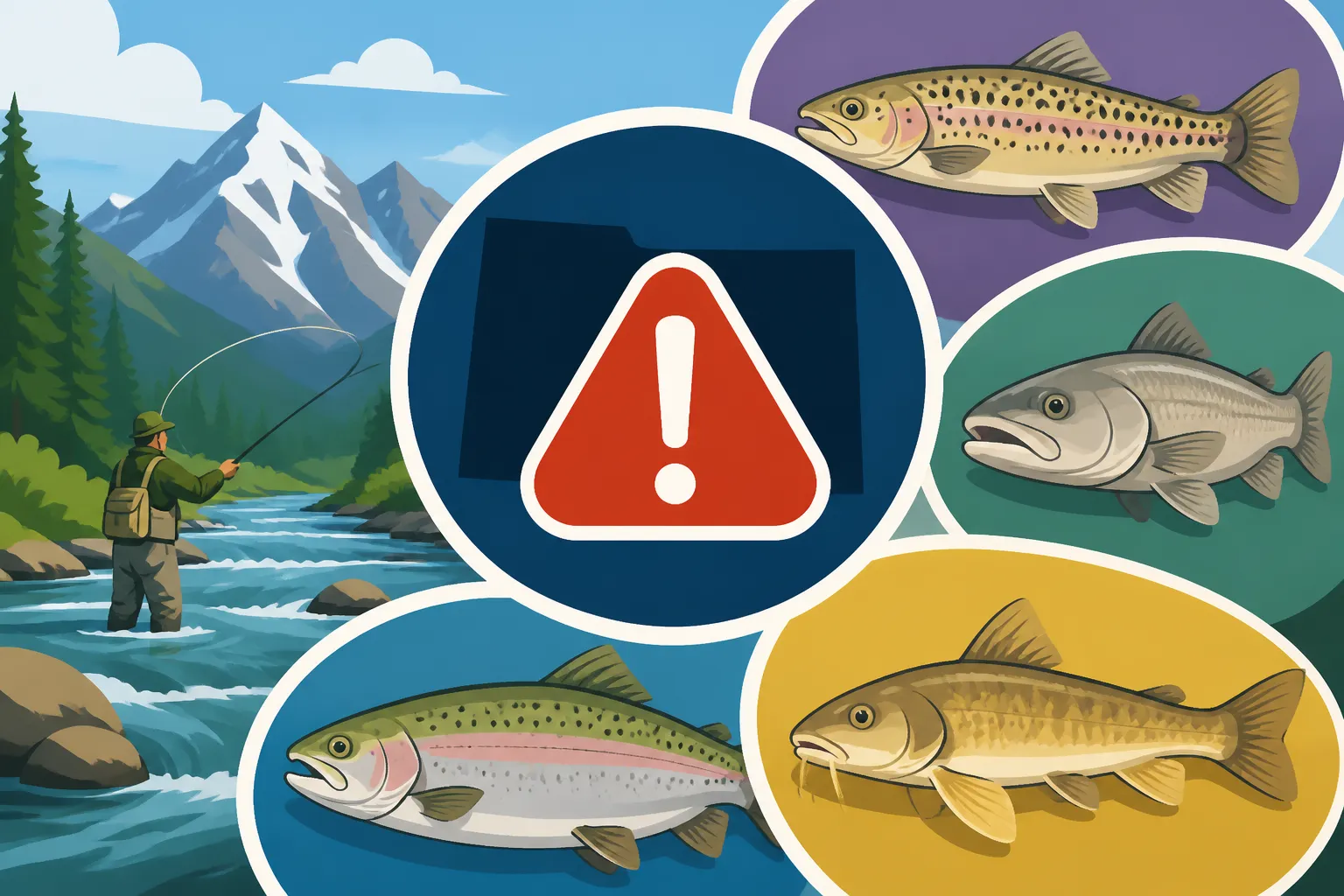
The "Big Four" fish that are federally protected in Colorado are the Colorado Pikeminnow, Humpback Chub, Bonytail Chub, and the Razorback Sucker. These four species are considered endangered under the ESA, which is even more critical than threatened. While the prompt asks about "federally threatened," it's crucial for anglers in Colorado to understand that these particular native fish are actually in an even more precarious state, facing imminent extinction. Recognizing these fish is not just good practice; it’s essential for conservation. If you ever accidentally catch one of these, knowing what to do is paramount. What to Do If You Catch an Endangered Fish by Accident is a resource every angler should be familiar with.
The Colorado Pikeminnow
Imagine a native fish that can grow up to six feet long and weigh over 80 pounds—a true apex predator of the Colorado River system. That's the Colorado Pikeminnow (Ptychocheilus lucius). Historically, it was abundant and widespread throughout the mainstem rivers of the Colorado River basin, a testament to the wildness and health of those waters. Today, it’s federally endangered.
The pikeminnow is a large, slender fish with a distinctive, shovel-shaped snout and a large mouth. Its body is streamlined, built for swimming in powerful currents. It typically has a dark, olive-green back that fades to a silvery belly. They are powerful swimmers, known for their annual migrations to spawning grounds, often traveling hundreds of miles. These fish are omnivores, preying on smaller fish, insects, and crustaceans. Their habitat has been severely fragmented by dams and water diversions, making it incredibly difficult for them to complete their life cycles. Why the Colorado Pikeminnow Is Protected delves deeper into the challenges facing this iconic species.
The Humpback Chub
The Humpback Chub (Gila cypha) is another marvel of adaptation, a fish built for the extreme conditions of the Colorado River's canyons. It's named for the prominent fleshy hump located behind its head, which is thought to help it maintain stability in the powerful, turbulent currents and eddies found in canyon environments. This species is federally endangered, a severe classification highlighting its urgent need for protection.
These fish are relatively small compared to the pikeminnow, typically growing up to 15-20 inches, though some have been recorded larger. They have a slender body, a small head, and large fins, all designed for life in fast-moving water. Their coloration can vary, from a silvery-olive to a bronze tone. Humpback Chubs primarily feed on aquatic insects and plant matter. Their existence is largely confined to the turbulent, rocky canyon sections of the Colorado River and its major tributaries, such as the Yampa and Green Rivers, where they have managed to persist despite extensive habitat alteration downstream. Learning about What the Humpback Chub Is and Where It Lives can help you understand their specific habitat needs.
The Bonytail Chub
Among the "Big Four," the Bonytail Chub (Gila elegans) is often considered the most endangered, teetering on the very edge of extinction in the wild. This species is also federally endangered. It’s a sleek, torpedo-shaped fish, reaching lengths of up to two feet, with a noticeably slender caudal peduncle (the narrow part of the body leading to the tail fin), which gives it its "bonytail" name. They are typically olive to dark brown on top with a lighter, silvery belly.
Historically, Bonytail Chubs were found throughout the Colorado River system, from Wyoming down to Mexico, thriving in slow-moving backwaters, eddies, and side channels of large rivers. They were once quite common, but dam construction and the subsequent changes in river flow, temperature, and introduction of non-native fish have decimated their populations. Today, natural populations are extremely rare, with most remaining fish being the result of stocking efforts and existing in highly managed refugia. This situation makes it all the more important to understand What the Bonytail Chub Is and Why It's Protected.
The Razorback Sucker
The Razorback Sucker (Xyrauchen texanus) is another truly unique native fish of the Colorado River basin, characterized by a prominent bony keel or "razorback" behind its head, a feature unique among North American suckers. This distinctive keel, which develops as the fish matures, is thought to help it navigate strong currents. Like the others on this list, it is federally endangered.
Razorback Suckers can grow quite large, up to three feet in length and weighing several pounds. They have a subterminal mouth, typical of bottom-feeding suckers, designed for sifting through substrate for invertebrates and plant matter. Their coloration can range from olive-brown to black on the back, fading to a cream or yellowish belly. These long-lived fish (they can live for over 40 years!) historically inhabited main channel rivers, backwaters, and floodplain wetlands, where they would migrate to shallow areas for spawning. Similar to the other native species, habitat loss, altered flow regimes, and the pervasive presence of non-native species have pushed the Razorback Sucker to the brink.
| Federally Protected Fish Species in Colorado | Status (ESA) | Key Identifying Feature | Primary Habitat |
|---|---|---|---|
| Colorado Pikeminnow | Endangered | Large, shovel-shaped snout, streamlined body, up to 6 ft long | Mainstem rivers, large tributaries, historically long migrations |
| Humpback Chub | Endangered | Prominent fleshy hump behind head | Turbulent canyon sections of rivers |
| Bonytail Chub | Endangered | Extremely slender caudal peduncle ("bonytail") | Slow-moving backwaters, eddies, side channels |
| Razorback Sucker | Endangered | Distinctive bony keel/razorback behind head | Main channel rivers, backwaters, floodplain wetlands |
Why These Species Are in Trouble
The decline of Colorado's native fish is a complex issue, not attributable to a single factor. It's a sad narrative of multiple pressures converging over decades, fundamentally altering the very rivers these fish evolved in. For us anglers, it's a sobering reminder that the waterways we enjoy today are vastly different from those of even a century ago. Understanding these challenges is the first step towards appreciation and informed conservation efforts. It's not about pointing fingers, but about recognizing the reality of the situation these fish face.
Habitat Loss and Alteration
This is arguably the biggest culprit. The Colorado River, once a wild, free-flowing system, is now one of the most managed rivers in the world. Dams are fantastic for power generation, irrigation, and flood control, but they are devastating for native fish. Dams block migration routes, preventing fish from reaching critical spawning and feeding grounds. They change the natural flow patterns, turning warm, silty rivers into cold, clear tailwaters—great for trout, but lethal for fish adapted to warmer, murkier conditions. The water released from the bottom of deep reservoirs is often too cold for native species' eggs to develop.
Furthermore, diversions for agriculture and municipal use simply take water out of the river, reducing overall flow and shrinking critical habitats. Floodplain wetlands, once vital nursery areas for many native species, have been drained or developed. These alterations fundamentally change the physical and chemical characteristics of the river, disrupting the natural cues and conditions that these species need to survive and reproduce. Without suitable places to live, grow, and spawn, even the hardiest species struggle.
Competition from Non-Native Species
It might seem counterintuitive, but the introduction of non-native fish, particularly popular sportfish like rainbow trout, brown trout, and various bass and catfish species, has played a massive role in the decline of native Colorado River fish. These introduced species often outcompete native fish for food and habitat. They might be more aggressive, grow faster, or simply be more tolerant of altered river conditions than the natives.
Worse yet, many non-native fish are direct predators of native fish, especially vulnerable eggs and fry. Imagine a small, delicate Bonytail Chub fry trying to survive in a river teeming with hungry smallmouth bass or brown trout. It's an unfair fight. The impact of non-native species is so significant that in some recovery efforts, active removal of non-native fish is undertaken to give native populations a fighting chance. This is why sometimes you'll see regulations that encourage anglers to keep all northern pike or walleye, for instance, as a management tool to protect native species. We can learn more about specific species like Colorado's Northern Pike, Where They're Legal to understand these dynamics.
Water Quality and Pollution
While not as historically significant as dams or non-native species, water quality issues also contribute to the stress on federally protected fish. Runoff from agricultural areas can introduce pesticides and excess nutrients, leading to algal blooms that deplete oxygen. Mining activities, both historic and ongoing, can leach heavy metals and other toxins into rivers, making water uninhabitable for sensitive aquatic life. Even everyday urban runoff, carrying pollutants like oil, antifreeze, and fertilizers, can degrade water quality in localized areas.
These pollutants don't just kill fish outright; they can weaken them, reduce their reproductive success, and make them more susceptible to disease. For species already struggling from habitat loss and competition, poor water quality adds another layer of stress they simply cannot withstand. Ensuring clean water is a fundamental part of any successful conservation strategy, benefiting not just these endangered fish but all aquatic life and human communities downstream.
What Anglers Can Do to Help
As anglers, we have a unique connection to the waterways and a profound responsibility to be part of the solution. It's easy to feel overwhelmed by the scale of the problem, but every single person who steps onto a riverbank or launches a boat can make a difference. It starts with awareness and translates into responsible actions. You're out there on the water; you are often the first line of defense and the eyes and ears for conservation agencies.
Learn to Identify Colorado's Native Fish
This is perhaps the most crucial step. You can't protect what you don't recognize. Get yourself a good, waterproof field guide to Colorado's fish species. Many excellent guides are available, and you can easily find one on Amazon, allowing you to quickly look up fish right there on the bank. Knowing the difference between a commonly stocked rainbow trout and a rare native cutthroat, or, even more critically, one of the endangered chubs or suckers, is vital. Pay attention to specific features: fin placement, mouth shape, barbels, and overall body structure.
Practice makes perfect. Before you head out, review pictures of the endangered species that might inhabit the waters you plan to fish. Look for their distinctive characteristics. If you fish the Colorado River or its major tributaries, especially in the western part of the state, be extra vigilant. The ability to correctly identify these fish means you can take appropriate action if you happen to catch one, ensuring its safe return and contributing to its survival. Understanding Colorado's Native Cutthroat Trout Subspecies is also key for responsible angling.
Practice Responsible Catch-and-Release
If you're fishing in waters where federally protected species might be present (or even just sensitive trout populations), practicing impeccable catch-and-release techniques is non-negotiable. This means minimizing the time the fish is out of the water, handling it gently with wet hands, and supporting its full body weight. Avoid squeezing or putting fingers in its gills.
Using appropriate gear also makes a huge difference. Barbless hooks are highly recommended as they cause less trauma and are easier to remove. Consider using a knotless, rubberized landing net instead of a traditional nylon net, which can strip off a fish's protective slime layer. These types of nets are readily available and can be purchased from online retailers like Amazon. Having long-nose pliers or hemostats on hand for quick hook removal is also key. The goal is to return the fish to the water as quickly and unharmed as possible, giving it the best chance of survival. Always ensure the fish has recovered and can swim away strongly before releasing it.
Report Accidental Catches or Sightings
Should you accidentally catch a federally protected species, the first rule is: do not take it out of the water for photos unless absolutely necessary for identification, and even then, do it as quickly as humanly possible. Gently remove the hook while the fish is still submerged. If you can't, cut the line as close to the hook as you can. Report the catch to Colorado Parks and Wildlife (CPW) as soon as possible. They will want to know the location, time, and any identifying characteristics you observed.
Even just seeing one of these rare fish, particularly the Bonytail Chub or Razorback Sucker, is an important observation. Reporting sightings, even if you don't catch them, can provide valuable data to biologists tracking their populations. You can typically find contact information for CPW on their website or in the Colorado Fishing Regulations Every Angler Should Know brochure. This information is critical for conservation efforts and helps agencies understand where these fish are persisting and how their numbers are (hopefully) recovering. Your report can literally contribute to the survival of a species.
Support Conservation Efforts
Beyond direct actions on the water, you can support broader conservation efforts. Many non-profit organizations are dedicated to the recovery of native fish in the Colorado River basin. Contributing financially, volunteering your time for habitat restoration projects, or simply advocating for policies that protect water resources and native species can make a huge impact.
Staying informed about current issues and engaging in public comment periods for proposed projects that might affect river systems are also powerful ways to make your voice heard. Remember, every little bit helps. Whether it's picking up trash from the riverbank (which you can carry in a small pack easily found on Amazon) or talking to fellow anglers about the importance of native fish, your commitment to conservation sends a clear message that these unique species matter. The health of our rivers and the survival of these fish are inextricably linked to our own enjoyment of Colorado's incredible natural resources.
Disclaimer
This article is for general informational purposes only and does not constitute professional advice. Laws, prices and regulations vary by location and change over time. Consult a qualified professional for guidance on your specific situation.