Do Stocked Trout Reproduce in Colorado Rivers?
One of the most common questions I get from folks fishing our beautiful Colorado rivers is about the trout they're catching: are these fish wild, or are they from a stocking truck? And if they are stocked, can they actually reproduce and add to the wild population? It's a valid curiosity, especially when you consider how many incredible fish are pulled from our waters each year. This guide will dive deep into the fascinating world of stocked trout, their reproductive capabilities (or lack thereof), and how these programs impact the overall health of Colorado's fisheries.
Understanding Colorado's Trout Stocking Programs
Colorado Parks and Wildlife (CPW) puts a lot of effort into managing our fisheries, and stocking is a big part of that. They stock millions of fish each year, primarily trout, into lakes and rivers across the state. The goal isn't always to create self-sustaining populations, but rather to enhance fishing opportunities, especially in heavily fished areas or waters where natural reproduction is limited. It's easy to assume that any fish released into a river will naturally thrive and multiply, but the reality is far more nuanced.
Why Colorado Stocks Fish
The primary reason for stocking is to meet angler demand. Let's be honest, Colorado is a fishing paradise, and a lot of us love to get out there and catch some fish! In many urban ponds, reservoirs, or rivers close to population centers, fishing pressure is intense. Natural reproduction simply can't keep up with the number of fish being caught. Stocking ensures there are enough fish for everyone to enjoy the sport. It's about creating "put-and-take" fisheries where the expectation is that fish will be caught soon after they are released. This is particularly true for popular species like rainbow trout. You can often find information on where they're stocked in articles like Rainbow Trout in Colorado, Where They're Stocked.
Another critical reason for stocking is to jumpstart fisheries in new or reclaimed waters, or to supplement populations that have been impacted by environmental factors like drought, pollution, or habitat loss. Sometimes, CPW might introduce a specific species into a lake that doesn't have a strong naturally reproducing population of that fish, perhaps to diversify fishing opportunities or to create a trophy fishery. The choices CPW makes are deliberate and scientific, based on habitat suitability and specific management goals, which you can learn more about in How Colorado Decides Which Species to Stock Where. It's a complex dance between human enjoyment and ecological balance.
Types of Trout Commonly Stocked
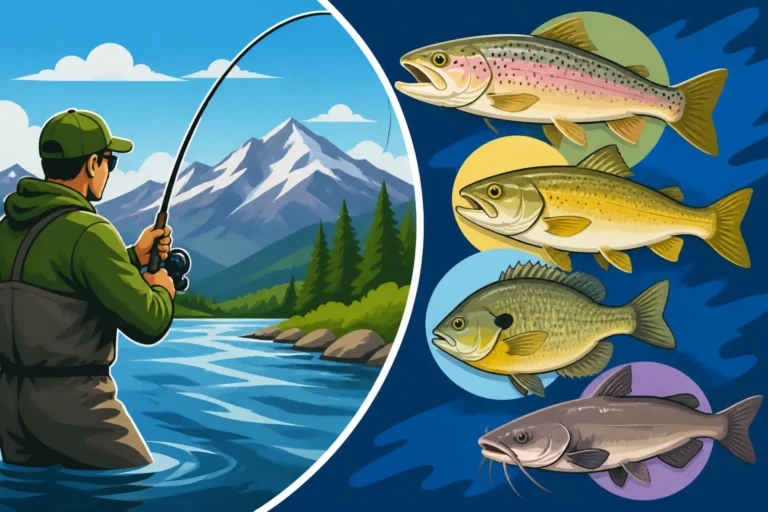
While Colorado is home to several native trout species and boasts incredible wild trout fisheries, many of the fish you encounter, especially in front-range lakes and easily accessible rivers, are stocked. Rainbow trout are probably the most common, prized for their catchability and willingness to bite. You'll also find brook trout and brown trout introduced in various waters. Sometimes, CPW even stocks hybrid species like tiger trout (a sterile cross between a brown trout and a brook trout) to control undesirable fish populations or offer unique angling experiences without the worry of them interbreeding with native species. The variety of fish you might find here is truly astounding, which makes Colorado so special. For a full rundown, check out Colorado's Trout Species, A Field Guide.
These stocked fish come from hatcheries, where they're raised in controlled environments. They're often fed a consistent diet, protected from predators, and grow at a much faster rate than their wild counterparts. This upbringing, while efficient for production, can also influence their ability to survive and reproduce once released into the wild.
The Reproductive Capabilities of Stocked Trout
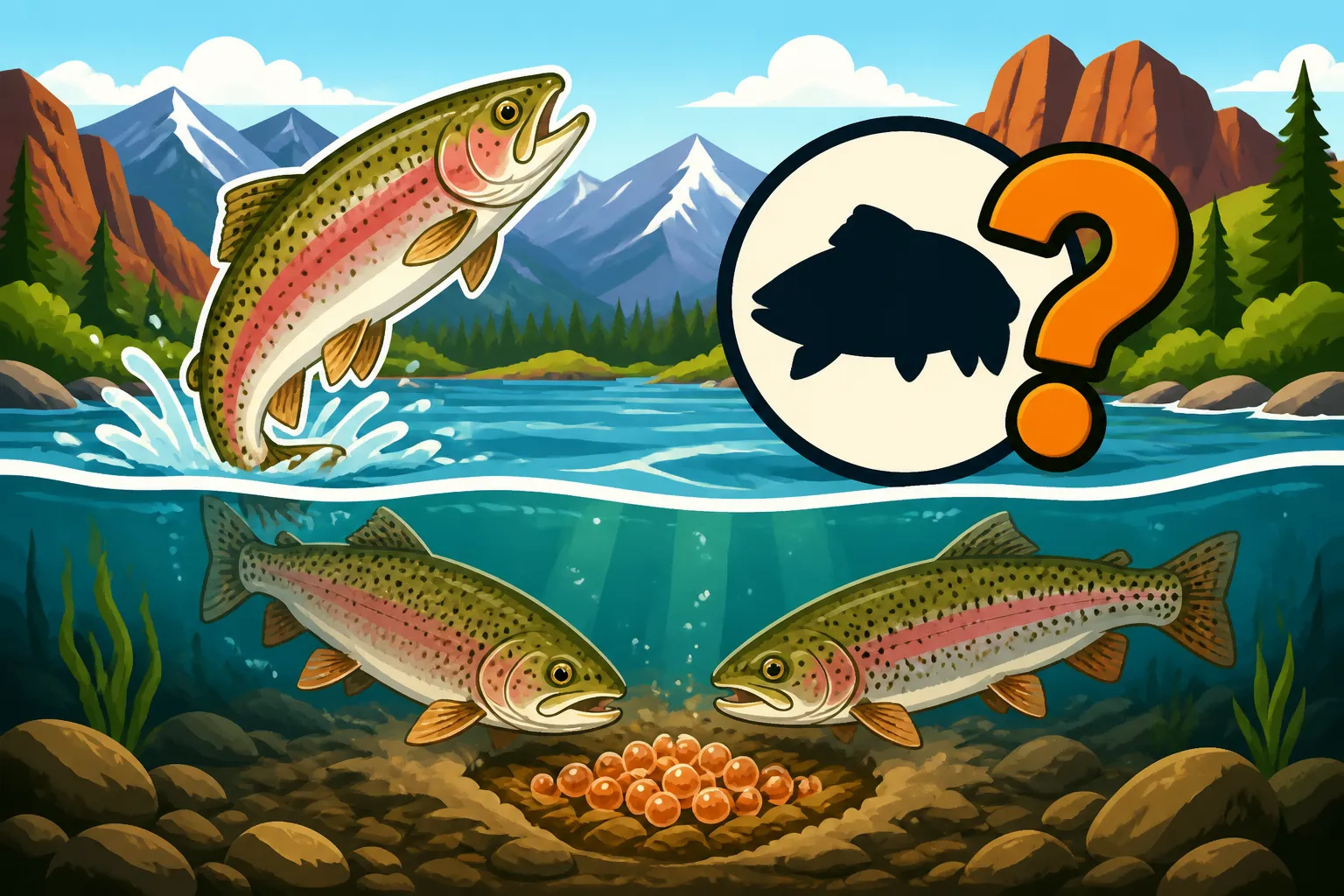
So, can those hatchery-raised trout actually reproduce in Colorado's rivers? The answer is usually "no," or at least, "not effectively." There are several significant factors at play that severely limit or completely prevent reproduction in most stocked trout.
Genetic Factors and Selective Breeding
Hatchery trout are often the product of generations of selective breeding. But here's the kicker: hatcheries breed for traits that are beneficial for hatchery life, not necessarily for wild survival and reproduction. They select for rapid growth, disease resistance in crowded tanks, and a tolerance for hatchery diets. While these traits are fantastic for producing lots of fish quickly, they can inadvertently diminish the instincts and physical characteristics crucial for successful reproduction in a natural river system.
Think about it: a wild trout has evolved over millennia to build redds (nests), protect its eggs from predators and silt, and find suitable spawning habitat. A hatchery trout, having never had to do these things, may lack the innate drive, the correct physical attributes (like fin integrity for digging redds), or even the genetic programming to perform these complex behaviors effectively. When you pick up a fishing rod or some new lures from Amazon, you're interacting with a system that's a blend of natural wonder and human management.
Environmental Challenges for Spawning
Even if a stocked trout wanted to reproduce, the environment might not be cooperative. Wild trout rely on very specific conditions for successful spawning. They need clean, cold water with sufficient oxygen flowing over suitable gravel beds. These "redds" must be free from excessive siltation, which can smother eggs, and located in areas with consistent water flow and temperature. Many stocked rivers and reservoirs, especially those heavily impacted by human activity, might not offer these pristine conditions.
For instance, a highly channelized river might lack the varied substrate and natural riffles that wild trout use for spawning. Reservoirs often have fluctuating water levels that can expose redds or prevent successful incubation. Furthermore, predators, from other fish species to birds and mammals, are a constant threat to eggs and fry in a natural environment. Hatchery fish, unaccustomed to these dangers, are often ill-equipped to protect their offspring. The critical window of Rainbow and Cutthroat Spawning Season in Colorado requires very specific environmental cues.
Triploid Trout: A Specific Case of Sterility
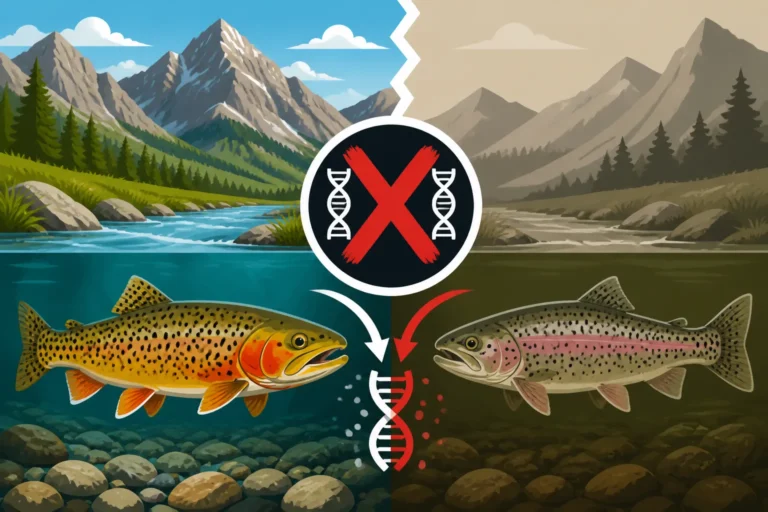
Colorado Parks and Wildlife (CPW) actually goes a step further with many of its stocked trout, particularly rainbow trout. They stock a significant number of "triploid" fish. What's a triploid? It's a fish that has three sets of chromosomes instead of the usual two. This extra set of chromosomes makes them sterile, meaning they cannot reproduce at all. This is a very deliberate management decision.
Why do they do this? There are several reasons. First, sterile fish put all their energy into growth rather than reproduction, often resulting in larger, fatter fish for anglers. Second, and perhaps more importantly, stocking triploid fish prevents them from interbreeding with native trout populations. Interbreeding can dilute the genetic purity of wild, native species, posing a significant threat to their long-term survival. This is a crucial aspect of conservation, and you can delve deeper into it with What a Triploid Trout Is and Why It Matters and Why Interbreeding Threatens Native Cutthroat Populations. It's a vital tool in protecting Colorado's unique aquatic heritage.
The Impact of Stocking on Wild Trout Populations
While stocking serves a clear purpose for recreation, it's not without its potential downsides, especially concerning wild trout populations. It's a delicate balance that fishery managers constantly strive to maintain.
Competition and Disease Transmission
When large numbers of hatchery fish are introduced into a river that already supports a wild population, competition for food and space can become a real issue. Hatchery fish, often raised in crowded conditions with abundant food, can be more aggressive feeders initially. They might outcompete smaller, wild fish that are already struggling to find enough resources.
Beyond competition, there's the risk of disease. Hatcheries, despite stringent protocols, can sometimes harbor pathogens. When these fish are released into the wild, they can introduce diseases to naive wild populations that have no natural immunity. This is a constant concern for fisheries managers, and it's why stocking decisions are made so carefully.
Genetic Dilution and Reduced Fitness
Perhaps the most significant long-term concern with stocking fertile (non-triploid) trout into wild trout waters is genetic dilution. If stocked fish do manage to reproduce, their offspring often have reduced fitness compared to pure wild trout. As mentioned earlier, hatchery fish are bred for hatchery traits, not wild ones. Their genetics might lead to slower growth in the wild, reduced disease resistance, or an inability to spawn effectively.
When these "diluted" genetics enter the wild gene pool, they can weaken the overall health and resilience of the native population over generations. This is particularly relevant for species like our various native cutthroat trout, where genetic purity is paramount for conservation efforts. This is why understanding Identifying Colorado's Native vs Stocked Trout is so important for anglers.
The Role of "Wild Trout" and "Gold Medal" Waters
It's important to differentiate between general fishing waters and specific classifications like "Wild Trout" or "Gold Medal" waters. Colorado Parks and Wildlife designates certain river sections as "Wild Trout Waters" where natural reproduction is sufficient to sustain the fishery. These areas are typically not stocked, and the focus is entirely on managing and protecting the wild population.
"Gold Medal Waters," on the other hand, are designated for their ability to consistently produce large trout (over 14 inches) at a high density (at least 60 pounds per acre or 40 pounds per acre in lakes/reservoirs), often thanks to exceptional habitat and food sources. While many Gold Medal waters are sustained by wild fish, some might receive stocking to maintain those high densities, though often with sterile fish or in a way that minimizes impact on existing wild populations. The presence of truly wild, self-sustaining populations is a point of pride for Colorado anglers and conservationists alike.
How to Tell the Difference: Stocked vs. Wild Trout
Knowing whether you've caught a stocked or a wild trout can add a whole new layer of appreciation to your fishing experience. While it's not always 100% foolproof, there are some pretty clear indicators.
Visual Cues and Physical Condition
One of the most immediate giveaways is the condition of the fins. Hatchery life in concrete raceways, even large ones, can lead to fin erosion. Stocked trout often have worn, stubby, or even missing fins, particularly the dorsal and pectoral fins, from rubbing against concrete or other fish. Wild trout, on the other hand, typically have perfectly formed, smooth, and often larger fins, essential for navigating currents and escaping predators.
| Feature | Stocked Trout | Wild Trout |
|---|---|---|
| Fins | Worn, stubby, rounded, often damaged or frayed | Pristine, sharp, fully formed, sometimes larger |
| Coloration | Dull, faded, sometimes paler, less vibrant | Bright, vibrant, vivid spots, darker and more intense |
| Snout | Often rounded or blunt due to contact with hatchery walls | Pointed, streamlined, indicative of natural foraging |
| Body Shape | Chunkier, sometimes disproportionate head to body, "football" shape | Leaner, torpedo-shaped, powerful, designed for currents |
| Spots | Can be irregular or less defined | Distinct, often uniformly distributed, very sharp |
| Behavior | May be less wary, easier to catch, less flighty | Highly wary, quick to spook, strong fighters |
Another clue is overall coloration. Wild trout, constantly exposed to varying light conditions and natural food sources, tend to have much more vibrant, rich colors. Their spots are usually sharper and more distinct. Stocked fish, from the more uniform environment of a hatchery, often appear paler or have a more washed-out coloration. Their bodies might also look a bit "chunkier" or disproportionate, lacking the streamlined, powerful physique of a wild trout.
Fin Clips and Tagging
Sometimes, Colorado Parks and Wildlife will physically mark stocked fish to help track their movements and survival rates. The most common method is a fin clip, where a small part of a fin (like the adipose fin, a small fleshy fin between the dorsal and tail fin) is removed. This is done before the fish are released and serves as a permanent, visible marker. If you catch a trout with a missing adipose fin, there's a very high probability it's a stocked fish.
Some studies might also involve more advanced tagging, like jaw tags or electronic tags, but these are less common for general stocking programs. The presence of a fin clip is your clearest indicator. This kind of research is vital for understanding What Fin Clips Tell You About a Stocked Trout and making informed management decisions.
Fishing Responsibly: Protecting Wild Trout
As anglers, we have a crucial role to play in protecting Colorado's wild trout resources, regardless of whether a fish is stocked or wild. Our actions on the water can have a lasting impact.
Catch and Release Practices
For wild trout, especially in sensitive waters or those designated for catch and release, proper handling is paramount. Minimize the time the fish is out of the water, keep your hands wet, and use barbless hooks to reduce injury. Learn how to carefully remove the hook, and if the fish is deeply hooked, it's often best to cut the line as close to the hook as possible. Gently revive the fish in the water, ensuring it can swim away strongly.
Even for stocked fish, practicing responsible catch and release (if you're not planning to keep them for dinner) helps reduce stress on the fishery and ensures future angling opportunities. Many anglers even grab their favorite items for handling fish from Amazon, from knot-tying tools to specialized landing nets designed to protect fish slime coats.
Understanding and Adhering to Regulations
Colorado's fishing regulations are designed to protect and manage our fish populations. This includes rules about bag limits, possession limits, specific bait restrictions, and length limits, all of which vary by water body and species. For instance, some waters might have a 14-inch minimum length for trout, while others might be catch-and-release only. These rules are especially critical in areas with fragile native populations, like those for our various cutthroat trout species.
Always check the current regulations before you head out, and if you're ever unsure about a specific rule, err on the side of caution. Ignorance of the law is never an excuse, and understanding the rules helps maintain the health of our fisheries for generations to come. Colorado Fishing Regulations Every Angler Should Know is a great resource.
Respecting Habitat and Environment
Beyond the fish themselves, protecting the surrounding habitat is vital. This means packing out all your trash, staying on designated trails to prevent bank erosion, and being mindful of wading, especially during spawning seasons when redds might be present in shallow gravel areas. Disturbing redds can destroy thousands of eggs, effectively wiping out a future generation of wild trout.
By being mindful anglers, we ensure that Colorado's rivers and lakes remain vibrant, healthy ecosystems for all fish, whether they're wild, stocked, or part of a carefully managed conservation effort. This conscious stewardship is what truly defines a responsible outdoors person and ensures that future generations will also get to enjoy the incredible fishing opportunities that Colorado offers.
Disclaimer
This article is for general informational purposes only and does not constitute professional advice. Laws, prices and regulations vary by location and change over time. Consult a qualified professional for guidance on your specific situation.