Colorado’s Smallest Native Trout Species
For many anglers, the image of a trophy trout often means a massive rainbow or a giant brown, pulled from a big river or reservoir. But in Colorado, some of our most precious and historically significant fish are also our most delicate and, often, our smallest. This guide will take you deep into the world of Colorado's native cutthroat species, helping you understand why "smallest" often means incredibly special, and how to appreciate these unique fish.
Understanding Colorado's Native Cutthroat Trout
When we talk about Colorado's smallest native trout species, we're really diving into the fascinating world of our state's indigenous cutthroat trout subspecies. Unlike the robust, often larger, non-native rainbow or brown trout that thrive in many of our main stem rivers and reservoirs, our native cutthroat populations often exist in more isolated, high-altitude streams and lakes where conditions can naturally lead to smaller average sizes. It's not about finding the tiniest fish, but understanding the species that are fundamentally designed for these unique, often challenging, environments.
The Nuance of "Smallest" in Native Trout
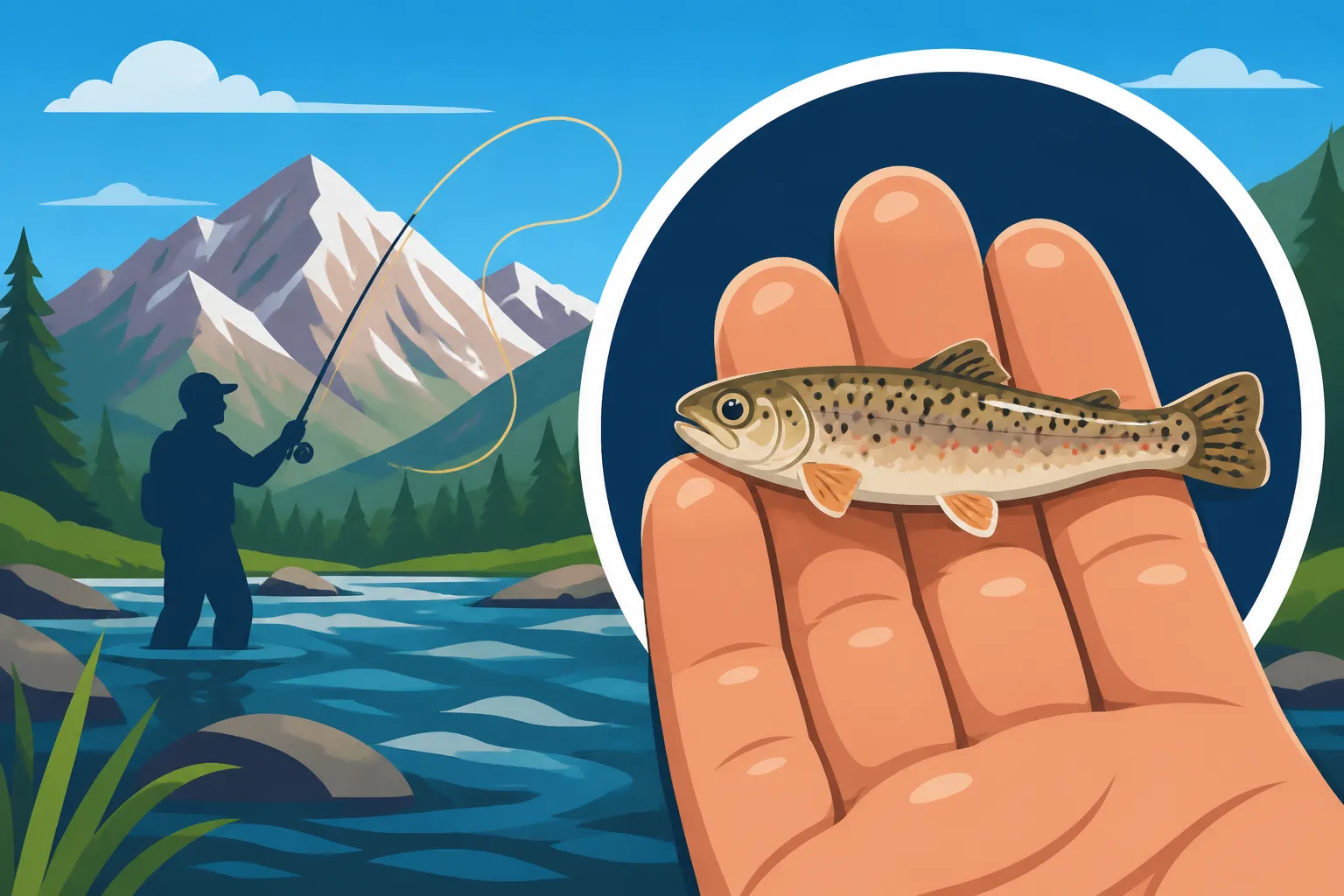
It's easy to assume "smallest" means a little fingerling, but for native trout, it's more about their ecological niche and the typical adult size in their natural habitat. Many native cutthroat populations reside in headwater streams, tucked away in the high country, where food resources might be limited, and the cold, pristine waters don't encourage rapid growth to trophy proportions. These aren't necessarily runts; they are simply fish that have evolved to thrive in these conditions, often reaching adult sizes of 6 to 12 inches, sometimes a bit more in larger alpine lakes. Their survival hinges on adapting to these specific, often harsh, mountain environments, rather than competing for size with stocked fish in richer waters.
The Significance of Native Species in Colorado
Colorado's native trout hold a special place in the state's angling history and conservation efforts. These are the fish that were here before European settlement, evolving over millennia to perfectly suit the Rocky Mountain ecosystem. Their genetic integrity is a treasure, and their presence indicates healthy, pristine aquatic habitats. Efforts to restore and protect these populations are ongoing, making every encounter with one a truly meaningful experience. Understanding and respecting these fish is paramount to preserving Colorado's natural heritage. You can learn more about these efforts in our guide to Colorado's Native Cutthroat Trout Subspecies.
The Greenback Cutthroat Trout: A Symbol of Resilience
Among Colorado's native cutthroat, the Greenback Cutthroat Trout holds a particularly iconic status. For decades, it was thought to be extinct, only to be rediscovered in isolated pockets, sparking one of the most remarkable conservation stories in American angling. While not necessarily the absolute smallest by individual length, its populations often exist in extremely delicate, constrained habitats, meaning the fish you encounter will typically be on the smaller side.
The Greenback's Historic Range and Rediscovery
Historically, Greenback Cutthroat Trout were the dominant trout species on Colorado's eastern plains and in the drainages of the South Platte River and Arkansas River. They thrived in colder, clearer waters feeding into these systems. However, by the late 19th and early 20th centuries, overfishing, habitat degradation, and the introduction of non-native trout species pushed them to the brink of extinction. For many years, the Greenback was believed to be gone forever.
Then, a glimmer of hope emerged. Through diligent scientific research and genetic analysis, small, isolated populations of genetically pure Greenbacks were identified in extremely remote, high-altitude streams, primarily in the South Platte drainage. This incredible rediscovery breathed new life into conservation efforts, making the Greenback a symbol of hope and resilience for native species. These populations, often in very small headwater creeks, naturally produce smaller fish, typically ranging from 6 to 10 inches, simply because their environment dictates it.
Current Conservation Status and Fishing Opportunities
Today, the Greenback Cutthroat Trout is designated as threatened under the Endangered Species Act, a testament to its vulnerable status and the ongoing recovery efforts. Colorado Parks and Wildlife, along with numerous partners, is actively working to restore Greenback populations to suitable habitats throughout their historical range. This often involves meticulously removing non-native fish from high-alpine streams and then introducing genetically pure Greenbacks.
Angling opportunities for Greenback Cutthroat Trout are extremely limited and come with very strict regulations, often catch-and-release only, and sometimes with specific gear restrictions like barbless hooks to ensure the fish's survival. In some areas, fishing for Greenbacks might be completely closed to protect fragile recovering populations. Always consult the most recent Reading Colorado's Fishing Regulations Brochure before heading out. The thrill of catching a Greenback isn't about its size, but about holding a living piece of Colorado's wild history.
Other Native Cutthroat: Colorado River and Rio Grande
While the Greenback often grabs headlines, Colorado is also home to two other equally important native cutthroat subspecies: the Colorado River Cutthroat Trout and the Rio Grande Cutthroat Trout. These fish, too, are often found in environments where "smallest" is a common characteristic due to their high-alpine, headwater habitats.
Colorado River Cutthroat Trout
The Colorado River Cutthroat Trout, as its name suggests, is native to the western slope of Colorado, inhabiting the vast Colorado River Basin. Before the arrival of non-native species, these cutthroat were widespread in rivers and streams flowing into the Colorado River, including tributaries of the Yampa, White, Gunnison, Dolores, and San Juan Rivers. Like the Greenback, their populations suffered significant declines due to habitat alteration, competition, and hybridization with introduced trout.
Today, pure strains of Colorado River Cutthroat are typically found in isolated, high-elevation streams, often above waterfalls or other natural barriers that prevent the upstream migration of non-native species. These pristine, cold-water environments are naturally restrictive, and the fish living there are generally smaller, often in the 8- to 14-inch range. Catching one is a true reward, as it signifies a healthy, untouched piece of native habitat. Anglers seeking these beautiful fish can learn more about their unique appearance in What Colorado River Cutthroat Trout Look Like.
Rio Grande Cutthroat Trout
In the southernmost part of Colorado, within the Rio Grande drainage, resides the Rio Grande Cutthroat Trout. This subspecies is native to the upper Rio Grande and Pecos River basins in Colorado and New Mexico. They are the only cutthroat subspecies native to the entire Rio Grande drainage. Historically, they were found in much of the San Luis Valley and the surrounding mountains.
Similar to their Greenback and Colorado River cousins, Rio Grande Cutthroat populations have been severely impacted by habitat loss, water diversion, and the introduction of non-native trout. Pure populations are now primarily restricted to high-elevation, isolated headwater streams in the San Juan and Sangre de Cristo Mountains, often within national forests. These rugged, pristine environments lend themselves to fish of smaller average size, typically 7 to 12 inches. Fishing for them offers a chance to experience the raw beauty of Colorado's southern mountains and contribute to their conservation through responsible angling practices. You can explore where to find these fish in Where to Find Rio Grande Cutthroat in the San Luis Valley.
| Native Cutthroat Species | Typical Adult Size (inches) | Primary Geographic Range | Conservation Status (Colorado) | Key Identification Feature |
|---|---|---|---|---|
| Greenback Cutthroat | 6-10 | Eastern Slope (South Platte, Arkansas drainage) | Threatened | Large, pronounced black spots, olive-green back |
| Colorado River Cutthroat | 8-14 | Western Slope (Colorado River drainage) | Special Concern | Smaller, more scattered spots, golden-yellow belly |
| Rio Grande Cutthroat | 7-12 | Southern Colorado (Rio Grande drainage) | Special Concern | Very fine, evenly distributed spots, distinct cutthroat slashes |
Identifying and Protecting Colorado's Delicate Gems
Part of the challenge and reward of pursuing Colorado's native cutthroat species lies in proper identification and understanding the specific rules designed to protect them. Because these fish are often smaller and live in fragile habitats, every angler plays a crucial role in their survival.
The Challenge of Identification
Identifying native cutthroat can sometimes be tricky, especially given the prevalence of "cutbows" – hybrids between cutthroat and rainbow trout. Pure native cutthroat typically have distinct "cutthroat slashes" (orange-red markings) under their jaw, though these can vary in intensity. Their spots are often more concentrated towards the tail, and their coloration can range from olive-green backs to golden-yellow sides, depending on the specific subspecies and their environment. Rainbow trout, on the other hand, usually have a pink lateral stripe and more uniform spotting.
It's important to be able to tell the difference. If you're fishing in a designated native cutthroat recovery water, knowing whether you've caught a pure native or a hybrid can inform your actions, especially if specific regulations apply to one but not the other. There are excellent field guides available that can greatly assist with identification, many of which you can find readily on Amazon or at local fly shops. Our article Telling a Cutbow From a Pure Cutthroat offers more detailed tips.
Best Practices for Catch-and-Release
Because these native trout populations are so vulnerable, catch-and-release is not just encouraged, it's often mandated by regulation in their recovery waters. Proper catch-and-release techniques are absolutely vital to ensure the fish's survival after being caught.
Here are some key practices to follow:
- Use Barbless Hooks: This is often a requirement in native trout waters. Barbless hooks minimize tissue damage and make hook removal much easier and quicker. If your hooks aren't barbless, you can pinch down the barb with a pair of pliers. Our guide on Barbless Hook Rules on Colorado Rivers has more details.
- Minimize Handling: Try to keep the fish in the water as much as possible. If you must handle it, do so with wet hands to protect its delicate slime coat, which is crucial for disease prevention. Avoid squeezing the fish, especially around its internal organs.
- Quick Release: Have your camera ready (if you're taking a photo) and your hook removal tools handy. Get the fish back in the water as quickly as possible.
- Revive the Fish: If the fish seems sluggish, hold it gently facing upstream in the current until it can swim away under its own power. Never move it back and forth, as this forces water the wrong way over its gills.
- Be Aware of Water Temperature: During warmer months, high water temperatures can stress trout significantly. If the water feels warm to the touch, consider fishing for other species or in different locations where the water is colder, especially when targeting sensitive native trout.
Accessing Native Trout Habitats
Many of Colorado's smallest native trout reside in remote, high-country streams and lakes. Accessing these spots often involves hiking, sometimes off-trail, into wilderness areas or national forests. This means being prepared for solitude, carrying appropriate gear, and practicing Leave No Trace principles. A lightweight pack, a reliable map (digital or paper), and a good pair of hiking boots are your best friends. These streams often require a delicate approach, using lighter rods and smaller flies or lures. A small, packable fishing kit, perhaps sourced from Amazon, can be ideal for these backcountry adventures.
Remember, the true reward of fishing for Colorado's smallest native trout isn't about bragging rights for size, but the unique privilege of connecting with a resilient piece of wild Colorado, contributing to its preservation, and enjoying the serene beauty of its most pristine waters.
Disclaimer
This article is for general informational purposes only and does not constitute professional advice. Laws, prices and regulations vary by location and change over time. Consult a qualified professional for guidance on your specific situation.