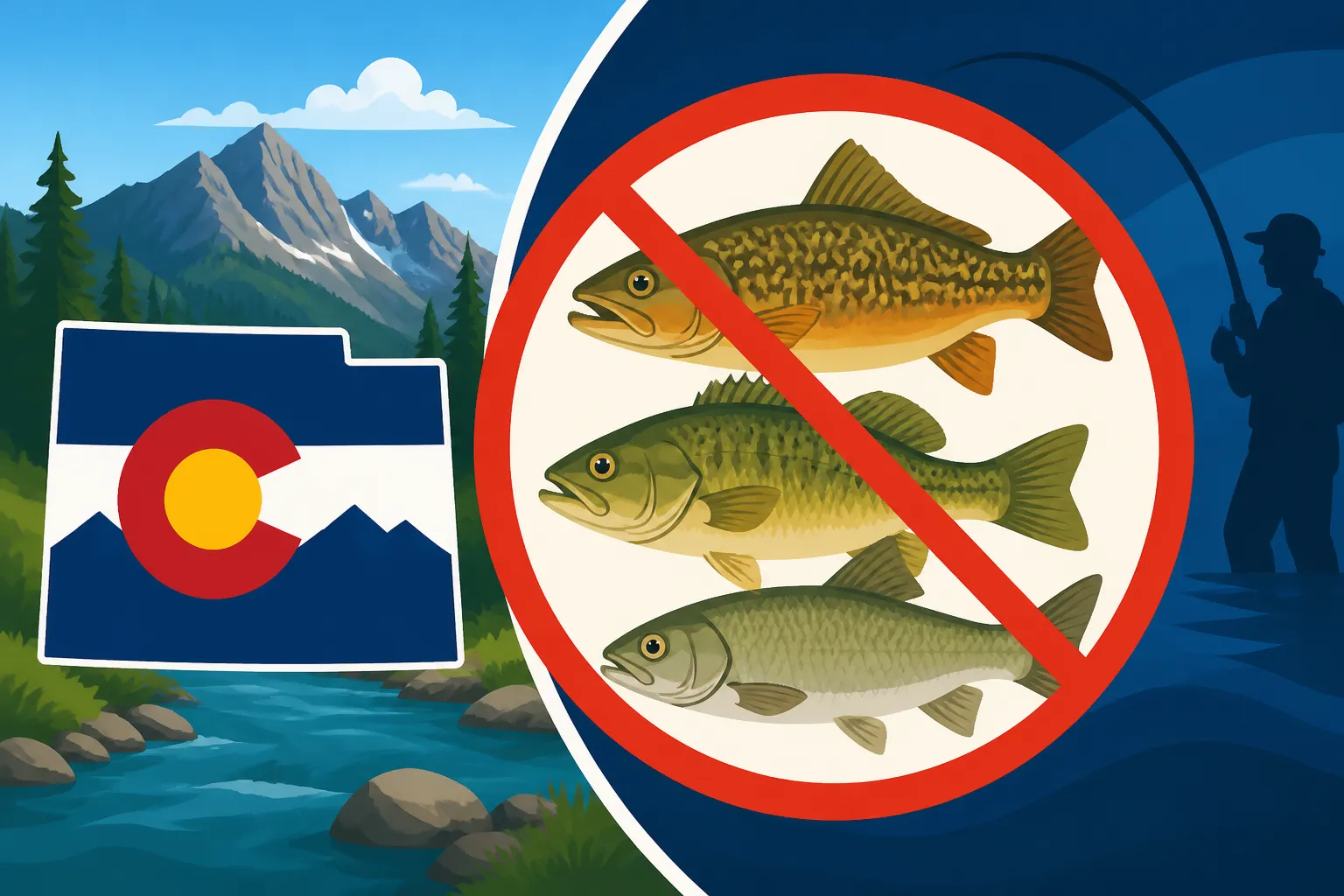
What Fish Species Are Illegal to Possess Alive in Colorado
It’s a frustrating scenario many Colorado anglers face: you're out on the water, having a great day, and suddenly you're not sure if the fish you just caught, or the bait you're using, is even allowed to be alive in your possession. Navigating the nuances of Colorado's fishing regulations can feel like a minefield, especially when it comes to understanding which fish species are illegal to possess alive. This guide aims to clear up that confusion, helping you fish responsibly and avoid unintentional legal headaches, all while protecting Colorado's precious aquatic ecosystems.
Why Certain Fish Are Illegal to Possess Alive
The rules about possessing live fish in Colorado aren't arbitrary; they're thoughtfully designed to safeguard the state's diverse aquatic environments. Anglers often wonder why such strict measures are in place, but understanding the "why" behind these regulations can help us appreciate their importance. It's all about balancing fishing opportunities with ecological preservation.
Protecting Native Ecosystems and Species
One of the primary reasons certain fish are illegal to possess alive is to protect Colorado's delicate native ecosystems and the species that call them home. Many of our waters, especially high-country lakes and pristine river stretches, are home to unique native fish like various subspecies of cutthroat trout. These fish are incredibly vulnerable to competition, predation, and disease from non-native species. If an angler were to catch a non-native species, keep it alive, and then inadvertently or intentionally release it into a new water body, it could wreak havoc on the existing ecosystem. Imagine introducing a highly aggressive species into a lake where native trout have no natural defenses – it could decimate their populations rapidly.
This isn't just a hypothetical concern; it's a real and ongoing challenge for conservationists. Historically, the introduction of non-native fish, even well-intentioned stocking efforts from decades ago, has severely impacted Colorado's Native Cutthroat Trout Subspecies. Colorado Parks and Wildlife (CPW) works tirelessly to restore populations of species like the Colorado River Cutthroat Trout, Where to Find Them, and uncontrolled introductions of other species threaten all that progress. The goal is to prevent any further irreversible damage by ensuring anglers aren't accidentally or purposefully moving live fish that could become a problem.
Preventing the Spread of Disease
Another critical factor in prohibiting the live possession of certain fish is disease prevention. Just like humans can spread illnesses, fish can carry parasites, bacteria, and viruses that are devastating to other fish populations. Some of these diseases, like whirling disease, have had catastrophic impacts on trout populations in Colorado and beyond. The larvae of the parasite that causes whirling disease are often carried by certain minnow species, and if these infected minnows are moved from one water body to another, they can introduce the disease to new, vulnerable populations.
Think about it: you might catch a small baitfish in one pond, decide to keep it alive to use as bait in a different lake later that day, and unknowingly transport a deadly pathogen. This seemingly small action could have widespread consequences, leading to fish kills and long-term population declines in the new location. This is a major reason Why Colorado Bans Live Bait Fish in Some Waters or restricts their use to the water where they were harvested. These rules are a vital line of defense against aquatic invasive species and diseases that could wipe out entire fisheries, affecting not only our angling opportunities but also the overall health of our waters.
Managing Invasive Species
Colorado takes the threat of aquatic invasive species incredibly seriously, and prohibiting the live possession of certain fish is a cornerstone of that management strategy. Invasive species are non-native organisms that cause economic or environmental harm, or harm to human health. When it comes to fish, invasive species can outcompete native fish for food and habitat, prey on native fish, introduce new diseases, and disrupt the delicate balance of an ecosystem. Northern Pike, for example, are a highly effective predator that can significantly impact trout and kokanee salmon populations in certain waters where they are not desired. Walleye, while a popular sport fish in some reservoirs, can also become problematic if introduced into new waters where they can outcompete native species.
The rule against possessing these species alive, or moving them between waters, is a direct effort to contain their spread. Anglers often ask about these specific species; for instance, understanding Colorado's Northern Pike, Where They're Legal versus where they are actively managed or culled is critical. If an angler catches an invasive species in a water body where it is considered detrimental, the general directive is to remove it from the water and ensure it does not return alive. This might seem harsh, but it's a necessary measure to protect the integrity of Colorado's fisheries and prevent these problematic species from establishing themselves in new locations where they could cause irreversible damage.
Specific Fish Species You Cannot Possess Alive in Colorado
It's not just about generalized rules; specific categories of fish are singled out due to the risks they pose. Knowing these categories and how they apply to your fishing activities is paramount. It’s easy to get caught up in the excitement of a catch, but a moment of thought can prevent a significant problem.
Prohibited Live Fish for Bait
One of the most common ways anglers run afoul of the "no live possession" rule is through the use of live bait. Colorado has very strict regulations regarding live baitfish, and for good reason. As mentioned earlier, live bait can be a vector for disease or an accidental introduction of an unwanted species. In many Colorado waters, especially those designated as Gold Medal or Wild Trout waters, live bait is often completely prohibited. Even in waters where bait fishing is allowed, there are usually specific rules about what kind of live bait you can use and where it must be obtained.
For example, you generally cannot transport live minnows, goldfish, or other baitfish from one body of water to use in another. This rule is designed to prevent the spread of aquatic diseases and invasive species. You might be allowed to catch specific baitfish from the same water you're fishing and use them there, but moving them alive, even to a nearby pond, is typically illegal. It's a nuanced but incredibly important distinction. Many anglers choose to use artificial baits or dead bait specifically because it eliminates this risk and confusion. Always check the current Colorado Fishing Regulations Every Angler Should Know for the specific water you intend to fish, as rules can vary greatly.
Species That Threaten Native Populations
Certain species are explicitly considered detrimental to Colorado's native fish populations and are therefore illegal to possess alive, and often, actively managed for removal. These are the "unwanted" guests in our aquatic ecosystems. A prime example is the Northern Pike in some specific waters, especially those that feed into or are critical habitat for native trout or endangered species. While Northern Pike are a popular sport fish in some areas, in others, their voracious appetite poses a significant threat to vulnerable native fish like native cutthroat trout or federally listed species.
In these sensitive areas, if you catch a Northern Pike, the regulations usually require you to immediately kill it and not return it to the water, let alone possess it alive. This isn't about shaming anglers; it's about active conservation. Other species like certain types of carp or even some panfish, if they become overpopulated or are introduced into inappropriate habitats, can also fall under these management directives. It's crucial to understand these distinctions, which are always detailed in the official regulations. Keeping a printed copy of the Colorado Fishing Regulations Brochure in a waterproof pouch (easily found on Amazon, by the way!) is a smart move.
The Case of "Non-Game" Fish
The term "non-game fish" might sound like they're unimportant, but they play crucial roles in their ecosystems. In Colorado, many native non-game fish, such as various species of suckers and chubs, are protected. While you might not be actively targeting them, if you accidentally catch one, it's generally illegal to possess them alive, especially with the intent to transport them or use them as bait. This is because these native fish are integral to the food web and the overall health of the aquatic environment.
While they may not be the glamour species like trout or salmon, these fish are part of the state's biodiversity and are protected from being casually moved or disrupted. This often comes as a surprise to anglers who might assume that if a fish isn't a "game" species, it doesn't have the same level of protection. However, every native species contributes to the ecological balance. It's an important reminder that Colorado's Endangered and Threatened Fish often include these less-glamorous, yet critically important, native non-game species. Understanding What Fish Species Colorado Considers Nongame can prevent you from making a mistake, even if your intentions are harmless.
The Risks and Consequences of Illegal Possession
Ignoring the rules about possessing live fish in Colorado isn't just a minor oversight; it carries serious risks, both for you as an individual and for the broader environment we all cherish. The consequences can range from a slap on the wrist to significant legal and financial repercussions, not to mention the irreparable damage to our waterways.
Penalties and Fines
Let's be realistic: getting caught possessing illegal live fish in Colorado can lead to significant penalties. These aren't just polite suggestions; they are enforceable laws designed to protect natural resources. Violations often start with fines, which can be substantial. Depending on the severity of the offense and the species involved, fines could easily run into the hundreds or even thousands of dollars. It's not uncommon for a first offense to carry a fine that makes you rethink every rule you've ever questioned.
Beyond monetary penalties, you could face the suspension of your fishing license. Imagine losing your ability to fish in Colorado for a period of time, or even permanently, because of a misunderstanding or disregard for the regulations. Your equipment, like boats or vehicles used in the commission of the offense, could even be subject to seizure. It's a stark reminder that while the mountains might feel wild and free, the rules of the land (and water) are still very much in effect. This is similar to the penalties for What Happens If You Fish in Colorado Without a License, showing how seriously wildlife officials take these violations. Game wardens are out there, they're knowledgeable, and they are dedicated to protecting Colorado's natural heritage.
Ecological Damage and What It Means for Future Fishing
The financial and legal consequences, while painful, pale in comparison to the long-term ecological damage that illegal possession and transfer of live fish can cause. When non-native or diseased fish are introduced into new waters, the ripple effects can be devastating. They can outcompete native fish for food and habitat, introduce new diseases that decimate existing populations, or alter the delicate balance of an ecosystem beyond repair. Imagine a trophy trout fishery collapsing because someone moved a bucket of non-native baitfish that carried a new parasite.
This ecological damage directly impacts future fishing opportunities for everyone. Efforts to restore native cutthroat trout, for instance, can be undermined by a single careless act. When an invasive species takes hold, resources that could be used to improve fishing access or habitat are instead diverted to costly and often unsuccessful eradication efforts. The beauty of Colorado fishing lies in its pristine waters and diverse species, and every angler has a responsibility to help maintain that. Ignoring these rules puts the very future of the sport we love at risk. It's why efforts like How Colorado Manages Pike to Protect Trout are so crucial.
What to Do If You Accidentally Catch a Prohibited Species
So, you've done your best to follow the rules, but you've accidentally caught a fish that is illegal to possess alive, or perhaps even one designated for immediate removal. What's the protocol? First and foremost, do not panic. The goal is responsible action. If the fish is clearly an invasive species that regulations require you to remove (like a Northern Pike in a trout-dominated water), the rule is typically to kill it immediately and humanely, and do not return it to the water. Do not attempt to transport it alive.
For other species, especially if you're unsure, the best course of action is almost always to immediately release the fish back into the water where it was caught, minimizing handling and stress. Never, under any circumstances, attempt to transport an unknown or questionable species to another water body, even for identification. If you're really stumped on identification, take a clear photo (without stressing the fish too much), release it, and then consult your regulations brochure or the CPW website later. Understanding What to Do If You Catch an Endangered Fish by Accident often applies to these situations too: prioritize release and avoid further harm.
Staying Informed: Your Role as a Responsible Angler
Being a responsible angler in Colorado goes beyond just casting a line. It means taking an active role in understanding and respecting the rules that protect our shared natural resources. Ignorance of the law is never an excuse, especially when the health of our amazing fisheries is at stake.
Checking the Latest Colorado Fishing Regulations
The most fundamental step you can take is to consistently check and carry a copy of the latest Colorado fishing regulations. These regulations are updated annually, and sometimes even throughout the year for specific emergency closures or changes. You can find them on the Colorado Parks and Wildlife (CPW) website, at CPW offices, or at most sporting goods stores and license vendors. Don't rely on what you "heard" from a buddy five years ago, or what was true for a different state. Colorado's rules are specific and can change.
Make it a habit to review the regulations before each fishing season, and even before visiting a new water body. Pay close attention to sections on bait restrictions, species-specific rules for the waters you plan to fish, and any special regulations that apply to Gold Medal waters or sensitive habitats. An excellent practice is to keep a physical copy in your tackle box or fishing vest. You can even find waterproof cases on Amazon to protect your Colorado Fishing Regulations Brochure from splashes and wear, ensuring it's always readable when you need it most.
Best Practices for Handling Unexpected Catches
Even with all the preparation, you might still encounter an unexpected catch that raises questions about live possession. Developing a set of best practices for handling all fish will serve you well. Always minimize the time a fish is out of water, especially if you intend to release it. Use wet hands when handling fish to protect their slime coat, which is their primary defense against disease. If you're unsure about a species, take a quick photo for identification later, and release it gently.
Consider carrying a good pair of pliers or a dehooking tool (many excellent options are available on Amazon) to quickly and cleanly remove hooks, especially if you're targeting species you intend to release, or if you accidentally hook a protected or prohibited species. The goal is to ensure the fish's best chance of survival upon release, or if it must be removed, to do so humanely. Being prepared for any eventuality, and always prioritizing the health of the fish and the water, defines a truly responsible angler in Colorado.
| Category of Prohibited Activity | Why It's Prohibited | Examples of Fish/Situations | What to Do |
|---|---|---|---|
| Using certain live baitfish | Prevent spread of disease, protect native species | Goldfish, minnows not from approved sources, any species not native to the specific water body. | Release immediately (if allowed) or humanely dispatch if prohibited for use. Do NOT transport alive. |
| Transferring live fish between waters | Prevent invasive species introduction, preserve genetic integrity, prevent disease spread. | Moving live trout from one lake to another, moving live panfish from a pond to a river. | Do NOT transfer. Release fish into the water it was caught or humanely dispatch if legal to harvest. |
| Possessing live invasive species in certain waters | Control population, protect habitat for native fish, prevent establishment. | Live Northern Pike (in specific managed waters), Walleye (if caught in an area where removal is required and transportation is illegal). | If required, humanely dispatch and do NOT return to water. Check specific regulations for the body of water. |
| Possessing live native non-game fish | Protect biodiversity, ecological balance, and threatened species. | Specific suckers, chubs, minnows that are native but protected. | Release immediately and gently back into the water where caught. |
Disclaimer
This article is for general informational purposes only and does not constitute professional advice. Laws, prices and regulations vary by location and change over time. Consult a qualified professional for guidance on your specific situation.