Float Trips vs Walk-Wade Trips With a Colorado Guide
Choosing a guided fishing trip in Colorado often presents a delightful dilemma: do you opt for the sweeping views and river coverage of a float trip, or the intimate connection to the water that a walk-wade trip offers? It’s a common question, and getting it right means the difference between a good day and an truly unforgettable one tailored to your personal angling style and goals. This comprehensive guide will meticulously break down the nuances of float trips versus walk-wade trips with a Colorado guide, empowering you to make the most informed decision for your next angling adventure on our spectacular rivers and streams.
Understanding the Core Differences: Float vs. Walk-Wade Trips
When you first start looking into guided fishing trips in Colorado, the terms "float trip" and "walk-wade trip" get thrown around a lot. For newcomers, or even seasoned anglers visiting a new area, it's not always clear what these distinctions truly mean for your day on the water. These aren't just fancy marketing terms; they describe fundamentally different ways to experience a river and pursue fish, each with its own rhythm and rewards.
What is a Guided Float Trip?
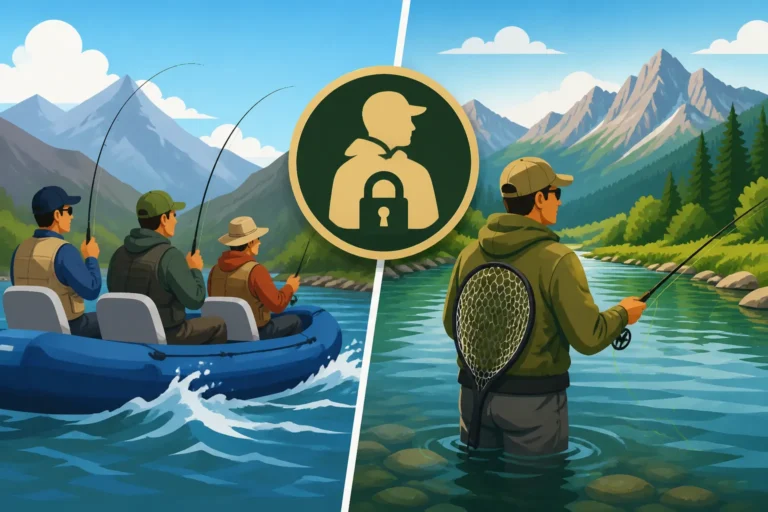
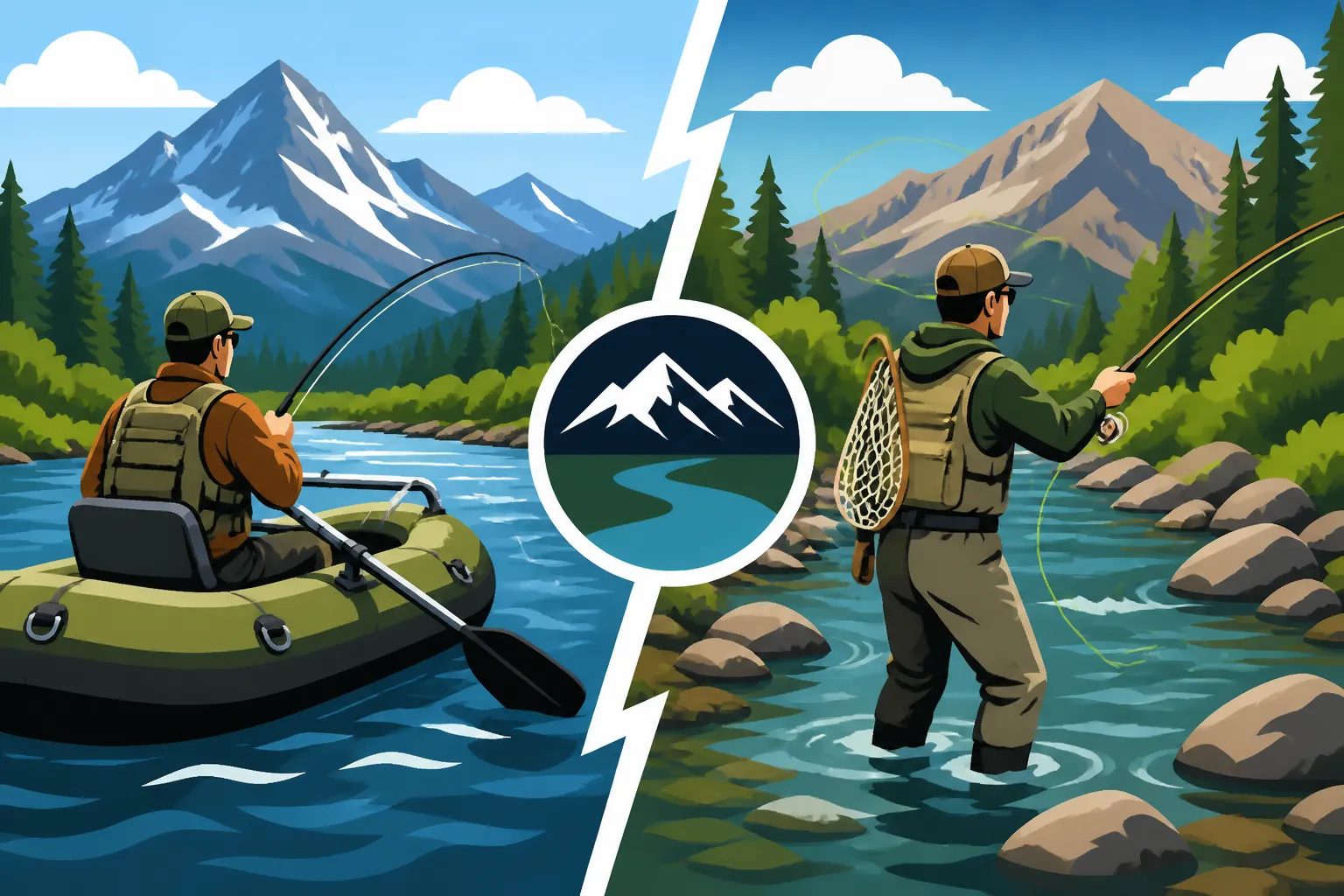
Imagine gliding silently down a picturesque Colorado river, the current dictating your pace, while your guide expertly navigates a specialized boat and points out prime fishing spots. That, my friend, is the essence of a guided float trip. These trips typically utilize drift boats, which are purpose-built, shallow-draft boats designed to be rowed or drifted downstream. For smaller, shallower rivers, you might find guides using rafts, which offer even more stability and maneuverability in rocky or complex sections. The key here is mobility and coverage. You're covering miles of water in a single day, moving from one promising run to the next, often casting from the boat itself.
The advantage of a float trip is that it allows you to access stretches of river that might be difficult or impossible to reach by foot, especially those areas flanked by private property or dense riparian vegetation. You get to see a vast amount of scenic beauty, from towering canyons to open meadows, all while keeping your feet relatively dry. Think about a drift down the upper Colorado River near Kremmling, or a section of the Arkansas River below Salida. You're covering big water, looking for big fish, and your guide is doing all the heavy lifting of navigation and positioning. It’s an immersive experience where the river’s flow becomes part of your angling rhythm, offering continuous new water and perspectives.
What is a Guided Walk-Wade Trip?
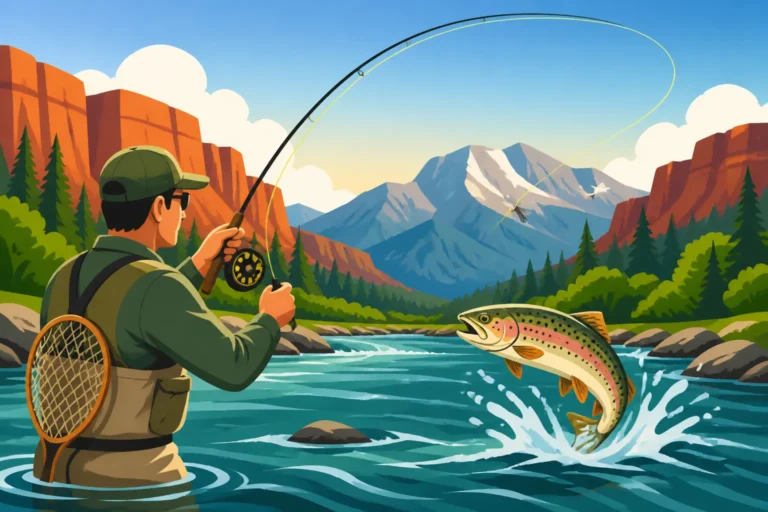
Now, picture yourself standing mid-stream in crystal-clear water, the cool current swirling around your waders, meticulously casting to a specific seam where you just saw a trout rise. This intimate, focused approach is what defines a guided walk-wade trip. On these excursions, you and your guide will typically travel by vehicle to a public access point along a river or stream. From there, you'll don your waders and boots, grab your rod, and literally walk along the banks and wade into the water to fish specific holes, riffles, and pools.
The beauty of a walk-wade trip lies in its singular focus on a smaller, often more technical section of water. Instead of constantly moving, you spend significant time dissecting a few hundred yards of river. This allows for a deeper understanding of fish lies, insect hatches, and casting angles in a particular environment. It’s an ideal choice for places like the Fryingpan River's famous "toilet bowl" section or a specific stretch of the South Platte River in Cheesman Canyon, where precise casting and a stealthy approach are paramount. Your guide is right there with you, offering hands-on instruction, pointing out subtle currents, and helping you stalk individual fish. It’s a much more personal and physically engaging experience, connecting you directly with the water beneath your feet.
Advantages and Disadvantages of Each Type
Both float and walk-wade trips offer incredible opportunities to connect with Colorado's renowned fisheries. However, they each come with their own set of perks and potential drawbacks that are important to consider when planning your ideal outing. Understanding these pros and cons can truly help you align your expectations with the reality of the experience.
The Joys and Challenges of Float Trips
Float trips are often heralded for their efficiency and comfort, especially on larger rivers. One of the greatest joys is the sheer amount of water you can cover. Think of it: miles of prime habitat, offering countless opportunities to cast at different fish lies, from deep pools to fast riffles, all without the strenuous hiking and wading required of other trips. This makes them an excellent choice for anglers who might have physical limitations or those who simply prefer a less strenuous day. You can sit comfortably in the boat, enjoy the breathtaking scenery as it slides by, and focus solely on your cast and presentation. It's also fantastic for photographers, as the stable platform of a drift boat offers unique angles and less movement for capturing those perfect shots. Your guide often carries a full array of gear, from extra rods to a hearty lunch and drinks, making it a very convenient setup. What's Included in a Colorado Guided Fly Fishing Trip
However, float trips do come with their own set of challenges. While you cover a lot of water, you also move with the river's current, meaning you can't always stop and spend as much time as you'd like on a particularly promising spot. If the fish are concentrated in a specific area, you might only get a few passes before you're downstream. The boat itself, while comfortable, can sometimes be a bit less stealthy than a wader in the water, potentially spooking more wary fish, especially in shallow sections. Additionally, float trips are generally limited to specific river sections that are navigable by boat, which means some of Colorado's smaller, more intimate streams are off-limits. Lastly, river levels and flows can dictate the feasibility and quality of a float trip, with high water during spring runoff or very low water in late summer potentially impacting the experience. When Colorado's Spring Runoff Hits and How to Fish Around It
The Intimacy and Demands of Walk-Wade Trips
Walk-wade trips provide an unparalleled intimacy with the river environment. The primary joy here is the ability to truly dissect a piece of water, to explore every pocket, every eddy, and every subtle current seam. You can approach fish with incredible stealth, often kneeling or using bankside cover to get closer without being detected. This method is fantastic for technical fishing on selective trout in waters like the Fryingpan or the Dream Stream, where precise presentations and delicate drifts are essential. It's an active, hands-on learning experience where your guide can provide direct, immediate feedback on your casting, wading, and fish-spotting skills. Many anglers find the physical act of wading into the river, feeling the current, and seeing the riverbed beneath them to be deeply satisfying and a more direct connection to the sport. What a Walk-Wade Trip Involves on Colorado Rivers
On the flip side, walk-wade trips are inherently more physically demanding. You'll be hiking along uneven banks, navigating slippery rocks in the water, and battling currents, sometimes for several hours. This can be tiring, especially for those not accustomed to it or for older anglers. The amount of water you can cover is naturally limited to what you can reasonably walk and wade, meaning you won't see as much diverse water as on a float trip. Carrying all your gear, including a net, fly box, and any personal items, becomes more of a consideration. Access can also be an issue; many prime fishing spots in Colorado are either private or require long hikes, which might not be suitable for everyone. In certain conditions, like very high water, wading can become unsafe or simply unproductive, potentially limiting your options or forcing cancellations.
Choosing the Right Trip for Your Colorado Adventure
Deciding between a float trip and a walk-wade trip isn't about one being inherently "better" than the other. It's about finding the experience that best suits you – your skills, your physical condition, your angling goals, and even the kind of scenery you hope to encounter. There are several key factors to weigh before you book.
Considering Your Experience Level and Physicality
Your personal experience with fishing, especially fly fishing, and your general physical condition are huge determinants. For many beginners, a float trip can be a fantastic entry point. The guide handles the boat, navigates, and often spots fish, allowing you to focus on casting and presentation without the added challenge of wading tricky currents. It’s less physically demanding, making it a comfortable option for those who are new to the sport or prefer a more relaxed day. Is a Colorado Guided Trip Worth It for Beginners?
However, if you're a beginner eager to truly learn the fundamentals of reading water, casting mechanics, and entomology in a hands-on way, a walk-wade trip can be incredibly rewarding. Your guide can dedicate more focused time to one-on-one instruction in a stationary setting. For experienced anglers, both options hold immense appeal. A float trip can be a thrilling way to target large, migratory fish or cover vast stretches of trophy water. A walk-wade trip, conversely, offers the technical challenge of stalking wary trout in challenging environments, perfect for honing advanced skills. When it comes to physicality, if you have knee issues, back problems, or simply prefer less exertion, a float trip is likely your best bet. If you enjoy hiking, are agile on your feet, and don't mind a bit of a workout, a walk-wade trip will be right up your alley.
Matching the Trip to Your Target Waters and Species
Colorado is incredibly diverse, offering everything from wide, freestone rivers to intimate, high-country creeks and pristine tailwaters. The type of water you want to fish often dictates the best trip type. Large rivers like the mainstem Colorado, the Arkansas, or the Gunnison are often best experienced via a float trip. These rivers are wide, often deep, and offer miles of prime habitat best accessed by covering water from a boat. If your dream is to cast large streamers for aggressive brown trout or cover vast stretches for rainbow trout, a float trip might be ideal. Fishing the Colorado River for Brown Trout in the Fall
Conversely, if you're keen to fish the smaller, more technical rivers and streams, a walk-wade trip is almost always the superior choice. Think about the renowned Fryingpan River, known for its massive, selective trout that require delicate presentations in relatively clear, shallow water. Or the tucked-away mountain creeks where brook trout dart among the rocks. These waters are often too shallow or too tightly confined for drift boats, and the intimate nature of a walk-wade allows you to focus on the subtleties of the environment. Tailwaters, which are rivers flowing out of dams, can sometimes offer both options depending on the specific section and water levels, but many guides will opt for walk-wade on the most technical stretches to maximize angler control and stealth. Ultimately, communicate your desired species and preferred fishing environment with your guide when booking.
Group Size and Goals
Consider who you're fishing with and what everyone hopes to get out of the day. For families or small groups of friends, especially if there's a mix of experience levels or physical abilities, a float trip can often be more accommodating. Most drift boats comfortably hold two anglers plus the guide, allowing for conversation, shared experiences, and less individual pressure. It’s a great way to enjoy the scenery and the company while still having plenty of fishing action. How Many People One Colorado Guide Boat Holds
If your goal is highly focused individual instruction, to learn specific casting techniques, improve your fly selection, or truly master reading complex water features, a walk-wade trip, especially if you're a solo angler or a pair, can provide an unmatched level of personalized attention. The guide can spend more dedicated time with each person, demonstrating techniques, correcting flaws, and guiding you through challenging scenarios. It's often the best choice for those looking for an intensive learning experience or to tackle particularly challenging waters. Discussing your specific goals with the outfitter or guide beforehand is crucial to ensure they can tailor the trip to your aspirations.
What to Expect on Your Guided Trip
Regardless of whether you choose a float or walk-wade trip, there are some universal expectations when hiring a professional Colorado fishing guide. Knowing these can help you feel prepared and ensure a smooth, enjoyable day on the water. A good guide doesn't just put you on fish; they create an experience.
Gear, Logistics, and What to Bring
One of the greatest perks of hiring a guide is that much of the heavy lifting, both literally and figuratively, is taken care of. Most reputable Colorado guides will provide all the necessary fishing gear, including high-quality rods, reels, lines, and an ample supply of flies or lures specifically chosen for the day's conditions. This is a huge benefit, especially for travelers or beginners who don't want to invest in expensive gear they might not use often. However, it's always a good idea to confirm exactly what's included when you book. Do Colorado Guided Trips Include Gear and Flies?
Logistically, your guide will arrange a meeting point and time, often at a local fly shop or a convenient access point to the river. You'll need to bring your valid Colorado fishing license and Habitat Stamp (unless exempt) – these are never included in the guide fee. Colorado Fishing License Guide for Residents and Nonresidents Layered clothing is crucial in Colorado's unpredictable mountain weather; think quick-drying fabrics, a good rain jacket, and warm layers, even in summer. Sun protection (hat, sunglasses, sunscreen) is non-negotiable. For walk-wade trips, comfortable wading boots and waders are essential. Many guides will also provide a delicious riverside lunch, snacks, and non-alcoholic beverages, but again, confirm this when booking. Don't forget your camera to capture those unforgettable moments!
The Role of Your Colorado Fishing Guide
Your Colorado fishing guide is far more than just someone who rows a boat or points out fish. They are an expert in local hydrology, entomology, fish behavior, and casting techniques. On a float trip, they'll be skillfully navigating the river, positioning the boat for optimal casting angles, and anticipating where fish might be holding. They'll adjust flies or lures as conditions change and provide instruction on how to present them effectively. For a walk-wade trip, your guide will be right there with you, walking the banks, helping you spot subtle fish lies, demonstrating precise casting and wading techniques, and teaching you how to "read" the water.
Beyond their technical expertise, a good guide is a patient teacher, a storyteller, a naturalist, and a safety officer all rolled into one. They'll share insights into the local ecosystem, explain conservation efforts, and ensure your day is not only productive but also educational and safe. They're there to remove the stress of planning and navigating, allowing you to fully immerse yourself in the joy of fishing. Choosing a Colorado Fishing Guide, What to Look For They'll also explain and enforce local regulations, such as Colorado Bag and Possession Limits by Species and Catch-and-Release Rules on Colorado's Cutthroat Waters, ensuring you're compliant and practicing ethical angling.
Making the Most of Your Guided Experience
A guided fishing trip is an investment in an experience, and you want to ensure you get the absolute most out of it. This isn't just about catching fish; it's about learning, enjoying the scenery, and making memories. A little preparation and good communication go a long way in ensuring a successful day with your Colorado guide.
Asking Questions and Communicating Your Goals
One of the biggest mistakes anglers make on a guided trip is not communicating enough with their guide. Remember, your guide is there to serve your experience. Don't be shy! Before and during the trip, openly communicate your goals. Are you a complete beginner hoping to catch your first trout on a fly rod? Are you an experienced angler looking to learn new techniques like Euro nymphing or streamer fishing? Do you prioritize catching a trophy fish, or are you more interested in perfecting your cast? Learning to Fly Fish With a Colorado Guide
Ask questions about everything: why the guide chose a particular fly, how to mend your line more effectively, what that bug on the water is, or why fish hold in certain areas. The more engaged you are, the more your guide can tailor the experience to your learning style and preferences. If you're struggling with a particular technique, speak up! Your guide wants you to succeed and will offer pointers and adjustments. This open dialogue ensures that you're not just a passenger, but an active participant in crafting your ideal day on the river.
Respecting the Guide and the Environment
A guided trip is a partnership. Your guide is working hard to provide you with a memorable and safe experience, and showing respect for their expertise and effort is paramount. Listen carefully to their instructions, especially regarding safety, casting, and fish handling. They've spent countless hours on these waters and know them intimately. Remember to be patient; fishing is called "fishing," not "catching," for a reason, and there will inevitably be slow periods. A positive attitude, even when the fish aren't biting, makes a huge difference.
Equally important is respecting the environment. Colorado's fisheries are precious resources, and we all play a role in their preservation. Practice "Leave No Trace" principles: pack out everything you pack in, and never litter. Understand and adhere to catch-and-release best practices, especially for delicate native species or in specific conservation areas. Your guide will demonstrate proper fish handling techniques, such as keeping fish wet and minimizing their time out of the water. How to Handle Trout for a Safe Release By working together, you and your guide contribute to the health and sustainability of Colorado's incredible fishing heritage.
Booking Your Colorado Guided Fishing Trip
So, you've decided on either a float or walk-wade trip – or maybe you're still weighing the options, which is perfectly fine! The next step is finding the right guide or outfitter to make your Colorado fishing dreams a reality. There are excellent resources available to help you navigate the booking process and ensure you connect with a professional who fits your needs.
Finding Reputable Outfitters
Colorado is home to a vast network of highly skilled and knowledgeable fishing guides and outfitters. The best place to start your search is often through local fly shops in prime fishing towns like Basalt (for the Fryingpan), Silverthorne (for the Blue River), or Salida and Buena Vista (for the Arkansas). These shops often employ their own guides or can recommend trusted independent guides they work with regularly. Their staff are usually local experts who can provide real-time conditions and match you with a guide experienced in the specific waters you're interested in.
Online platforms have also become incredibly popular for booking guided trips. Websites like FishingBooker, for example, aggregate many independent guides and outfitters, allowing you to browse profiles, read reviews, and compare different trip types and pricing. This can be particularly useful if you're planning from afar and want a broad overview of available options. Word-of-mouth recommendations from fellow anglers are also invaluable, so don't hesitate to ask around within your fishing circles. Always look for guides who are licensed and insured, which ensures they operate professionally and safely. Are Colorado Fishing Guides Licensed by the State?
Pricing and What's Included
The cost of a guided fishing trip in Colorado can vary significantly based on factors like the duration of the trip (half-day vs. full-day), the number of anglers, the specific river, and whether it's a float or walk-wade trip. Generally, full-day trips are more expensive than half-day trips, but they offer more time on the water and a more comprehensive experience. Colorado Fly Fishing Guide Costs Explained When you inquire about pricing, make sure to get a clear breakdown of what's included.
Most full-day trips typically cover guide fees, all necessary fishing gear (rods, reels, flies/lures), and often a streamside lunch, snacks, and non-alcoholic beverages. What's not included is equally important to understand. You will always be responsible for purchasing your own valid Colorado fishing license and the mandatory Habitat Stamp. Do You Need a Habitat Stamp to Fish in Colorado? Gratuity for your guide is also customary and greatly appreciated for a job well done; a good rule of thumb is 15-20% of the trip cost, similar to other service industries. Confirming these details upfront will prevent any surprises and allow you to budget appropriately for your adventure. Tipping a Colorado Fishing Guide, What's Standard
Float vs. Walk-Wade Trip Comparison
To help solidify your decision, here's a quick comparison of the key aspects of float and walk-wade trips:
| Feature | Guided Float Trip | Guided Walk-Wade Trip |
|---|---|---|
| Primary Method | Drifting downstream in a drift boat or raft | Walking river banks and wading into the water |
| Water Coverage | Covers many miles of river quickly | Focuses on a few hundred yards of river |
| Physical Exertion | Generally low; mostly sitting and casting | Moderate to high; hiking, wading, navigating rocks |
| Accessibility | Accesses private sections or hard-to-reach areas | Limited to public access points and wadeable areas |
| Instruction Style | Less hands-on, focus on boat positioning and casting | Highly hands-on, direct instruction on casting, reading water |
| Stealth | Can be less stealthy due to boat presence | Very high stealth potential, stalk individual fish |
| Gear Carrying | Guide carries most gear in the boat | Angler carries personal gear; guide carries shared items |
| Ideal For | Covering large rivers, comfort, scenery, varied water | Technical fishing, specific skill learning, intimate experience |
| Best Waters | Wide, deep rivers (Colorado, Arkansas, Gunnison) | Smaller, clear rivers (Fryingpan, Dream Stream, small creeks) |
Remember, no matter which option you choose, the goal is to enjoy the incredible fishing opportunities that Colorado has to offer. With the right guide and the right trip type for you, it's sure to be an experience you won't soon forget.
Disclaimer
This article is for general informational purposes only and does not constitute professional advice. Laws, prices and regulations vary by location and change over time. Consult a qualified professional for guidance on your specific situation.