What a Full-Day Colorado Guided Fishing Trip Costs
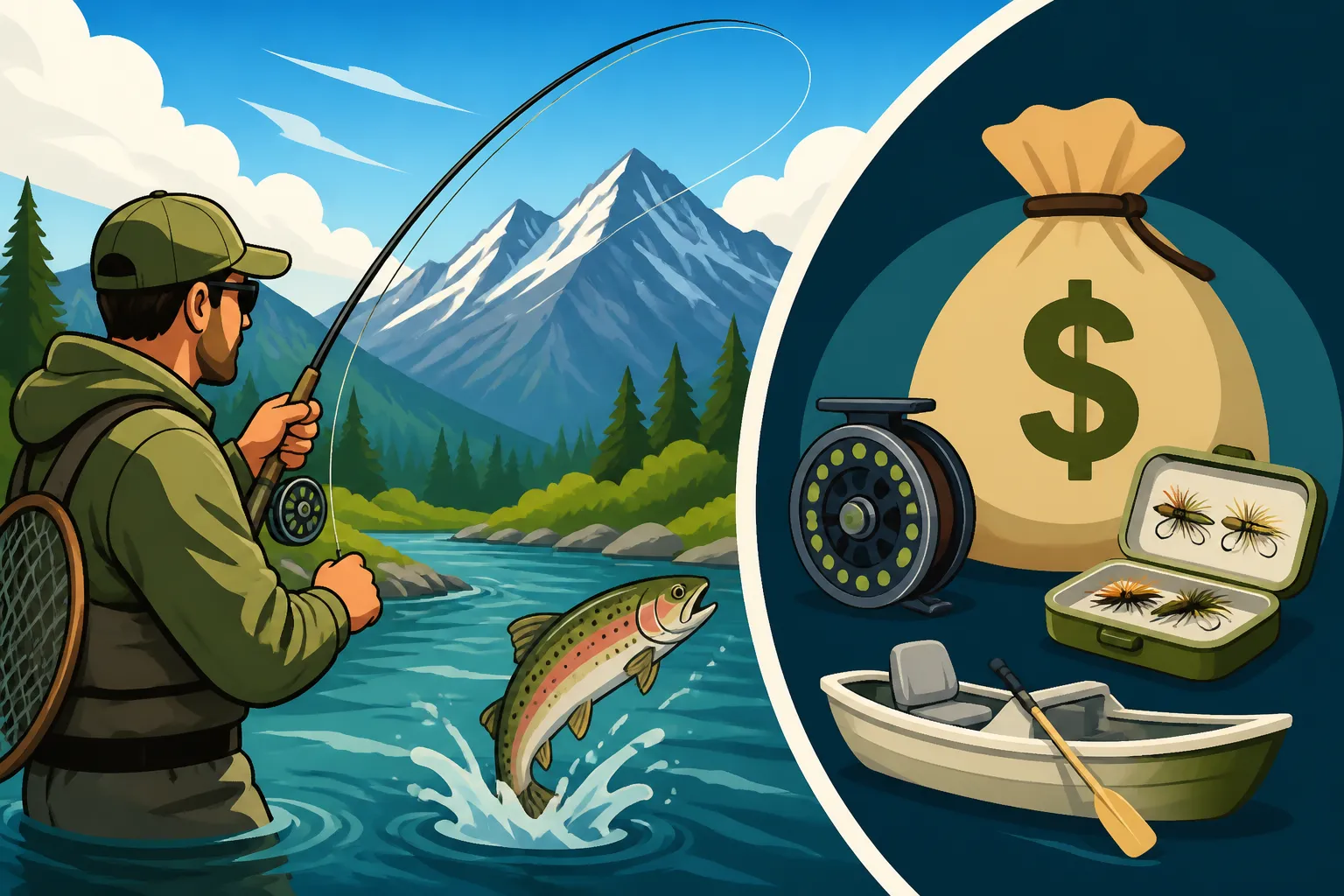
Planning a full-day guided fishing trip in Colorado can feel like a big step, especially when you're trying to figure out the financial commitment involved. Many anglers dream of spending an entire day on our pristine rivers or vast reservoirs with an expert by their side, but the question of "what does it actually cost?" often holds them back. This guide is here to pull back the curtain, exploring the various elements that factor into the price of a full-day guided fishing trip in Colorado, helping you understand the value and budget accordingly.
The Core Components of a Full-Day Guided Trip's Cost
When you look at the price tag for a full-day guided fishing trip in Colorado, it's easy to just see a number and wonder where all that money goes. But a lot more goes into making that day happen than just showing up with a boat and some flies. These trips are an investment not just in your fishing success, but in a comprehensive experience crafted by professionals. Let's break down the major cost components.
Guide Fees and Expertise
At the heart of any guided trip is, naturally, the guide themselves. These aren't just folks who know how to fish; they're seasoned professionals who have dedicated countless hours to mastering specific waters, understanding fish behavior, and honing their teaching skills. A significant portion of your trip cost directly compensates your guide for their immense expertise and hard work. They've spent years learning the subtle nuances of Colorado Fishing Seasons Month by Month, the secret spots, and how to read the water under every condition imaginable. This isn't just about finding fish; it's about providing a safe, educational, and enjoyable experience tailored to your skill level and preferences.
Think about it: they're out there long before you arrive, scouting conditions, checking hatches, and planning the day's strategy. They're on the water with you for 8+ hours, actively instructing, rigging lines, tying knots, untangling backlashes, and ensuring your safety. After you leave, they're cleaning boats, repairing gear, and preparing for the next day's adventure. Their fee reflects this extensive knowledge, the physical demands of the job, and the dedication it takes to consistently deliver memorable outings for their clients, whether you're targeting Colorado's Trout Species, A Field Guide or trying your hand at Kokanee Salmon Fishing in Colorado.
Inclusions: Gear, Flies, and Meals
One of the great advantages of booking a guided trip, especially for those new to the area or even to fishing, is that a reputable outfitter will typically include most, if not all, of the necessary gear. This often means high-quality rods and reels, a wide selection of proven flies or lures tailored to current conditions, and all the terminal tackle you could need. Imagine arriving in Colorado for a fishing vacation and not having to worry about buying specific flies for the Fryingpan or wondering if your streamer box is adequate for the Gunnison. The guide handles that. This saves you considerable money and eliminates the guesswork of what to bring.
Beyond the fishing essentials, most full-day trips also include provisions like lunch, snacks, and drinks. This isn't just a sandwich and a soda; many outfitters pride themselves on providing delicious, often locally sourced, meals that can really hit the spot after a morning of intense fishing. It's about convenience and enhancing the overall experience, ensuring you're well-fed and hydrated so you can focus entirely on enjoying your time on the water. These inclusions add tangible value and subtract from the mental load of planning every detail yourself, making your day on the water truly turn-key.
Operational Overheads and Insurance
While you're focused on that perfect cast, a whole lot of background operations are making your trip possible. Outfitters aren't just individuals; they're businesses with significant operational overheads. This includes maintaining fleets of drift boats, rafts, or powerboats, which require regular maintenance, repairs, and storage. There are vehicle costs for shuttles and transportation, and the ongoing expense of keeping a vast inventory of flies, leaders, tippet, and emergency supplies stocked.
Crucially, reputable guide services carry comprehensive liability insurance. This isn't a small expense, but it's absolutely vital for your safety and peace of mind on the water. It covers potential accidents or unforeseen circumstances that, while rare, can happen in any outdoor activity. Furthermore, there are permits, licenses, and fees associated with operating commercially on public lands and waters, all of which contribute to the overall cost. When you choose a professional outfitter, you're not just paying for a guide; you're paying for a safe, well-equipped, and legally compliant operation that prioritizes your experience.
Factors That Influence the Price of a Full-Day Trip
Just like a fancy dinner, the cost of a full-day guided fishing trip in Colorado isn't one-size-fits-all. Several key elements can cause the price to swing up or down, reflecting the type of adventure you're signing up for. Understanding these factors will help you align your expectations with your budget, ensuring you get the most out of your investment.
Trip Type: Walk-Wade vs. Float
One of the most significant differentiators in price is whether you opt for a walk-wade trip or a float trip. A walk-wade trip typically involves your guide driving you to a specific section of river or lake access and then exploring the water on foot. This is a fantastic way to experience the intimacy of a river, focusing on specific runs, riffles, and pools. It's often less expensive because it doesn't require the logistical complexities and equipment of a boat. The guide is still providing invaluable instruction and local knowledge, but the mode of transport is simpler.
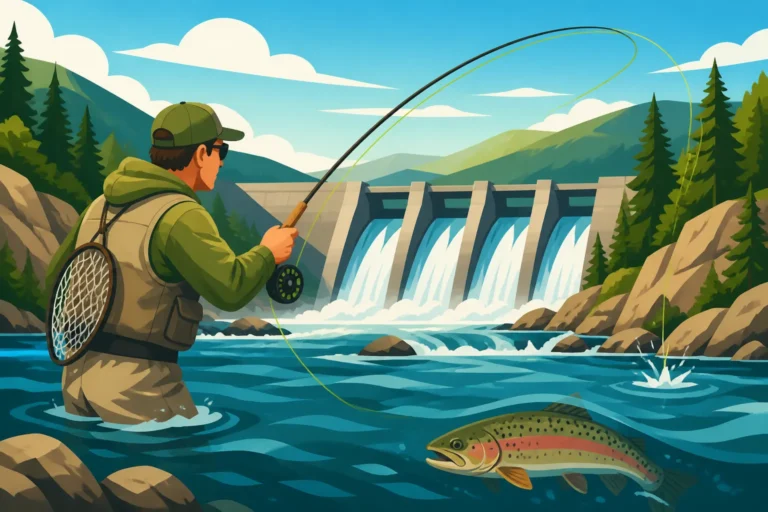
Float trips, on the other hand, usually involve a drift boat or raft, allowing you to cover many miles of river in a single day. This opens up access to sections of water that are otherwise inaccessible and can offer incredible fishing opportunities, especially on longer stretches of rivers like the Colorado River or the Gunnison. However, float trips involve considerable additional costs for the outfitter: the initial investment in a high-quality boat, trailer, and shuttle vehicles, as well as ongoing maintenance, fuel, and the physical effort of rowing. This increased overhead is directly reflected in the higher price point for float trips, but the experience of seeing a vast amount of water and having a stable platform from which to fish is often well worth it. You can learn more about these options in Float Trips vs Walk-Wade Trips With a Colorado Guide.
Location and Reputation of the Water
Colorado is blessed with an abundance of incredible fishing destinations, but not all waters are created equal in terms of demand and logistical challenges. Fishing on world-renowned Gold Medal Waters, like sections of the Fryingpan or the South Platte, often commands a higher price. These waters are celebrated for their incredible trout populations, size, and consistent hatches, making them highly sought after by anglers from around the globe. Guides working these waters are in high demand and their expertise here is specialized, often justifying a premium.
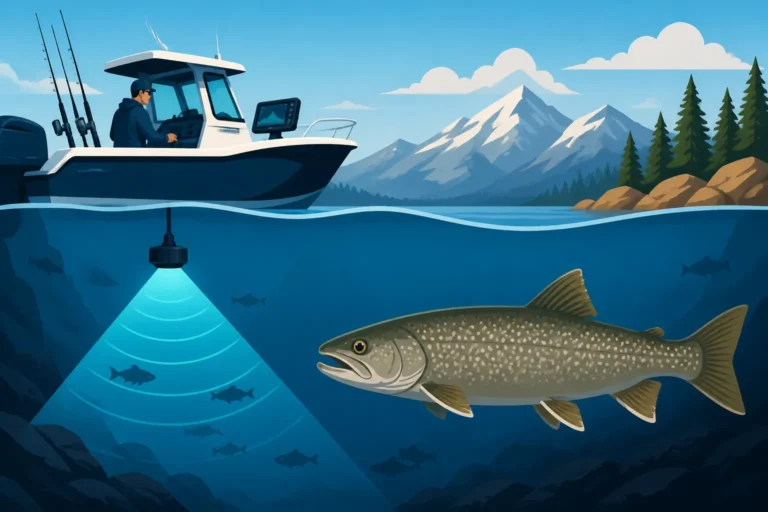
Conversely, trips on less-pressured, more remote, or urban waters might be slightly more affordable. Access to certain waters, particularly those requiring special permits or long drives into the backcountry, can also influence the cost. Similarly, trips to highly popular reservoirs like Fishing Blue Mesa Reservoir for Kokanee Salmon or Lake Trout Fishing in Colorado might also vary depending on the target species, as specialized equipment like downriggers is often required. The reputation and accessibility of the fishing location directly impact a guide's pricing strategy, as does the sheer amount of work involved in getting you there and fishing it effectively.
Guide Experience and Demand
Just like in any profession, experience counts. A guide who has been working the local waters for two decades, who has built a stellar reputation for finding fish and providing exceptional instruction, will often charge more than a newer guide. These seasoned veterans have a deeper understanding of the subtle changes in the river, the hatches, and the fish behavior, which can translate into a more productive and educational day for you. Their demand is higher, their calendars fill up faster, and their rates reflect that.
Moreover, if you're looking to book during peak seasons—think prime summer dry fly fishing or the fall brown trout spawn—you might find rates are at their highest. During these times, good guides are booked solid, and their prices reflect the market demand. If you're flexible with your dates and can swing a trip during the shoulder seasons (early spring or late fall, outside of the spawn), you might find slightly more favorable rates, though the fishing can still be phenomenal. This is especially true on tailwaters where Winter Fishing on Colorado's Tailwaters offers fantastic, albeit cold, opportunities.
Understanding What "Full-Day" Actually Means
When you book a "full-day" guided fishing trip, it's natural to have expectations about the duration and what that day will entail. It's not just about the number of hours; it's about the entire experience, from the moment you meet your guide until you say your goodbyes. Understanding these aspects helps you appreciate the investment and plan your energy levels.
Typical Duration and Logistics
While the exact length can vary slightly between outfitters, a full-day guided trip in Colorado typically runs for 8 to 10 hours from the moment you meet your guide until you part ways. This isn't just 8-10 hours of active fishing; it encompasses the entire logistical dance. It includes the drive to the river or lake access point, which can sometimes be an hour or more each way depending on where you're staying and where the best fishing is that day. It also includes time for setting up gear, getting thorough instructions, eating lunch, and packing up at the end of the day.
For a float trip, this also means coordinating shuttles, inflating rafts, or preparing drift boats. If you're fishing a place like the Dream Stream, a full day allows for exploring multiple sections and adapting to changing conditions. You might start in one spot, move for lunch, and finish in another completely different stretch of water. This comprehensive approach maximizes your time on the water and the diversity of fishing experiences you'll encounter, truly making it a full and immersive adventure.
What Happens During a Full Day on the Water
A full-day trip is a comprehensive immersion into the world of Colorado fishing. Your morning often starts with meeting your guide at an agreed-upon location, usually a fly shop or a specific rendezvous point near the water. After a brief discussion of the day's plan and current conditions, you'll head to the river or lake. Once there, the guide will help you get geared up, provide initial casting or fishing instructions, and explain the current techniques and fly choices. You might start with nymphs in deeper runs, then switch to dry flies if a hatch starts, or maybe streamers if the brown trout are feeling aggressive. Streamer Fishing for Colorado Brown Trout can be an absolute blast, especially in the fall.
Throughout the day, your guide will be constantly working: rowing (on float trips), spotting fish, helping with tangles, changing flies, and offering continuous instruction. Lunch is usually a relaxing break on the bank of the river, a chance to refuel and chat about the morning's successes and strategies for the afternoon. The afternoon often involves moving to new water or focusing on different techniques as conditions change. By the end of the day, you'll have gained invaluable knowledge, honed your skills, and hopefully, made some unforgettable memories, whether you're targeting Rainbow Trout in Colorado, Where They're Stocked or pursuing native cutthroats.
Additional Costs You Might Encounter (And How to Plan for Them)
While many expenses are rolled into the upfront cost of a full-day guided fishing trip, it's wise to be aware of other potential costs that might pop up. Being prepared for these "extras" ensures a smooth and stress-free experience, allowing you to fully enjoy your time on Colorado's beautiful waters.
Licensing, Stamps, and Park Fees
Before you even step foot in the river, you'll need the proper permits. Every angler 16 years and older in Colorado is required to have a valid Colorado Fishing License Guide for Residents and Nonresidents, and almost everyone will need Colorado's Habitat Stamp, Explained. These are separate costs from your guide trip and are essential for legal fishing. Your guide cannot provide these for you, so it's critical to purchase them in advance. You can often do this online through the Colorado Parks and Wildlife website, at licensed retailers, or even by phone. Always check the current requirements and purchase the correct license type (resident or nonresident, annual, or short-term) for your trip.
If your guided trip takes you into a state park or certain managed areas, you might also encounter park entrance fees. For example, some outfitters might take you to waters accessible via a state park, which would require a separate park pass or daily entrance fee. While these are usually minor costs, they add up and are important to factor into your total budget. Your guide or outfitter should be able to advise you if any such fees apply to your chosen fishing location, ensuring there are no surprises on the day of your trip.
Gratuities for Your Guide
This is perhaps the most commonly overlooked additional cost, but it's an important one. Tipping your fishing guide is standard practice in the industry, much like tipping a waiter or a hair stylist. A gratuity acknowledges the guide's hard work, expertise, and dedication to making your day successful and enjoyable. While there's no strict rule, a typical gratuity for a full-day guided trip ranges from 15% to 25% of the trip cost.
Consider factors like their effort, their teaching abilities, how well they catered to your needs, and, of course, how much fun you had. Even if the fish weren't biting (which sometimes happens, it's fishing after all!), a good guide works tirelessly to put you on fish, teach you, and make the experience memorable. Having cash on hand for a tip at the end of the day is always a good idea. Your guide will certainly appreciate the recognition of their efforts. You can learn more about this in Tipping a Colorado Fishing Guide, What's Standard.
Accommodations and Travel
Unless you're a local, you'll also need to factor in the costs of getting to Colorado and where you'll stay. Airfare, car rental, and lodging can quickly become the largest portion of your overall fishing vacation budget. Prices for hotels, Airbnb, or cabins vary dramatically depending on the season, location, and type of accommodation. A prime fishing town like Basalt (near the Fryingpan River) or Gunnison (near the Blue Mesa Reservoir) might have higher lodging costs, especially during peak fishing seasons.
Consider how close your accommodations are to your chosen fishing destination and meeting point. Staying further away might save you a little on lodging, but could add significant driving time and fuel costs. Planning these logistics in advance and booking well ahead of time, particularly if you're traveling during popular periods, can help you secure better rates and ensure you have a comfortable base for your full-day fishing adventure.
Is a Full-Day Guided Trip Worth the Investment?
After breaking down all the costs, you might be asking yourself: is it really worth it? For many anglers, the answer is a resounding yes, especially when they consider the invaluable benefits that extend far beyond simply catching fish. A guided trip is more than just a day of fishing; it's an investment in an experience, education, and access that would be difficult, if not impossible, to replicate on your own.
The Value of Expertise and Local Knowledge
Imagine rolling into a new state, or even a new part of Colorado, with your rod and reel, having no idea where to go, what flies to use, or how the local regulations work. It can be incredibly frustrating and lead to a lot of wasted time and effort. This is where the guide's expertise shines. They live and breathe these waters. They know precisely where the fish are holding based on water levels, temperature, and recent weather patterns. They know which hatches are coming off and the exact patterns that imitate them. This local knowledge is priceless, especially on complex Gold Medal stretches where subtle differences in presentation or fly choice can make all the difference.
Your guide can quickly assess your skill level and tailor their instruction to help you improve. Whether it's refining your casting, teaching you how to mend your line, or explaining the nuances of nymphing a deep run, their direct, real-time feedback is far more effective than watching countless YouTube videos. This focused learning environment, coupled with their ability to put you on active fish, significantly increases your chances of a successful and fulfilling day on the water.
Learning Opportunities and Skill Development
For many, a guided trip isn't just about catching fish; it's about becoming a better angler. A full day with a skilled instructor provides an unparalleled learning opportunity. They can teach you about Nymphing Techniques for Colorado Tailwaters or how to set up a dry-dropper rig on a freestone river. You'll learn how to read water, identify insect hatches, and understand the subtle clues that tell you where fish are feeding. These aren't just theoretical lessons; they're practical applications demonstrated and reinforced throughout the day.
Even experienced anglers benefit immensely from a guide's perspective. They might introduce you to new techniques, different types of water you hadn't considered, or specific patterns that are deadly on their home waters. The concentrated hours of one-on-one or small-group instruction can dramatically accelerate your learning curve, giving you skills and confidence that you can then apply to your future fishing adventures. It’s like getting a masterclass in a living classroom.
Access to Prime Waters and Hidden Gems
Colorado boasts vast stretches of public water, but knowing which public water to fish, and how to access it, is another story entirely. Guides often have access to areas that are either difficult to find, require specific knowledge to navigate safely, or are privately managed. For instance, some outfitters might have permits for stretches of river that are otherwise locked behind private land, or they know the intricate network of public easements that lead to phenomenal, unpressured fishing.
Furthermore, a float trip with a guide opens up miles of river that are simply impossible to wade effectively, providing unparalleled access to different environments and potentially less-fished sections. Whether it's navigating the rapids of the Gunnison Gorge or floating remote stretches of the Colorado River, a guide can take you to places you wouldn't (or shouldn't) attempt on your own. This exclusive access to prime real estate often translates into more consistent action and the chance to fish in truly spectacular, secluded settings.
Booking Your Full-Day Colorado Fishing Adventure
Once you've decided that a full-day guided trip is the right choice for you, the next step is to actually book it. This process involves a bit of research and planning, but with a few tips, you can ensure you select the perfect outfitter and secure your spot on the water.
How to Research and Compare Outfitters
The first step in booking is to research different outfitters. Colorado has a vibrant guiding community, with numerous reputable fly shops and independent guides. Start by looking at their websites, social media, and online reviews. Pay attention to their specialties – do they focus on fly fishing, spin fishing, or ice fishing? Do they specialize in particular rivers or species, such as Lake Trout Fishing in Colorado or Walleye Fishing in Colorado? Make sure their offerings align with your interests and the kind of experience you're seeking.
Don't hesitate to call or email a few different outfitters. This allows you to ask specific questions about what's included, their cancellation policies, and current conditions. It's also a great way to gauge their customer service and get a feel for their guiding style. Some outfitters might offer different price points based on the guide's experience level, or specific trip packages. Comparison shopping doesn't mean just looking for the cheapest option; it means finding the best value and the right fit for your expectations. You can also utilize platforms like FishingBooker to compare different guides and charter services in one place, reading reviews and seeing available dates. This makes it easier to see what's out there and find a guide that matches your specific desires for a full-day adventure.
The Importance of Booking in Advance
Colorado is a premier fishing destination, and the best guides and outfitters often book up months in advance, especially during peak seasons (late spring, summer, and fall). If you have specific dates in mind, or if you're planning a trip around a holiday or a known hatch, booking as early as possible is absolutely critical. Waiting until the last minute can leave you with limited options or no availability at all.
Booking in advance also gives you time to communicate with your guide about your preferences, skill level, and any specific goals you have for the day. This allows them to tailor the trip more effectively, ensuring you get the most out of your investment. Plus, securing your booking early means one less thing to worry about as your Colorado adventure approaches!
| Trip Feature | Walk-Wade Trip | Float Trip |
|---|---|---|
| Access | Limited to accessible banks, sometimes steeper terrain | Covers many miles, accesses otherwise unreachable water |
| Equipment | Minimal extra gear (waders, boots) | Requires drift boat/raft, oars, shuttle vehicles |
| Cost | Generally more affordable | Typically higher due to boat/shuttle logistics |
| Coverage | More intimate, focused on specific river sections | Covers more diverse water, greater exploration |
| Physicality | More walking, navigating varied terrain | Less walking, guide handles rowing/motor, stable platform |
| Ideal For | Learning specific techniques, exploring small streams, intimate experience | Covering large rivers, reaching remote spots, covering distance |
Disclaimer
This article is for general informational purposes only and does not constitute professional advice. Laws, prices and regulations vary by location and change over time. Consult a qualified professional for guidance on your specific situation.