Guided Trips on the Colorado River Near Kremmling
Oh, the Colorado River near Kremmling! That stretch of water holds a special place in the hearts of many Colorado anglers, and for good reason. It can be a truly incredible experience, but also one that presents its own challenges if you're not familiar with the currents, the fish, or the access points. If you've been dreaming of tackling this iconic river but feel a bit overwhelmed by where to start, you're in the right place. This guide is all about helping you understand what to expect from a guided fishing trip on the Colorado River in the Kremmling area, making your adventure both successful and stress-free.
Why the Colorado River Near Kremmling is a Premier Fishing Destination
When people talk about the quintessential Colorado fishing experience, the area around Kremmling on the Colorado River often comes up. It’s a place that embodies the wild spirit of the Rockies while offering some truly fantastic angling opportunities. You'll find yourself surrounded by towering cliffs, verdant canyons, and wide-open stretches of river, far from the hustle and bustle of city life. This particular section of the Colorado River, sometimes referred to as the "Upper Colorado," is renowned for its healthy fish populations and diverse aquatic insects, making it a bucket-list destination for many.
Gold Medal Water Distinction and What It Means
While the entire Colorado River is fantastic, specific sections, including parts near Kremmling, are often lauded for their "Gold Medal Water" status. This isn't just a fancy title; it's a designation given by Colorado Parks and Wildlife (CPW) to waters that meet stringent criteria for fish habitat and population. To earn this, a stretch of river must consistently support at least 60 pounds of trout per acre, with at least twelve 14-inch or larger trout per acre. This means when you’re on the water in these areas, your chances of hooking into a truly memorable fish are significantly higher. It’s a testament to the health of the ecosystem and the quality of the fishing, drawing anglers from all over. Understanding Colorado Gold Medal Water Regulations Explained is key before you head out.
Diverse Fish Species and Habitats
The Colorado River near Kremmling isn't just about trout, though they are certainly a major draw! You'll primarily find robust populations of brown trout and rainbow trout here, both thriving in the cold, oxygen-rich waters. The river offers a variety of habitats, from deep, slow-moving pools and intricate riffles to long, meandering runs, each providing different challenges and opportunities for anglers. These varied environments support not only the fish but also a rich insect life, leading to prolific hatches that can ignite incredible dry fly action. Beyond trout, you might also encounter mountain whitefish, which are native to these waters and offer a fun fight on light tackle, though they are often overlooked by anglers focused solely on trout.
Scenic Beauty and Wilderness Feel
Beyond the fishing itself, the sheer beauty of the Colorado River near Kremmling is a huge part of its appeal. As you drift or wade, you'll be treated to panoramic views of the surrounding mountains, sometimes with elk or deer grazing along the banks. The feeling of being immersed in a true wilderness setting, even when you're just a short drive from Kremmling, is something truly special. It's a place where the sounds of the river and the calls of birds are your soundtrack, a perfect escape from everyday life. This natural grandeur enhances every cast and every catch, making the entire experience far more than just about fishing; it's about connecting with nature in one of Colorado's most stunning landscapes.
What to Expect from a Guided Trip in the Kremmling Area
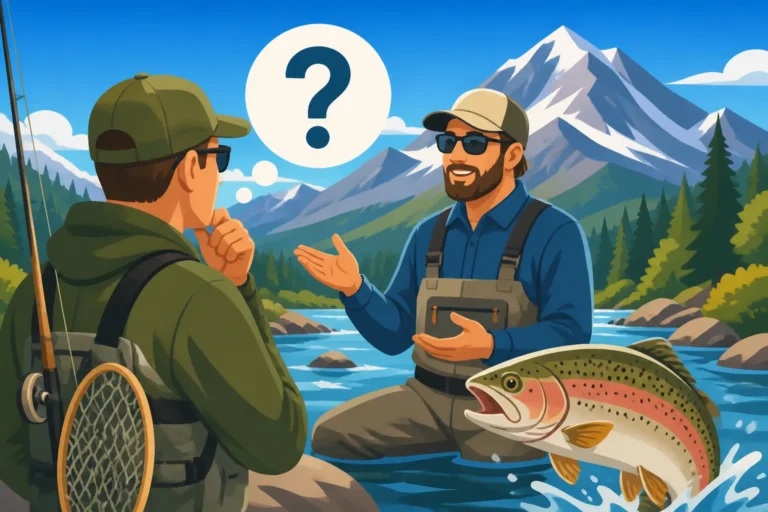
Deciding to hire a guide for your Colorado River adventure near Kremmling is an excellent choice, especially if you're new to the area or looking to maximize your time on the water. A good guide isn't just someone who knows where the fish are; they're an educator, a local expert, and a safety net all rolled into one. They handle the logistics, provide the gear, and share invaluable insights, allowing you to focus purely on the joy of fishing and the beauty of your surroundings. It's truly a way to elevate your trip from a simple fishing outing to a comprehensive learning experience.
Inclusions and Exclusions in a Typical Trip
When you book a guided trip, most outfitters in the Kremmling area offer a comprehensive package. This usually includes a knowledgeable, licensed guide, all the necessary fly fishing gear (rods, reels, waders, boots), and an ample supply of flies tailored to the current conditions and hatches. Many guides will also provide lunch, snacks, and non-alcoholic beverages, so you won't have to worry about packing a cooler. However, it's crucial to remember that your Colorado fishing license and the Habitat Stamp are almost always your responsibility to purchase beforehand. These are legal requirements, and no guide can provide them for you. Do You Need a Habitat Stamp to Fish in Colorado? is a good read if you're unsure about that requirement. Tipping your guide is also customary and expected, usually paid directly to them at the end of the trip. Always clarify these details when booking so there are no surprises on the day of your adventure.
A Typical Day on the Water
Your guided day on the Colorado River will typically start early, meeting your guide at a predetermined location in or near Kremmling. After a brief chat about your experience level and what you hope to get out of the day, you'll head to an access point, often one that many public anglers might overlook. If it's a float trip, you'll get settled in the drift boat or raft, and your guide will handle the oars, positioning you in prime casting lanes. For a walk-wade trip, you'll be on foot, exploring river sections that might be less accessible by boat.
Throughout the day, your guide will constantly be assessing water conditions, current hatches, and fish behavior, adjusting fly patterns and techniques as needed. They'll teach you casting tips, how to "read the water" to identify fish-holding lies, and the nuances of presenting your fly effectively. Whether you're a seasoned pro looking for specific local insights or a complete beginner needing to learn the basics, your guide will tailor the experience to you. Expect a full day of active fishing, learning, and soaking in the incredible scenery, usually wrapping up in the late afternoon.
Learning and Skill Development
One of the greatest benefits of a guided trip is the opportunity for immense skill development. Unlike just trying to figure things out on your own, a guide provides real-time feedback and instruction. They can quickly identify flaws in your casting stroke, suggest more effective nymphing techniques, or help you understand why certain dry flies are working (or not working) on a particular day.
For beginners, this means a crash course in everything from knot tying and fly selection to wading safety and proper fish handling for catch-and-release. For more experienced anglers, it's a chance to refine advanced techniques like Euro nymphing or specific streamer retrieves, all within the context of a challenging and productive river. Many clients report that a single guided day can accelerate their learning curve more than months of unguided fishing. This hands-on, personalized coaching is truly invaluable, and it helps build confidence for future solo trips on diverse waters.
Types of Guided Trips Available on the Colorado River
The Colorado River near Kremmling offers versatility, not just in its fishing, but in the types of guided experiences you can have. Most outfitters will offer a couple of main options to suit different preferences, physical capabilities, and fishing styles. Knowing the difference can help you choose the adventure that's perfect for you.
Float Fishing Excursions
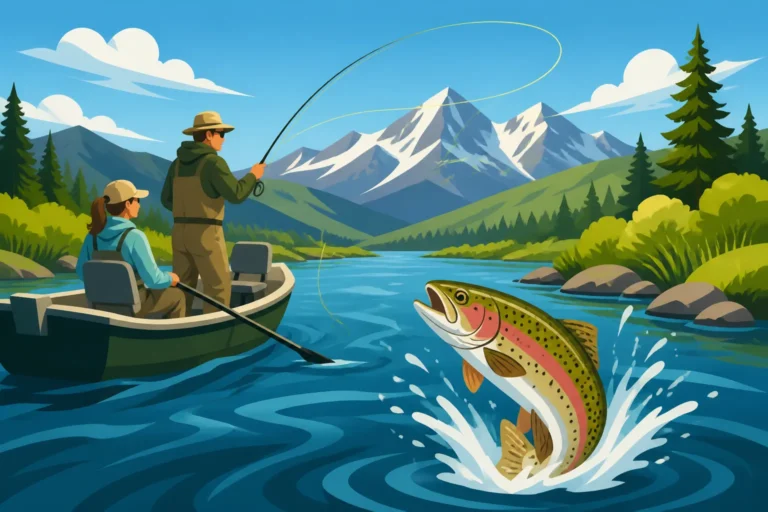
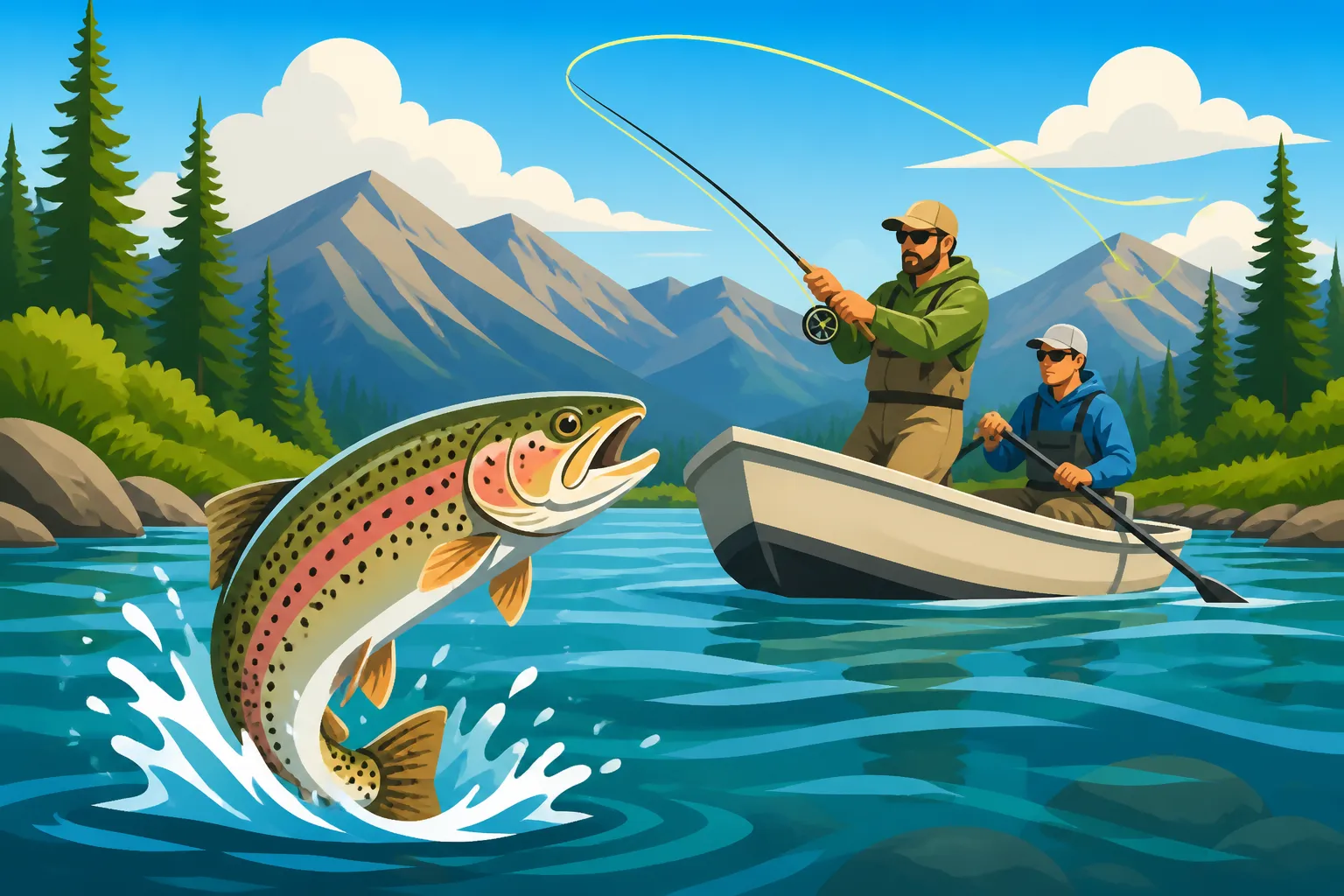
Float trips are perhaps the most popular way to experience the Colorado River near Kremmling, and for very good reason. Imagine sitting comfortably in a drift boat or raft, your guide expertly maneuvering the vessel through scenic canyons and productive runs, putting you in the perfect position to cast. This method allows you to cover significantly more water than wading, accessing prime fishing spots that would otherwise be difficult or impossible to reach. It’s also generally less physically demanding than walk-wade, as you spend less time trudging through uneven terrain.
On a float trip, you’ll typically be casting from the boat, targeting seams, riffles, and structure along the banks. Your guide will often point out where fish are likely holding, helping you refine your aim and presentation. These trips are fantastic for both nymphing and streamer fishing, and when the hatches are strong, dry fly action from a boat can be absolutely exhilarating. They offer a unique perspective of the river and a wonderful balance of fishing action and relaxation, making them ideal for individuals, pairs, or even small groups.
Walk-Wade Adventures
While float trips cover a lot of ground, walk-wade trips offer an intimate, hands-on experience with specific sections of the river. These trips are ideal for anglers who prefer to explore smaller pockets, dissect individual runs, and spend more time perfecting their technique in a focused area. Your guide will take you to public access points or, if available, private leases, where you'll spend the day wading into the river. This means more physical effort, as you'll be walking along the bank and through the water, navigating currents and uneven bottoms.
Walk-wade trips are particularly effective when targeting spooky fish in clear, shallow water, as you can approach stealthily and make precise casts. They're also great for those who want to practice their wading skills or who prefer the feeling of being truly in the river. A guide on a walk-wade trip will help you identify safe wading paths, teach you how to move effectively in the current, and pinpoint specific fish-holding structure you might otherwise miss. If you're looking to hone your skills and truly connect with a specific stretch of the Colorado, a walk-wade trip is an excellent choice.
| Feature | Float Fishing Excursion | Walk-Wade Adventure |
|---|---|---|
| Coverage | Covers significant river mileage, accesses remote areas | Focuses on specific sections, allows detailed exploration |
| Physical Demand | Generally lower, casting from boat | Higher, involves walking, wading in current |
| Access | Accesses otherwise unreachable water by boat | Primarily public access points or private leases |
| Perspective | Broader view of river and landscape from a boat | Intimate, "in the water" experience |
| Ideal For | Covering ground, beginners, those with mobility concerns | Technique refinement, experienced waders, solitude seekers |
| Common Techniques | Nymphing, streamer fishing, dry fly from boat | Nymphing, dry fly, sight fishing, technical approaches |
Choosing the Right Guide and Outfitter Near Kremmling
Picking the right guide isn't just about finding someone with an open date; it's about finding a personality, a teaching style, and an outfitter that matches your expectations for the day. A great guide can make a good fishing day amazing, and a less-than-ideal guide can detract from even the best fishing. Taking the time to research and communicate your needs upfront will pay dividends on the river.
Experience and Local Knowledge
The Kremmling stretch of the Colorado River, like any river, has its moods and secrets. An experienced guide who lives and fishes in the area understands these nuances intimately. They know where the fish tend to hold at different water levels, what flies are working during specific hatches, and how to navigate the river safely, especially during challenging conditions like spring runoff. When Colorado's Spring Runoff Hits and How to Fish Around It is a critical piece of local knowledge a guide will possess.
Look for guides with years of experience specifically on the Colorado River near Kremmling. They'll have a deep understanding of the river's ecology, the local fish populations, and the subtle changes that occur day-to-day. This local expertise translates directly into a higher likelihood of success for you, whether that's measured in fish caught or in valuable lessons learned. Don't be afraid to ask about their experience level or how long they've been guiding this particular stretch of water when you call to book.
Guide-to-Client Ratio and Group Size
While some larger group trips are available, most guided fishing trips are designed to offer a personalized experience. The ideal guide-to-client ratio for fly fishing is often 1:1 or 1:2. A one-on-one trip means you get the guide's undivided attention, maximizing your learning and fishing time. This is especially beneficial for beginners or those working on specific skills. For two anglers, a single guide can still offer plenty of individual attention, and it allows for a shared experience, often with friendly competition or cooperative problem-solving.
Be wary of trips that promise a single guide for more than two clients, especially on a river like the Colorado, unless it's explicitly designed as a large group instructional clinic where individual attention isn't the primary goal. Clarify the maximum group size per guide when you book. Most reputable outfitters will adhere to these ratios to ensure a quality experience for everyone involved. If you're a larger family or group, they'll likely assign multiple guides and boats.
Reputation and Reviews
In today's connected world, it's easier than ever to gauge a guide or outfitter's reputation before you commit. Online platforms are a fantastic resource for this. You can check out websites like FishingBooker, which host reviews and ratings from previous clients. Reading these testimonials can give you a real sense of a guide's personality, teaching style, and effectiveness on the water. Did clients feel safe? Did they learn a lot? Were they happy with the number of fish caught? All these insights are valuable.
Look for consistent positive feedback, mentions of patience, excellent instruction, and a friendly demeanor. Pay attention to any recurring issues, though remember that every guide has an off day, and fishing can be unpredictable. You can also ask for references or check with local fly shops in the Kremmling area; they often have the inside scoop on which guides are consistently delivering great experiences. A guide with a strong, positive reputation is usually a reliable choice for your Colorado River adventure.
Planning Your Guided Colorado River Adventure
Once you've decided on a guided trip, a little planning goes a long way to ensure your day on the Colorado River is seamless and enjoyable. From booking to what you pack, being prepared ensures you can fully relax and immerse yourself in the fishing.
Booking Your Trip in Advance
The Colorado River near Kremmling is a popular destination, particularly during peak seasons like summer and fall. This means that good guides and reputable outfitters book up quickly. To avoid disappointment, especially if you have specific dates in mind, it's highly recommended to book your trip several weeks, or even months, in advance. If you're planning for a weekend or a holiday, even more lead time might be necessary.
Consider using a platform like FishingBooker to browse available guides and compare schedules, or contact outfitters directly. Don't hesitate to call and discuss your preferences, such as targeting specific fish or focusing on certain techniques. This upfront communication ensures the guide can tailor the trip to your expectations and helps you secure your spot with the best available options.
What to Bring for Your Day on the River
Even though guides often provide most of the gear, there are several personal items you'll want to bring to ensure your comfort and safety:
- Fishing License and Habitat Stamp: This is non-negotiable. Have them printed or accessible on your phone, as wardens do check in the field. Showing Your Colorado Fishing License in the Field is important.
- Layered Clothing: Colorado weather is famously unpredictable. Even on a warm day, mornings can be chilly, and afternoon thunderstorms can roll in quickly. Think moisture-wicking base layers, a fleece or insulated jacket, and a waterproof outer shell.
- Sun Protection: The high altitude means intense sun. Bring a wide-brimmed hat, sunglasses (polarized are a must for seeing into the water!), and plenty of sunscreen.
- Water Bottle: Stay hydrated. While guides provide drinks, having your own reusable bottle is always a good idea.
- Camera: Capture the memories! Just make sure it's waterproof or in a dry bag.
- Small Backpack: For your personal items.
- Medications: Any personal prescriptions you might need.
- Cash for Gratuity: Tipping your guide is standard practice and greatly appreciated.
Leave valuable electronics at home unless they are truly necessary and secured. The river can be unforgiving!
Licensing and Regulations You Need to Know
Beyond simply having your license and Habitat Stamp, it's crucial to be aware of Colorado's fishing regulations. While your guide will be an expert on the specific rules for the stretch of the Colorado River you're fishing, understanding the basics beforehand will only enhance your trip. This includes daily bag and possession limits for various species, special regulations for Gold Medal Waters (such as catch-and-release only or specific length restrictions), and any bait or gear restrictions.
For example, some Gold Medal stretches might require artificial flies or lures only, or barbless hooks. Ignorance of the law is not an excuse, and game wardens patrol these popular areas regularly. Your guide will certainly inform you of all pertinent rules on the day, but a quick review of the Colorado Fishing Regulations Every Angler Should Know can help you feel more prepared and responsible as an angler. Always defer to your guide's instructions on the water, as they are the authority on current local rules.
The Best Seasons for Guided Trips Near Kremmling
The Colorado River near Kremmling offers fantastic fishing year-round, but each season presents unique opportunities and challenges. Understanding these seasonal shifts can help you plan your guided trip to align with your personal fishing preferences and goals. Whether you love casting dry flies, chasing big pre-spawn browns, or mastering nymphing, there's a season for you.
Spring Fishing: Pre-Runoff and Post-Runoff Opportunities
Spring on the Colorado River is a dynamic time. The pre-runoff period, typically from March into early May, can offer some surprisingly good fishing. Water levels are usually stable, and trout are actively feeding as they shake off winter sluggishness. Nymphing is often the most productive method during this time, with some early midge and stonefly hatches possible on warmer days. The fish are often hungry, and if you can hit it right, you'll find some eager biters.
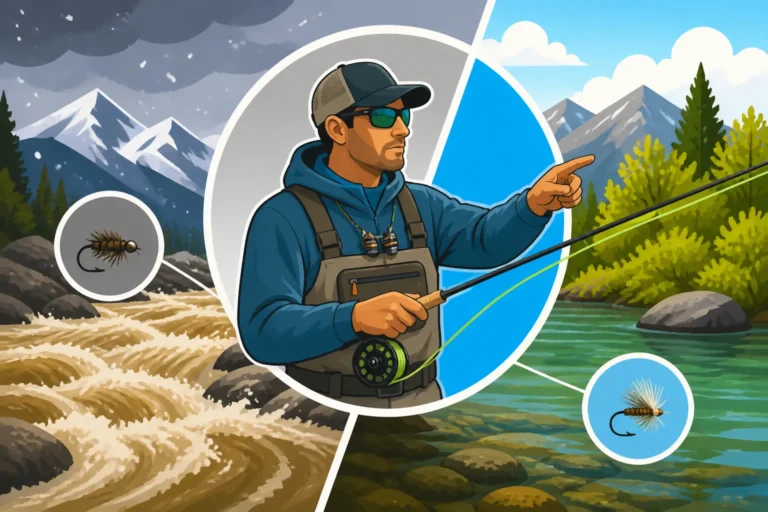
Then comes runoff, usually peaking from late May through mid-June, when the river can become high and muddy from melting snow. While challenging, skilled guides know how to fish around runoff by targeting slower eddies, back channels, and sections where clearer tributaries might enter. Post-runoff, typically from mid-June, is when the river begins to drop and clear, and insect hatches explode, ushering in some of the best dry fly fishing of the year. This transition period requires adaptability, and a good guide is invaluable for navigating these conditions.
Summer Dry Fly Action and Hatches Galore
Ah, summer in Colorado! From July through August, the Colorado River near Kremmling truly comes alive. Water temperatures are ideal, and insect activity is at its peak. This is prime time for prolific hatches, including caddis, various mayflies, and eventually, terrestrials like grasshoppers and ants. If you dream of seeing trout rise to your dry fly, this is the season to book your trip.
During summer, guides often focus on presenting dry flies to actively feeding fish in riffles, seams, and undercut banks. The fishing can be fast and furious, but also technically demanding as trout become more selective with the abundance of natural food. Even when fish aren't rising, nymphing remains highly effective, especially with smaller patterns mimicking emerging insects. The long, warm days mean plenty of time on the water, and the vibrant hatches make for an exciting, visual fishing experience.
Fall Big Fish Opportunities
As the aspens turn golden and the air cools, the Colorado River transitions into one of its most revered seasons for serious anglers: fall. From September through November, fishing on the Colorado River near Kremmling can be absolutely phenomenal, especially for those targeting larger trout. Brown trout, in particular, become aggressive as they prepare for their spawning season, often feeding voraciously to build up energy. This is when streamer fishing can be incredibly effective, as big browns are willing to chase larger prey.
While dry fly hatches become less consistent, midge and blue-winged olive hatches can still provide brief windows of dry fly action. Nymphing remains a steady producer throughout the fall, mimicking subsurface insects. The cooler temperatures mean fewer crowds on the water compared to summer, offering a more peaceful and contemplative angling experience. If your goal is to hook into a trophy brown trout and enjoy the stunning autumn colors of Colorado, a guided trip in the fall is highly recommended. Fall Fishing in Colorado, What Changes can give you a deeper dive into this incredible season.
Disclaimer
This article is for general informational purposes only and does not constitute professional advice. Laws, prices and regulations vary by location and change over time. Consult a qualified professional for guidance on your specific situation.