How to Choose Between a Float Trip and a Walk-Wade Trip
Deciding how you're going to experience Colorado's incredible fishing can sometimes feel like a puzzle, especially when it comes to picking between a guided float trip and a walk-wade trip. Both offer vastly different experiences, and choosing the right one for your goals, preferences, and even physical abilities can make or break your day on the water. This guide will meticulously break down the nuances of each, helping you confidently choose the perfect guided adventure for your next Colorado fishing escapade.
Understanding the Core Differences: Float vs. Walk-Wade
When you start looking into guided fishing trips in Colorado, you'll quickly notice these two main categories: float trips and walk-wade trips. While both get you out on the water with an expert, the method of travel and the overall experience are quite distinct. It’s like deciding between a leisurely scenic drive or a focused hike to a hidden gem – both get you to beautiful places, but the journey itself is different.
What is a Float Trip?
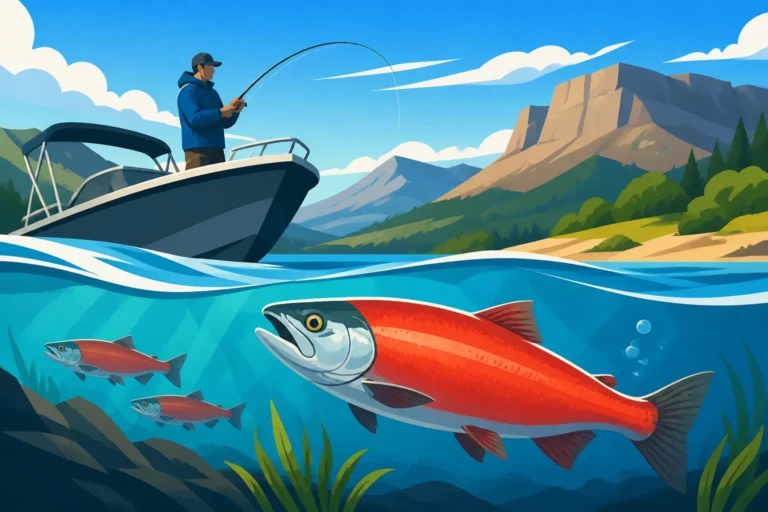
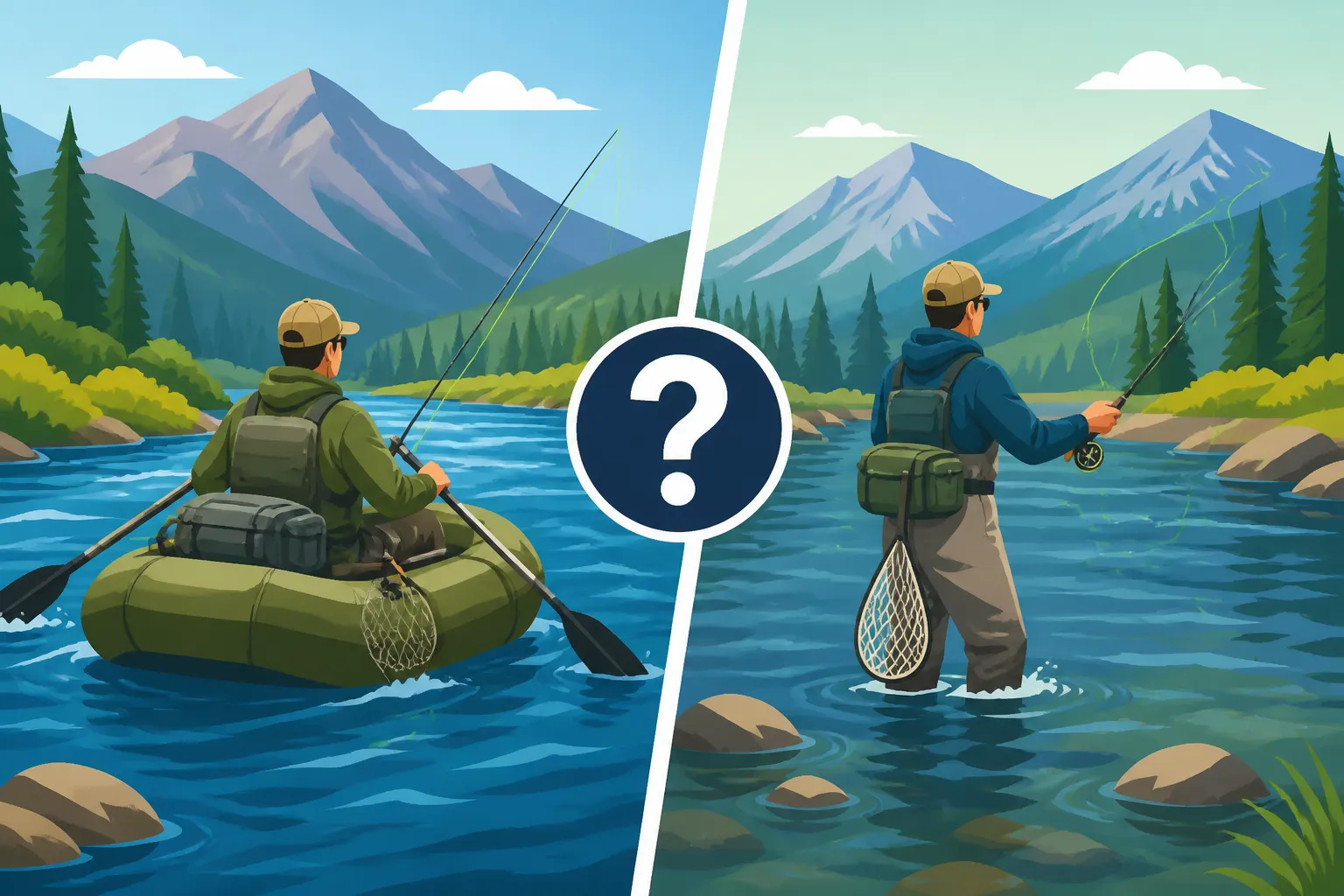
Imagine effortlessly drifting down a magnificent Colorado river, the landscape gliding by as your guide expertly maneuvers a drift boat or raft. That's the essence of a float trip. You're covering miles of water, casting to prime spots that are often inaccessible to bank anglers, all while enjoying the comfort of a boat. The boat essentially serves as your mobile fishing platform, allowing you to move quickly from one promising riffle or pool to the next.
These trips are often on larger rivers like the Arkansas, Colorado, or sections of the Gunnison, where the sheer size and flow of the water make wading impractical or even dangerous for extended periods. Your guide isn't just rowing; they're reading the water, pointing out holding lies, and positioning the boat to give you the best possible casting angles. It's an active form of fishing, usually involving casting from the boat to specific targets along the banks or in river channels. You might occasionally hop out to wade a particularly juicy stretch, but the primary mode of travel and fishing is from the boat. For many, this is the quintessential Western fly fishing experience, especially on those famous Gold Medal stretches.
What is a Walk-Wade Trip?
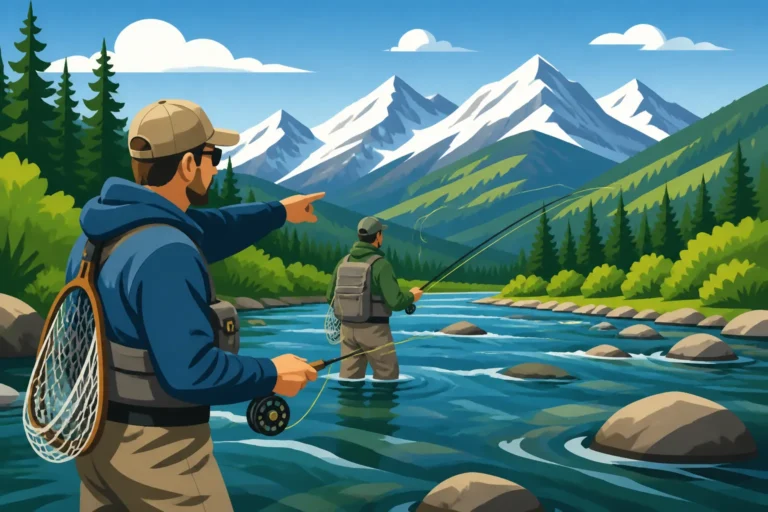
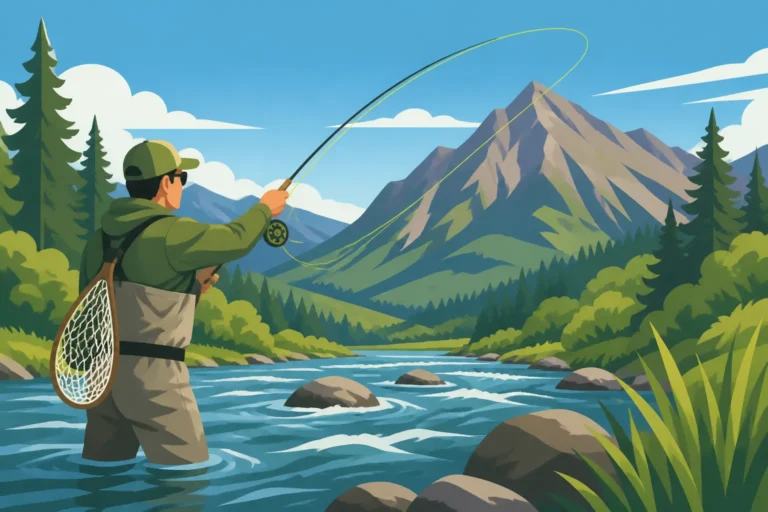
A walk-wade trip, on the other hand, is a more intimate, hands-on experience with a specific section of a river or stream. Instead of covering miles in a boat, you and your guide will focus on a smaller, more accessible stretch of water, exploring every nook and cranny on foot. You'll don your waders, grab your rod, and immerse yourself directly in the river environment, reading currents, stalking fish, and carefully presenting your flies or lures.
These trips are perfect for smaller mountain streams, technical tailwaters, or even sections of larger rivers where the focus is on a deeper understanding of a particular fishery. Think of the Fryingpan River below Ruedi Reservoir, or the South Platte in Cheesman Canyon – places where precise presentations and stealth are often key. Your guide will literally walk with you, showing you how to read the water, identify bug hatches, improve your casting, and approach fish without spooking them. It's often more physically demanding than a float trip, as you'll be wading against currents, climbing over rocks, and hiking along riverbanks, but it offers a profound connection to the water that many anglers crave.
When Each Trip Shines: Matching the Experience to Your Goals
The "best" trip isn't universal; it truly depends on what you're hoping to get out of your day. Each option presents unique advantages that can elevate your fishing experience under the right circumstances.
Advantages of a Float Trip
Float trips truly shine when you want to cover a lot of water and access spots that are difficult or impossible to reach on foot. This is particularly valuable on wider rivers or during periods of high water, like spring runoff, when wading can be dangerous or ineffective.
- Covering More Water: Imagine trying to walk and wade five miles of prime trout water in a single day. Nearly impossible! A float trip allows you to effectively fish many miles of river, increasing your chances of finding actively feeding fish. This is a huge benefit if you're targeting trophy fish that might be spread out, or if you simply want to experience a broader section of a famous river.
- Access to Untouched Water: Many of the best holding lies, deep pools, and undercut banks are located in areas with limited public access or treacherous wading. A drift boat or raft can navigate these sections, bringing you to fish that rarely see a fly or lure. It’s like having a secret key to parts of the river that bank-bound anglers can only dream of.
- Reduced Physical Exertion: While you'll still be actively casting and fighting fish, the physical demands of a float trip are generally lower than a walk-wade trip. You're mostly standing or sitting in the boat, with your guide doing the heavy lifting of rowing. This makes float trips an excellent choice for anglers with limited mobility, those recovering from injuries, or anyone who prefers a less strenuous day on the water. It’s also fantastic for a relaxing day with friends or family where the fishing is still top-notch.
- Safety in High Water: During spring runoff or after heavy rains, rivers can become powerful and dangerous to wade. Float trips offer a much safer alternative, allowing you to continue fishing when bank access is compromised. Your guide is an expert at navigating these conditions, keeping you safe while still putting you on fish.
- Ideal for Specific Techniques: Float trips are often perfect for streamer fishing, where you're covering water quickly, or for throwing big dries in the summer as you drift past prime feeding lanes. You can present your offering to multiple targets in quick succession.
Advantages of a Walk-Wade Trip
If intimacy, skill development, and a deeper connection to a specific stretch of water are what you're after, a walk-wade trip is likely your best bet. These trips are all about precision, stealth, and honing your angling skills.
- Intimate River Experience: When you're standing in the current, feeling the water around you, you gain a unique perspective on the river's ecosystem. You'll notice the subtle changes in current, the specific rocks where fish hold, and the insects fluttering directly above the water. It's an immersive experience that deepens your understanding of the fishery.
- Focused Instruction and Skill Development: With a guide by your side, literally, you'll receive personalized, in-depth instruction. They can walk you through reading specific micro-currents, demonstrating precise casting techniques for tight quarters, or helping you understand complex nymphing rigs. If you're looking to significantly improve your casting, presentation, or entomology knowledge, a walk-wade trip offers unparalleled one-on-one attention. Check out Learning to Fly Fish With a Colorado Guide for more on this.
- Stealth and Precision: On many technical waters, fish are incredibly wary. Wading allows for a stealthier approach than a boat, letting you sneak up on prime lies and make delicate presentations. You can move slowly, observe fish behavior, and then carefully plan your cast. This is crucial on crystal-clear tailwaters like the Fryingpan or sections of the Blue River, where trout are highly selective.
- Access to Smaller Streams and Canyons: Many of Colorado's hidden gems are small streams, high-country tributaries, or remote canyon sections that are simply too narrow or rocky for a drift boat. A walk-wade trip opens up these incredible, often less-pressured waters, where you can find eager native trout. If you've always dreamed of exploring pristine backcountry water, this is your ticket.
- Ideal for Specific Waters: Certain renowned fisheries, such as Cheesman Canyon on the South Platte or specific sections of the Fryingpan, are often best fished on foot due to regulations, terrain, or the highly technical nature of the fishing. Your guide will know these nuances well.
Making Your Choice: Considering Your Angling Style and Needs
Now that you understand the fundamental differences and the unique benefits of each, let's distill it down to helping you make your personal choice. It's about aligning the trip type with your fishing personality and what you want most from your day in Colorado.
What Kind of Experience Are You Craving?
Are you looking for a grand tour, seeing diverse landscapes and covering extensive amounts of water, with continuous casting opportunities from a comfortable perch? Then a float trip is probably calling your name. You'll get to experience the flow of a large river, often with stunning scenery, and have a good chance at hooking into multiple fish as you drift along. It's often described as a "fishing safari" experience.
Perhaps you're more drawn to the intricate details of a single stretch of river, preferring to slow down, observe, and engage in the more subtle art of stalking and presenting to individual fish. If you enjoy the physical challenge of wading, the quiet contemplation of nature up close, and the satisfaction of meticulously working a run, a walk-wade trip will resonate deeply. It's more akin to hunting or a focused classroom session on the water.
Physical Demands and Comfort Levels
This is a crucial consideration. Be honest with yourself about your physical condition and how much exertion you're up for.
- Float Trips: While still active, float trips are generally less physically demanding. You'll be standing and casting for long periods, but you won't be slogging through currents or scrambling over slippery rocks. This makes them suitable for most fitness levels, including older anglers, those with knee or back issues, or anyone who simply wants a more relaxed day.
- Walk-Wade Trips: These require more stamina and agility. You'll be walking considerable distances, often on uneven terrain, and wading through currents which can be tiring. Footing can be tricky, especially on rivers with slick rocks. If you enjoy hiking, are in good physical shape, and comfortable with the possibility of a little exertion, a walk-wade trip will be incredibly rewarding. If not, it might lead to a frustrating rather than fulfilling day. For tips on staying safe, you might want to read How to Stay Safe Wading Fast Colorado Currents.
Your Learning Goals
Are you relatively new to fishing, or fly fishing specifically, and want a comprehensive introduction to casting, knots, and reading water? A walk-wade trip offers an unparalleled opportunity for one-on-one instruction. Your guide can dedicate more time to breaking down techniques, giving immediate feedback, and working closely with you on your form.
If you're an experienced angler looking to learn new tactics, like specific streamer retrieves or advanced nymphing, both trip types can offer learning, but the walk-wade allows for more hands-on, focused instruction in a more controlled environment. On a float, the action can sometimes be so continuous that it's harder to pause for lengthy teaching moments.
Group Size and Dynamics
Consider who you're fishing with.
- Float Trips: Most drift boats comfortably accommodate two anglers plus the guide. This setup works well for a pair of friends, a couple, or a parent and child who want to fish together and share the experience from the same platform. Communication is easy, and you can switch out who's casting as you drift. How Many People One Colorado Guide Boat Holds delves into this more.
- Walk-Wade Trips: These are often best for one or two anglers per guide to maximize personalized attention. While some guides take three, it can dilute the individual instruction and make managing logistics on the river more challenging. If you're a solo angler seeking deep immersion and instruction, a walk-wade is fantastic.
Time of Year and Water Conditions
Colorado's rivers change dramatically with the seasons, and this can influence which trip type is most effective.
- Spring Runoff (May-June): Rivers swell with snowmelt, becoming high, fast, and often murky. This is prime time for float trips on larger rivers, as wading is often impossible or dangerous. The boat provides mobility and safety, allowing you to access fish pushed to the banks.
- Summer (July-August): As waters recede and clear, both float and walk-wade trips are excellent. Float trips are great for covering wide sections of productive water, while walk-wade trips become fantastic for accessing smaller streams and technical tailwaters, especially during prime dry fly season.
- Fall (September-November): Many consider fall to be the best fishing season. Cooler temperatures, active fish, and stunning foliage make for incredible days. Both options are strong contenders, though walk-wade can be particularly effective on spawning brown trout in smaller, clearer waters.
- Winter (December-March): With cold temperatures and potential ice, walk-wade trips to tailwaters are often the most viable and productive option, as these waters remain open and fishable year-round. Float trips are less common in deep winter, but some guides do offer them depending on conditions. You can also explore Winter Fishing on Colorado's Tailwaters.
Key Considerations Before You Book
Once you have a better idea of which trip type aligns with your preferences, there are a few more practical considerations to keep in mind when booking your guided Colorado adventure. Utilizing platforms like FishingBooker can help you sort through various options and find guides who specialize in either float or walk-wade experiences.
Cost and Inclusions
While specific prices vary greatly by outfitter, location, and trip duration (half-day vs. full-day), it's a general truth that float trips tend to have a slightly higher upfront cost than walk-wade trips. This is largely due to the equipment involved – the boat, trailer, and the guide's specific skills in maneuvering it.
| Feature | Float Trip | Walk-Wade Trip |
|---|---|---|
| Primary Mode | Drift boat or raft | On foot, wading |
| Water Coverage | High (miles of river) | Low to moderate (focused section) |
| Physical Demand | Moderate (mostly casting from boat) | High (wading, hiking, negotiating terrain) |
| Instruction Style | General guidance, continuous fishing | In-depth, personalized, hands-on instruction |
| Access | Mid-river, difficult-to-reach banks | Bank access, smaller streams, technical sections |
| Best For | Covering water, seeing scenery, high water | Skill development, stealth, intimate connection |
| Typical Anglers | 1-2 anglers + guide in boat | 1-2 anglers + guide on foot |
| Ideal Conditions | Large rivers, high water, varied techniques | Smaller rivers, clear water, technical fishing |
Always clarify what's included in the price. Most guided trips will include flies, leaders, and tippet, and often snacks and drinks, especially on full-day trips. Many outfitters also offer complimentary use of high-quality gear (rods, reels, waders, boots) if you don't have your own. This is particularly beneficial if you're traveling or just starting out. You'll want to ask Do Colorado Guided Trips Include Gear and Flies?.
Researching Guides and Outfitters
Choosing the right guide is paramount, regardless of the trip type. Look for guides who specialize in the kind of experience you're seeking. When you browse for options, for example, on a platform like FishingBooker, you can often filter by trip type (float, wade) and even target species.
Read reviews, check out their websites, and don't hesitate to call and chat with them about your expectations. A good guide will ask you about your experience level, physical fitness, and what you hope to achieve during the day. This conversation is key to ensuring a good match. For general advice, consider Choosing a Colorado Fishing Guide, What to Look For.
What to Bring and Wear
No matter if you choose to float or wade, Colorado's weather can be unpredictable, especially in the mountains. Layering is always a good idea. Bring a waterproof outer shell, even on sunny days, as afternoon thunderstorms can roll in quickly. Sun protection (hat, sunglasses, sunscreen) is essential at altitude.
For float trips, comfortable shoes are often fine, though waterproof ones are better. For walk-wade trips, quality wading boots are critical for safety and comfort. Your guide or outfitter can usually provide these, but double-check when you book. Staying hydrated is also very important at Colorado's higher elevations. Don't forget your Colorado Fishing License Guide for Residents and Nonresidents and Colorado's Habitat Stamp, Explained, both of which are required.
Ultimately, both float trips and walk-wade trips offer incredible opportunities to explore Colorado's diverse fisheries with the advantage of local expertise. By considering your personal preferences, physical comfort, and angling goals, you can make an informed choice that will lead to a memorable and rewarding day on the water.
Disclaimer
This article is for general informational purposes only and does not constitute professional advice. Laws, prices and regulations vary by location and change over time. Consult a qualified professional for guidance on your specific situation.