Guided Trips on the South Platte’s Dream Stream
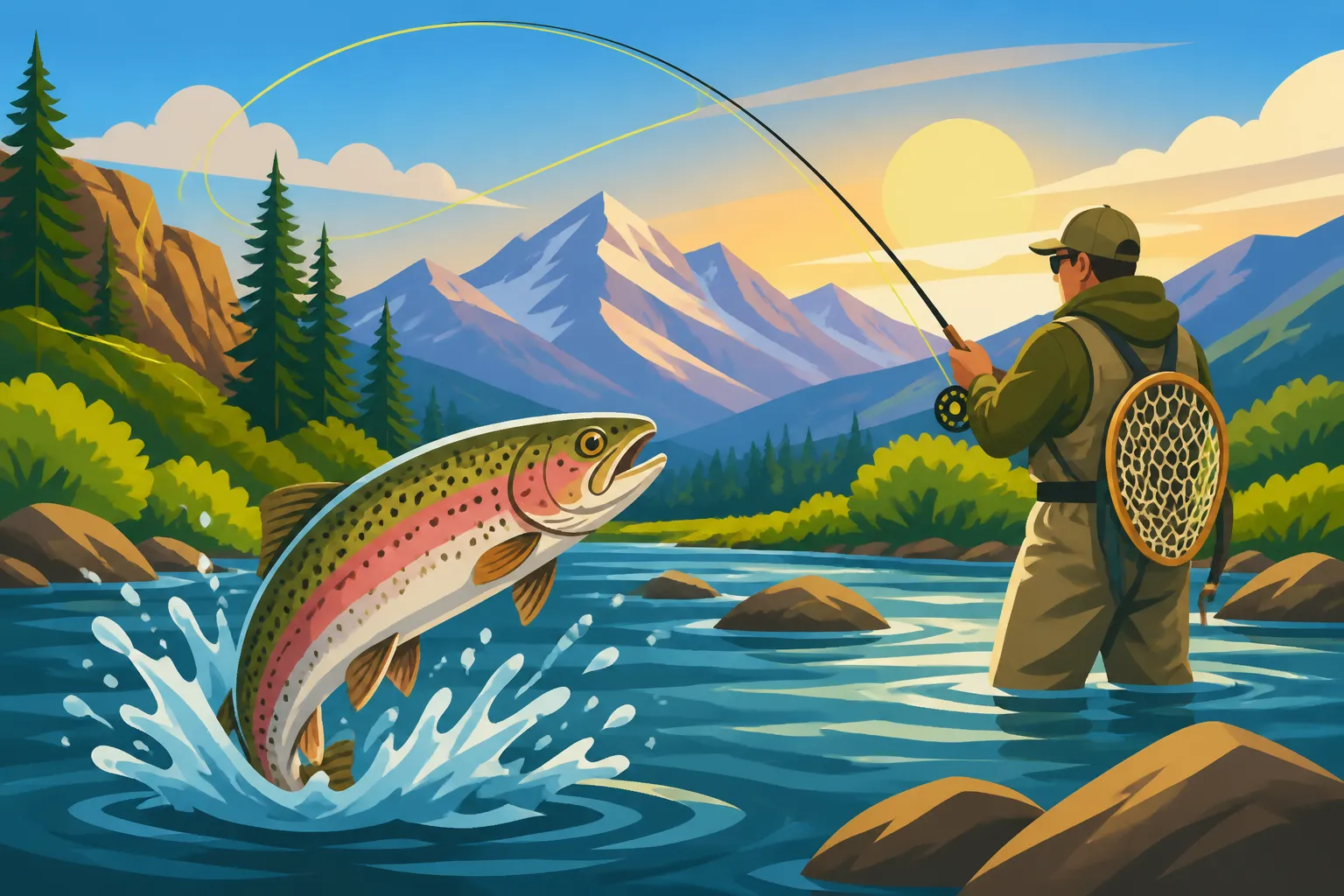
The Dream Stream, that legendary stretch of the South Platte River between Spinney Mountain Reservoir and Eleven Mile Reservoir, calls to so many anglers. It's a place where massive trout lurk, ready to test your skill and patience. But let's be honest, for all its fame, the Dream Stream can also be incredibly intimidating, especially for those new to its peculiar challenges or even seasoned anglers who just want to cut through the learning curve. This guide is all about demystifying the experience of a guided trip on the Dream Stream, explaining why it's such a valuable investment, what you'll gain, and how to make the most of your adventure on this truly iconic Colorado water.
Why the Dream Stream Demands a Guide's Expertise
Fishing the Dream Stream isn't like casting into your average community pond. This isn't just a scenic spot; it's a world-renowned Gold Medal Water, which means big fish and highly selective ones. The fish here are educated, smart, and often see hundreds of flies pass over their heads every day. Trying to tackle it alone, especially for the first time, can feel like trying to solve a complex puzzle with half the pieces missing.
Navigating Its Unique Challenges and Pressures
One of the biggest realities of the Dream Stream, particularly during peak seasons or even just pleasant weekend days, is the sheer number of other anglers. You might arrive with grand visions of solitude, only to find you're sharing a run with a dozen other dedicated fly fishers. This pressure makes the fish incredibly wary. They've seen every fly, felt every leader, and heard every splash. A guide not only knows how to navigate these crowds, finding quieter pockets or less-pressured fish, but they also understand the subtle changes in fish behavior that come with consistent angler presence.
Beyond the crowds, the Dream Stream is famous for its intricate currents and often shallow, clear water. What looks like a simple riffle might be a complex system of micro-currents that can render your perfect drift useless in seconds. Plus, the fish here often sit in surprisingly subtle holding lies – places you'd walk right past if you didn't know what to look for. A guide will point out these nuances, showing you where the trout are likely to be, why they're there, and how to present your fly effectively in challenging water. It's about learning to read water with an expert eye, which is a skill that translates to any river you'll fish in the future.
Understanding the Habitat and Fish Behavior
The "Dream Stream" itself is a unique phenomenon – a relatively flat, meandering meadow stream connecting two massive reservoirs. This gives it characteristics of both a river and a lake, creating a fascinating and sometimes perplexing environment for trout. The fish here are a mix of resident brown trout, often wild and incredibly strong, and rainbow trout that migrate in and out of the reservoirs, sometimes reaching truly colossal sizes. These fish are constantly on the move, chasing hatches, looking for spawning grounds, or simply finding new feeding lanes.
A guide intimately understands this migratory behavior and the seasonal patterns that dictate where the fish will be and what they'll be eating. For instance, during the fall, brown trout from both reservoirs push into the Dream Stream for their spawning rituals, making them aggressive but also incredibly sensitive to disturbance. In the spring, rainbows follow suit. Knowing these windows, and more importantly, how to approach these fish ethically and effectively during these sensitive times, is crucial. A guide will teach you about the specific insect life cycles, from prolific midge hatches in winter to the larger stoneflies and caddis of summer, explaining why one fly works on Tuesday but not on Wednesday. This local knowledge is invaluable and something you simply can't pick up from a map or a generic online fishing report. Colorado Fishing Seasons Month by Month is a great resource to get a general idea of what to expect, but a guide offers real-time, hyper-local insights.
What to Expect from a Guided Trip on the Dream Stream
So, you've decided to invest in a guided trip – smart move! But what does that day actually look like? It's far more than just having someone tie on flies for you; it's an immersive learning experience tailored to your skill level and goals.
Gear, Techniques, and Local Fly Selection
One of the immediate benefits of a guided trip, especially on a technical water like the Dream Stream, is the gear. Most reputable Colorado guides will provide all the necessary fly fishing equipment: rods, reels, lines, waders, and boots. This is fantastic, especially if you're traveling, new to the sport, or simply don't have specialized gear for this type of water. They'll also provide a seemingly endless array of flies. On the Dream Stream, fly selection is absolutely critical. What works one day might be completely ignored the next. Guides spend countless hours on the water, observing hatches, checking stomach contents of fish, and experimenting. They know the current "hot" patterns – those tiny midges, emergers, nymphs, or even streamers that the fish are keying in on.
Your guide will not only tie on the right flies but also show you how to present them using the most effective techniques. For the Dream Stream, this often means advanced nymphing tactics, whether it's indicator nymphing in deeper runs or subtle European nymphing approaches in shallower water. They'll teach you about proper weight distribution, leader length, and mending to achieve a drag-free drift. You might also delve into streamer fishing for aggressive brown trout, particularly during lower light conditions or when fish are actively migrating. Imagine being shown exactly how to articulate a streamer through a deep pool, then feeling that distinctive tug of a big brown trout! For more on specific flies, check out Best Flies for Colorado's Gold Medal Trout Water.
Learning the Water and Reading the Currents
Beyond the flies and techniques, a guide’s most profound teaching is often in how to read the water. The Dream Stream, with its subtle currents and varying depths, is a masterclass in this. Your guide will literally point out seams, eddies, riffles, and pools, explaining where fish are likely to hold, why they're there, and how these currents affect your fly's drift. They’ll demonstrate how to identify subtle takes – those nearly imperceptible pauses or twitches of your indicator that signify a fish has eaten your fly.
Consider a hypothetical scenario: you're standing on the bank, looking at a seemingly uniform stretch of water. Your guide might point to a slight ripple near a submerged weed bed, explaining that it's a current seam creating a perfect ambush point for a feeding trout. Or they might show you how a seemingly calm, deep pool has an invisible current pushing food right into a specific holding lie. They'll teach you the importance of casting upstream, mending your line, and following your drift with your rod tip to maintain control. This isn't just about catching fish on that specific day; it's about building a foundational skill set that will make you a more observant and effective angler on any river, anywhere. Understanding Reading Water on a Colorado Freestone River is a key skill a guide will accelerate your learning of.
Choosing the Right Guide for Your Dream Stream Adventure
Deciding to hire a guide is one thing; choosing the right one is another. There are many fantastic guides in Colorado, but finding one who specializes in the unique demands of the Dream Stream is paramount.
Qualities of a Top-Notch Dream Stream Guide
A truly excellent guide for the Dream Stream possesses a blend of deep local knowledge, exceptional teaching skills, and a genuine passion for the water and its fish. Look for guides who are known for their patience, especially if you're a beginner or looking to refine specific techniques. They should be able to break down complex concepts into understandable steps, offering constructive feedback without making you feel inadequate. The best guides aren't just there to put you on fish; they're there to help you learn and grow as an angler.
Beyond their teaching prowess, a top Dream Stream guide will have an intimate understanding of the river's regulations, particularly given its Gold Medal status and the sensitive nature of its fish populations. They'll emphasize ethical angling practices, such as proper catch-and-release techniques to ensure the health of these magnificent trout. Colorado Fishing Regulations Every Angler Should Know and Catch-and-Release Rules on Colorado's Cutthroat Waters highlight the importance of these practices. They should also be well-versed in the various fishing methods applicable to the Dream Stream, from delicate dry fly presentations to heavy nymph rigs and streamer tactics. Don't be afraid to ask about their experience on that specific stretch of river when you're inquiring about a trip.
Booking Your Trip and Making the Most of It
Booking your guided trip typically involves contacting an outfitter or an independent guide directly. Many outfitters have websites where you can find information on their services, availability, and pricing. Platforms like FishingBooker can also be a great resource to browse different guides, read reviews from other anglers, and compare offerings specifically for the South Platte River area. When you're ready to book, communicate your goals clearly. Are you hoping to learn nymphing? Target a trophy brown? Or just enjoy a day on the water with some expert insight? The more information you provide, the better your guide can tailor the experience to your needs.
Once your trip is booked, make sure you understand what to bring. While guides typically provide rods, reels, and flies, you'll still need your Colorado fishing license, appropriate clothing layers (Colorado weather can change rapidly!), sunglasses, a hat, and any personal medications. Don't forget snacks and water, though many full-day trips include lunch. Be prepared to walk, as the Dream Stream is primarily a walk-and-wade fishery, meaning you'll be covering ground on foot. Lastly, arrive with an open mind and a willingness to learn. The guide is there to help you, so ask questions, observe their techniques, and soak up as much knowledge as you can. It's an investment not just in a day of fishing, but in your long-term angling skills. For more general advice on booking, see Hiring a Fishing Guide in Colorado, What to Expect.
Common Questions About Guided Trips on the Dream Stream
It's natural to have questions, especially when planning a specialized fishing trip like one to the Dream Stream. Let's cover some of the most common ones.
Cost Considerations and Tipping Etiquette
Guided fishing trips in Colorado, including those on the Dream Stream, vary in price depending on whether it's a half-day or full-day trip, the guide's experience, and whether it's a private or group outing. Generally, you can expect to pay a certain amount per day for a guide, with prices often higher for specialized trips or during peak seasons. This fee usually covers the guide's time, expertise, equipment, and sometimes lunch and non-alcoholic beverages. It's always best to get a clear breakdown of what's included when you book.
Beyond the base fee, tipping your guide is customary and very much appreciated. Guides work incredibly hard, both on and off the water, to ensure you have a successful and enjoyable day. A standard tip usually ranges from 15-20% of the trip's cost, assuming you had a good experience. If your guide went above and beyond, consider tipping a bit more. You can hand the tip directly to your guide at the end of the day. This is an industry standard, and understanding Tipping a Colorado Fishing Guide, What's Standard can help you plan your budget.
Best Times and Seasons for a Guided Trip
The beauty of the Dream Stream is that it can fish well year-round, thanks to its tailwater characteristics (water released from the bottom of the dam, maintaining more stable temperatures). However, certain seasons offer unique opportunities and challenges.
- Spring (March-May): As runoff begins on other rivers, the Dream Stream often remains clear and fishable. Rainbow trout make their spawning runs, offering chances at larger fish, though ethical handling is paramount. Weather can be variable, so layering is key. This is a great time to learn nymphing techniques.
- Summer (June-August): Warmer weather means more consistent hatches, including caddis and stoneflies, which can make for exciting dry fly fishing. Fish are actively feeding, but crowds can be at their peak. Early mornings or late evenings can be magic.
- Fall (September-November): Many consider fall the "prime time" on the Dream Stream. Brown trout, often massive, migrate up from the reservoirs to spawn. Their aggressive nature can lead to thrilling streamer fishing, but again, handle these fish with extreme care. The vibrant fall colors are an added bonus.
- Winter (December-February): Don't dismiss winter! When many waters are frozen, the Dream Stream remains open and often fishes incredibly well, especially with midges. It can be cold, but the rewards are often fewer crowds and some surprisingly active fish. This is where your precise nymphing skills will be truly tested.
Ultimately, the "best" time depends on your personal preferences and what you hope to experience. A good guide will be able to tell you what to expect for any given time of year and help you plan your trip accordingly. You can get a general sense of seasonal changes from Colorado Fishing Seasons Month by Month, but a guide's current knowledge is always the freshest.
Disclaimer
This article is for general informational purposes only and does not constitute professional advice. Laws, prices and regulations vary by location and change over time. Consult a qualified professional for guidance on your specific situation.