Two-Rod Fishing Rules in Colorado
There’s nothing quite like the peace of a Colorado morning by the water, the anticipation building as you cast your line. But sometimes, you might find yourself wishing you could have a second line in the water, especially when the bite is slow or you’re trying to tempt different species. Many anglers, both seasoned and new to Colorado, often wonder if they can simply deploy another rod, assuming their basic fishing license covers it. The truth is, it's a bit more nuanced than that, and navigating the specifics of two-rod fishing rules in Colorado can feel a little confusing. This guide is here to clear up all that uncertainty, detailing exactly what you need to know to legally and effectively fish with two rods in our beautiful state.
Understanding the Standard Colorado Fishing License and One-Rod Rule
Before we dive into how to legally fish with two rods, it's crucial to understand the foundational rules that govern fishing in Colorado. The Colorado Parks and Wildlife (CPW) sets these regulations to ensure sustainable fisheries and provide equitable access for all anglers.
What a Basic License Covers
When you purchase a standard Colorado fishing license, whether you're a resident or a nonresident, it primarily authorizes you to fish with one rod or line at a time. This might seem restrictive to some, especially if you're used to different regulations in other states. Imagine you've just bought your annual license, excited for a year of angling adventures, only to realize that the simple act of putting a second pole in the water could land you in hot water. It's a common oversight, and one that CPW officers are vigilant about.
This basic license is your ticket to Colorado's incredible fishing opportunities, covering everything from high-alpine lakes to vast reservoirs and winding rivers. You can learn more about securing your access in our comprehensive guide, Colorado Fishing License Guide for Residents and Nonresidents. However, the fundamental premise is always one line, one angler, one active setup. This isn't just an arbitrary rule; it's steeped in principles of conservation and fair chase, ensuring that the act of fishing remains a sporting pursuit rather than an unchecked harvesting free-for-all.
Why the One-Rod Rule Exists
The existence of a one-rod rule isn't meant to diminish your fun; rather, it’s a critical component of Colorado's wildlife management strategy. Think about it: if every angler on a busy Saturday at Chatfield Reservoir had three or four lines out, the potential for overharvest and tangled messes would skyrocket. This rule helps maintain a balance.
Primarily, it's about resource management. Colorado's diverse aquatic ecosystems support a variety of fish species, from the prized trout in mountain streams to the warm-water species in plains reservoirs. By limiting anglers to one rod, CPW can better regulate the total angling effort and, consequently, the number of fish harvested. This helps protect vulnerable populations, especially in waters with high fishing pressure or delicate spawning grounds. Without such controls, certain species could quickly become depleted, ruining the fishing experience for everyone in the long run. It's an investment in the future of Colorado fishing, preserving those wild trout populations and healthy ecosystems that draw so many of us outdoors.
Introducing the Colorado Second-Rod Stamp
So, if the standard license only allows one rod, what’s the secret to fishing with two? That’s where the Colorado Second-Rod Stamp comes into play. This isn't just a suggestion; it's a legal requirement that many anglers, especially those new to Colorado, aren't aware of until they're approached by a wildlife officer.
What Exactly Is a Second-Rod Stamp?
A Colorado Second-Rod Stamp is an additional permit that, when purchased in conjunction with a valid Colorado fishing license, authorizes an individual to use a second rod or line simultaneously. It's crucial to understand that this is not a second fishing license. You only need one fishing license per person. The stamp is an add-on, a special endorsement that expands the privileges of your existing license.
Imagine you're at Blue Mesa Reservoir, trying to target both kokanee salmon and lake trout. Having two lines in the water, perhaps one with a downrigger and the other still-fishing off the boat, can significantly increase your chances. This stamp is what makes that scenario legal. Without it, that second rod, no matter how innocently deployed, makes you non-compliant with state regulations. Our detailed guide, Colorado's Second-Rod Stamp and Who Needs One, provides even more context on this important permit.
Eligibility and Purchase Requirements
The beauty of the second-rod stamp is its accessibility. Any angler who holds a valid annual or short-term Colorado fishing license is eligible to purchase it. It doesn't matter if you're a resident who's lived in the state for decades or a nonresident enjoying a week-long fishing vacation; as long as you have your base license, you can add this stamp.
Purchasing the stamp is quite straightforward. Most anglers opt to add it when they initially buy or renew their annual fishing license. When you're going through the online purchase process on CPW's official website, CPWShop.com, or visiting an authorized sales agent, you'll see an option to add the Second-Rod Stamp. It's a quick checkbox or selection that integrates seamlessly with your main license purchase. This convenience means you don't have to go through a separate, complex application process later.
How Much Does the Second-Rod Stamp Cost?
One of the most appealing aspects of the Second-Rod Stamp, besides the added angling opportunity, is its affordability. As of 2024, the stamp costs a modest $5 for both residents and nonresidents. This price point makes it an incredibly worthwhile investment for anglers who frequently wish to fish with multiple lines.
Considering the enhanced flexibility and increased chances of success it offers, $5 is a small price to pay for compliance and added enjoyment. Like your annual fishing license, the Second-Rod Stamp is valid for the same license year, which typically runs from April 1st through March 31st of the following year. So, if you purchase it in May, it will be valid until the following March 31st. You can find more details on general license costs in our article, Colorado Fishing License Costs Explained, but rest assured, the second-rod stamp is a minimal addition. It's also important to remember that this stamp does not replace your need for a Habitat Stamp, which is a separate requirement for most adult anglers in Colorado.
When and Where You Can Use a Second Rod
Understanding that you need a second-rod stamp is one thing, but knowing where and when you can legally deploy that second line is equally important. Colorado's diverse waters come with varying regulations, and assuming uniformity across all water types can lead to frustrating encounters with wildlife officers.
General Waters Where Two Rods Are Allowed
The general rule of thumb is that if you're fishing still water – lakes, reservoirs, and most ponds – your second-rod stamp allows you to use two lines. This covers the vast majority of Colorado's popular still-water destinations. Imagine you’re out on Chatfield Reservoir, just south of Denver. With your second-rod stamp, you could have one rod set up with bait on the bottom, hoping for a catfish or walleye, while you actively cast a lure with your second rod, targeting trout or bass.
This flexibility is incredibly valuable in large bodies of water like Blue Mesa Reservoir or Eleven Mile Reservoir, where fish might be spread out or prefer different presentations. You can explore a broader range of depths and tactics simultaneously, which can be a game-changer on slower days. Many anglers find this particularly useful for species that are less active or require a more patient approach, allowing them to remain engaged with an active presentation on their other rod.
Specific Restrictions: Rivers, Streams, and Gold Medal Waters
Here’s where many anglers inadvertently run into trouble: the second-rod stamp does not authorize the use of two rods on rivers or streams. This is a hard and fast rule in Colorado. Whether it's a small mountain brook or a mighty river like the Colorado or Arkansas, you are strictly limited to one line in the water per person, regardless of whether you possess a second-rod stamp.
The rationale behind this restriction on moving water is multifaceted. Rivers and streams, particularly the renowned Gold Medal Waters, are often more sensitive ecosystems. They support delicate spawning grounds, and fish populations can be more easily impacted by increased angling pressure. Moreover, the dynamic nature of flowing water increases the risk of tangled lines, snags, and interference with other anglers, especially in popular wade-fishing areas. Imagine trying to manage two lines in a fast current while wading through a crowded stretch of the Fryingpan River! It's simply not practical or conducive to the respectful enjoyment of these finite resources. When fishing these precious moving waters, always refer to Colorado Gold Medal Water Regulations Explained to ensure full compliance. Always read Colorado Fishing Regulations Every Angler Should Know before heading out.
Ice Fishing and the Second Rod
Good news for winter warriors: the second-rod stamp is generally valid for ice fishing! In fact, ice fishing is one of the most common scenarios where anglers actively utilize their second rod. When you're huddled over a hole, waiting for a bite in the chilly Colorado winter, having another line in the water, perhaps at a different depth or with a different bait, significantly improves your odds.
Ice fishing setups inherently lend themselves to multiple lines. Many anglers use one rod for jigging actively and another set on a tip-up or a stationary rod holder, presenting bait for less aggressive fish. This strategy allows you to cover more of the water column and test various presentations without constantly swapping out tackle. Just remember that even though a second rod is allowed with the proper stamp, you must remain in "immediate control" and "direct attendance" of both lines. This means you can't set up a rod and wander off to another spot or retreat to a warming hut out of sight of your lines. For more detailed insights into winter angling, check out our guide on Colorado Ice Fishing Rules.
Benefits and Best Practices for Two-Rod Fishing
Once you’ve got your second-rod stamp, you unlock a new dimension of angling possibilities. But it's not just about throwing another line in; it's about leveraging that extra opportunity effectively and responsibly.
Maximizing Your Catch and Efficiency
The primary benefit of fishing with two rods is, without a doubt, the ability to increase your efficiency and, consequently, your chances of success. Imagine this scenario: you're at Lake Granby, hoping for a trophy lake trout. With one rod, you might be actively jigging a large tube jig. With your second rod, legally deployed thanks to your stamp, you could have a heavy spoon or a dead bait rig sitting on the bottom, patiently waiting for a less active fish. This dual approach allows you to explore different tactics simultaneously.
Another fantastic advantage is the ability to target multiple species. If you're at a reservoir like Pueblo Reservoir that holds a variety of fish, you could set one rod for walleye with a bottom rig and shiner bait, while your other rod is casting spinners for aggressive northern pike. This diversification means you're not putting all your eggs in one basket, increasing the likelihood of connecting with something, even if your primary target is finicky. Many serious anglers also use the second rod to try different lure colors, sizes, or bait types, quickly determining what the fish are keying into on a given day without having to constantly re-rig a single rod. If you often find yourself thinking, "I wish I could try that lure too," the second rod stamp is your answer.
Responsible Angling with Multiple Rods
While the second-rod stamp offers exciting advantages, it also comes with increased responsibility. Just because you can use two rods doesn't mean you should neglect either of them or ignore other anglers around you. The first and foremost rule of responsible two-rod angling is to always maintain close proximity and direct attendance to both of your lines. This means you need to be able to reach and manage either rod quickly if a fish bites. You wouldn't want to miss a strike or, worse, have a fish swallow a hook deeply because you weren't paying attention to your second setup.
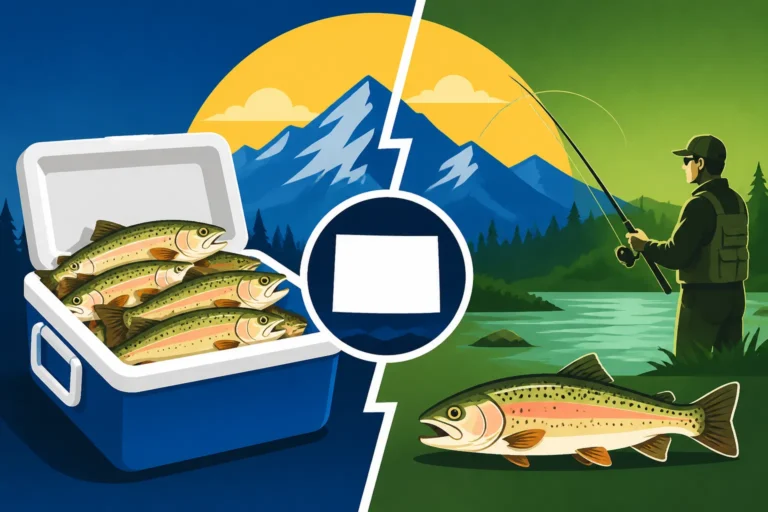
Another key best practice is to be incredibly mindful of your surroundings, especially in crowded areas. Picture yourself at a popular fishing pier: deploying two rods side-by-side without ample space can lead to tangled lines with other anglers, causing frustration for everyone. Always scout out your spot and ensure you have enough room to manage both lines without infringing on others' space. Lastly, and perhaps most importantly, remember that even with two rods, you must strictly adhere to all bag and possession limits. Catching fish on two rods doesn’t mean you get to keep twice as many. Familiarize yourself with Colorado Bag and Possession Limits by Species to avoid any penalties. Being a responsible angler ensures everyone can continue to enjoy Colorado’s fantastic fishing opportunities.
Common Misconceptions and Penalties
It's easy to misunderstand regulations, especially when they differ from other states or seem counterintuitive. The Colorado Second-Rod Stamp is one area where misconceptions often lead to unintended violations. Clearing these up is vital for a stress-free fishing experience.
"My General License Covers It" and Other Myths
One of the most pervasive myths surrounding two-rod fishing in Colorado is the belief that a general fishing license automatically permits the use of multiple lines. This is unequivocally false. As discussed, your standard Colorado fishing license only covers one rod. The second-rod stamp is a distinct, additional purchase required to legally use that second line. This confusion is understandable, particularly for those who have fished in states where two or more rods might be included with a basic license.
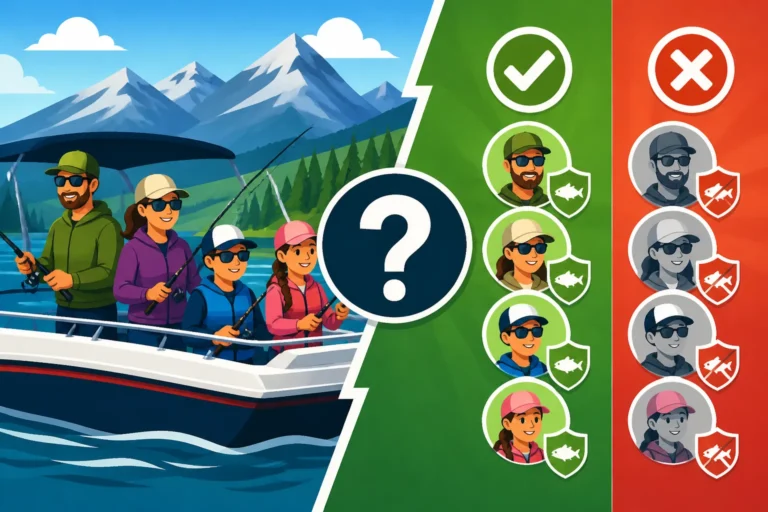
Another common misconception is that if you purchase two separate annual fishing licenses for yourself, you can then use two rods. This is also incorrect. A fishing license is tied to an individual, not to the number of rods they can use. One person, one license, and if they want a second rod, they need the stamp. Holding multiple licenses doesn’t grant additional rod privileges; it just means you bought more licenses than you needed! Always remember that the second-rod stamp is the only way to legally fish with two lines in approved waters, regardless of how many base licenses you might hold.
Consequences of Fishing Without a Second-Rod Stamp
Ignoring or being unaware of the second-rod stamp requirement can lead to some rather unpleasant consequences. Colorado Parks and Wildlife officers are highly trained and actively patrol fishing access points across the state. They are well-versed in all regulations, including the nuances of the two-rod rule. If a CPW officer observes you fishing with two rods without the proper stamp, they will typically issue a summons or a citation.
The penalties for fishing without the required stamp are similar to those for other minor fishing violations. This usually involves a fine, which can range from approximately $50 to $100 or more, plus court costs and surcharges. While it might seem like a small amount, it's a completely avoidable expense for a $5 stamp. Beyond the financial penalty, a violation can also result in points being assessed against your hunting and fishing license privileges, potentially affecting your ability to purchase licenses in the future. It’s simply not worth the risk. Always carry proof of your current fishing license and any required stamps, whether it’s a physical copy or a digital version on your phone. Our article, What Happens If You Fish in Colorado Without a License, delves deeper into the repercussions of non-compliance.
Table: Two-Rod Fishing Rules in Colorado at a Glance
To make it even clearer, here’s a quick comparison of fishing with one rod versus two rods in Colorado:
| Feature | Standard One-Rod Fishing | Two-Rod Fishing (with Second-Rod Stamp) |
|---|---|---|
| Primary Requirement | Valid Colorado Fishing License | Valid Colorado Fishing License + Second-Rod Stamp |
| Cost | Annual fishing license cost (varies by residency/age) | Annual fishing license cost + $5 Second-Rod Stamp |
| Allowed Waters | All legally accessible fishing waters in Colorado | Most lakes, reservoirs, and ponds (still water) |
| Restricted Waters | N/A (one rod always allowed if licensed) | Rivers, streams, and most flowing waters |
| Ice Fishing | Allowed (one rod) | Allowed (two rods) |
| Key Benefit | Simple compliance, traditional angling | Increased efficiency, ability to target multiple species/methods |
| Key Restriction | Limited to one line | Not allowed on moving waters; must maintain attendance of both rods |
| Penalty for Violation | Fishing without license carries significant fines/issues | Fishing without stamp results in fines/citations (avoidable for $5) |
Step-by-Step: How to Get Your Colorado Second-Rod Stamp
Now that you're well-versed in the importance and rules of the second-rod stamp, let's walk through exactly how to acquire one. The process is designed to be user-friendly, ensuring that adding this privilege to your license is quick and easy.
Online Purchase Through CPWShop.com
For many anglers, the most convenient way to purchase their fishing license and the associated Second-Rod Stamp is online through the official Colorado Parks and Wildlife website, CPWShop.com. This platform is available 24/7, meaning you can buy your license and stamp from the comfort of your home, anytime that suits you.
When you navigate to CPWShop.com, you'll be prompted to log in or create an account if you're a new user. Once you're in, you can select your desired fishing license type (annual, one-day, five-day, resident, nonresident, etc.). As you proceed through the purchase steps, you'll encounter various add-on options, and the "Second-Rod Stamp" will be clearly listed. Simply check the box or add it to your cart, and it will be integrated into your total purchase. The system will then generate a digital copy of your license and stamp, which you can print at home or save to your smartphone. This digital version is legally valid and accepted by CPW officers in the field. This online method is often the quickest and most hassle-free way to ensure you're compliant. For a more detailed walkthrough of the online process, refer to Buying a Colorado Fishing License Online at CPWShop.com.
In-Person and Phone Purchase Options
If you prefer a more traditional approach, or if you find yourself needing a license and stamp while out and about, there are plenty of in-person options available across Colorado. CPW partners with numerous authorized sales agents, including many Walmart locations, local sporting goods stores, bait shops, and some general merchandise stores. You can usually spot these locations by looking for a "Colorado Parks and Wildlife License Agent" sign.
When you visit one of these agents, simply inform the clerk that you'd like to purchase a fishing license and request to add the "Second-Rod Stamp" to your purchase. They will guide you through the process, which usually involves providing some personal identification and payment. You'll receive a physical copy of your license and stamp right on the spot. This can be particularly helpful if you're traveling and suddenly decide to fish, or if you prefer having a tangible document in your wallet.
Additionally, if you have questions or prefer to speak with someone directly, you can also purchase your license and stamp over the phone. CPW provides a customer service number where representatives can assist you with your purchase. They will walk you through the options, process your payment, and then you can either have your license mailed to you (though this can take time) or receive instructions on how to access a digital version. For those who prefer direct communication, our guide on Buying a Colorado Fishing License by Phone offers all the necessary contact details.
Verifying Your Purchase and Carrying Proof
Once you've made your purchase, whether online, in person, or by phone, the final critical step is to verify that the Second-Rod Stamp is correctly affixed or associated with your fishing license and to ensure you carry proof when you go fishing. If you purchased online and printed your license, look for the "Second-Rod Stamp" clearly indicated on the document. If you saved it to your phone, ensure the digital copy visibly displays the stamp. If you bought it in person, the clerk should issue a combined license with the stamp printed on it.
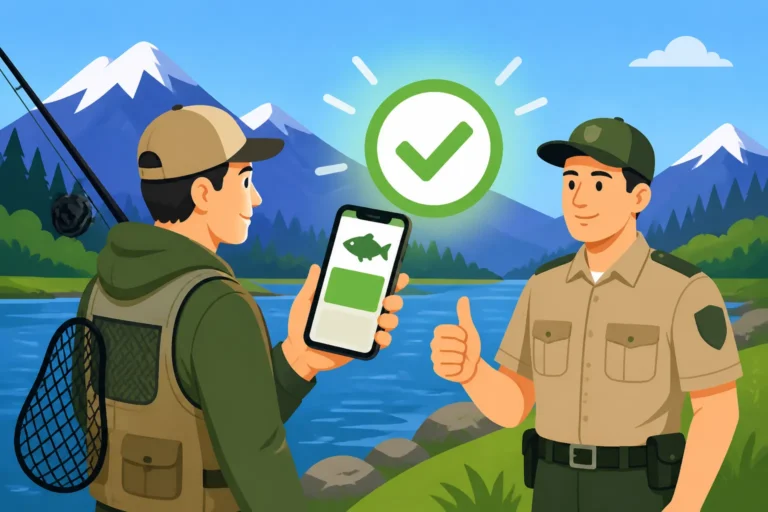
It's absolutely essential to have this proof readily available whenever you are fishing with two rods. CPW officers conduct random checks, and if you are found with two lines in the water without a valid stamp, you will face the consequences, regardless of whether you genuinely forgot or mistakenly thought you purchased it. Keep your license (and stamp) in a waterproof holder, stored securely in your vest pocket, or easily accessible on your smartphone. Don't let a small oversight turn a relaxing day on the water into a stressful encounter. Always double-check your documents before you head out, and if in doubt, review Reading Colorado's Fishing Regulations Brochure for the most current rules.
Disclaimer
Please remember that fishing regulations can change. While every effort has been made to provide accurate and up-to-date information in this guide, it is always your responsibility to consult the current Colorado Parks and Wildlife fishing regulations brochure or website before heading out. State regulations supersede any information found here.