Colorado’s Urban Fishing Program License Rules
It can be incredibly frustrating to want to enjoy a relaxing afternoon fishing, especially with family, only to feel overwhelmed by confusing license requirements. Many of us just want to find a convenient, local spot to cast a line without having to drive for hours or navigate overly complex regulations. This comprehensive guide is here to clear up all the nuances of Colorado's Urban Fishing Program license rules, ensuring you know exactly what you need to fish responsibly and enjoyably in your local community ponds and lakes.
Understanding Colorado's Urban Fishing Program
Colorado's Urban Fishing Program is a fantastic initiative by Colorado Parks and Wildlife (CPW) designed to bring fishing opportunities closer to home for residents, especially those in bustling metropolitan areas. It’s all about creating accessible, family-friendly fishing experiences without the need for extensive travel to remote mountain lakes or rivers.
What the Urban Fishing Program Is All About
The core idea behind the Urban Fishing Program is pretty simple: make fishing easy and fun for everyone. CPW stocks various community ponds and lakes throughout urban and suburban areas, like those in the Denver metro area, Colorado Springs, Fort Collins, and other population centers. These waters are managed specifically for recreational angling, meaning they're often stocked with catchable-sized trout, catfish, bass, and other species multiple times a year. This consistent stocking ensures there's usually something biting, which is perfect for beginners, kids, or anyone looking for a quick and rewarding fishing trip after work or on a weekend. The program focuses on providing easy access, often with paved paths, restrooms, and other amenities that make a fishing outing more comfortable than a rugged backcountry adventure.
Key Benefits and Accessibility
The benefits of the Urban Fishing Program are truly immense, particularly for busy families or individuals new to the sport. First and foremost is the convenience. Imagine being able to grab your fishing rod and be at a productive fishing spot within a 10 or 15-minute drive from your house. This accessibility dramatically reduces barriers to participation, making it easier for kids to try fishing for the first time without a huge time commitment or expensive travel. These urban ponds are typically well-maintained, safe, and often feature amenities like fishing piers, making them ideal for all ages and abilities. For instance, ponds like those in Denver's City Park or Berkeley Lake are prime examples of waters managed under this program, providing countless hours of enjoyment for local anglers. You might be surprised at the quality of fishing you can find right in your backyard, often stocked with species like rainbow trout and channel catfish, ensuring a fun experience.
License Requirements for Urban Fishing
When it comes to fishing in Colorado's Urban Fishing Program waters, the first thing on most people's minds is, "Do I even need a license?" The answer, generally, is yes, but there are some important age-based exemptions that are truly helpful for families.
Who Needs a License and Who Doesn't
Colorado Parks and Wildlife has a pretty clear structure for who needs a fishing license, and these rules apply universally, whether you're fishing a remote mountain stream or an urban pond in Washington Park.
- Kids 15 and Under: This is fantastic news for families! If your child is 15 years old or younger, they do not need a Colorado fishing license to fish any public water, including those under the Urban Fishing Program. This exemption is a huge encouragement for parents to get their kids outdoors and introduce them to fishing without the added cost or paperwork. It simplifies things immensely for family outings. However, even if they don't need a license, they are still subject to all other fishing regulations, such as bag and possession limits, and bait restrictions. For more detailed information on this, you can check out our guide on whether fishing is free for kids 15 and under in Colorado.
- Adults Ages 16 to 64: If you fall into this age bracket, you must possess a valid Colorado fishing license to fish in any public waters, including all Urban Fishing Program locations. There are no special exemptions for urban waters; a standard annual, one-day, or five-day license is required. This applies whether you're a resident or a nonresident.
- Seniors 65 and Older: Colorado offers some beneficial provisions for its senior anglers. While residents 65 and older generally need a license, they often qualify for discounted rates. It’s always best to check the current rates and specific requirements through CPW, as these can occasionally be updated. For a comprehensive look at these benefits, consult our article on Colorado Fishing Licenses for Seniors and Veterans.
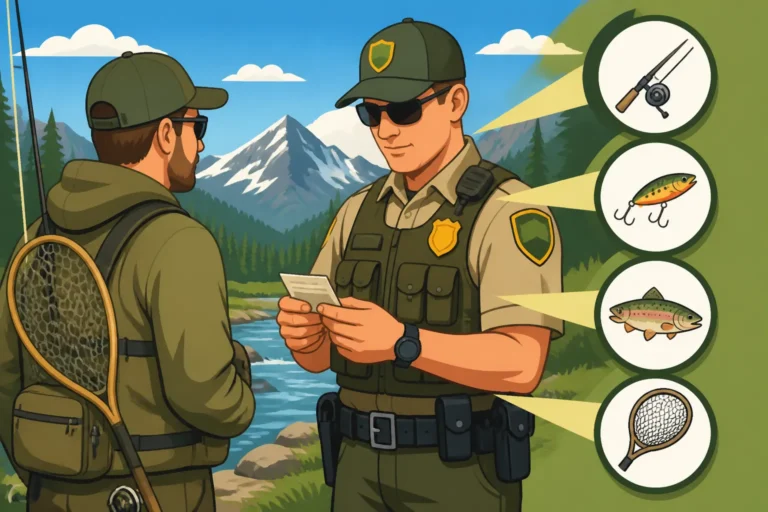
It’s crucial to understand that these age requirements are strictly enforced. A game warden can and will check for licenses even at popular urban fishing spots. Ignorance of the rules is not an excuse, and fishing without a valid license when required can lead to fines and penalties.
Specific Licenses for Urban Waters
A common question is whether there's a special, separate license specifically for the Urban Fishing Program. The good news is, no, there isn't. Your standard Colorado fishing license is all you need. Whether you purchase an annual license, a five-day license for a short trip, or even just a one-day license for a spontaneous outing, any of these will cover you for urban fishing. This streamlines the process, so you don't have to worry about buying multiple types of licenses for different bodies of water within the state. The focus of the Urban Fishing Program is on providing readily stocked waters, not on creating a separate licensing category. This means the process for obtaining your license is the same as it would be for fishing any other public water in Colorado. You can find detailed information on the different options in our guide on Colorado's Annual, One-Day and Five-Day License Options.
The Habitat Stamp Requirement
Ah, the Colorado Habitat Stamp – this is one often overlooked detail that can catch anglers by surprise. For most adult resident and nonresident anglers aged 18 to 64, a Habitat Stamp is required in addition to your fishing license. This stamp supports vital wildlife habitat conservation efforts across the state.
- Who Needs It: If you're an adult (18-64 years old) purchasing a fishing license, you will typically be required to buy a Habitat Stamp once per license year. This applies whether you're fishing in a remote wilderness or an urban pond. It’s usually added automatically to your cart when you buy your first license for the year. Our detailed guide, Colorado's Habitat Stamp, Explained, can give you a deeper dive into this important fee.
- Who is Exempt: Certain groups are exempt from the Habitat Stamp requirement, including youth under 18 and seniors 65 and older. If you fall into one of these categories, you generally won't need to purchase a Habitat Stamp. For those wondering, our resource on Who Is Exempt From Colorado's Habitat Stamp provides a thorough explanation. The funds generated by these stamps are crucial for maintaining and improving the very habitats that make Colorado such an incredible place to fish and enjoy wildlife.
It's important to remember that just because you're fishing in a city park, it doesn't mean you're exempt from supporting the broader conservation efforts of the state. The Urban Fishing Program benefits from healthy ecosystems statewide, so contributing through the Habitat Stamp is part of being a responsible angler.
How to Obtain Your Colorado Fishing License for Urban Waters
Getting your fishing license in Colorado is a straightforward process, thanks to modern technology and widespread availability. You have a few convenient options, whether you prefer to do it from your couch or during a quick errand run.
Purchasing Online and Via Phone
The easiest and most common way to get your Colorado fishing license is online directly through the Colorado Parks and Wildlife (CPW) website, CPWShop.com. This method is incredibly convenient and allows you to purchase your license 24/7 from anywhere with an internet connection.
- Visit CPWShop.com: Navigate to the official CPW licensing portal.
- Create/Log In to Your Account: If you're a returning angler, log in with your customer ID (found on previous licenses). New users will need to create a profile, providing basic information like name, date of birth, and residency proof.
- Select Your License: Choose the type of fishing license you need (annual, one-day, five-day, resident, nonresident). The system will automatically prompt you to add a Habitat Stamp if required for your age group and residency status.
- Complete Purchase: Pay securely with a credit card.
- Print or Save: After purchase, you'll receive a confirmation and a printable license. You can print it at home or save a digital copy to your phone. CPW accepts digital licenses shown on your smartphone, which is a huge convenience when you're out on the water. Our guide on Buying a Colorado Fishing License Online at CPWShop.com walks you through this step-by-step.
If you prefer to speak with someone or have questions, you can also purchase a license over the phone by calling CPW's licensing contact center during business hours. This is a good option if you run into technical difficulties online or prefer direct assistance.
In-Person Purchase Options
For those who prefer a more traditional approach, or if you simply need a license while you're already out and about, there are numerous authorized license agents across Colorado.
- Sporting Goods Stores: Major retailers like Bass Pro Shops, Cabela's, and local independent fly shops are excellent places to buy a license. Staff at these locations can often answer specific questions about local regulations or suggest appropriate gear.
- Chain Retailers: Many Walmart locations and other department stores with sporting goods sections are authorized license vendors. This makes it incredibly easy to pick up a license while doing your grocery shopping or running other errands. Just head to the customer service or sporting goods counter.
- CPW Offices: You can always visit a Colorado Parks and Wildlife office during business hours to purchase a license. This is a great option if you have complex questions or need specific assistance that a general retailer might not be able to provide.
These in-person options are particularly handy if you’re traveling through Colorado and need to pick up a nonresident license on the fly. Don't forget, while you're at one of these stores, you might want to pick up some basic gear for urban fishing. Sites like Amazon offer a huge selection of entry-level spinning rods and tackle boxes that are perfect for beginners getting into the Urban Fishing Program.
What to Carry When Fishing
Once you've secured your license, it's vital to have proof of it on hand whenever you're fishing. Colorado Parks and Wildlife offers flexibility in how you can display your license:
- Printed Copy: A physical printout of your license is always acceptable. Many anglers keep it laminated or tucked into a wallet or tackle box.
- Digital Display: As mentioned, CPW accepts digital licenses displayed on your smartphone. This is incredibly convenient, as most people always have their phone with them. Just make sure your phone is charged! Our article, Is a Digital Colorado Fishing License on Your Phone Accepted?, delves into the specifics of this.
- Valid ID: Always carry a valid form of identification (driver's license, state ID) with you. A game warden may ask to see it to verify your identity and residency status, especially if you've purchased a resident license.
Failing to produce a valid license upon request from a wildlife officer can result in significant fines and penalties, even if you genuinely purchased one but just forgot to bring it. It’s always better to be prepared.
Common Urban Fishing Regulations Beyond the License
While having a license is the first step, understanding the specific rules for urban fishing waters is equally important. These waters are managed intensively, and as such, often have unique regulations designed to ensure sustainable fishing and a quality experience for everyone.
Daily Bag and Possession Limits
Urban fishing ponds are typically stocked frequently, but to ensure that fish are available for all anglers and to maintain healthy populations, CPW often implements specific daily bag and possession limits. These limits can sometimes be stricter than those on larger, wilder bodies of water.
- Species-Specific Limits: Expect limits for rainbow trout, catfish, and sometimes bass. For instance, an urban pond might have a limit of 2-4 trout per day, or a specific slot limit for bass to protect larger breeding fish. It's not uncommon for these rules to be posted clearly at the access points of the pond.
- Daily vs. Possession: Remember the difference between daily bag limits (what you can harvest in a 24-hour period) and possession limits (the total number of fish you can have in your possession, including at your home, at any given time). These are typically the same for urban waters but can differ in other areas. For a general overview, refer to Colorado Daily Bag Limits by Species.
Always, always check the current CPW fishing regulations brochure (available online or at license vendors) or look for signs posted at the specific urban pond you plan to fish. Regulations can vary from one pond to another, even within the same city.
Bait and Gear Restrictions
Some urban fishing locations, especially those designated for youth or beginners, might have specific rules regarding bait and gear. These are often in place to promote fair chase, reduce environmental impact, or ensure a more consistent fishing experience.
- Artificial Lures Only: Some ponds, particularly those aiming to foster catch-and-release practices, may restrict fishing to artificial flies and lures only, or even require barbless hooks. This is less common in general urban ponds but can occur in certain designated areas.
- Prohibited Baits: Certain baits, such as live minnows (which could introduce invasive species), might be prohibited. Standard baits like worms, PowerBait, or corn are generally accepted but always check.
- Number of Rods: While Colorado generally allows fishing with two rods if you purchase a Colorado's Second-Rod Stamp and Who Needs One, some smaller urban ponds or heavily fished areas might restrict you to only one rod per angler.
Again, the golden rule is to check the specific regulations for the water you intend to fish. These rules are usually posted on signs at the pond's entrance or along its banks, or detailed in the CPW regulations brochure. For a quick tackle upgrade, you can find a good selection of Colorado-compliant artificial lures and scent-free baits on Amazon.
Catch-and-Release vs. Keeping Fish
Most urban fishing programs are designed to allow for keeping fish, as they are often stocked with fish specifically intended for harvest. However, there might be specific species or size limits where catch-and-release is either encouraged or mandated.
- Harvesting Stocked Fish: For species like rainbow trout, which are frequently stocked in urban ponds, it’s generally expected that anglers will keep their legal limit. This helps cycle the fish populations and makes room for new stockings.
- Protecting Native or Breeding Fish: If a pond also supports populations of native warmwater fish like largemouth bass or crappie, there might be size restrictions to protect the breeding stock. For example, all bass under 15 inches might be required to be immediately released.
- Responsible Handling: Whether you're keeping or releasing, always practice responsible fish handling. Minimize time out of water, use wet hands, and release fish gently if you're not keeping them. This ensures the health and survival of the fish, contributing to the overall quality of the fishery.
Always be mindful of the posted rules and consider practicing selective harvest to ensure everyone gets a chance to enjoy the bounty of Colorado's urban fishing waters. These programs thrive when anglers are educated and responsible.
Colorado Urban Fishing License Requirements at a Glance
To quickly summarize the key license requirements for Colorado's Urban Fishing Program, here's a helpful table:
| Age Group | Fishing License Required? | Habitat Stamp Required? (For first license of year) | Notes |
|---|---|---|---|
| 0-15 Years Old | No | No | Must still follow all fishing regulations (bag limits, bait restrictions). |
| 16-64 Years Old | Yes | Yes (for residents and nonresidents) | Standard resident or nonresident license needed. |
| 65+ Years Old | Yes (often discounted) | No | Discounted resident senior licenses available. |
Disclaimer
The information provided in this guide is intended for general informational purposes only and is subject to change. While we strive to offer accurate and up-to-date content, Colorado Parks and Wildlife regulations can be modified at any time. It is the angler's responsibility to consult the most current official Colorado Parks and Wildlife fishing regulations brochure or website (CPW.State.CO.US) before engaging in any fishing activities. Always check specific regulations for the body of water you intend to fish, as rules can vary by location.