Colorado’s Gold Medal Waters Explained
Hearing the term "Gold Medal Water" in Colorado often sparks images of pristine rivers teeming with massive trout, but if you're like many anglers, you might not fully understand what that designation truly means, or even where these fabled waters are located. It can be confusing trying to decipher the special regulations that apply to these spots, leaving you wondering if you're even allowed to fish there or if you need some kind of secret handshake. This comprehensive guide is here to cut through that confusion, explaining exactly what makes a Colorado waterway "Gold Medal," where you can find these incredible fisheries, and how to enjoy them responsibly.
Understanding Colorado's Gold Medal Waters
Colorado is renowned for its incredible trout fishing, attracting anglers from all over the world. But among its many beautiful rivers and lakes, a select few hold a special designation: "Gold Medal Water." This isn't just a catchy phrase; it's a formal recognition by Colorado Parks and Wildlife (CPW) of an outstanding cold-water fishery that provides exceptional angling opportunities for large trout. It’s a badge of honor, signifying waters of truly remarkable quality.
What "Gold Medal" Truly Means
When CPW designates a stretch of river or a lake as "Gold Medal Water," it's not a casual decision. There are very specific, scientific criteria that must be met, all aimed at identifying fisheries that support robust populations of large, healthy trout. The idea is to highlight and protect the very best of what Colorado has to offer, ensuring that these areas remain world-class destinations for generations to come. This designation helps anglers know where to find top-tier fishing experiences, but it also signals a higher level of conservation importance.
The designation isn't just about pretty scenery, though these places often have it in spades. It’s about the fish themselves: their size, their numbers, and the health of their habitat. Imagine a river so fertile that its trout grow to impressive sizes, offering a challenge and a thrill for any angler. That's the essence of a Gold Medal Water. These aren't just good fishing spots; they're the best fishing spots, recognized by the state for their biological excellence.
The History and Purpose of the Program
The Gold Medal Water program was established by CPW with a clear mission: to identify, protect, and enhance Colorado's most productive cold-water fisheries. Back in the day, the state realized the immense value of these unique ecosystems, not just for recreation but for their ecological significance. The program was designed to serve as a benchmark for quality, guiding conservation efforts and angler expectations. It helped focus resources on maintaining and improving these specific stretches of water.
The purpose goes beyond mere bragging rights. By formally designating these waters, CPW can implement targeted management strategies, including special regulations, habitat improvement projects, and monitoring programs, all aimed at sustaining these exceptional fisheries. It's a proactive approach to conservation, ensuring that even with increased angler pressure, the quality of these waters remains uncompromised. For anglers, it acts as a trusted guide, pointing them toward locations where they have a legitimate chance of catching the fish of a lifetime while also understanding the importance of responsible angling.
Why These Waters Are So Special
What truly sets Gold Medal Waters apart is their combination of abundant fish populations, the presence of trophy-sized trout, and typically, incredible natural beauty. When you step into a Gold Medal stretch, you’re often surrounded by stunning landscapes, from dramatic canyons to serene mountain valleys. This combination creates an immersive and deeply satisfying angling experience that’s hard to replicate elsewhere. These waters are not just good for catching fish; they are places where you can connect deeply with nature.
The fish themselves are a major draw. Many anglers dream of hooking a large, wild trout, and Gold Medal Waters are specifically managed to make that dream a reality. These fish are often stronger, smarter, and more vibrant than their counterparts in less productive waters, providing an exhilarating fight. The challenging yet rewarding nature of fishing in these areas is a big part of their allure. Moreover, the stringent regulations in place often mean these fish are less pressured by harvest, allowing them to grow to impressive sizes and develop a keen sense of self-preservation, making them even more thrilling to pursue.
The Criteria for Gold Medal Designation
The Gold Medal Water designation isn't handed out lightly. Colorado Parks and Wildlife adheres to a strict set of biological and public access criteria to ensure that only the most exceptional fisheries receive this esteemed status. Understanding these benchmarks helps anglers appreciate the effort that goes into maintaining these waters and the value they hold.
Trout Population Density
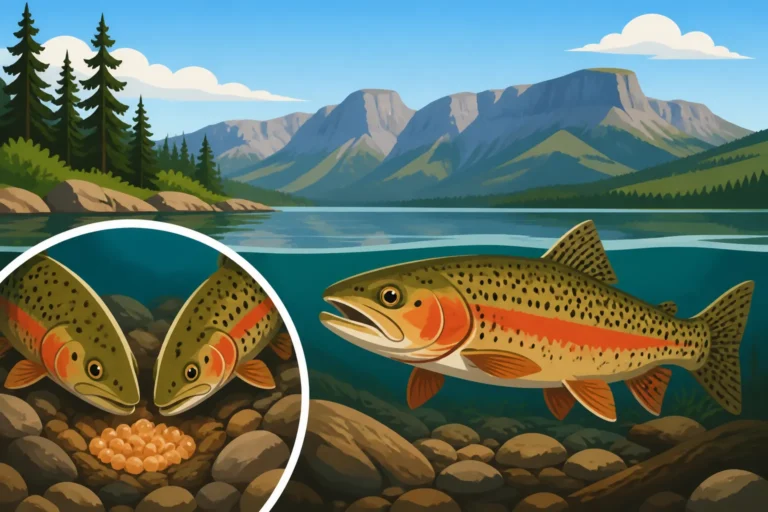
One of the primary factors for Gold Medal status is a high trout population density. Specifically, a designated stream segment must consistently support a minimum of 60 pounds of trout per acre. Imagine a vibrant underwater ecosystem where fish thrive, finding ample food and ideal conditions for growth. This density isn't just about having a lot of small fish; it implies a healthy and productive environment that can sustain a large biomass.
This criterion ensures that the designated water isn't just a fleeting good spot but a consistently rich fishery. CPW conducts regular surveys, often using electrofishing techniques, to accurately assess the biomass. If a stretch of water consistently falls below this threshold, it risks losing its Gold Medal status, reinforcing the program's commitment to scientific rigor and ongoing management. This measure also speaks to the incredible productivity of these specific waterways, often fueled by nutrient-rich waters and stable habitats.
Trophy Trout Presence
Beyond sheer numbers, Gold Medal Waters must also offer a legitimate chance to catch truly large trout. The second key criterion mandates that a designated stream segment must support at least 60 "quality" trout per acre, with "quality" defined as trout measuring 14 inches or longer. This is where the "trophy fish" aspect comes into play, a major draw for many serious anglers.
This focus on larger fish indicates a mature and healthy fishery where trout not only survive but also grow to impressive sizes. For anglers, it means that while you might catch smaller fish, there's a significant population of larger, more challenging fish actively present. These are the fish that test your skill, patience, and equipment. This criterion is particularly exciting for fly anglers seeking to "match the hatch" for a selective, wary fish or spin casters looking for a memorable fight. It’s not just about quantity; it’s about the quality of the angling experience, epitomized by the chance to land a substantial fish.
Public Access Requirements
While robust fish populations are critical, the Gold Medal program also emphasizes accessibility. A Gold Medal Water designation requires that a significant portion of the designated stretch (at least 2.5 miles of stream or 50 acres of lake) must be open to public fishing. This ensures that these premier fishing opportunities are available to everyone, not just those with access to private land.
This public access component is vital to the spirit of the program, reflecting Colorado’s commitment to providing outstanding outdoor recreation for all its citizens and visitors. It means that when you plan your trip, you can be confident that you’ll be able to get on the water and enjoy the fishing without needing special permissions or trespassing. CPW works diligently to secure and maintain these public access points, often partnering with private landowners or through state parks and wildlife areas. This blend of ecological excellence and public availability is what truly makes Colorado's Gold Medal Waters a national treasure.
Navigating Gold Medal Water Regulations
Fishing in Colorado's Gold Medal Waters comes with a unique set of responsibilities. These special designations mean special rules, all designed to protect the exceptional quality of these fisheries. It's crucial for every angler to understand and adhere to these regulations, not just to avoid penalties, but to actively contribute to the conservation of these precious resources. Ignorance of the rules is no excuse, and violating them can severely impact these delicate ecosystems.
Unique Rules and Restrictions
The regulations on Gold Medal Waters are often more stringent than those found on general public waters. You might encounter restrictions such as mandatory catch-and-release, requirements for artificial lures and flies only, and perhaps most commonly, a stipulation for barbless hooks. The goal of these rules is clear: to minimize stress and injury to the fish, especially the larger, more sensitive trout that define these waters.
For instance, many Gold Medal stretches will have a specific "no bait" rule, meaning you cannot use live or prepared baits like worms or PowerBait. This helps prevent the accidental introduction of disease or invasive species, and it encourages more skillful angling techniques. The use of barbless hooks is another common regulation, and it's perhaps one of the most effective tools for reducing fish mortality. A barbless hook causes less tissue damage and can be removed quickly, allowing the fish to return to the water with minimal harm. You can learn more about specific requirements by checking out the guide on Barbless Hook Rules on Colorado Rivers.
Protecting These Fragile Ecosystems
Every angler has a role to play in protecting these fragile ecosystems. Beyond following the rules, adopting a "leave no trace" ethic is paramount. This means packing out everything you pack in, being mindful of streamside vegetation, and avoiding disturbing wildlife. The sheer popularity of Gold Medal Waters means they can easily become overused if not treated with the utmost respect.
Consider the delicate balance of a river ecosystem. Bank erosion from excessive foot traffic can degrade spawning grounds. Litter can introduce pollutants and harm wildlife. Even improper wading can crush insect larvae that form the base of the trout's food chain. Anglers should strive to be stewards of these waters, leaving them in better condition than they found them. This includes being aware of your surroundings and actively participating in clean-up efforts if you see trash. The future of these Gold Medal fisheries depends on the collective actions of those who enjoy them.
Checking Specific Water Regulations
It’s an absolute must to check the specific regulations for any Gold Medal Water you plan to visit, as they can vary significantly from one stretch to another. Colorado Parks and Wildlife publishes a comprehensive fishing regulations brochure annually, which is your go-to source. This brochure, available online and at most license vendors, details all special regulations, including those for Gold Medal Waters.
Before heading out, make it a habit to look up the exact stretch of river or lake you intend to fish. For example, while one Gold Medal section of the South Platte might be strictly catch-and-release with artificial flies only, another might have a specific size limit for brown trout or allow spin fishing with certain lures. Not doing your homework can lead to fines, but more importantly, it can negatively impact the very fish you're trying to enjoy. Don't forget to review guides like Colorado Fishing Regulations Every Angler Should Know to ensure you're fully prepared. You can also explore specific questions like Can You Use Bait in Colorado's Gold Medal Waters? to clear up any doubts.
Premier Gold Medal Rivers in Colorado
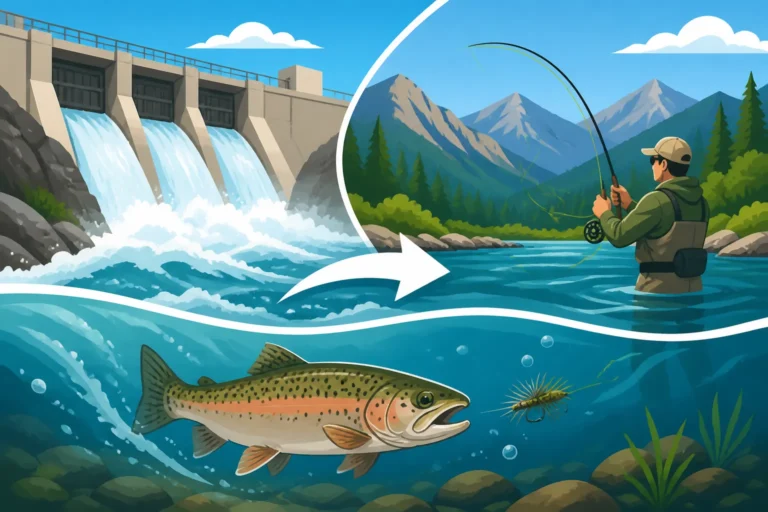
Colorado is blessed with numerous Gold Medal river segments, each offering its own unique charm and angling challenges. These rivers are often referred to as tailwaters, meaning they flow below large dams, benefiting from consistently cold water and abundant insect life, which allows trout to grow large and healthy.
The Fryingpan River
The Fryingpan River, flowing out of Ruedi Reservoir near Basalt, is arguably one of Colorado's most famous Gold Medal Waters. It's often simply called "the Pan" by local anglers. This river is renowned for its incredibly clear, cold water and a phenomenal population of large, selective trout, particularly rainbow and brown trout. The section known as "The Toilet Bowl," directly below the dam, is legendary for its massive fish, though they are often incredibly challenging to catch due to heavy angling pressure and gin-clear water.
The Fryingpan is a technical fishery, demanding precise casts and excellent fly selection. Midges, tiny mayflies, and small stoneflies are common hatches, and matching these microscopic insects can be frustrating but incredibly rewarding. Wade fishing is popular here, but be mindful of the slick rocks and fast currents. Anglers should read the detailed guide on Fishing Colorado's Fryingpan River Below Ruedi Reservoir to prepare for this world-class experience. The river's beauty, surrounded by stunning mountain scenery, adds to its allure, making every cast a memorable one, even if the fish are playing hard to get.
The South Platte River
The South Platte River holds several Gold Medal stretches that are iconic in Colorado fly fishing circles. From the famed "Dream Stream" to the challenging waters of Cheesman Canyon and the more accessible sections near Deckers, the South Platte offers a diverse range of experiences. The Dream Stream, located between Spinney Mountain Reservoir and Eleven Mile Reservoir, is particularly famous for its incredible runs of spawning trout and kokanee salmon in the spring and fall.
Cheesman Canyon, a rugged and scenic gorge, offers a more solitary and demanding experience, requiring a hike to access its pristine waters. The fish here are wild, wary, and often large. Further downstream, the waters near Deckers are more accessible but still hold abundant trout, making them a popular choice. Each section presents its own unique challenges and rewards, but all are united by the opportunity to catch truly exceptional trout. A deep dive into Fishing the Dream Stream and Cheesman Canyon on Colorado's South Platte will give you invaluable insights into these specific stretches.
The Arkansas River
The Arkansas River, particularly the 102-mile stretch from Leadville to Parkdale, boasts two significant Gold Medal sections. The waters from Buena Vista to Salida and then through Bighorn Sheep Canyon offer fantastic opportunities for both wade and float fishing. This river is known for its strong populations of brown and rainbow trout, thriving in its diverse riffles, runs, and pools.
Unlike some of the more technical tailwaters, the Arkansas often fishes well with larger nymph patterns and streamers, especially during higher flows. It's also a fantastic dry fly fishery when hatches are on, particularly later in the summer. The river flows through stunning canyons and valleys, providing a dramatic backdrop for your angling adventures. The sheer length of its Gold Medal designation means there's always a new bend to explore, a new pocket to cast into, and a new challenge to embrace. The rafting community also shares this river, so it's a vibrant, multi-use waterway.
The Gunnison River
The Gunnison River, especially the stretch below Blue Mesa Dam and through the dramatic Black Canyon and Gunnison Gorge, is another crown jewel of Colorado's Gold Medal program. Accessing the Black Canyon can be an arduous adventure, often requiring a strenuous hike or a guided float trip, but the reward is an unparalleled wilderness fishing experience for large, wild brown and rainbow trout.
The Gunnison Gorge is particularly remote and requires a permit for overnight stays or float trips, but it's home to some of the most untouched and productive waters in the state. Further upstream, the Taylor River, a tributary that joins the Gunnison near Almont, is also a highly regarded Gold Medal fishery, particularly the tailwater below Taylor Park Reservoir, known for producing truly monstrous trout. For those seeking an epic adventure, Fishing Colorado's Gunnison River and the Black Canyon is a must-read for planning.
The Blue River
The Blue River tailwater, flowing through Silverthorne, is an urban Gold Medal fishery that defies expectations. Despite its proximity to civilization, this short but incredibly productive stretch of river holds an astounding number of large trout, primarily rainbows and browns. The cold, clear water released from Dillon Reservoir creates an ideal environment for trout and a dense population of aquatic insects.
Fishing the Blue River can be challenging due to its clarity and the often-pressured fish, but the rewards are substantial. Anglers frequently spot large fish cruising the bottom, requiring stealth and precise presentations. It's a fantastic place to hone your nymphing and midge fishing skills, especially during the colder months when tiny insect patterns are key. Don't let the surrounding town fool you; this is serious trout water that demands respect and skillful angling.
The Roaring Fork River
The Roaring Fork River, from its headwaters near Aspen down to its confluence with the Colorado River in Glenwood Springs, offers several Gold Medal stretches renowned for their scenic beauty and abundant trout. This freestone river (meaning it’s not regulated by a dam for cold water) is famous for strong hatches of mayflies, caddis, and stoneflies, making it an excellent dry fly fishery, especially in summer.
You can find excellent public access points along much of the Roaring Fork, even through sections of downtown Aspen and Basalt. It's a fantastic river for both wade and float fishing, with strong populations of brown and rainbow trout, and even some native cutthroats in its upper reaches. The Roaring Fork’s character changes as it descends from the high country, offering varied fishing experiences along its length, from intimate pocket water to broader, meandering sections.
The Colorado River
While often thought of as a massive river, certain stretches of the Colorado River within Colorado itself are designated as Gold Medal Waters. One of the most prominent is the section from the confluence with the Fraser River near Kremmling downstream through Glenwood Canyon to the confluence with the Roaring Fork River. This stretch is a powerhouse, home to thriving populations of brown, rainbow, and even some cutthroat trout.
The Colorado River's Gold Medal section is highly regarded for both float and wade fishing. Its larger size means it can handle more pressure and offers a different type of angling experience compared to smaller, more intimate streams. During the fall, the brown trout here can grow to impressive sizes, offering a truly memorable fight. It’s a river that embraces the vastness of the Colorado landscape, providing grand views alongside grand fishing opportunities. For those looking to explore this mighty river, Colorado River Fishing From Glenwood Canyon to Kremmling provides excellent detail.
The Rio Grande
In the scenic San Luis Valley of southern Colorado, the Rio Grande also holds a cherished Gold Medal Water designation. This river is known for its incredible population of large brown trout and its robust wild rainbow trout fishery. The Gold Medal stretch generally runs from the Rio Grande Reservoir downstream to the town of South Fork, offering miles of pristine water.
The Rio Grande can be a challenging river, especially during certain times of the year, but it consistently produces large fish for diligent anglers. It's often less crowded than some of the Front Range Gold Medal Waters, offering a more peaceful and solitary experience. The high-desert landscape and the rugged beauty of the San Juan Mountains provide a stunning backdrop. It's a fantastic destination for those seeking a true wilderness experience combined with top-tier trout fishing, particularly during the shoulder seasons when the weather is crisp and the fish are actively feeding.
Top Gold Medal Lakes and Reservoirs
While Colorado's Gold Medal rivers often get the spotlight, several of the state's stillwater fisheries also boast this prestigious designation. These lakes and reservoirs provide different challenges and rewards, often holding truly enormous trout that thrive in their nutrient-rich environments.
Spinney Mountain Reservoir
Spinney Mountain Reservoir, located in Park County, is widely regarded as one of Colorado's premier Gold Medal stillwater fisheries. This high-elevation reservoir is famous for its massive rainbow and brown trout, with fish regularly exceeding 20 inches. It's a true trophy fishery that attracts anglers from all corners, seeking the thrill of a big fish on a fly or spinning rod.
The reservoir’s rich aquatic insect life and ample forage fish contribute to the incredible growth rates of its trout. Anglers often fish Spinney from float tubes, pontoon boats, or small boats, allowing them to cover more water and access deeper sections where the big fish lurk. Shore fishing is also popular, especially during the spring and fall. The wind can be a significant factor here, often requiring heavier lines or specialized casting techniques. The sheer size and fighting power of Spinney’s trout make it an unforgettable experience, but patience and perseverance are key.
Eleven Mile Reservoir
Just downstream from Spinney, Eleven Mile Reservoir also holds a Gold Medal designation, offering another fantastic stillwater option. While Spinney is more famous for its sheer trophy potential, Eleven Mile is known for its consistent production of large rainbow, brown, and cutthroat trout, along with a thriving kokanee salmon population. It's a massive body of water, providing ample room for anglers to spread out.
Eleven Mile is a popular spot for both boat and shore anglers, and it's particularly well-known for ice fishing during the winter months, where anglers jig for kokanee and trout through the ice. The reservoir's diverse forage base, including scuds and various baitfish, contributes to the healthy growth of its trout. Like Spinney, wind can be a factor, but the sheer size of Eleven Mile often means you can find a sheltered cove. It's a perfect destination for those looking for a comprehensive stillwater experience, especially if you enjoy targeting multiple species.
Antero Reservoir
Nestled in the high country of Park County, Antero Reservoir is another Gold Medal stillwater that often flies under the radar compared to its more famous neighbors. Despite its smaller size, Antero is a powerhouse fishery, consistently producing large rainbow, cutthroat, and brown trout. The reservoir is relatively shallow and extremely fertile, leading to incredibly fast growth rates for its fish.
Antero is a fantastic place for float tube and pontoon boat anglers, allowing easy access to its vast weed beds and drop-offs. Shore fishing can also be productive, especially during the spring and fall when trout cruise the shallows. Due to its fertility, insect hatches can be prolific, and matching these can lead to incredible dry fly action. However, due to its high elevation and shallower nature, Antero can freeze earlier and thaw later than some other reservoirs, making it a prime early and late season ice fishing destination.
Blue Mesa Reservoir
While Blue Mesa Reservoir is famous for its kokanee salmon and trophy lake trout, specific sections or populations within it contribute to a broader Gold Medal designation. The designation focuses on its ability to sustain a high biomass of quality trout. It’s important to clarify that while the entire reservoir offers fantastic fishing, the "Gold Medal" status often refers to the potential for trophy trout rather than every inch of its vast expanse.
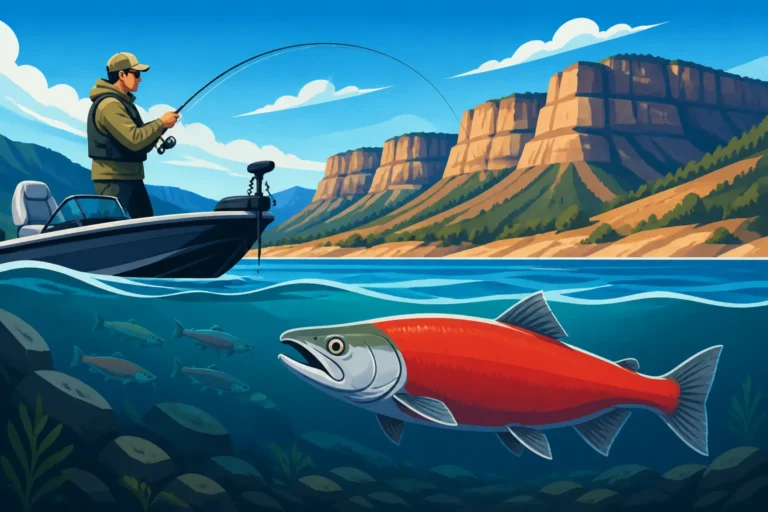
Blue Mesa is Colorado's largest body of water and offers incredible diversity. Anglers here can troll for large lake trout in deep waters, jig for kokanee salmon, or target rainbow and brown trout near inlets and along shorelines. The sheer size of Blue Mesa can be daunting, but it also means there's always a new area to explore. Hiring a charter boat is a popular way to navigate its vastness and target specific species efficiently, and you can often find guides listed on platforms like FishingBooker who specialize in this reservoir's unique challenges. The dramatic canyon scenery around Blue Mesa adds to its appeal, making it a truly grand fishing destination.
| Gold Medal Water | Primary Species | Key Features | Typical Regulations | Best Time to Visit |
|---|---|---|---|---|
| Fryingpan River | Rainbow, Brown | Technical tailwater, clear water, large trout | Artificial flies/lures only, barbless hooks, catch & release common | Spring, Fall |
| South Platte River (Dream Stream, Cheesman Canyon, Deckers) | Rainbow, Brown, Cutthroat, Kokanee | Diverse sections, spawning runs, challenging wild trout | Artificial flies/lures only, barbless hooks, size/bag limits vary | Spring, Fall (spawning), Summer |
| Arkansas River | Brown, Rainbow | Long stretches, diverse fishing (wade/float) | Artificial flies/lures only, barbless hooks, catch & release or specific limits | Summer, Fall |
| Gunnison River (Black Canyon, Gorge) | Brown, Rainbow | Wilderness experience, large wild trout, remote access | Artificial flies/lures only, barbless hooks, catch & release | Late Spring, Summer, Fall |
| Blue River | Rainbow, Brown | Urban tailwater, very clear, abundant large trout | Artificial flies/lures only, barbless hooks, catch & release common | Year-round (excellent winter) |
| Roaring Fork River | Brown, Rainbow, Cutthroat | Freestone, strong hatches, scenic, public access | Artificial flies/lures only, barbless hooks, varying limits | Summer, Fall |
| Colorado River | Brown, Rainbow, Cutthroat | Larger river, float fishing, strong brown trout | Artificial flies/lures only, barbless hooks, varying limits | Summer, Fall |
| Rio Grande | Brown, Rainbow | Remote, wild trout, less crowded | Artificial flies/lures only, barbless hooks, specific limits | Summer, Fall |
| Spinney Mountain Reservoir | Rainbow, Brown | Trophy stillwater, large trout, often windy | Artificial flies/lures only, barbless hooks, catch & release common | Spring, Fall, Ice-off |
| Eleven Mile Reservoir | Rainbow, Brown, Cutthroat, Kokanee | Large stillwater, consistent trout, ice fishing | General fishing rules, often specific bag limits for kokanee | Year-round (popular ice fishing) |
| Antero Reservoir | Rainbow, Cutthroat, Brown | Fertile stillwater, fast growth, large trout | Artificial flies/lures only, barbless hooks, specific limits | Spring, Fall, Ice-off |
| Blue Mesa Reservoir | Lake Trout, Kokanee, Rainbow, Brown | Largest reservoir, diverse species, specific trophy potential | General fishing rules, specific limits for lake trout/kokanee | Year-round |
Essential Gear and Techniques for Gold Medal Waters
Fishing Colorado's Gold Medal Waters demands a thoughtful approach to gear and technique. These are not places for haphazard casting; the fish are often wary and selective, having seen countless flies and lures. Proper preparation and a refined technique will significantly increase your chances of success.
Fly Fishing Essentials
For many, fly fishing is the quintessential method for Gold Medal Waters. A good 9-foot, 4- or 5-weight fly rod is a versatile choice for most rivers, offering enough backbone to handle larger trout while still providing delicate presentation for smaller dries. Pair this with a reliable reel that has a smooth drag system, and a weight-forward floating fly line. Your leader and tippet setup are critical; clear, low-visibility fluorocarbon tippet in sizes 4X to 6X is often necessary for fooling selective trout in clear water.
As for flies, a diverse box is key. You'll need an assortment of nymphs (such as Pheasant Tails, Hare's Ears, and Prince Nymphs in sizes #16-22), dry flies (Elk Hair Caddis, Parachute Adams, BWO patterns), and streamers (Woolly Buggers, Sculpzillas). Midges are often paramount, especially in winter, so having a good selection of tiny midge patterns (Larval, Pupal, and Adult forms, #20-26) is crucial. Don't forget indicators, split shot, and forceps for quick, safe hook removal. You can gain more insight into specific patterns by reading up on Best Flies for Colorado's Gold Medal Trout Water. Waders and wading boots with good traction are also non-negotiable for comfortable and safe access.
Spin Fishing Considerations
While fly fishing often takes center stage, spin fishing can be incredibly effective on Gold Medal Waters, especially in larger rivers and reservoirs. The key is to adapt your gear and technique to the specific regulations and the wary nature of the fish. Lighter action rods (light to medium-light) paired with sensitive reels spooled with 4-6 lb test fluorocarbon or monofilament line are ideal for presenting small lures.
Artificial lures are typically the only option in these areas, so forget the worms. Small spinners (like Mepps, Rooster Tails), spoons (Kastmasters, Dardevles), and minnow-imitating jerkbaits (Rapala, suspending jerkbaits) can be highly productive. Always opt for single, barbless hooks on your lures or crimp down the barbs on treble hooks if they aren't already barbless. Retrieval speed and action are important; experiment to see what triggers a bite. Ethical spin fishing on Gold Medal Waters means exercising extreme care when handling and releasing fish, as these waters are often catch-and-release focused.
Reading the Water and Matching the Hatch
Success on Gold Medal Waters often hinges on your ability to "read the water" and, if fly fishing, "match the hatch." Reading the water means understanding where trout hold: in riffles where oxygen is plentiful, in slower pools where food collects, or behind obstacles offering shelter from the current. Look for subtle current seams, eddies, and submerged structure.
Matching the hatch, for fly anglers, involves identifying the specific insects that are active and emerging from the water and then selecting a fly pattern that closely mimics them in size, shape, and color. This can be a daily, or even hourly, challenge as hatches can be sporadic. Keep a keen eye on the water's surface for rising fish and look under rocks for nymph activity. Even spin anglers can benefit from observing the insect life, as it can inform lure color and size choices. Understanding the seasonal changes in Colorado's fishing can further enhance your approach, as detailed in Colorado Fishing Seasons Month by Month.
Planning Your Trip to Colorado's Gold Medal Waters
Planning a trip to Colorado's Gold Medal Waters involves more than just packing your gear; it requires understanding the best times to visit, considering professional guidance, and ensuring you respect the natural environment and local regulations. A well-planned trip maximizes your enjoyment and impact on these special places.
Best Seasons to Visit
The "best" season to fish Gold Medal Waters depends heavily on your preferred species and technique, as well as the specific water body. Generally, spring (April-May) can be fantastic as ice-off occurs on reservoirs and trout become active, but rivers can experience significant runoff, making fishing challenging. Summer (June-August) offers consistent dry fly fishing on many rivers once runoff subsides, and high-country lakes become accessible.
Fall (September-October) is often considered prime time, especially for brown trout, as they begin their spawning runs, becoming more aggressive. The scenery is also breathtaking with changing aspens. Winter (November-March) can offer incredible opportunities on tailwaters, where consistent water temperatures keep fish active, and ice fishing on reservoirs like Eleven Mile is popular. Each season presents unique challenges and rewards, so researching specific water conditions for your chosen destination is key.
Hiring a Local Guide
For many anglers, especially those new to Colorado or looking to maximize their time on Gold Medal Waters, hiring a local guide is an invaluable investment. A professional guide brings years of experience, intimate knowledge of the local waters, current conditions, and what the fish are biting on. They can teach you local techniques, help you navigate complex regulations, and often access stretches of water you might not find on your own.
Guides often provide all the necessary gear, flies, and tackle, making it an excellent option for beginners or those traveling light. They are also experts in safety, especially when dealing with variable weather or challenging wading conditions. You can find reputable guides and outfitters through local fly shops or by using online booking platforms like FishingBooker. This platform can connect you with experienced Colorado guides who specialize in Gold Medal Waters, helping you find the perfect match for your skill level and fishing goals. Always confirm what's included in the trip and discuss your expectations beforehand.
Respecting Private Land and Public Access Points
While Gold Medal Waters are designated for public access, it's crucial to understand and respect the boundaries of private property that may adjoin or surround these sections. Always consult maps and be aware of "no trespassing" signs. Respecting private landowners is vital for maintaining good relations and ensuring continued public access to these precious fisheries.
Stick to designated public access points, trails, and easements. Never block driveways or access roads, and be mindful of your parking. Leaving gates as you found them (open or closed) is also a simple but important courtesy. Remember that even on public lands, proper etiquette is expected. This includes giving fellow anglers ample space, especially on crowded stretches, and always practicing proper How to Handle Trout for a Safe Release techniques to ensure the long-term health of these precious fish populations.
Conservation and the Future of Gold Medal Waters
Colorado's Gold Medal Water program is not just about identifying great fishing; it's fundamentally about conservation. These exceptional fisheries require ongoing protection and management to ensure they continue to thrive for future generations. Every angler plays a critical role in this ongoing effort.
CPW's Role in Management and Protection
Colorado Parks and Wildlife (CPW) is the primary steward of these Gold Medal resources. Their role is multifaceted, encompassing everything from biological surveys and habitat restoration to enforcing regulations and educating the public. CPW biologists regularly monitor fish populations, assess water quality, and conduct research to understand the health and dynamics of these ecosystems. This scientific approach informs their management decisions, ensuring that regulations are based on the best available data.
CPW also engages in active habitat improvement projects, which can include bank stabilization, restoring riparian vegetation, and creating in-stream structures that provide cover and spawning grounds for trout. They are also responsible for managing public access and working with landowners to secure easements. This comprehensive management is expensive and labor-intensive, highlighting the importance of revenue from fishing licenses, which directly supports these critical conservation efforts. For anyone planning a trip, understanding the requirements for a Colorado Fishing License Guide for Residents and Nonresidents is the first step in supporting these initiatives.
Angler's Role in Sustainable Fishing
As anglers, we are the primary beneficiaries of the Gold Medal program, and therefore, we bear a significant responsibility for its success. Practicing sustainable fishing means more than just following the rules; it means adopting an ethic of stewardship that prioritizes the health of the fishery above all else. This includes careful catch-and-release practices, minimizing disturbance to the environment, and educating others about responsible angling.
When handling fish, always do so with wet hands, keep them in the water as much as possible, and release them quickly and gently. Avoid fighting fish to exhaustion, especially during warmer water temperatures. Consider crimping down the barbs on all your hooks, even if not explicitly required, as this significantly reduces harm to the fish. Being mindful of your wading, avoiding crossing active redds (spawning beds), and generally leaving no trace are all fundamental to responsible angling. Understanding Colorado Bag and Possession Limits by Species is also key to ensuring sustainable harvest where allowed.
Threats and Challenges
Despite dedicated management, Colorado's Gold Medal Waters face numerous threats and challenges. Climate change, leading to increased drought and warmer water temperatures, can stress cold-water fish like trout, sometimes leading to voluntary or mandatory fishing closures. Habitat degradation from development, agricultural runoff, and wildfire can also impact water quality and fish populations.
Angler pressure itself, while a sign of success, can also be a challenge. Overcrowding, improper fish handling, and accidental introductions of invasive species (like whirling disease or New Zealand mudsnails) can all degrade a fishery. CPW continuously works to mitigate these threats, but it requires vigilance from everyone. Supporting conservation organizations, reporting violations, and staying informed about current conditions (like fire bans or hoot owl restrictions due to heat) are all ways anglers can contribute to safeguarding the future of these irreplaceable Gold Medal Waters.
Disclaimer
The information provided in this guide is for general informational purposes only and is subject to change. Fishing regulations, season dates, and access points can vary and are updated annually by Colorado Parks and Wildlife (CPW). Always consult the official CPW fishing regulations brochure or website for the most current and specific rules pertaining to any body of water before you fish. Neither the author nor the publisher assumes any liability for errors or omissions, or for any loss or damage incurred as a result of using this information. It is the angler's responsibility to know and follow all applicable laws and regulations.