Fishing Antero Reservoir
Antero Reservoir can feel like a riddle wrapped in a high-altitude enigma for many anglers. Its reputation for massive trout precedes it, yet actually getting on the bite and understanding its unique conditions often leaves even seasoned fishermen scratching their heads. This guide will take you through everything you need to know to successfully navigate Antero's waters, from understanding its distinct ecosystem to mastering the techniques that consistently put trophy fish in your net.
Antero Reservoir Overview: A High-Altitude Gem
Nestled in the high plains of South Park, Antero Reservoir isn't just another body of water; it's a unique, high-altitude ecosystem that demands a specific understanding. Located at an elevation of 9,000 feet, the air is thin, the sun is intense, and the weather can change on a dime. These conditions directly influence water temperatures, fish behavior, and even how your gear performs. Many anglers, especially those new to Colorado's mountain reservoirs, underestimate just how much these environmental factors play a role in their fishing success or failure. It's not uncommon for a calm morning to turn into a white-capping gale by afternoon, or for bright sun to give way to a sudden snow squall, even in summer.
The Unique Environment of Antero
Antero Reservoir is part of the South Platte River drainage and is fed by several small streams. What makes it particularly special, and often challenging, is its relatively shallow depth combined with its high elevation. Unlike many deep mountain reservoirs, Antero averages only about 18-20 feet deep, with a maximum depth of around 25-30 feet. This shallowness means the water temperature can fluctuate more dramatically throughout the day and across seasons. Early season, the water warms up faster, triggering insect hatches and active fish. In contrast, even a slight cold snap can cool the entire water column quickly, sending fish deeper or making them sluggish.
The bottom structure is largely mud and silt, with some rocky areas, especially near the dam. This substrate, combined with abundant aquatic vegetation in warmer months, creates a rich environment for invertebrates like midges, scuds, and damselflies – the primary food sources for Antero's robust trout population. However, this vegetation can also be a challenge for anglers, snagging lines and making presentation difficult, especially when trying to fish subsurface patterns. Understanding these bottom characteristics and how they relate to insect life is crucial for choosing the right flies or lures.
What Makes Antero a Special Fishery
Antero Reservoir is widely renowned for its trophy trout fishing, particularly for rainbow trout. Colorado Parks and Wildlife (CPW) actively manages Antero as a trophy fishery, stocking it with a mix of fingerlings and larger catchable trout, including triploid (sterile) rainbows that grow quickly to impressive sizes. It’s not uncommon to hear tales of 20-inch rainbows or even larger being pulled from these waters, giving it a reputation that draws anglers from across the state and beyond. The consistent stocking efforts, combined with a nutrient-rich environment, allow fish to reach true "hawg" status.
Beyond the sheer size of the fish, Antero offers diverse fishing opportunities. While it's primarily a trout fishery, you can also find brook trout and even a chance at kokanee salmon. Its accessibility for both shore and boat anglers, along with its status as one of the earlier reservoirs to offer good ice fishing, makes it a year-round destination. However, this popularity means it can get crowded, especially on weekends and during peak season. Understanding how to find less pressured water or fish during off-peak times can significantly enhance your experience.
Prime Fish Species to Target at Antero
Antero Reservoir is truly a trophy trout destination, but it offers more than just big rainbows. Understanding the different species present and their habits will significantly boost your success rate and provide a more varied fishing experience. Anglers often focus on one species, missing out on the unique challenges and rewards offered by others inhabiting the same waters.
Antero's Trophy Rainbow Trout
The star of Antero Reservoir is undoubtedly the rainbow trout. These fish thrive in Antero's nutrient-rich, high-altitude environment and grow to exceptional sizes, often reaching 20 inches or more. CPW's stocking program ensures a healthy population of these hard-fighting fish. Antero's rainbows are known for their strong runs and aerial acrobatics, making them a thrilling catch on both fly and spin gear. Because many of them are triploid rainbows, they put all their energy into growth rather than reproduction, leading to exceptionally robust and heavy fish.
Targeting these trophy rainbows requires a strategic approach. They often cruise the flats and drop-offs, especially in areas with weed beds where their primary food sources, such as scuds, midges, and leeches, are abundant. During hatches, you'll see them rising to dry flies, but much of the year, they're feeding subsurface. Focus on presentations that imitate these food items, paying close attention to water depth and structure. Early mornings and late evenings often offer the best opportunities, as the fish move into shallower water to feed. You'll often find these rainbows cruising near the dam or along the long northern shoreline where structure and depth changes provide ideal ambush points. Remember that Colorado Parks and Wildlife imposes specific rules regarding how many trout you can keep; it's always wise to check the latest Colorado Fishing Regulations Every Angler Should Know before heading out.
Brook Trout and Kokanee Salmon Opportunities
While less prominent than rainbows, Antero also holds a good population of brook trout, especially in the shallower, vegetated areas and near the inlets. Brook trout are smaller but incredibly feisty and colorful, offering a different kind of angling challenge. They often prefer cooler water and can be found closer to shore or in deeper pockets during warmer months. These beautiful fish, with their distinctive worm-like patterns and vibrant orange fins, are a true prize for many anglers. When fishing for brook trout, smaller lures or flies that imitate aquatic insects or small baitfish tend to be most effective.
In addition to brookies, Antero Reservoir also supports a population of kokanee salmon. These landlocked sockeye salmon are prized for their excellent table fare and spirited fight. Kokanee are typically open-water dwellers, feeding on zooplankton, which means they are usually targeted by trolling with downriggers or lead core line. The kokanee population can fluctuate year to year based on stocking and survival rates, but when they are present in good numbers, they offer a fantastic bonus fishery. Keep an eye on reports from Colorado Parks and Wildlife or local fly shops regarding kokanee activity, as their schooling behavior can make them either easy to find or incredibly elusive. They tend to concentrate in deeper water during the summer and then move into shallower areas to spawn in the fall.
Other Species You Might Encounter
Beyond the main trout species and kokanee, Antero Reservoir can occasionally surprise anglers with other catches. While not intentionally managed for these species, you might encounter brown trout, though usually in smaller numbers. Brown trout are known for their predatory nature and can grow quite large, making any encounter with one a memorable event. They often lurk in areas with more cover or structure, such as submerged rocks or deeper channels.
Less common, but still possible, are suckers or other native non-game fish. These fish, while not typically targeted by sport anglers, play an important role in the reservoir's ecosystem. Understanding that a diverse range of species exists here adds to the overall ecological richness of the fishery. Even if you're not specifically after them, recognizing their presence helps you appreciate the full scope of aquatic life in Antero.
Essential Gear and Techniques for Antero
Successfully fishing Antero Reservoir requires more than just showing up with a rod and reel. Its unique characteristics—from its high altitude and shallow depths to its abundant aquatic insect life—demand specific gear choices and refined techniques. Many anglers make the mistake of using a "one-size-fits-all" approach, only to leave frustrated.
Fly Fishing Strategies for Antero's Waters
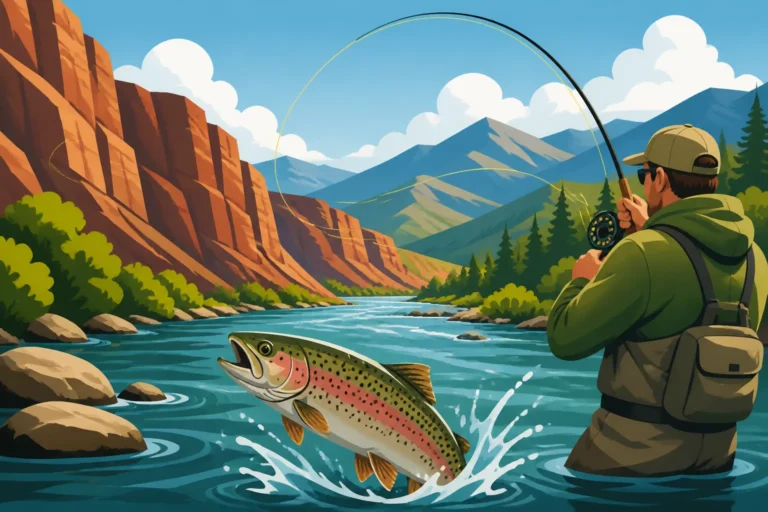
Fly fishing at Antero Reservoir can be incredibly rewarding, but it often requires a different approach than river fishing. Given its shallow nature, fish are often cruising and readily spooked by careless wading or casting. For shore anglers, long casts are often necessary to reach cruising fish, so a 9-foot, 5 or 6-weight fly rod is a good choice for versatility and fighting larger fish in potentially windy conditions. For boat anglers, shorter rods might be manageable, but the same weight class is recommended. Floating lines are essential for presenting dry flies and emergers, while intermediate or full-sinking lines are crucial for getting nymphs, streamers, and leeches down to depth, especially when targeting fish off drop-offs or deeper weed lines.
The most effective fly patterns for Antero often mimic the prevalent aquatic insects. Scuds in olive, gray, or tan in sizes 10-16 are year-round staples. Midge patterns, both larva and pupa, in black, red, or cream in sizes 16-22, are deadly, especially during winter and early spring. Leech patterns, particularly black or olive woolly buggers or Simi Seal leeches, can be irresistible to larger trout, retrieved with a slow, erratic strip. When hatches occur, typically midges, Callibaetis, or damselflies in summer, dry flies like Parachute Adams, Stillwater Callibaetis, or damsel dry imitations can bring explosive strikes. Employing a "chironomid under an indicator" rig is a classic and highly effective Antero technique, allowing you to suspend a midge pupa just above the bottom, where trout actively feed. This is especially true during the colder months when fish are less active.
Spin Fishing Success on Antero
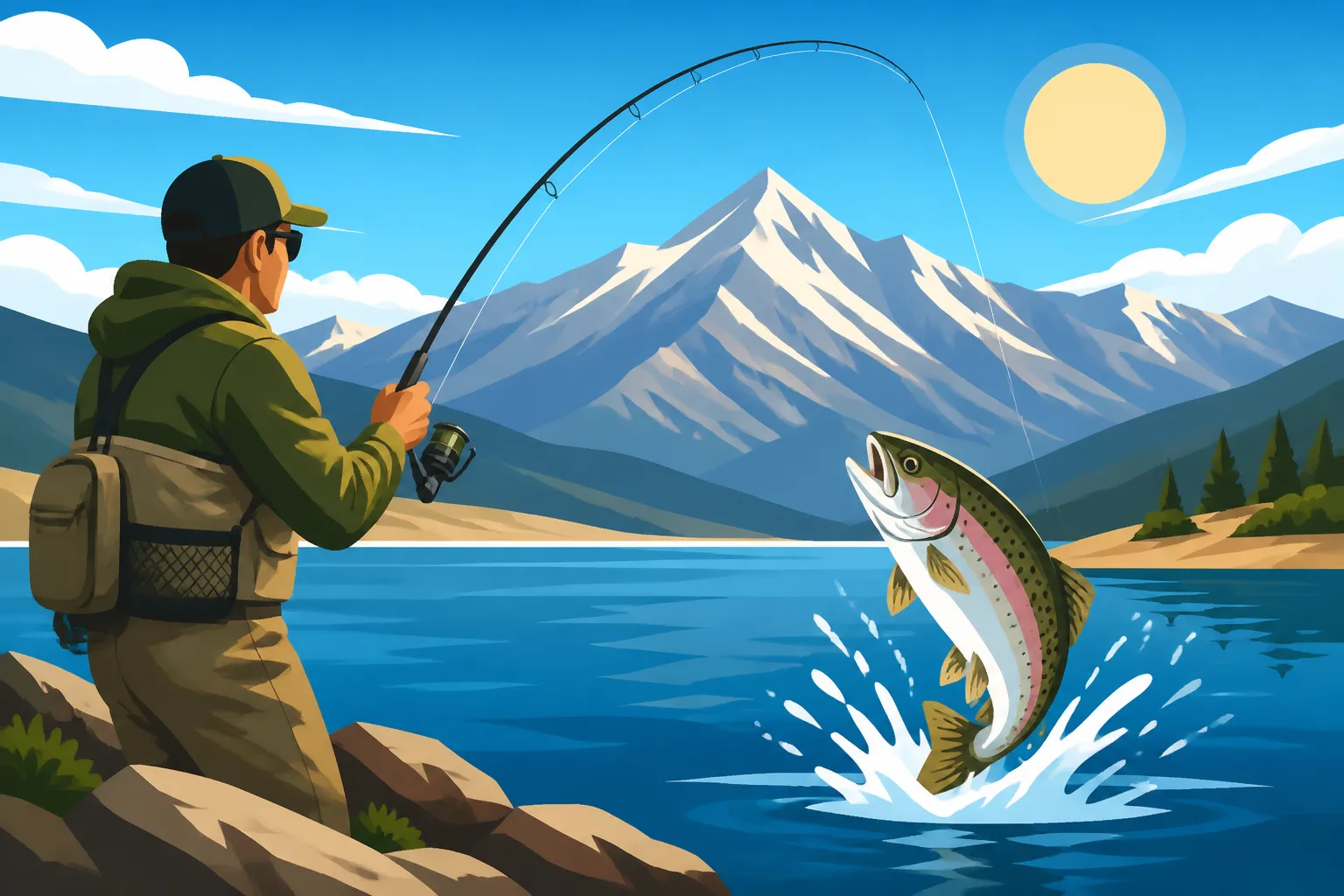
Spin fishing is another highly effective method for catching Antero's trophy trout, offering accessibility for anglers of all skill levels. A medium-light to medium action spinning rod, 6 to 7 feet in length, paired with a reel spooled with 6-8 pound test fluorocarbon or monofilament line, provides the sensitivity and strength needed for these powerful fish. The key to spin fishing here is often covering water and adapting to what the fish are keying in on.
Effective lures include various spoons, spinners, and soft plastics. Classic spoons like the Kastmaster, Daredevil, or Krocodile in silver, gold, or copper can be retrieved with a steady retrieve or jigged. Inline spinners such as Mepps Aglias or Panther Martins in sizes #2-4, with silver or gold blades, are excellent choices, especially when retrieved near weed edges or drop-offs. Soft plastics, particularly Gulp! minnows or PowerBait, rigged on a jig head or under a bobber, are also very productive. For PowerBait, fishing it off the bottom with a sliding sinker rig is a time-tested method. Trolling with small crankbaits or spoons behind a boat can also be effective for covering larger areas and enticing those cruising trophy fish, especially if you're targeting kokanee. When planning your tackle, keep in mind that Colorado Bait Restrictions and Where They Apply might vary by waterbody, so always double-check current regulations.
Ice Fishing Antero's Winter Bounty
Antero Reservoir is one of Colorado's premier ice fishing destinations, attracting countless anglers when the ice safely forms, typically from late November through March. The relatively shallow depth means it freezes solid earlier than many deeper lakes, offering an extended ice fishing season. Safety is paramount when ice fishing; always check ice thickness and conditions before venturing out. Generally, at least 4 inches of clear, solid ice is considered safe for foot travel. More details can be found in a guide to Ice Fishing in Colorado, Getting Started.
For ice fishing, a short, sensitive ice rod (28-36 inches) paired with a small spinning reel is ideal. Jigging lures are incredibly effective, with small tungsten jigs tipped with a wax worm, mealworm, or a piece of Gulp! minnow or PowerBait being a common and successful setup. Small spoons, such as Swedish Pimples or Kastmasters, can also be jigged aggressively to attract fish, often tipped with a piece of bait for added scent and appeal. Live bait, like small minnows (where legal), can be fished under a bobber. Antero's abundant midges also make tiny midge larva and pupa patterns, fished on micro-jigs, extremely effective through the ice. Having a fish finder (flasher) is a huge advantage, allowing you to locate fish, monitor their depth, and track their reaction to your presentation. Don't forget an ice auger to drill holes, and a portable shelter can make a huge difference in comfort on windy or very cold days.
Navigating Antero: Access, Regulations, and Best Practices
Understanding how to access Antero Reservoir, and more importantly, abiding by its specific rules and regulations, is just as crucial as knowing your fishing techniques. Ignoring these details can lead to frustration or, worse, penalties. Antero, like many popular Colorado fisheries, has particular nuances that set it apart.
Public Access Points and Facilities
Antero Reservoir offers good public access for both shore and boat anglers. The primary access point is located on the east side of the reservoir, off Highway 24. Here you'll find a boat ramp, ample parking, and vault toilets. This main access area provides launching for all types of watercraft, from kayaks and belly boats to larger powerboats. Due to the high winds that can whip across the open water, launching and retrieving boats can sometimes be challenging, so always exercise caution and check weather forecasts.
For shore anglers, there are numerous opportunities along the perimeter of the reservoir, particularly on the northern and eastern sides, which are more easily accessible from the main roads. The western and southern shores tend to be marshier and more difficult to navigate on foot, though they can offer solitude for those willing to walk. When accessing shorelines, be mindful of private property boundaries, which are often clearly marked. Always pack out everything you pack in, helping to preserve the pristine nature of this special fishery. Respecting the facilities and environment ensures continued public access for everyone.
Key Regulations Specific to Antero
Fishing at Antero Reservoir falls under the general Colorado Fishing Regulations Every Angler Should Know, but there are often special provisions unique to this body of water due to its trophy status. It is absolutely essential to consult the most current Colorado Parks and Wildlife (CPW) Fishing Brochure, available online or at license vendors, before your trip. This brochure will detail specific bag and possession limits, which can change annually, and any gear restrictions. For example, Antero often has specific regulations regarding the number and size of trout you can keep.
Historically, Antero has been managed with stricter trout limits to promote a trophy fishery, sometimes allowing only one or two fish over a certain length (e.g., 16 inches) while requiring release of others or allowing a certain number under that length. The Colorado's Daily Rainbow Trout Limit and Colorado's Trout Possession Limit, Explained are statewide rules, but always check for special Antero-specific additions. Additionally, the use of a second rod requires a separate Colorado's Second-Rod Stamp and Who Needs One. You will, of course, need a valid Colorado Fishing License Guide for Residents and Nonresidents and a Colorado's Habitat Stamp, Explained if you are between the ages of 18 and 64. Enforcement is common here, so being informed is crucial.
Understanding Antero's Seasonal Drawdowns
One unique aspect of Antero Reservoir that can significantly impact fishing is its seasonal drawdown, primarily in the late fall and winter. As described in the long-tail article, Why Antero Reservoir Gets Drawn Down Some Winters, this process of lowering the water level serves various purposes, including downstream water rights and maintenance. While essential, these drawdowns can dramatically alter the reservoir's character, reducing its overall size and exposing vast areas of muddy shoreline.
During a drawdown, boat access can become challenging or even impossible as boat ramps may no longer reach the water. Shore fishing becomes focused on a smaller water body, and fish may concentrate in deeper remaining channels or holes. This can either make them easier to locate or more lethargic due to increased pressure and colder temperatures. The exposed mudflats can also make walking and casting from shore very difficult. Anglers need to be prepared for potentially muddy conditions and reduced access. However, these drawdowns can sometimes create unique opportunities by concentrating fish, making them more predictable for those who know where to look. Always check CPW's reservoir conditions report before heading out, especially in the late season, to understand the current water levels.
Planning Your Antero Reservoir Fishing Trip
A successful fishing trip to Antero Reservoir, or any high-country Colorado fishery, involves careful planning beyond just rigging your rod. From timing your visit to finding a place to stay and considering professional guidance, these elements can greatly enhance your experience.
Best Times of Year to Fish Antero
Antero Reservoir offers fishing opportunities throughout much of the year, but the "best" time depends largely on what you're targeting and your preferred fishing method.
- Spring (April – May): This is often one of the most productive times, immediately after ice-off. The water starts to warm, and fish become highly active, feeding aggressively after a long winter. Midge hatches are common, and streamers and scuds can be very effective. However, spring weather in the high country is notoriously unpredictable, so be prepared for anything from warm sun to snow.
- Summer (June – August): Summer can be fantastic, especially for dry fly fishing during Callibaetis and damselfly hatches. Early mornings and late evenings are generally best as the sun can be intense and midday fishing can be slower. This is also prime time for trolling for kokanee salmon in the deeper parts of the reservoir. However, summer also brings the largest crowds.
- Fall (September – October): Fall is another excellent time, especially for targeting larger trout as they feed heavily before winter. The crowds thin out, and the scenery is stunning. Streamers, large nymphs, and leeches are particularly effective. This is also when kokanee salmon begin their spawning runs, making them accessible in shallower waters for snagging (where legal and regulated).
- Winter (November – March): As mentioned, Antero is a premier ice fishing destination. Once the ice is safe, often by late November, fishing can be excellent for large rainbows. Midges, small jigs, and spoons are the go-to baits. Be sure to dress in layers and be prepared for extreme cold and wind.
For a comprehensive overview of how these seasons affect fishing statewide, check out Colorado Fishing Seasons Month by Month.
Nearby Amenities and Accommodations
Antero Reservoir is somewhat remote, but there are a few options for amenities and accommodations nearby. The closest significant town is Fairplay, about a 20-30 minute drive away, which offers basic services including gas, groceries, a few restaurants, and lodging options. Fairplay has hotels, motels, and vacation rentals that cater to outdoor enthusiasts.
For those who prefer camping, there are several campgrounds operated by the Bureau of Land Management (BLM) and National Forest Service in the surrounding South Park area. These often fill up quickly during peak season, so reservations or early arrival are recommended. Some of these campgrounds are quite primitive, while others offer more amenities like vault toilets and potable water. Dispersed camping is also an option on some public lands, but always research current fire restrictions and regulations before setting up camp. Remember that Cell service can be spotty to non-existent around Antero, so be prepared to be off the grid.
Hiring a Guide for Antero
If you're new to Antero Reservoir, or simply want to maximize your chances of success and learn the nuances of this specific fishery, hiring a local fishing guide can be an invaluable investment. A professional guide knows the reservoir's ever-changing conditions, the best techniques for each season, and precisely where the fish are holding. They can provide specialized gear, offer instruction, and save you countless hours of trial and error. This is especially true if you are venturing into ice fishing for the first time or trying to understand the intricacies of Antero's specific fly hatches.
There are several reputable guide services and fly shops in the area, particularly in Fairplay or near the South Platte River, that offer guided trips to Antero. When considering a guide, ask about their experience specifically on Antero, what species they target, and what gear they provide. Services like FishingBooker can be a great resource to find and compare guides, read reviews, and book trips directly online. A good guide will also ensure you understand and adhere to all local regulations, making your trip stress-free. For a broader understanding of what to expect, consider reviewing Hiring a Fishing Guide in Colorado, What to Expect.
Preserving Antero's Future: Conservation and Ethics
Antero Reservoir's status as a premier trophy fishery is not accidental; it's the result of dedicated management and the cooperation of anglers. However, without a strong commitment to conservation and ethical angling practices, this resource could diminish. Every angler has a role to play in protecting Antero for future generations.
Practicing Catch and Release Effectively
Given Antero's reputation for large, hard-fighting trout, many anglers opt for catch and release, especially for the larger fish. If you choose to release fish, it's crucial to do so properly to ensure their survival. Here are key practices for effective catch and release:
- Minimize Fight Time: Land the fish as quickly as possible to reduce stress and exhaustion.
- Keep Fish in Water: Avoid removing the fish from the water entirely, especially trophy-sized specimens. If you must, do so for only a few seconds for a quick photo.
- Wet Your Hands: Always wet your hands before handling a fish. Dry hands can remove the protective slime coat, making the fish vulnerable to disease.
- Use Barbless Hooks: Barbless hooks greatly reduce injury to the fish and make removal easier and quicker. Many designated waters in Colorado actually require barbless hooks.
- Gentle Hook Removal: Use forceps or pliers to remove the hook gently. If the fish is deeply hooked, cut the line as close to the hook as possible; the hook will often dissolve over time.
- Revive Carefully: Hold the fish gently in the water, facing into the current, until it regains its strength and can swim away on its own. Do not squeeze the fish or drag it backwards.
These practices are not just suggestions; they are vital for maintaining the health of Antero's unique trout population.
Respecting Wildlife and the Environment
Antero Reservoir is part of a larger, delicate ecosystem that supports more than just fish. The surrounding wetlands and uplands are home to a variety of wildlife, including numerous bird species, deer, elk, and smaller mammals. Responsible angling extends beyond the water to respecting this broader environment.
- Pack It In, Pack It Out: This is the golden rule of outdoor recreation. Ensure all trash, including discarded fishing line, bait containers, and food wrappers, is packed out and properly disposed of. Monofilament line, in particular, can be deadly to wildlife.
- Stay on Designated Trails/Access Points: Avoid trampling fragile vegetation or disturbing nesting areas by sticking to established paths. This is especially important in the marshier areas around the reservoir.
- Minimize Noise and Disturbances: Be mindful of other anglers and wildlife. Loud noises can stress animals and detract from the peaceful experience for others.
- Understand Fire Restrictions: Always be aware of current fire danger and restrictions, especially during dry seasons. Open flames might be prohibited, and even simple stoves can pose a risk.
- Leave No Trace Principles: Familiarize yourself with and practice all seven Leave No Trace principles. This holistic approach ensures that your presence in the outdoors leaves minimal impact.
By adhering to these ethical guidelines, we can all contribute to keeping Antero Reservoir a pristine and productive fishery, allowing future generations to enjoy the thrill of catching its magnificent trout.
Antero Reservoir Species at a Glance
| Species | Primary Location | Preferred Depth (Open Water) | Best Season | Typical Size (Inches) | Primary Diet |
|---|---|---|---|---|---|
| Rainbow Trout | Shoreline, Flats, Drop-offs | 5-20 feet | Spring, Fall, Winter | 14-26+ | Midges, Scuds, Leeches, Baitfish, Zooplankton |
| Brook Trout | Shallower, Vegetated Areas, Inlets | 3-15 feet | Spring, Summer | 8-14 | Aquatic Insects, Small Baitfish |
| Kokanee Salmon | Open Water, Near Dam (Spawning) | 15-40 feet | Summer, Fall | 12-18 | Zooplankton |
| Brown Trout | Deeper Channels, Submerged Structure | 10-25 feet | Fall, Winter | 16-24+ | Baitfish, Crayfish, Large Insects |
Disclaimer
The information provided in this guide is for general informational purposes only and is subject to change. Fishing regulations, conditions, and access points can vary seasonally and annually. Always consult the most current Colorado Parks and Wildlife (CPW) fishing regulations brochure and official CPW resources before planning and undertaking any fishing trip to Antero Reservoir. User discretion is advised.