Fishing Colorado River Near Kremmling
It's incredibly frustrating when you hear whispers of incredible fishing, only to arrive and find every prime spot already occupied, or worse, completely inaccessible. Colorado is a mecca for anglers, but navigating the endless rivers and their regulations can feel like a full-time job. That's why we're diving deep into the Colorado River near Kremmling – a stretch that offers phenomenal trout fishing, diverse experiences, and, thankfully, some solitude if you know where to look. This comprehensive guide will arm you with everything you need to successfully plan and execute a memorable fishing trip to this remarkable part of the state.
Why the Colorado River Near Kremmling is a Hidden Gem
The Colorado River, as it flows through the heart of Grand County near Kremmling, offers a truly unique angling experience that often gets overshadowed by its more famous Gold Medal Water counterparts. While places like the Fryingpan or the Dream Stream get all the hype, this section of the Colorado holds its own with robust fish populations, varied water types, and a sense of wildness that's becoming increasingly rare. It's a place where you can escape the bumper-to-bumper crowds found on some other rivers and truly connect with the Colorado landscape.
A Tapestry of Water Types
What makes this stretch so special is its incredible diversity. You'll encounter everything from broad, sweeping flats and deep, slow-moving pools to fast-riffle sections and classic pocket water. This ever-changing character means you can employ a wide array of techniques and constantly adapt to what the river is presenting. One moment you might be nymphing a deep eddy, and the next, you're casting a dry fly to a rising trout in a glassy flat. This variety keeps things exciting and challenges anglers of all skill levels, forcing you to think on your feet and truly read the water.
Imagine standing on the bank near the confluence of the Williams Fork, looking upstream at a stretch of faster water. You know that these riffles are oxygenating the water and creating prime feeding lanes for hungry trout. Just downstream, the river might spread out into a wider, slower section, perfect for stripping streamers or letting a dry fly drift lazily. It’s this constant change that makes the Kremmling section so engaging; it’s never just one type of fishing for miles on end, preventing that monotonous feeling you can sometimes get on more uniform river stretches.
Diverse Fish Species for Every Angler
This section of the Colorado River is a veritable smorgasbord for coldwater species. While rainbow trout and brown trout are the main attractions, you’ll also find respectable populations of brook trout in some of the smaller feeder streams, and even mountain whitefish, which provide an interesting challenge on lighter tackle. The presence of both wild brown trout and regularly stocked rainbows means there’s often a healthy mix of fish to pursue, catering to different preferences and skill sets. For a deeper dive into the finned residents of Colorado, check out our guide on Colorado's Trout Species, A Field Guide.
The brown trout here, in particular, are known for their feistiness and often grow to impressive sizes, especially as they get older and more cunning. Catching a true wild brown from the Colorado River near Kremmling is a badge of honor for many anglers. Rainbows, often stocked to supplement the fishery, provide consistent action and are perfect for beginners or those looking to simply bend a rod. Don't overlook the mountain whitefish either; these native bottom-feeders can be incredibly fun to catch on nymphs, especially when trout are being finicky.
Accessibility Without the Crowds
One of the biggest advantages of fishing the Colorado River near Kremmling is the relative ease of access combined with a lower angler density compared to some other renowned waters. While popular spots like the Pumphouse Recreation Area or the Radium Hot Springs section can see their share of visitors, there are numerous public land access points, including State Wildlife Areas, that allow anglers to spread out. This means you have a better chance of finding a quiet stretch of river all to yourself, particularly on weekdays or during the shoulder seasons.
Many anglers choose to float this section, which allows them to cover significant ground and access water that is simply impossible to reach on foot. This is where you can truly escape and experience the river in its natural, uninterrupted glory. Even for wade anglers, designated public access points are available, often providing enough room for multiple anglers to fish comfortably without feeling on top of one another. Planning your trip around lesser-known entry points or floating a longer stretch can greatly enhance your solitude.
Understanding the River's Character and Flow
Fishing the Colorado River effectively near Kremmling requires a good understanding of its dynamic nature. Like many western rivers, its flow rates and character change dramatically with the seasons, impacting everything from fish behavior to wading safety. Knowing when to go and what to expect from the water will significantly increase your chances of success and ensure a safer, more enjoyable experience.
Seasonal Changes and Their Impact
The Colorado River near Kremmling undergoes distinct seasonal transformations. Spring brings runoff from the melting snowpack, turning the river high, fast, and often murky. While challenging, this period can be incredibly productive for nymphing with larger, darker patterns near the banks where trout seek refuge from the main current. Our guide on When Colorado's Spring Runoff Hits and How to Fish Around It offers some great insights. As summer progresses, flows typically drop and clear, making for excellent dry fly and nymph fishing conditions. The fall is often considered prime time, with cooler temperatures, vibrant foliage, and aggressive brown trout preparing for their spawn. Winter brings low, clear flows and colder temperatures, favoring midge fishing and patient nymphing in deeper, slower pools.
For instance, during the peak of runoff in late May or early June, a typically wadeable section can become a roaring torrent, making access difficult and dangerous. However, the trout are still there, often pushed into slower eddies or behind large boulders, looking for an easy meal. Conversely, in late summer or fall, the river might be crystal clear and low, requiring stealthy approaches and fine tippets to fool wary trout. Understanding these patterns allows you to adjust your strategy and gear accordingly, rather than getting frustrated by unexpected conditions.
Identifying Key Holding Water
Successfully fishing this stretch of the Colorado River hinges on your ability to read the water and identify where trout are likely holding. Trout, being opportunistic predators, seek out areas that provide a combination of food, cover, and favorable currents. Look for seams where fast water meets slow water, the tailouts of deep pools, undercut banks, and large boulders that create current breaks. These are often the prime lies where fish conserve energy while waiting for food to drift by.
Consider a large bend in the river: the outside bend will typically be deeper with a stronger current, often eroding an undercut bank that provides excellent cover. The inside bend, meanwhile, will be shallower and slower, potentially creating a nice gravel bar where fish might feed during certain hatches. During higher flows, trout will gravitate towards slower water close to the bank, while in lower, clearer conditions, they might spread out more into the middle of the river, especially in deeper troughs. Paying attention to these subtle changes in the river's topography will guide your casts and presentations.
Navigating Access Points and Public Lands
Public access along the Colorado River near Kremmling is generally good, thanks to several State Wildlife Areas (SWAs) and Bureau of Land Management (BLM) lands. Popular access points include the Pumphouse Recreation Area, Radium Hot Springs, and sections near Parshall and Hot Sulphur Springs. However, significant stretches of the river are bordered by private land, and it's absolutely crucial to respect these boundaries. Always consult a current map, like the Colorado Parks and Wildlife (CPW) Fishing Atlas, to ensure you are on public property or have permission to access private sections.
An unfortunate, but common, frustration for anglers is accidentally trespassing on private land. This can lead to confrontations and legal issues, ruining an otherwise pleasant day on the water. Before you head out, take the time to study maps, identify clear access points, and understand where private property begins and ends. When in doubt, err on the side of caution. Utilizing well-marked access points like those at the Pumphouse or Radium ensures you're on public land, and these spots also often provide amenities like restrooms and boat ramps. Remember, knowing where you can legally access the river is as important as knowing how to fish it.
Essential Gear and Techniques for Kremmling's Colorado River
Approaching the Colorado River near Kremmling requires versatility in your gear and techniques. The varied water types and seasonal fluctuations mean you'll need to be prepared to switch things up. Whether you're a devoted fly angler or prefer the simplicity of spin fishing, having the right setup and understanding the local nuances will be key to your success.
Fly Fishing: Matching the Hatch and Nymphing Tactics
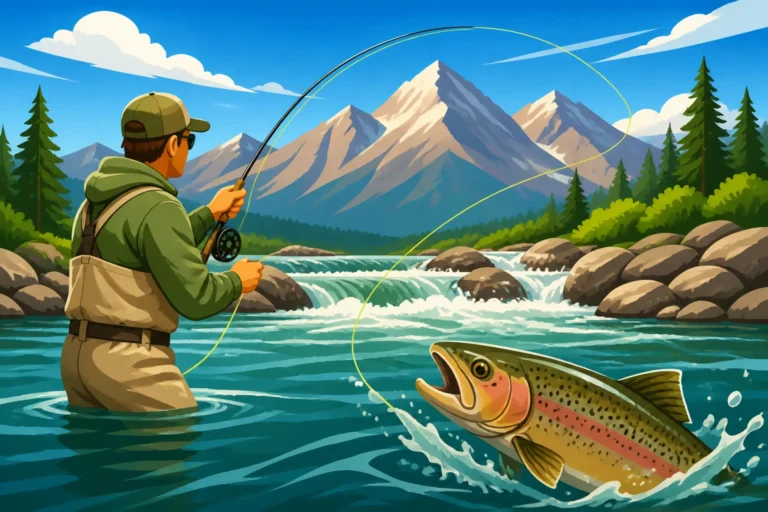
For fly anglers, the Colorado River near Kremmling offers a fantastic canvas. During the warmer months, especially from late spring through fall, significant hatches of caddis, blue-winged olives, stoneflies, and various mayflies can provide incredible dry fly action. Being able to "match the hatch" with appropriate patterns is crucial during these times. However, year-round, nymphing is arguably the most consistent producer. Deep nymph rigs, often incorporating multiple flies and adequate weight, are essential for getting your offerings down to where the fish are feeding in the faster, deeper runs. For some excellent patterns, check out our guide on Best Flies for Colorado's Gold Medal Trout Water.
A typical fly fishing setup for this river might include a 9-foot, 5 or 6-weight rod, which offers enough backbone to cast larger rigs and handle bigger fish, but remains sensitive enough for delicate presentations. When nymphing, focus on getting a good drift, ensuring your flies are tumbling naturally along the bottom. Strike indicators are indispensable here, helping you detect subtle takes. For dry fly fishing, accurate casting and a delicate presentation are paramount. Don't be afraid to try different patterns and sizes, as trout can be incredibly selective during a hatch.
Spin Fishing: Lure Selection and Presentation
Spin anglers can also find great success on the Colorado River near Kremmling, especially when targeting the river's robust brown and rainbow trout populations. The key is to select lures that imitate the natural forage and present them effectively. Small spinners, spoons, and jerkbaits that mimic baitfish or aquatic insects are often very productive. Using light to medium-light tackle will provide the sensitivity needed for subtle bites and make fighting even smaller trout an exciting challenge.
When spin fishing, focus on retrieving your lure through known holding water: deep pools, current seams, and around submerged structure. Vary your retrieve speed and depth until you find what the fish are responding to. For example, a small Mepps Aglia spinner cast upstream and allowed to drift and tumble through a riffle before being retrieved can be deadly. Soft plastic baits rigged on a jig head can also be incredibly effective, especially when fished slowly along the bottom in deeper water. Just be mindful of local bait restrictions; some areas may have limitations, so always consult the current Colorado Fishing Regulations Every Angler Should Know.
Wading vs. Floating: Pros and Cons
Deciding whether to wade or float the Colorado River near Kremmling depends on your preferences, skill level, and the specific section you plan to fish. Wading offers a more intimate connection with the river, allowing you to thoroughly dissect individual runs and pools. It's often more accessible for a spontaneous outing and can be less expensive, as you don't need a boat or shuttle. However, wading access is limited to public bank access points, and the depth and speed of the river can make certain areas unsafe or impossible to wade, especially during higher flows.
Floating, on the other hand, opens up vast stretches of river, giving you access to countless untouched runs and reducing angler pressure. It's ideal for covering significant distance and experiencing the remote beauty of the river. Drift boats, rafts, or even float tubes are common choices. However, floating requires more planning, including shuttle arrangements, proper boat handling skills, and knowledge of river hazards. Our guide on Float Trips vs Walk-Wade Trips With a Colorado Guide offers a detailed comparison to help you decide. Many anglers choose to hire a guide for their first float trip to learn the ropes and safely navigate the river.
| Method | Pros | Cons | Ideal For |
|---|---|---|---|
| Wading | Intimate river connection, less equipment, accessible for short trips, thorough exploration of small areas. | Limited access points, depth/current can be dangerous, less water covered, higher angler pressure in accessible spots. | Anglers preferring solitude in smaller zones, targeting specific features, short trips. |
| Floating | Access to remote water, covers large distances, lower angler pressure, scenic experience. | Requires boat/shuttle, more planning/expense, knowledge of river hazards, not ideal for quick, focused fishing. | Covering large sections, seeking solitude, multi-day trips, reaching inaccessible water. |
Key Fishing Spots and Access Points Near Kremmling
While the entire stretch of the Colorado River near Kremmling offers great fishing, certain areas are more popular or provide better access. Understanding these key locations will help you plan your trip efficiently and choose the best spots for your desired angling experience. Knowing where the public land lies and where private property starts is paramount to avoid issues.
Public Access Areas and State Wildlife Areas
The Colorado River near Kremmling boasts several excellent public access points, many of which are part of the Colorado State Wildlife Area (SWA) system or managed by the BLM. The Pumphouse Recreation Area is a highly popular spot, serving as a major put-in for float trips and offering good bank access for wade anglers. It's known for its consistent trout populations. Further downstream, the Radium Hot Springs section provides another popular access point, particularly for those looking to combine fishing with a soak in the natural hot springs (accessible via a short hike). Additionally, sections near Parshall and upstream of Kremmling, often referred to as the Byers Canyon stretch, also offer various public access points.
These public lands are your best bet for hassle-free fishing. When you arrive at a State Wildlife Area, you'll typically find clear signage indicating the boundaries and any specific regulations for that area. Always be mindful of other users, whether they are fellow anglers, rafters, or hikers. The goal is to enjoy the resource responsibly, ensuring it remains accessible and productive for everyone. Parking at these spots is usually well-defined, and many include basic amenities like vault toilets.
Float Trip Launch and Take-Outs
The Colorado River near Kremmling is renowned for its float fishing opportunities, offering some truly spectacular scenery and excellent fishing. The most common float trips begin at the Pumphouse Recreation Area, allowing anglers to drift downstream through various sections. Popular take-out points include Radium (for shorter floats) or further downstream at Burns or Dotsero for longer, multi-day excursions. Some anglers also put in higher up near Hot Sulphur Springs and float down to Kremmling, passing through Byers Canyon.
Planning a float trip requires logistical coordination for shuttling vehicles, but the rewards are immense. Floating allows you to present flies or lures to undisturbed fish in remote stretches that receive very little foot traffic. Many outfitters in the area specialize in guided float trips, making the logistics simple for visitors. If you're considering a guided experience, services listed on platforms like FishingBooker can help you find reputable local guides who know these stretches intimately and can arrange all the necessary boat and shuttle services. This can be especially helpful for multi-day trips, ensuring you're making the most of your time on the water without the stress of coordinating complex logistics yourself.
Understanding Private Property Boundaries
While public access is good, it's crucial to understand that much of the river corridor is bordered by private land. Colorado law generally grants public access to the stream bed and banks below the high water mark on navigable rivers, but reaching these areas often requires crossing private land, which is not allowed without permission. This creates a complex situation for wade anglers. Always look for "No Trespassing" signs, fences, and purple paint on posts or trees, which commonly denote private property lines. Respecting these boundaries is not just a matter of courtesy, but a legal requirement.
One common frustration for new anglers is seeing prime water that's clearly inaccessible due to private land. It's a reality of fishing in many western states. Your best approach is to stick to clearly marked public access points, such as State Wildlife Areas and BLM land. When in doubt, don't enter. If you're unsure about a specific spot, contacting Colorado Parks and Wildlife or a local fly shop in Kremmling can provide clarification. Many local shops are incredibly helpful resources for understanding which areas are publicly accessible and what restrictions might apply to various stretches of river.
Regulations and Conservation for a Sustainable Fishery
Fishing the Colorado River near Kremmling isn't just about catching fish; it's also about being a responsible steward of the resource. Adhering to regulations and practicing sound conservation principles ensures that this incredible fishery remains vibrant for future generations. Ignoring these rules can lead to significant penalties and harm the delicate ecosystem.
Colorado Fishing Regulations Specific to This Stretch
The general statewide Colorado Fishing Regulations apply to the Colorado River near Kremmling, but there can be specific, localized regulations that override the general rules. These often pertain to bag limits, length restrictions for certain species (like the 14-inch trout length rule on some Gold Medal Waters), bait restrictions, or even specific gear requirements (such as barbless hooks). For example, some sections might have a reduced bag limit for brown trout to protect wild populations, while others might be strictly catch-and-release only.
It is absolutely imperative to consult the current Colorado Parks and Wildlife (CPW) Fishing Regulations brochure before you head out. This document is updated annually and details all the rules that apply to different waters. You can usually pick up a physical copy at most sporting goods stores, CPW offices, or download a digital version from their website. Not knowing the rules is not an excuse for breaking them, and wardens regularly patrol these popular fishing areas. Take the time to read through it, especially the sections pertaining to the specific river you'll be fishing, so you can avoid an unfortunate encounter with a game warden.
Practicing Responsible Catch-and-Release
Many anglers on the Colorado River near Kremmling practice catch-and-release, especially for larger or wild trout. This helps sustain healthy fish populations and ensures a robust fishery for everyone. When practicing catch-and-release, prioritize the fish's well-being. Handle fish as little as possible, keep them in the water if you can, and use wet hands to minimize the removal of their protective slime layer. Remove hooks quickly and gently, using forceps or pliers. If a fish is deeply hooked, it's often best to cut the line as close to the hook as possible rather than tearing delicate tissues trying to remove it.
Knowing how to properly release a fish is a fundamental skill for any conservation-minded angler. Avoid dragging fish onto dry banks or subjecting them to prolonged periods out of water, especially during warmer months when water temperatures are higher. If a fish seems sluggish after release, hold it gently facing upstream in a mild current until it regains its strength and swims away on its own. This commitment to proper handling is vital for the long-term health of the river's fish stocks.
The Importance of a Colorado Fishing License
Perhaps the most fundamental regulation for fishing in Colorado is having a valid fishing license. Every angler aged 16 and older needs one. This license not only grants you the legal right to fish but also contributes directly to the conservation and management of Colorado's fisheries, including stocking programs, habitat restoration, and enforcement. Many folks don't realize what a Colorado Fishing License Guide for Residents and Nonresidents really entails, but it's crucial for understanding the various options.
In addition to your standard fishing license, many anglers also need to purchase a Habitat Stamp, which is usually required for anyone aged 18 to 64 purchasing a fishing or hunting license. Our guide, Colorado's Habitat Stamp, Explained, provides more details on who needs one and how the funds are used. Without a valid license and any required stamps, you're not only breaking the law but also undermining the very system that keeps Colorado's rivers and lakes healthy. You can easily purchase your license online through the CPW website, at most sporting goods stores like Walmart or local fly shops, or by phone. It's a small investment that yields huge returns for the future of Colorado fishing.
Planning Your Trip to Kremmling: Beyond the Fishing
A successful fishing trip to the Colorado River near Kremmling involves more than just rods and reels. Thinking about logistics, accommodations, and when to visit can make all the difference in your overall experience. This area is a true gateway to mountain adventures, and proper planning will ensure a seamless and enjoyable journey.
Local Accommodations and Amenities
Kremmling, while not a bustling metropolis, offers a range of services and accommodations to support anglers. You'll find a few local hotels, motels, and some charming cabins or vacation rentals in and around town. For those who prefer a more rustic experience, there are several campgrounds operated by the BLM or Forest Service along the river corridor, particularly around the Pumphouse and Radium areas. These often fill up quickly during peak season, so reservations are highly recommended.
Beyond lodging, Kremmling has gas stations, a grocery store, and a few local restaurants where you can grab a bite. It’s a good idea to stock up on any specialized gear or provisions before you arrive, as options can be limited. Don't forget to check out the local fly shops; they are invaluable resources for up-to-the-minute fishing reports, local insights, and any last-minute tackle needs. A chat with the staff can often reveal overlooked hot spots or critical fly patterns.
Hiring a Local Guide for an Enhanced Experience
For many anglers, especially those new to the area or those looking to maximize their time on the water, hiring a local fishing guide is an excellent investment. Guides possess an unparalleled knowledge of the river's nuances, current conditions, and fish behavior. They can teach you local techniques, put you on fish you might otherwise miss, and navigate tricky sections of the river safely. Plus, they usually provide all the necessary gear, flies, and often a delicious riverside lunch. This can be especially beneficial if you're interested in a guided float trip on Colorado Rivers, which can be logistically challenging for first-timers.
Finding the right guide is key, and platforms like FishingBooker can be incredibly helpful for researching and booking reputable local guides. You can browse different guides, read reviews from other anglers, and compare offerings to find someone who fits your specific needs and budget. A good guide will not only help you catch fish but will also teach you about the river, its ecosystem, and responsible angling practices. This investment can transform a good fishing trip into an unforgettable educational experience. It’s also a fantastic way to experience a full day on the water without worrying about shuttles or what fly to tie on next. For more detailed advice, read our guide on Hiring a Fishing Guide in Colorado, What to Expect.
Best Times of Year for Different Species
Understanding the seasonal cycles of the Colorado River near Kremmling can greatly influence your fishing success for specific species. While trout can be caught year-round, certain times offer prime opportunities.
- Spring (April – May): As runoff begins, the fishing can be challenging but rewarding. Nymphing in slower seams for browns and rainbows is key. Early spring before the heavy runoff can offer excellent dry fly fishing if hatches occur.
- Summer (June – August): Post-runoff, the river clears and settles. This is prime time for dry fly action during insect hatches (caddis, stoneflies, pale morning duns). Nymphing remains consistently productive. The warmer water means fish might be more active in mornings and evenings.
- Fall (September – November): Often considered the peak season. Cooler temperatures invigorate trout, especially brown trout preparing for their spawn. Streamer fishing can be deadly for aggressive browns, and nymphing remains strong. Dry fly action can be excellent during blue-winged olive hatches. This is generally the best time to target larger brown trout.
- Winter (December – March): Cold, low, and clear flows define winter. Midge fishing with tiny nymphs and emergers in slow, deep pools is the primary tactic. Patience is a virtue, and fish are often concentrated. Ice fishing on nearby reservoirs might also be an option for a change of pace.
Each season offers its own unique charm and challenges. Being prepared for the conditions and understanding what the fish are doing will greatly enhance your chances of a successful and enjoyable outing on the Colorado River near Kremmling.
Disclaimer
Please remember that fishing conditions and regulations can change rapidly due to weather, water levels, and conservation efforts. Always consult the most current Colorado Parks and Wildlife regulations brochure before heading out, and prioritize safety on and around the water. The information provided in this guide is for general informational purposes only and should not be considered legal or professional advice.