Fishing Twin Lakes Near Leadville
Finding truly rewarding high-country fishing spots in Colorado can often feel like a well-kept secret, with countless stunning lakes holding the promise of an epic day, only to deliver crowded shores or elusive fish. If you've ever dreamt of casting lines into clear, cold waters surrounded by towering peaks, with a real chance at a trophy catch, then Twin Lakes near Leadville is exactly where your angling journey needs to lead. This comprehensive guide will equip you with everything you need to know to make your trip to Twin Lakes a memorable success.
Discovering the Unique Environment of Twin Lakes
Twin Lakes, nestled at the base of Colorado's highest peak, Mount Elbert, is much more than just a place to wet a line. It's a breathtaking alpine ecosystem with a rich history and unique characteristics that directly influence the fishing experience. Understanding this environment is key to unlocking its full potential.
The Geography and Hydrology of Twin Lakes
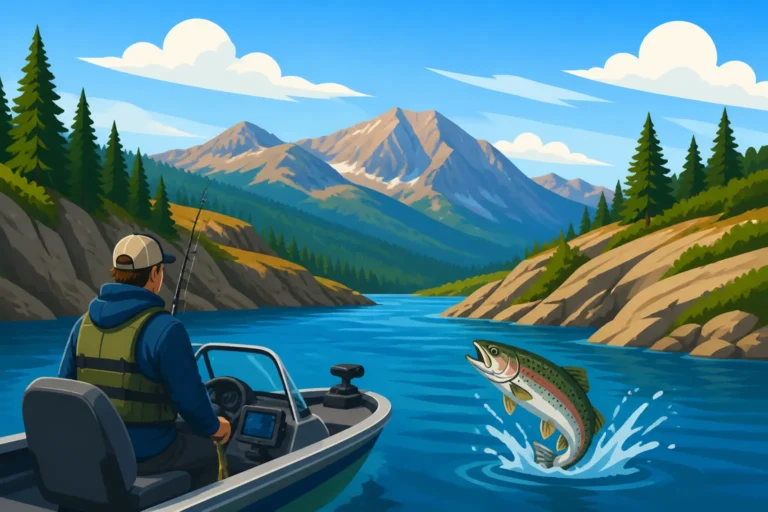
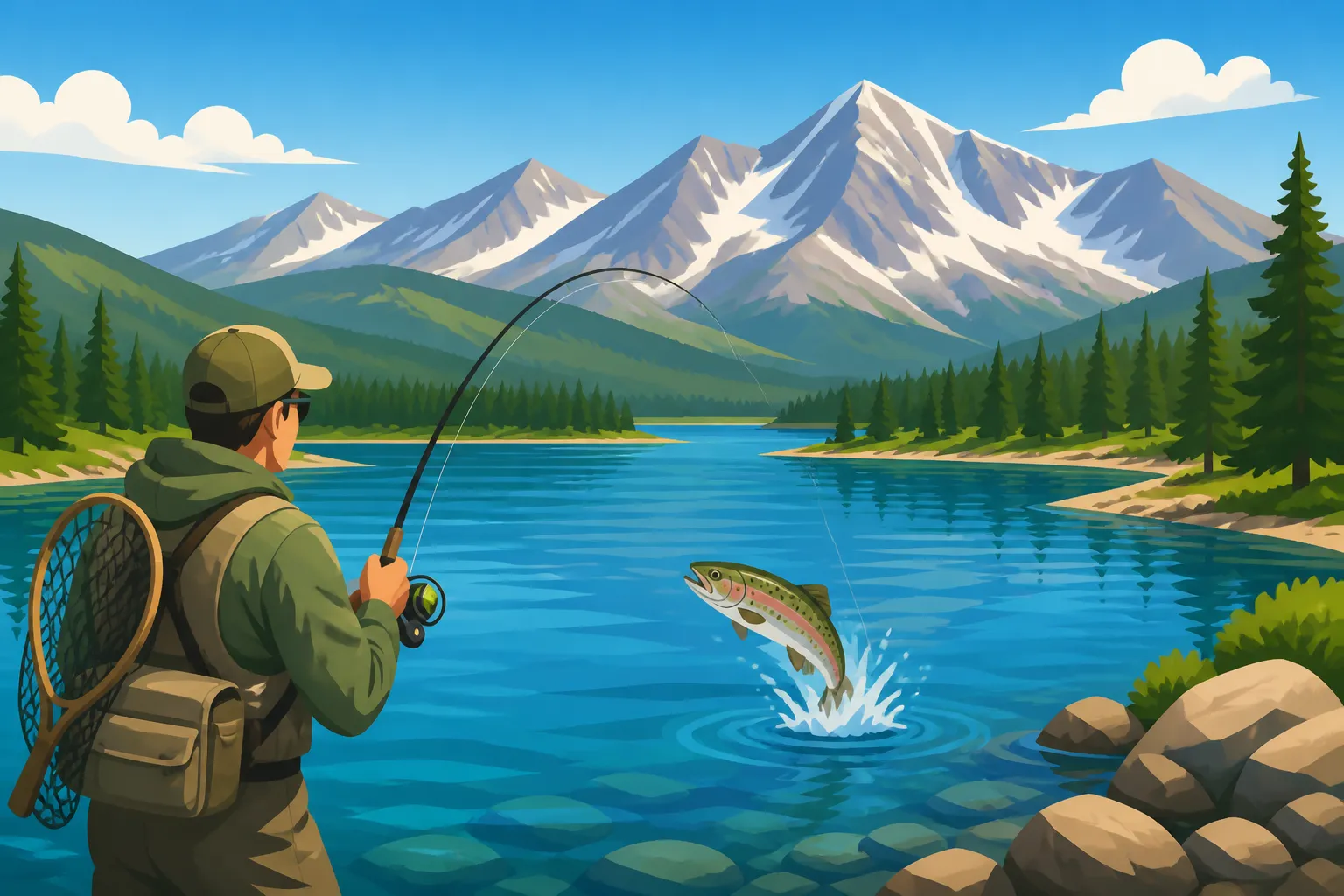
Imagine two incredibly clear, deep lakes, fed by snowmelt and mountain streams, sitting side-by-side, connected by a narrow channel. That's Twin Lakes. The Upper Twin Lake is primarily natural, while the Lower Twin Lake was significantly enlarged in the late 19th and early 20th centuries by a dam, raising the water level and creating a vast, deep reservoir. This modification actually enhanced the fishing, providing a wider range of habitats for various fish species. The lakes are situated at an elevation of about 9,200 feet, which means the water stays consistently cold, ideal for trout. This high-altitude setting also contributes to the intense sunlight and often unpredictable weather patterns, which are crucial factors for anglers to consider.
The surrounding landscape is characterized by dense pine forests giving way to alpine tundra higher up. This environment means there's a constant influx of nutrients and insect life from the watershed, creating a robust food chain for the fish. The depths of both lakes, particularly the lower reservoir, can plunge to over 100 feet in places, offering cold, oxygen-rich sanctuary for larger, older fish. The shoreline varies from rocky outcrops to sandy beaches and submerged vegetation, providing diverse fishing opportunities for both wade anglers and those fishing from boats. The clarity of the water is also a significant factor; fish can be very spooky, especially on bright, sunny days, necessitating careful approaches and subtle presentations.
Historical Significance and Conservation Efforts
Twin Lakes isn't just a natural wonder; it's a site steeped in Colorado's history. It played a crucial role in the state's early development, first as a major transportation route during the Leadville silver boom, and later as a significant water storage facility. The historic Twin Lakes Village, with its charming old buildings, stands as a testament to this past, offering a glimpse into what life was like in the late 1800s. Today, the Bureau of Reclamation manages the reservoir system, ensuring water supply for agricultural and municipal use further downstream.
Colorado Parks and Wildlife (CPW) actively manages the fishery at Twin Lakes, focusing on maintaining healthy populations of both native and introduced species. A significant part of this effort revolves around protecting and restoring Colorado's Native Cutthroat Trout Subspecies, particularly the Greenback Cutthroat, which is a state treasure. While true Greenback Cutthroat trout are found in very few specific waters, the commitment to native trout conservation helps inform management decisions across the state, including in waters like Twin Lakes where stocked fish often supplement wild populations. Anglers often appreciate knowing that their license fees contribute directly to these vital conservation programs, helping to ensure that these incredible fishing opportunities remain for future generations.
Species Spotlight: What You'll Catch at Twin Lakes
Twin Lakes is renowned for its diverse fishery, offering anglers the chance to hook into several prized species. While it's particularly famous for one type of trout, there are other exciting catches to be made. Knowing what fish call these waters home will help you tailor your approach.
Targeting Trophy Cutthroat Trout
The main draw at Twin Lakes for many is the incredible cutthroat trout. These aren't just any cutthroat; the lake is known for producing some truly massive specimens. While the original native Colorado River Cutthroat Trout once dominated these waters, today's populations include stocked Yellowstone Cutthroat and sometimes even hybrids, often referred to as "cutbows" if they've interbred with rainbow trout. The sheer size potential here is what sets Twin Lakes apart. Anglers regularly pull out cutthroat in the 18-24 inch range, with fish over 30 inches and weighing into the double digits not unheard of. To put that in perspective, the official state record for a cutthroat trout in Colorado weighed over 16 pounds, and stories of giants from Twin Lakes contribute to that legend.
Catching these trophy cutthroat often requires patience and the right strategy. They are opportunistic feeders, but as they grow larger, they can become more wary and selective. During warmer months, you'll find them cruising shallower flats in the early mornings and late evenings, or holding in deeper, cooler water during the heat of the day. They feed on a variety of insects, scuds, leeches, and even smaller baitfish. Presentation is everything, especially in the clear water. Whether you're fly fishing with streamers, nymphs, or dry flies, or spin fishing with spoons and jigs, a stealthy approach and an understanding of their feeding habits will increase your chances of landing one of these magnificent fish. Always be mindful of the rules regarding size and bag limits, as they can vary for different species and locations.
Other Game Fish You Might Encounter
While cutthroat might steal the spotlight, Twin Lakes is also home to other exciting species that can provide a fun challenge. Rainbow trout are regularly stocked by CPW and are often eager to bite, making them a great target for beginners and seasoned anglers alike. These feisty fish provide excellent sport and are often found in similar areas to cutthroat, especially near inlets and along drop-offs. Their vibrant colors and strong fights are always a welcome addition to any catch.
Beyond the trout, you might also encounter brown trout, particularly in the feeder streams or in the deeper sections of the lake. Brown trout are known for their predatory nature and can grow quite large, often favoring cover and ambushing prey. They tend to be a bit more elusive than rainbows but are a prized catch for their beautiful coloration and powerful fights. For those interested in a different kind of challenge, mountain whitefish are also present in Twin Lakes. While not as commonly targeted, they are a native species that can be a blast on light tackle, often found in riffle sections of the connecting channel or near stream mouths. They have a subtle bite but can put up a surprisingly good fight.
Essential Gear and Techniques for Twin Lakes Success
Approaching a high-altitude lake like Twin Lakes requires a bit of specialized knowledge when it comes to gear and techniques. The clear water, depth, and the types of fish you're targeting all influence what you should bring and how you should fish it. Don't let the technical jargon scare you, it's all about being prepared!
Fly Fishing Essentials for High-Altitude Lakes
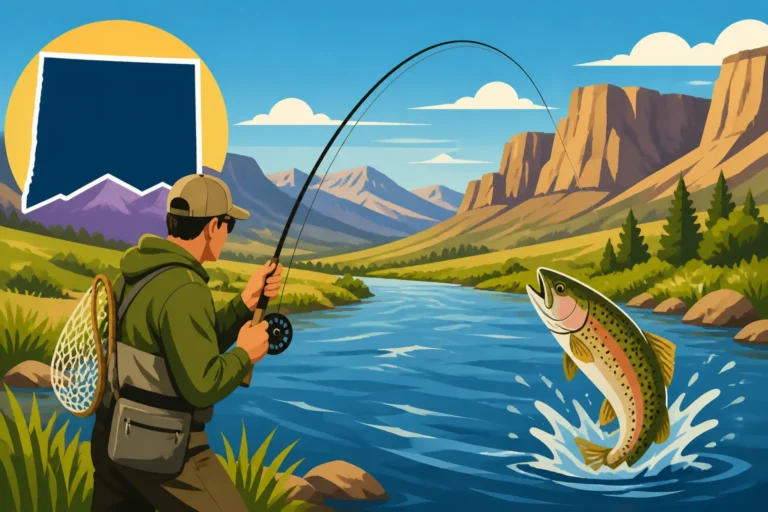
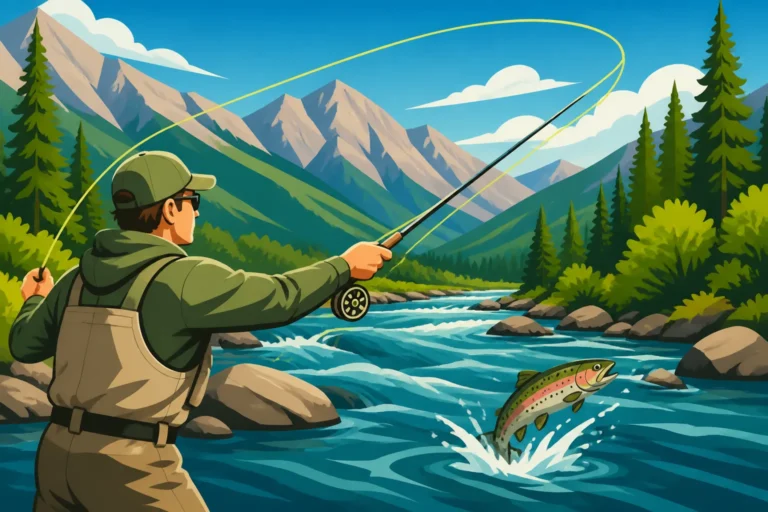
Fly fishing at Twin Lakes can be incredibly rewarding, but it demands versatility. A 5 or 6-weight fly rod, around 9 feet long, is a good all-around choice, offering enough backbone to handle larger trout while still being sensitive enough for delicate presentations. You'll want a reel with a smooth drag and enough backing, because when a 25-inch cutthroat decides to run, you'll be glad you have it! Floating lines are essential for dry fly fishing and nymphing with an indicator, but having a sink-tip or full sinking line can be crucial for reaching deeper fish, especially when lake trolling or stripping streamers.
Leader and tippet selection should lean towards longer and lighter than you might typically use on a small river. In the clear water of Twin Lakes, a 9-12 foot leader tapering down to 3X or 4X fluorocarbon tippet is often necessary to avoid spooking fish. As for flies, a well-stocked box is key. Start with an assortment of nymphs like pheasant tails, hare's ears, prince nymphs, and midge patterns in sizes 14-20. For streamers, woolly buggers (black, olive, brown), leeches, and sculpin patterns in sizes 6-12 are often very effective, especially when retrieved slowly along drop-offs or weed lines. Don't forget your dry flies for those magic moments when fish are rising – caddis, callibaetis, and terrestrial patterns like hoppers and ants can be dynamite. For a deep dive into specific insect hatches, understanding Fly Selection for Colorado's Caddis Hatch can provide valuable insights, even though lake fishing has its own nuances.
Spin Fishing Setups and Lure Choices
Spin fishing is an equally effective and often more accessible way to fish Twin Lakes. A medium-light to medium action spinning rod, 6.5 to 7.5 feet long, paired with a reliable spinning reel spooled with 6-8 pound test monofilament or fluorocarbon line is a solid setup. Braided line with a fluorocarbon leader is also an excellent choice for increased sensitivity and casting distance.
When it comes to lures, spoons are perennial favorites at Twin Lakes. Classics like Kastmasters, Daredevils, and Thomas Buoyants in silver, gold, and vibrant colors (like fire tiger or orange) are highly effective for casting from shore or trolling from a boat. Jigs, especially those tipped with a small piece of worm, powerbait, or scented soft plastic, can be deadly when fished vertically in deeper water or retrieved slowly along the bottom. Inline spinners, such as Mepps or Panther Martins, in sizes #1-#3, can also draw strikes, particularly in shallower areas or around structure. Bait fishing with powerbait, worms, or even corn can be productive, especially for stocked rainbow trout. However, always check the specific regulations for bait restrictions, as some waters or sections might have limitations. For those looking to troll for larger fish, especially from a boat, exploring Trolling Techniques for Colorado Reservoirs can offer great ideas for lure presentation and depth management.
Wading and Safety Considerations
Wading at Twin Lakes can be a fantastic way to access shallower areas and cover more water, but it comes with its own set of considerations. The water is cold, even in summer, so quality waders are an absolute must. Neoprene waders are excellent for warmth, while breathable waders paired with good layering can work well. Studded boots or cleated wading shoes will provide much-needed traction on the often rocky and slippery lakebed. Always remember that conditions can change rapidly in the mountains. A sunny morning can turn into a windy, rainy, or even snowy afternoon, even in summer. Layering your clothing is paramount, allowing you to add or remove layers as needed.
Safety is paramount when fishing any large body of water, especially in the high country. Always let someone know where you're going and when you expect to return. Be aware of weather forecasts and be prepared to cut your trip short if conditions deteriorate. If you're using a boat, ensure it's in good working order and that you have all required safety equipment, including life jackets. The winds can pick up very quickly on these large lakes, creating dangerous chop. While the lakes are beautiful, they demand respect. Understanding the nuances of Colorado Fishing Regulations Every Angler Should Know before you head out is non-negotiable, ensuring a safe and legal fishing trip.
Planning Your Twin Lakes Adventure: Access, Amenities, and Regulations
A successful fishing trip is often as much about planning as it is about casting. Knowing how to get there, what facilities are available, and what rules to follow will ensure a smooth and enjoyable experience at Twin Lakes.
Public Access Points and Facilities
Twin Lakes offers several convenient public access points, making it easy for anglers to enjoy its waters. The main access area is Twin Lakes Village, located directly off Highway 82, west of Leadville. Here, you'll find ample parking, a boat ramp, and restrooms. This is a popular spot, especially for launching larger boats or simply enjoying the scenic views. There are also several campgrounds managed by the Forest Service in the vicinity, such as Twin Peaks Campground and White Star Campground, which offer basic amenities and a fantastic way to extend your stay.
For those looking for a slightly more secluded experience or wanting to wade, there are various pull-offs and informal access points along the shoreline of both the upper and lower lakes, particularly along Highway 82. Just be mindful of private property and designated parking areas. If you're not planning on bringing your own boat, several local outfitters in Leadville or Buena Vista offer boat rentals, including kayaks, canoes, and small motorboats, which can significantly expand your fishing range on the expansive lower lake. Always verify current operating hours and availability, especially during peak season.
Colorado Fishing Regulations Specific to Twin Lakes
Like all fishing destinations in Colorado, Twin Lakes operates under specific regulations designed to protect the fishery and ensure sustainable angling. Before you even think about casting a line, you absolutely need a valid Colorado Fishing License Guide for Residents and Nonresidents. For most anglers, an annual license is the most economical choice, but Colorado's Annual, One-Day and Five-Day License Options are available for shorter trips. Don't forget that most adult residents and nonresidents also need to purchase a Colorado Habitat Stamp.
For Twin Lakes, bag and possession limits are crucial. Typically, for trout, the daily bag limit is 4 fish, with a possession limit of 8. However, there can be specific size restrictions or species-specific rules. For instance, sometimes certain larger cutthroat might be catch-and-release only, or there might be an overall length limit on certain species. It is imperative to consult the current Colorado Parks and Wildlife fishing regulations brochure, which is updated annually. You can usually pick one up where you buy your license or view it online. This brochure will detail everything from bag limits for different species like "What Colorado's Daily Rainbow Trout Limit" to bait restrictions and special conditions for specific waters. Failure to adhere to these rules can result in significant fines, and trust me, no one wants their peaceful day on the lake interrupted by a game warden with a citation.
Hiring a Guide for Twin Lakes
While Twin Lakes is accessible to independent anglers, hiring a local guide can be a game-changer, especially if you're new to the area or high-country fishing. A good guide offers invaluable local knowledge, years of experience on the water, and often access to prime spots you might not find on your own. They know what the fish are biting on, what depths they're holding at, and how to adapt to changing conditions. You can find guides specializing in both fly fishing and spin fishing, and many offer half-day or full-day trips that include all necessary gear, flies, and tackle.
When considering a guide, looking for recommendations from local fly shops or using an online platform like FishingBooker can be incredibly helpful. FishingBooker allows you to compare different guides, read reviews, and see what types of trips they offer specifically for Twin Lakes. A guide can help you target specific species, refine your casting techniques, and even teach you how to read the water more effectively. For a comprehensive overview of what to expect, check out Hiring a Fishing Guide in Colorado, What to Expect. They can also navigate the nuances of Colorado Fishing Season Dates and Bag Limits and ensure you're fishing legally and responsibly, leaving you free to focus on the joy of the catch.
Seasonal Strategies for Twin Lakes Anglers
The fishing at Twin Lakes changes dramatically with the seasons. What works in spring won't necessarily work in fall. Understanding these seasonal shifts is crucial for planning your trip and maximizing your chances of success.
Spring Ice-Out and Early Season Bites
As winter slowly releases its icy grip, typically in April or early May, Twin Lakes experiences what's known as "ice-out." This can be a fantastic, albeit challenging, time to fish. As the ice melts and the water begins to warm slightly, fish become incredibly active after a long, cold winter. The nutrient turnover in the lake means a surge in insect activity, and the trout are eager to feed. The early season can often mean fishing near the remaining ice edges or where feeder streams bring in warmer water and nutrients.
During this period, focus on subsurface presentations. Nymphs and midge patterns can be highly effective, fished under an indicator or slowly stripped. Streamers, particularly those mimicking leeches or baitfish, can also draw aggressive strikes from hungry trout. Spin anglers will find success with spoons and jigs cast and retrieved slowly. However, be prepared for unpredictable weather. Spring in the high country can bring sudden snowstorms, high winds, and rapidly changing temperatures. Despite the challenges, the potential for hooking into a massive cutthroat that hasn't seen a lure in months makes spring fishing at Twin Lakes truly exhilarating. This is also a time when fish tend to be shallower before the full summer heat pushes them deeper.
Summer Dry Fly and Nymphing Opportunities
Summer at Twin Lakes, from late May through August, offers perhaps the most diverse fishing opportunities. The weather is generally more stable, and the entire lake becomes accessible. While the surface can be calm and mirror-like in the mornings, afternoon winds are common. This is prime time for fly anglers to enjoy Dry Fly Fishing Colorado's Freestone Rivers techniques, adapting them to the lake environment. The warmer water temperatures encourage a variety of insect hatches, creating excellent dry fly opportunities. Callibaetis mayflies, caddis, and chironomids are common, and terrestrial patterns like grasshoppers, ants, and beetles can be very effective, especially on windy days when they get blown onto the water.
When fish aren't rising, nymphing remains a consistent producer. Focus on fishing nymphs under an indicator along drop-offs, near weed beds, or in areas where currents converge. Pay attention to structure and submerged features, as trout will hold in these areas for cover and ambush points. For spin anglers, casting spoons, spinners, and soft plastics early and late in the day can be very productive. During the brighter, warmer parts of the day, fish tend to move deeper, so targeting them with jigs or trolling with downriggers becomes more effective. Don't forget to explore the various coves and inlets; these often hold actively feeding fish.
Fall Spawning Runs and Big Fish Potential
As the days shorten and the crisp autumn air descends, typically from September into November, Twin Lakes offers some of the most exciting fishing of the year. This is when the brown trout begin their spawning migrations, and cutthroat are often packing on weight in preparation for winter. The vibrant fall colors reflecting off the lake's surface create a truly magical backdrop. The cooling water temperatures bring fish back into shallower zones, making them more accessible to shore anglers and waders.
During the fall, streamers become a go-to for fly anglers, especially patterns in olive, black, brown, and white, fished aggressively to mimic baitfish or leeches. Nymphs, particularly egg patterns or larger stoneflies, can also be very effective as fish become more focused on caloric intake. Spin anglers should continue to use spoons, jigs, and larger soft plastics, focusing on retrieves that mimic injured baitfish. The fall can also present opportunities for large brown trout, especially in the areas around the inlets where they stage for spawning. This is often the time when anglers have their best shot at a true trophy, as the fish are at their heaviest and most active. However, always be mindful and respectful of spawning fish; avoid targeting fish actively on redds (spawning beds) to protect future generations.
Beyond the Cast: Exploring the Leadville Area
While the fishing at Twin Lakes is undoubtedly the main attraction, the surrounding Leadville area offers a wealth of other activities and sights to enrich your trip. Taking a break from the water can provide a fresh perspective and make your overall experience even more memorable.
The Historic Charm of Leadville
Just a short drive from Twin Lakes, the historic mining town of Leadville sits proudly as the highest incorporated city in North America at over 10,152 feet. Stepping into Leadville is like stepping back in time, with its well-preserved Victorian architecture and fascinating museums. The National Mining Hall of Fame and Museum offers a deep dive into the region's rich mining history, showcasing the incredible stories of prospectors and the vast wealth that was unearthed here. Strolling down Harrison Avenue, the main street, you'll find charming shops, local eateries, and a palpable sense of history.
For those interested in a bit of local lore, Leadville is famous for figures like Horace Tabor and "Baby Doe" Tabor, whose rags-to-riches-to-rags story encapsulates the boom and bust cycles of the Old West. Even if you're not a history buff, simply enjoying a meal at one of the local restaurants or grabbing a coffee provides a pleasant respite. The town also serves as a convenient hub for supplies, tackle shops, and any last-minute essentials you might need for your fishing adventures.
Nearby Scenic Drives and Hiking Opportunities
The area around Twin Lakes and Leadville is a paradise for outdoor enthusiasts, offering some of Colorado's most spectacular scenery. The drive up Independence Pass (Highway 82) from Twin Lakes, when open (typically late May/early June to October), is a breathtaking journey over a high mountain pass with incredible vistas, alpine wildflowers, and opportunities for wildlife viewing. This road connects to Aspen, making for a fantastic scenic loop if you have the time. Along the pass, there are numerous trailheads leading to high-alpine lakes and peaks, perfect for a day hike.
For hikers, the trails leading up Colorado's highest peak, Mount Elbert (14,433 feet), begin very close to Twin Lakes. While summiting a "fourteener" is a serious undertaking, even hiking a portion of the trail offers stunning views of the lakes and surrounding wilderness. Shorter, less strenuous hikes can be found around the lakes themselves, providing opportunities for photography, bird watching, or simply enjoying the tranquil beauty of the high country. Always remember to be prepared for high-altitude conditions when hiking, carrying plenty of water, layers of clothing, and being aware of afternoon thunderstorms.
Other Local Attractions and Activities
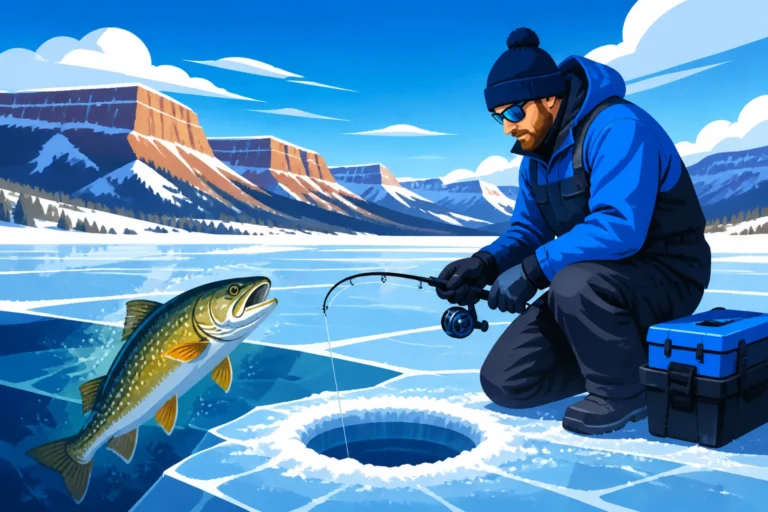
Beyond fishing, history, and hiking, the Leadville area has other unique attractions. The Leadville, Colorado & Southern Railroad offers scenic train rides through the Arkansas River Valley, providing panoramic views that are impossible to see from the road. It's a fantastic way to experience the grandeur of the Rockies without the physical exertion of a hike. In winter, the area transforms into a haven for snow sports, with cross-country skiing, snowshoeing, and ice fishing becoming popular activities. Speaking of ice fishing, if your trip coincides with the colder months, learning about Ice Fishing in Colorado, Getting Started could open up a whole new facet of Twin Lakes angling.
For those looking for a different kind of water adventure, the Arkansas River, a world-class whitewater rafting destination, is just a short drive away. Various outfitters in Buena Vista and Salida offer guided rafting trips ranging from mild scenic floats to exhilarating Class IV rapids. Combining a fishing trip to Twin Lakes with a rafting adventure on the Arkansas can make for an unforgettable multi-sport vacation. No matter your interests, the Leadville area, with Twin Lakes at its heart, truly offers something for everyone.
Twin Lakes Fishing Quick Reference
To help you quickly reference key information for your trip to Twin Lakes, here's a handy table summarizing some essential details.
| Category | Details |
|---|---|
| Location | Near Leadville, Colorado, off Highway 82. |
| Elevation | Approximately 9,200 feet (2,800 meters) |
| Primary Species | Cutthroat Trout (often trophy-sized), Rainbow Trout, Brown Trout, Mountain Whitefish. |
| Best Seasons | Late Spring (ice-out), Summer, Fall. Ice fishing in Winter. |
| Common Techniques | Fly Fishing (nymphing, streamers, dry flies), Spin Fishing (spoons, jigs, spinners, bait), Trolling. |
| Access | Multiple public access points, boat ramps at Twin Lakes Village, shoreline access along Highway 82. Campgrounds nearby. |
| Regulations | Valid Colorado Fishing License and Habitat Stamp required for most anglers. Check current CPW brochure for specific bag/possession limits and special rules. |
| Gear Recommendation | Medium-light to medium action rods, 6-8lb line for spin, 5-6wt rod for fly. Assortment of nymphs, streamers, dry flies, spoons, jigs. Waders, layered clothing, sun protection. |
| Nearby Amenities | Leadville (lodging, dining, supplies), campgrounds, boat rentals (check local outfitters, potentially find options via FishingBooker). |
| Other Activities | Hiking (Mount Elbert), scenic drives (Independence Pass), historic Leadville, rafting on Arkansas River, winter sports. |
This table provides a snapshot, but remember to always consult the official Colorado Parks and Wildlife regulations and local conditions before heading out for the most current and detailed information.
Disclaimer
The information provided in this guide is for general informational purposes only and is subject to change. Fishing regulations, conditions, and access points can vary seasonally and based on management decisions by Colorado Parks and Wildlife and other authorities. Always consult the most current official regulations and local conditions before planning and embarking on any fishing trip. Safety should always be your top priority.