How to Access Cheesman Canyon Without a Long Hike
Oh, Cheesman Canyon. It’s a place that simultaneously inspires awe and a groan of physical exhaustion among Colorado anglers. You dream of those legendary, wild trout, but the thought of that long, often strenuous hike just to get to the water can be a real deterrent, especially when you’re carrying all your gear. If you've ever wished there was a secret handshake or a hidden shortcut to experience this world-class fishery without feeling like you've just completed a marathon, you're in the right place. This guide is all about demystifying Cheesman Canyon access and exploring ways to minimize the grueling trek, so you can spend more time fishing and less time huffing it up and down steep trails.
Why Cheesman Canyon is Worth the Effort (and the Challenge)
Let's be honest, if Cheesman Canyon wasn't absolutely phenomenal, no one would bother with the hike. But it is. It's legendary, and for good reason. Before we dive into how to avoid some of the effort, it’s important to understand why so many anglers are willing to put in that sweat equity in the first place.
A Gold Medal Fishery's Reputation
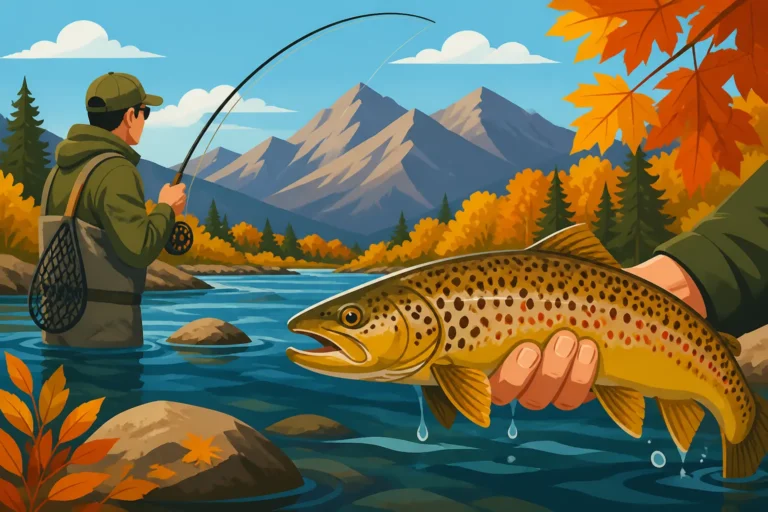
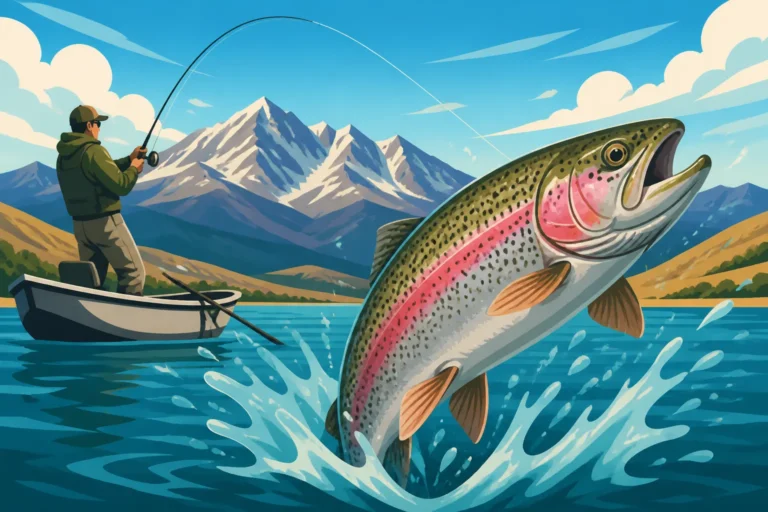
Cheesman Canyon, located on the South Platte River, holds the coveted "Gold Medal Water" designation from Colorado Parks and Wildlife (CPW). This isn't just a fancy title; it means this stretch of river consistently produces at least 60 pounds of trout per acre and a minimum of twelve 14-inch or larger trout per acre. We're talking about a phenomenal density of large, wild trout, primarily brown and rainbow trout, that are often incredibly wary and challenging to catch. It’s a true test of skill and patience, which is exactly why seasoned fly anglers flock here. The fish are healthy, strong, and incredibly beautiful, living in a pristine, canyon environment that feels a million miles away from the city. If you're looking to understand the specific rules that apply to these premium areas, our guide on Colorado Gold Medal Water Regulations Explained can offer more details.
The canyon's consistent cold water temperatures, maintained by releases from Cheesman Reservoir, provide ideal conditions year-round, even during the heat of summer. This ensures a rich aquatic insect population, meaning the trout have plenty to eat and grow to impressive sizes. It’s not uncommon to hook into a 20-inch brown or rainbow here, making the arduous journey feel instantly worth it. The challenge isn't just in the hike; it's in outsmarting these incredibly wild and discerning fish.
The Inevitable Hike for Most
Here’s the rub: Cheesman Canyon is rugged. It’s a deep, narrow canyon carved by the South Platte, and access is inherently limited. There are no roads that lead directly to the prime fishing spots, no easy parking lots right on the riverbank. This natural isolation is a significant part of its charm and what keeps the fishing pressure manageable despite its fame. However, it also means that almost any angling adventure into Cheesman Canyon begins and ends with a hike.
For many, the standard approach involves a multi-mile trek over uneven, steep terrain, often with significant elevation changes. Carrying waders, boots, a fly rod, a pack full of gear, water, and snacks for a full day can quickly turn a scenic walk into a serious workout. This physical demand can be a major barrier, especially for those new to the sport, those with physical limitations, or even seasoned anglers just looking for a more relaxed day on the water. The perception that "you have to earn it" at Cheesman Canyon is very real, but it doesn't mean there aren't ways to make that "earning" a little less punishing.
Understanding the Primary Access Points and Their Realities
To truly figure out how to minimize your hike, you first need to understand the main ways people typically get into Cheesman Canyon and what each entails. There are two primary trailheads, each offering a distinct experience.
The Gill Trail: The Classic (and Challenging) Approach
For many, the Gill Trail is the classic way to access Cheesman Canyon. It starts from the Cheesman Canyon parking lot off Jefferson County Road 126, near Deckers. This trail is spectacular, winding its way high above the South Platte River, offering breathtaking panoramic views of the canyon and the distant mountains. It's a true wilderness experience from the moment you step out of your car.
However, "classic" often means "difficult" in this context. The Gill Trail is approximately 3.5 to 4 miles long one way to reach the lower canyon fishing access, depending on where you decide to drop down to the river. What makes it particularly challenging isn't just the distance, but the significant elevation changes. You start high, then descend sharply into the canyon, which means a steep climb out at the end of your fishing day when your legs are already tired. The trail itself is rough, rocky, and can be exposed to the sun in places. While the views are incredible, you'll be focused on your footing more than the scenery at times. Anglers typically choose various points along the trail to scramble down to the river, meaning you might add more climbing and descending on informal paths. If you're planning on tackling these kinds of waters, you'll want to be familiar with proper techniques; our article on Nymphing Techniques for Colorado Tailwaters can be very helpful.
Pine Valley Ranch Park: A Longer but Gentler Alternative
The second main access point is through Pine Valley Ranch Park, located just south of Pine, Colorado. This approach is often overlooked by those solely focused on the Gill Trail, but it offers a genuinely different experience, especially if minimizing elevation gain is a priority. The trail from Pine Valley Ranch follows the South Platte River upstream into the canyon.
The main trail from Pine Valley Ranch is generally longer than the Gill Trail, clocking in around 5-6 miles one way to reach the most popular lower canyon sections. However, the terrain is significantly gentler. While still rocky and uneven in spots, the trail follows the river more closely, meaning much less dramatic up-and-down elevation change compared to the Gill Trail. It’s more of a gradual incline and decline, making it physically less demanding, albeit longer in terms of pure distance. This route offers a different kind of beauty, with closer views of the river and a more secluded, less exposed feel as you move upstream. For anglers who prefer a steady pace over steep climbs, this can be a welcome trade-off.
Strategies for Minimizing Your Hike into Cheesman Canyon
Now for the heart of the matter: how do you actually get to those legendary fish without feeling like you've just climbed a fourteener? While eliminating the hike entirely is largely impossible for true canyon access, there are definite strategies to reduce the impact of the hike.
The Gill Trail's Shorter Routes: Strategic Parking and Entry
When people talk about the "long hike" on the Gill Trail, they often mean walking all the way down to the bottom of the canyon, near the historic ranger station or even further downstream. However, you don't have to go that far to find incredible fishing. The key is strategic access.
Some anglers choose to target the upper sections of the Gill Trail, dropping down to the river at the first feasible access points. These spots are typically found within the first 1.5 to 2 miles of hiking from the main Gill Trail parking lot. While still a decent walk, it significantly cuts down on the overall mileage and, crucially, the most severe elevation changes. You'll still have a steep descent to the river and an equally steep climb back up, but the duration of that effort is much shorter. Look for well-worn side trails that lead down to the water; these are often created by fellow anglers who've scouted out shorter paths. Just be prepared for rough, steep scrambles – these are not maintained trails.
Another tactic, which might be stretching the definition of "Gill Trail access" but is relevant for Cheesman Canyon fishing without the full Gill Trail experience, involves focusing on the very top of the canyon, immediately below the dam. Access here is much shorter, essentially a quick walk from the separate Cheesman Reservoir parking area, but the fishing regulations can be different and highly technical. This area is often called the "catch-and-release" section and requires barbless hooks and artificial flies or lures. If you're targeting this highly technical water, our guide on Barbless Hook Rules on Colorado Rivers will be invaluable. The fish here are incredibly selective, but the hike is minimal. This area is less about the deep canyon experience and more about ultra-technical tailwater fishing.
Leveraging Pine Valley Ranch for a Less Strenuous Trek
If the steep ascents and descents of the Gill Trail sound like a nightmare, the Pine Valley Ranch Park approach is your best bet for a less strenuous hike, even if the total distance might be comparable or slightly longer. The key here is consistency in grade.
From Pine Valley Ranch, you'll embark on a relatively flat, well-maintained path for the first mile or two as you follow the river upstream. This section itself offers some decent fishing opportunities, though not the true "canyon" experience. As you progress further, the trail becomes narrower and more rugged, but it still maintains a more gradual incline than the Gill Trail. The strategy here isn't necessarily about finding a "shorter" hike in terms of mileage, but about finding an easier hike in terms of physical demand. It's an excellent option for those who prefer a long, steady walk over intense, short bursts of climbing. You can set a comfortable pace, enjoy the riverside scenery, and gradually make your way into the canyon proper. This approach is also often less crowded in its initial sections, offering a more peaceful start to your day. Remember, even with a gentler approach, understanding the nuances of the river is vital, and our article on Reading Water on a Colorado Freestone River can give you a leg up.
Considering Guided Trips for Logistical Ease
Sometimes, the best way to minimize the "hike" is to let someone else handle the logistics entirely. Booking a guided trip to Cheesman Canyon can dramatically reduce the physical and mental burden of accessing this phenomenal fishery. While guides won't helicopter you into the canyon (that's illegal and impractical!), they are experts at navigating the terrain efficiently and often know specific, less-traveled access points or techniques to make your day easier.
A good guide from an outfitter like Angler's Covey or The Blue Quill Angler will meet you at a designated spot, often closer to the river, and guide you directly to prime fishing water using the most efficient paths. They carry much of the heavy gear, provide all the flies and tackle, and most importantly, they know exactly where to go and how to fish it. This means less wasted time and energy figuring out the trails and more time focused on casting and catching. They can also tailor the hike to your fitness level, choosing routes that are less demanding if necessary. If you're curious about what to expect when hiring professional assistance, our comprehensive guide on Hiring a Fishing Guide in Colorado, What to Expect goes into much greater detail.
Another advantage of a guided trip is the local knowledge. Guides are intimately familiar with the river, the hatches, and the best techniques for specific conditions. They can literally put you on fish that you might struggle to find on your own. For a truly hassle-free experience, a guided trip is often worth the investment. You can often find and book these experiences through platforms like FishingBooker, which lists numerous local guides and outfitters specializing in Colorado fly fishing, including trips to Gold Medal Waters like Cheesman Canyon. They make it incredibly easy to compare options, read reviews, and secure your spot without the headache of coordinating all the details yourself. This allows you to focus purely on the fishing and the breathtaking environment, leaving the heavy lifting and navigation to the pros.
Essential Gear and Preparation for Your Optimized Cheesman Canyon Trip
Even with strategies to minimize the hike, Cheesman Canyon is still a demanding environment. Proper preparation and smart gear choices can make all the difference in turning a potentially miserable day into an enjoyable and successful one.
Packing Light and Smart
Every ounce counts when you're hiking, especially when you factor in the elevation. Resist the urge to overpack. Think minimalist.
- Water: This is non-negotiable. Bring more than you think you'll need. A hydration bladder in your pack is often more comfortable than carrying multiple water bottles. Dehydration can quickly sap your energy, making the hike out feel exponentially worse.
- Snacks: High-energy, easy-to-eat snacks like energy bars, nuts, or dried fruit are perfect. Don't weigh yourself down with a gourmet picnic.
- Essential Tackle: Only bring the flies you realistically think you'll need for the day. A small, well-organized fly box is better than a giant one. Carry minimal leader and tippet, clippers, forceps, and a floatant.
- Layered Clothing: Colorado weather is famously unpredictable. Layers allow you to adjust to changing temperatures without carrying heavy, bulky items.
- Small First-Aid Kit: Blisters, scrapes, and minor cuts are common on rugged trails. Be prepared.
- Sun Protection: High altitude means intense sun. Bring sunscreen, a wide-brimmed hat, and polarized sunglasses.
- Rod & Reel: Consider a multi-piece fly rod (4-piece or 6-piece) that can be easily stowed in a rod case attached to your pack, rather than wrestling with a fully assembled rod on a narrow trail.
Remember, the goal is to carry only what you need for safety, comfort, and successful fishing. Leave the kitchen sink at home.
Footwear and Clothing for Rugged Terrain
Your choice of footwear is paramount for a comfortable and safe trip into Cheesman Canyon.
- Hiking Boots for the Trail: Wear sturdy, broken-in hiking boots or shoes with good ankle support and aggressive tread for the hike in and out. Do not hike in your wading boots for miles; it’s uncomfortable, inefficient, and can lead to injury.
- Wading Boots & Waders: Carry your wading boots separately and change into them at the river. Many anglers will strap their wading boots to the outside of their pack. Choose lightweight, breathable waders. If you're not planning to wade deep, wet wading (wearing quick-drying pants or shorts and wading boots) might be an option in warmer months, which significantly reduces bulk and weight.
- Appropriate Clothing: Dress for active movement. Quick-drying fabrics are always a good choice. Even in summer, bring a light jacket or fleece for cooler mornings or evenings in the canyon. In colder months, insulate properly with base layers, mid-layers, and a waterproof/windproof outer shell. Our article on Colorado Fishing Seasons Month by Month can help you plan your attire based on the time of year.
Taking the time to plan your gear, particularly your footwear and pack contents, will directly translate to a less taxing and more enjoyable journey, leaving you fresher and more energized to actually fish when you hit the water. This is especially true on a long day, where fatigue can really set in during the hike out.
Comparing Cheesman Canyon Access Points
To help visualize your options, here’s a quick comparison of the two main access points for Cheesman Canyon.
| Feature | Gill Trail Access (from CR 126) | Pine Valley Ranch Park Access |
|---|---|---|
| Typical Distance (one way to prime fishing) | ~3.5 – 4 miles (can be shorter to upper canyon) | ~5 – 6 miles |
| Elevation Change | Significant up and down, steep descents/ascents | More gradual, less severe up and down |
| Terrain | Rocky, rugged, exposed in parts, well-defined trail | Generally smoother initially, becomes rugged closer to canyon |
| Physical Demand | High (due to steepness) | Moderate (due to length, but less strenuous grade) |
| Scenery | Panoramic canyon views from high trail | Closer river views, more secluded feeling |
| Crowd Level | Can be busy, especially on weekends | Often less crowded in initial sections |
| Best For | Anglers seeking classic canyon views, okay with steep climbs | Anglers preferring longer, gentler hikes; avoiding steepness |
No matter which path you choose, remember that Cheesman Canyon is a special place that demands respect for its wild nature and the incredible fishing it offers. By being strategic in your access and preparation, you can absolutely enjoy its magic without completely exhausting yourself before you even make your first cast. Whether you opt for a shorter, steep scramble, a longer, gentler stroll, or the expert guidance found via services like FishingBooker, those trophy trout are waiting.
Disclaimer
Please be aware that fishing regulations, access points, and trail conditions can change. Always check the latest Colorado Parks and Wildlife regulations and trail reports before heading out. Safety in the backcountry is paramount, and it's always advisable to let someone know your plans and expected return time.