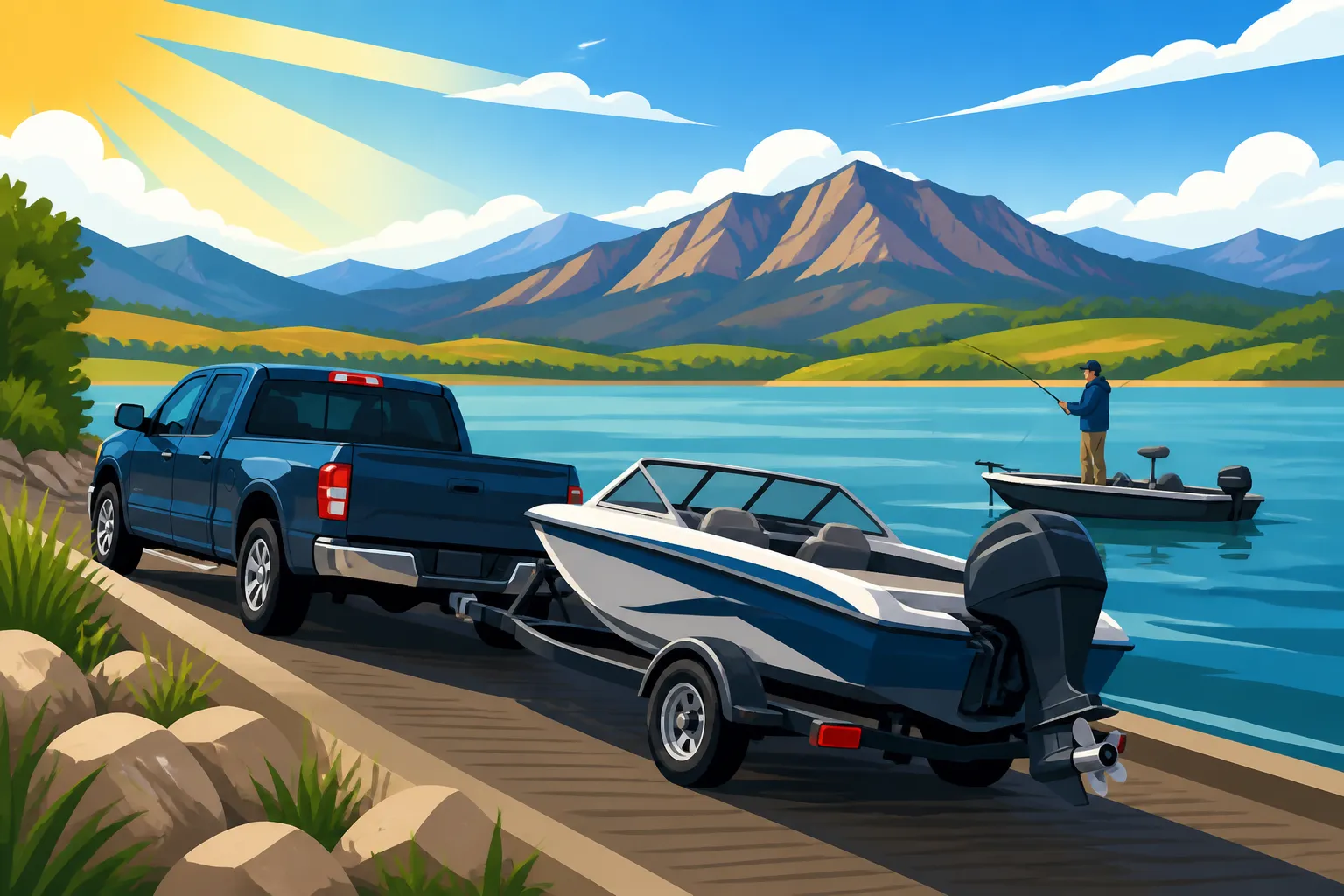
Boat Ramps at Chatfield Reservoir
Figuring out where to put your boat in for a day of fishing can be surprisingly stressful, especially at a popular spot like Chatfield Reservoir. You want to spend your time on the water, not circling a parking lot or waiting endlessly at a ramp. This guide is all about giving you the lowdown on Chatfield's boat ramps, helping you navigate the access points, understand the requirements, and make the most of your time on this fantastic Colorado fishery.
Getting Your Vessel Afloat: Chatfield Reservoir's Boat Ramps
Chatfield State Park, a beloved jewel in Colorado's outdoor crown, offers fantastic boating opportunities, but knowing the ins and outs of its boat ramps is key to a smooth start to your day. It’s not just about finding a ramp; it’s about understanding the nuances of each one and how they operate throughout the year.
A Closer Look at the Main Boat Ramps
Chatfield Reservoir primarily features two major boat ramps designed to handle a wide variety of vessels: the North Boat Ramp and the South Boat Ramp. Both are well-maintained by Colorado Parks and Wildlife (CPW) and offer ample lanes for launching and retrieving. However, they each have their own personality, accessibility, and peak usage patterns that can influence your decision.
The North Boat Ramp is often the first one many people encounter as they enter the park from the north side. It's usually a bustling hub of activity, especially on weekends and holidays. This ramp is typically wider, boasting more lanes, which theoretically means faster launches. You'll see everything from sleek bass boats and powerful wakeboarding boats to sturdy fishing pontoons and even smaller jon boats being launched here. It’s a full-service ramp with dedicated staff during peak season to assist with inspections and manage traffic. The area around it is quite open, leading directly into the main body of the reservoir, making it convenient for those who want to get out and explore quickly.
On the other hand, the South Boat Ramp, located further down the road and often accessed via the southern park entrance, tends to be a bit less chaotic, though still very busy. While it might have slightly fewer lanes, it can offer a slightly more relaxed atmosphere. It's often favored by local anglers who know the area well and appreciate its proximity to certain fishing grounds. The approach to the South Boat Ramp can feel a little more secluded, winding through some of the park's natural landscapes before opening up to the lake. Both ramps are designed to accommodate trailered boats, but understanding their individual layouts is crucial for a stress-free experience.
Specifics of Each Ramp's Setup and Amenities
Let's dive into the nitty-gritty of what you can expect at each of these primary access points. It’s not just about the concrete slope; it’s about the surrounding infrastructure that makes your day easier.
The North Boat Ramp, being the larger of the two, typically features six to eight launch lanes, which are a real blessing on a busy Saturday morning when everyone has the same idea. Adjacent to the ramp, you’ll find extensive parking areas designed to accommodate truck-and-trailer rigs. During peak season, these lots can fill up surprisingly fast, so arriving early is always a solid strategy. There are usually vault toilets nearby, and often a small concession stand or mobile vendor is present, offering snacks, drinks, and sometimes even bait and tackle. The dock system at the North Ramp is quite robust, providing plenty of space to tie up your boat temporarily while you park your vehicle or prepare for your departure. This ramp is particularly favored by those with larger boats due to its generous space and deeper water access, even during periods of lower reservoir levels.
The South Boat Ramp, while perhaps a bit smaller with four to six lanes, still offers excellent facilities. Its parking areas, while also substantial, might be spread out a bit more, sometimes requiring a slightly longer walk back to the ramp. Like its northern counterpart, you’ll find restrooms conveniently located. One distinct advantage of the South Ramp is its proximity to the Chatfield State Park Marina, which offers additional services such as fuel, a store for supplies, and even boat rentals for those who don’t own a vessel but still want to enjoy a day on the water. This can be incredibly handy if you realize you forgot something crucial or need to top off your tank before heading out. Both ramps are generally paved and well-maintained, but always exercise caution, especially when wet, as they can become slick.
Operational Hours and Seasonal Considerations
Chatfield Reservoir is a year-round destination, but the operational specifics of its boat ramps shift dramatically with the seasons and even the time of day. You can't just show up any time and expect the same experience.
During the busy summer months (roughly Memorial Day to Labor Day), the ramps are typically staffed from early morning until late evening, often from 6 AM to 8 PM or later, seven days a week. This is when you'll find aquatic nuisance species (ANS) inspectors on duty, ready to perform mandatory boat inspections before you launch. Beyond the immediate summer rush, the shoulder seasons – spring and fall – see slightly reduced hours. In early spring, as ice melts and water temperatures rise, the ramps open up, but staffing might be limited to weekends initially. As fall progresses and temperatures drop, hours shorten again, and eventually, one or both ramps might transition to self-serve (unstaffed) or even close if ice forms.
Winter is a different beast entirely. If Chatfield freezes over enough to allow safe ice fishing, boat ramps usually close, and access shifts to designated ice access points. However, if the reservoir remains open water throughout a mild winter, one ramp might stay open for brave cold-weather anglers, though often with minimal or no staffing for ANS inspections. Always check the official Colorado Parks and Wildlife (CPW) website or call the Chatfield State Park office directly before heading out, as conditions and operational hours can change rapidly due to weather, water levels, or staffing. Planning your trip around these seasonal shifts will save you a lot of potential frustration.
Planning Your Day at Chatfield: Beyond the Ramps
A successful day of boating and fishing at Chatfield is about more than just getting your boat in the water. It involves understanding the rules, preparing for inspections, and knowing how to navigate both on and off the water.
Required Inspections and Park Fees
Before you even think about backing your trailer down the ramp, there are some critical steps you must take. Colorado has strict regulations to protect its waters from invasive species, and Chatfield Reservoir is no exception. Every motorized and sail-powered vessel, as well as certain other watercraft, must undergo a mandatory aquatic nuisance species (ANS) inspection before launching.
These inspections are carried out by trained CPW staff at designated stations, usually right near the boat ramps during operational hours. They'll be looking for things like zebra mussels, quagga mussels, and other hitchhikers that can wreak havoc on Colorado's delicate ecosystems. You'll need to make sure your boat is Clean, Drained, and Dry. This means removing all plants, mud, and debris; draining all water from the bilge, livewells, and motor; and ensuring the boat has been dry for a specified period (which varies depending on where it was last used). If your boat doesn't pass inspection, you could be denied launch, so it's vital to prepare beforehand. You can find detailed information on these requirements in the Colorado Fishing Regulations Every Angler Should Know guide.
In addition to the ANS inspection, you'll also need a valid Colorado State Park Pass to enter Chatfield State Park. This can be a daily pass, or if you plan to visit frequently, an annual pass offers better value. You can purchase these at the park entrance stations. Don't confuse this with your Colorado Fishing License Guide for Residents and Nonresidents, which is a separate requirement for anyone aged 16 and over who plans to fish. Many new anglers sometimes overlook the park pass, thinking their fishing license covers everything, but that's a common mistake, as explained in our article on Colorado State Park Passes vs Fishing Licenses.
Safety and On-Water Regulations
Once you’re on the water, Chatfield has its own set of rules to ensure everyone's safety and enjoyment. These aren't just suggestions; they're enforceable regulations designed to keep you and your fellow boaters safe.
One of the most important aspects to be aware of is the varying speed and wake zones. Near the boat ramps, marinas, and designated swimming areas, you’ll typically find no-wake zones, meaning your boat must operate at the slowest possible speed necessary to maintain steerage, creating minimal wake. As you move further out into the main body of the reservoir, speed limits usually increase, but it's crucial to pay attention to signage and buoy markers. There are also specific areas designated for watersports like waterskiing and wakeboarding, and others where these activities might be restricted to protect shorelines or wildlife.
Always ensure you have all required safety equipment onboard, including life jackets for every person (properly fitted, especially for children), a throwable flotation device, a sound-producing device (like a whistle or horn), navigation lights if operating at dawn, dusk, or night, and a fire extinguisher. Weather can change quickly in Colorado, so keep an eye on the sky and consider having a marine radio or fully charged cell phone for emergencies. Knowing the general Colorado Ice Fishing Rules is also helpful if you plan to visit during colder months, as conditions can transition rapidly.
Parking and Overflow Considerations
Parking at Chatfield, especially for those with boat trailers, can become a real challenge on sunny summer weekends. The park is hugely popular, and the trailer parking lots can fill to capacity surprisingly early in the day.
Each main boat ramp has dedicated truck and trailer parking. These spaces are specifically designed to accommodate the length of a truck and its attached trailer. When these primary lots fill up, which they often do by mid-morning on a busy Saturday, park rangers might direct boaters to overflow parking areas. These overflow spots might be further from the ramps, potentially requiring a shuttle service (if available) or a longer walk back to your boat. Sometimes, if the park reaches full capacity, they might even close the entrance gates to new visitors, so it's never a bad idea to check the park's social media or website for real-time updates on capacity before you leave home. Arriving before 8 AM is generally a safe bet during peak season to secure a prime parking spot.
Maximizing Your Launch Experience
A smooth launch sets the tone for your entire day. With a little foresight and preparation, you can avoid common pitfalls and make the most of your time on Chatfield's waters.
Best Practices for Busy Days
Nobody enjoys waiting in a long line, especially when the fish are calling. Here are some seasoned tips to make your busy-day launch as efficient as possible. First and foremost, arrive early. We’re talking sunrise, or even before. Not only will you beat the crowds at the ramp and inspection stations, but you’ll also get your pick of prime parking.
Secondly, prepare your boat before you get to the ramp. This means having all your gear loaded, lines untangled, coolers packed, drain plug in, and anything else you need to do to get ready for the water. The ramp itself is not the place to be fiddling with tackle boxes or tying knots. Have your life jackets ready and your safety equipment accessible. When you pull up to the ramp, you should be able to back down, launch, and move your boat away from the dock in minutes, not ten. This courtesy helps everyone, especially when dealing with the popularity of Fishing Chatfield Reservoir.
Third, know your boat and trailer. Practice backing up your trailer in an empty parking lot if you’re new to it. Confidence and efficiency at the ramp come with practice. If you see an opportunity to launch when it’s less busy, even for a quick trip, take it to hone your skills. Remember that sometimes booking a guided trip, which you can often find through platforms like FishingBooker, can give you a stress-free day on the water without worrying about launching your own boat.
Alternative Launching Options
While the main boat ramps cater to motorized vessels, Chatfield Reservoir is also a fantastic spot for paddlecraft, and there are specific areas designed for them.
If you're bringing a kayak, canoe, stand-up paddleboard, or even a belly boat for fishing, you generally won't need to use the main motorized boat ramps. Chatfield offers several hand-launch sites and calmer coves perfect for paddlecraft. These areas are typically marked and allow for easy carry-in access to the water. A huge benefit is that paddlecraft often requires a simpler ANS inspection (usually a self-inspection form) and avoids the heavy traffic of the main ramps.
For anglers keen on targeting species like trout, bass, or the exciting wiper that Chatfield is known for, these smaller craft open up different parts of the reservoir. You might explore the quieter coves or the river inlet areas that larger boats can't access. Remember to still have your Colorado State Park Pass and your Colorado Fishing License Costs Explained covered, as these are universally required for fishing.
Nearby Amenities and Services
Even the most prepared angler might need a last-minute item or a quick refuel. Fortunately, Chatfield State Park has you covered with several convenient amenities.
The Chatfield State Park Marina, located near the South Boat Ramp, is a hub of activity. Here, you can usually find marine fuel, a general store stocked with snacks, drinks, ice, and basic fishing supplies like bait and some tackle. They might also offer boat rentals if you decide you want to try a different type of vessel for the day. Having these services readily available means you don't have to leave the park and drive into town if you run out of something important.
Beyond the marina, the surrounding areas of Littleton, Roxborough Park, and Highlands Ranch offer a full spectrum of services. You'll find plenty of bait and tackle shops, gas stations, grocery stores, and restaurants within a 10-15 minute drive of the park entrances. For instance, you could grab some live minnows or worms at a local shop like Angler's Roost before heading into the park. It’s a good idea to scout out a few options beforehand, especially if you have a specific type of bait or tackle in mind.
Troubleshooting and Common Concerns
Even with the best planning, sometimes things don't go exactly as expected. Being prepared for common issues can save your fishing trip from becoming a major headache.
Dealing with Low Water Levels
Colorado reservoirs, including Chatfield, are susceptible to fluctuating water levels, especially during drought years or periods of heavy water usage. Low water can significantly impact boat ramp usability. When the water level drops, the concrete ramp might not extend far enough into the water, making launching larger boats difficult or even impossible.
During exceptionally low water periods, one or both boat ramps might be partially or completely closed to motorized vessels. This happened in recent years, prompting CPW to issue alerts and suggest alternative launch sites or even temporary closures for specific boat sizes. Always check the Chatfield State Park website or call their office before you head out, especially if there have been reports of dry conditions. They will provide the most up-to-date information on ramp closures and any restrictions in place. If one ramp is closed, the other might be incredibly busy, so adjust your arrival time accordingly.
Reporting Issues and Seeking Assistance
If you encounter an issue at the boat ramps or on the water, knowing who to contact is crucial. For immediate emergencies, always call 911. For non-emergency issues within the park, such as a problem at the boat ramp, a broken dock, or a concern about another boater's behavior, you should contact the Chatfield State Park office. Their rangers are trained to handle a wide range of situations, from assisting with stalled vehicles at the ramp to responding to minor incidents on the water.
You can often find contact numbers for park staff on signage near the boat ramps or on the official CPW website. If you’re fishing and notice someone violating fishing regulations, such as exceeding Colorado Bag and Possession Limits by Species or engaging in illegal activities, you can report it to Operation Game Thief by calling 877-COLO-OGT. This anonymous hotline helps CPW enforce regulations and protect Colorado's natural resources.
Tips for First-Timers at Chatfield
If you're new to boating at Chatfield, don't be intimidated! Everyone starts somewhere. Here are a few extra tips to make your first experience a positive one.
Firstly, consider visiting on a weekday if possible. The ramps and lake are significantly less crowded, giving you more space and time to get comfortable. Secondly, watch what others are doing. Observe how experienced boaters prepare their vessels, back down the ramp, and move away from the dock. You'll pick up valuable tips just by watching. Thirdly, don't be afraid to ask for help if you need it. Most boaters are friendly and willing to offer a hand, especially if they see you're struggling. You might even consider hiring a guide through a service like FishingBooker for your first trip, as they can handle all the boating logistics while you focus on fishing and learning the ropes.
Finally, familiarize yourself with the layout of the reservoir. A quick look at a map beforehand can help you understand the location of no-wake zones, key fishing spots like those mentioned in What Chatfield Reservoir Holds Besides Trout or Fishing for Wiper at Chatfield Reservoir, and safe areas to anchor or swim. Having a plan, even a loose one, will make you feel more confident and allow you to enjoy the beautiful scenery and excellent fishing opportunities Chatfield has to offer. Taking a moment to read through Reading Colorado's Fishing Regulations Brochure can also provide a solid foundation for your first trip.
Chatfield Reservoir Boat Ramp Overview
| Ramp Name | Location (Approx.) | Number of Lanes (Approx.) | Key Features | Common Usage | Notes |
|---|---|---|---|---|---|
| North Boat Ramp | North side of reservoir, accessible from Hwy 121 | 6-8 | Wider ramp, robust docks, extensive truck/trailer parking | Motorized boats, wakeboarding, waterskiing, fishing | Can be very busy; closer to Denver; deeper water access |
| South Boat Ramp | South side of reservoir, accessible from Titan Rd | 4-6 | Proximity to Chatfield Marina (fuel, store), good docks, substantial parking | Fishing boats, pontoons, smaller motorized craft | Slightly less hectic than North; marina services nearby |
| Hand Launch Areas | Various points around the reservoir | N/A | Easy carry-in access, calmer coves, less crowded | Kayaks, canoes, SUPs, belly boats, small inflatables | Requires self-inspection for ANS; no trailer access; perfect for quiet water. |
Disclaimer
The information provided in this guide is for general informational purposes only and is subject to change. Always consult the official Colorado Parks and Wildlife (CPW) website and Chatfield State Park for the most current regulations, operational hours, and conditions before planning your trip. Fishing regulations, fees, and safety guidelines can change without notice.