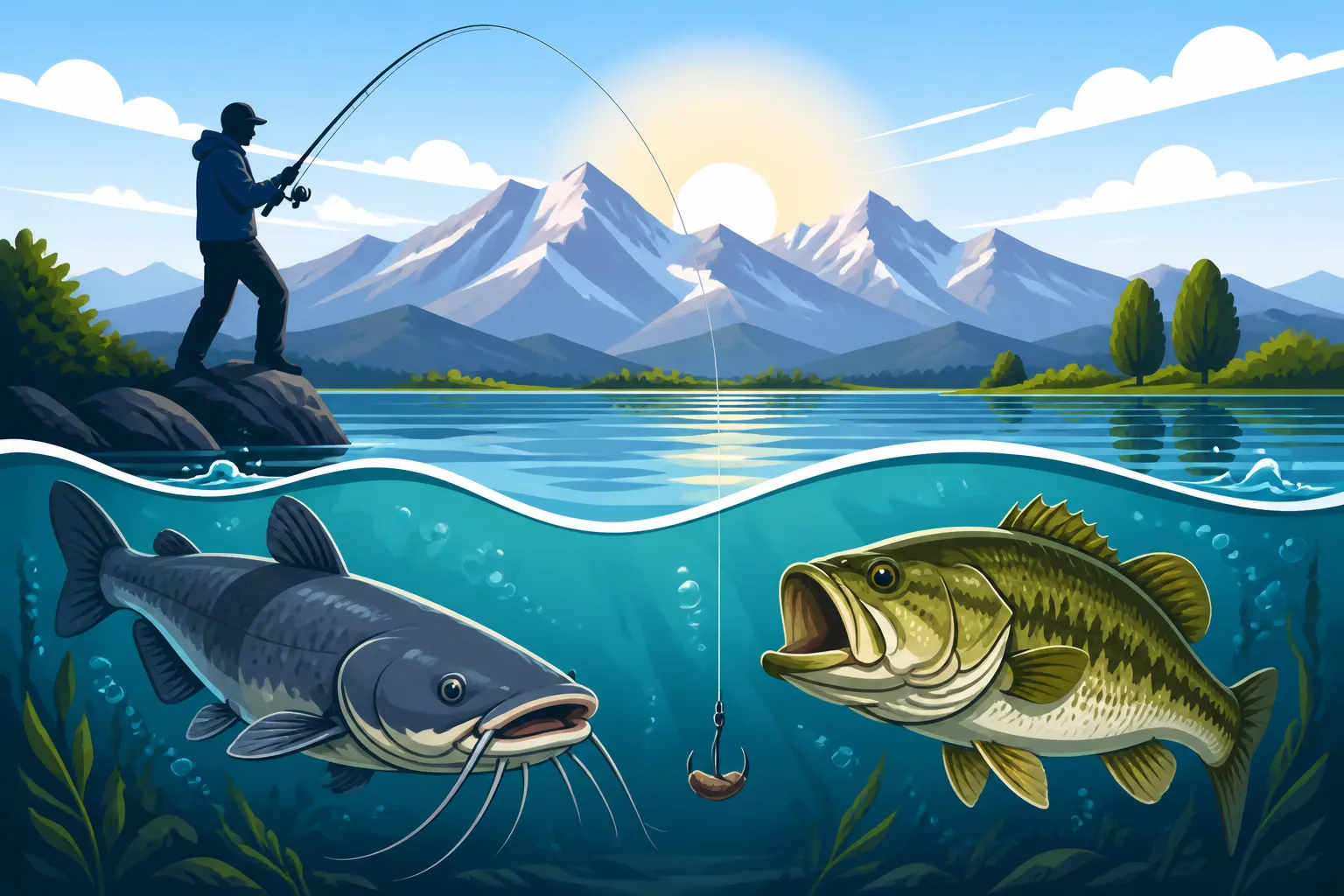
Catfish and Bass Fishing at Sloan’s Lake
For many urban anglers in Colorado, the dream of hooking into a feisty largemouth bass or a powerful channel catfish often feels reserved for distant, tranquil lakes. But what if I told you that one of Denver's most accessible, beautiful, and surprisingly productive urban fisheries holds these very species, right in the heart of the city? This guide is all about demystifying fishing at Sloan's Lake, helping you discover the thrill of battling bass and catfish just minutes from downtown.
Why Sloan's Lake is a Unique Urban Fishery for Bass and Catfish
Sloan's Lake Park, a sprawling urban oasis on the west side of Denver, offers a truly unique angling experience. It's a place where you can see the city skyline over your shoulder as you cast your line, yet still feel completely immersed in the pursuit of fish. This juxtaposition of urban hustle and natural tranquility is part of its charm, but it also presents specific opportunities and challenges for anglers targeting warmwater species like bass and catfish.
Understanding Sloan's Lake's Ecosystem
Sloan's Lake is the second-largest lake in Denver by area, covering approximately 177 acres. While not exceptionally deep, with average depths around 10 feet and a maximum depth reaching about 20-25 feet in certain spots, its urban setting means it experiences a wide range of influences. The lake bed is generally soft and silty, with scattered areas of submerged vegetation, rock rubble, and artificial structures like docks and bridges. These features create excellent habitat for both ambush predators like bass and bottom-dwelling scavengers like catfish. The water quality is regularly monitored by Denver Parks and Recreation, and while it's an urban lake, it supports a surprisingly diverse fish population. The warmer, shallower areas, especially those with cover, are prime real estate for bass, while the deeper channels and soft bottoms appeal to catfish. Understanding these subtle differences in the lake's structure is key to successful fishing here.
Targeted Species: Channel Catfish and Largemouth Bass
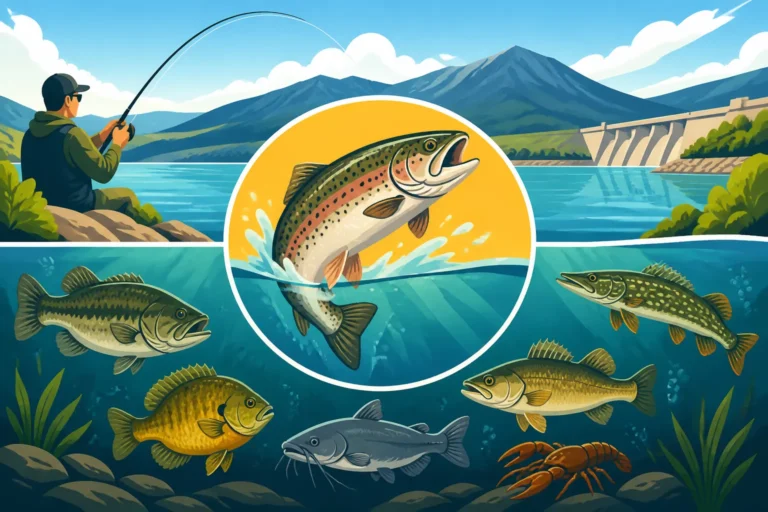
Anglers flock to Sloan's Lake for a variety of species, but the true stars for many are the channel catfish and largemouth bass. Both species thrive in the lake's environment and offer exciting opportunities for both novice and experienced anglers.
Channel catfish are abundant here, and while they might not reach the monster sizes found in massive reservoirs, anglers regularly pull out cats ranging from 1 to 5 pounds, with larger specimens pushing 10 pounds or more. They are powerful fighters, known for their strong runs and dogged resistance, making them incredibly fun to catch. They are also fantastic table fare, for those who choose to keep them within legal limits. Their scavenger nature means they're often willing to bite, making them a good target for a more relaxed day of fishing.
Largemouth bass are the other primary draw. Sloan's Lake bass tend to be solid, healthy fish, with many in the 1 to 3-pound range, and trophy-sized bass over 5 pounds are caught annually. These fish are masters of ambush, lurking around structure and eagerly striking at well-presented baits and lures. The challenge of outsmarting a cunning largemouth, especially in an urban environment where they see a lot of fishing pressure, adds an extra layer of satisfaction to the catch. Whether you're a seasoned bass angler or just starting out, Sloan's Lake provides ample opportunities to test your skills against these aggressive predators.
Essential Gear and Techniques for Sloan's Lake Anglers
Successfully targeting catfish and bass at Sloan's Lake means having the right tools and knowing how to use them effectively in this unique urban setting. You don't need highly specialized, expensive equipment, but a thoughtful approach to your tackle can make a big difference in your catch rates.
Rods, Reels, and Line for Urban Battle
For both species, you'll want a rod and reel setup that offers a good balance of power and sensitivity. A medium to medium-heavy action spinning rod, typically in the 6'6" to 7'6" range, paired with a 2500 to 4000 series spinning reel, is a versatile choice. This setup allows for good casting distance, provides enough backbone to handle larger fish, and is sensitive enough to detect subtle bites. For those who prefer baitcasting, a medium-heavy baitcaster with a similar rod length is ideal for bass and could easily handle smaller to mid-sized catfish.
Line selection is crucial. For channel catfish, many anglers opt for monofilament or fluorocarbon lines in the 8 to 15-pound test range. Monofilament offers good abrasion resistance against the occasional submerged debris and has a bit of stretch, which can be forgiving. Fluorocarbon is less visible underwater and more sensitive. For largemouth bass, fluorocarbon or braided line are popular choices. Braided line (15-30 lb test) offers incredible sensitivity and strength, especially when fishing around heavy cover, and it's often paired with a fluorocarbon leader for stealth. Whatever line you choose, ensure it's fresh and regularly check for nicks and abrasions, as urban environments can be tough on fishing line. You can learn more about general requirements in our comprehensive guide, "Colorado Fishing License Guide for Residents and Nonresidents", to ensure you're fully prepared.
Best Baits and Lures for Sloan's Lake Success
The beauty of fishing for bass and catfish at Sloan's Lake is the wide variety of baits and lures that can be effective. Each species has its preferences, but there's often overlap, allowing you to target both with some strategic adjustments.
For channel catfish, scent is king. Traditional baits often outperform artificial lures. Here are some proven favorites:
- Cut Bait: Small pieces of shad, sunfish, or even hot dogs soaked in garlic or an anise-based attractant.
- Stink Bait/Prepared Baits: Commercial stink baits, dough balls, or pre-made catfish nuggets work wonders. Brands like Sonny's or various punch baits are popular.
- Nightcrawlers/Worms: A classic for a reason. Threaded onto a hook, worms appeal to catfish with their natural movement and scent.
- Chicken Livers: Messy but highly effective, especially when fresh.
For largemouth bass, presentation and imitation are key. They are sight feeders and aggressive predators.
- Soft Plastics: Senkos, creature baits, worms, and swimbaits rigged Texas-style, Carolina-style, or on a jig head. Green pumpkin, black and blue, or watermelon seed colors are reliable.
- Crankbaits: Medium-diving crankbaits in shad patterns or crawfish colors can be deadly, especially when retrieved near drop-offs or submerged structure.
- Spinnerbaits/Chatterbaits: Excellent for covering water and triggering reaction strikes, especially around vegetation. White, chartreuse, or black are good starting points.
- Topwater Lures: Poppers, walk-the-dog lures, and frog imitations can provide explosive strikes during low light conditions or over heavy cover.
- Jigs: Flipping and pitching jigs with soft plastic trailers into dense cover is a classic bass tactic.
When fishing for catfish, a simple bottom rig with an egg sinker above a swivel and an 18-24 inch leader to a circle hook (sizes 2/0 to 4/0) is hard to beat. For bass, the rigging will depend on the lure. Consider booking a guided trip to learn more about specific baits and techniques; many guides listed on FishingBooker are experts in local urban fisheries.
Here's a quick reference for common baits and lures:
| Species | Bait/Lure Type | Key Characteristics | Best Used For |
|---|---|---|---|
| Channel Catfish | Cut Bait | Strong natural scent, oily | Bottom fishing, attracting distant fish |
| Stink Bait | Concentrated odor, messy to handle | Still fishing, high attraction in murky water | |
| Nightcrawlers | Natural movement, readily available | Versatile, appeals to various fish sizes | |
| Largemouth Bass | Soft Plastics | Versatile, mimick worms/creatures | Finesse fishing, targeting structure, various depths |
| Crankbaits | Diving action, erratic movement | Covering water, eliciting reaction strikes | |
| Spinnerbaits/Chatterbaits | Vibration, flash, good for cover | Aggressive fish, covering vegetation, murky water | |
| Topwater Lures | Surface commotion, visual appeal | Low light, calm conditions, exciting strikes |
Remember that Colorado has specific regulations regarding bait, particularly live bait and the use of certain fish species as bait. Always check "Colorado Bait Restrictions and Where They Apply" to ensure you're compliant.
Navigating Sloan's Lake: Access, Regulations, and Best Spots
One of the great advantages of Sloan's Lake is its accessibility. As a public park, it offers numerous points of entry and amenities that make a fishing trip convenient. However, like any urban fishery, it comes with its own set of rules and unwritten local knowledge that can greatly enhance your experience.
Public Access Points and Bank Fishing Hotspots
Sloan's Lake is surrounded by a paved walking and biking path, providing continuous bank access around much of its perimeter. This is fantastic news for shore anglers. Parking is available in designated lots within the park, particularly on the east and west sides, and along many of the residential streets surrounding the park (pay attention to parking signs).
Some of the most consistent bank fishing hotspots for bass and catfish include:
- The North Shore: Often has deeper water closer to shore and can be good for catfish. Look for areas with a bit more submerged vegetation or a rocky bank.
- The West Side (near the boat ramp): This area can be productive for both species, especially in the mornings or evenings. The boat ramp structure itself and nearby drop-offs can hold fish.
- The East Side (near the pavilion and concession stands): While often busy, this area has some interesting contours and sometimes deeper pockets that can attract catfish. Bass will often patrol the shallower edges here, especially near any emergent vegetation.
- The South Side: Generally shallower, but can be excellent for bass, particularly in the spring and early summer when they move into warmer water. Look for points or slight irregularities in the shoreline.
Beyond these general areas, the key is to look for structure. Docks, fallen trees (if present), bridge pilings, and dense weed beds are all prime locations where bass will ambush prey and catfish will seek cover and food. Don't be afraid to walk the perimeter and observe before you cast; you might spot activity or promising cover. For more general guidelines on urban fishing, check out "Colorado Fishing License Rules for Community Ponds in Denver" which shares insights applicable to Sloan's Lake.
Key Regulations for Sloan's Lake Fishing
Fishing at Sloan's Lake falls under the general Colorado Parks and Wildlife (CPW) regulations, but as an urban park lake, there might be additional rules specific to the Denver Parks and Recreation system. It's absolutely crucial to familiarize yourself with these before you wet a line. A great starting point is the official "Colorado Fishing Regulations Every Angler Should Know" brochure, which is updated annually.
Key regulations to pay attention to typically include:
- Fishing License: Anyone 16 years or older needs a valid Colorado fishing license. There are different options available, including annual, one-day, and five-day licenses. You can easily purchase one online through CPW's website or at many retailers. For a full breakdown, see "Colorado Fishing License Costs Explained".
- Bag and Possession Limits: These vary by species and water body. While general limits apply, always check the current CPW regulations specific to Sloan's Lake for channel catfish and largemouth bass. For instance, you might be interested in "Colorado's Daily Walleye Limit" for other species, but always verify the rules for your target fish.
- Bait Restrictions: As mentioned earlier, be aware of any restrictions on live bait or bait types. While general bait fishing is allowed for catfish, some specific waters have limitations.
- Second Rod Stamp: If you plan to fish with two rods, you'll need to purchase a Colorado Second-Rod Stamp in addition to your fishing license. This is a common practice for catfish anglers who like to have multiple lines in the water.
- Catch and Release: While keeping fish for consumption is allowed within limits, practicing selective harvest and catch-and-release for larger bass helps maintain a healthy fishery, especially in heavily pressured urban lakes. Handle fish gently, especially if you plan to release them.
Remember, ignorance of the law is not an excuse. Game wardens and park rangers do patrol Sloan's Lake, and violations can result in hefty fines. Always keep your license handy and know the rules. Many anglers find convenient ways to purchase and display their licenses, with some even using platforms like FishingBooker which often integrate license information into their trip planning resources.
Seasonal Strategies for Maximizing Your Catch
Understanding how the changing seasons affect fish behavior is paramount to consistent success at Sloan's Lake. Bass and catfish, while different in their habits, both respond to water temperature and environmental cues, dictating where they'll be and what they'll bite.
Spring and Summer: Peak Season for Action
Spring and summer are undoubtedly the most popular and often most productive times to fish Sloan's Lake for both bass and catfish. As water temperatures rise, fish become more active, moving into shallower areas to feed and spawn.
Spring (March – May):
As ice melts and water temperatures begin to climb into the 40s and 50s Fahrenheit, both bass and catfish start to shake off their winter lethargy.
- Bass: In early spring, look for bass in slightly deeper areas adjacent to shallow flats, sun-warmed coves, and rocky points. They'll be looking for easy meals before the spawn. Jigs, slow-rolled spinnerbaits, and lipless crankbaits can be effective. As the water hits the 50s and 60s, bass move into the shallows to spawn. This is a prime time for sight-fishing with soft plastics (like Senkos or creature baits) around visible structure like docks or weed lines, being careful not to disturb bedding fish too much.
- Catfish: Catfish become very active in late spring as water temperatures reach the 60s. They'll cruise shallow flats and channel edges looking for food. Baits like nightcrawlers, chicken livers, and cut bait fished on the bottom are highly effective. The warmer water increases their metabolism, making them aggressive eaters.
Summer (June – August):
Summer brings consistent warm water, often reaching into the 70s, and with it, strong feeding patterns.
- Bass: Early mornings and late evenings are prime times for bass, especially topwater action. During the heat of the day, bass often retreat to deeper, cooler water or seek refuge in dense vegetation and shady spots under docks. Fishing soft plastics or jigs into these cover areas can be very effective. Look for them around any submerged structure.
- Catfish: Catfish remain highly active throughout the summer. They'll feed heavily day and night, though often more actively after dark or during cloudy days. Deeper areas of the lake, particularly those with a soft bottom or access to structure, will hold concentrations of fish. Using stronger smelling baits like stink baits or cut bait is a solid strategy. Fishing at night can be particularly rewarding for larger catfish, as they feel more secure under the cover of darkness. Many local anglers consult platforms like FishingBooker to find guide availability for evening or night trips specifically targeting these active summer catfish.
Fall and Winter: Adapting to Colder Waters
As the seasons turn and water temperatures begin to drop, the fishing at Sloan's Lake changes significantly. It requires a different approach, but can still offer rewarding experiences for dedicated anglers.
Fall (September – November):
Autumn sees water temperatures gradually declining from the 60s into the 40s. This period often triggers a "feeding frenzy" as fish bulk up for winter.
- Bass: Fall can be fantastic for bass fishing. They become very aggressive, chasing baitfish in open water and around shallow structures. Crankbaits, spinnerbaits, and jerkbaits worked aggressively can produce big strikes. As water cools further, bass will move deeper, congregating around main lake points and channel edges. Slow presentations with jigs or drop shots become more effective.
- Catfish: Catfish also remain active in early fall, feeding heavily. They might move into slightly deeper areas as the air cools, but they will still readily take bottom baits. As water temperatures drop into the 50s and 40s, their metabolism slows down, and they become less active. You'll need to present baits directly to them, often in deeper holes, and be patient for slower, more subtle bites.
Winter (December – February):
Winter fishing at Sloan's Lake is primarily an ice fishing affair, assuming the ice is thick enough and safe. Always prioritize safety and check ice conditions before venturing out. For those interested in "Ice Fishing in Colorado, Getting Started", there are specific guidelines to follow.
- Bass: Largemouth bass go dormant in winter, often retreating to the deepest, most stable water they can find. They will be very lethargic. Ice fishing for bass isn't common or particularly productive, as they rarely move enough to justify the effort.
- Catfish: Channel catfish can be caught through the ice, though it requires patience. They will be found hugging the bottom in the deepest parts of the lake. Small jigs tipped with worms or cut bait, fished very slowly and directly on the bottom, are your best bet. Bites will be extremely light, so sensitive tackle is a must. During the colder months, fishing pressure is significantly lighter, offering a more serene experience for those willing to brave the chill.
Ultimately, regardless of the season, patience and adaptability are your greatest assets when fishing Sloan's Lake. The urban environment means fish are accustomed to some level of noise and activity, but a stealthy approach and understanding of their seasonal patterns will always put you in a better position for success.
Disclaimer
The information provided in this guide is for general informational purposes only and is not intended as legal advice regarding fishing regulations. Colorado Parks and Wildlife (CPW) regulations can change annually or seasonally. It is the responsibility of every angler to consult the most current CPW fishing regulations brochure for specific rules, bag limits, and licensing requirements pertaining to Sloan's Lake and any other Colorado waters before fishing. Always prioritize safety and adhere to all local, state, and federal laws.