Fishing the East River Near Crested Butte
Fishing in Colorado can feel like you're constantly chasing a rumor, trying to figure out which river lives up to the hype and how to even get to it. For many, the allure of Crested Butte is undeniable—stunning mountains, vibrant town life—but what about the fishing right on its doorstep? It's easy to wonder if the East River, flowing right through this picturesque valley, is truly worth your time, or if it's just another pretty stream with limited access and finicky fish. This comprehensive guide is here to unravel those mysteries, helping you understand where to find fish, what to expect, and how to make the most of your angling adventure on the East River near Crested Butte.
The East River: A Pristine High-Country Gem
The East River, originating high in the Elk Mountains and flowing down through the broad, beautiful valley of Crested Butte, is more than just a scenic backdrop; it's a vital artery for trout. This river often flies a bit under the radar compared to its more famous neighbors, the Taylor and Gunnison Rivers, but that's precisely part of its charm. It offers a quieter, more intimate fishing experience, especially if you know where to look. The water here is typically crystal clear, fed by snowmelt and mountain springs, leading to a vibrant ecosystem that supports a healthy population of wild trout.
Above the confluence with the Slate River, which happens right near the town of Crested Butte, the East River is a smaller, more intimate stream, often characterized by meandering bends and riparian vegetation. As it continues downstream, it gains volume and character, becoming a more significant river before eventually joining the Taylor River at Almont to form the mighty Gunnison River. This diverse character means that different sections of the East River offer completely different fishing experiences, from tight, technical pockets to broader, more forgiving runs. You're looking at a classic Colorado freestone river experience, with all the challenges and rewards that come with it.
Navigating Public and Private Access on the East River
One of the biggest headaches for any angler in Colorado, especially around popular destinations like Crested Butte, is figuring out where you can actually put a line in the water without trespassing. The East River is no exception, featuring a mix of public and private stretches that can be confusing. However, with a little planning, you can absolutely find plenty of water to explore.
Identifying Public Access Points
The good news is that Colorado Parks and Wildlife (CPW) and the Bureau of Land Management (BLM) maintain several well-marked public access points along the East River. These are typically signposted and often include parking areas. A fantastic tool for pinpointing these spots is the CPW's interactive Colorado Fishing Atlas. It's invaluable for visualizing land ownership and fishing access, showing you exactly where public easements and state wildlife areas are located. For instance, the stretch of the East River that runs through the Brush Creek State Wildlife Area, a few miles south of Crested Butte, offers excellent public wading opportunities and is a popular spot for good reason. You'll find a mix of runs, riffles, and deeper pools here, perfect for targeting hungry trout.
Another key area for public access is near the lower sections, closer to Almont, where the river becomes larger. However, remember that even in publicly accessible areas, being mindful of your fellow anglers and respecting the environment is crucial. This means packing out everything you pack in, staying on established trails, and minimizing your impact on the delicate riverbanks. It's a shared resource, and keeping it pristine ensures everyone can enjoy it for years to come.
Understanding Private Water Challenges
Like many prime trout rivers in Colorado, significant portions of the East River are bordered by private land, particularly ranches and homes. These sections are often well-marked with "No Trespassing" signs or purple paint on fence posts. It's imperative to respect these boundaries. Fishing on private property without permission can lead to fines, confiscation of gear, and even a loss of your fishing license, not to mention a serious souring of landowner relations.
If you encounter a private stretch, the best course of action is to simply move on to the next public access point. Sometimes, local fly shops can offer insights into which private landowners might grant access, but this is rare and usually requires a personal connection or a guided trip arranged through the landowner. Speaking of guides, this is where services like FishingBooker can be incredibly useful. Many local outfitters have agreements or leases with private landowners, granting their clients access to otherwise restricted, often phenomenal, stretches of water. This can be a game-changer if you're looking for a less crowded experience and access to some truly prime fishing.
A common misconception is that if you're floating down a river, you can hop out and wade wherever you want. In Colorado, the navigable waters doctrine is complex. While you might be able to float through private land, touching the streambed or accessing the banks on private property generally constitutes trespass. Always clarify regulations if you're planning a float trip, especially if you intend to wade. Knowing your rights and responsibilities when it comes to stream access is as important as knowing your knots, so make sure you understand Colorado fishing regulations every angler should know before heading out.
Targeting Trout Species in the East River
The East River is primarily a trout fishery, offering anglers the chance to catch several species that thrive in its cold, clean waters. Knowing what fish you're likely to encounter and understanding their habits will significantly boost your success.
Rainbow Trout: The Stocked and the Wild
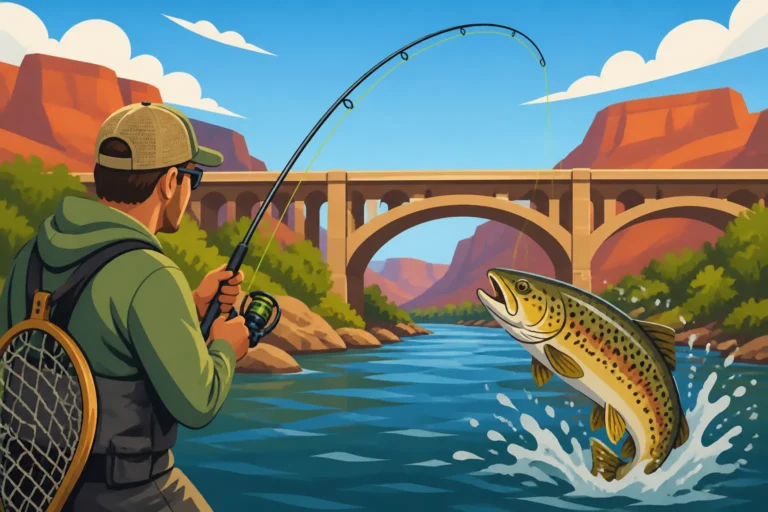
Rainbow trout are a staple of Colorado's rivers, and the East River is no exception. You'll find both wild, naturally reproducing rainbows and, in some accessible stretches, stocked fish. The wild rainbows in the East River are typically robust and feisty, displaying brilliant colors. They tend to hold in faster runs, riffles, and behind structure where they can ambush insects drifting downstream. These fish are opportunistic feeders, making them a good target for various fly and spin fishing techniques.
Look for rainbows in areas with good oxygenation and structure, like large rocks, submerged logs, or undercut banks. They'll often be found in the transitional zones between fast and slow water, where they can feed effectively without expending too much energy fighting the current. If you're wondering about their origins, CPW regularly stocks rainbow trout in various waters across the state, but the East River definitely boasts a strong population of wild fish, especially in its upper reaches.
Brown Trout: Wily and Rewarding
Brown trout are the true kings of many Colorado rivers, and the East River has a healthy population of these elusive, often larger, fish. Known for their predatory nature and incredible camouflage, brown trout are a favorite target for many anglers. They tend to be warier than rainbows and often prefer deeper, slower pools, undercut banks, and heavy cover. As they grow larger, brown trout become more piscivorous, meaning they'll readily strike at streamer patterns imitating baitfish.
Fishing for brown trout can be incredibly rewarding but often requires a more stealthy approach. They're particularly active during low light conditions, like dawn and dusk, and during cloudy days. In the fall, brown trout spawning season in Colorado brings out some of the largest fish in the river, as they become more aggressive and territorial. Targeting these magnificent fish often means probing deeper holes with nymphs or swinging large streamers through likely holding water. For more on identifying different fish, check out Colorado's trout species, a field guide.
Brook Trout and Cutthroat Hybrids
While less common than rainbows and browns in the main stem of the East River, you might occasionally encounter brook trout, especially in the smaller tributaries or higher up in the headwaters. These beautiful, colorful fish are often found in colder, smaller streams and can be quite aggressive. They don't typically grow as large as rainbows or browns but offer a unique angling experience.
Additionally, in some of the more pristine upper reaches, or in side channels where different trout species might mingle, you could potentially encounter cutthroat trout or even "cutbows"—a hybrid of rainbow and cutthroat trout. These hybrids are usually sterile but can exhibit characteristics of both parent species. Identifying these fish can be tricky, but generally, the presence of a "cut" (the red slash under the jaw) is a telltale sign of cutthroat lineage. Knowing your bag and possession limits for various species is also key, so it's always wise to consult the latest regulations.
Techniques and Best Times to Fish the East River
Success on the East River, like any quality trout stream, often comes down to adapting your techniques to the conditions and understanding the seasonal rhythms of the fish and their forage.
Seasonal Fishing Opportunities
The East River offers distinct fishing experiences throughout the year:
- Spring (April – May): Early spring can be fantastic, especially before the main runoff begins. Trout are hungry after winter, and hatches of midges and blue-wing olives can be strong. Once runoff hits, typically in late May or early June, the river can become high and muddy, making fishing challenging on the main stem. During this time, the best strategy is often to seek out tailwaters or slower side channels where water clarity is better.
- Summer (June – August): After runoff subsides, usually by late June or early July, the East River comes alive. This is prime dry fly season, with abundant hatches of Caddis, Golden Stones, Pale Morning Duns (PMDs), and Green Drakes. Terrestrials like grasshoppers and ants become important later in the summer. Water levels are usually stable, and trout are actively feeding. This is often the busiest time, so consider fishing weekdays or early mornings to avoid crowds.
- Fall (September – November): Fall fishing on the East River is legendary. The crowds thin out, the scenery is spectacular with changing aspens, and brown trout become incredibly aggressive as they prepare to spawn. Streamer fishing can be highly effective, and strong hatches of Blue-Winged Olives continue. Water temperatures cool, making trout more active throughout the day.
- Winter (December – March): Winter fishing can be a quiet, solitary experience. Sections of the river might freeze over, but open water can still be fished, especially during warmer spells. Nymphing with small patterns like midges and tiny mayflies is the most productive method, as trout hold in deeper, slower pools to conserve energy. This is not for the faint of heart, but the rewards can be large, unpressured fish. For a deeper dive into annual cycles, check out Colorado fishing seasons month by month.
| Season | Primary Techniques | Target Species | Key Hatches/Food | General Conditions |
|---|---|---|---|---|
| Spring | Nymphing, Streamers, Dry Flies (early) | Rainbow, Brown | Midges, BWO, Stoneflies | Post-winter hunger, potential runoff |
| Summer | Dry Flies, Nymphing, Terrestrials | Rainbow, Brown, Brook | Caddis, PMD, Green Drakes, Hoppers | Clear water, active fish, higher angler traffic |
| Fall | Streamers, Nymphing, Dry Flies | Brown (spawning), Rainbow | BWO, Midges, Terrestrials | Cooler water, aggressive browns, stunning scenery |
| Winter | Nymphing (small patterns) | Rainbow, Brown | Midges, Tiny Mayflies | Cold, slower fishing, deeper holes, less pressure |
Effective Techniques for the East River
No matter the season, a few techniques generally prove successful on the East River:
- Nymphing: This is often the most consistent method for catching fish, especially when nothing is hatching on the surface. Setting up a nymph rig for deep tailwater runs (or similar deep pockets in a freestone) with an indicator, split shot, and two fly patterns (like a stonefly dropper with a smaller midge or mayfly pattern) is highly effective. Concentrate on seams, riffles, and the heads of pools where trout feed actively on subsurface insects.
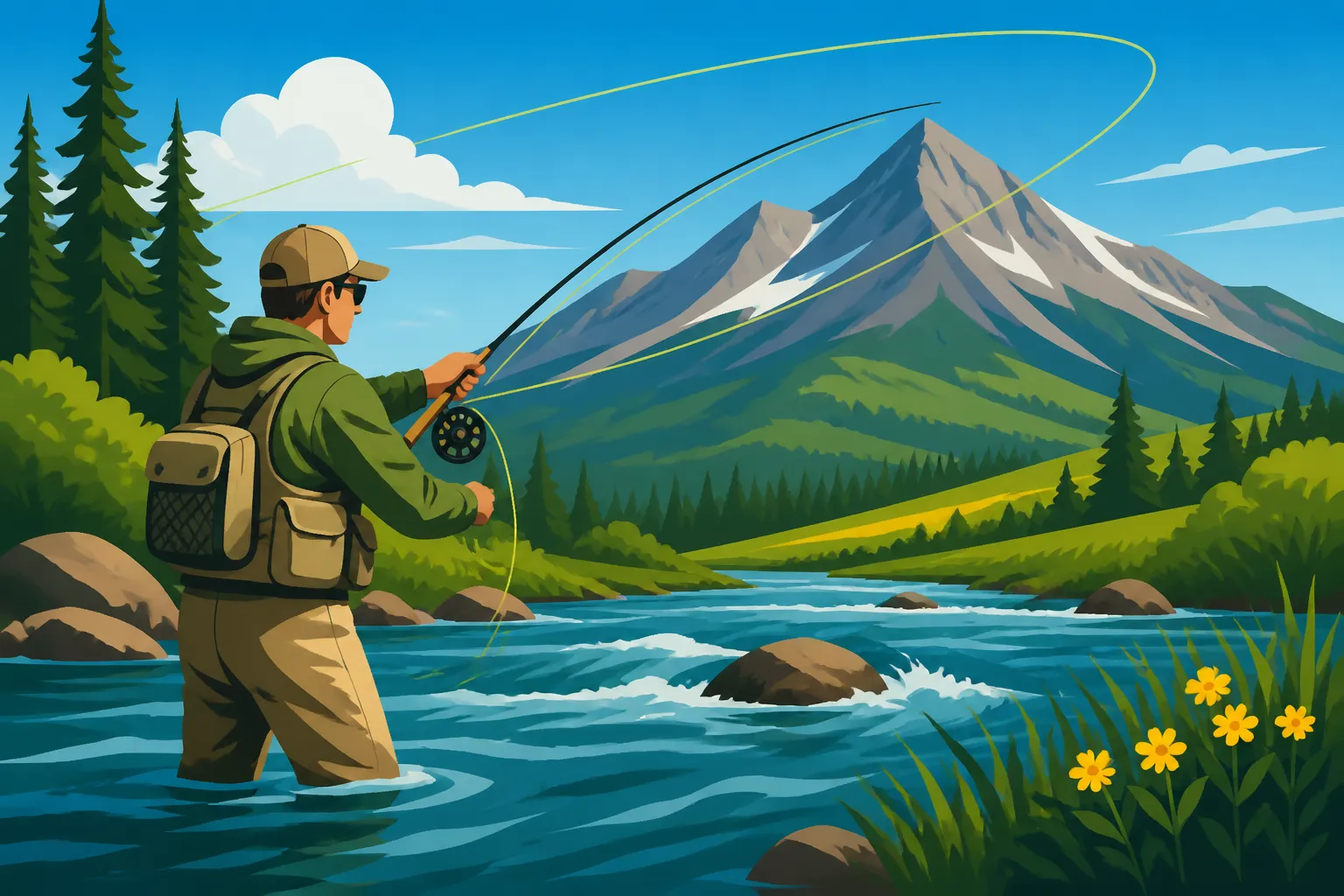
- Dry Fly Fishing: When trout are looking up, nothing beats the excitement of a dry fly take. Matching the hatch is key, so paying attention to what insects are flying around is critical. During summer, you'll want to have patterns like Parachute Adams, Caddis, and various hopper imitations. Knowing how to read water on a Colorado freestone river will tell you where fish are most likely to rise.
- Streamer Fishing: For larger brown trout, especially in the fall, streamer fishing can be incredibly productive. Aggressively stripping baitfish imitations through deep pools and along undercut banks can provoke explosive strikes. Olive, black, and white patterns are often effective. This technique is also great during off-peak times when fish aren't actively feeding on smaller insects.
- Spin Fishing: For those who prefer spin gear, light tackle with small spinners (like Mepps or Panther Martin) or spoons can be very effective, especially for stocked fish and actively feeding wild trout. Small jerkbaits that imitate baitfish can also entice larger browns. Always check local regulations for any lure or bait restrictions, as some areas (especially Gold Medal Waters) may have specific rules, like those regarding barbless hook rules on Colorado rivers.
Booking a Guided Trip on the East River
If you're new to the area, short on time, or simply want to maximize your chances of success, hiring a local guide is an excellent option. A guide will know the river intimately, from the best access points (including private stretches they may have access to) to the most productive flies and techniques for the current conditions. They can often provide all the necessary gear, teach you local entomology, and help you refine your casting and presentation.
There are several reputable outfitters in the Crested Butte and Gunnison Valley area who guide the East River. Services like FishingBooker make it easy to find and compare local guides, read reviews, and book a trip directly. A half-day or full-day guided trip can fast-track your learning curve and significantly increase your enjoyment of fishing this beautiful river. Guides are invaluable for helping you understand the intricacies of nymphing techniques for Colorado tailwaters, or even just how to navigate the ever-changing conditions of a freestone river. They're professionals who know how to put you on fish and ensure you have a memorable experience.
In essence, the East River near Crested Butte offers a diverse and rewarding fishing experience for anglers of all skill levels. With a little research, respect for the land, and the right approach, you'll quickly discover why this river is cherished by those who know its secrets.
Disclaimer
Please remember that fishing regulations in Colorado can change. Always consult the latest Colorado Parks and Wildlife (CPW) fishing regulations brochure or website before heading out on your trip. This guide is for informational purposes only and does not supersede official regulations.