Fishing Boyd Lake State Park Near Loveland
Alright, let's talk about fishing at Boyd Lake State Park, a fantastic gem nestled right outside Loveland. It's easy to feel overwhelmed when you're looking at a map of Colorado, wondering which lake or river will give you the best shot at a good day on the water, especially when you want a place that's accessible but still offers a diverse fishing experience. This guide is here to cut through that confusion, giving you the inside scoop on how to make the most of your angling adventure at Boyd Lake, from the best spots to the species you're likely to encounter.
Discovering the Allure of Boyd Lake State Park Fishing
Boyd Lake State Park, conveniently located on the plains just east of the foothills near Loveland, is a true multi-species haven for anglers. Unlike some high-country lakes that specialize in just trout, Boyd offers a smorgasbord of fishing opportunities, making it a popular destination for everyone from fly anglers to bait fishermen and ice fishers. It's a large, warm-to-cool water reservoir, which means it supports a robust ecosystem of different fish, each offering a unique challenge and reward. This diversity is what draws so many people to its shores and makes it a repeat destination for seasoned Colorado anglers.
The park itself is well-developed, offering not just fishing but also boating, camping, and swimming, which adds to its appeal as a family-friendly destination. But for us anglers, the main draw is always what's swimming beneath the surface. From the thrill of a hard-fighting walleye to the steady tug of a rainbow trout, Boyd Lake provides a consistent and exciting fishery throughout the year. Understanding the nuances of this lake – what species thrive here and when they're most active – is key to a successful outing.
Target Fish Species at Boyd Lake
Boyd Lake is renowned for its impressive variety of fish species, which truly sets it apart from many other Colorado lakes. You won't just find one or two types of fish here; you'll have a genuine chance to target several different species, often in the same outing. This diversity is a major reason why it's such a popular spot on the Front Range.
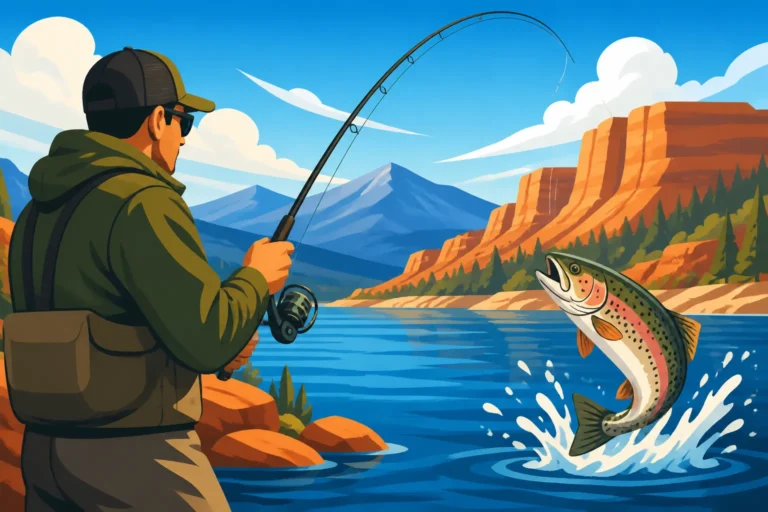
First and foremost, Boyd Lake is a premier destination for walleye. These notoriously finicky but delicious fish are abundant here, growing to respectable sizes. Many anglers specifically visit Boyd Lake with walleye in mind, spending hours patiently jigging or trolling. Their elusive nature makes catching a walleye a true triumph, and the strong population at Boyd makes it one of the best places to try your luck. Beyond walleye, you'll also find a healthy population of rainbow trout, regularly stocked by Colorado Parks and Wildlife. These feisty fish offer consistent action, especially in the cooler months, and are a great target for both novice and experienced anglers alike. You might also encounter a few brown trout, though they are less common than rainbows. To learn more about the finned residents of our state, check out this guide on Colorado's Trout Species, A Field Guide.
But the variety doesn't stop there. Boyd Lake also holds significant populations of largemouth and smallmouth bass, providing exciting topwater action in the warmer months and challenging opportunities for those who enjoy targeting these aggressive predators. For panfish enthusiasts, crappie, bluegill, and yellow perch are plentiful, offering consistent bites and excellent table fare. And let's not forget the bottom dwellers: channel catfish thrive in Boyd's waters, especially during the summer, offering powerful fights and often impressive sizes. Lastly, a word of caution about northern pike: while they provide a thrilling fight, Colorado Parks and Wildlife often encourages anglers to keep all northern pike caught in certain waters, including Boyd, due to their predatory impact on other desirable fish species. Always check the current Colorado Fishing Regulations Every Angler Should Know for the latest guidance on bag and possession limits for all species.
Best Times of Year to Fish Boyd Lake
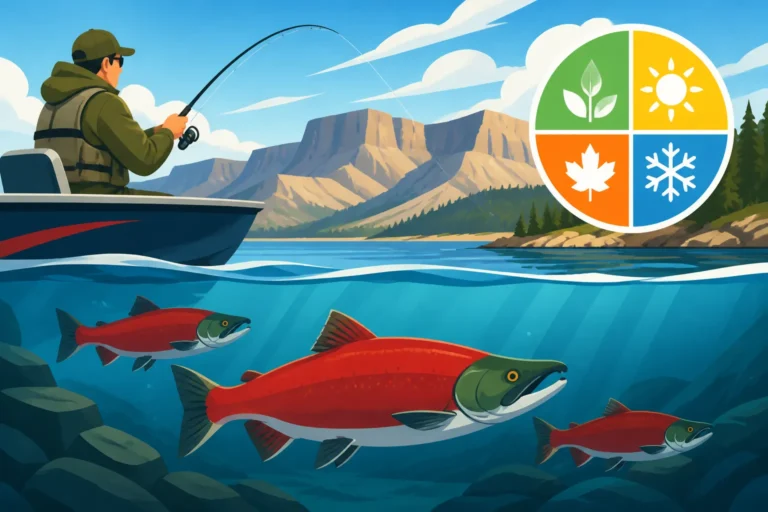
The beauty of Boyd Lake is that it truly offers year-round fishing opportunities, but the "best" time really depends on what species you're hoping to hook. Each season brings its own unique set of conditions and active fish. Understanding these seasonal shifts is crucial for maximizing your success and planning your trip.
Spring (March-May) is a fantastic time at Boyd Lake as the water starts to warm up from the winter chill. The trout become very active after the ice-out, eagerly feeding on newly available insects and baitfish. This is also a prime time for walleye as they move into shallower areas to spawn, making them more accessible to shore anglers and those casting from boats. However, be prepared for unpredictable weather – spring in Colorado can swing from warm sunshine to late-season snowstorms in a single day. As runoff begins in other parts of the state, Boyd Lake often remains fishable and productive, making it a great alternative when mountain rivers are high and muddy.
Summer (June-August) sees the lake fully warm up, making it ideal for bass and catfish. Largemouth and smallmouth bass will be active around structure, weed beds, and submerged features, eager to strike topwater lures in the early mornings and late evenings. Catfish, known for their nocturnal feeding habits, provide excellent night fishing opportunities. While trout can still be caught, they often move to deeper, cooler waters, making them a bit harder to target. Walleye fishing remains strong, but they tend to be in deeper water during the day, requiring trolling or deeper jigging techniques. The warmer months are also when the park is busiest, so expect company, especially on weekends.
Fall (September-November) brings a welcome cool-down to the water, and with it, some of the most exciting fishing of the year. Walleye become extremely active again, fattening up before winter, and their bite can be aggressive. Trout also move back into shallower areas, providing excellent opportunities for shore anglers and boaters alike. The cooler temperatures mean less recreational boat traffic, offering a more peaceful angling experience. This is often considered a prime time for trophy walleye.
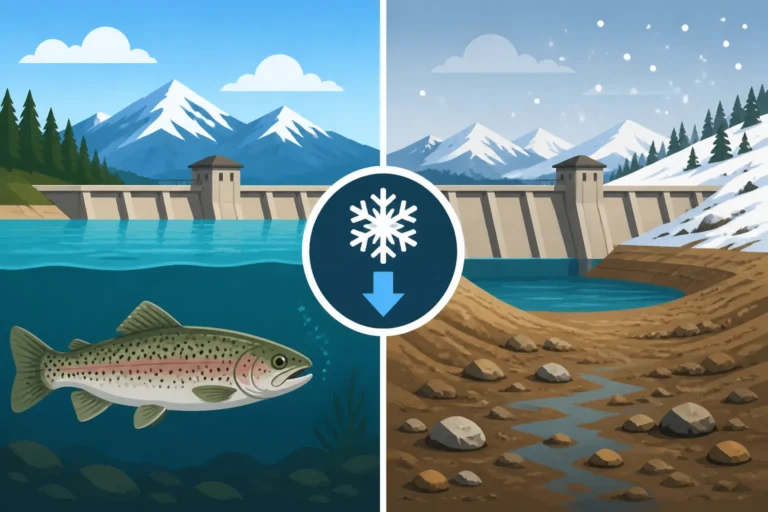
Winter (December-February) transforms Boyd Lake into an ice fishing paradise, assuming conditions allow for safe ice. When the ice thickens sufficiently, anglers flock to the lake for walleye, trout, perch, and crappie. Ice fishing offers a unique social experience, and Boyd Lake is one of the more popular spots on the Front Range for it. However, safety is paramount; always check ice thickness and conditions before venturing out. You can get more details on safe ice fishing practices in our guide on Ice Fishing in Colorado, Getting Started.
Effective Fishing Techniques and Strategies at Boyd Lake
Success at Boyd Lake, like any diverse fishery, often comes down to adapting your techniques to the specific species you're targeting and the conditions of the day. With a mix of shallow coves, deeper main lake basins, and submerged structures, Boyd offers a variety of habitats that call for different approaches. Whether you're casting from shore or dropping a line from a boat, having a few tricks up your sleeve will definitely improve your chances.
Shore Fishing and Wade Fishing Tactics
For many anglers, especially those without a boat, shore fishing is the primary way to access Boyd Lake. The park offers numerous access points and plenty of shoreline, particularly on the northern and western sides.
When shore fishing, focus on areas with submerged structure like old weed beds, rock piles, or points that extend into the lake. These are natural ambush points for bass and walleye, and trout will cruise these areas looking for food. In the spring and fall, casting spoons, spinners, or small swimbaits can be very effective for trout and aggressive walleye that move into shallower water. For walleye, try fishing jigs tipped with a minnow or a soft plastic grub, slowly working it along the bottom. For bass, soft plastic worms, crankbaits, or spinnerbaits worked around cover can be deadly. If you're targeting panfish, a simple bobber rig with a small hook and live bait like worms or mealworms can yield excellent results, especially in calmer coves. Catfish anglers will do well with stink baits, cut bait, or even chicken livers fished on the bottom, often after dark for the best action.
Wade fishing can be challenging at Boyd Lake due to its generally shallow, silty bottom in many areas and the presence of deeper drop-offs near shore. However, in certain coves or along specific points, careful wading can give you access to fish that are just out of casting range from the bank. Always wear appropriate wading gear, especially in colder water, and be mindful of underwater hazards. A good pair of polarized sunglasses will help you spot submerged structure and potentially cruising fish.
Boat Fishing and Trolling Approaches
For anglers with boats, Boyd Lake truly opens up. The lake has excellent boat ramps and a marina, making it easy to launch everything from small fishing boats to larger cruisers. A boat allows you to reach deeper water, explore expansive flats, and target structures that are inaccessible from shore.
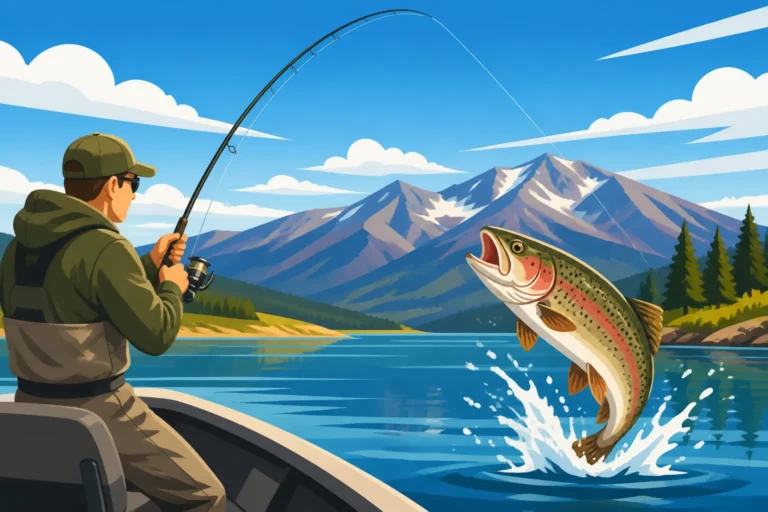
Trolling is an incredibly effective technique at Boyd Lake, particularly for walleye and trout. For walleye, crankbaits that dive to different depths, often paired with planer boards to spread your lines, are a popular choice. Pay attention to contour lines on your fish finder, targeting humps, submerged islands, and drop-offs. Vary your speed until you find what the fish prefer on any given day. For trout, smaller spoons, spinners, or traditional trolling flies trailed behind a dodger or flasher can be very productive, especially in the upper water column during cooler periods or deeper using lead core line in summer. You can read more about effective Trolling Techniques for Colorado Reservoirs to hone your skills.
Jigging is another cornerstone technique for boat anglers, especially for walleye and lake trout (though lake trout are not the primary target here, some larger fish might be caught deeper). Vertical jigging over humps or along sharp drop-offs with spoons or soft plastics tipped with bait can entice strikes from finicky walleye. A good fish finder is invaluable here to locate schools of baitfish and the predators that follow them.
Casting and pitching from a boat allows you to target specific structures like submerged timber (if present and safe), rocky points, or weed lines for bass. Using a trolling motor for precise boat positioning can make all the difference. For those looking to hire a guide to maximize their time on the water, reputable services can be found through platforms like FishingBooker, which lists local guides familiar with Boyd Lake's specific challenges and hot spots. They can put you right on the fish and teach you the most effective techniques for the day.
Ice Fishing Opportunities
When winter truly sets in and the ice on Boyd Lake becomes thick enough for safe travel, it transforms into a bustling ice fishing hub. This is a highly anticipated season for many Front Range anglers. Before you even think about stepping onto the ice, always check the current ice conditions with Colorado Parks and Wildlife or park staff. Safety should always be your number one priority when ice fishing.
Once the ice is safe, Boyd Lake offers excellent opportunities for walleye, perch, crappie, and rainbow trout. Anglers often use portable shelters or pop-up tents to brave the cold, drilling multiple holes to locate active fish. For walleye, jigging spoons tipped with a minnow head or a piece of plastic are often effective, fished just above the bottom. For perch and crappie, smaller jigs (often called 'teardrops') tipped with a wax worm or a small soft plastic in bright colors can yield steady action, especially when fished in schools. Trout will often cruise shallower areas, and simple bait rigs with powerbait or worms fished off the bottom can work wonders.
A good ice auger, a flasher or fish finder designed for ice fishing, and appropriate cold-weather gear are essential. Many anglers bring tip-ups as well, which allow them to fish multiple lines (within legal limits) and cover a wider area, often leading to more hook-ups, especially for larger walleye. Ice fishing at Boyd Lake is a fantastic way to extend your fishing season and enjoy the tranquility of a frozen lake.
Practical Tips and Important Regulations for Boyd Lake
Visiting any state park for fishing requires a little homework to ensure a smooth, enjoyable, and legal experience. Boyd Lake is no exception, and understanding the facilities, rules, and general etiquette will make your trip much more successful and pleasant for everyone. Being prepared means less stress and more time with a line in the water.
Access and Facilities at Boyd Lake State Park
Boyd Lake State Park is a well-maintained and easily accessible destination, making it a popular choice for families and anglers of all skill levels. Located just north of Loveland, it's a quick drive from communities along the Front Range.
The park is open year-round, though specific hours and services may vary by season. You will need a valid Colorado State Parks pass or pay a daily entrance fee to access the park. This fee helps maintain the excellent facilities, which include multiple boat ramps (essential for reaching those prime fishing spots), a marina with fuel and supplies, clean restrooms, picnic areas, and even camping sites. If you're planning a multi-day trip, booking a campsite in advance is highly recommended, especially during peak summer months. For those considering staying overnight, there are also numerous lodging options in nearby Loveland and Fort Collins, ranging from hotels to vacation rentals.
For shore anglers, parking is generally plentiful near popular access points. Pay attention to signage for designated fishing areas and any restrictions, especially around swimming beaches during warmer months. The terrain around the lake is relatively flat and easy to navigate for most, offering good access for those with mobility considerations. However, some areas might have denser vegetation or muddy banks, so appropriate footwear is always a good idea. To plan your specific route or explore other fishing opportunities, Colorado Parks and Wildlife offers a useful Using Colorado's Fishing Atlas to Plan a Trip tool that can provide detailed maps and information about public access.
Important Regulations and Considerations
Fishing in Colorado, and at Boyd Lake, comes with a set of rules designed to protect the fisheries and ensure sustainability. It’s absolutely vital to be aware of and abide by these regulations.
First and foremost, everyone aged 16 and older needs a valid Colorado fishing license. If you're planning on fishing with multiple rods, you'll also need a Colorado's Second-Rod Stamp and Who Needs One in addition to your primary license. Don't forget the Habitat Stamp either, which is usually required for anyone between 18 and 64 when purchasing a license, and helps fund wildlife conservation efforts across the state. These can be purchased online through CPW's website, at local sporting goods stores, or even by phone.
Beyond general licensing, pay close attention to the specific bag and possession limits for each species at Boyd Lake. These can change, and special regulations might apply to certain lakes or even specific times of the year. For example, walleye limits are often more restrictive due to their popularity, while northern pike might have no bag limit at all, with anglers encouraged to harvest them. It's always a good practice to consult the most current Colorado Fishing Brochure, which can be found online or picked up at most license vendors. This brochure will detail general statewide regulations as well as any site-specific rules for Boyd Lake.
Consider also the ethical side of fishing. Practice catch-and-release with care for fish you don't intend to keep, minimizing their stress. Be respectful of other anglers, especially in crowded areas, and always pack out everything you pack in, leaving no trace. Boyd Lake is a shared resource, and responsible angling ensures it remains a fantastic spot for everyone for years to come.
Planning Your Boyd Lake Fishing Adventure
A successful fishing trip often starts long before you ever cast a line. Thoughtful planning can make all the difference, ensuring you have the right gear, know where to go, and understand how to make the most of your time on the water. For a popular destination like Boyd Lake State Park, a little foresight goes a long way.
Gear Essentials and What to Bring
Preparing your gear for a trip to Boyd Lake means considering the diverse species you might encounter and the conditions you expect.
For walleye and trout, a medium-light to medium action spinning rod with 6-10 lb test line is a versatile setup. This will handle most fish you encounter and allow for a variety of lures, from jigs to crankbaits and spoons. If you're specifically targeting larger northern pike (and often encouraged to harvest them), a medium-heavy rod with heavier line (15-20 lb) and a steel leader is advisable to prevent bite-offs. For bass, another medium action rod, perhaps with a baitcasting reel for accuracy, will serve you well when working soft plastics or spinnerbaits around structure. For easy panfish action, a light action rod with 4-6 lb test line is perfect.
Beyond rods and reels, essential tackle includes a variety of lures: small spoons and spinners for trout, jigs and soft plastics (grubs, worms) for walleye and bass, and an assortment of crankbaits that dive to different depths for trolling. Live bait such as worms, minnows, or even nightcrawlers (where legal) can be incredibly effective for many species, especially panfish, catfish, and even walleye. Don't forget necessary accessories like pliers, a landing net (especially for larger fish), a tackle box stocked with hooks, sinkers, and bobbers, and a cooler to keep your catch fresh if you plan to keep fish. Appropriate clothing for the weather, sunscreen, bug spray, a hat, and polarized sunglasses are also must-haves for any outdoor adventure.
Engaging a Guide for Boyd Lake
While Boyd Lake is generally accessible and can be fished successfully on your own, sometimes the best way to accelerate your learning curve or maximize a short trip is by hiring a local guide. A good guide offers invaluable expertise, knowing the lake's nuances, current fish patterns, and effective techniques.
Hiring a guide can be particularly beneficial if you're new to the area, targeting a specific species like walleye (which can be tricky), or want to learn advanced techniques like specialized trolling or ice fishing tactics. Guides typically provide all the necessary gear, bait, and often even snacks or lunch, making it a hassle-free experience. They can also take you directly to the productive spots that might take you days or weeks to find on your own. Platforms like FishingBooker are excellent resources for finding reputable fishing guides and charters in the Loveland area who specialize in Boyd Lake. You can read reviews, compare prices, and book directly, ensuring you connect with an expert who can tailor a trip to your experience level and target species. Many guides focus on specific techniques, such as those specializing in Spin Fishing Techniques for Colorado Trout or advanced walleye tactics, so look for one that aligns with your interests.
Whether you opt for a guided trip or venture out on your own, Boyd Lake State Park offers a rich and rewarding fishing experience that makes it a true highlight of Colorado's Front Range angling scene.
Disclaimer
Please remember that fishing regulations, conditions, and fish populations can change. Always consult the latest Colorado Parks and Wildlife regulations and check local conditions before heading out on your fishing trip. Stay safe and enjoy the incredible fishing opportunities Colorado has to offer.