Fishing Colorado Lakes at First Ice
There's a unique anticipation that builds as autumn fades into winter across Colorado, especially for those of us who live for the tug on a line. When the open water starts to skim over, many anglers feel that familiar pang of withdrawal. But for a dedicated few, this shift isn't an end, it's a beginning: the magical, often fleeting, window of "first ice." This guide will help you understand the allure and the practicalities of safely and successfully fishing Colorado lakes during those thrilling initial days of hard water, turning potential frustration into triumph.
The Magic and Mechanics of First Ice Fishing in Colorado
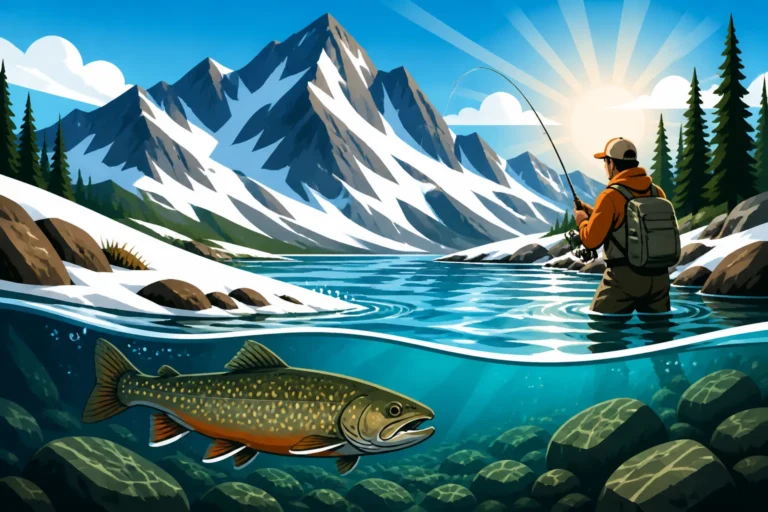
That first solid sheet of ice covering your favorite Colorado lake is more than just frozen water; it's a gateway to some of the most exciting fishing of the year. It's a time when the fish haven't yet settled into their deep winter patterns, often remaining active and accessible near shorelines, making for fantastic angling opportunities. But understanding this brief window is key to both safety and success.
What Exactly is "First Ice"?
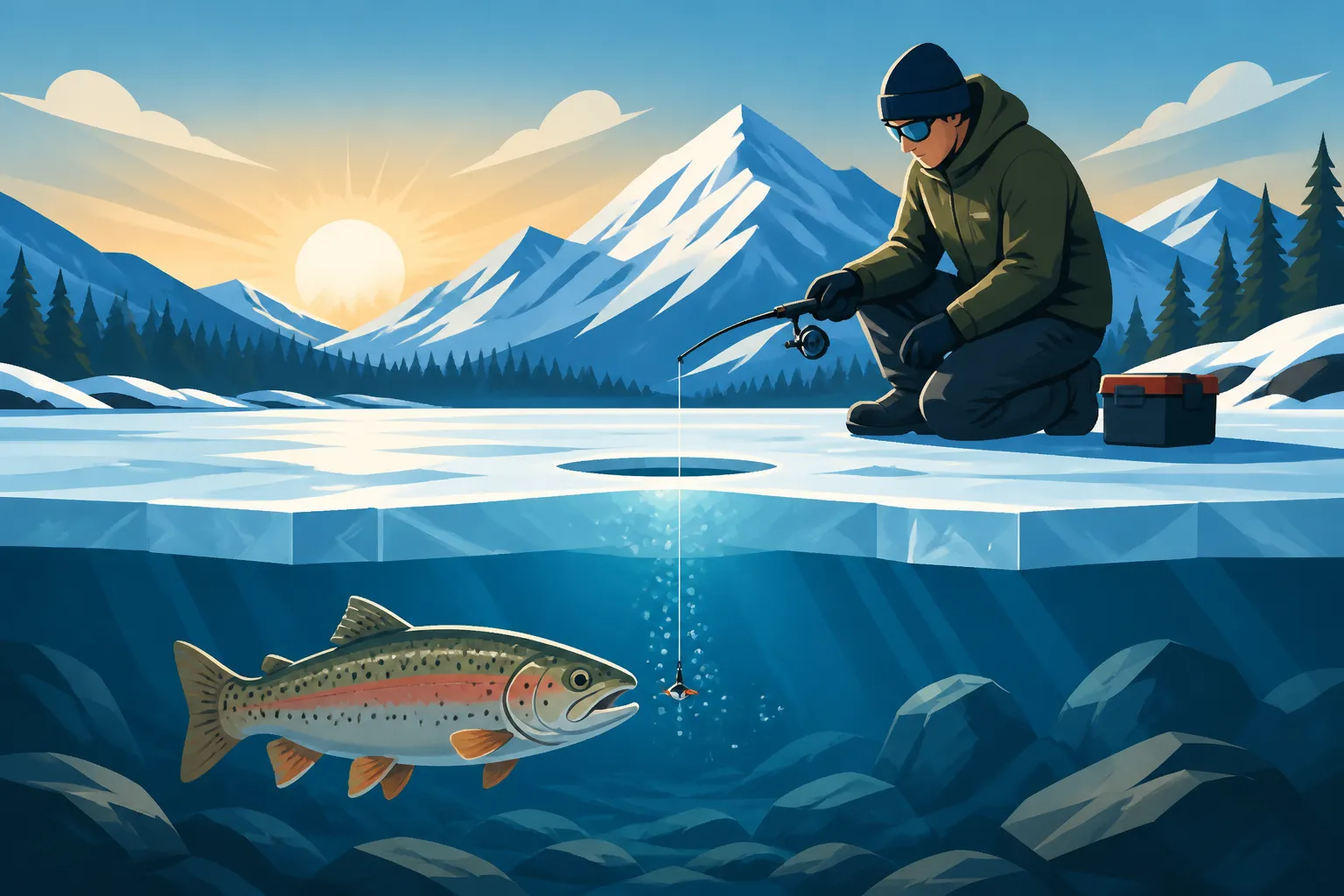
"First ice" refers to the initial period when a body of water, typically a lake or reservoir, develops a safe, fishable layer of ice for the first time in the season. This isn't just any thin layer; it's when the ice is thick enough to support human weight, but usually still relatively clear, strong, and free of significant snow cover. It's often accompanied by crisp, clear days, and the underlying water is still relatively rich in oxygen, which keeps fish active.
This period typically occurs from late November through early to mid-December in many of Colorado's higher-elevation or colder lakes and reservoirs. Think of lakes like Eleven Mile, Spinney Mountain Reservoir, or Antero Reservoir, which often see safe first ice before the lower elevation Front Range reservoirs. The key is that the ice is "new" – it hasn't gone through freeze-thaw cycles, heavy snowfalls, or significant pressure, which can all weaken ice over time.
The appeal of first ice is undeniable. You're often among the first to explore new hard water, drilling holes where open-water boats once roamed. The fish, having not seen lures or bait for weeks or months, can be incredibly aggressive. It's truly a special time, but it demands respect and careful observation of the ice conditions.
Why First Ice is a Prime Time to Fish
Many seasoned ice anglers will tell you that first ice offers some of the best fishing of the entire season. There are a few compelling reasons why this early window is so productive. First, the fish haven't experienced significant angling pressure under the ice yet. They're often still in relatively shallow water, having been active and feeding aggressively as the water cooled down in late fall. This means they haven't yet been spooked by continuous drilling, foot traffic, or fishing pressure that comes with mid-winter crowds.
Secondly, the oxygen levels in the water column are typically still quite good at first ice. As the season progresses and a thick layer of ice persists, especially under heavy snow, oxygen can deplete in shallower areas. But early on, the water is fresh and well-oxygenated, which contributes to more active and eager-to-bite fish. They're not sluggish from low oxygen or extreme cold, making them more willing to chase down a jig or grab a baited hook.
Finally, at first ice, many fish species are still utilizing classic fall feeding grounds. This means they might be found around weed beds, submerged structures, or drop-offs that were productive during open water. This makes locating them a bit more predictable than in the dead of winter when they often retreat to deeper, less feature-rich areas. It's a fantastic opportunity to catch a wide variety of species, from aggressive rainbow trout to hungry perch and even larger predators like walleye or pike.
Reading Ice Conditions and Thickness
Understanding and accurately assessing ice conditions is absolutely paramount when venturing out on first ice. Never assume the ice is safe, even if others are out there. Ice can vary dramatically in thickness and strength across a single body of water due to currents, springs, underwater structures, and sun exposure. The first rule of ice fishing is: "No ice is safe ice." The second rule is: "If in doubt, don't go out."
Visually, look for clear, black, or blue ice, which is generally the strongest. Milky or white ice, often formed from frozen slush or snow, has air bubbles and is significantly weaker. Be extremely wary of ice near inlets, outlets, pressure ridges (where ice plates buckle), or areas with open water nearby. These are perpetual danger zones. Listen to the ice; a booming or groaning sound usually means the ice is expanding and strong, but cracks and pops can be warning signs.
The only way to truly confirm ice thickness is to check it yourself, repeatedly. A spud bar is your best friend during first ice. Use it to strike the ice forcefully as you walk, moving slowly and deliberately. If it goes through in one or two hits, you know you're in trouble. Drill test holes every 15-20 feet, especially as you move into new areas, and measure the actual thickness of the solid ice with a tape measure or an ice ruler. Don't rely solely on what you hear or see from shore.
Prioritizing Safety on Thin Ice
While the excitement of first ice is palpable, it's also arguably the most dangerous time to be on hard water. The ice is unpredictable, and conditions can change rapidly. Respecting the ice and adhering to strict safety protocols is non-negotiable. Don't let the thrill of potential catches override common sense.
Minimum Ice Thickness for Safe Travel
Colorado Parks and Wildlife (CPW) and other safety organizations provide clear guidelines for minimum ice thickness, but these are general rules and should always be treated with caution, especially on first ice.
Here's a standard guideline for various activities:
| Ice Thickness | Activity Permitted |
|---|---|
| 2 inches | STAY OFF! |
| 3 inches | Single person on foot (new, clear ice) |
| 4 inches | Ice fishing, walking, cross-country skiing |
| 5-7 inches | Snowmobile or ATV |
| 8-12 inches | Small car or light pickup |
| 12-15 inches | Medium pickup |
Note: These are guidelines for clear, solid, new ice. Double the thickness for white or "snow ice" as it is much weaker. Always test conditions yourself.
For first ice, most experienced anglers will strongly recommend a minimum of 4 inches of clear, solid ice for a single person walking and fishing. Even then, you should be checking constantly. If you're planning to bring a portable shelter or a sled with gear, 5-6 inches provides a much greater margin of safety. Remember that the ice near shore can often be thicker due to faster cooling and less wave action, but this can quickly diminish as you move further out. Always refer to the Colorado Fishing Regulations brochure for the most up-to-date safety recommendations.
Essential Safety Gear You Must Carry
Heading out onto first ice without proper safety gear is an irresponsible gamble. This isn't just about convenience; it's about survival. Make sure these items are always with you and easily accessible:
- Ice Picks (Self-Rescue Spikes): These are perhaps the most critical piece of personal safety gear. Worn around your neck or easily accessible on your jacket, these spikes allow you to get a grip on slick ice and pull yourself out if you fall through. You can find reliable sets on Amazon for a reasonable price. They are useless if buried in your sled or backpack.
- Spud Bar: As mentioned earlier, a heavy metal spud bar is essential for testing ice thickness as you walk. It helps you find thin spots before you step on them. Strike the ice in front of you with significant force. If it breaks through, you'll know where not to step.
- Throw Rope: A buoyant rope, ideally 50-75 feet long, is vital for rescuing someone else (or being rescued). Keep it coiled and ready to throw.
- Whistle: A simple whistle can be a lifesaver for signaling for help if you get into trouble, especially if you're out of earshot for shouting.
- Flotation Suit or PFD: A full-body flotation suit provides insulation and buoyancy if you go through the ice. At a minimum, wear a personal flotation device (PFD) under or over your outer layers.
- Headlamp: Even if you plan to be back before dark, conditions can change, or you might need to find your way back in reduced light. A headlamp is indispensable.
These items aren't optional. They are your first line of defense against the inherent dangers of early season ice.
Buddy System and Communication
Beyond your gear, your most important safety tool is common sense and good communication. Never, under any circumstances, go ice fishing alone, especially during first ice. A buddy system is non-negotiable. If one person falls through, the other can provide immediate assistance, throw a rope, or call for help.
Before you even leave your house, inform someone responsible about your plans. Tell them:
- Which lake or reservoir you're visiting.
- Your expected route and fishing area.
- Who you are with.
- Your planned return time.
- What to do if you don't check in by that time.
Carry a fully charged cell phone in a waterproof case or a Ziploc bag, but remember that cell service can be spotty in some remote Colorado locations. Consider a satellite messenger device for truly isolated areas. Stay in visual contact with your fishing partners at all times. If you hear someone call for help, respond immediately. The few extra minutes it takes to coordinate and communicate can mean the difference between a minor scare and a tragic incident.
Gearing Up for Early Season Ice Fishing
Just like open water fishing, having the right gear can make a huge difference in your first ice success and enjoyment. While some items are universal for ice fishing, certain considerations are amplified during the early season.
Augers for First Ice
The choice of auger is important, particularly for first ice. Since the ice is typically not yet excessively thick (think 4-8 inches, rather than 12-30+), a manual auger can be a fantastic option. They are lighter, quieter, and require no fuel or batteries. Brands like Eskimo and Jiffy make excellent hand augers that cut through early season ice with ease, and you can often find them on Amazon. The quietness is a major advantage during first ice when fish can be very skittish to loud noises.
However, if you're planning to drill a lot of holes or anticipate thicker ice later in the season, a power auger (either gas, propane, or electric) might be a better investment. Electric augers, such as those from Strikemaster or Ion, are becoming increasingly popular. They are quiet, require no messy fuel, and are lighter than gas models. The batteries typically hold up well in the cold, but it's always wise to carry a spare, especially for a full day of hole-hopping. Just remember that even a quiet electric auger can be a jarring sound to fish in clear, early ice conditions.
Regardless of type, ensure your auger blades are sharp. Dull blades make drilling a chore and can be dangerous. Always use a blade guard when transporting and storing your auger to protect both the blades and yourself.
Rods, Reels, and Line for Cold Water
Ice fishing rods are typically much shorter than open water rods, ranging from 24 to 36 inches. This short length is ideal for fishing in a small hole and detecting subtle bites. For first ice, look for rods with a very sensitive tip (often called "noodle" or "spring bobber" tips) to detect those light bites from finicky trout or perch. Brands like Fenwick and St. Croix make excellent ice rods.
Pair your rod with a small spinning reel, ideally one designed for cold weather that won't freeze up. Spool your reel with line appropriate for ice fishing. Many anglers prefer monofilament or fluorocarbon for their stretch and invisibility, particularly in clear early ice conditions. A 2-6 pound test is common for trout and perch. If targeting larger fish like lake trout or northern pike, you might bump up to 8-12 pound test or use a braided mainline with a fluorocarbon leader. Remember, in clear water, line visibility can be a factor, so lighter, less visible lines are often advantageous. When fishing for Colorado's lake trout at Blue Mesa Reservoir, for example, many anglers find that light fluorocarbon leaders are critical.
Shelters and Warmth
While it's not always brutally cold at first ice, especially if you get a sunny day, temperatures can still drop rapidly. A portable ice shelter can significantly enhance your comfort and extend your fishing day. Flip-over shelters from brands like Clam or Eskimo are popular for their quick setup and portability, offering protection from wind and snow. Hub-style shelters provide more space but take a bit longer to set up.
Layering your clothing is essential for warmth and comfort. Start with a moisture-wicking base layer, add insulating middle layers (fleece, down), and top it off with a waterproof and windproof outer shell. Don't forget a warm hat, gloves or mittens (often both, with fingerless gloves for dexterity), and insulated, waterproof boots. You'll be standing on ice all day, so good foot protection is crucial. Consider hand warmers and toe warmers to tuck into your gloves and boots.
A small, portable propane heater (like those from Mr. Heater) can make a world of difference inside a shelter, allowing you to shed bulkier layers and fish in comfort. Always ensure adequate ventilation when using propane heaters to prevent carbon monoxide buildup. Many anglers also bring a small camp chair or bucket with a padded lid for comfortable seating. Staying warm and dry is key to an enjoyable and safe first ice experience.
Mastering Techniques for First Ice Success
Fish behavior at first ice can be different from mid-winter. They're often more active and aggressive, having not yet experienced prolonged periods under thick ice. This means certain techniques really shine during this early window.
Jigging Strategies for Active Fish
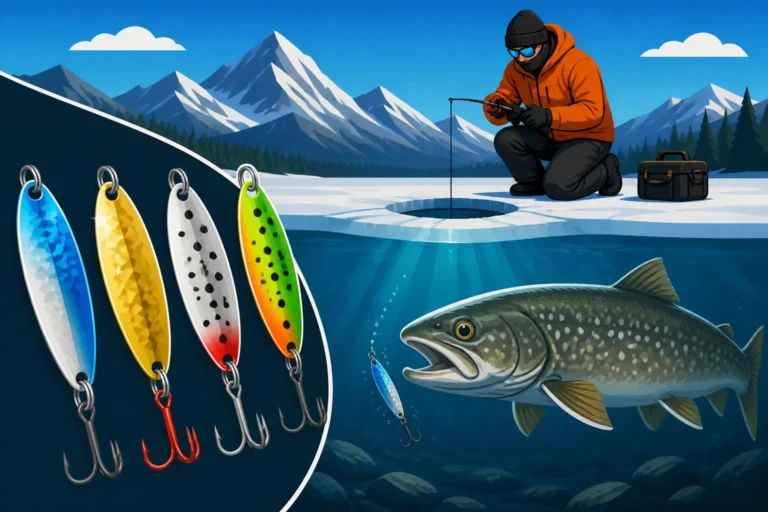
Jigging is arguably the most effective technique for first ice, especially for trout, perch, and kokanee salmon. The key is often an active, somewhat aggressive presentation. Start with small, bright jigs or spoons. Think teardrop jigs, small Swedish Pimples, or Forage Minnows. Tip them with a wax worm, mealworm, piece of Berkley PowerBait, or a small piece of shrimp for added scent and appeal.
The retrieve matters. Instead of subtle twitches, try a series of sharp lifts and drops, then let the jig flutter and settle. Often, the strike will come as the jig falls or as it pauses just above the bottom. Vary your retrieve speed and intensity until you find what the fish are responding to. If they're not biting aggressively, try a slower, more subtle quiver. Remember to pay close attention to your line; sometimes the only indication of a bite is a slight twitch or a momentary slackening of the line. Fish at first ice are often cruising in schools, so once you find one, there are likely more.
Bait Selection for Early Ice
While jigging is highly effective, natural bait can be incredibly enticing, especially when fish are still actively feeding. Live baits like wax worms, mealworms, and small minnows (where legal – always check Colorado's bait restrictions) are perennial favorites. The natural movement and scent of live bait can trigger bites even from cautious fish. You can fish these on a plain hook under a small bobber, or tip your jigs with them for added appeal.
Soft plastics are also incredibly effective. Small tubes, grubs, or Berkley Gulp! baits offer scent and action without the mess of live bait. Colors like white, chartreuse, pink, and glow-in-the-dark are often good choices in clear, early ice conditions. Don't be afraid to experiment with different sizes and colors until you find what's working on a given day. At times, a small piece of corn or salmon egg can be the ticket for rainbows and kokanee.
For species like walleye or northern pike, larger minnows, shiners, or sucker meat fished under a tip-up or on a larger jig can be productive. Remember that the goal is to present something that looks natural and appetizing to a fish that is still actively foraging before the deep winter chill sets in.
Hole Hopping and Locating Fish
One of the biggest advantages of early ice, especially when it's not too thick, is the ability to move quickly and efficiently. This makes "hole hopping" a super effective strategy. Instead of setting up in one spot and waiting, drill a series of holes in a grid pattern or along a promising contour line. Fish each hole for 5-10 minutes. If you don't get a bite, move to the next. This allows you to quickly cover water and locate active schools of fish.
Using a portable fish finder (flasher or LCD unit) is invaluable for hole hopping. It allows you to instantly see if there are fish below, their depth, and their reaction to your lure. This feedback is critical for fine-tuning your presentation. If you mark fish but they aren't biting, try a different lure, color, or retrieve. If you're not marking anything, it's time to move to the next hole. Brands like Vexilar, Marcum, and Humminbird offer excellent portable ice fishing electronics.
Focus your hole-hopping efforts around known structures like points, drop-offs, weed lines, and submerged humps. At first ice, fish are often shallower, so don't be afraid to target depths from 5 to 25 feet, depending on the lake and species. Pay attention to changes in bottom contour and cover that would attract baitfish, as predatory fish will follow.
Prime Locations and Species for Colorado's First Ice
Colorado offers a fantastic array of ice fishing opportunities, and first ice is no exception. Knowing where to go and what species to target can dramatically increase your chances of success.
Identifying Productive Early Ice Spots
When scouting for first ice locations, think shallow and accessible. Many species, particularly trout and perch, will still be actively feeding in shallower water before the deep freeze truly sets in. Look for areas with:
- Shallow Bays: These areas often freeze first and can hold concentrations of baitfish and the predators that feed on them. Look for bays with moderate depth, say 8-20 feet, with access to deeper water nearby.
- Weed Lines: Submerged vegetation provides cover, food, and oxygen, making them prime habitat for many fish. At first ice, these weed lines can still be vibrant, attracting perch, bluegill, and smaller trout.
- Drop-offs and Ledges: These are transition areas where shallow water quickly drops into deeper zones. Fish will often stage along these edges, moving up to feed in shallower water and retreating to deeper water for safety. Focus on where a weed line meets a drop-off – that's often a hotspot.
- Submerged Structures: Rock piles, old roadbeds, timber, or artificial fish habitat structures can hold fish year-round, and first ice is no different. These areas provide ambush points and cover.
- Points and Humps: Any topographical feature that extends into the lake or rises from the bottom can funnel fish and concentrate them.
Remember that ice conditions can vary widely, even on the same lake. Always verify thickness on your chosen spots.
Targeting Key Species
Colorado's lakes and reservoirs offer a diverse range of species for first ice anglers:
- Trout (Rainbow, Brown, Cutthroat, Brook): These are perhaps the most popular target at first ice. Rainbows are frequently stocked and often aggressive. They can be found cruising near shorelines, points, and weed lines in depths from 5 to 25 feet. Browns might be slightly deeper, often near structure. Small jigs, spoons, or plain hooks baited with worms, PowerBait, or corn are highly effective. Catching trout can be excellent at this time; for instance, the Colorado's Daily Rainbow Trout Limit might be a good target during this active period.
- Yellow Perch: Perch are often schooling fish and can provide fast action. They love weed beds and soft bottoms where they feed on insects and small crustaceans. Small jigs tipped with wax worms or mealworms are deadly. Once you find a school, you can often catch many.
- Walleye: While often deeper, walleye can still be found transitioning between depths at first ice, often near subtle structure like humps or mud flats. Jigging spoons, blade baits, or larger minnows on a tip-up are good choices. Walleye fishing at first ice can be fantastic, and understanding the Colorado's Daily Walleye Limit is crucial for a successful trip.
- Kokanee Salmon: These landlocked sockeye salmon are incredibly popular and can be targeted at first ice in lakes like Blue Mesa Reservoir or Eleven Mile Reservoir. Small jigs or spoons tipped with corn or a maggot, often fished with a dodger or flasher, are effective. They often suspend in the water column, so a fish finder is invaluable.
The beauty of first ice is the often-heightened activity of these fish, providing a great opportunity to fill a bucket or land a trophy.
Notable Colorado Lakes for First Ice
While conditions change year to year and lake to lake, certain Colorado lakes are renowned for producing good first ice opportunities:
- Eleven Mile Reservoir: Located west of Colorado Springs, Eleven Mile is a popular destination for its large trout and kokanee salmon. It's often one of the first large reservoirs to develop safe ice. Anglers targeting the Fishing Eleven Mile Reservoir in the early season often find excellent trout action near points and shallower bays.
- Spinney Mountain Reservoir: Just upstream from Eleven Mile, Spinney is famous for its trophy trout. Like Eleven Mile, it freezes early. This reservoir is catch-and-release only for trout, but the action can be phenomenal. For a comprehensive guide, check out Fishing Spinney Mountain Reservoir.
- Antero Reservoir: Also in the South Park region, Antero is known for its large rainbow and cutthroat trout. It's a relatively shallow, fertile lake that freezes quickly and offers excellent first ice action. More details can be found in Fishing Antero Reservoir.
- Grand Lake and Shadow Mountain Reservoir: These connected bodies of water in Grand County offer diverse fishing. While the channel can be tricky, the main bodies often provide first ice for trout, kokanee, and even lake trout.
- Taylor Park Reservoir: Near Almont, this large reservoir can offer great lake trout action at first ice, as well as decent numbers of rainbows.
- Carter Lake & Horsetooth Reservoir: Near Fort Collins, these reservoirs provide good opportunities for trout, walleye, and perch as they begin to ice over.
Always check local conditions and ice reports before heading out, as well as the Colorado Fishing License Guide for Residents and Nonresidents and Colorado Fishing Regulations Every Angler Should Know. A great resource for general ice fishing information is Ice Fishing in Colorado, Getting Started.
Essential Tips for a Successful First Ice Outing
Beyond safety and gear, there are several practical considerations that can make your first ice trip more enjoyable and productive. From presentation to portability, these tips are especially relevant for the early season.
Fine-Tuning Your Presentation for Clear Water
At first ice, the water often remains remarkably clear, especially before significant snowfalls. This crystal-clear visibility can be a double-edged sword: you can see what's below, but the fish can also see you and your line much more easily. To combat this, stealth and subtle presentations are key.
Start by using lighter line and fluorocarbon leaders. A 2-4 pound test fluorocarbon leader for trout and perch can make a huge difference in getting strikes. Also, avoid unnecessary commotion on the ice. Walk softly, avoid dropping heavy gear, and consider camouflaged clothing if possible. Even your shadow passing over a hole can spook wary fish in shallow, clear water. If you're using a fish finder, try not to drop your transducer directly onto the fish; instead, lower it slowly a foot or two from the bottom.
Lure choice also plays a role. While bright colors can attract attention, sometimes more natural or subdued colors like silver, gold, black, or even clear plastics are more effective in clear water. Vary your retrieve speed and pause lengths. Sometimes, a very subtle twitch or an almost imperceptible jigging motion is all it takes. Remember, fish at first ice are active, but they haven't seen a lot of pressure, so a convincing, natural presentation is often rewarded. For more specifics on what species bite best, review What Species Bite Best Through the Ice in Colorado.
Managing Portability and Efficiency
First ice fishing often involves a lot of moving. The ice isn't usually thick enough to drive vehicles on, and fish are often scattered, requiring you to cover ground. This makes portability and efficiency paramount.
Minimize the gear you bring. Use a lightweight sled to transport your auger, bucket, rods, and safety gear. Only pack essentials. For instance, rather than a bulky tackle box, use a small tray or soft-sided bag with just the lures and baits you anticipate using. Pre-tie a few leader-and-lure combinations to save time on the ice.
Dress in layers that can be easily added or removed as conditions change. You might be warm while drilling holes and walking, but quickly get cold once you stop fishing. Having a compact, portable shelter that sets up quickly can provide immediate relief from wind or a sudden snow flurry. Fast deployment of gear means more time fishing and less time fumbling around in the cold. A good source for ideas on gear is Ice Fishing Gear for Colorado Reservoirs.
Understanding Colorado's Ice Fishing Regulations
Just like open water fishing, ice fishing in Colorado has its own set of rules and regulations that every angler must follow. These are crucial for conservation and for your own legal compliance.
Always carry your current Colorado fishing license and any required stamps, like the Habitat Stamp. Know the bag and possession limits for the species you are targeting. These limits can vary significantly by lake and by species. For example, some lakes might have special regulations for kokanee salmon or lake trout, especially if they are designated Gold Medal Waters.
Pay close attention to bait restrictions. Some waters are "artificial flies and lures only," while others permit live bait. Never introduce live bait from one body of water to another to prevent the spread of aquatic invasive species. Also, be aware of restrictions on the number of lines you can fish; generally, in Colorado, you can fish up to two lines if you have the appropriate second-rod stamp. For a deeper dive into these rules, consult Colorado Ice Fishing Rules. Always have the latest Colorado Parks and Wildlife fishing regulations brochure (available online at CPW.state.co.us or at license vendors) and review it thoroughly before you head out, especially for first ice on unfamiliar waters.
Disclaimer
The information provided in this guide is for general informational purposes only and is based on current understanding of Colorado fishing practices and regulations. Ice conditions are inherently unpredictable and can change rapidly. Always exercise extreme caution, assess conditions yourself, and prioritize safety above all else when fishing on ice. Colorado Parks and Wildlife regulations are subject to change. It is your responsibility to consult the most current official Colorado fishing regulations and local conditions before any fishing trip. The author and publisher assume no responsibility for any accidents or injuries that may occur.